Running Shoes
Nike Vaporfly Next% 2 vs ASICS Metaspeed Edge Plus: Which Carbon Super Shoe Wins?
Two carbon-plate racing shoes with a similar formula. We compare price, weight, fit, ride feel, and outsole durability to help you pick the right one.
Introduction
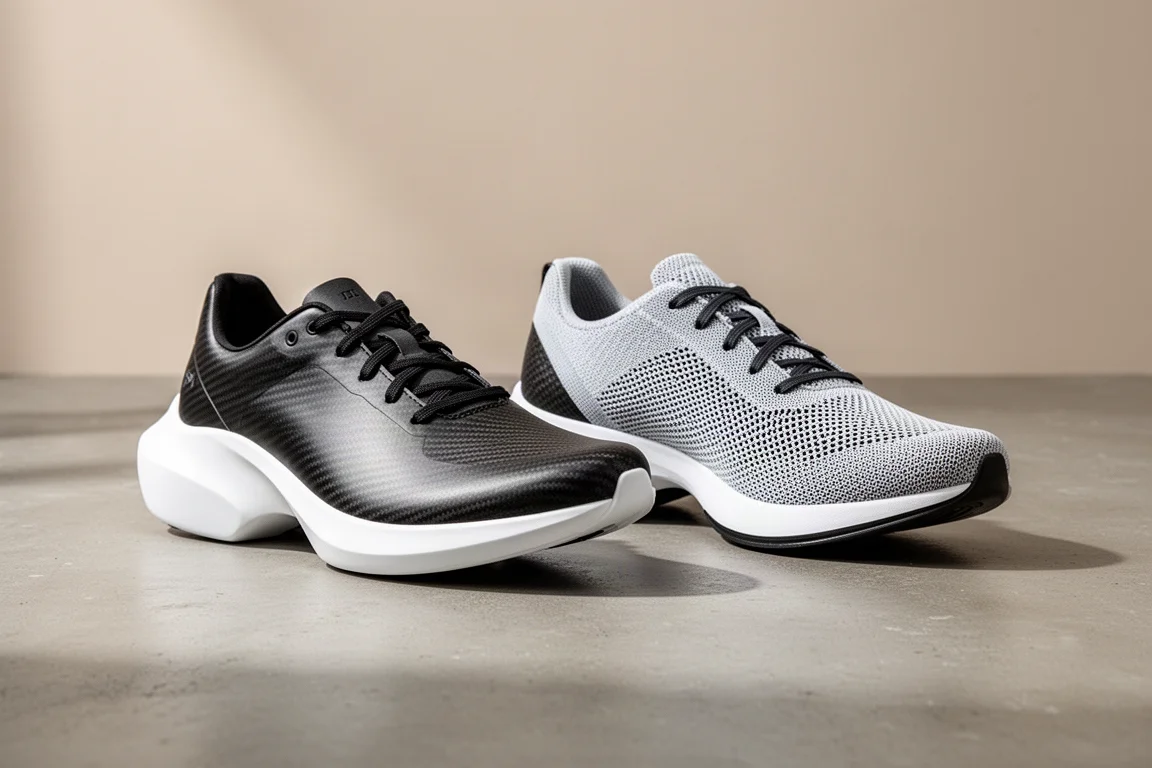
The Nike Vaporfly Next% 2 and the ASICS Metaspeed Edge Plus are both carbon-plate super shoes, and they are often treated as the matching options in their respective brand lineups: the Alphafly lines up against the Metaspeed Sky, and these two face off as the snappier alternative. That makes this a genuinely close comparison, because the two shoes share a lot of DNA, including an 8 mm drop and stack heights that nudge up towards the World Athletics limit.
We ran both shoes through the same kinds of sessions to see where they actually differ. Here is how they stack up.
Quick Take: Two Very Similar Racing Shoes
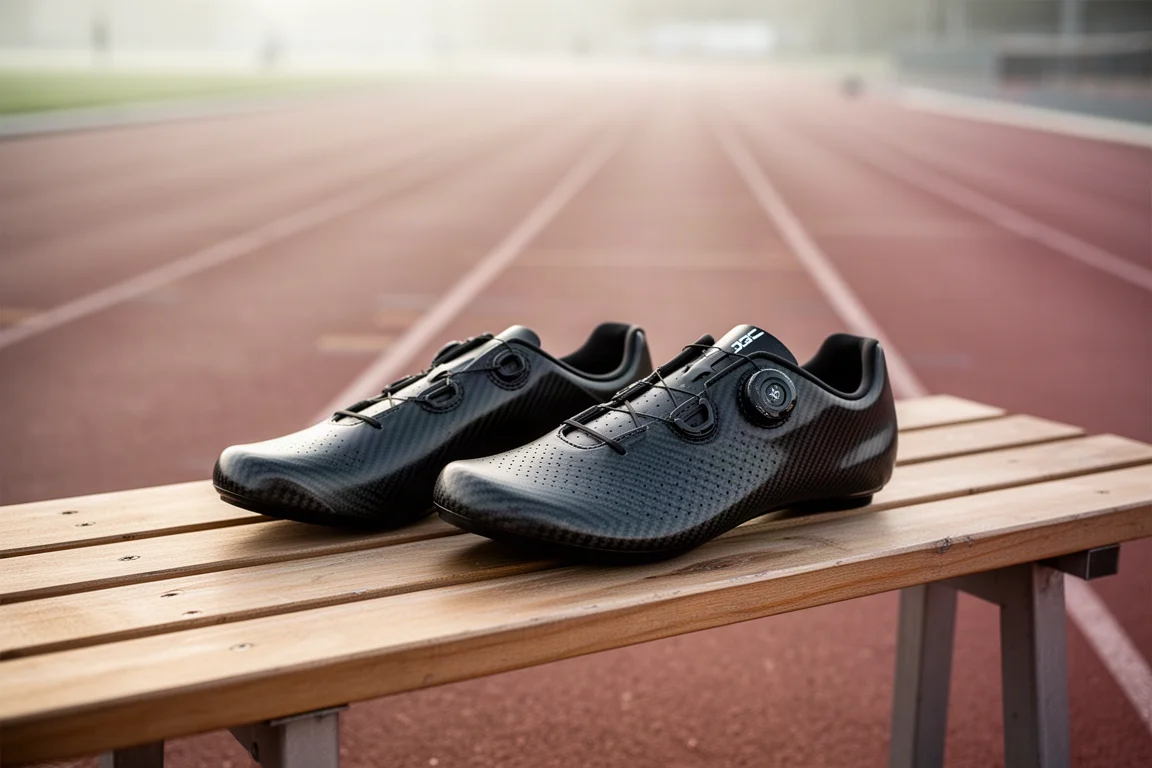
Both shoes are built to encourage a high-turnover, cadence-led running style with a snappy, directed ride, rather than the bouncier feel you get from the Alphafly or Metaspeed Sky. Both push you onto your toes, help you tick over when your legs tire late in a race, and add propulsion from the plate and foam combination.
The headline numbers favour Nike slightly. The Vaporfly is lighter at 207 g (7.3 oz) in a UK size 9, versus 215 g (7.5 oz) for the Edge Plus. On price, the Metaspeed Edge Plus sits at £225 in the UK or $250 in the US, while the Vaporfly starts at £210 or $225 for some colorways, though other Vaporfly colorways cost the same as the ASICS and sales are common.
Design and Materials
The ASICS Metaspeed Edge Plus uses a motion wrap mesh upper with a little cushioning around the heel and almost nothing on the tongue, keeping the weight down. The midsole is a nylon-based FF Blast Turbo foam with a carbon plate running through it, scooping down at the front because the plate sits deeper in the foam than the one in the Metaspeed Sky Plus. The outsole offers good forefoot rubber coverage plus two strips at the back, but those rear strips do not extend far enough back, which matters for heel strikers.

The Vaporfly Next% 2 pairs a breathable engineered mesh upper, with a reinforced section at the toes to lift the material off your feet, against the well-known PEBAX ZoomX foam and a full-length carbon plate with a similar scooping shape. Its outsole follows the same pattern of forefoot coverage and two rear strips, but Nike stretches the rear coverage further back, which limits heel-strike damage. The upper also features the classic offset laces.
Fit and Comfort
The Metaspeed Edge Plus fit is excellent: completely true to size, secure lockdown through the midfoot and heel, and a near-perfect amount of toe room with no movement inside the shoe.
The Vaporfly is true to size in length, but the heel runs a little loose and can roll. That looseness caused some heel rubbing on the first runs until the shoe was heel-locked, after which fit was no longer a problem in the normal size. You just need to be a bit more aware of the thin strip of cushioning at the back of the collar.
Ride Feel and Performance
The Vaporfly has earned its reputation as a fantastic racing shoe with a genuinely Goldilocks ride: soft and comfortable enough that you sink in and get a lovely bounce, yet firm and directed enough that you never feel lost in the foam, with good ground feel when powering through hard sessions. It has delivered personal bests at every distance, including a 15:30 5K, and it is hard to think of a road race or fast session it would not suit. Keep it off trails, though, because the outsole will not survive them.
The Edge Plus is a newer addition to the rotation, but it has already covered 75 km, including an all-out parkrun in the second half of a hard session. It is designed to encourage a flowing, high-cadence style with more steps as you get faster, and for a cadence-style runner it feels very natural, aggressive, and energetic. It is comfortable across race distances, handling a hard 12-mile progression run and long 1K-2K-3K-4K-3K sessions with plenty of cushioning protecting the legs even at the forefoot.
Head-to-Head Track Test
To compare them directly, the same track session was split between the two: eight 400 m reps at just under 75 seconds each with short recovery in the Edge Plus, then a 5K at 3:20 per km pace in the Vaporfly. Both felt great, but the difference is apparent when you swap between them mid-session.
The Edge Plus is firmer with slightly more stability at the heel, and it has a good flowing ride with extra snap in the transition. The Vaporfly is a touch softer, delivers more propulsion and a more explosive feel as you sink deeper into the foam, and its transition feels smoother and more natural. After the session, a 2.5 km cool-down in both shoes confirmed the impression: the Edge Plus is, in a way, a firmer and slightly duller version of the Vaporfly. It trades some of that squish and response for stability, which will appeal to some people, especially since the Vaporfly can feel narrow at the back. Even so, it is not the most stable super shoe either.
Durability: A Real Concern for Heel Strikers
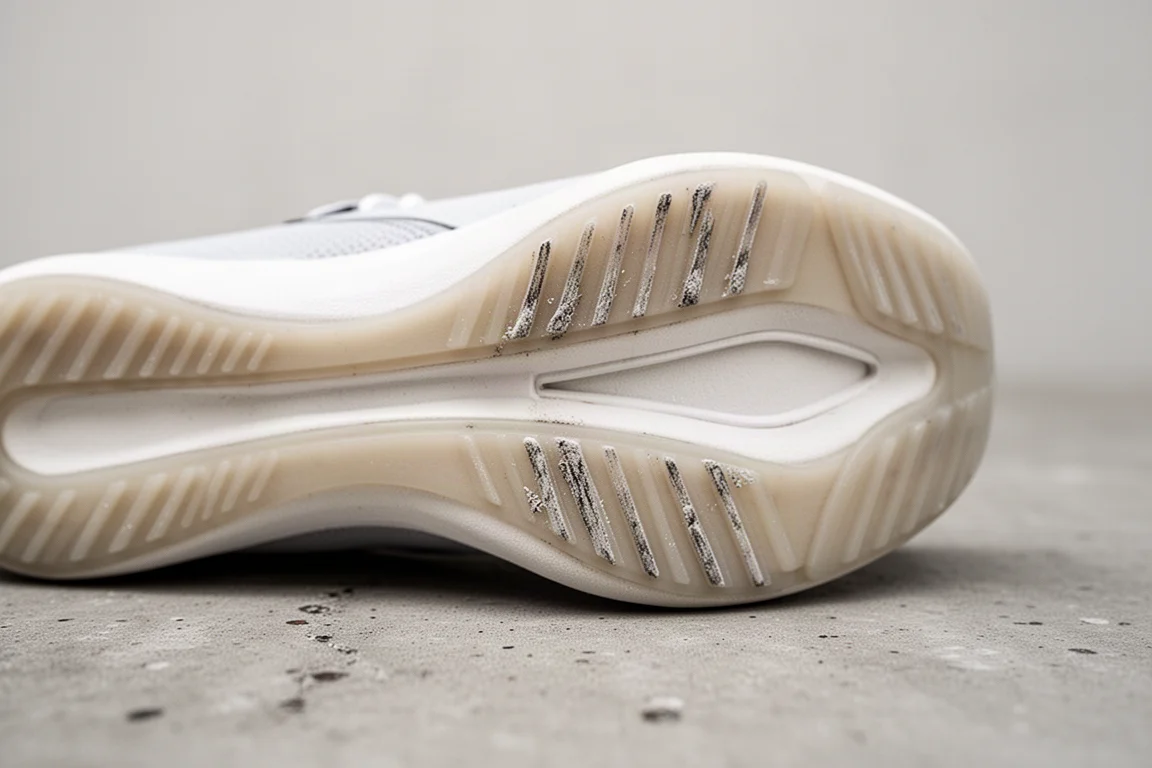
This is where the comparison tilts further towards Nike. The Edge Plus shows noticeably more heel wear because those rear rubber strips simply do not extend far enough back, with significant wear appearing early on the left shoe in testing. The Vaporfly, with roughly 150 km of use, shows only a tiny bit of flaking at the back of the rubber. If you are a heel striker, the ASICS outsole design raises a real durability question.

Verdict and Buying Advice
Both shoes are built along similar lines, but the Vaporfly Next% 2 is a little lighter, often a little cheaper, and simply a little bit better across most categories. Whatever distance you are racing, the Vaporfly is the pick. The only clear edge the Edge Plus holds is slightly more heel stability, and even that advantage is modest.
If you already own the Vaporfly or can find it on a deal, there is little reason to rush out for the Edge Plus. If you want something more distinct in the ASICS lineup, the Metaspeed Sky Plus is the more interesting alternative, offering a slightly different ride feel that some runners prefer over the Vaporfly.
Conclusion
This is a close matchup on paper and a clear one in practice. The ASICS Metaspeed Edge Plus is a capable, comfortable, high-cadence racing shoe with an excellent fit, but the Nike Vaporfly Next% 2 beats it on weight, price, ride quality, transition, and outsole durability. Unless heel stability is your top priority, the Vaporfly is the better buy.
Product link
View more details for Nike Vaporfly Next% 2
This product is mentioned in the review. Check the specifications, options, and compatibility before buying.
View more details for Nike Vaporfly Next% 2Further reading
Related Reviews

Running Shoes
Best Road-to-Trail Running Shoes: Three Versatile Options for Mixed Terrain
A practical guide to three road-to-trail running shoes that handle both pavement and mild trails, with clear strengths and trade-offs for different runner types.

Running Shoes
Best Running Shoes for Achilles Tendonitis: Three Options Explained
Three running shoes with different heel drops and support features designed to help reduce Achilles tendon pain during walking and running.

Running Shoes
Best Running Shoes for Women: Five Top Choices Ranked
A ranked guide to five women's running shoes, from versatile daily trainers to high-performance racing options, with real strengths and trade-offs for each.