Running Shoes
Nike Vaporfly Next% 2 vs Next% 3: Which Race Day Shoe Makes Sense for You?
A side-by-side look at two of Nike's fastest super shoes, covering midsole updates, upper changes, fit, and which version suits your racing style.
Introduction
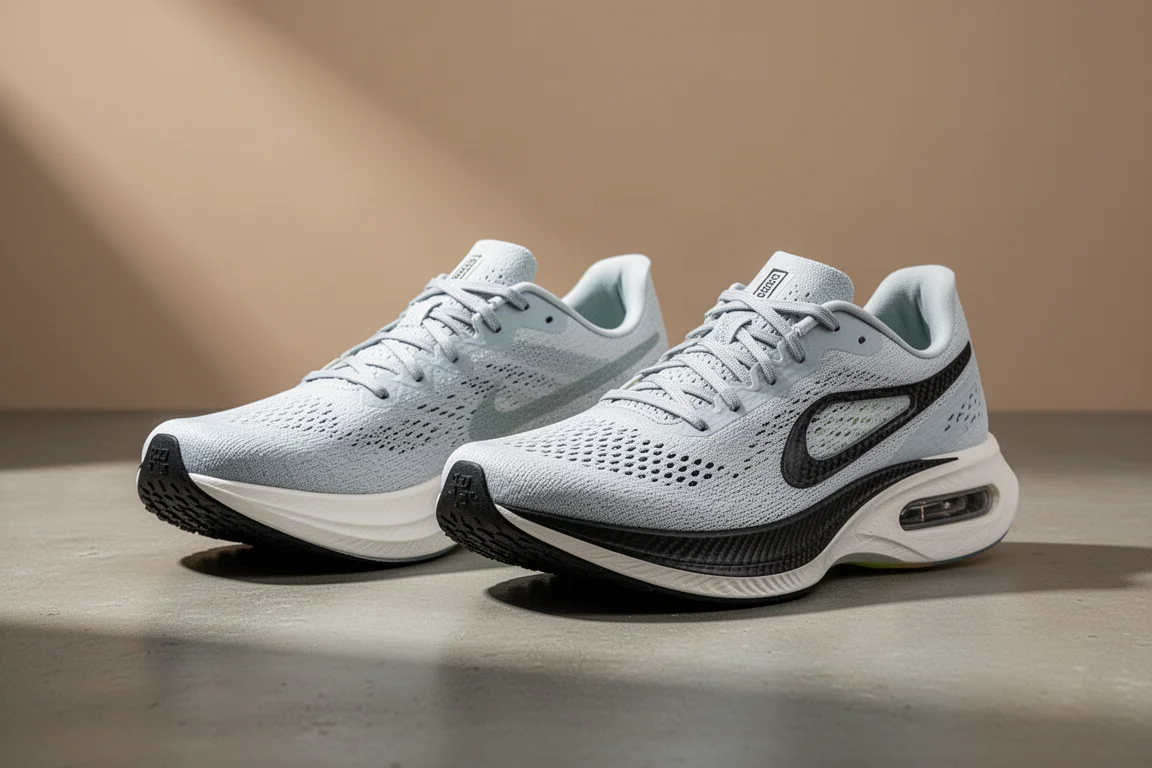
Every once in a while a shoe update looks minor on paper but still moves the needle. That is exactly how the Nike Vaporfly Next% 3 stacks up against the Next% 2: the changes are incremental, but several of them meaningfully improve the ride. In this comparison we walk through what the two shoes share, what has changed, and which one deserves a spot on your race day feet.
What Stays the Same
Both shoes are built around the ZoomX midsole that runners have come to love, paired with a carbon plate. Both are among the lighter race day shoes you can put on your feet, and both deliver that signature combination of light weight, generous cushioning, and a plate that helps propel you forward.
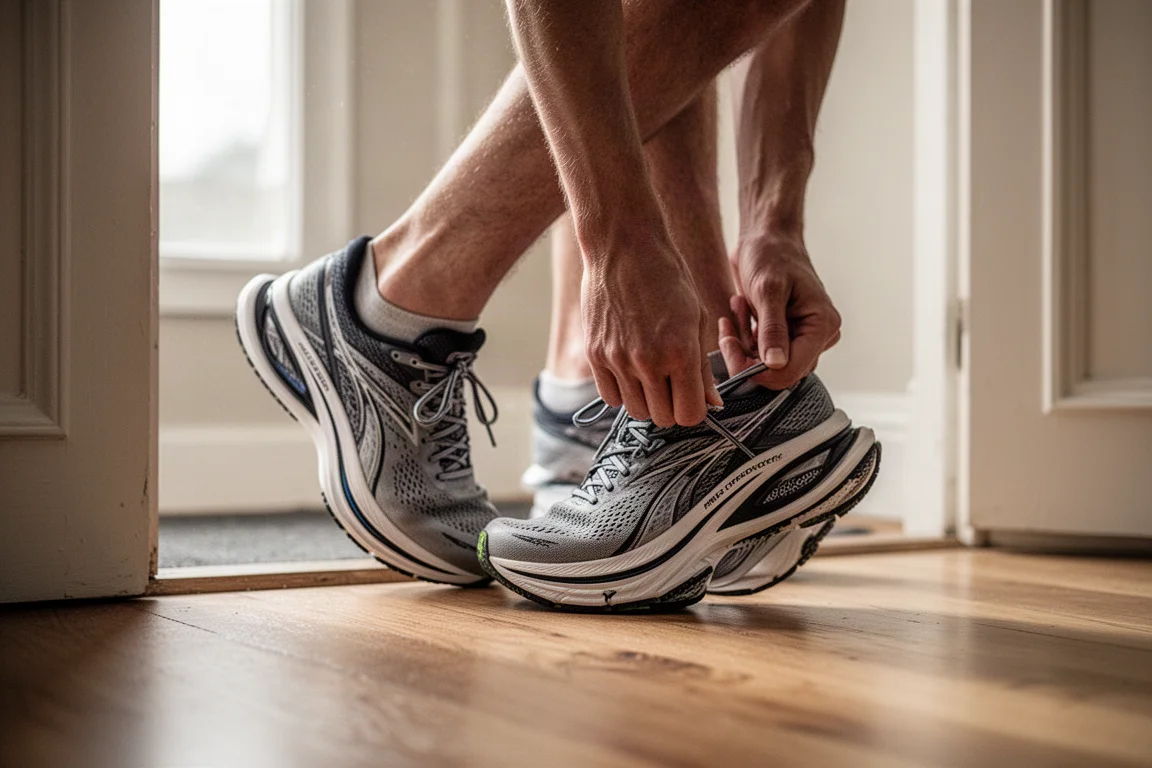
If you already know and like the Vaporfly formula, the Next% 3 does not reinvent it. It refines it.
What Changed in the Midsole
The most noticeable change underfoot is in the forefoot. The Next% 3 adds more ZoomX in the front of the shoe thanks to a thinner layer of rubber outsole. Where the Next% 2 outsole looks like a giant waffle, the Next% 3 uses a thinner, perforated, and lighter rubber layer.
The difference is not dramatic, maybe a millimeter or so of extra foam, but it makes the shoe feel softer and adds a bit of that squishy, bouncy sensation underfoot. The rubber is also less rigid, which lets the midsole feel the way the shoe did when it first won people over: a little bounce off the toe with every step.
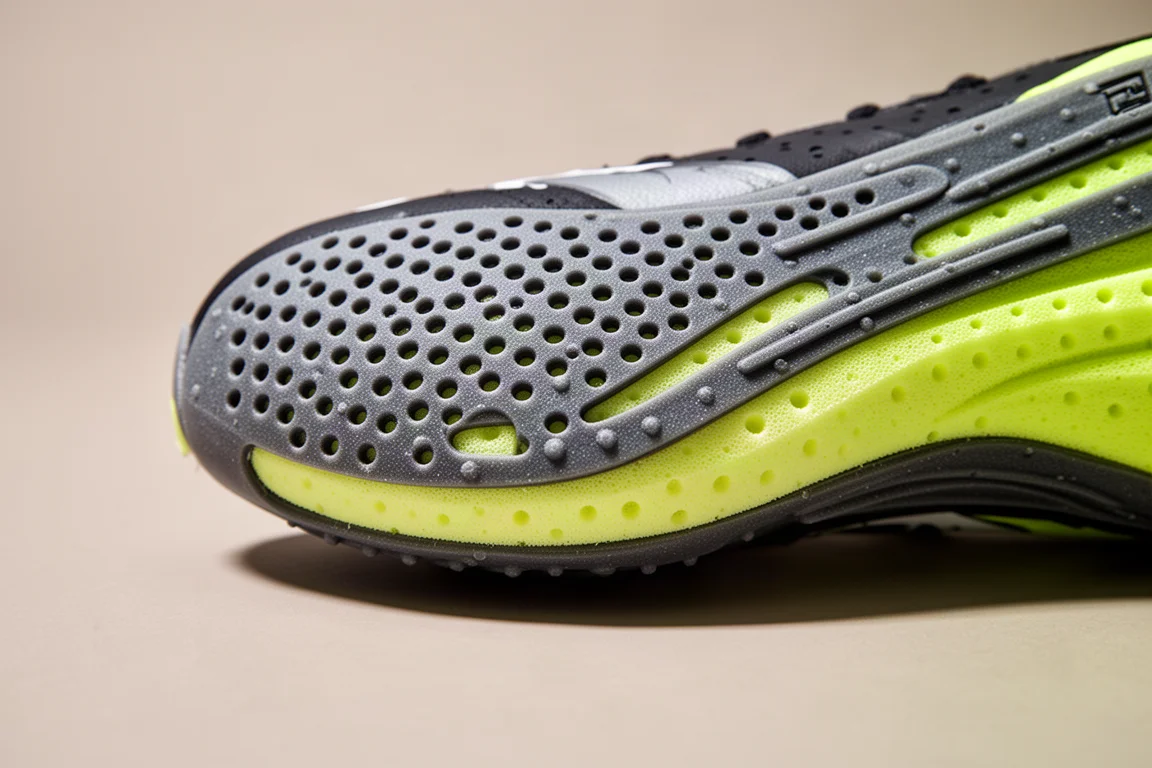
There is also a cutout in the midfoot where the flyplate is exposed, which saves a little weight, plus a visible plate window on the side of the shoe that some find reminiscent of a certain stainless steel pickup truck. Durability-wise, the thinner rubber is a modest trade-off, but this is a pure race shoe and durability was never its core mission. Most runners will happily take more ZoomX over more rubber.
Upper and Fit Improvements
The upper is where the Next% 3 pulls ahead. It is noticeably more breathable than the Next% 2, with an airy, screen-door-like mesh that keeps the shoe feeling light even as the miles stack up.
Nike also resculpted the heel counter and collar. The Next% 2 could gape around the ankle when you stepped forward, which never hurt performance but made the lockdown feel less snug. The Next% 3, with its offset lacing and new heel collar structure, delivers a noticeably better lockdown. The midfoot and forefoot fit remains sleek and racer-like.
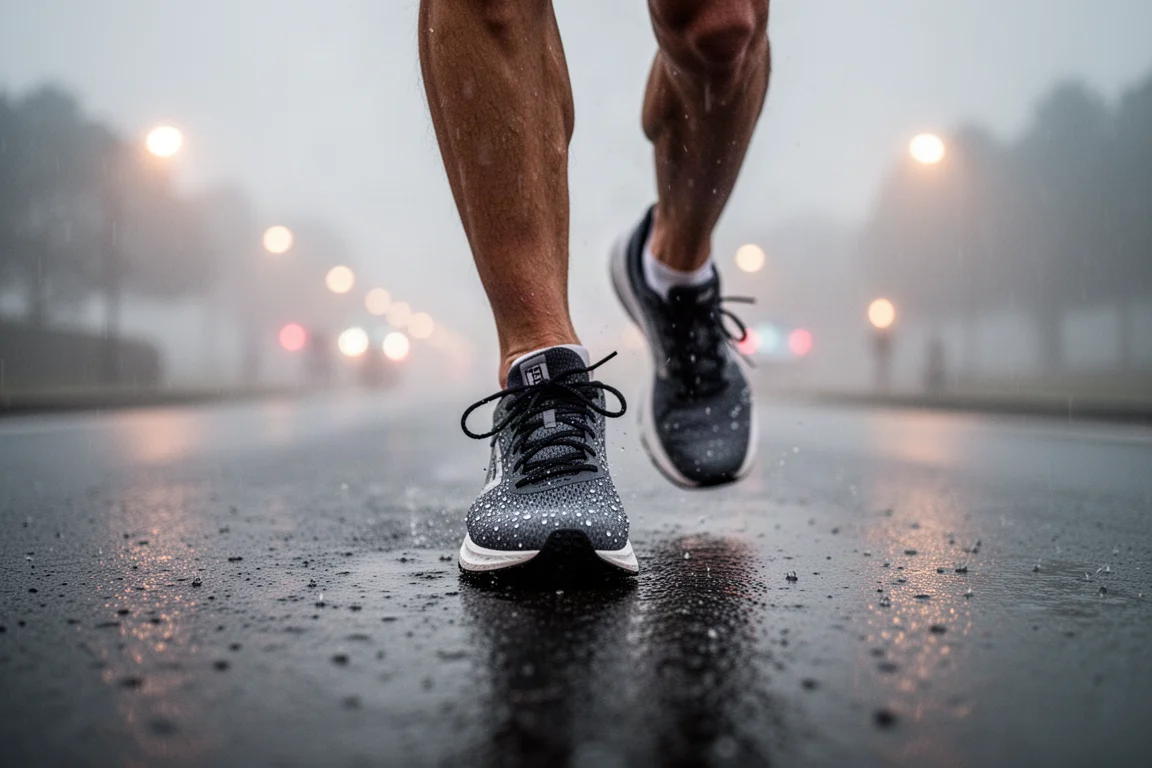
One material upgrade is easy to overlook: the Next% 3 upper does not absorb water. That is a genuine advantage on rainy race days, when a soaked upper can add ounces to each shoe and turn your super shoe into something closer to a daily trainer by the finish.
The tongue is the one quibble. It rides high on the ankle, even more than on the Next% 2, and one tester still experienced some heel lift. It never caused discomfort or affected performance, but it is worth noting if you are sensitive around the ankle.
Which Version Should You Buy?
The verdict from testers who have spent real miles in both: the Next% 3 is an improvement and a step up. One tester called it their favorite Vaporfly since the early days, appreciating that it kept the pop and bounce while adding a touch more cushioning. The Next% 2 felt a little stiffer by comparison, without that extra cush in the forefoot.

Some pro athletes have still been sticking with the Next% 2 because it is what they trained in and they do not want to change shoes before a race, but the consensus leans clearly toward the newest version. Keep in mind that with a high stack of ZoomX and a carbon plate, this is an unstable platform at slower paces. It is a pure race shoe, best used when you want to go fast. And on style, the Next% 3’s colorways tend to pop off the course, something the Next% 2 never quite matched.
Conclusion
Both shoes deliver the lightweight, bouncy, plated ride that made the Vaporfly famous, but the Next% 3 earns the nod. More ZoomX under the forefoot, a better lockdown, a more breathable and water-shedding upper, and a slightly lighter build add up to a genuine step forward. If you are choosing between the two for race day, the newest version is the safer bet.
Product link
View more details for Nike Vaporfly Next% 2
This product is mentioned in the review. Check the specifications, options, and compatibility before buying.
View more details for Nike Vaporfly Next% 2Further reading
Related Reviews

Running Shoes
Best Road-to-Trail Running Shoes: Three Versatile Options for Mixed Terrain
A practical guide to three road-to-trail running shoes that handle both pavement and mild trails, with clear strengths and trade-offs for different runner types.

Running Shoes
Best Running Shoes for Achilles Tendonitis: Three Options Explained
Three running shoes with different heel drops and support features designed to help reduce Achilles tendon pain during walking and running.

Running Shoes
Best Running Shoes for Women: Five Top Choices Ranked
A ranked guide to five women's running shoes, from versatile daily trainers to high-performance racing options, with real strengths and trade-offs for each.