Running Shoes
Nike Vaporfly Next% 2 After 109.5 Miles: A Long-Term Review
How the Nike Vaporfly Next% 2 holds up past 100 miles, from outsole wear and upper security to a transition that improves dramatically with break-in.
Introduction
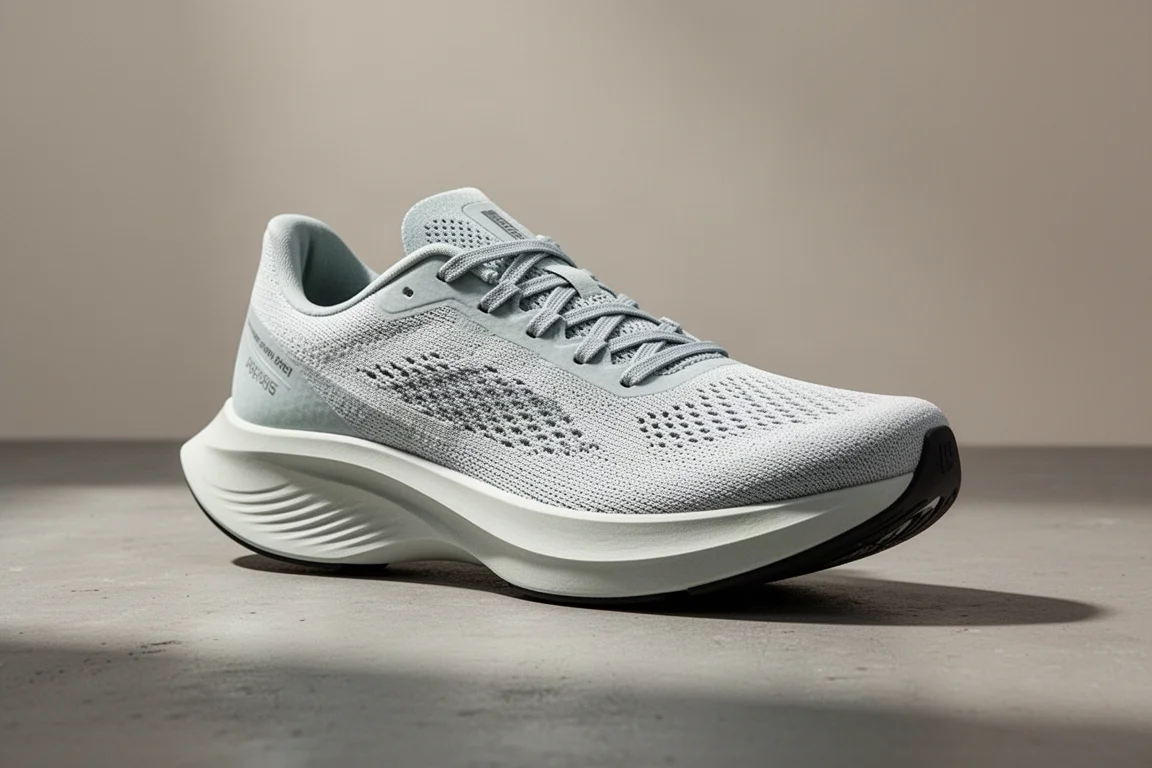
After 109.5 miles, the Nike Vaporfly Next% 2 has earned a place in our long-term rotation, and its story is more interesting than a first-impressions review could capture. Early on, this shoe did not quite work: the platform felt a little high, the drop was slightly higher than preferred, and the transition from heel through midfoot was not as smooth as hoped. With more miles, nearly all of that changed. Around the 60-mile mark, the break-in process transformed how the shoe feels and performs, and it has now re-entered the lineup as a serious race-day candidate.
Who This Shoe Is For
The Vaporfly Next% 2 suits runners who want a lightweight, responsive shoe for road racing and fast workouts. It has always been strong from the midfoot forward, which makes it a natural fit for short road races; a road 5K or a four-mile race is well within its comfort zone. What changed with mileage is longer-distance potential: once broken in, the transitions cleaned up enough that it now works as a long-run and performance trainer too.
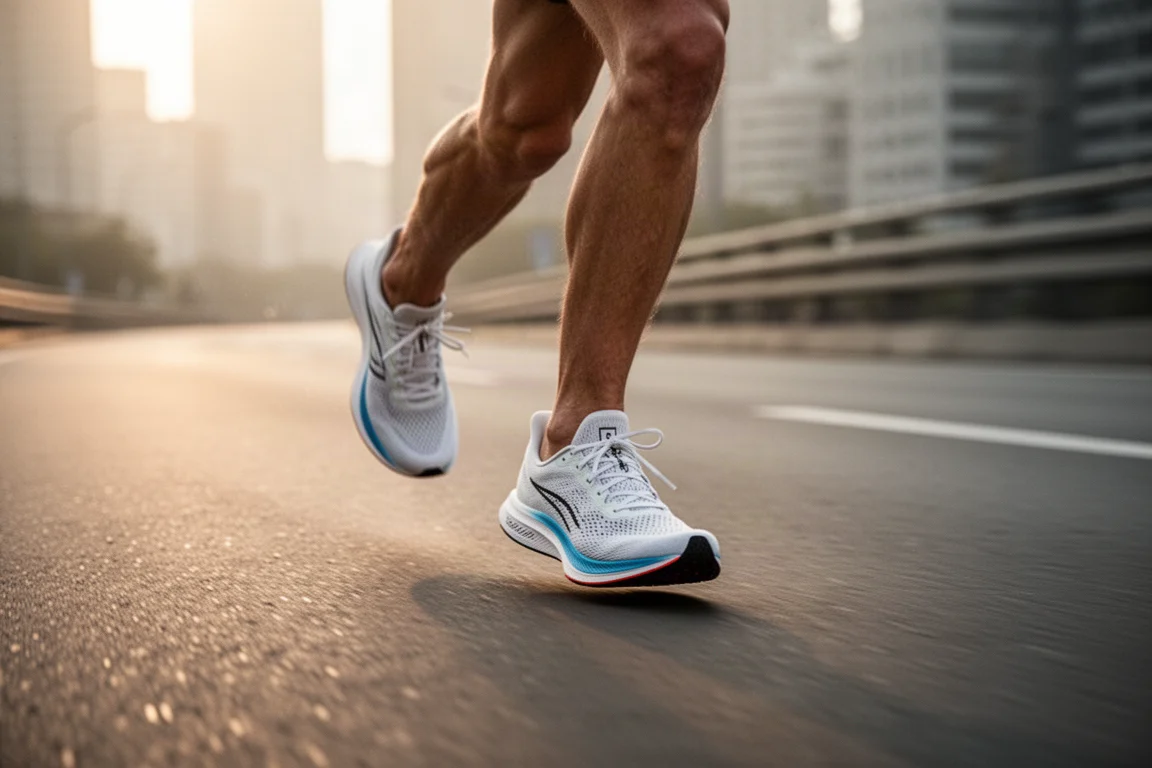
Runners with similar mechanics to ours, who found the initial heel-to-midfoot transition abrupt, should know that this issue softens considerably with wear.
Main Strengths
The standout strength after 109.5 miles is weight. The Vaporfly Next% 2 is lighter than many competing shoes on the market, and combined with the smoother post-break-in transitions, that pushes it toward the top of the racing shortlist.
Durability is another positive. At over 100 miles, the upper is holding up just fine, the forefoot traction has survived plenty of hard use, and the midsole has softened slightly in a way that improves the ride rather than deadening it. The foam is not suddenly soft and bouncy, but the heel-to-midfoot transition has cleaned up noticeably.
Things to Consider Before Buying
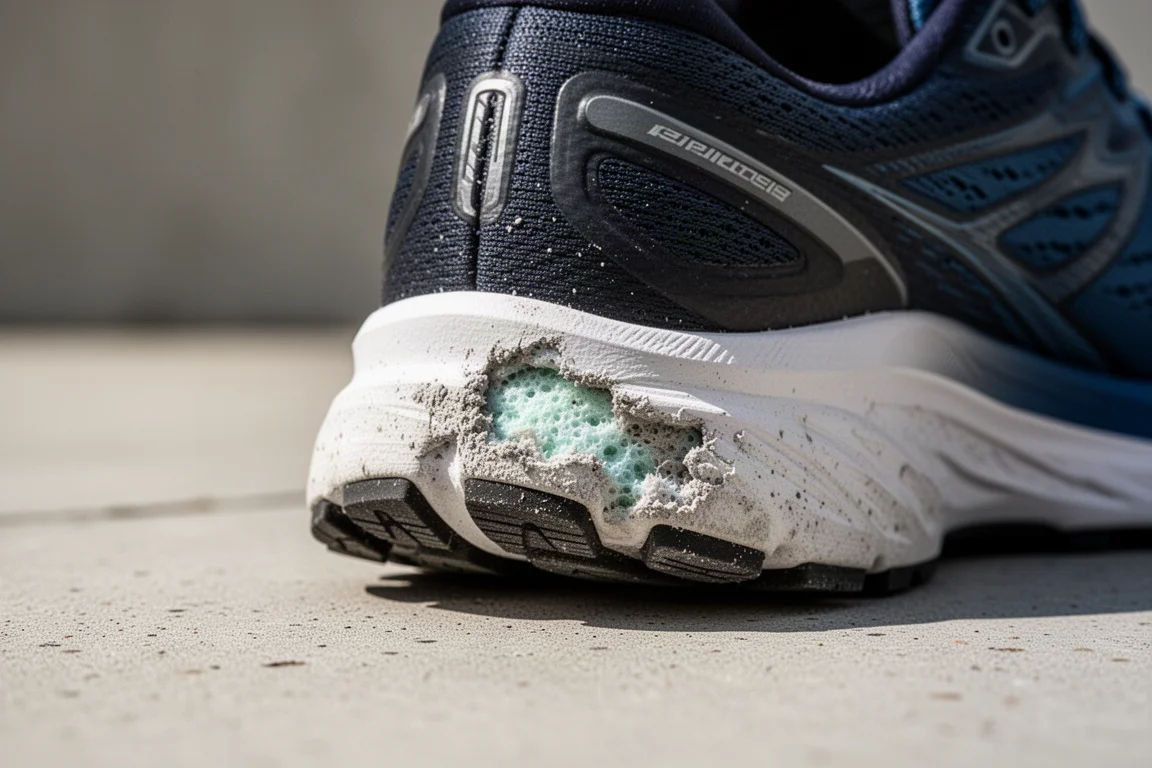
There is visible wear to be aware of. The posterior lateral heel shows some abrasion where the exposed midsole is being eaten into, with the foam starting to cut slightly. The forefoot traction, while still holding up well enough after a 20-mile day, is slipping a little more than when new.
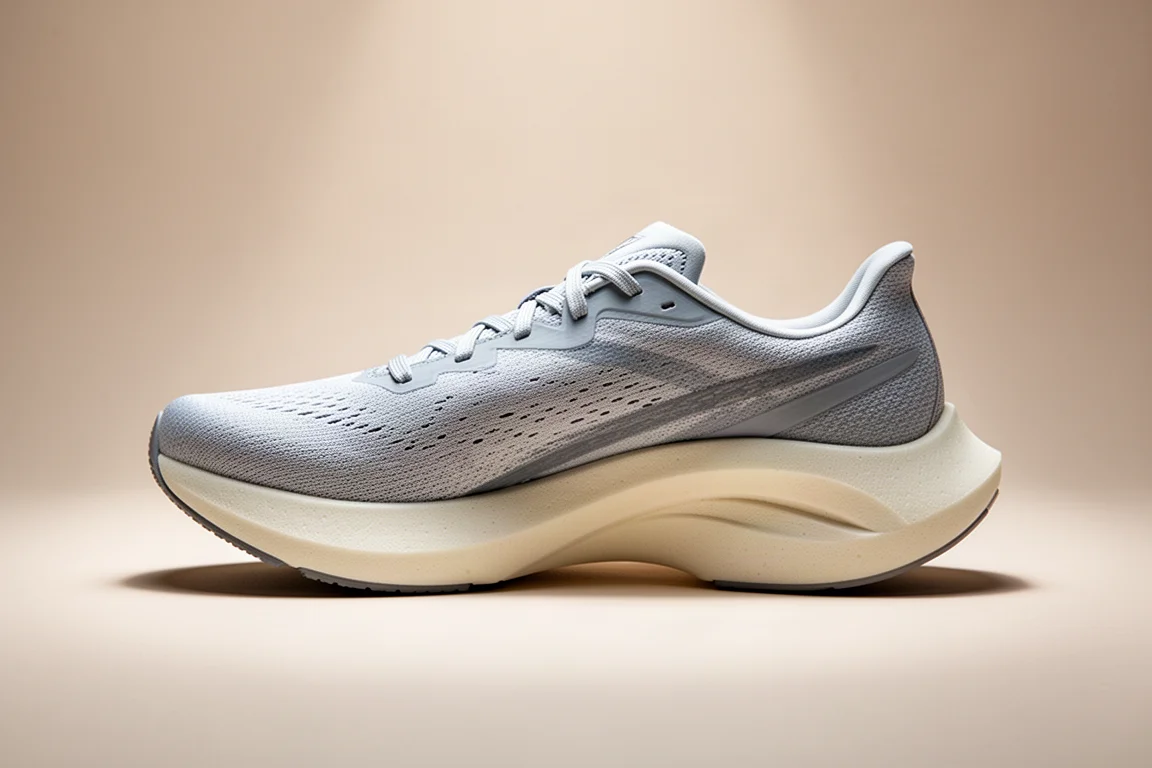
Security is the other recurring consideration. The upper requires locking down on the tighter side to feel secure, and that has been consistent throughout the entire test period. If you prefer a relaxed, roomy fit, plan to use the lacing to compensate.
Buying Advice
If you buy a pair, treat the first 60 miles as a break-in window rather than judging the shoe too early. Plan to put around 50 miles on a pair before race day so the foam and transition are fully settled, and keep lacing it snug for security.
The Vaporfly Next% 2 sits alongside several similar options worth comparing before you commit: the Puma Fast-R, the Saucony Endorphin Pro 3, and the Adidas Adizero Meta Speed Edge+. All are fairly close in intent, but each has its own differences, and marathon season is a good reason to test what matches your mechanics best.
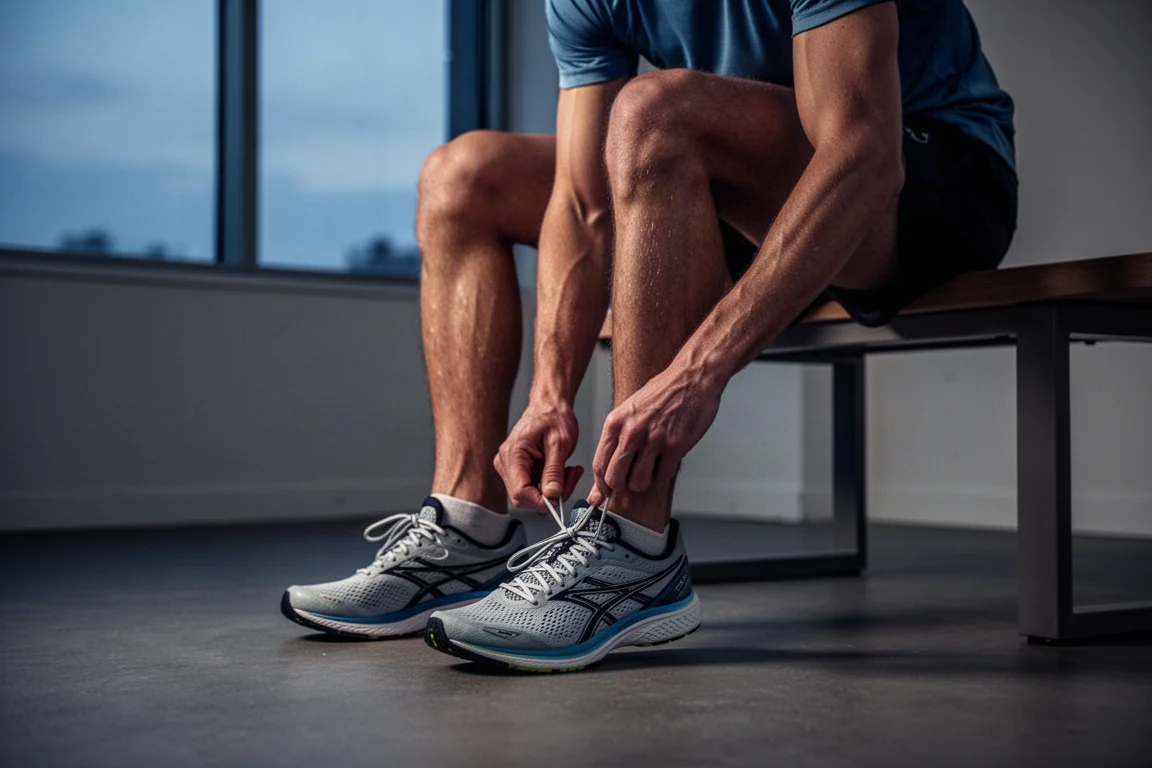
For us, the Nike is now in line for both workouts and long runs, with a fresh pair reserved for racing.
Conclusion
At 109.5 miles, the Nike Vaporfly Next% 2 has gone from a shoe that did not quite fit to one trending toward the top of our racing rotation. It is lightweight, holds up well past 100 miles, and rewards patience with a much smoother ride once broken in. Runners who can tolerate a snug lockdown and some heel wear will find a genuinely capable race and long-run shoe here.
Product link
View more details for Nike Vaporfly Next% 2
This product is mentioned in the review. Check the specifications, options, and compatibility before buying.
View more details for Nike Vaporfly Next% 2Further reading
Related Reviews

Running Shoes
Best Road-to-Trail Running Shoes: Three Versatile Options for Mixed Terrain
A practical guide to three road-to-trail running shoes that handle both pavement and mild trails, with clear strengths and trade-offs for different runner types.

Running Shoes
Best Running Shoes for Achilles Tendonitis: Three Options Explained
Three running shoes with different heel drops and support features designed to help reduce Achilles tendon pain during walking and running.

Running Shoes
Best Running Shoes for Women: Five Top Choices Ranked
A ranked guide to five women's running shoes, from versatile daily trainers to high-performance racing options, with real strengths and trade-offs for each.