Running Shoes
Nike Vaporfly Through the Ages: Comparing the 4%, 4% Flyknit, Next% and Next% 2
A look back at four generations of the Nike Vaporfly, how the line evolved, and which model still makes the most sense today.
Introduction
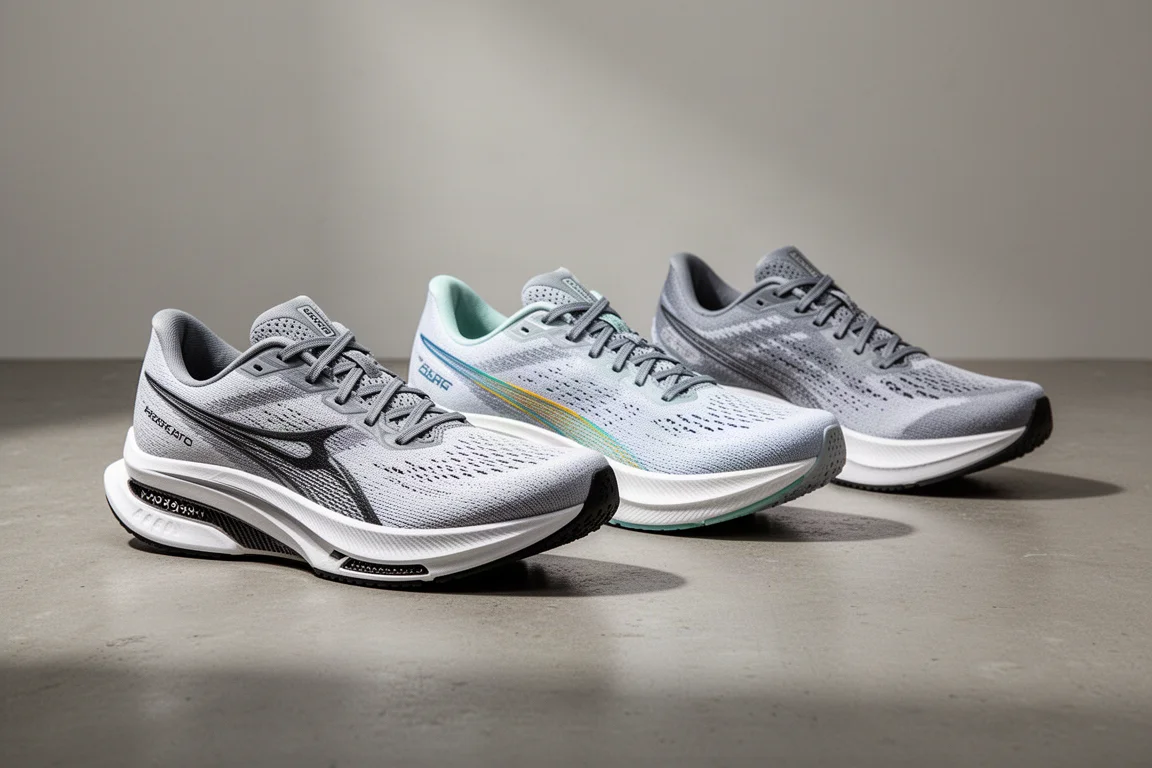
Few running shoes changed the sport quite like the Nike Vaporfly. From the original 4% through to the Next% 2, each version built on the formula that kicked off the carbon super shoe era. Since only the Next% 2 is realistically available now, this is less a direct which-one-to-buy verdict and more a trip through the line: how each model differed, how they feel back to back, and where the sweet spot sits today.
What Has Stayed the Same
Across every generation, the core recipe never changed: a big stack of ZoomX cushioning, Nike’s very soft and springy PEBA-based foam that much of the industry now tries to replicate, a full-length carbon plate through the midsole, a lightweight upper, and a deliberately sparse outsole to keep weight down.
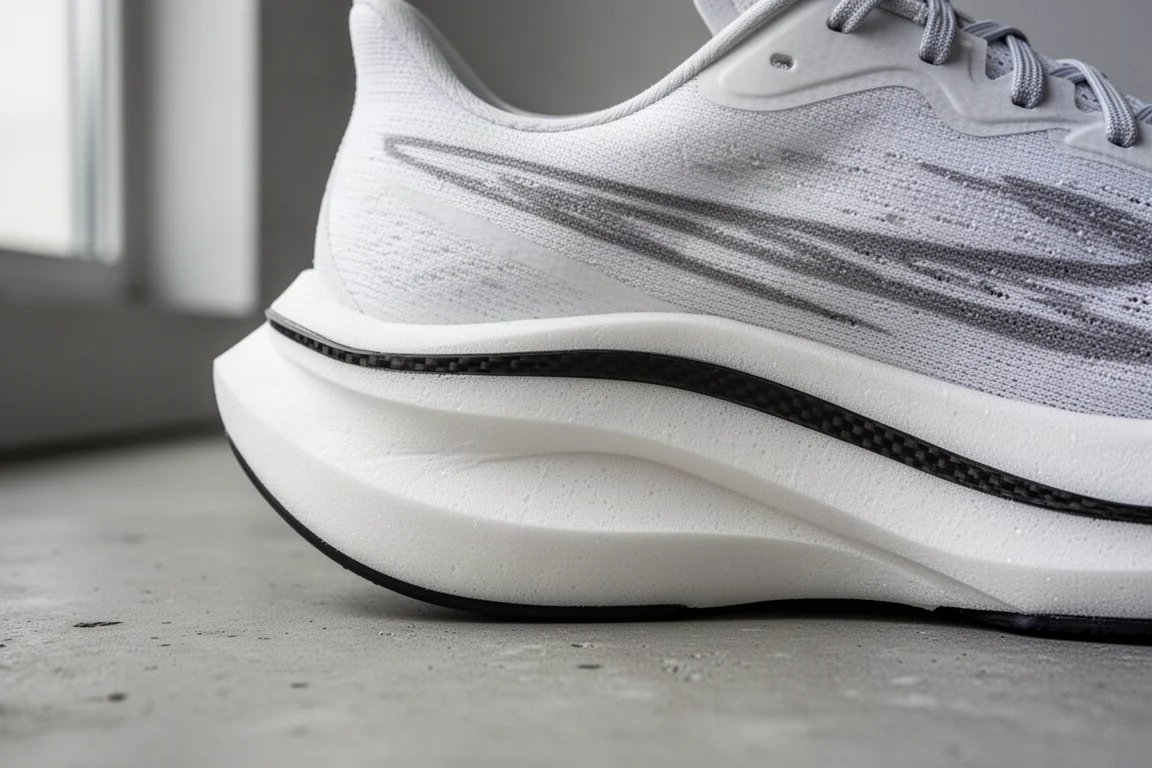
What did change was everything around that recipe. The original 4% ran a lower stack of roughly 31 to 33 millimeters and an 11-millimeter drop, with a mesh upper before the Flyknit version arrived. Its outsole had solid forefoot coverage but very minimal heel coverage, leaving plenty of exposed foam that chewed up quickly.
Nike Vaporfly 4%
The original 4% landed with genuine force. Picked up almost by accident at a Nike outlet store, the difference was immediate: a 10-mile workout that had been run the week before in a standard trainer came back with a lower heart rate and everything simply felt easier and smoother. It was a huge leap forward over anything else available at the time.
A marathon in the shoe followed and delivered a massive personal best, around 15 minutes, with the runner describing it as probably the most enjoyable marathon they have ever run. The 4% set the carbon revolution in motion, and even now, run back to back against newer models, it stands up remarkably well. Regulations have essentially capped development around what this shoe already was, and everything since has been refinement at the margins.
Nike Vaporfly 4% Flyknit
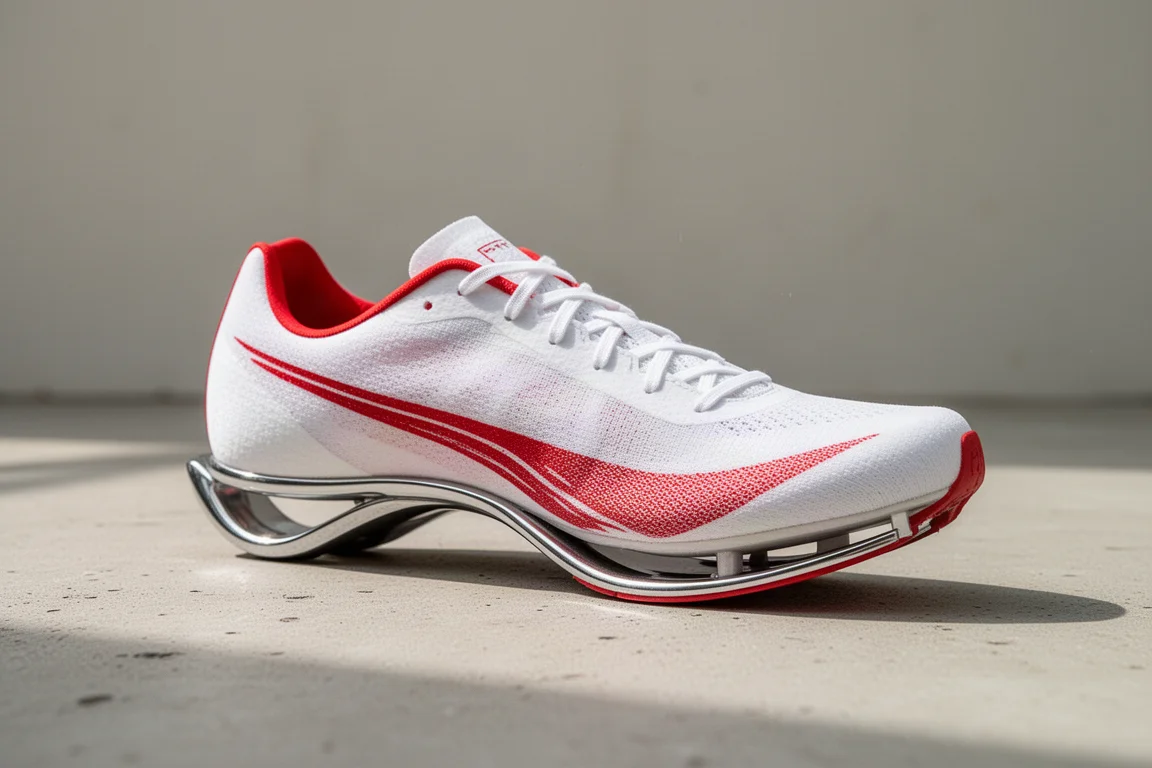
The Flyknit version kept a very similar feel underfoot but swapped the upper, and the snugger Flyknit fit gripped the foot a little better, making the shoe feel almost more nimble. Its main trade-off is clear in wet conditions: Flyknit soaks up water, which adds weight and changes the feel over a long race.
This was the version many people actually managed to buy, as it was far more available than the original, so it crops up constantly as the shoe people wish they could still find, especially with its higher 11-millimeter drop. A London Marathon personal best of around 2:33 in the pair is part of why it holds such affection.
Nike Vaporfly Next%
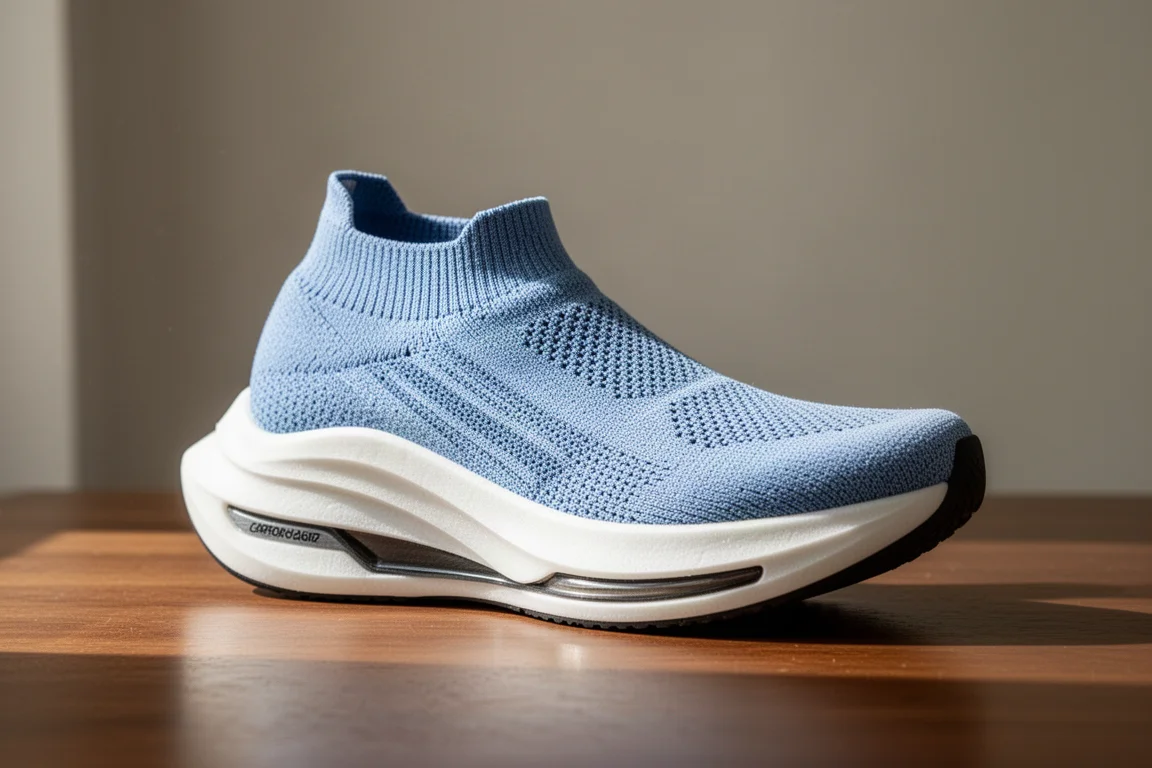
The Next% was harder to accept as an upgrade at first. Early impressions were that it was a bit more stable and better on wet courses but not obviously faster than the 4%. Running longer distances in it told a different story: the added ZoomX gave a higher stack with a lower 8-millimeter drop, a more stable ride, and noticeably more propulsion. It was a bigger leap forward than it first appeared.
Visually it looked wild at launch, though it now reads as the template most other brands followed: higher stack, lower drop, more stable, softer underfoot cushioning for the late stages of a marathon, and a ride that tips you forward despite the reduced drop. A 2:36 second-place day at the Loch Ness Marathon showed exactly where the extra cushioning and spring paid off. The Vaporweave upper also absorbs less water than Flyknit, and the outsole gained better forefoot grip plus two rubber strips protecting the foam for heel strikers.
Nike Vaporfly Next% 2
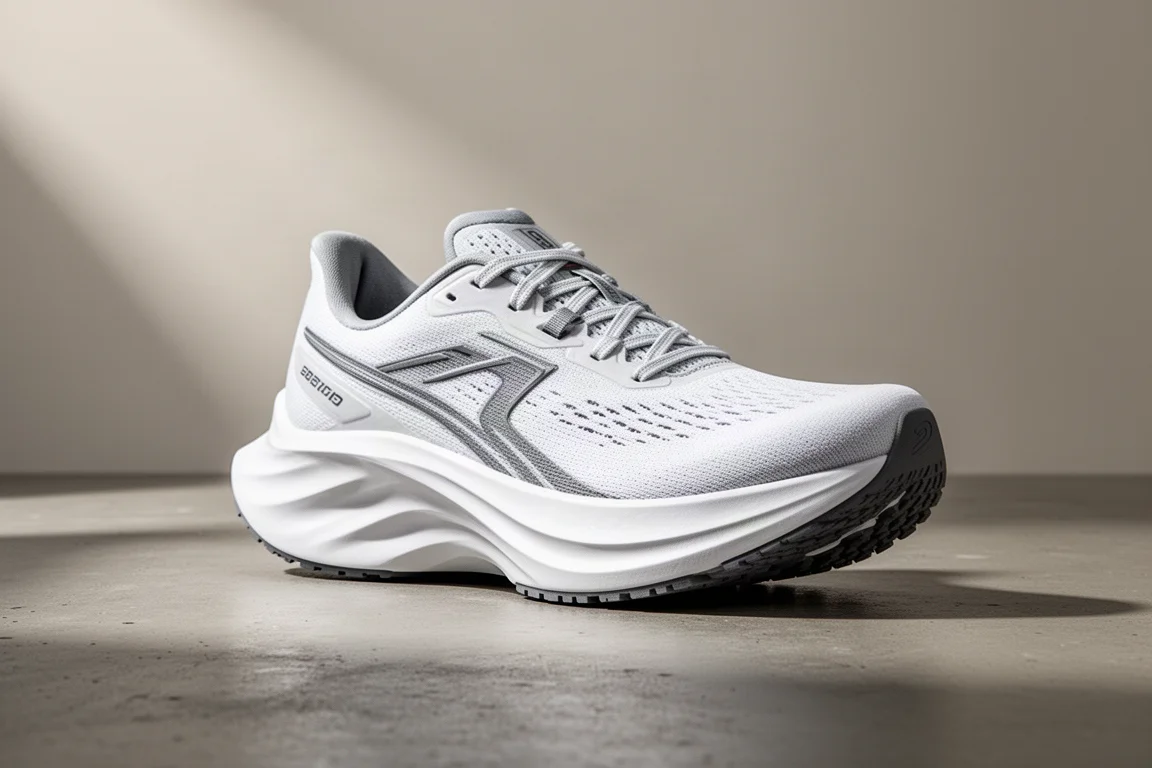
On paper, the Next% 2 changed little. Nike moved back to a mesh upper that sits slightly stiffer and lifts material off the toes where Vaporweave could sag, added tongue padding, and kept the underfoot ride and outsole the same. Many runners find it slightly firmer than the Next% 1, particularly the top layer of foam above the plate, though part of that may simply be a fresh, unbroken-in pair. It also gets a touch of rubbing at the heel on the new upper, so some runners need a heel lock.
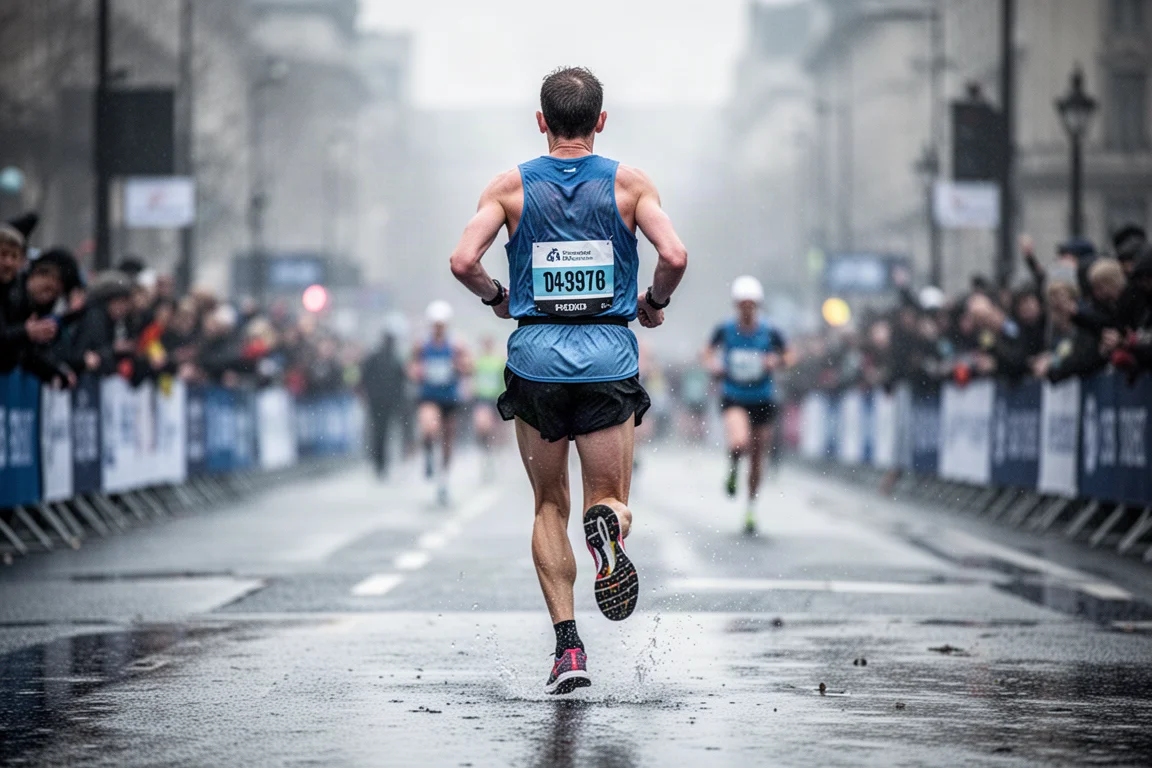
The practical answer came at Berlin, run in the Next% 2 for a 2:28 personal best. The firmer, slightly more aggressive feel suits a heel-striking racer looking for a snappy kick through foot strike, and the shoe still sits among the lightest carbon shoes on the market at around 207 grams in a UK size 9. Notably, the line has quietly gained weight over the years: the original 4% came in under 200 grams. The extra grams seem to buy more cushioning, more bounce, and a better outsole, and most runners appear happy with that trade.
Track Test: Three Generations Back to Back
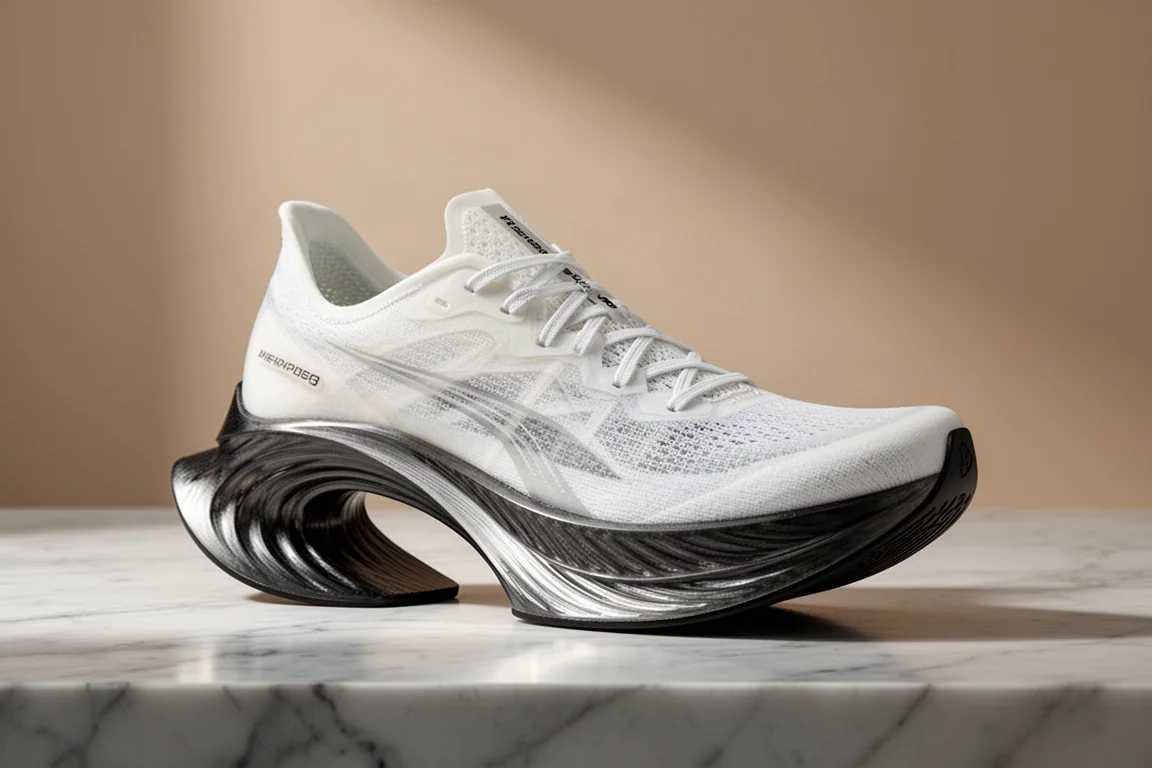
To see how much has really changed, a 12-times-1K track session split the work evenly between the 4% Flyknit, the Next%, and the Next% 2: four reps each, alternating between roughly 10K pace and marathon pace with 200-meter jog recoveries, on a genuinely soaking track that also tested how well the uppers drain over time.
The 4% Flyknit still felt brilliant, cruising through reps, and notably produced the lowest ground contact times of the session, fitting with its slightly nimbler, narrower, lighter character. Its Flyknit upper, of course, loved soaking up water, so the feel changed as it got wet. The Next% stepped in firmer yet tipped the foot forward better despite the lower drop, and its Vaporweave upper kept water out impressively well over short reps. The Next% 2 felt the firmest and most aggressive, moving through foot strike quicker and snapping forward loudly, though over short reps the uppers made little difference and the overall performance across all three was remarkably close.

Which Should You Buy?
The honest takeaway: performance differences across these generations are small, and the best memories attached to the older shoes owe as much to great race days as to the shoes themselves. But nobody is losing anything by not being able to buy the older versions. Seeking out secondhand Vaporfly 4% or Flyknit pairs, with unknown foam life left in them, makes little sense.
The Next% 2 is the pinnacle of the line. It remains very soft, very explosive, very fast, and very hard to top, even as the market around it has matured: every brand now has a carbon shoe, many positioned differently, from softer marathon-focused options to more versatile racers. If you have an older pair still sitting in the rotation, taking it out for a workout is absolutely worth it, but for a purchase today the current model is the one to get.
Conclusion
The Vaporfly line tells the story of modern racing shoes: a revolutionary first act, then a series of well-judged refinements. The 4% was the earthquake, the Flyknit was the people’s version, the Next% set the template the whole industry copied, and the Next% 2 polished it into a firmer, more aggressive racer with a marathon personal best to its name. If you can only buy one today, the Next% 2 is the answer, and the older models are best enjoyed as the legends they are.
Further reading
Related Reviews

Running Shoes
Best Road-to-Trail Running Shoes: Three Versatile Options for Mixed Terrain
A practical guide to three road-to-trail running shoes that handle both pavement and mild trails, with clear strengths and trade-offs for different runner types.

Running Shoes
Best Running Shoes for Achilles Tendonitis: Three Options Explained
Three running shoes with different heel drops and support features designed to help reduce Achilles tendon pain during walking and running.

Running Shoes
Best Running Shoes for Women: Five Top Choices Ranked
A ranked guide to five women's running shoes, from versatile daily trainers to high-performance racing options, with real strengths and trade-offs for each.