Running Shoes
Nike Vaporfly 4 vs Puma Fast-R Nitro Elite 3: Which Race Shoe Deserves Your Money?
Two of the lightest carbon race shoes on the market go head to head, from fit and ride feel to outsole durability and race-day sweet spots.
Introduction
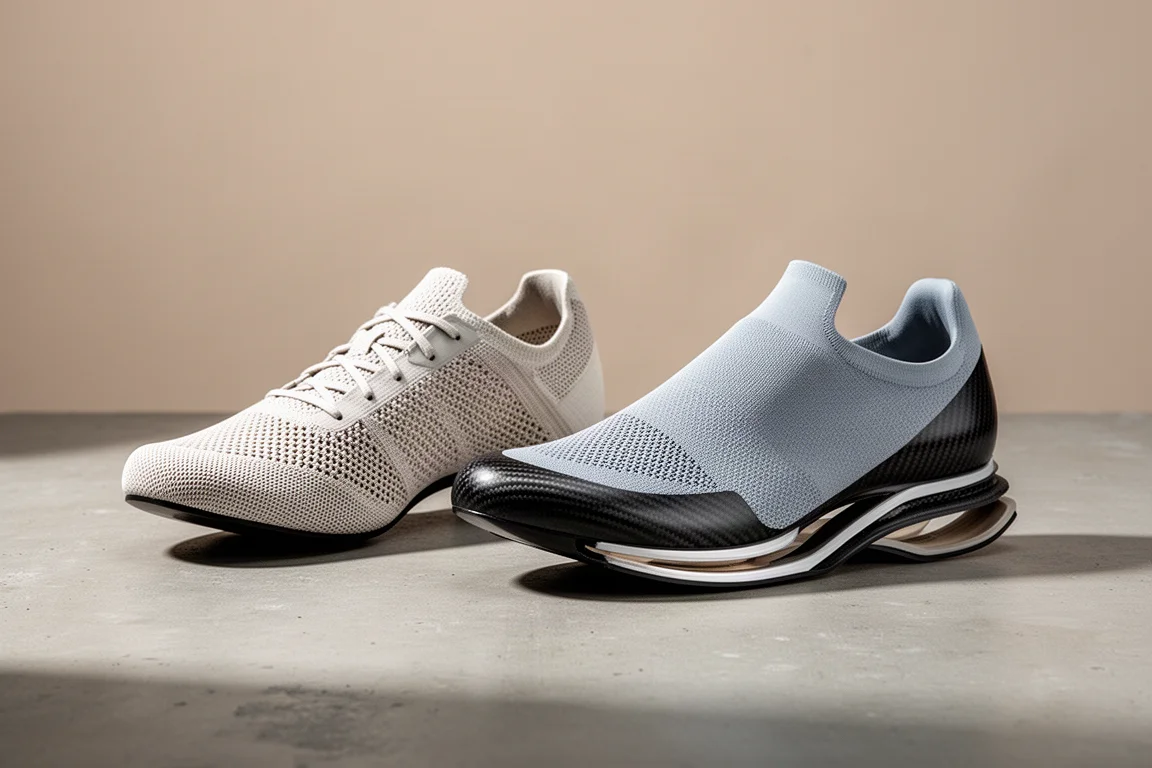
Few matchups in the racing shoe world are as interesting right now as the Nike Vaporfly 4 against the Puma Fast-R Nitro Elite 3. Both are ultra-lightweight carbon race shoes aimed at fast running across 5K, 10K, and up to the marathon distance. Both weigh roughly the same and share a similarly snug race fit, but on the run they feel noticeably different, and that difference is what should drive your buying decision.
This comparison draws on more than 50 miles of testing in each shoe, including an all-out 10-mile effort and a marathon start, plus treadmill efficiency testing at Puma headquarters.
Nike Vaporfly 4
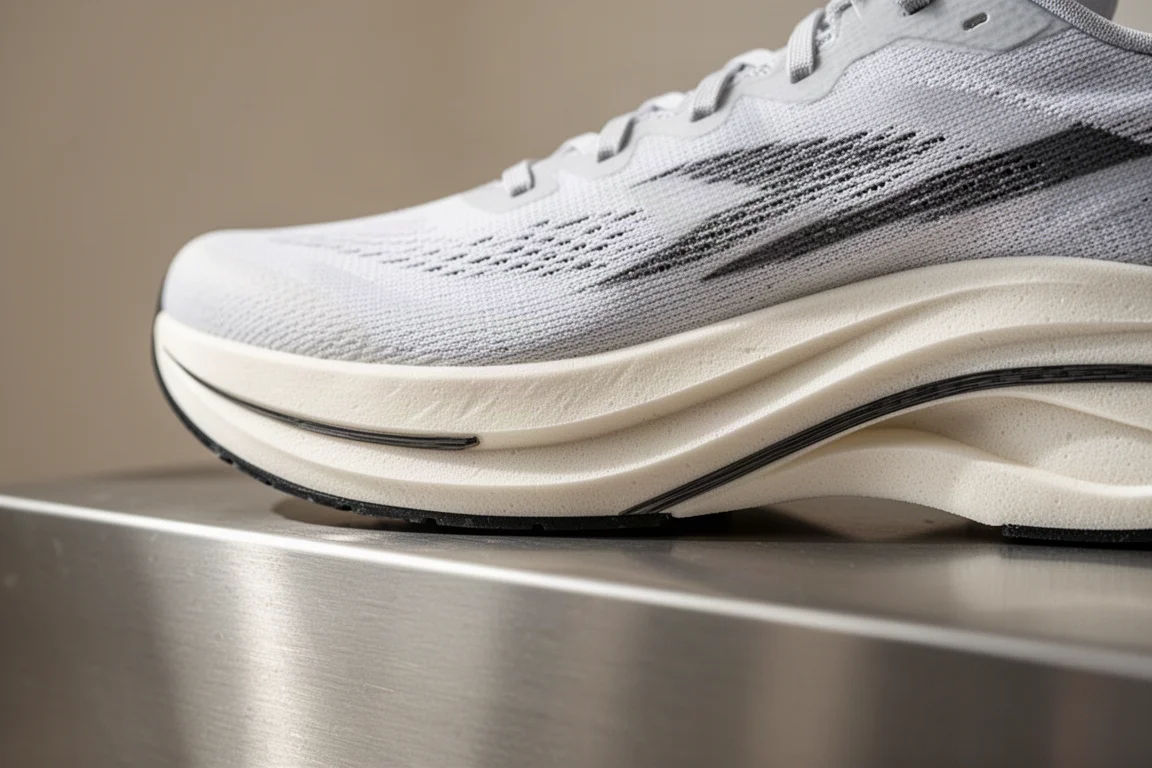
The Vaporfly 4 is a significant overhaul of one of the world’s most popular race shoes. Nike focused development on producing a noticeably lighter shoe than its predecessor, trimming the outsole and midsole and modifying the upper to remove around 5 mm of stack height compared to the Vaporfly 3. The ZoomX foam used is lighter than before, and the carbon fiber plate is positioned at a higher angle than in the Vaporfly 3, working alongside a lower 6 mm heel-toe drop to improve propulsion. The upper is a lightweight engineered mesh with a reduced-size heel and tongue, and the outsole uses a thinner layer of rubber across the length of the shoe.
Priced at £239.99 or $270, it weighs 171 g (6 oz) for men in a US size 8, and it costs slightly less than the Puma.
Puma Fast-R Nitro Elite 3
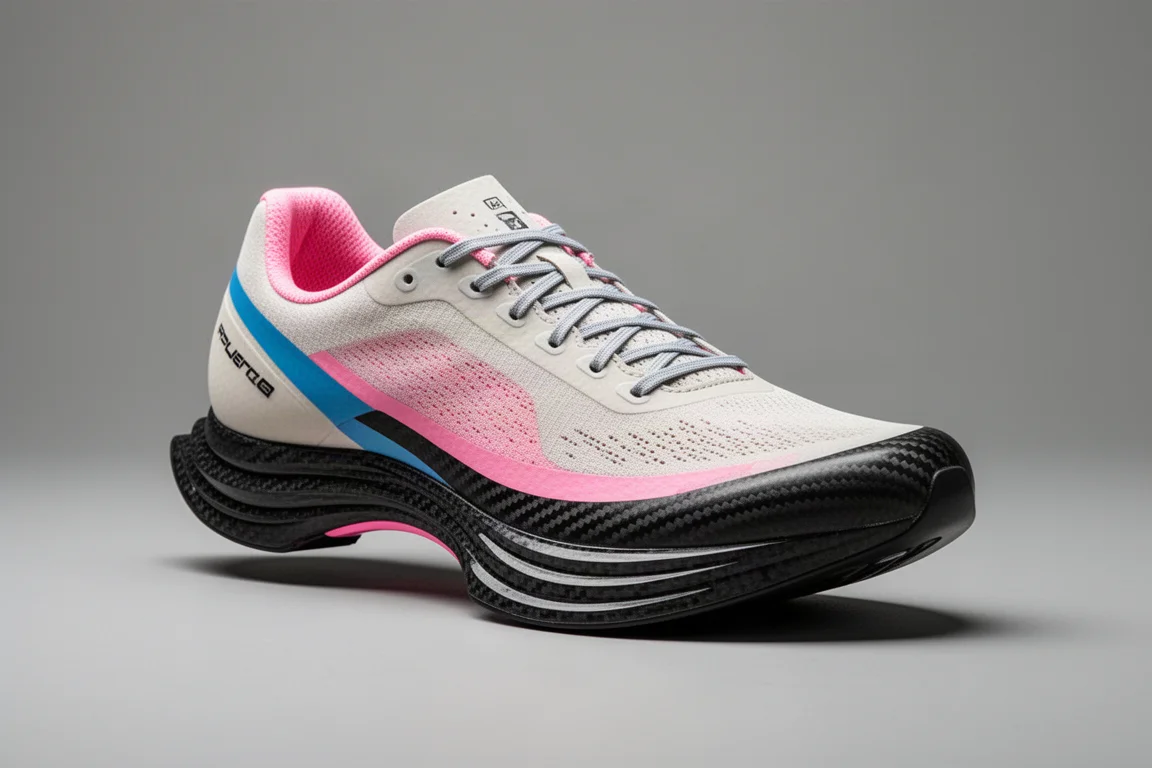
The Fast-R Nitro Elite 3 is a big overhaul on previous versions. The lightweight design uses an upgraded Nitro Foam Elite midsole providing a high level of energy return, combined with an extended carbon fiber power plate for a propulsive toe-off. A layer of Puma Grip on the outsole ensures good traction, while a paper-thin Pwrframe upper built from four-way stretch material reduces weight and friction while still offering a supportive, comfortable fit.
It costs £260 or $300 and weighs 170 g (6 oz) for men in a US size 8, with an 8 mm drop. On the run, the ride feels bouncier and more aggressive than the Vaporfly 4: the midsole and plate feel like they are doing more work, tipping you forward and delivering a genuine kick from the plate. It was also the shoe behind a fastest-ever parkrun 5K in testing, knocking 12 seconds off the previous best.
Fit and Sizing
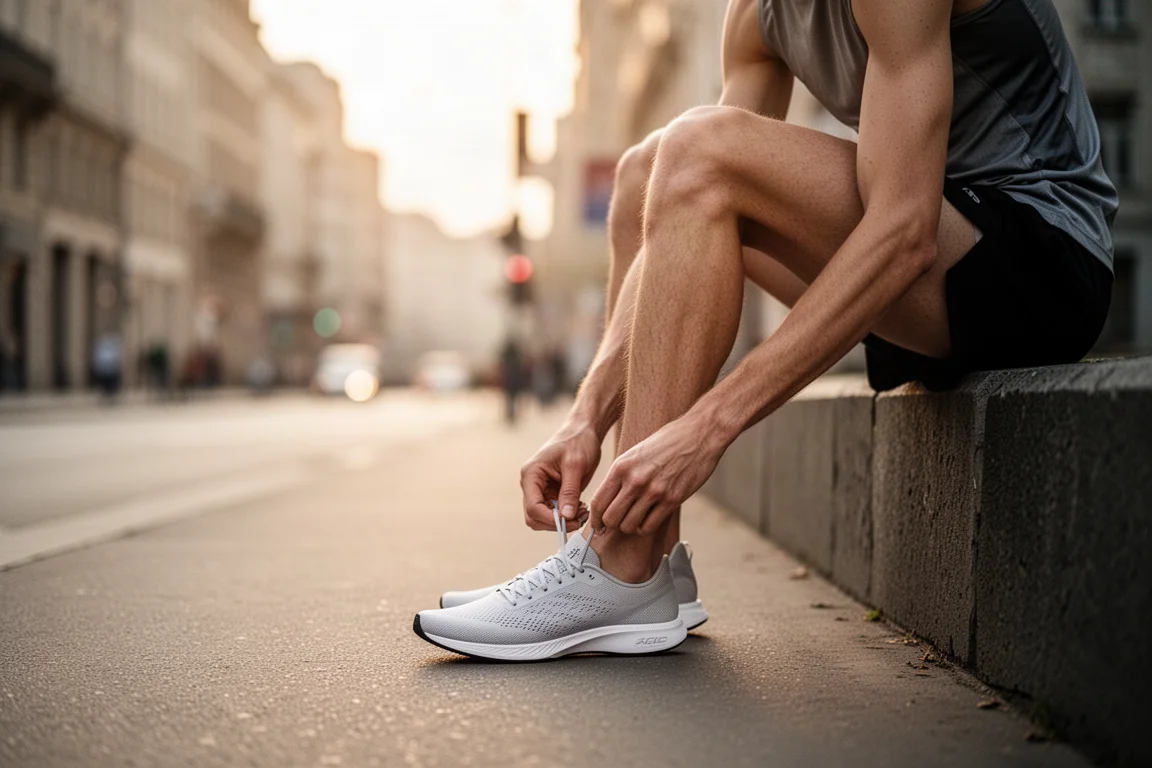
Both shoes run true to size, and both deliver a race-hugging fit with more forefoot room than most race shoes offer. In the Puma, the uppers are quite narrow, but they work well: snug and flexible enough to move with the foot, with plenty of toe box length. The heel hold and midfoot security were spot on, with no slipping or rubbing. The ultra-thin tongue has no padding at all, yet caused no problems, and the upper is impressively light and breathable.
In the Vaporfly 4, the fit balances hold and flex nicely. The upper wraps well and flexes with the foot, so it feels snug without being cramped. The forefoot and midfoot feel roomy for a race shoe, and the thin tongue is also comfortable. A little heel slip appeared occasionally when lacing was careless, but that was easy to fix. Runners with wide feet may want slightly more width in both, particularly in the Puma.
Ride and Race-Day Performance
The Vaporfly 4 feels like a much more nimble shoe now. The lowered stack height makes the ride feel less bouncy than earlier versions, which shifts its character toward shorter and mid-distance racing. It excels at 5K and 10K pace, with smooth, reliable landings and transitions and a firm, responsive feel close to the ground. For many runners, its sweet spot is up to the half marathon; only elites or seasoned athletes comfortable in minimal, nimble shoes would likely want it for a full marathon.
The Puma is the punchier, more aggressive shoe. When you get moving close to marathon pace, the Fast-R Nitro Elite 3 springs into action and delivers a smooth, punchy efficiency. It requires a certain fast form: it takes a few runs to find the sweet spot, and foot placement needs attention early on. Runners planning four, five, or six-hour marathons are probably better served by other shoes. But if you have the fitness and form, it is an excellent all-out race shoe that makes you want to run faster.
Outsole and Durability
The Vaporfly 4’s outsole is strong, with a really thick layer of rubber on the forefoot. Even after around 45 km including several races, the heel showed only minor wear, which is impressive given how quickly many race shoes wear down at the back.
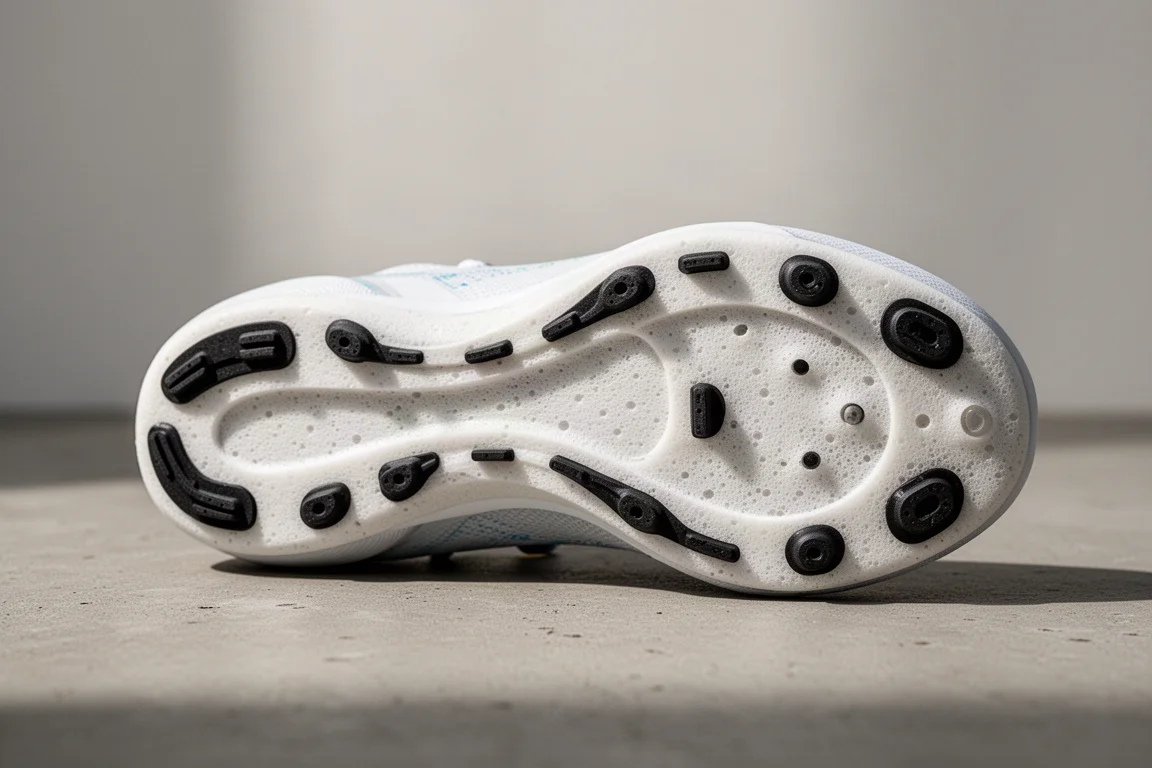
The Puma’s outsole is more of a mixed bag. The Puma Grip forefoot provides decent traction and handled nothing slippery, but it feels very smooth underfoot. The rear section has only a couple of small rubber pieces and is already wearing down at around 35 km, so durability could be a concern for heavier heel strikers.
Verdict: Which One to Buy
Both shoes can cover anything up to the marathon distance, but the Puma Fast-R Nitro Elite 3 is the punchier, more aggressive, and faster shoe. It is the first pick for chasing a marathon PB if you have locked-in good form. The Vaporfly 4 may suit a wider range of runners and remains a good shoe in its own right, but its lowered stack makes it feel less substantive than the Puma’s midsole, and many runners will find its half-marathon sweet spot more limiting.

If the choice is between these two, the Puma Fast-R Nitro Elite 3 is the more exciting race shoe and the stronger all-around racer, provided your form can handle its aggressive geometry. For slower-paced marathoners or runners who want more cushioning for the final miles of a long race, a more cushioned carbon shoe would serve both cases better.
Conclusion
The Nike Vaporfly 4 is a lighter, more minimal, and nimble racer best suited to 5K through half marathon, and it undercuts the Puma on price. The Puma Fast-R Nitro Elite 3 costs a little more but delivers more energy return, a punchier ride, and marathon-day pedigree. For pure speed, the Puma is the standout choice; for a more accommodating, slightly cheaper fast shoe, the Vaporfly 4 remains a solid option.
Further reading
Related Reviews

Running Shoes
Best Road-to-Trail Running Shoes: Three Versatile Options for Mixed Terrain
A practical guide to three road-to-trail running shoes that handle both pavement and mild trails, with clear strengths and trade-offs for different runner types.

Running Shoes
Best Running Shoes for Achilles Tendonitis: Three Options Explained
Three running shoes with different heel drops and support features designed to help reduce Achilles tendon pain during walking and running.

Running Shoes
Best Running Shoes for Women: Five Top Choices Ranked
A ranked guide to five women's running shoes, from versatile daily trainers to high-performance racing options, with real strengths and trade-offs for each.