Running Shoes
Nike Vaporfly 4 vs Hoka Cielo X1 2.0: Which Race Day Shoe Deserves Your Money?
Two of the fastest carbon plate race shoes go head to head on ride, fit, durability, and distance range.
Introduction
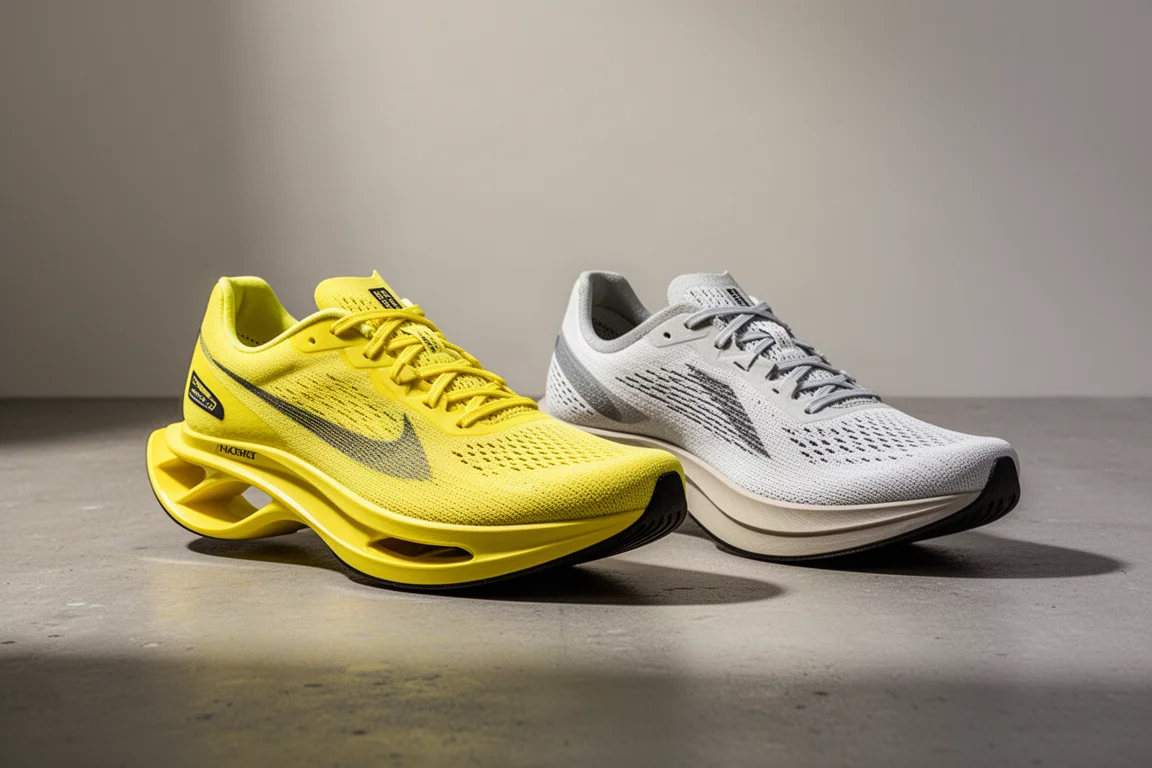
The Nike Vaporfly 4 and the Hoka Cielo X1 2.0 represent two very different takes on the modern super shoe. One has been trimmed down to feel lighter and more natural, while the other leans hard into an aggressive, rocker-driven ride that practically pushes you forward. After extensive road testing, including PB attempts, race efforts, and a side-by-side mile with one shoe on each foot, here is how they stack up.
Specs at a Glance
The Hoka Cielo X1 2.0 costs $250 to $275, weighs 200g (7.1 oz) for men in a size 8, and has a 7mm heel-to-toe drop. The Nike Vaporfly 4 costs £239.99 or $270, weighs 171g (6.0 oz) in the same size, with a 6mm drop. Despite the modest weight difference on paper, the Vaporfly 4 feels noticeably lighter on the foot in practice, and that lightness is one of its biggest selling points.
Nike Vaporfly 4: Lighter, Lower, More Natural
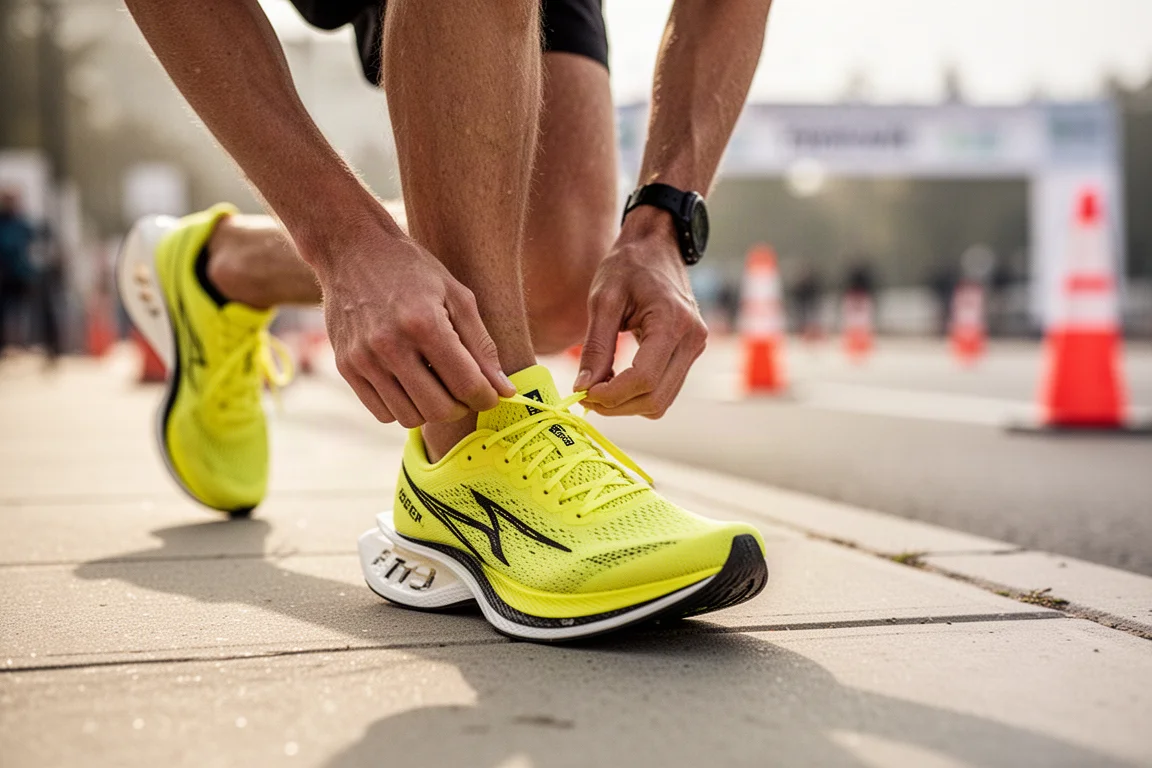
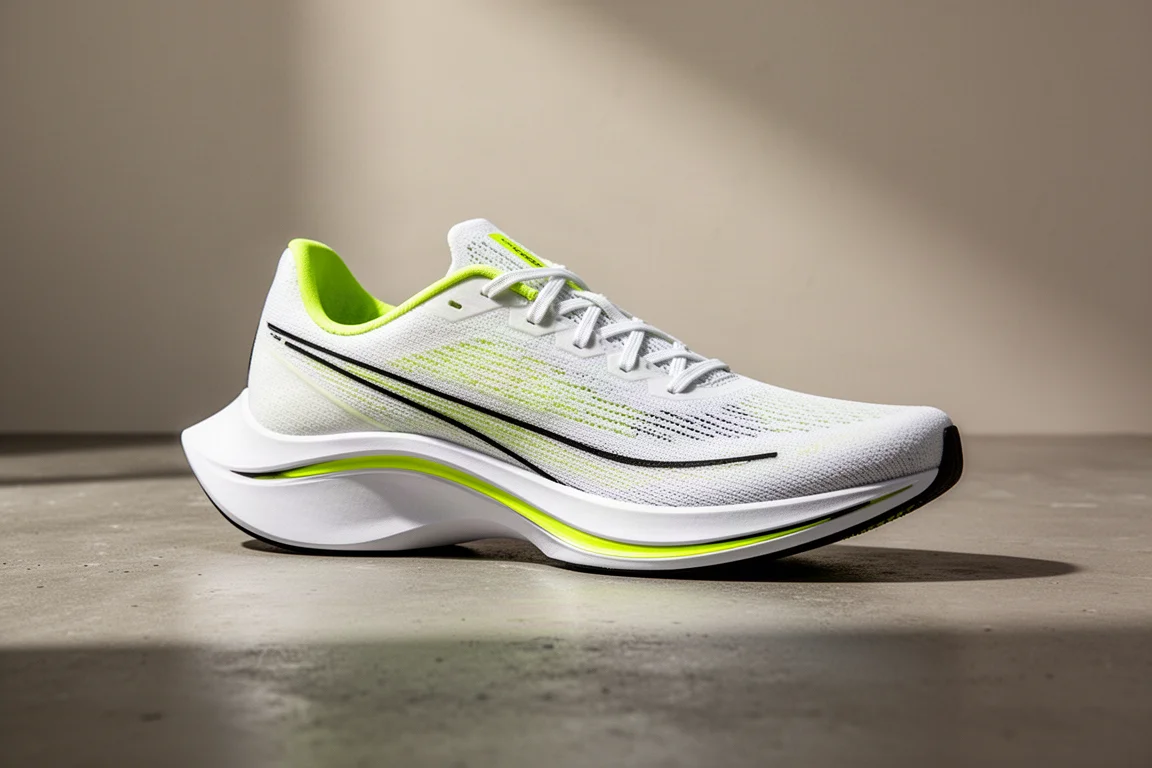
This fourth version of one of the world’s most popular race shoes is a deliberate step away from the maximal direction of its rivals. Nike trimmed the outsole and midsole, removed around 5mm of stack height compared to the Vaporfly 3, and used a lighter grade of ZoomX foam. The carbon plate sits at a higher angle than before, working with a lower drop to improve propulsion.
The upper is a lightweight engineered mesh with a reduced-size heel and tongue, and the outsole uses a thinner layer of rubber across the length of the shoe. On the run, it feels direct, smooth, and closely connected to the ground. There is less bounce and less overt plate propulsion than in previous versions or than in the Cielo X1 2.0, but the ride is controlled, balanced, and easy to hit the sweet spot with. It suits 5K and 10K distances best, and for many runners it will feel too low on cushioning for a full marathon unless you are an elite or a seasoned runner accustomed to minimal midsole foam.
Fit is generous and comfortable. Testers found plenty of toe room, a secure midfoot lockdown, extra tongue padding against lace pinch, and a softly padded heel collar with no slipping. Stick with your usual size.
Hoka Cielo X1 2.0: Aggressive and Bouncy
The Cielo X1 2.0 is more a rethinking of the original Cielo X1 than a simple progression. The most noticeable change is a more aggressive rocker profile that rolls the foot forward, paired with increased forefoot cushioning for energy return. A dual-density PA midsole works alongside a winged carbon fiber plate to produce a snappy ride that springs the foot into position for an efficient turnover.
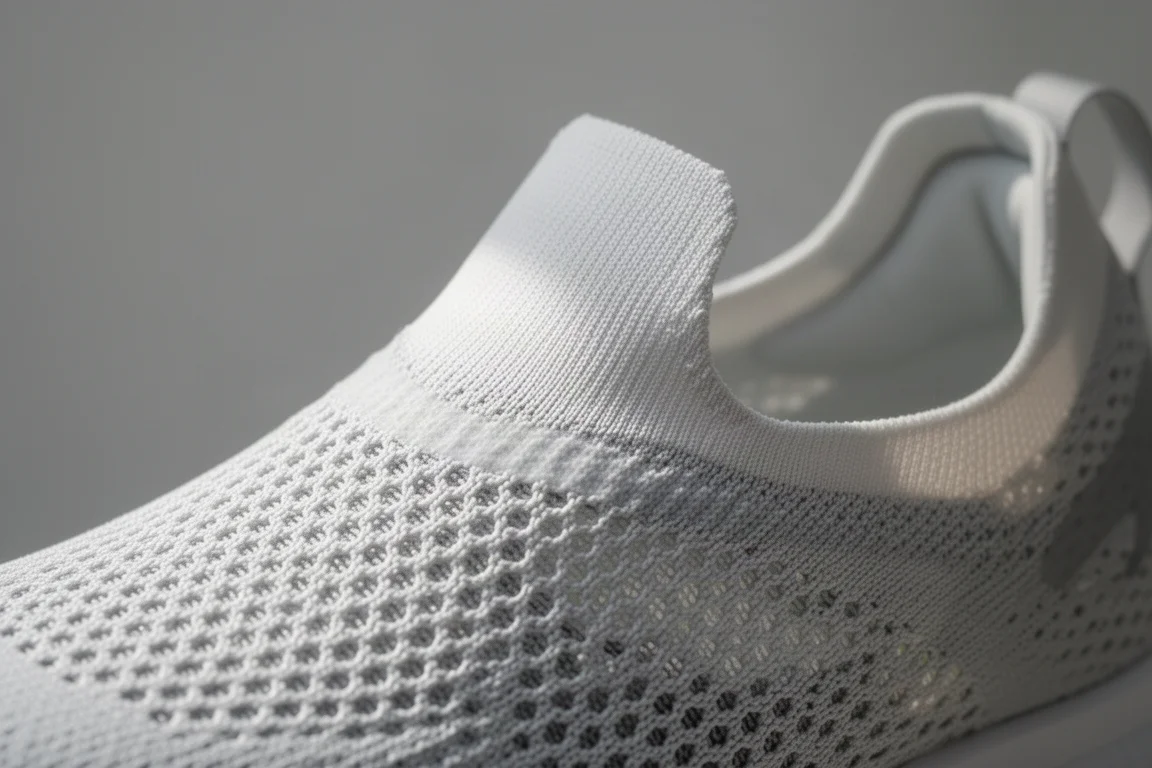
Weight saving is a big focus too, with a new lightweight breathable upper and dynamic cutouts in the midsole. The outsole features a generous layer of sticky rubber at the front for grip and durability, with a lighter covering across two sections of the heel. On the run, it is a genuinely fast, fluid shoe that feels like it is making you run faster. Testers were repeatedly surprised by watch pace because the shoe feels so efficient and propulsive.
The trade-off is fit and control. The Cielo X1 2.0 comes up snug, with less clearance at the end of the toe box and a tighter hold across the toe knuckles. Many runners will want to go half a size up. The ride is big, bounding, and a little wild underfoot: you feel the foam sink and then punch back, which is exciting but demands a bit more work to stay balanced. It was excellent in a 5K and a mile race, and testers would cap it around half marathon distance rather than risk it over a full marathon.
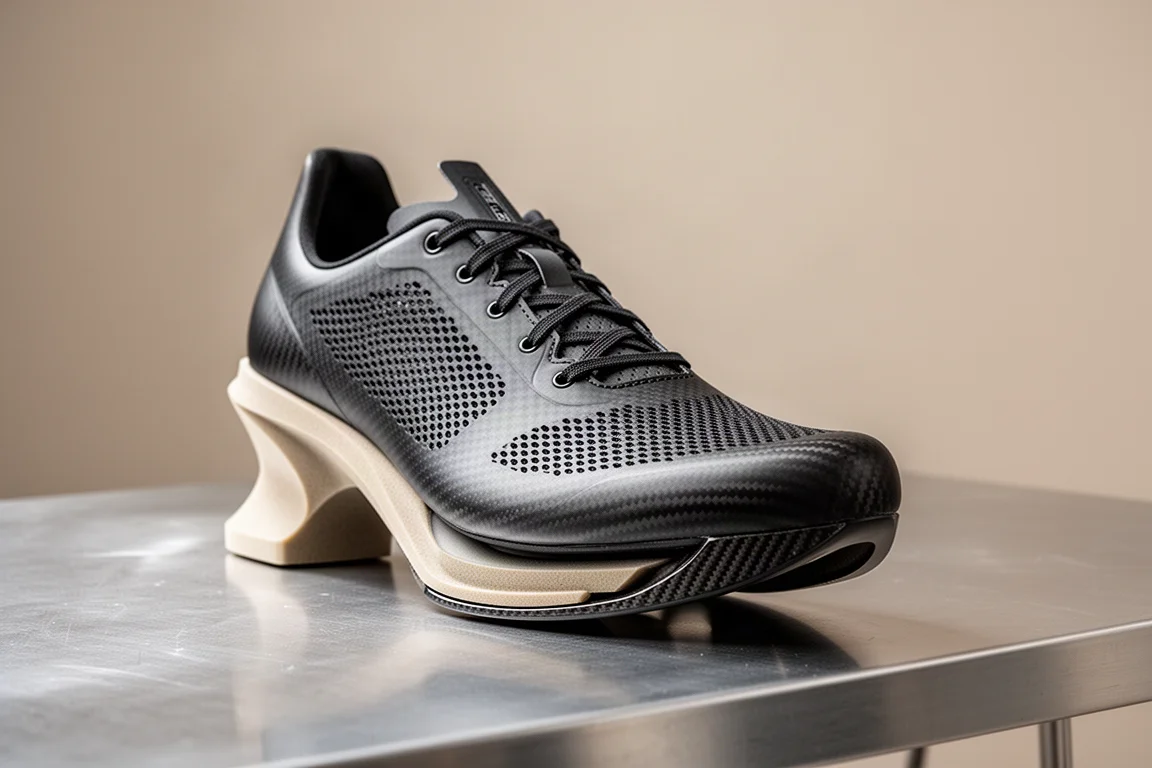
Side-by-Side Ride Comparison
In a one-mile test with one shoe on each foot, the two proved very different in character. The Vaporfly 4 feels more direct and connected, smoother, with a lever-like stiffness that glides rather than bounces. You know exactly what will happen underfoot on every landing.

The Cielo X1 2.0 delivers big bounding energy with a midsole ride that is slightly less controlled and less smooth, but no less punchy. At slower paces you really feel the rocker guiding you up and rolling you through, whereas the Vaporfly feels flatter at easy speeds. If you want the shoe doing more of the work, the Hoka delivers more. If you prefer a natural, balanced ride, the Vaporfly wins.
Durability and Outsole Wear
Both shoes show a familiar weakness at the back of the outsole for runners who scuff the ground. The Vaporfly 4 showed signs of rubbing and slight loosening of the rear rubber after around 50km, though far better than the Vaporfly 3, whose rubber ripped off within 5K. The forefoot rubber on both shoes is excellent, with thick, grippy layers that feel durable for a race shoe.
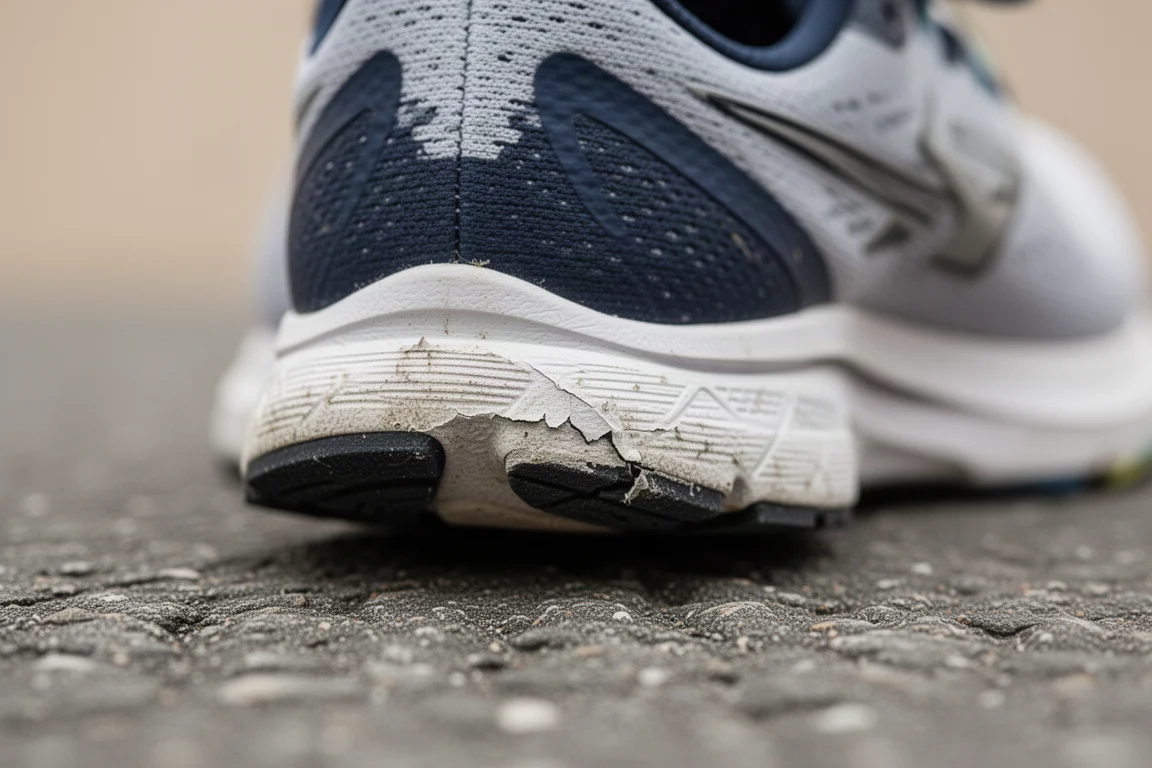
The Hoka fared worse at the heel: outsole rubber ripped off both shoes within a single kilometre on a first run, though it held well after repair. The front outsole remains very good with solid grip and good durability for a race shoe. If your stride scuffs at the rear, factor this in.
Which One Should You Buy?
Both shoes are fast and capable, and both earned PBs in testing. The choice comes down to the ride you want. If you like propulsive foam combined with a heavy rocker and want the shoe to do a lot of the work, the Hoka Cielo X1 2.0 is the pick, and it makes sense up to half marathon distance for most runners. It is also the better value at RRP given the similar pricing.
If you want a lower stack, a more subtle ride that still offers energy, and a more natural, comfortable feel with a bit more ground contact, the Vaporfly 4 is the way to go. It is best suited to 5K and 10K racing. Also worth noting: the Vaporfly 4 has been dropping in price early in the UK, with purchases reported around £200. If you can find it cheaper and prefer a natural-feeling shoe, it becomes a compelling option.
Conclusion
The Hoka Cielo X1 2.0 takes the overall verdict for its more aggressive, enjoyable ride, better versatility across distance for general runners, and stronger value at RRP. The Vaporfly 4 remains an excellent choice for shorter races if you want a lighter, more natural-feeling shoe and do not mind less stack. Both are among the most capable race shoes available; pick the ride character that matches your race day goals.
Further reading
Related Reviews

Running Shoes
Best Road-to-Trail Running Shoes: Three Versatile Options for Mixed Terrain
A practical guide to three road-to-trail running shoes that handle both pavement and mild trails, with clear strengths and trade-offs for different runner types.

Running Shoes
Best Running Shoes for Achilles Tendonitis: Three Options Explained
Three running shoes with different heel drops and support features designed to help reduce Achilles tendon pain during walking and running.

Running Shoes
Best Running Shoes for Women: Five Top Choices Ranked
A ranked guide to five women's running shoes, from versatile daily trainers to high-performance racing options, with real strengths and trade-offs for each.