Running Shoes
Nike Vaporfly 4 vs Adidas Adios Pro 4: Which Carbon Racer Should You Buy?
Two of the most popular carbon plate race shoes go head to head on weight, fit, ride quality and which distances each one actually suits.
Introduction
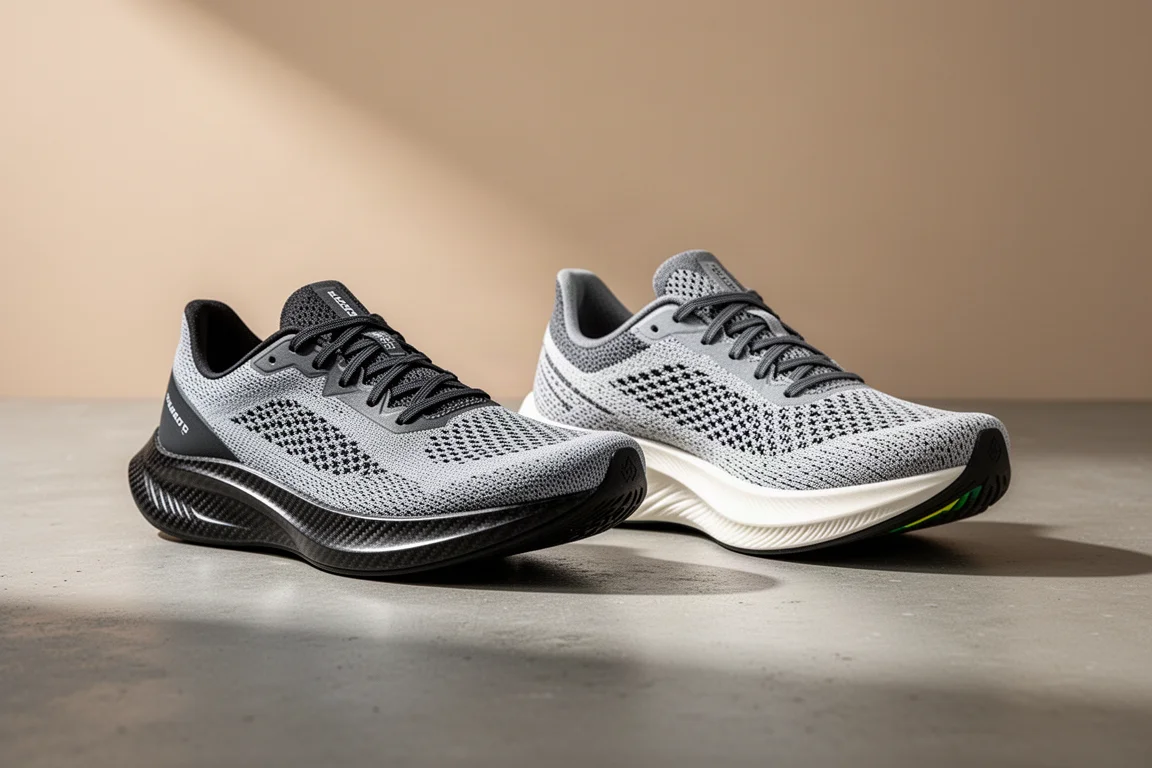
A few years ago, this matchup was the biggest versus in racing: the Nike Vaporfly and the Adidas Adios Pro line were the two shoes you saw most at start lines, and most runners owned one or the other. The latest versions have diverged, though, and they are now surprisingly different shoes. The Vaporfly 4 has trimmed weight and stack to become a lighter, closer-to-the-ground racer, while the Adios Pro 4 has gained bounce and midsole, making it a shoe that works across almost any distance. Here is how they compare after extensive road testing across paces from all-out efforts to easy miles.
At a Glance: Price, Weight and Drop
The Adidas Adios Pro 4 costs $220 or £250, weighs 196 g (6.9 oz) for men in a size 8, and has a 6 mm drop. The Nike Vaporfly 4 costs $270 or £239.99, weighs 171 g (6 oz) for men in a size 8, and also sits at a 6 mm drop.
The Nike is clearly the lighter shoe of the pair, and that is a deliberate design goal: this version trims the outsole, midsole and upper, removing around 5 mm of stack height compared with the Vaporfly 3.

Fit and Sizing
The tester wore his regular size in both brands (a UK 8 / US 9.5 in Nike, a US 9 in Adidas), and the advice differs for each shoe. Stay true to size in the Vaporfly 4: despite looking lean and small, it is roomier than expected, with good space around the big toe and forefoot, a small amount of well-placed heel padding, and an easy lockdown. Occasional heel slipping appeared when lacing was careless but was fixed by cinching the laces down more precisely.
The Adios Pro 4 is much improved over the Pro 3, with a stitched-in tongue and revised lace eyelets that remove the pinching around the toe knuckles and make the shoe far easier to get on. But the toe box has a severe taper, which caused black toenails over marathon distance. The common recommendation of going half a size up in Adidas race shoes holds here, and even then the forefoot stays relatively narrow, so runners with wider feet should be cautious.
Ride and Performance: Adidas Adios Pro 4
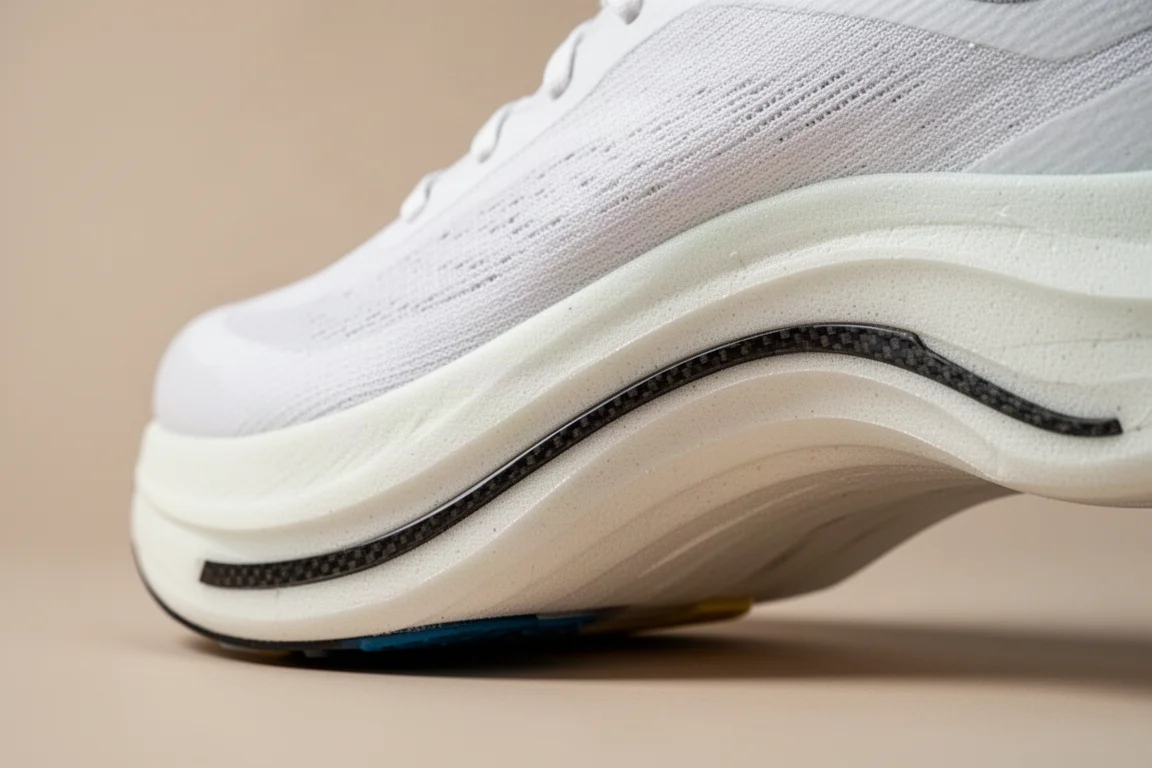
The Adios Pro 4 builds on a series that appears at start lines more than almost any other race shoe. The headline change is updated Lightstrike Pro foam sitting either side of the Energyrods 2.0, a lighter formulation designed to improve bounce. An updated rocker geometry supports a high level of energy return at speed, and the outsole pairs Light Traction rubber across most of the shoe with a small patch of Continental rubber at the forefoot for grip at toe-off, saving weight while keeping performance. A revised Lightlock woven mesh upper aims to be breathable while still holding the foot securely.
In testing, covering over 50 miles including a solo marathon test and a one-shoe-on-each-foot comparison mile, the Pro 4 came across as lively, fun and propulsive. The new Lightstrike Pro is softer than the Pro 3, so it is less harsh with more bounce coming back, and the new rocker position delivers smoother transitions when landing midfoot to forefoot. It dares you to push the pace and then gives back a lot for the effort. It works at every distance: fast at 5K and 10K, and with considerably more midsole than the Pro 3 for longer efforts, which helps explain why it was by far the most-worn shoe at the start of the Manchester Marathon.
The main caveat is stability. The softer midsole brings a little more wobble in the heel, so heel strikers may notice some instability, and at slower paces or when form falls apart it is not quite as reliable. The less pronounced heel cutaways do reduce some of the outward roll experienced in the Pro 3, though.
Ride and Performance: Nike Vaporfly 4
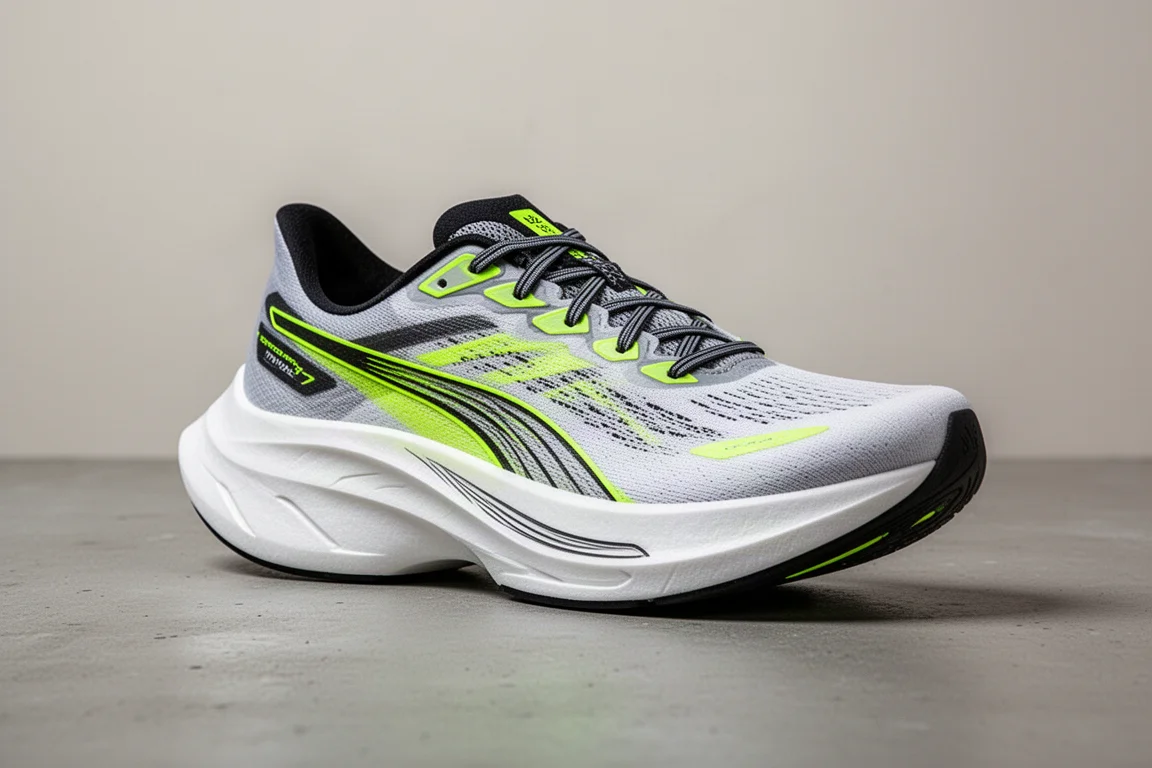
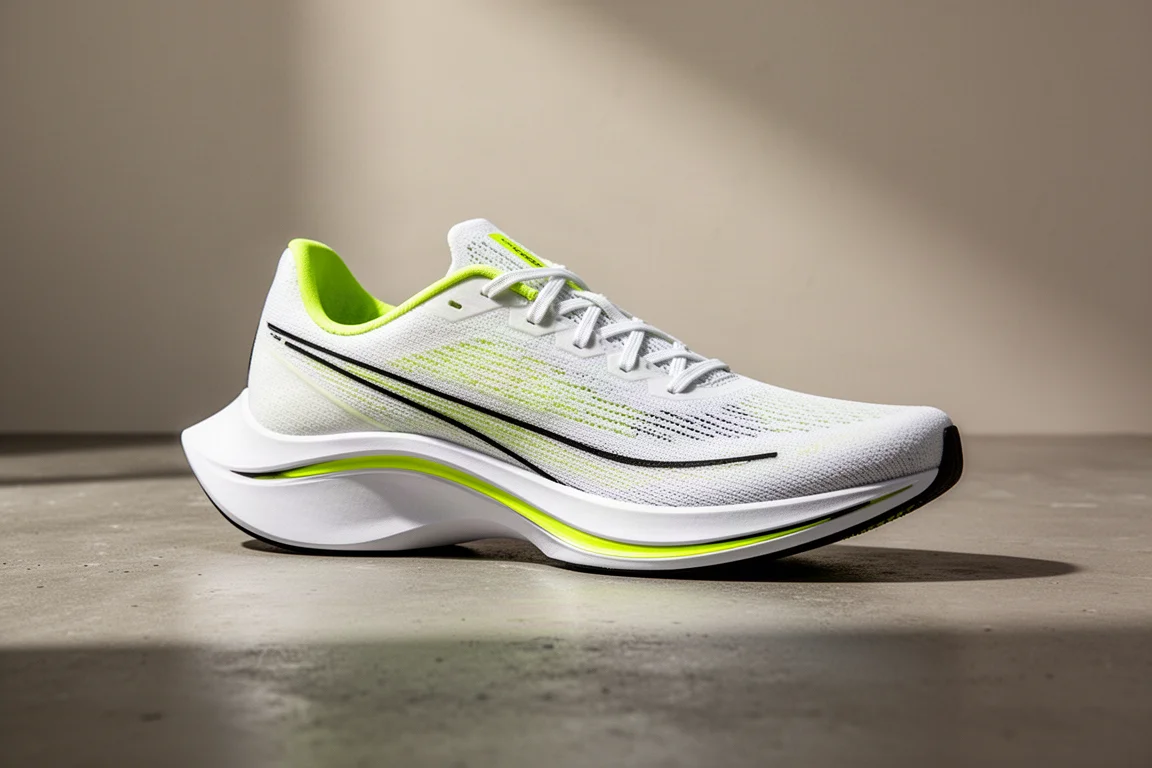
Nike focused the fourth version of one of the world’s most popular race shoes on making it noticeably lighter than its predecessors. The ZoomX foam used is lighter than before, and the carbon fiber plate is positioned at a higher angle than in the Vaporfly 3, working with a lower heel-to-toe drop to improve propulsion. The upper is a lightweight engineered mesh with a reduced-size heel and tongue, and the outsole features a thinner layer of rubber across the length of the shoe.
On the run, the Vaporfly 4’s landings feel reliable and its transitions are smooth and natural, with energy present but no wildness. Compared with the Adios Pro 4 it sits lower to the ground and feels snappier and more responsive. It is very light on the feet, picks up the pace quickly and has a nice kick from the carbon plate, which makes it excellent for intervals, a track mile, and fast 5K to 10K work. For many runners the sweet spot is up to the half marathon. Runners who found the Vaporfly 3 too mushy should like this step back toward the firmer, more minimal feel of the Vaporfly 2 and 1.
The trade-off is midsole. There is simply less cushion between you and the road, so for a marathon, or for runners who like a bouncier ride with more stack, it gives less back over long distances. Runners wanting protection for the final miles of a 4-hour-plus marathon may be better served by a more cushioned shoe like the Adios Pro 4.
Durability and Outsoles
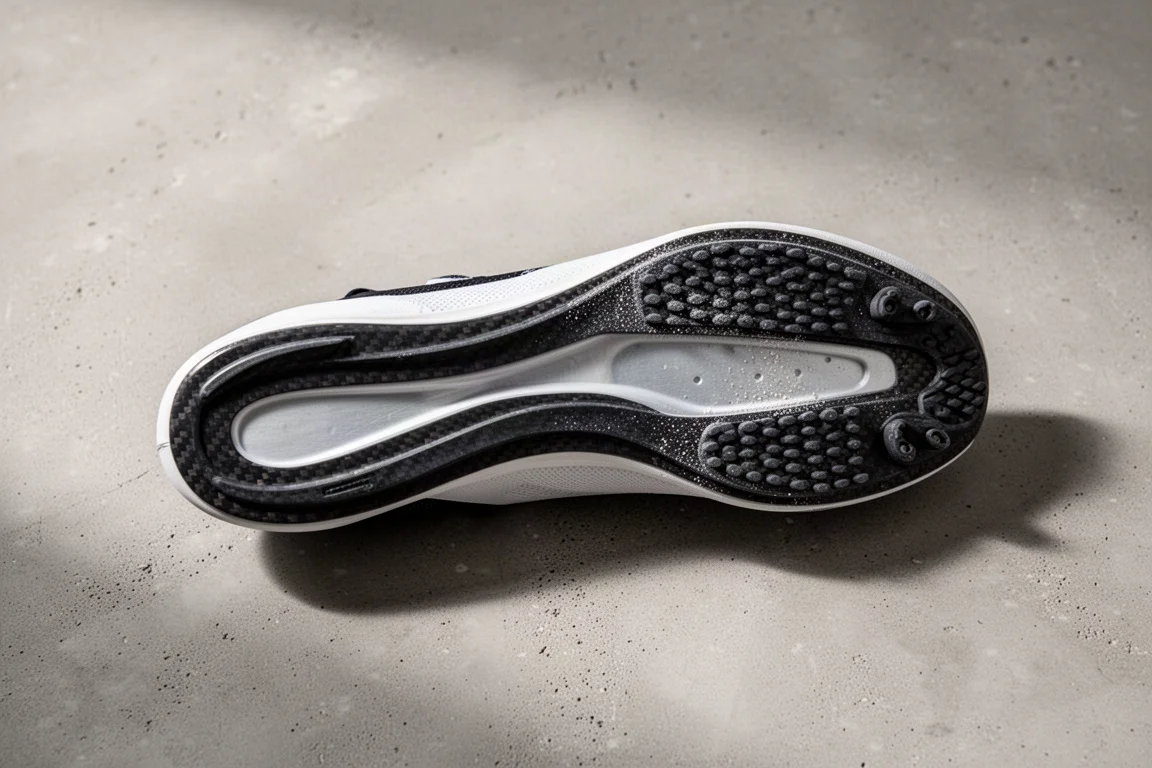
Both outsoles performed well. The Vaporfly 4 carries a thick rubber layer on the forefoot with a minimal rear, and after about 45 km of testing, where the tester normally rips the rear off most super shoes, it was largely holding up with only minor wear. The Adios Pro 4’s Light Traction rubber is not as durable as full Continental rubber, but the balance works well for a weight-saving race-day shoe, and the small Continental forefoot patch gives solid grip at toe-off. Neither shoe produced grip complaints in testing, which was mostly on road with some light paths mixed in.
Verdict: Which Shoe Wins?
Both are capable carbon racers that can cover anything up to the marathon for faster efforts, but they suit different runners. The Adios Pro 4 has more punch, more bounce and more midsole, and if the toe box fit works for you, it is the better pick for chasing PBs, particularly at marathon distance. The softer, slightly higher ride is also the safer option for the late miles when things go off plan.

The Vaporfly 4 is smooth, natural and snappy, and for shorter efforts like a mile, 5K or 10K, where a lower profile and more ground feel appeal, it could well be the winner. For a half marathon sweet spot and for runners who prefer closer-to-the-ground racers, it is a genuinely good shoe in its own right. It is simply more targeted than earlier Vaporfly versions, which worked for every race distance.
Conclusion
On balance, more runners are likely to enjoy what the Lightstrike Pro stack delivers in the Adidas Adios Pro 4: a bouncy, energetic, lively ride across every distance, and the edge for marathon racing. The Nike Vaporfly 4 remains a solid, very light and quick option that feels best for shorter races, but its reduced midsole limits it for longer efforts compared with the bouncier competition. Pick the Adios Pro 4 if you want one shoe for everything; pick the Vaporfly 4 if short, fast racing is your focus and you like a minimal, ground-hugging feel.
Further reading
Related Reviews

Running Shoes
Best Road-to-Trail Running Shoes: Three Versatile Options for Mixed Terrain
A practical guide to three road-to-trail running shoes that handle both pavement and mild trails, with clear strengths and trade-offs for different runner types.

Running Shoes
Best Running Shoes for Achilles Tendonitis: Three Options Explained
Three running shoes with different heel drops and support features designed to help reduce Achilles tendon pain during walking and running.

Running Shoes
Best Running Shoes for Women: Five Top Choices Ranked
A ranked guide to five women's running shoes, from versatile daily trainers to high-performance racing options, with real strengths and trade-offs for each.