Running Shoes
Nike Vaporfly 4 Review: Lighter, Lower, and Still Fast
The Nike Vaporfly 4 trims stack, drops weight, and updates the upper. Here is how it runs, where it fits, and who it suits best.
Introduction
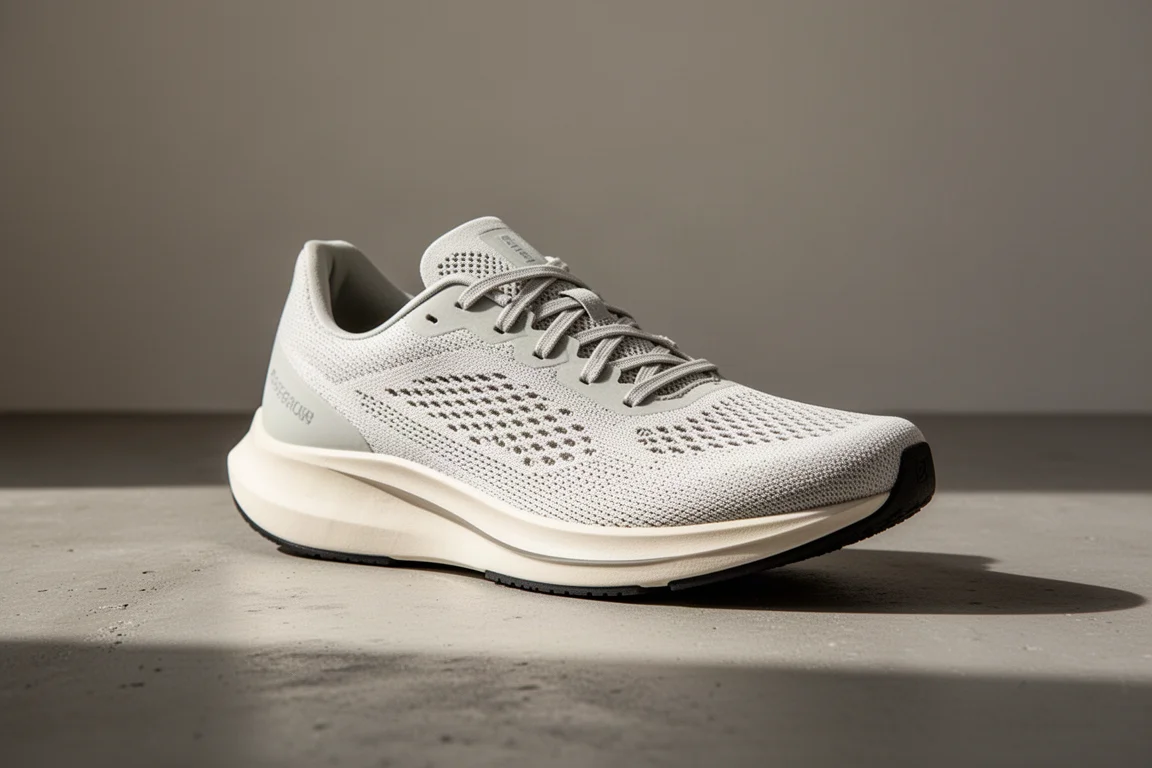
Few shoes have shaped modern race day like the Vaporfly. It was the first carbon-plated racer that made runners everywhere rethink what a shoe could do, and it changed start lines permanently. The Nike Vaporfly 4 continues that story with a clear goal: make the shoe as light as possible by trimming weight from the upper, midsole, and outsole.
The headline change is a reduced stack, going from a 40 mm heel down to 35 mm with a 6 mm drop, down from 8 mm in the previous version. On paper that sounds risky, but underfoot it works. This review covers who the shoe is for, what changed, and what to weigh before buying.
Who This Product Is For
The Vaporfly 4 suits runners chasing a light, fast race day shoe that still feels comfortable over long distances. Even runners who are not the fastest in the field should find it provides comfort and feels great across the full 26.2 miles. It also handles a wider range of paces than you might expect from a dedicated racer, from easy warm-up miles to hard striders and speed work.
Main Strengths
Weight and Underfoot Feel
Weight is the standout. A women’s size 7.5 comes in at just under five ounces, and a men’s size 10.5 lands at 6.4 ounces or 185 grams. That is genuinely rare territory, with few shoes matching it. Despite the reduced stack, the shoe does not feel under-cushioned. The ZoomX foam felt firm out of the box, but on the foot it comes alive with a surprising amount of give and bounce. A 20-mile run in it ended with feet feeling great rather than desperate to take the shoes off.
The re-engineered plate is a big part of that. It is more aggressive with more of a slope and sits a little further from the foot, giving that mechanical sensation of loading the plate and coming off it, with tremendous bounce out of the forefoot.
Upper: Small Padding, Big Difference
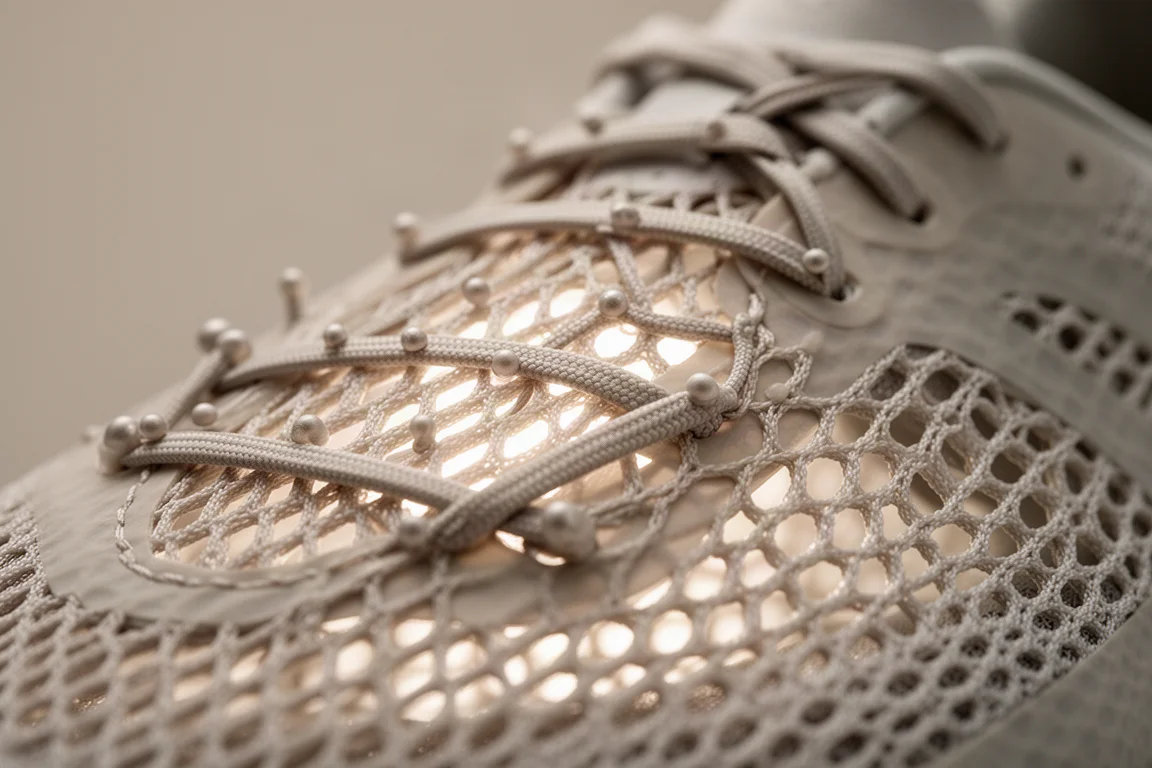
The upper is still very minimal, but strategically placed padding makes it feel exponentially better than version three. The offset lacing is gone, replaced with a more traditional straight-down-the-throat style, and the tongue now has just enough padding to cinch the laces tightly without pain or pressure across the top of the foot. The heel padding does not completely fix heel slippage, but it is a clear improvement.

Outsole and Plate Changes
Weight savings continue in the outsole, where rubber coverage through the forefoot remains generous but slightly thinner than before. Combined with the lower stack, this seems to help stability. The reduced foam actually appears to even things out, and running easy in this shoe was not a problem, which is notable for such a nimble racer.
Things to Consider Before Buying
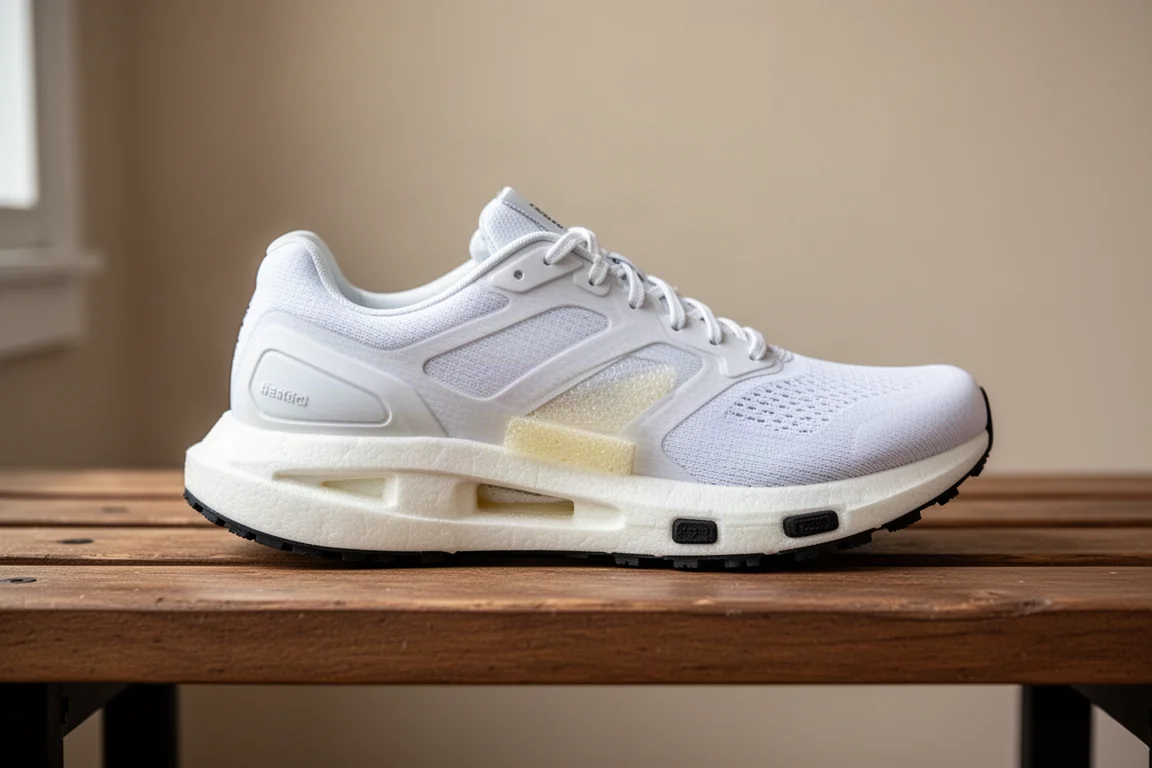
The biggest compromise is fit. There is some heel lift and some gaping around the ankle collar, and some testers found lockdown slightly worse than the previous version, likely due to the new plate shape and midsole rigidity. The shoe is not the most stable either; it has a narrow platform and very little shoe under you, so runners who need structure may struggle.
Durability is the other open question. At around 35 miles into testing, the ZoomX felt fantastic, but the long-term question of how it holds its bounce remains. Expect a shoe built for speed first, structure second.
Buying Advice
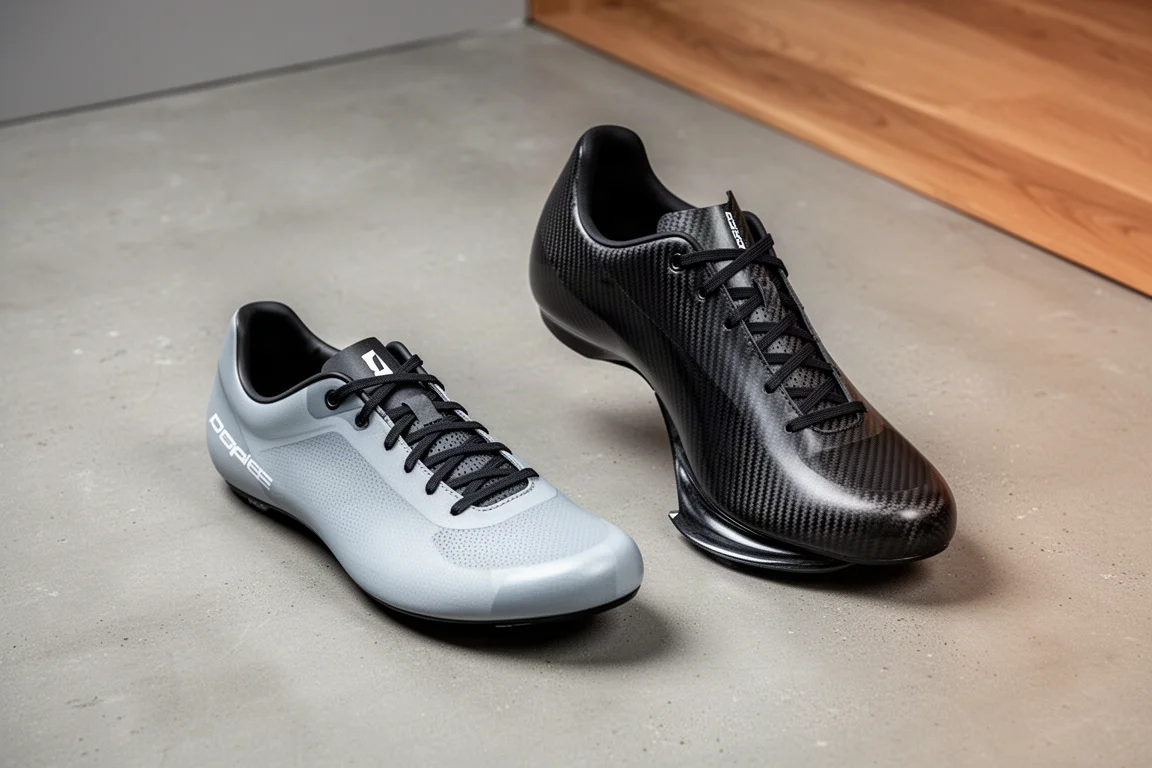
At a $260 retail price, the Vaporfly 4 has gone up only $10 from its $250 debut eight years ago, which feels fair for this level of innovation. For a half marathon, this shoe is an easy choice. For a full marathon, it comes down to preference: it works for 26.2, but some runners will still prefer the Alphafly, trading two extra ounces for a slightly more dialed feel. Either way, a fresh slab of ZoomX underfoot is hard to turn away.
Conclusion
The Nike Vaporfly 4 delivers exactly what it set out to be: a super light, fast race day shoe that feels great at variable paces. With a final score of 12 out of 15, it earns high marks for function, good marks for form, and a moderate fit score where heel lift and structure remain the trade-offs. If you want maximum speed with minimal shoe, this one belongs on your shortlist.
Product link
View more details for Nike Vaporfly 4
This product is mentioned in the review. Check the specifications, options, and compatibility before buying.
View more details for Nike Vaporfly 4Further reading
Related Reviews

Running Shoes
Best Road-to-Trail Running Shoes: Three Versatile Options for Mixed Terrain
A practical guide to three road-to-trail running shoes that handle both pavement and mild trails, with clear strengths and trade-offs for different runner types.

Running Shoes
Best Running Shoes for Achilles Tendonitis: Three Options Explained
Three running shoes with different heel drops and support features designed to help reduce Achilles tendon pain during walking and running.

Running Shoes
Best Running Shoes for Women: Five Top Choices Ranked
A ranked guide to five women's running shoes, from versatile daily trainers to high-performance racing options, with real strengths and trade-offs for each.