Running Shoes
Nike Vaporfly 4 Race Test: A Return to the Fast, Direct Ride
Raced over a hilly 10-miler and tested on a second 10-mile run, the Nike Vaporfly 4 brings back the lightness and punch that the Vaporfly 3 lost.
Introduction
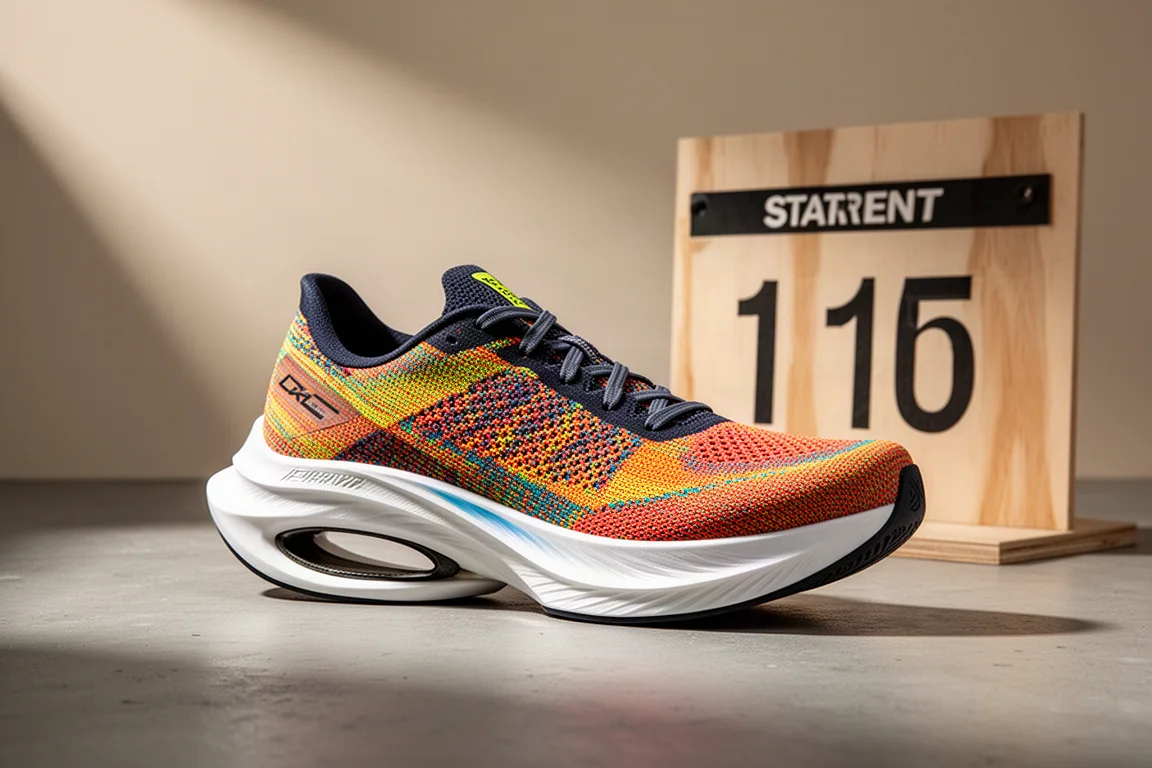
The Nike Vaporfly 4 arrives with changes aimed squarely at the fast end of the racing range: less stack, a revised carbon plate structure, and a significantly lighter build. Fresh out of the box, it was put to the test at a hilly, wind-blown 10-mile road race on the Irish coast, followed by a second 10-mile run at close to marathon pace. The short version: this feels like a marked improvement for anyone who found the previous version too soft.
Race Conditions: A Hilly Coastal 10-Miler
The test course was a rolling 10-mile loop with two genuinely challenging climbs in the opening half, steep descents that rewarded letting go, and a slow steady incline in the final miles that quietly drained energy. Coastal scenery, big crowds, and enthusiastic local support made it a memorable setting to push a new racing shoe hard.

Who This Product Is For
This shoe suits runners who want a direct, responsive racing feel rather than maximum plushness. If you found earlier, snappier generations of the Vaporfly line appealing, the Vaporfly 4 sits between that old-school stiffness and the squishier, more accommodating recent version. Runners planning fast efforts up to the half marathon are the natural audience, and confident racers who don’t mind extra ground feel could take it to the full marathon.
Main Strengths
The most obvious update is the ride character. The previous Vaporfly went too soft and squishy for fast-paced efforts, losing some of its dynamism and edge. This version feels more direct, with the road coming back quicker and a punchier, more immediate response. The lower stack and lightness bring back the raciness, and the balance between responsiveness and cushioning now feels genuinely good.
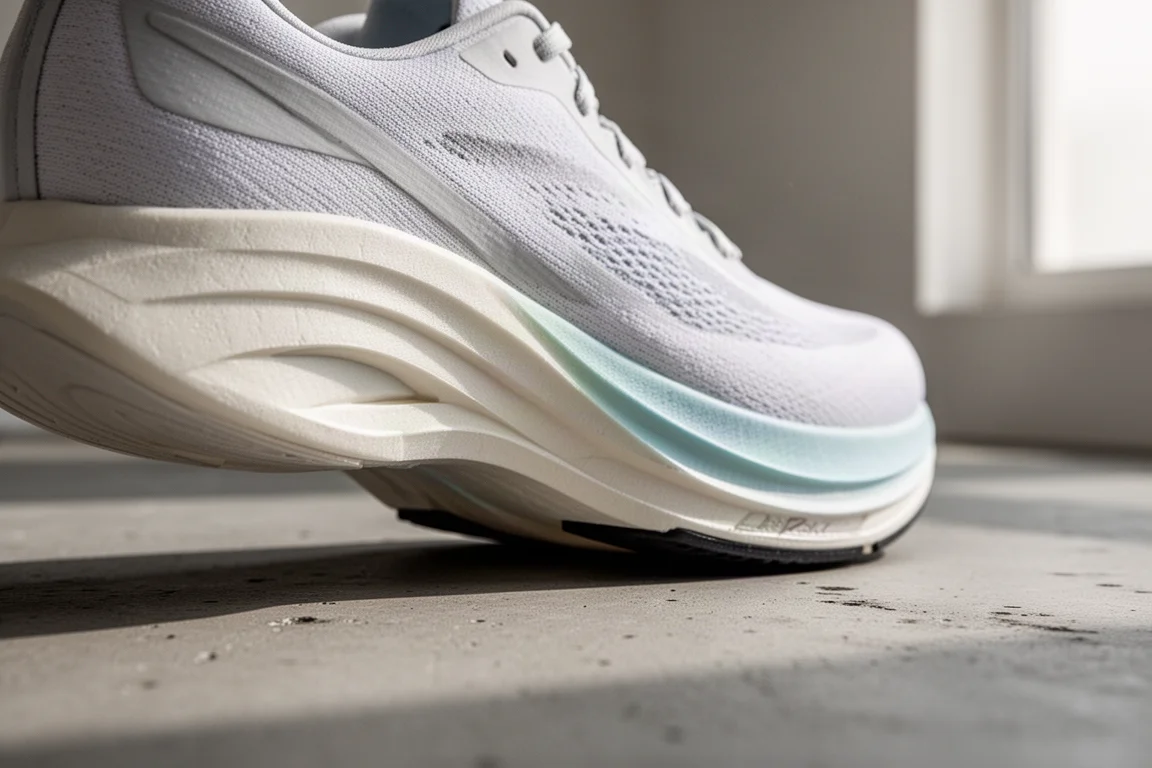
During the race, the shoe delivered strong energy throughout, feeling light, springy, and smooth. Midfoot and forefoot striking produced good energy return, while heel landings still offered reasonable protection. Even when hammering down steep descents, the ride stayed smooth and protected.
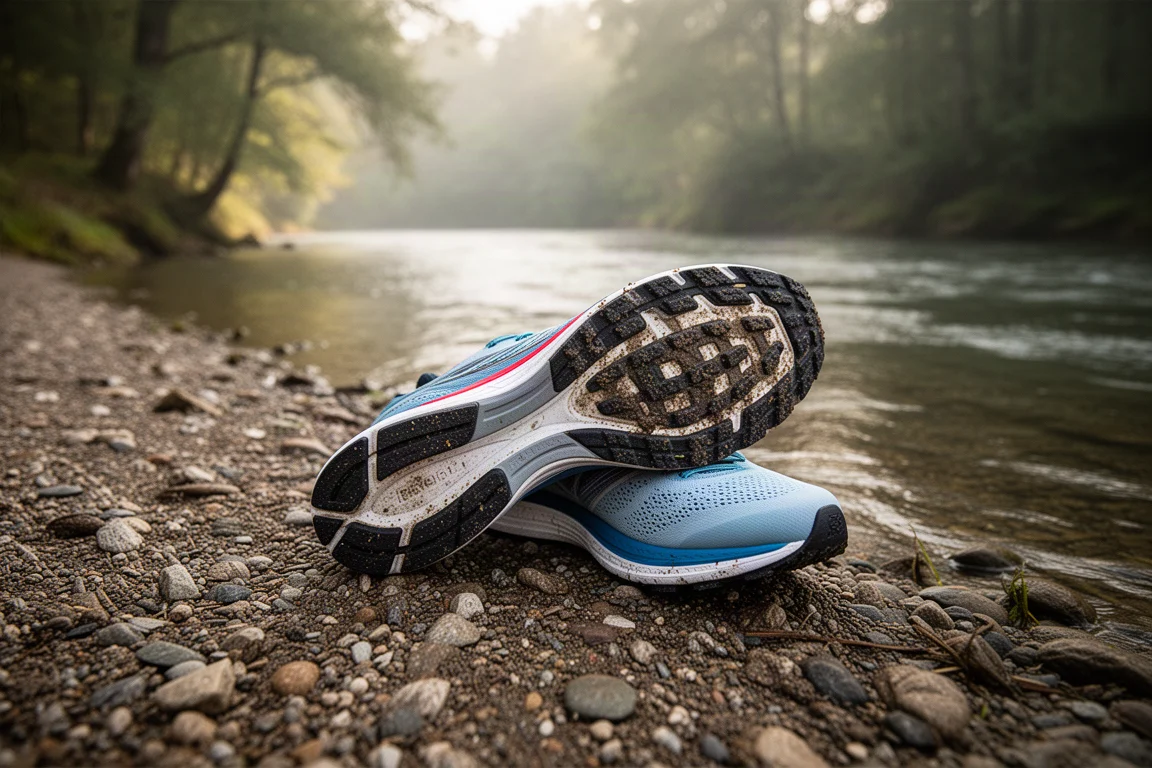
Stability is another quiet win. On light river paths and uneven ground, the shoe held up well, and on the road it feels more certain than some rival carbon racers. Compared directly, it may not be quite as potent or springy as some of the fastest competitors, but it is more controlled and feels more natural. Durability also looked promising: after multiple runs, including off-road paths that often chew up outsoles, the sole still looked good, including in the heel area where wear is often an issue.
Things to Consider Before Buying
Cushioning is the main trade-off. Some runners will want more protection when they step up to the marathon distance than this shoe offers, and for many the sweet spot will be racing up to the half marathon at full tilt. Runners who like a plusher, more accommodating ride should be realistic about that before buying.

The fit is also worth noting: it is quite narrow and hugging, with enough length but a snug profile. During the race there was some minor slipping on the right foot on a hill, and close attention to lacing was needed. It was never a serious concern, but it was noticeable.
Buying Advice
If your racing is centered on 10Ks, 10-milers, and half marathons, this is one of the more compelling carbon racers available: fast, light, controlled, and with a stability margin that leaves room for a rough final stretch. If your priority is a springy, all-out podium shoe at any cost, some rivals may edge it on pure bounce. If you want a carbon racer that feels natural underfoot and still protects you when pace drops, this is a strong pick.
Conclusion
The Nike Vaporfly 4 fixes the main complaint about its predecessor: the softness that dulled fast efforts. With a lower stack, a lighter build, a revised plate, and a more direct ride, it restores the edge that made this line famous while keeping enough cushioning and stability for everyday race-day confidence. For fast efforts up to the half marathon, it is an easy recommendation.
Product link
View more details for Nike Vaporfly 4
This product is mentioned in the review. Check the specifications, options, and compatibility before buying.
View more details for Nike Vaporfly 4Further reading
Related Reviews

Running Shoes
Best Road-to-Trail Running Shoes: Three Versatile Options for Mixed Terrain
A practical guide to three road-to-trail running shoes that handle both pavement and mild trails, with clear strengths and trade-offs for different runner types.

Running Shoes
Best Running Shoes for Achilles Tendonitis: Three Options Explained
Three running shoes with different heel drops and support features designed to help reduce Achilles tendon pain during walking and running.

Running Shoes
Best Running Shoes for Women: Five Top Choices Ranked
A ranked guide to five women's running shoes, from versatile daily trainers to high-performance racing options, with real strengths and trade-offs for each.