Running Shoes
Nike Vaporfly 4 Long-Term Review: A Step in the Wrong Direction?
After roughly 100 km in Nike's fourth Vaporfly, the verdict is mixed: light and nimble, but lower stack, weaker lockdown, and fragile Zoom X make it a niche buy at full price.
Introduction
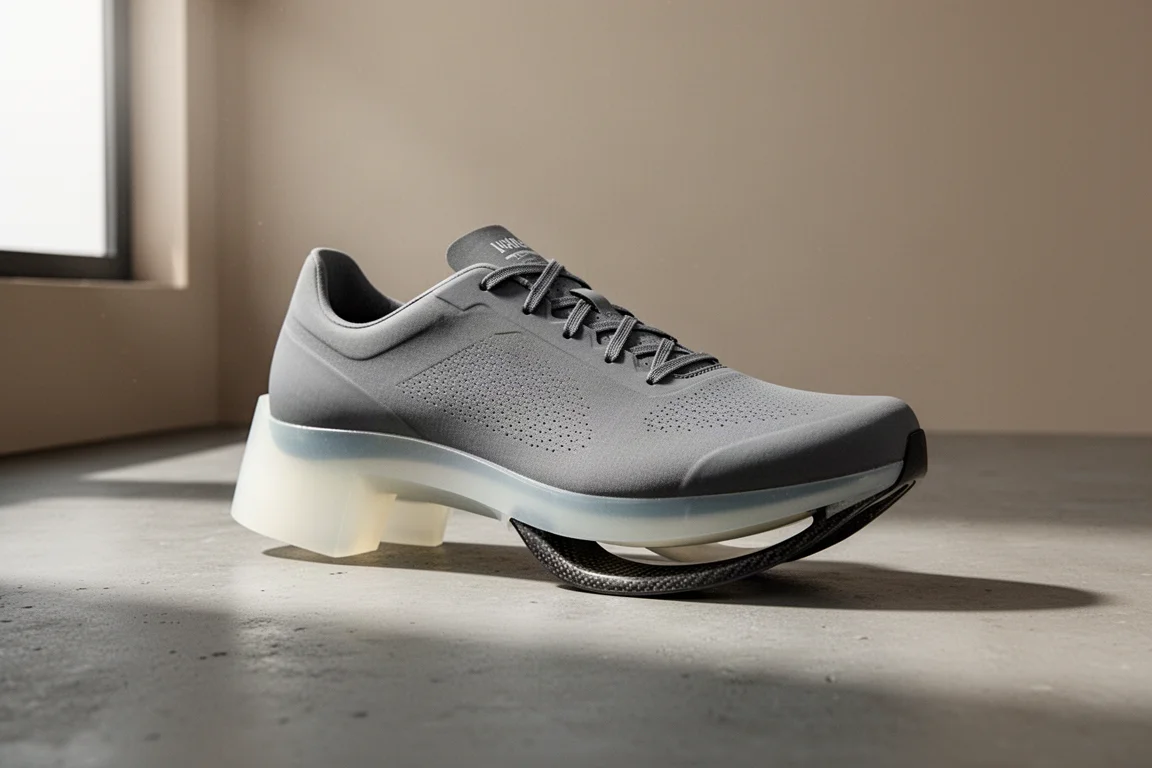
The Vaporfly 4 is the fourth iteration of Nike’s flagship racing shoe, and the changes are unusual for a line like this: instead of adding stack, Nike reduced the heel height. The stated aim appears to be a shoe aimed at shorter races, leaving marathon and half marathon duties to the Alphafly 3. After around 100 km of long-term testing, the impression is that this version is light and nimble, but it trades away some of the qualities that made earlier Vaporflys special, and the value case only works at a discount.
Stack Height and Compression
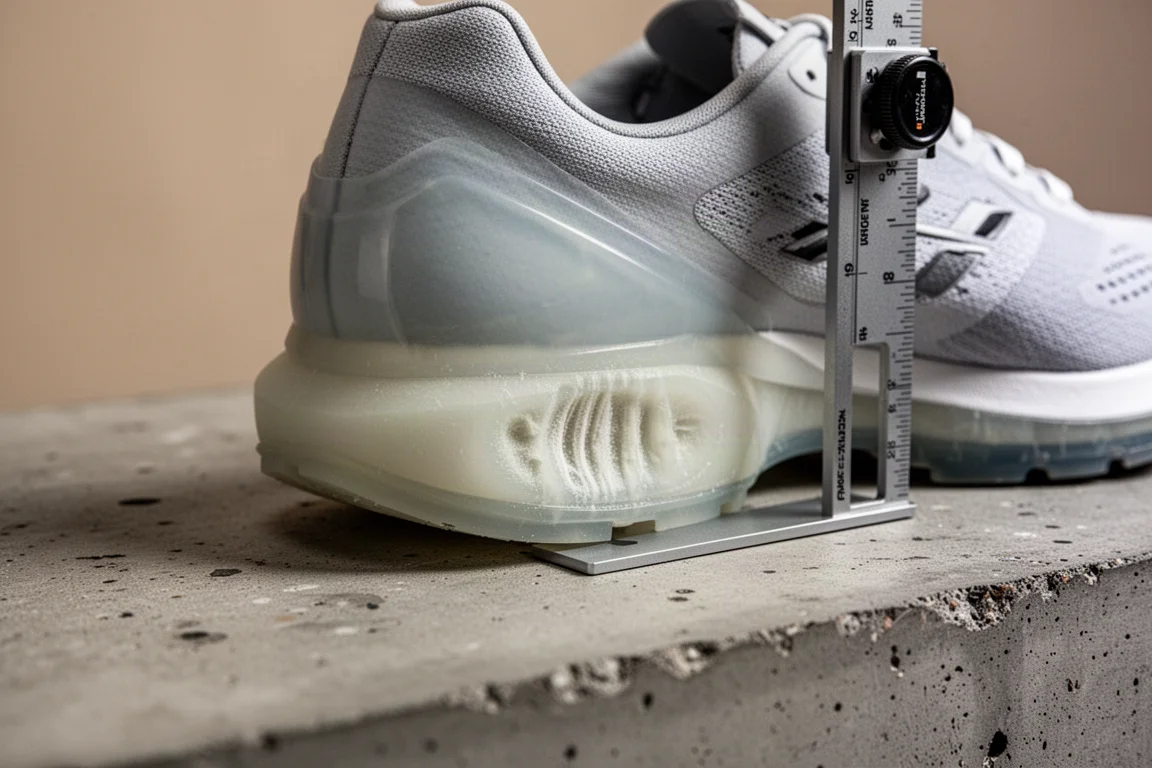
The measured out-of-box stack on a UK 11 / US 12 pair was about 39 mm in the heel and about 33 mm in the forefoot. After roughly 100 km, that dropped to about a millimetre less in the heel and around 31 mm up front. That level of compression in the Zoom X foam over such a short distance is notable, and it is worth factoring into expectations for longevity.
Upper and Fit
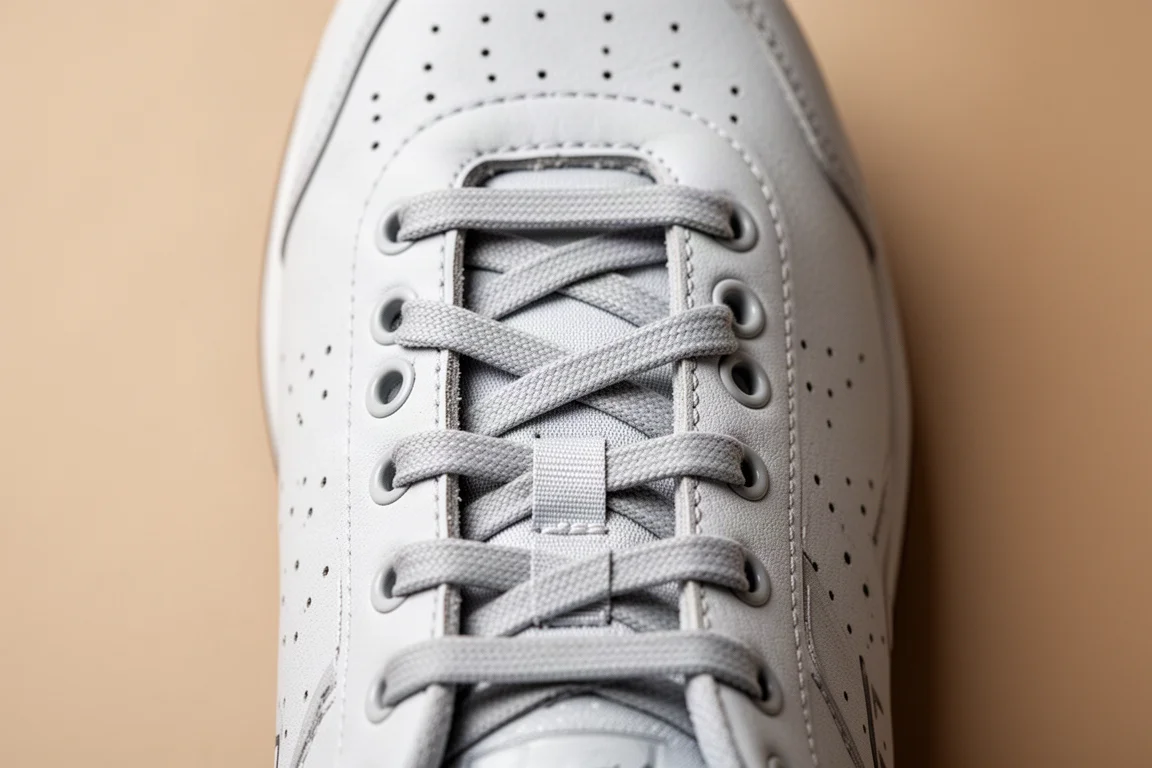
The upper is a clear improvement in fit over the Vaporfly 3, which was too generous in the toe box. The version 4 toe box height is better managed, and padding at the top of the tongue and around the heel is ample for a low-weight racer. Fit runs true to size, with UK 11 described as pretty much spot on.
There are trade-offs, though. The asymmetric lacing that featured on the first three versions is gone, which feels like an odd omission given how well it worked. The serrated laces have also been removed, and the standard laces slip through the eyelets a little, making lockdown slightly harder to achieve. Lockdown is still not on the level of the original Vaporfly and Vaporfly Next%. One further concern: some strange abrasions appeared on the upper materials during testing and worsened over time, although the structure of the shoe itself remained fine.
Midsole and Ride
The midsole is light and nimble, but the Zoom X implementation here does not feel as lively as the Lightstrike Pro formula in rivals. The ride feels slightly hollow, likely because of the large midsole cutout. Earlier versions filled that area in, which gave back a bit more bounce on each step. This version compresses and does not return to shape as quickly as past iterations.
The curved plate is very noticeable in the forefoot, sitting close to the bottom of the shoe. That suits runners who increase their cadence as they get faster rather than those with a longer stride. Taking up the insole puts you almost directly on top of the foam, and Nike deserves credit for lowering the weight. But the net effect is that a shoe people loved for its all-round race feel now feels more like a niche product. Lighter-built runners who turn their legs over quickly will benefit most; heavier-built runners who compress their midsoles are better served by the Alphafly 3.
Outsole and Traction
The forefoot rubber formula is improved and seems a bit more durable, but grit and stones regularly get caught in the ridges and in the midsole cutout. On wet surfaces, traction does not inspire confidence: at toe off the shoe feels like it is not grabbing anything, and it does not match the rubber on rivals such as the Hoka Rocket X 3 or the Metaspeed Sky Tokyo.
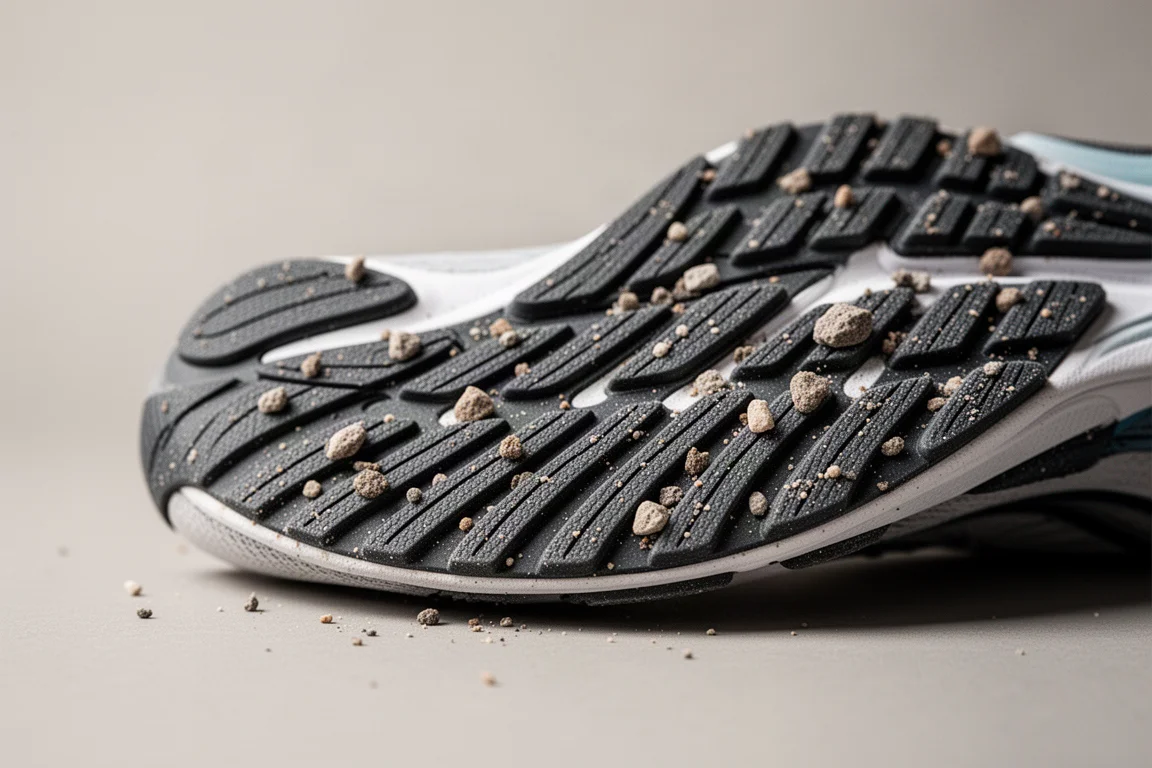
Durability of the foam is also a concern. Zoom X foam with a paint layer tends to peel away and become powdery, and the rear rubber sections offer little protection for it. During testing, a stone impact tore a piece out of the thin foam column at the edge, which had to be glued back in. Winter weather running is hard to recommend in this shoe.
Value and Buying Advice
Prices for the Vaporfly 4 have been dropping, with discounts on multiple colorways bringing them down to as low as 145 pounds in some markets. Full retail at 245 pounds is hard to justify given the durability and niche use case; the days of Vaporflys vanishing from shelves at launch are long gone, and there are alternatives with bigger stacks, better durability, and similar weights. The Takumi Sen 11 and the Adios Pro 4 at discount are stronger options for durability, longevity, and versatility.

At a genuinely low price, this becomes a fun shoe: super light on foot and well suited to a 5K or 10K. But it is difficult to see many buyers getting more out of it than that. If the line continues, expect Nike to push the stack back toward 40 mm again.
Conclusion
The long-term view of the Vaporfly 4 is that it is a step in the wrong direction for Nike. The lowered heel stack, removed asymmetric lacing, reduced bounce, questionable wet-weather traction, and fragile Zoom X foam all add up, and the price is too high for the durability on offer. For shorter races at a discount, it can work. For anything else, look to the alternatives.
Product link
View more details for Nike Vaporfly 4
This product is mentioned in the review. Check the specifications, options, and compatibility before buying.
View more details for Nike Vaporfly 4Further reading
Related Reviews

Running Shoes
Best Road-to-Trail Running Shoes: Three Versatile Options for Mixed Terrain
A practical guide to three road-to-trail running shoes that handle both pavement and mild trails, with clear strengths and trade-offs for different runner types.

Running Shoes
Best Running Shoes for Achilles Tendonitis: Three Options Explained
Three running shoes with different heel drops and support features designed to help reduce Achilles tendon pain during walking and running.

Running Shoes
Best Running Shoes for Women: Five Top Choices Ranked
A ranked guide to five women's running shoes, from versatile daily trainers to high-performance racing options, with real strengths and trade-offs for each.