Running Shoes
Nike Vaporfly 4% Flyknit: Does the Shoe That Started It All Still Hold Up?
A retired racing classic taken out for a hard 10K to see how the original super shoe compares against the latest carbon racers.
Introduction
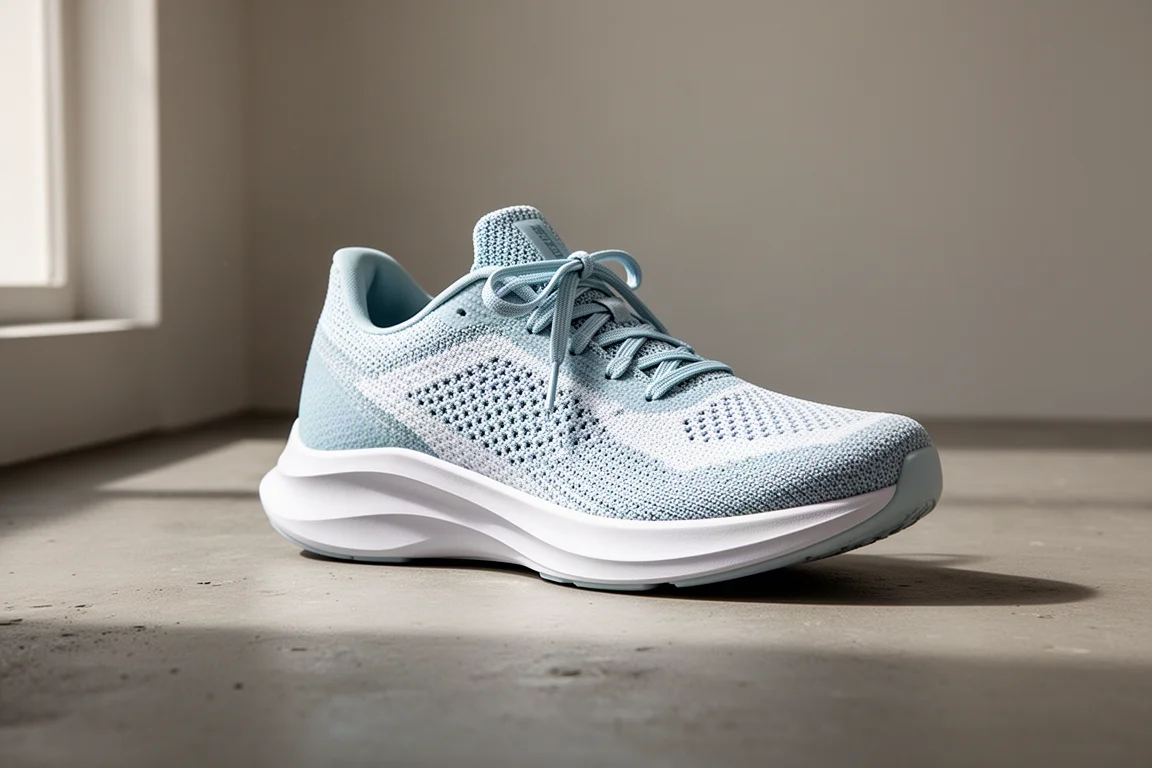
The Nike Vaporfly 4% Flyknit is the shoe that started the entire super shoe era. Launched before World Athletics stack limits existed, it introduced peba-based ZoomX foam and a carbon plate to the racing scene and completely reset expectations for what a marathon racer could feel like. Years later, many runners still call it their favorite version of the shoe.
To find out how much has actually changed since, we took a well-kept pair out of retirement for a club 10K on mixed terrain. The result: it still feels genuinely fast, and the differences between it and the latest carbon racers are smaller than you might expect.
What Hasn’t Changed: ZoomX Foam and the Carbon Plate
The two ingredients that made the Vaporfly 4% revolutionary are still central to Nike’s super shoe range today. The midsole uses ZoomX, the peba-based foam that launched the whole super foam category, and it still delivers that familiar bouncy, propulsive ride. The carbon plate is present as well, and together the pair remain the defining features of the modern racing shoe.
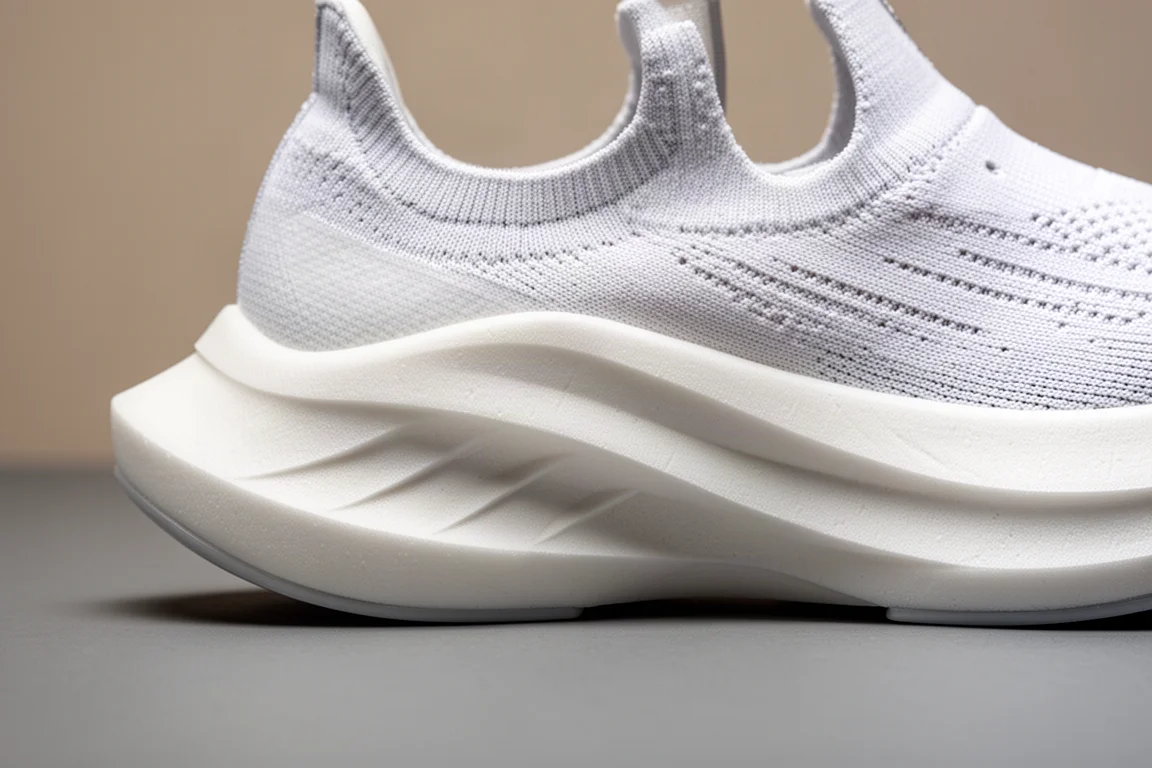
Nike may have tweaked the ZoomX formulation behind the scenes, but running in this shoe today feels remarkably close to a current super shoe. The foam is bouncy, comfortable, and clearly still competitive.
What Has Changed: Stack, Drop, and Forefoot Cushioning
The geometry is where this shoe diverges from anything on the market now. The Vaporfly 4% predates stack limits entirely, and Nike at the time was hesitant about the 40mm racing shoes others were building. The result is roughly 35mm at the heel with a very high 11mm drop, which works out to around 24mm under the forefoot.
Compare that with the latest Vaporfly 3, which sits at the 40mm World Athletics limit with an 8mm drop and a much deeper 32mm of foam under the forefoot. Modern super shoes have universally lowered the drop and increased forefoot cushioning; nobody else builds a shoe like this anymore.
The Flyknit upper, on the other hand, still holds up nicely. It hugs the foot well and has appeared in and out of Nike’s racing lineup since. The shoe is also still lightweight, coming in just over 200g in a UK 8, very similar to the Vaporfly 3.
Race Test: 10K on Mixed Terrain
The test was a midweek league 10K on a mixed course: the opening kilometers on grass and gravel, a long flat 7K stretch on a bike path and country road, then a gravel and grass finish. The shoe felt fresh, fast, and propulsive the whole way, everything you expect from a carbon super shoe. The race finished just shy of 10K in around 33:10 for second place overall, with a strong kick at the end.

The standout difference is ground feel. Under the forefoot you can genuinely sense the ground, but not in an uncomfortable way. Even after 10K there was no forefoot soreness, which is notable when some higher-stacked modern shoes cause discomfort over similar distances. The high drop actually helped late in the race too, making it easier to keep turning the legs over when tired up the gradual climb from 7K to 9K.
Where It Shows Its Age: Outsole Durability
The outsole is the weak point. The Vaporfly 4% has a very stripped-back outsole with lots of exposed foam, and durability was an area that clearly improved in later super shoes, which use slightly more resilient rubber coverage. Even short gravel sections take a toll on this shoe.
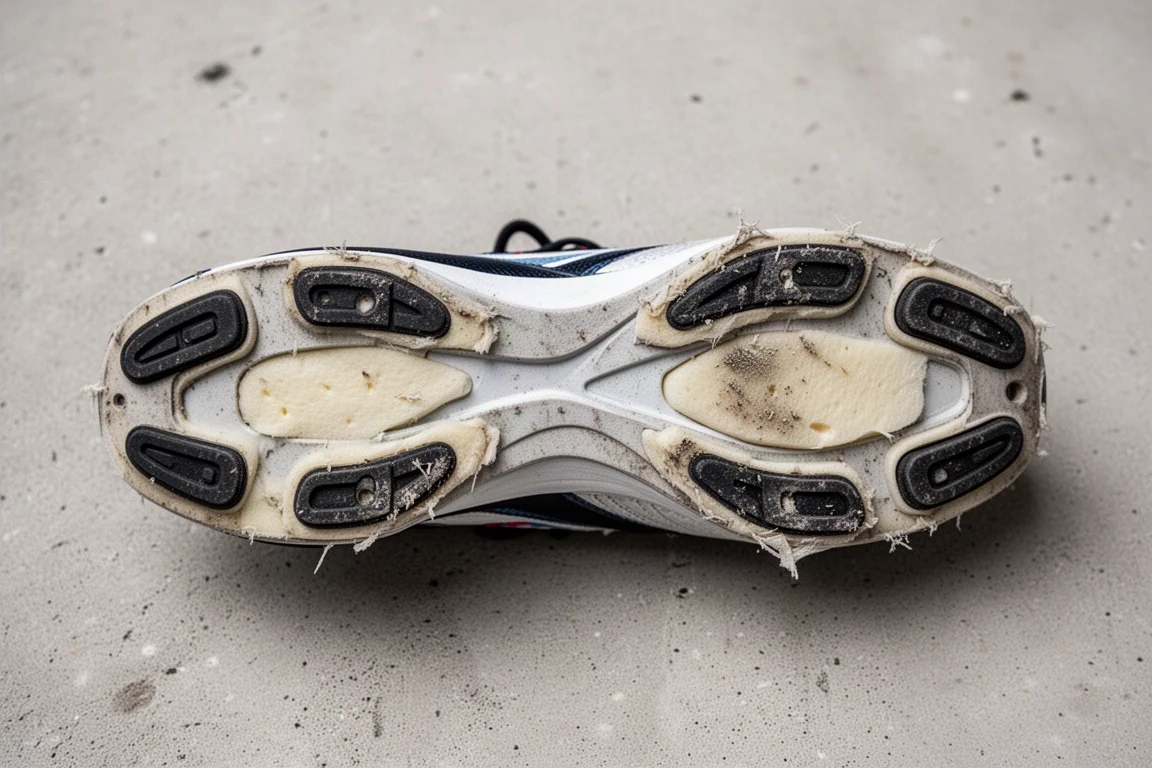
That said, durability remains a mixed bag across the current market too, so while the Vaporfly 4% is behind the best here, it is not an enormous gap.
How It Compares to Modern Super Shoes
The honest answer is that it is not that much different. The very best current super shoes are a bit better: higher stacks, more forefoot cushioning, a bouncier ride, and lower weight in some cases. The Adidas Adizero Adios Pro Evo and the Asics Metaspeed Sky Paris represent that refinement, and both would be the pick over the Vaporfly 4% for a race. But the leap from this shoe to the best of today is small compared to the leap it made over the traditional racing flats and trainers that preceded it.
That original leap was enormous. Going from something like the Adidas Boston, with a much lower stack and a firmer, stripped-back ride, to the Vaporfly 4% produced an immediately obvious drop in perceived effort and heart rate. That level of improvement has not been repeated, and with current regulations it likely will not be. We are now in an era of incremental refinement, where the goal is finding the shoe that suits you rather than waiting for another generational jump.
Buying Advice: Is It Worth Racing in Today?
If you can find a pair in good condition, the Vaporfly 4% remains a genuinely capable racer. It has the ingredients that still define the category: excellent ZoomX foam, a carbon plate, low weight, and a comfortable ride that once set the marathon standard. The high drop and relatively low forefoot stack give it a grounded, nimble character that no modern super shoe offers, and some runners actively prefer that.

The trade-offs are real though: less forefoot protection than current racers, less bounce, and a fragile outsole. Given the choice for a race, the latest version is the more sensible pick. But this is still a fantastic shoe, and its reputation as a favorite among runners is not just nostalgia.
Conclusion
The Nike Vaporfly 4% Flyknit was the shoe that changed everything, and running in it today confirms it still works remarkably well. Modern super shoes have refined the formula with higher stacks, lower drops, and more forefoot cushioning, but the fundamental experience of a bouncy, propulsive carbon-plated ride started here. If you loved this shoe, the current generation will feel familiar rather than revolutionary.
Product link
View more details for Nike Vaporfly 4% Flyknit
This product is mentioned in the review. Check the specifications, options, and compatibility before buying.
View more details for Nike Vaporfly 4% FlyknitFurther reading
Related Reviews

Running Shoes
Best Road-to-Trail Running Shoes: Three Versatile Options for Mixed Terrain
A practical guide to three road-to-trail running shoes that handle both pavement and mild trails, with clear strengths and trade-offs for different runner types.

Running Shoes
Best Running Shoes for Achilles Tendonitis: Three Options Explained
Three running shoes with different heel drops and support features designed to help reduce Achilles tendon pain during walking and running.

Running Shoes
Best Running Shoes for Women: Five Top Choices Ranked
A ranked guide to five women's running shoes, from versatile daily trainers to high-performance racing options, with real strengths and trade-offs for each.