Running Shoes
Nike Vaporfly 4 Review: A Streamlined Return to the Original Super Shoe Formula
Nike's fourth Vaporfly trims weight and stack height to deliver a nimble, connected race day ride. Here is how it performs and who it suits.
Introduction
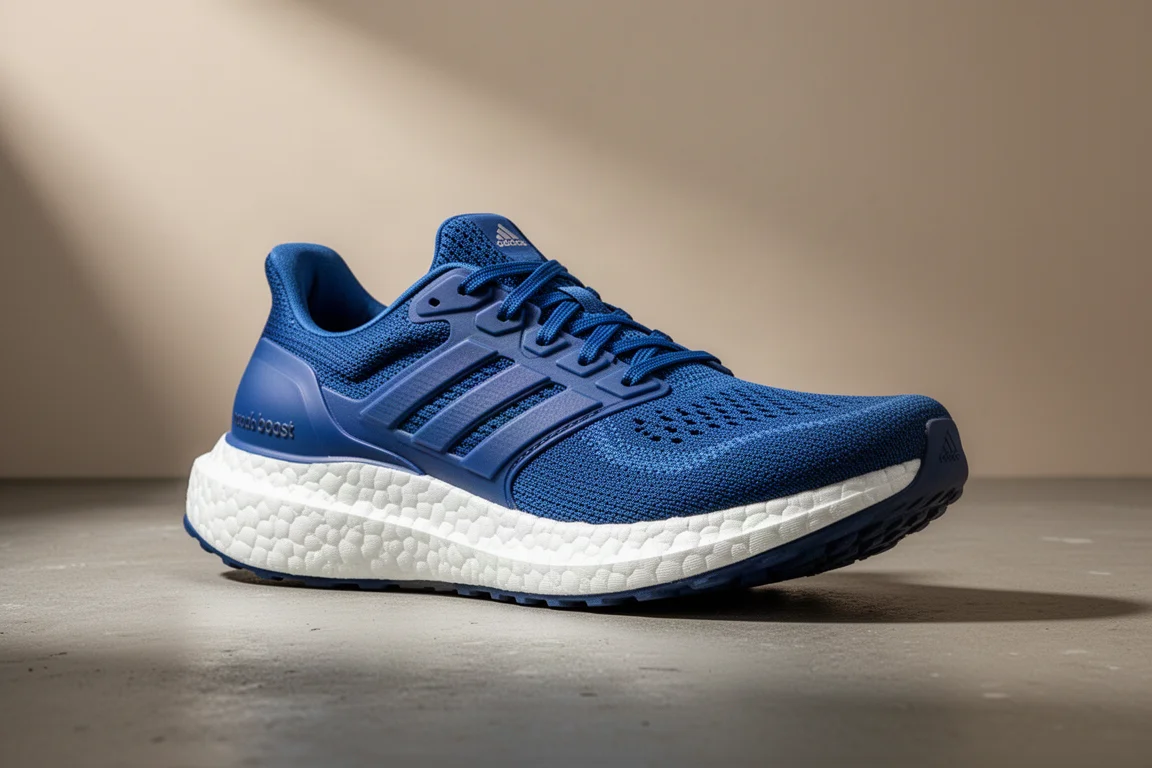
Few racing shoes carry the expectations that come with the Vaporfly name. The original super shoe changed road racing nearly a decade ago, and every new version arrives under a microscope. The Nike Vaporfly 4 takes a different path than most of the current market: instead of chasing extra bounce or taller stacks, Nike trimmed the weight and the heel stack to make the lightest racing shoe in its lineup, positioning it as a return to the original super shoe formula.
What the Vaporfly 4 Actually Is
The Vaporfly 4 is Nike’s newest road racing shoe, built around the same core formula the brand pioneered: ZoomX foam, a full-length carbon fiber flyplate, and good rubber coverage across the entire forefoot. Nike’s positioning is printed right inside the shoe: the original super shoe. The update focuses on being lighter and more nimble, with the heel stack reduced a few millimeters to a measured range of roughly 37 to 38 mm on a pair tested, while staying inside the World Athletics 40 mm limit.
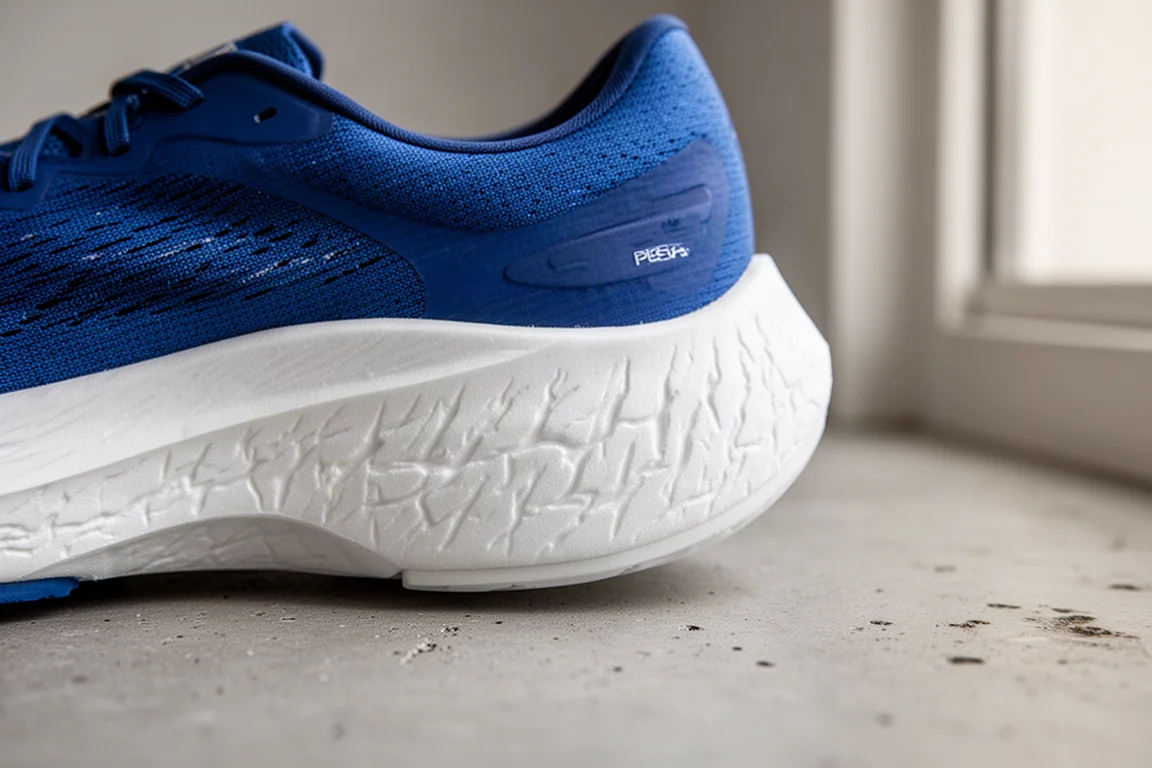
Weight is where the update shines. A tested pair came in at 184.6 grams, making it the lightest racing shoe available, ahead of the Asics Metaspeed Sky Paris and Edge Paris at 190 grams. For comparison, the Vaporfly 2 weighed 213 grams and the On Cloudboom Strike sits at 224.5 grams. The upper is also a step forward: straight lacing lines over the top of the foot, a slight stretch to the laces, clean padding around the heel, and a comfortable overall fit. Nike also moved the midsole cutout further forward, trimming the large bump out at the back of the previous version.
How It Feels on the Run
The first run was a steady six miler with 30 second pace pickups ranging from about 10K pace down to 5:15 per mile. The shoe is comfortable and surprisingly pleasant even at easy jogging pace, with good cushion through the midfoot and heel and no harshness. It is not max cushion, though, and runners who want a soft, protective marathon shoe should look elsewhere.
Two things stood out. First, the shoe feels best with a midfoot strike and a higher cadence. Digging into the forefoot does not feel great because there is not much cushion or pop up front, and landing flat feels noticeably better. Second, the speed assistance is more modest than in shoes like the Alphafly. The profile is fairly flat with no aggressive rocker, and the foam does not feel super energetic. It rewards effort rather than handing you free pace, which makes it feel like a workhorse race shoe rather than a bouncy rocket.

The flip side is that it is extremely streamlined and direct. There is none of the fighting against mushy foam that made the Vaporfly 3 feel like hard work at faster paces, and that problem has been fixed here. The foam feels firm out of the box and softens with miles, and the carbon plate gives a genuine sense of snap without getting in the way.
How It Compares in the Race Shoe Market
Against the Metaspeed Sky Paris, the Vaporfly 4 is less aggressive and less explosive, but far more comfortable and with more ground feel. The Edge Paris is a closer match in forefoot feel, but that shoe tends to feel like you are fighting the foam, which the Vaporfly 4 does not. Compared with the Saucony Endorphin Elite and the Adios Pro 4, both of which lean very soft, the Vaporfly 4 feels like a true racing shoe: purposeful, fast, and never sluggish.
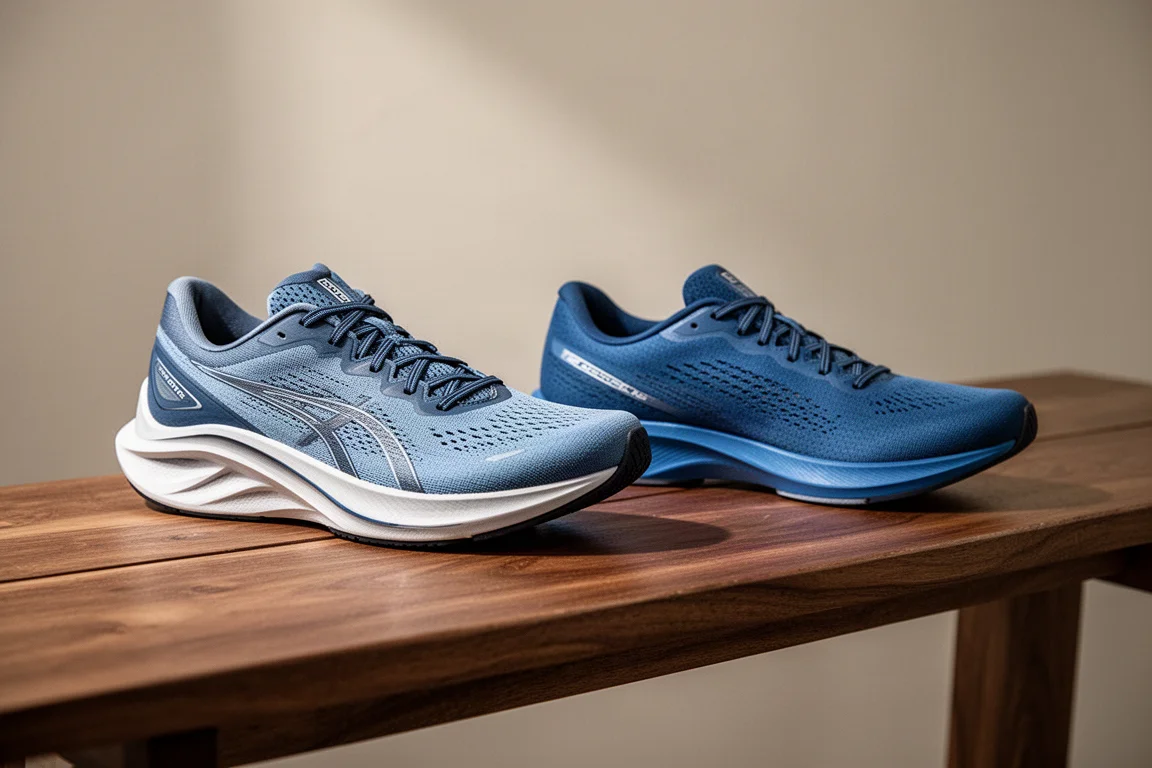
The clearest comparison is with the Alphafly, which sits at the opposite end of Nike’s lineup. The Alphafly is the max cushion, high bounce marathon weapon with the AirPod unit in the forefoot, while the Vaporfly 4 is the lighter, more connected option with more control and a streamlined feel. In a market where nearly every brand is pushing taller stacks, squishier foams, or midsole gimmicks like the midfoot bump seen in the Mizuno Wave Rebellion Pro 2, this is the shoe that goes the other direction.
Should You Buy the Vaporfly 4?
This is a shoe for runners who find most current race shoes too soft, too bulky, or too mushy, and who want something direct and easy to turn over. It suits midfoot strikers with a higher cadence rather than powerful heel-driven runners. Based on the first run, it profiles best for 5K to half marathon racing, or as a race shoe budget spent on a training shoe for developing speed mechanics. A full marathon may call for something more cushioned.
The honest takeaway: it did not blow the review away, but it was not a disappointment either. The Vaporfly 4 delivers a reliable, streamlined ride that feels best when running fast, and that is exactly what it sets out to do. If that sounds like what you want on race day, it is an easy recommendation.
Conclusion
The Vaporfly 4 is not an innovation play, and it does not need to be. It is a lighter, more nimble version of the shoe that started the super shoe era, with excellent weight savings, a better upper, and a direct, connected ride. Runners shopping in a crowded race shoe market who value speed and agility over maximum cushion should give it a serious look.
Product link
View more details for Nike Vaporfly 4
This product is mentioned in the review. Check the specifications, options, and compatibility before buying.
View more details for Nike Vaporfly 4Further reading
Related Reviews

Running Shoes
Best Road-to-Trail Running Shoes: Three Versatile Options for Mixed Terrain
A practical guide to three road-to-trail running shoes that handle both pavement and mild trails, with clear strengths and trade-offs for different runner types.

Running Shoes
Best Running Shoes for Achilles Tendonitis: Three Options Explained
Three running shoes with different heel drops and support features designed to help reduce Achilles tendon pain during walking and running.

Running Shoes
Best Running Shoes for Women: Five Top Choices Ranked
A ranked guide to five women's running shoes, from versatile daily trainers to high-performance racing options, with real strengths and trade-offs for each.