Running Shoes
Nike Vaporfly 4: First Impressions After a Road Race
A leaner, lighter Vaporfly with a steeper carbon plate. First impressions after racing in it, plus what to check before buying.
Introduction
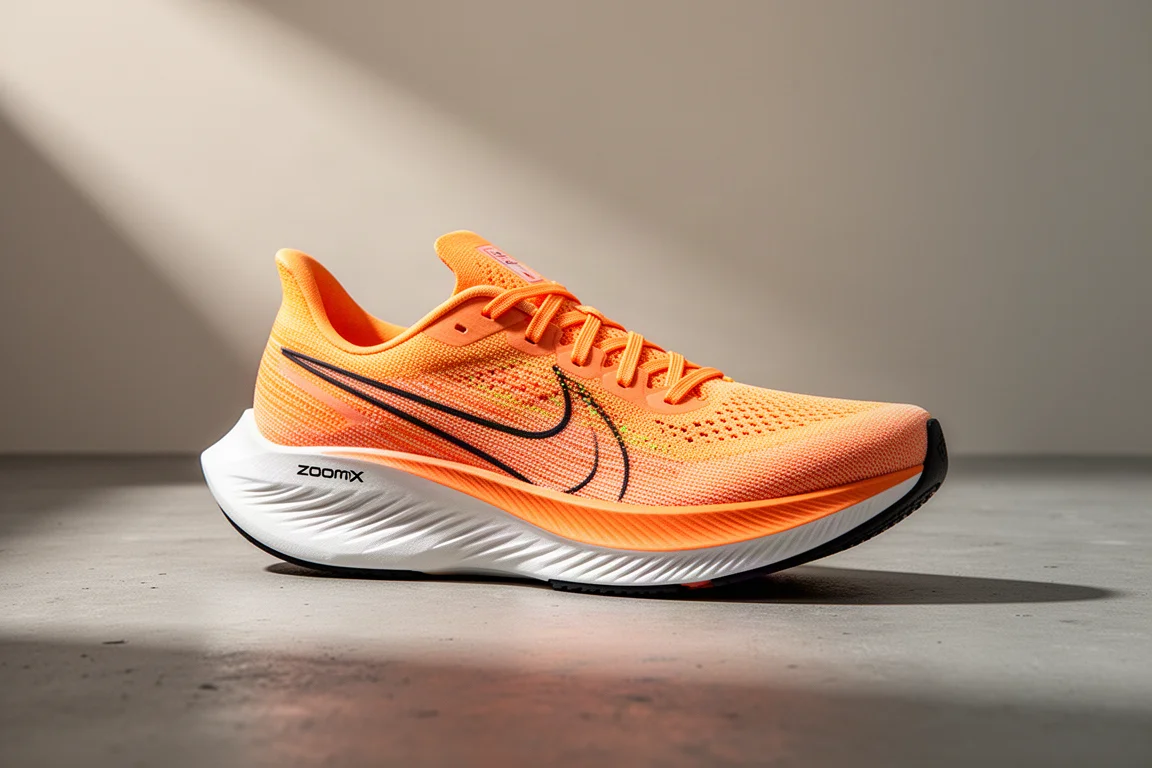
The Nike Vaporfly 4 is the latest version of the racing shoe that helped kick off the modern carbon plate era back in 2017. After racing in a pair recently, these are first impressions rather than a full review, but the direction of the update is already clear: this is a slimmer, trimmer, leaner shoe built around speed.
A Leaner, Lighter Silhouette
The headline change is weight. The Vaporfly 4 comes in roughly 10% lighter than the previous version, and the midsole geometry is noticeably slimmer at the heel. The heel stack sits at 35 mm, and the whole shoe feels trimmed down compared to earlier iterations.
One detail worth calling out is the tongue. Somehow Nike has figured out a tongue that lays nicely on top of the foot and works well with the laces. The shoelaces cinch cleanly against the tongue and the eyelet chain, and that connection has genuinely improved over earlier models. The upper is very breathable and feels fairly malleable to the foot.
Drop, Plate, and Ride Feel
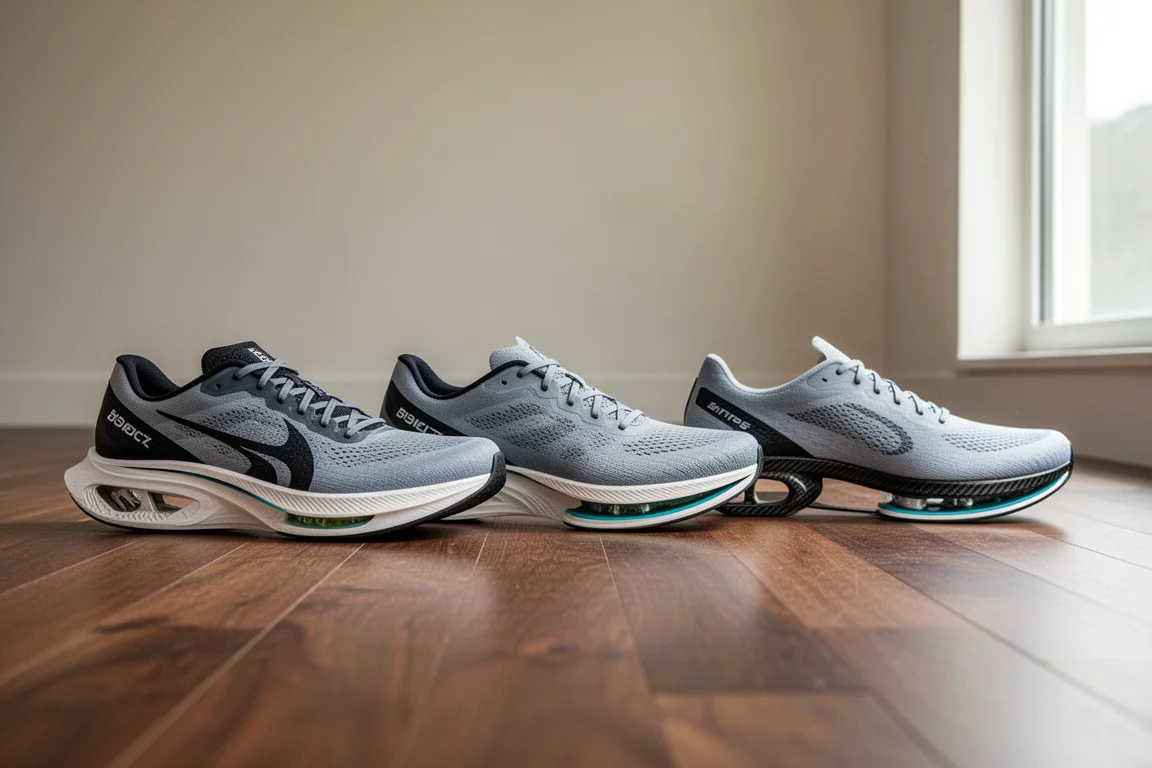
The drop has been reduced from 8 mm to 6 mm. That was noticeable while racing: the slope inside the shoe felt less aggressive in terms of keeping you forward on your toes, and some runners may not love that change. The carbon fiber plate itself is 3% steeper within the new midsole geometry, creating more leverage between the foot and the ankle.
Despite the lean heel, the ride did not feel unstable during the race. The plate’s torque and leverage were clearly present, though runners not used to that kind of aggressive push might find it a lot. It is also a starkly different character from a maximalist super shoe: this is much less shoe underfoot, and it suits runners who want to be in charge of the shoe rather than the other way around.
Weight Savings and the Aggressive Outsole Groove
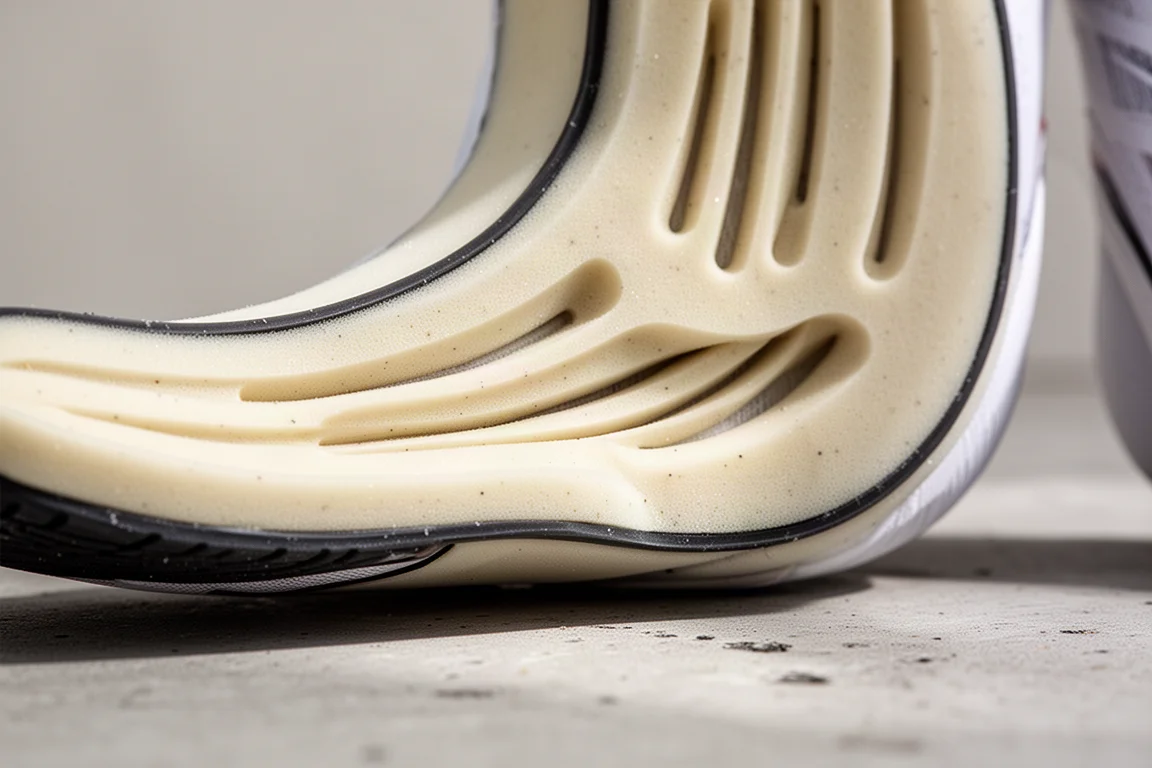
A major reason for the weight drop is the decoupled groove on the outsole, which has grown larger and is quite aggressive. One practical caution: because that groove is so wide, a small rock could potentially get stuck inside the outsole cavity if you step on debris while training or racing. The outsole rubber also feels a little unusual to the touch, and longer-term durability on concrete and other surfaces needs more testing.
Racing in It: What the Plate Feels Like
The raw evidence from one race: the shoe felt fast and aggressive, and the steeper plate torque was easy to feel underfoot. The trade-off showed up immediately afterward. Within minutes of finishing, the calves and especially the soleus felt worked over, and that soreness lingered for the next several days.
That is not a flaw so much as the point. This is a race shoe designed to be aggressive and help you run as fast as possible, and the extra demand on the lower leg is the price of that leverage. Runners easing into carbon plate racing should expect to earn the speed.

Where It Fits in a Training Rotation
Because the midsole is leaner and the stack is reduced, this version could plausibly serve as a track workout shoe as well as a road racer. Think mile repeats or 3K repeats rather than easy miles. Longer runs, tempo runs, and threshold sessions are still worth testing, and the outsole behavior on different surfaces is something to watch as more miles accumulate.
For comparison, the previous generation Vaporfly remains a genuinely strong shoe, and plenty of runners still train and even race happily in it. Weighing both on the scale showed the new version comes in almost an ounce lighter in the same size, which is a meaningful difference in a race.

Buying Advice
If you race road events and want a lightweight, aggressive plate shoe with a firmer, more connected feel than a big-stack super shoe, the Vaporfly 4 is an easy one to recommend from these early impressions. If you prefer a higher drop for racing, or you are sensitive to calf and soleus strain, the reduced 6 mm drop and steeper plate are the two things to weigh carefully before buying.
Conclusion
The Vaporfly 4 pushes the line further toward pure racing speed: 10% lighter, a 35 mm heel, a 6 mm drop, and a 3% steeper carbon plate in leaner midsole geometry. It races well, it works the lower legs hard, and it rewards runners who know what they want out of a race day shoe.
Product link
View more details for Nike Vaporfly 4
This product is mentioned in the review. Check the specifications, options, and compatibility before buying.
View more details for Nike Vaporfly 4Further reading
Related Reviews

Running Shoes
Best Road-to-Trail Running Shoes: Three Versatile Options for Mixed Terrain
A practical guide to three road-to-trail running shoes that handle both pavement and mild trails, with clear strengths and trade-offs for different runner types.

Running Shoes
Best Running Shoes for Achilles Tendonitis: Three Options Explained
Three running shoes with different heel drops and support features designed to help reduce Achilles tendon pain during walking and running.

Running Shoes
Best Running Shoes for Women: Five Top Choices Ranked
A ranked guide to five women's running shoes, from versatile daily trainers to high-performance racing options, with real strengths and trade-offs for each.