Running Shoes
Nike Vaporfly 3 vs Saucony Endorphin Pro 3: Which Race Day Shoe Fits Your Running?
Two of the best super shoes for half marathon and marathon racing, compared on ride feel, stability, fit, and durability so you can pick the right one for your next race.
Introduction
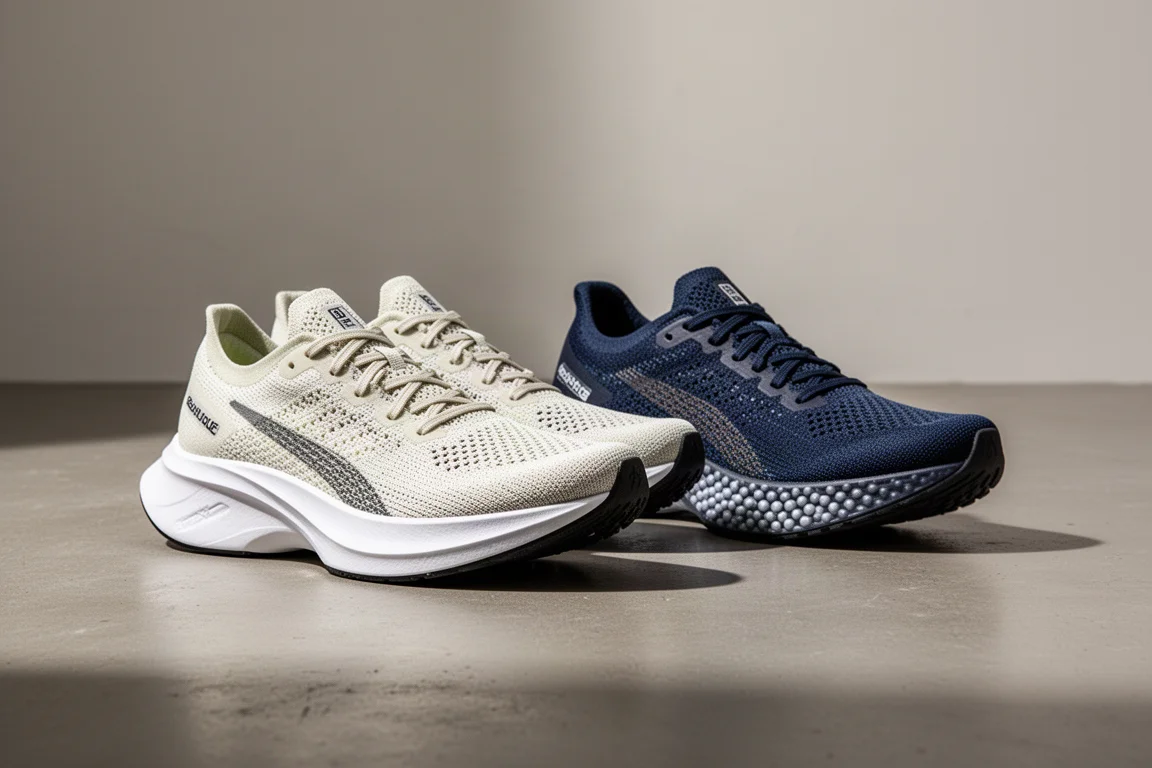
Few matchups in the super shoe space are as interesting as the Nike Vaporfly 3 and the Saucony Endorphin Pro 3. Both sit at the top of their brand’s marathon racing lineups, both use premium PEBA-based foams with a carbon fiber plate, and both are widely regarded among the best race day shoes available regardless of distance or ability level. The rides are roughly 85% the same, but that remaining 15% is exactly what should decide which one you buy.
This comparison draws on longer-term use: about a month with the Vaporfly 3 covering 15 to 20 miles, and about a year with the Endorphin Pro 3 covering roughly 200 miles. Here is how they differ on ride, fit, stability, and durability, and who each shoe suits best.
Overview: Nike Vaporfly 3
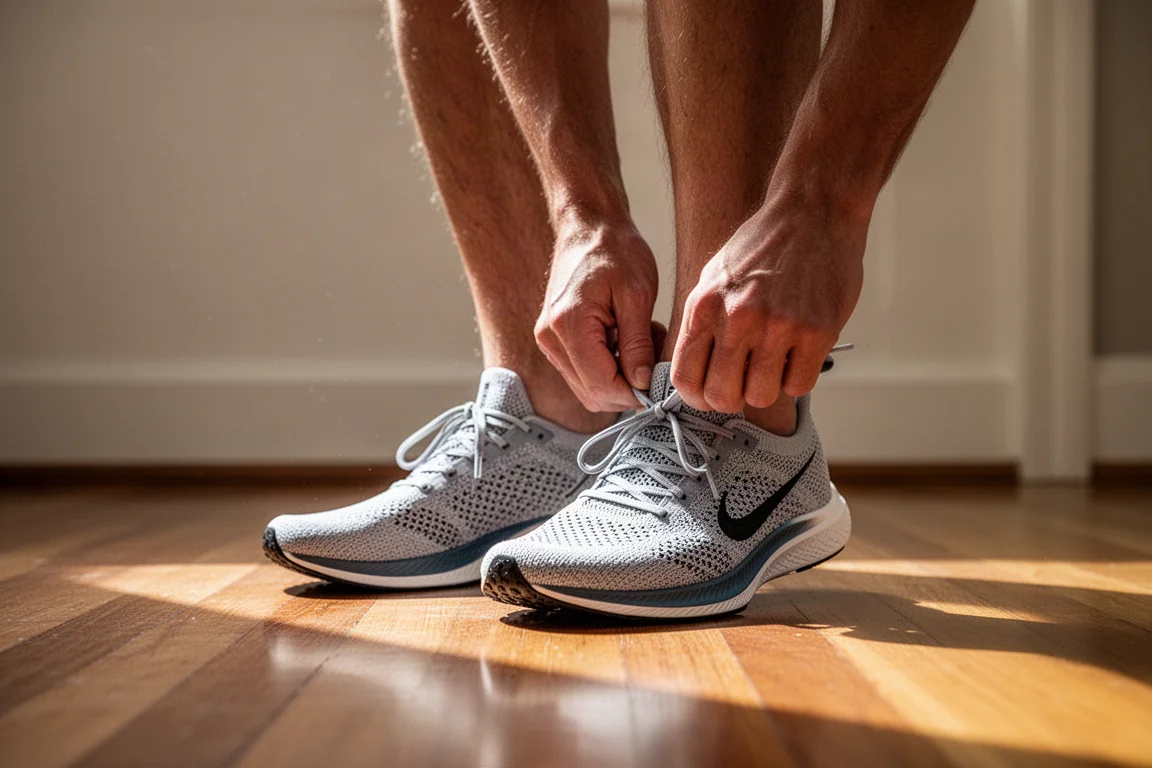
The Vaporfly 3 is Nike’s top-tier marathon racing shoe, sitting below the Alphafly in the lineup. It uses a full-length bed of ZoomX foam with a carbon fiber plate, and the stack comes in at 40 mm in the heel and 32 mm in the forefoot for an 8 mm drop. At 6.5 oz for a men’s US 9, it is one of the lightest marathon racing shoes on the market. It still retails at a lower price point than several direct rivals, which makes it strong value in this category.
Overview: Saucony Endorphin Pro 3
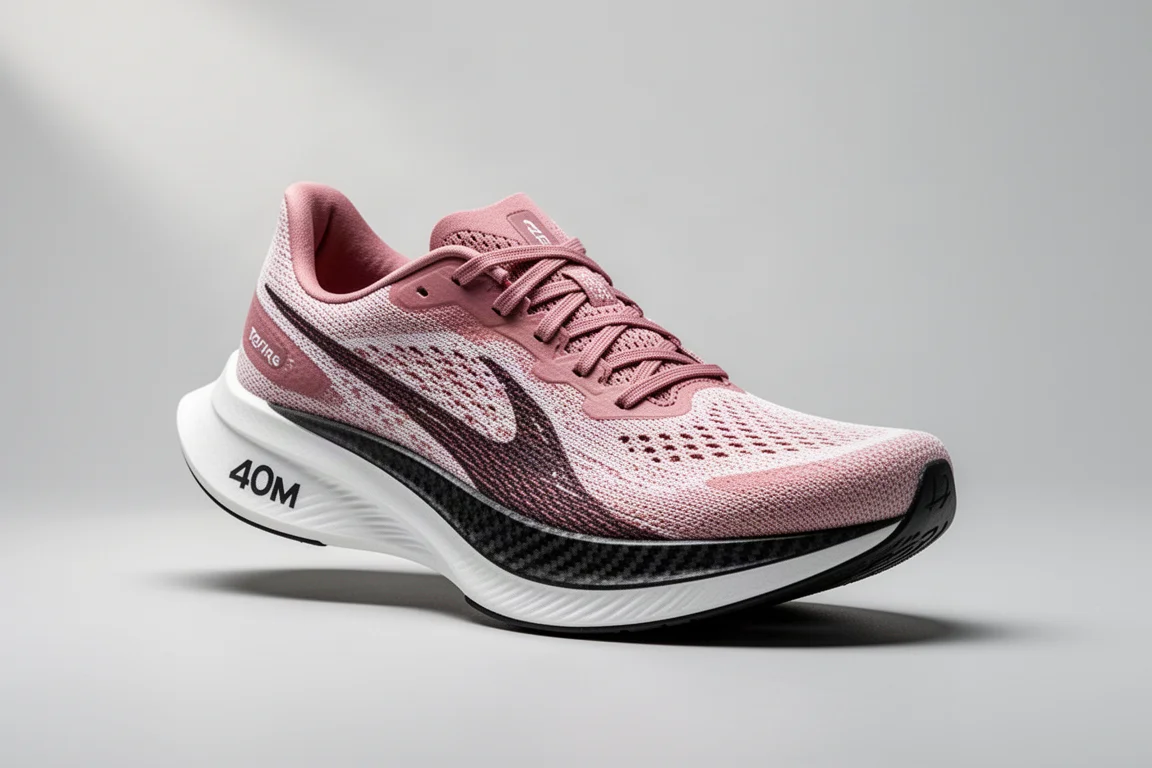
Saucony’s Endorphin Pro 3 is the brand’s top-tier marathon racing shoe, positioned just below the Endorphin Elite. Its stack is nearly identical to the Vaporfly at 39.5 mm in the heel and 31.5 mm in the forefoot, again with an 8 mm drop, and it also uses a full-length bed of PEBA foam. It is a touch heavier at 7.2 oz for a men’s US 9, and pricing has moved up from $250 toward the $265 range after a recent increase. That puts it at a noticeably higher price than the Vaporfly.
Midsole and Foam Comparison
Both shoes use PEBA-based compounds, the foam family pioneered by Nike with the original Vaporfly and still considered the benchmark for marathon racing. The key difference is formulation. Saucony uses a beaded version of PEBA in its PWRRUN PB midsole, with visible expanded bead pellets similar in concept to old-school Adidas Boost. Nike’s ZoomX, by contrast, is one singular bed of foam that starts to crinkle slightly and compress over time.
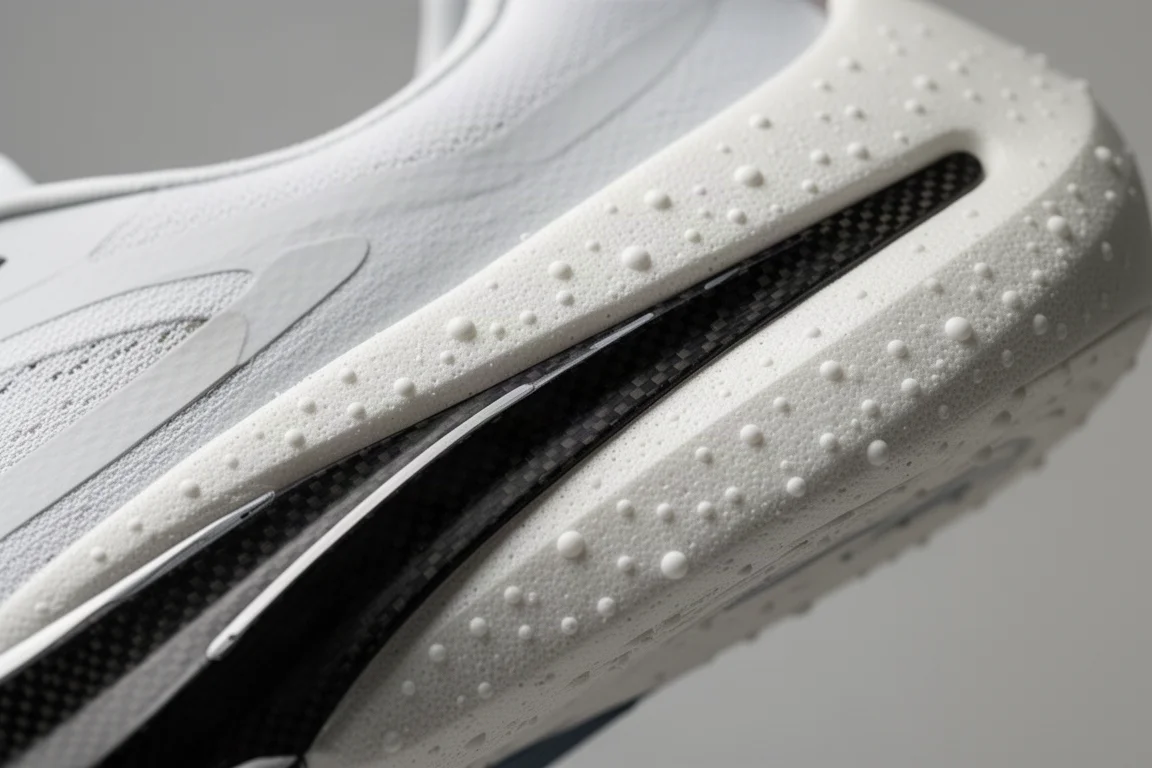
In practice, ZoomX reads softer while PWRRUN PB reads firmer. Both deliver excellent energy return, but the ZoomX produces more of a floating, marshmallowy ride where you feel the ground and the plate less and simply turn your legs over in cushioned comfort. The Pro 3 feels a bit firmer, and its rocker shape gives the illusion of more forefoot control at toe-off. If you like a plush, max-cushion feel, the Vaporfly wins; if you like a firmer, more controlled feel, the Pro 3 is the better match.
Stability and Platform Shape
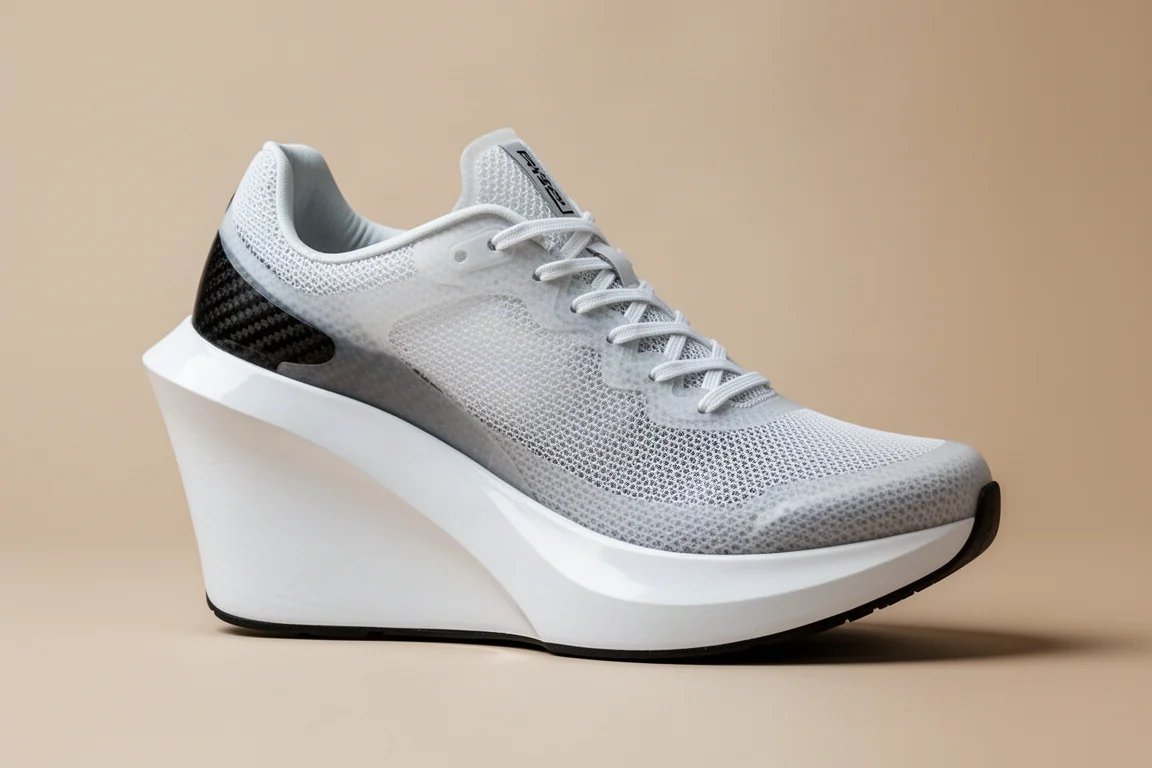
Stability is where the platform geometry matters most. The Vaporfly 3 has one of the narrowest heels among race day shoes, with the widest part of the platform at the forefoot-midfoot junction before narrowing toward the midfoot and rear. That shape favors forefoot strikers who land and load the front of the platform.
The Endorphin Pro 3 takes a wider, more forgiving approach. Its widest area is still in the mid-forefoot, but the heel is considerably wider than the Vaporfly’s, making it more suitable for heel strikers and for runners with mild stability needs. The Pro 3 also has a more aggressive rear rocker with a distinct heel bevel, while the Vaporfly stays flatter toward the back. That geometry, combined with the wider base, makes the Pro 3 friendlier for long runs and beginner runners in a super shoe.
Fit and Upper
Fit differences are real but modest. The Vaporfly 3 offers a bit more room in the toe box than expected, even though Nike is often criticized for narrow race fits, and its textured laces hold a solid, snug fit when tied tight. Saucony still uses a more traditional lacing setup with a rocket-like race day fit through the forefoot.
The Pro 3 has the better heel lockdown. The Vaporfly historically had a loose lockdown around the ankle, and while the Vaporfly 3 improves on that, the Saucony simply fits better in the back. Both uppers are breathable, with the Nike feeling slightly airier and lighter on foot; the half-ounce weight difference is mostly felt underfoot rather than in the upper. Neither shoe is difficult to get on foot, and both have held up without lockdown or fit issues.
Durability
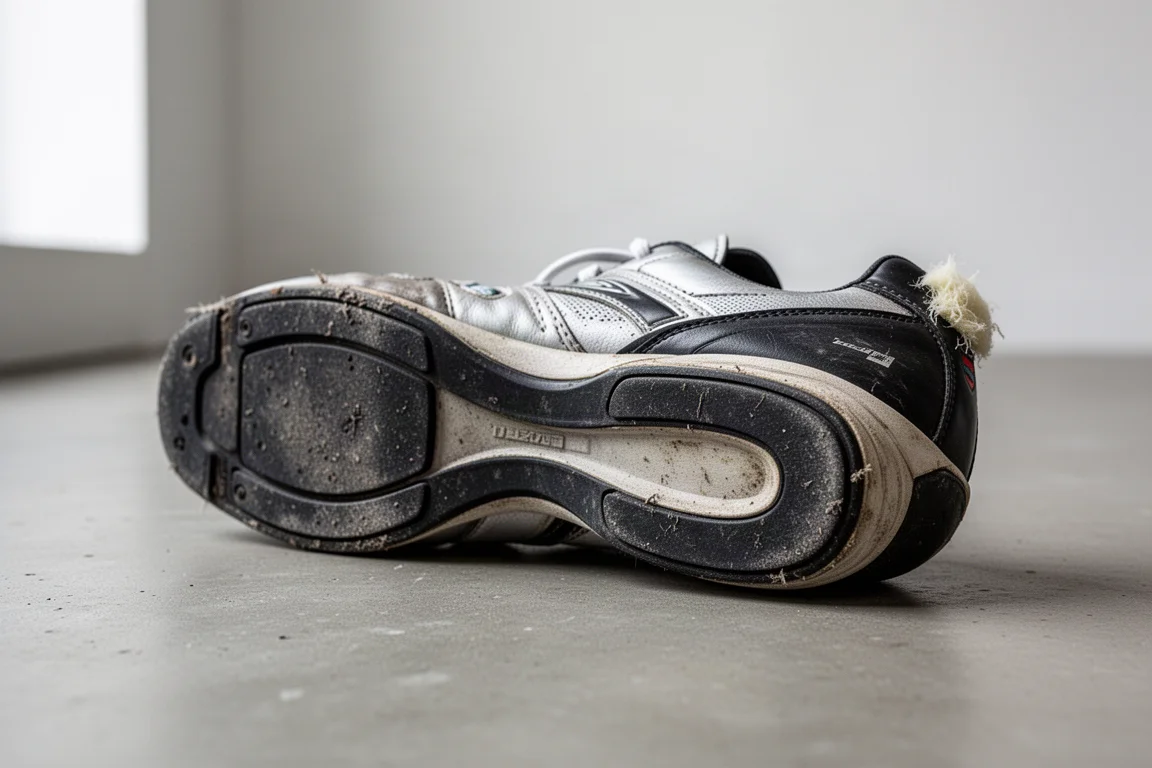
Durability separates these two more than anything else. With only 15 miles on the Vaporfly 3, the rear of the ZoomX midsole has already started to fray where exposed foam meets the ground. This is by design: these are shoes built for one or two marathons at most, and the foam fraying does not degrade performance. Heel strikers, however, will chew through that exposed rear foam faster.
The Endorphin Pro 3 is the clear durability winner. At around 200 miles, the heel is fully protected by rubber, and the outsole remains in good shape, with only minor foam wear appearing on the lateral edge. It is easy to imagine another 100 miles from the same pair. That is why the Pro 3 is the better choice if you want to use a super shoe during training or long runs, while the Vaporfly is best saved purely for goal races.
Buying Advice: Which One Is for You?
Choose the Nike Vaporfly 3 if you are an intermediate to advanced runner chasing a fast half marathon or marathon, you are a forefoot striker, and you do not overpronate. It remains the default pick at the front of races, and few runners regret lacing it up on race day. Just treat it as race day equipment rather than a high-mileage trainer, and note the narrow heel if you land on your heel.
Choose the Saucony Endorphin Pro 3 if you want a firmer, more controlled ride, a wider and more stable platform, better heel lockdown, and far better durability. It is also the stronger option for beginner runners and anyone who wants a super shoe that feels a bit more like a normal shoe, whether for a goal race or an occasional long run.
Conclusion
The Vaporfly 3 stands for pure race day performance in the lightest package, while the Endorphin Pro 3 counters with a firmer ride, a more forgiving platform, and significantly better longevity. Pick the Nike for speed and racing pedigree, and the Saucony for durability, stability, and a friendlier all-around experience.
Further reading
Related Reviews

Running Shoes
Best Road-to-Trail Running Shoes: Three Versatile Options for Mixed Terrain
A practical guide to three road-to-trail running shoes that handle both pavement and mild trails, with clear strengths and trade-offs for different runner types.

Running Shoes
Best Running Shoes for Achilles Tendonitis: Three Options Explained
Three running shoes with different heel drops and support features designed to help reduce Achilles tendon pain during walking and running.

Running Shoes
Best Running Shoes for Women: Five Top Choices Ranked
A ranked guide to five women's running shoes, from versatile daily trainers to high-performance racing options, with real strengths and trade-offs for each.