Running Shoes
Nike Vaporfly 3 vs Alphafly 3: Which Racing Shoe Should You Buy?
Two of Nike's top-tier racing shoes go head to head. We break down weight, upper fit, midsole feel, and outsole durability to help you pick the right one.
Introduction
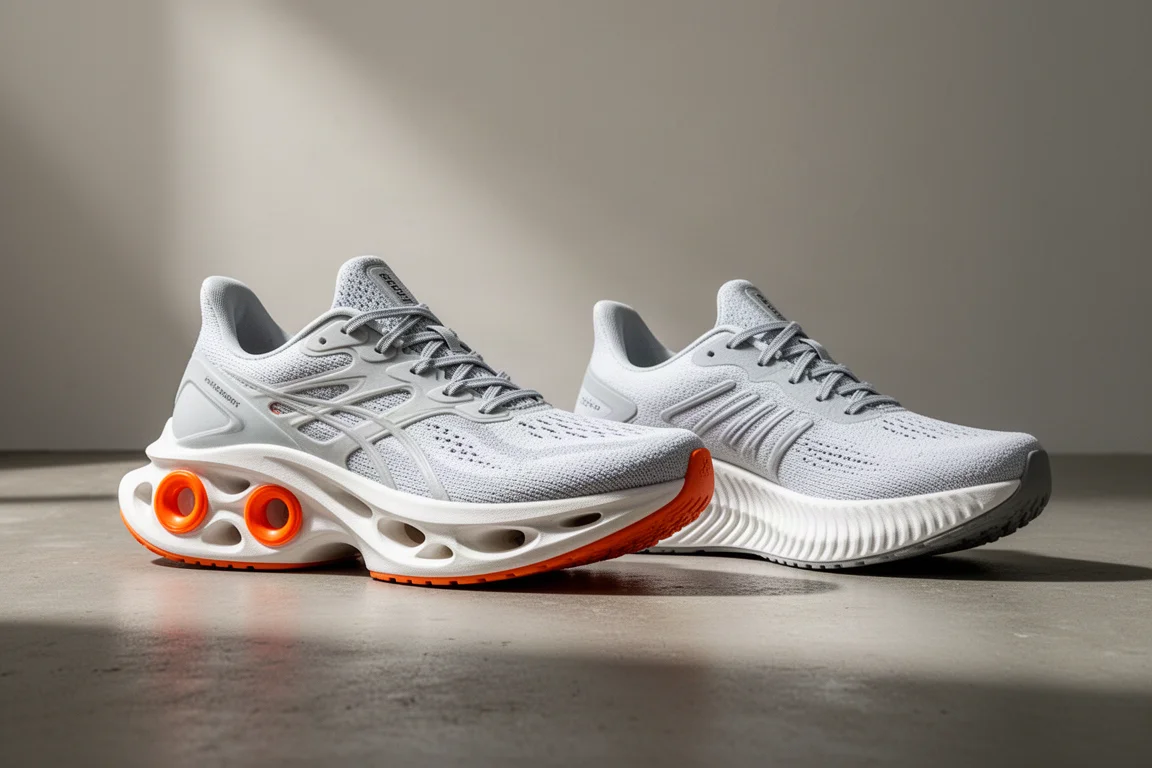
Nike’s top-tier racing lineup gives runners two very different personalities: the Vaporfly 3 as a lighter, more versatile race-day option, and the Alphafly 3 as the ultimate cushioning weapon for long distances. The two have also grown remarkably close in weight, which makes choosing between them harder than it used to be. Here is how they compare across fit, foam, outsole, and overall value.
First Impressions and Key Stats
In a UK 11 / US 12 size, the Vaporfly 3 comes in a little lighter at 235g (8.3oz), while the Alphafly 3 sits at 350g, about an ounce heavier. That is a much smaller gap than between the previous generation of both shoes, and the Alphafly 3 is notably lighter than the Alphafly 2.
The Vaporfly 3 is much narrower all around, especially through the heel, with considerably less surface area. If you want a bit more stability underfoot, the Alphafly 3 is the safer bet. The Vaporfly 3 also feels more restrictive in the arch area, with a noticeable arch hump that is less pronounced in the Alphafly 3. The heel counter tells a similar story: the Vaporfly 3 uses a lower, padded counter that does the lockdown work, while the Alphafly 3 pairs a puffy padded collar with a very low-profile counter and lets the upper take over.
Upper and Fit
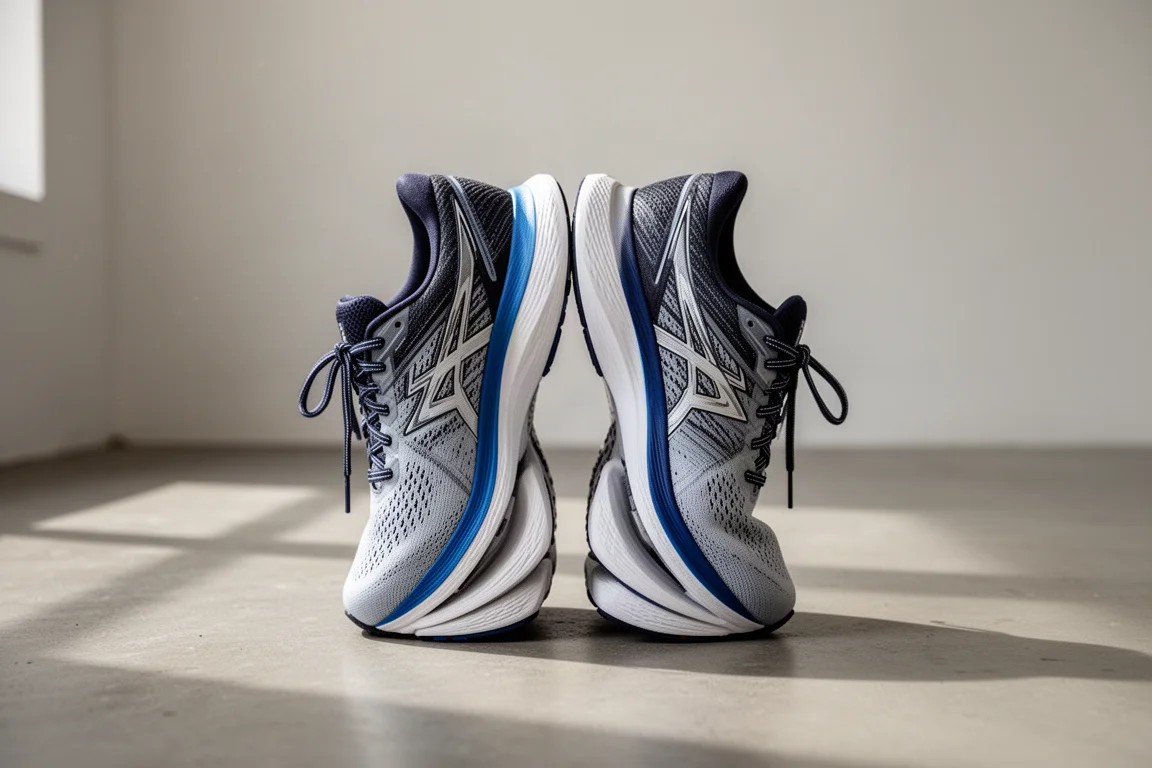
The Alphafly 3 is the better-fitting shoe of the two. It needs far less lace tension to get a secure lockdown, and it uses less upper material than the Vaporfly 3. Breathability, however, belongs firmly to the Vaporfly 3: extremely airy through the midfoot to the toe box, with a very flexible material, though the fit is a little too generous in that area. Its offset lacing also feels fiddly, taking a while to dial in, whereas the Alphafly 3 is a simple foot in, lace up, and go affair.
One caveat on the Alphafly 3: the extensive cutouts under the midsole and outsole collect debris, which can be a pain to clean out, especially at certain times of year. For upper quality overall, the Alphafly 3 wins this round.
Midsole: ZoomX Foam Feel and Durability
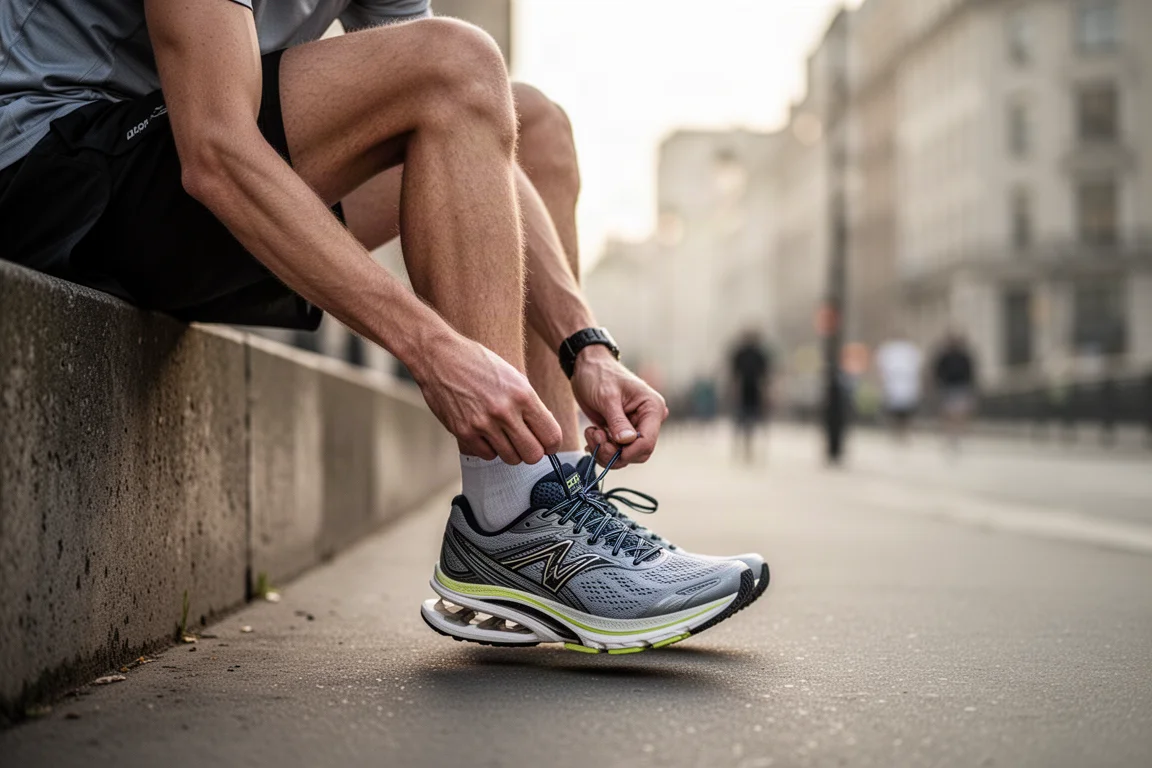
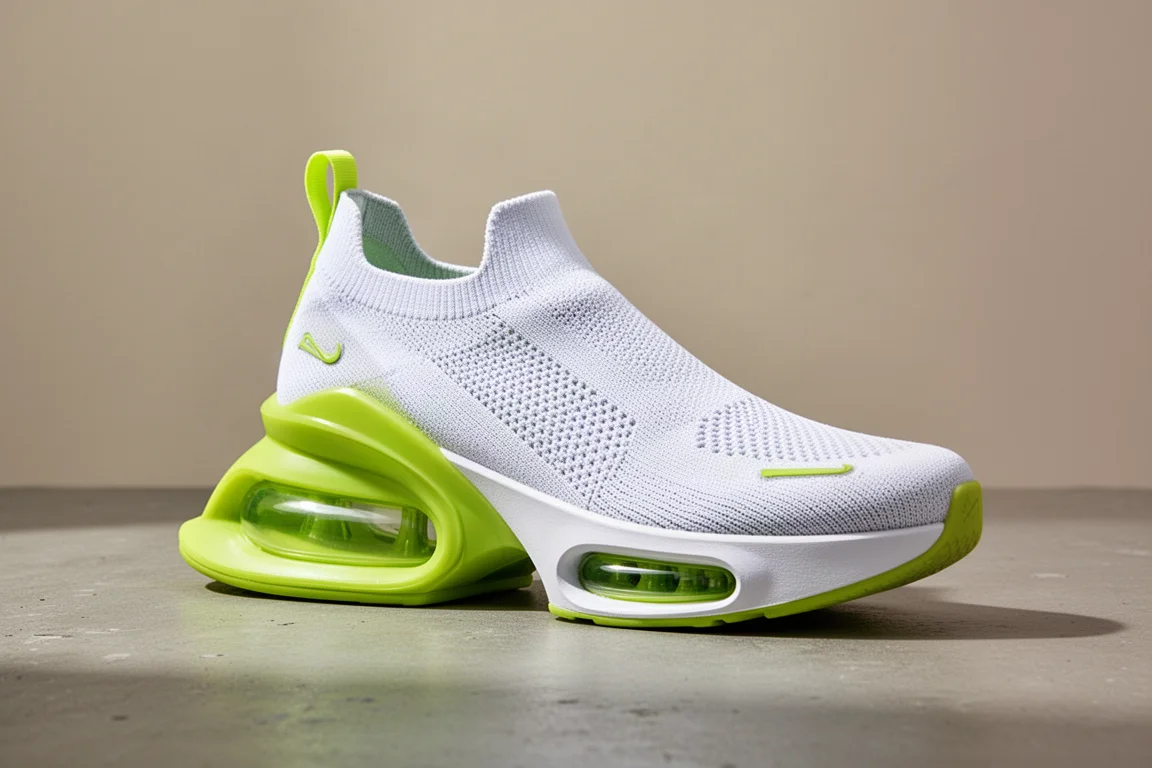
Both shoes use forgiving ZoomX foam that compresses over time. After roughly 100 miles in the Vaporfly 3 and 100km in the Alphafly 3, the heel showed about a 2 to 3mm drop in compression. If you buy a pair and leave it in the box, the magic lasts a bit longer. The interesting difference is trajectory: the Vaporfly 3 seems to lose some of its magic after around 100 miles, while the Alphafly 3 genuinely improves with use, which is unusual for a Nike racing shoe.
The Alphafly 3 has a lot of exposed foam that creases heavily, and it dislikes wet, cold conditions, where the foam creases up badly. The Vaporfly 3 uses ridged texturing on its midsole to disguise that creasing, though the creasing is still there underneath.
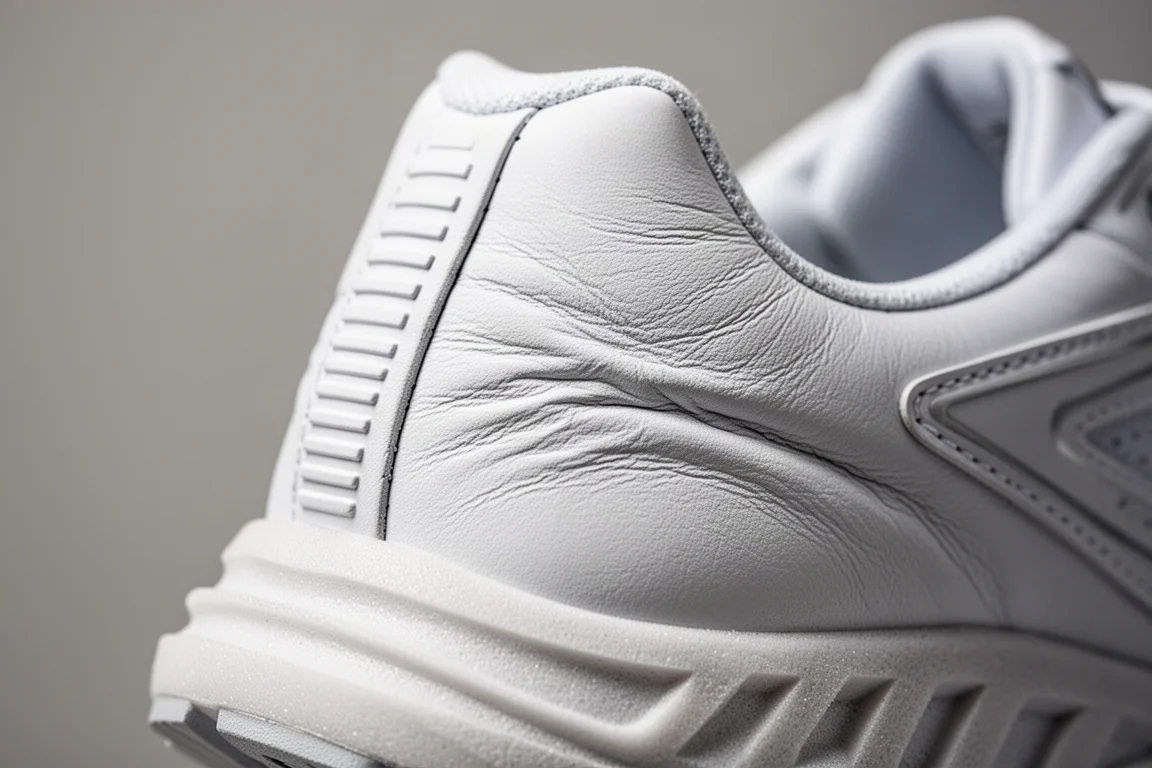
In terms of ride character, the Vaporfly 3 is more aggressive through the midfoot to forefoot, a rocker-style shoe that wants a midfoot landing and a forward push. The Alphafly 3 practically invites a heel landing, with extensive midsole cutouts under the heel amplifying that cushioned feel. The Vaporfly 3 suits runners with a consistent, higher-cadence stride racing 5K and 10K, while the Alphafly 3 is built for maximum cushioning at the half and full marathon distance.
Outsole Grip and Cornering
Both are road racing shoes, and both show impressive rubber durability. Around 100km in, the Alphafly 3’s orange rubber discs show very little wear, and the surrounding black rubber even less, partly because the discs protrude slightly more than the surrounding rubber. The Vaporfly 3’s orange forefoot rubber also holds up well, but its heel rubber, which protects the exposed foam, looks a bit torn and chewed despite being better protected than the Alphafly’s.
The Alphafly 3 edges ahead with slightly deeper lugs and ridges, plus more rubber in the heel. On cornering, there is simply no comparison: the Alphafly 3 is clearly the more planted and more versatile outsole.
Buying Advice: Which One Should You Pick?
If you can only have one pair, the Alphafly 3 is the stronger overall pick. It is the more durable design by a clear margin, it is the better long-run shoe for Sunday sessions, and it rewards continued use instead of fading. Expect it to keep performing well well beyond the 100-mile mark where the Vaporfly 3 starts to lose its edge. The Vaporfly 3 remains the smarter choice for runners focused on shorter races from 5K to 10K, especially those with a consistent, high-cadence stride who want a lighter, more breathable, and slightly more versatile racer.
Conclusion
The gap between Nike’s two flagship racers has narrowed in weight, but not in character. The Vaporfly 3 is the versatile short-to-mid-distance option with the best breathability, while the Alphafly 3 is the more durable, better-fitting, and more planted shoe for long-distance racing. For most runners picking a single pair, the Alphafly 3 earns the nod.
Further reading
Related Reviews

Running Shoes
Best Road-to-Trail Running Shoes: Three Versatile Options for Mixed Terrain
A practical guide to three road-to-trail running shoes that handle both pavement and mild trails, with clear strengths and trade-offs for different runner types.

Running Shoes
Best Running Shoes for Achilles Tendonitis: Three Options Explained
Three running shoes with different heel drops and support features designed to help reduce Achilles tendon pain during walking and running.

Running Shoes
Best Running Shoes for Women: Five Top Choices Ranked
A ranked guide to five women's running shoes, from versatile daily trainers to high-performance racing options, with real strengths and trade-offs for each.