Running Shoes
Nike Vaporfly 3 After 125 Miles: A Racing Shoe That Holds Its Edge
A detailed 125-mile look at the Nike Vaporfly 3, covering comfort, durability, midsole feel, and whether it still deserves a spot as a go-to race day shoe.
Introduction
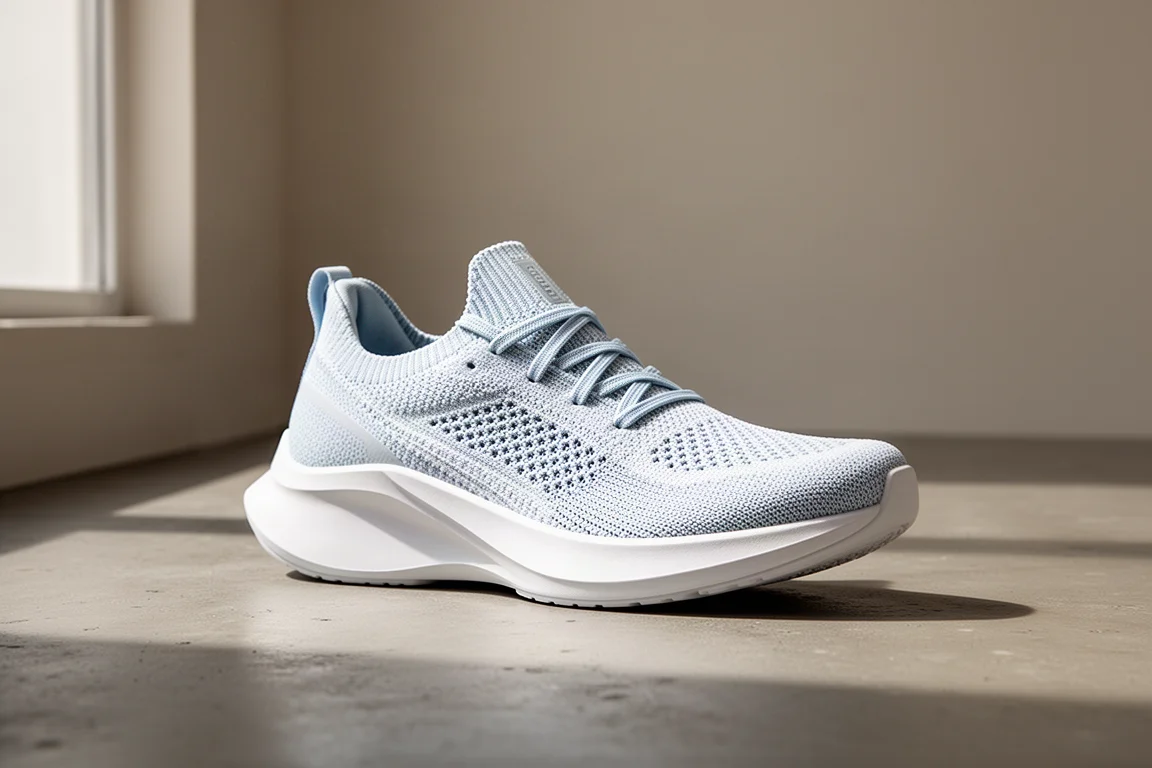
After 125 miles of training and racing, the Nike Vaporfly 3 has earned a place as a favorite racing shoe for everything from a 5K up through the marathon. It is the most comfortable version of the Vaporfly line so far, and the midsole still feels the same as it did on the first run. This long-term look covers what makes it work, where it fits into a racing rotation, and what to know before buying.
Who This Shoe Is For
The Vaporfly 3 suits runners who want a fast, lightweight race shoe for distances from 5K to the marathon. At 6.5 ounces for a men’s size 9 and 5.6 ounces for a women’s size 8, it is super lightweight without feeling fragile. The stack comes in at 38 millimeters in the heel and 30 millimeters in the forefoot with an 8 millimeter drop, though it feels a touch lower than that for midfoot strikers.
Why This Upper Stands Out
The updated Flyknit upper is the biggest comfort upgrade over previous versions. Earlier Vaporfly uppers were thicker, unperforated, and sat flat until you put the shoe on, which could create hot spots on the top of the foot. This one stands up on its own, keeping a little space away from the foot and making the shoe feel roomier. Across a marathon, a 20K, and multiple long runs, there has been zero discomfort and no awareness of the extended tongue, even though it looks unusual rising past the ankle.
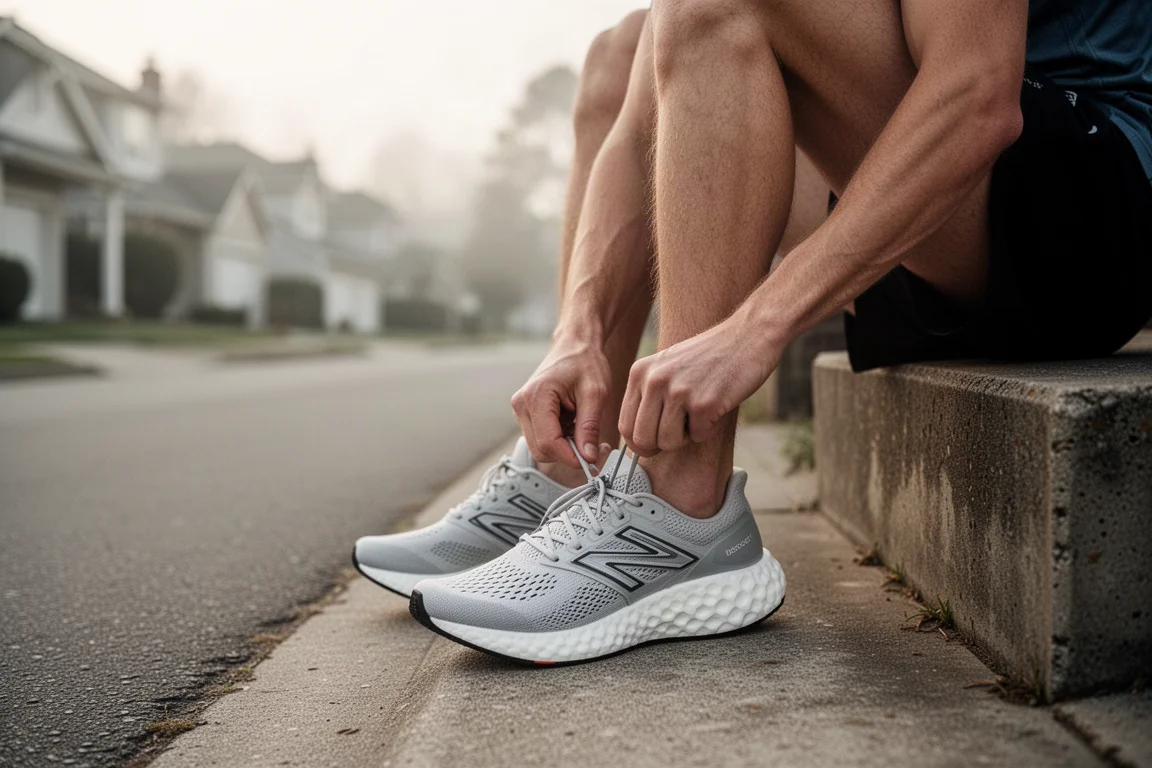
The forefoot platform has also been shifted medially, toward the big toe. That reduced pressure on the arch compared with earlier versions. Runners who land further laterally should not be scared off by this change; the shoe still rolls smoothly onto the first metatarsophalangeal joint without feeling like you are fighting it.
A Firmer, More Responsive Ride
Version 3 feels firmer than versions 1 and 2. Instead of an initial sinking feeling at landing before the forefoot rocker engages, this shoe simply lands and pushes off. There is no sinking sensation at all, just a responsive, smooth transition focused entirely on forward movement. For anyone who dislikes soft, plodding race shoes, that character is exactly the point.
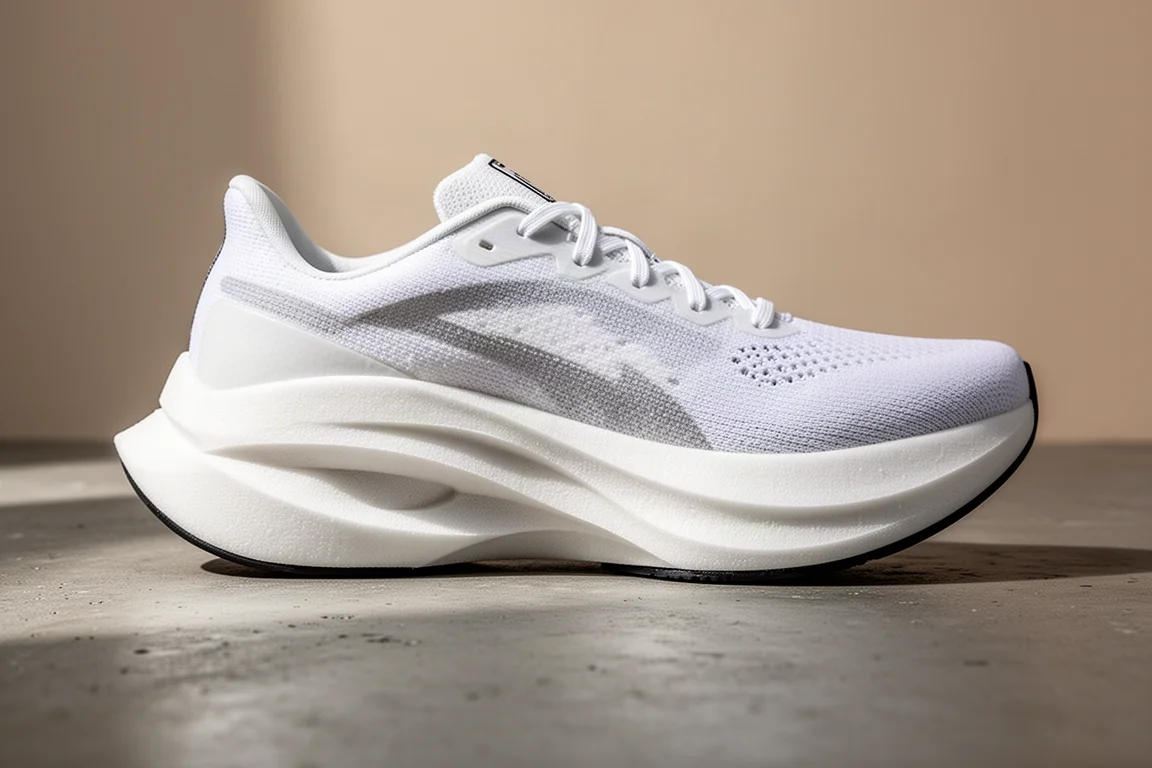
That firmness held up over the full 125 miles. Marathon racing, a 20K, and several 16 to 20 mile long runs all reinforced the same impression: this is the best-performing version of the Vaporfly line yet.
Durability After 125 Miles
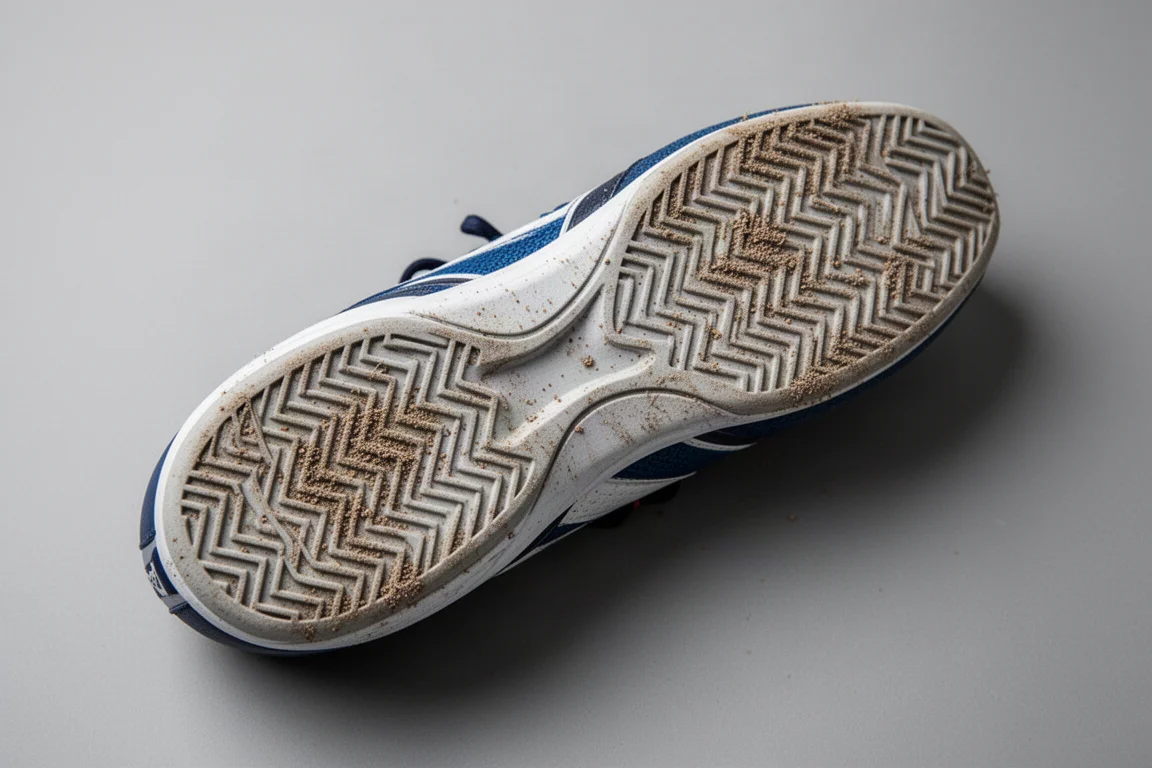
Long-term wear has been impressively light. The midsole feels identical to day one, and the outsole shows no significant wear in the main landing zone. The estimate is that the pair has roughly another 100 miles left, depending on how long the ZoomX midsole keeps its feel. For a race shoe, that is a strong sign you may not need a fresh pair for every big event.
Wet Weather Performance
An unexpected discovery came during a hot race day when water was dumped over the head mid-race and pooled into the shoes. Within a mile, all of that water had drained out and the shoes returned to feeling exactly as they did before. If you are racing in the rain, the Vaporfly 3 sheds water quickly and will not get bogged down or heavy.

Buying Advice
If you race anything from a 5K to a marathon and want one shoe to cover the range, the Vaporfly 3 is an easy recommendation based on this mileage. It combines a comfortable, roomier upper, a responsive firmer midsole, and durability that suggests a single pair can last through a full racing build-up. Buyers who prefer a soft, cushioned race-day feel may not love the firmer ride, and midfoot strikers should expect the 8 millimeter drop to feel slightly lower in practice.
Conclusion
At 125 miles, the Nike Vaporfly 3 remains the number one racing shoe for everything from 5K to the marathon. The upper is the best in the line, the ride stays responsive without any sinking, and the midsole and outsole are holding up well. It is a race shoe that keeps performing long after the first run.
Product link
View more details for Nike Vaporfly 3
This product is mentioned in the review. Check the specifications, options, and compatibility before buying.
View more details for Nike Vaporfly 3Further reading
Related Reviews

Running Shoes
Best Road-to-Trail Running Shoes: Three Versatile Options for Mixed Terrain
A practical guide to three road-to-trail running shoes that handle both pavement and mild trails, with clear strengths and trade-offs for different runner types.

Running Shoes
Best Running Shoes for Achilles Tendonitis: Three Options Explained
Three running shoes with different heel drops and support features designed to help reduce Achilles tendon pain during walking and running.

Running Shoes
Best Running Shoes for Women: Five Top Choices Ranked
A ranked guide to five women's running shoes, from versatile daily trainers to high-performance racing options, with real strengths and trade-offs for each.