Running Shoes
Nike Vaporfly 3 After 100 Miles: Is It Still Worth Buying?
A 100-mile look at the Nike Vaporfly 3, covering the upper, midsole, outsole, and whether it justifies its price as a race or training shoe.
Introduction
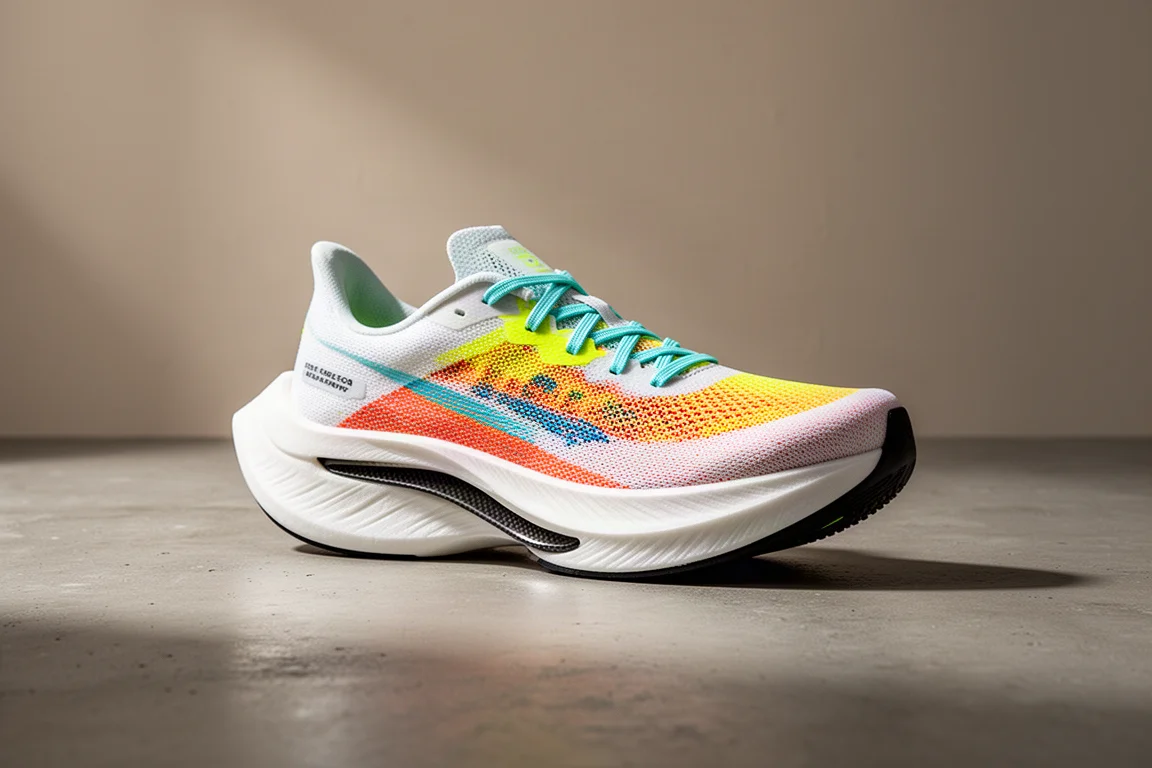
The Nike Vaporfly 3 is the kind of shoe you see everywhere at local races, and the third version has been one of the most talked-about super shoes since release. After buying a pair at the UK launch price of £235, training in them, and racing in them across 100 miles, the honest answer to “should you buy this shoe?” is more nuanced than a simple yes.
This long-term look covers the upper, midsole, outsole, and value, based on a pair bought with personal funds rather than supplied for review.
Upper: Generous Fit, Weak Point of the Shoe
The upper is the weakest part of the Vaporfly 3. The toe box is extremely generous, and unless you have big toes, a wider forefoot, a narrow arch, and a slim heel, the shoe tends to bunch up and look slightly odd on foot. Runners with narrower feet may find it looks like a slightly melted torpedo, with material creasing and protruding away from the toes. Half sizing down made little difference in testing, producing simply a shorter shoe rather than a better fit.
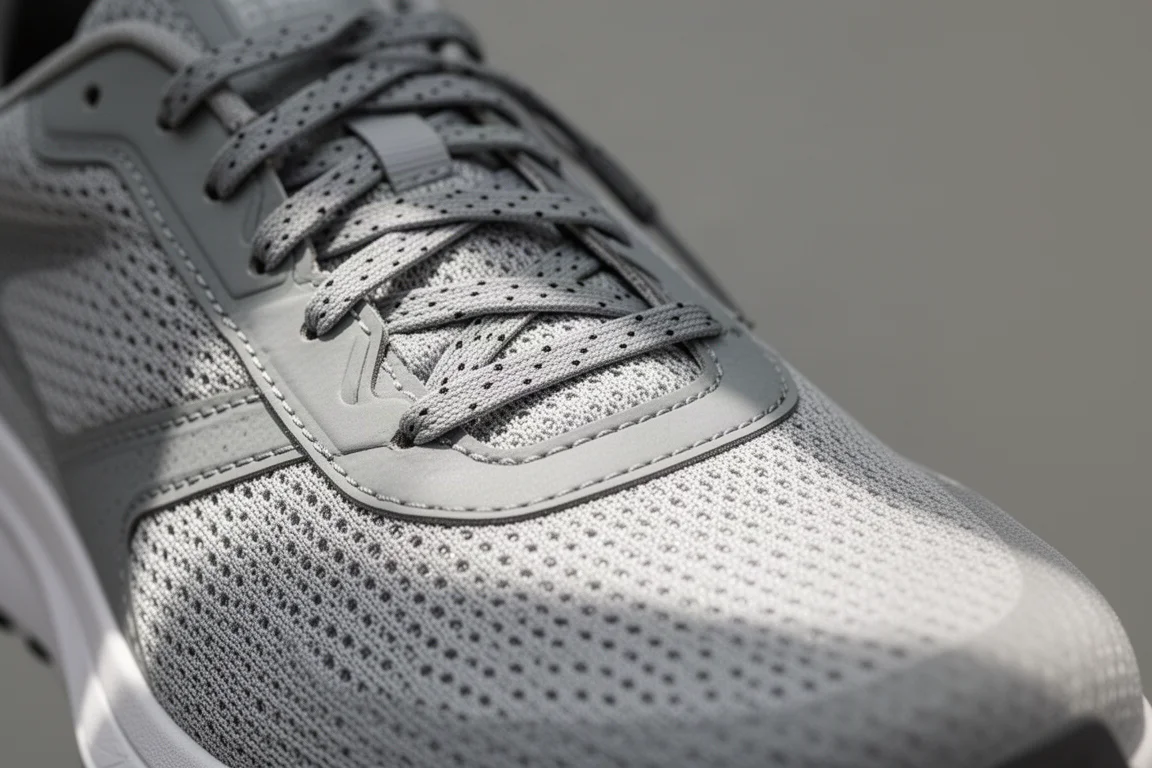
That said, there are positives. When you cinch down the laces, the shoe locks down very well over the top of the foot and connects nicely to the midsole. Heel lock is good, using the same padding as previous versions, and the tongue is just about long enough for a runner’s knot. Switching out the stock perforated laces made only a subtle difference. Some runners have reported the thin laces digging into the foot under tension, so lace tension is worth watching. Toe socks can also improve the fit slightly. Overall, the generous toe box will be great for runners who like room to spread, but it is a compromise for everyone else.
Midsole: Fast at First, Fading With Mileage
Out of the box, the ZoomX midsole delivers that initial magic: soft, compressive, bouncy, and propulsive. The catch is that the feel starts fading almost as soon as the shoe hits the road, and by the 100-mile mark the same rebound and pop are noticeably diminished. It still feels great as a training tool and remains very forgiving on the legs and muscles, but at this mileage it is no longer a shoe worth reaching for on race day.

Where it still shines is speed. The shoe performed well in half marathons, 10Ks, and 5Ks, and it seems to live at half marathon pace and above. For a full marathon, other options may offer more stability over the distance. The comparison is telling: rival foams like Light Strike Pro in the Adidas Adios Pro line and the Metaspeed Sky Plus seem to hold or even improve their feel over time, while the Vaporfly 3 goes the other way. The softer, more compressive foam plus plate combination is inherently prone to degradation, and rivals like the Alphafly, with its air pods in the forefoot, maintain a more consistent feel over time.
Outsole: A Genuine Improvement Over Previous Versions
The outsole is where Nike has clearly improved. There are horror stories elsewhere of outsole pieces tearing off on the first run, and some users have reported similar issues, but in this pair the wear has been among the best seen on a Nike race shoe. The initial wear in the mid-forefoot area leveled off, the extended rear rubber sections are intact and still doing their job, and the exposed midsole foam in the arch area shows no tears or breakage.
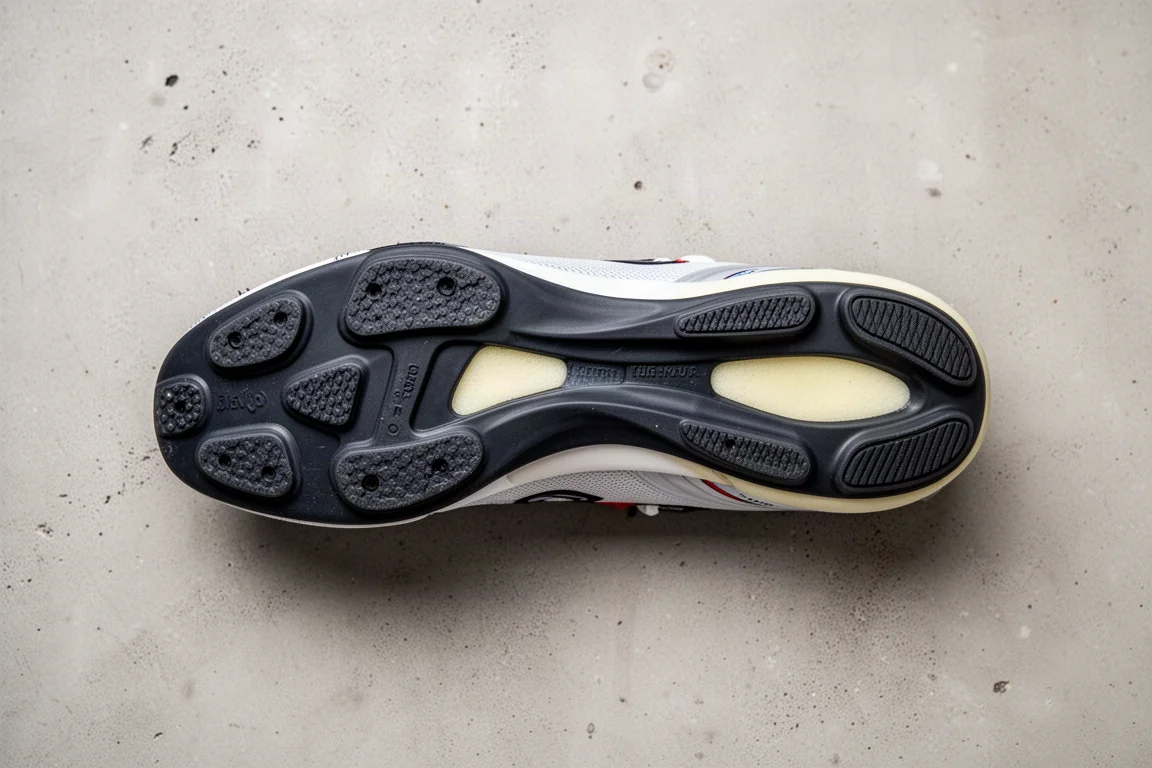
Grip has been ample in both racing and training, including wet and windy conditions and debris-strewn routes, and none of the cosmetic wear has affected traction. The stickiness of ZoomX foam is likely the root cause of the tearing stories some runners have experienced; the squashy material simply does not hold bonded layers well. Extending the rubber into the heel has saved the shoe here. One practical note: small holes in the rubber can let thorns and rocks through to the plate, so keep pliers handy for extraction.
Value: A Lot of Money for Fading Magic
At £235, the Vaporfly 3 is not cheap, and the value case rests heavily on how you use it. Build quality is reasonable rather than exceptional, and the shoe will always degrade faster than more robust trainers because it uses the bare minimum of materials. If you buy it, hold it back for peak sessions and races rather than throwaway miles. Durability of the upper and outsole materials is on point this time, with only minor midsole sidewall wear that is to be expected.
Personal wear patterns will also vary: a neutral, lighter runner will see less wear than someone who pronates more. The honest comparison puts it closer to the Endorphin Pro 3 in value terms, while the Adios Pro 3 and Metaspeed Sky Plus offer better longevity and better uppers for similar money. After 100 miles, buying another pair at this price is hard to justify.
Who This Product Is For
This shoe suits runners focused on shorter races and fast sessions. If your target is a 5K, 10K, or half marathon and you want a fast, forgiving super shoe for race day and key workouts, the Vaporfly 3 delivers, at least in its early miles. Marathon-focused runners, or anyone expecting the performance to last deep into the shoe’s life, should look at alternatives first.
Things to Consider Before Buying
- The performance peak fades early; treat it as a shoe with a shelf life.
- The roomy toe box fits some foot shapes far better than others.
- At £235 it sits at the expensive end of the racing shoe market.
- Outsole durability is much improved over earlier versions, but isolated tearing reports exist.
- It is best saved for peak training and races, not everyday easy miles.
Buying Advice
If you already own previous Vaporfly versions and loved them, this is a less dramatic leap than earlier generational jumps, so manage expectations. If you are buying your first super shoe specifically for fast 5K to half marathon racing, the early-mile experience is genuinely excellent. If you want a shoe that still feels sharp after 100 miles, rivals with more resilient foams are the safer spend.

Conclusion
The Nike Vaporfly 3 is still a very good shoe at pace, with strong lockdown when laced properly, impressive outsole durability, and a forgiving ride that makes hard efforts easier on the legs. But the ZoomX magic fades quickly, the upper is the weak link, and at £235 the value no longer matches the best of the competition. For many runners it has become more of a speed-training tool and short-race option than an all-out race day staple, and that distinction should guide the purchase.
Product link
View more details for Nike Vaporfly 3
This product is mentioned in the review. Check the specifications, options, and compatibility before buying.
View more details for Nike Vaporfly 3Further reading
Related Reviews

Running Shoes
Best Road-to-Trail Running Shoes: Three Versatile Options for Mixed Terrain
A practical guide to three road-to-trail running shoes that handle both pavement and mild trails, with clear strengths and trade-offs for different runner types.

Running Shoes
Best Running Shoes for Achilles Tendonitis: Three Options Explained
Three running shoes with different heel drops and support features designed to help reduce Achilles tendon pain during walking and running.

Running Shoes
Best Running Shoes for Women: Five Top Choices Ranked
A ranked guide to five women's running shoes, from versatile daily trainers to high-performance racing options, with real strengths and trade-offs for each.