Running Shoes
Nike Vaporfly 2 vs Saucony Endorphin Pro 3: Which Carbon Racer Should You Buy?
Two of the best value carbon plate super shoes go head to head. Both cost £210 / $225, but they suit very different types of running.
Introduction
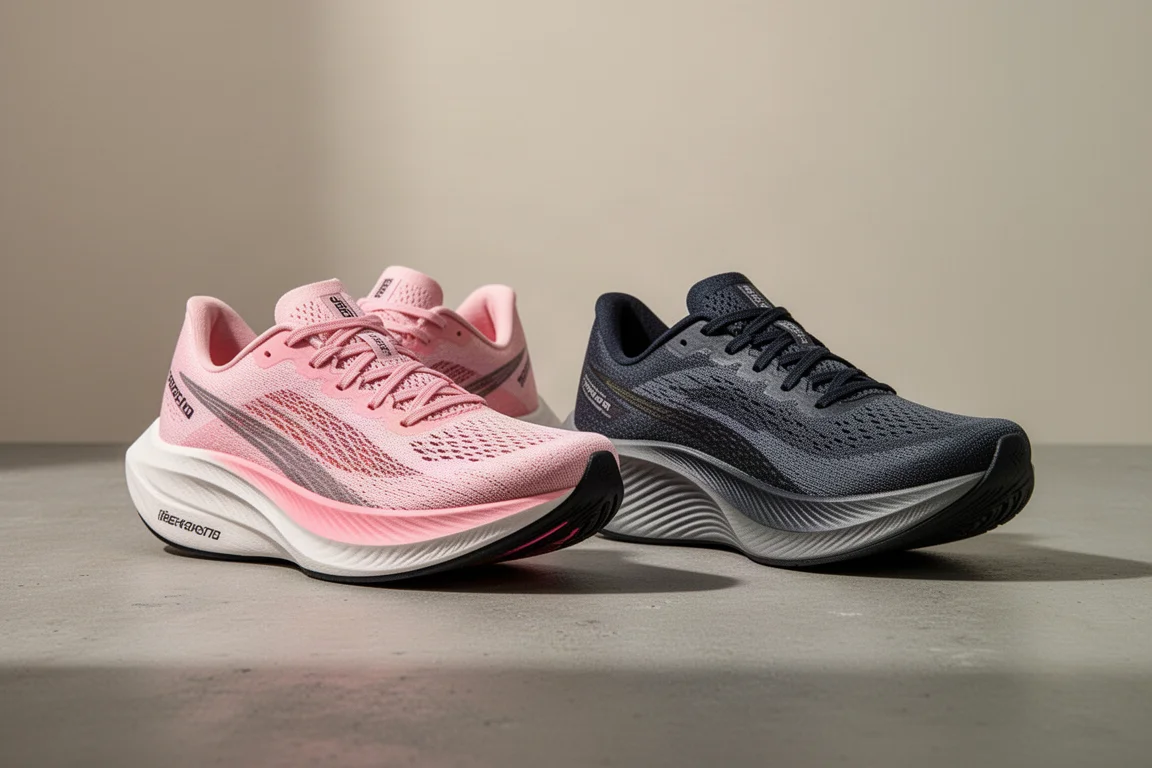
Few comparisons in the carbon plate racing shoe world are as close as this one. The Nike Vaporfly 2 and the Saucony Endorphin Pro 3 sit at a similar price, share an eight millimetre drop, and both follow the classic super shoe template: a lightweight, bouncy PEBA-based foam midsole with a full-length carbon plate. Yet they deliver that formula in noticeably different ways, and each has a clear case depending on the running you do.
Both shoes start at £210 in the UK or $225 in the US, which undercuts a lot of the current super shoe market. That makes them two of the better value carbon racers available right now, even if the price is still far from cheap. With Nike, some colorways are priced differently, so it pays to shop around.
Key Specs at a Glance
The two shoes are remarkably similar on paper. The Saucony Endorphin Pro 3 has a confirmed full stack height of 39.5 millimetres at the heel. Nike does not usually publish stack heights, but the Vaporfly 2 is understood to sit somewhere around 37 to 38 millimetres, close to the 40 millimetre limit.
Weight is where they differ slightly. The Vaporfly 2 comes in at 207 grams in a UK size 9, or 7.3 ounces, while the Endorphin Pro 3 is still very light at 217 grams, or 7.65 ounces. The Nike is the lighter of the pair, and that difference is noticeable on the foot at speed.
Upper and Fit
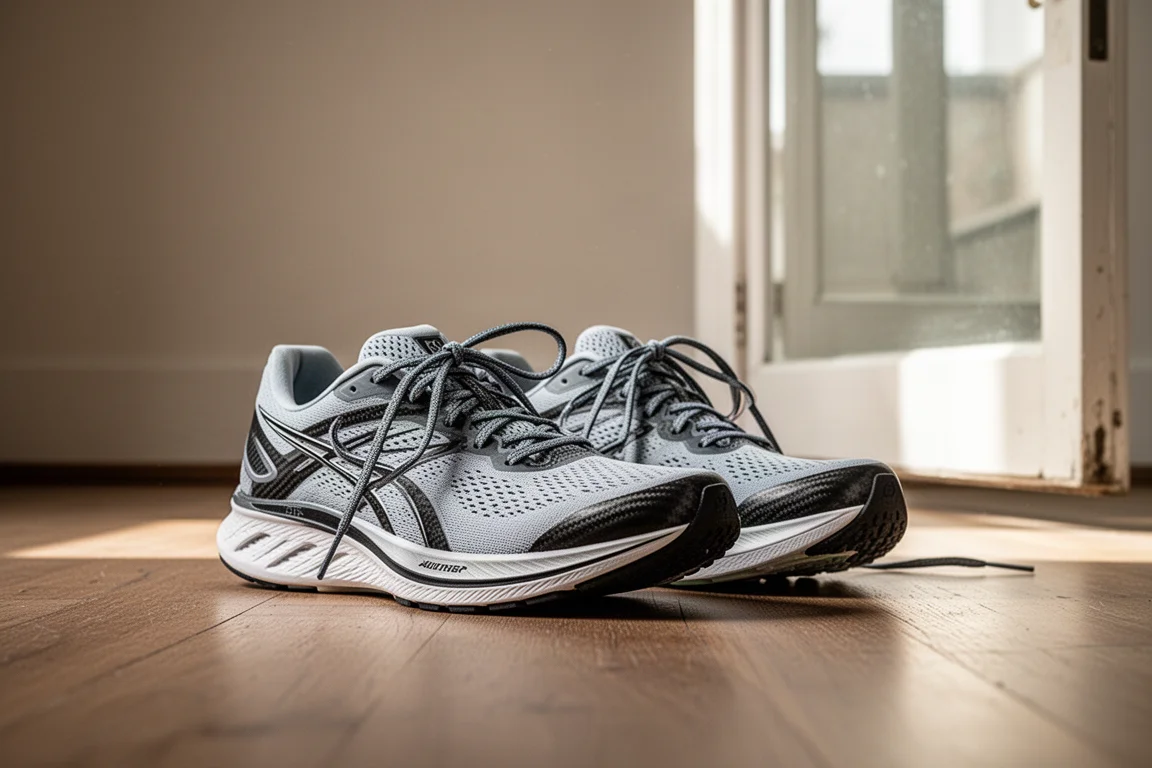
The Vaporfly 2 uses a breathable mesh upper with classic offset laces and very little padding around the toe area, just a thin strip around the back of the collar. It runs true to size but feels a bit more restrictive and tighter than some other super shoes.
The Endorphin Pro 3 takes a more traditional approach. The collar cushioning runs all the way to the top rather than being a thin band, and the upper itself is an extremely lightweight, open mesh. The tongue has extra holes in it, and in some colorways it has a slightly glittery, fishnet-like texture. Testers found it fits true to size with a slightly more relaxed feel.
One fit note worth flagging: the thin band of foam at the Vaporfly’s Achilles area caused some rubbing for one tester until they used a heel lock lacing technique. After that, no further problems. The Saucony needed no such adjustments.
Midsole and Ride
The Endorphin Pro 3 uses Saucony’s PWRRUN PB foam, their premium PEBA-based compound, paired with a full-length carbon plate and the Speedroll geometry, which is designed to create a smooth rocker through the stride. You can actually see the plate through cutouts on the underside of the midsole, a weight-saving detail. The outsole uses XT-900 rubber, a new compound for this model, with fairly sparing coverage but strong grip around the forefoot where you need it most when racing hard.
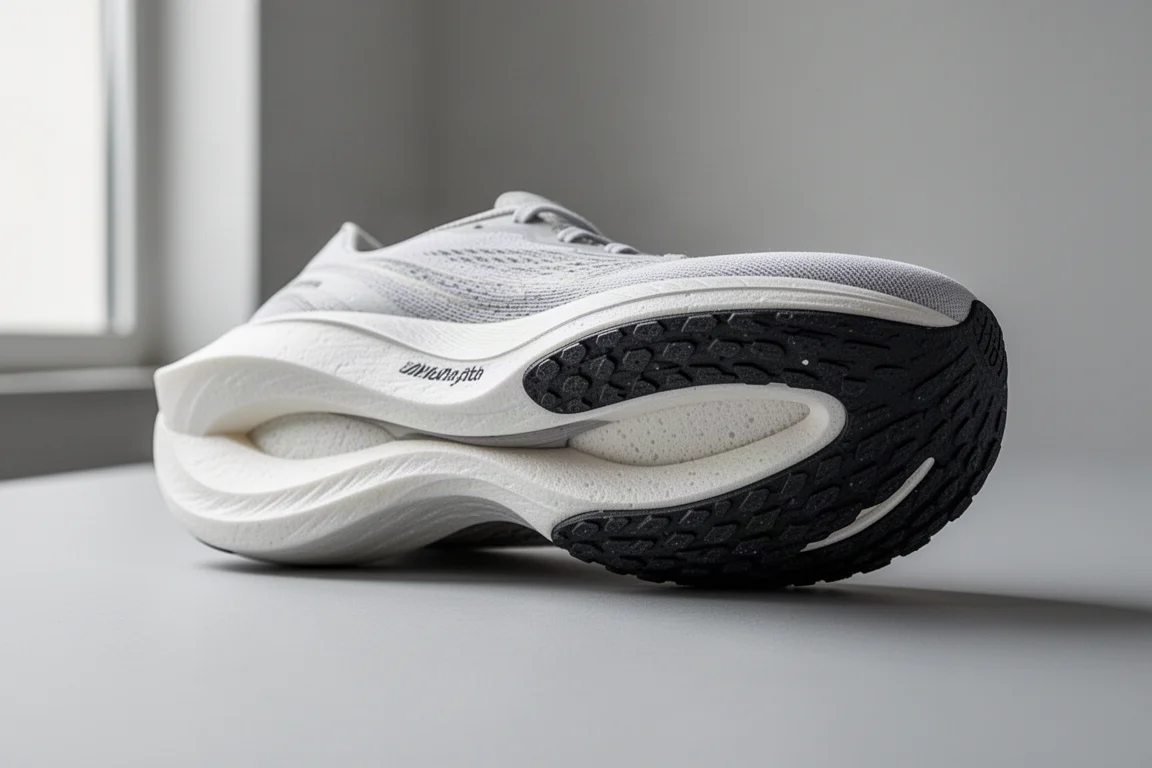
The Vaporfly 2, as ever, runs a full ZoomX midsole with a full-length carbon plate and the classic Nike scooped profile. ZoomX remains a superb foam: very lightweight, soft and springy. Its geometry is slightly more aggressive than the smoother Speedroll rocker of the Pro 3, and the outsole uses two strips at the heel with good but not excessive forefoot coverage to keep weight down.
How They Run
This is where the comparison gets genuinely interesting, because neither shoe is simply better than the other. Both testers agreed these are arguably the two most versatile carbon plate racers on the market: light, nimble and cushioned in equal measure.
The Vaporfly 2 is a flat-out aggressive racing shoe. It has an instant race-day feel the moment you put it on, positioning your foot to propel you forward. Over shorter distances like 5Ks and 10Ks, it is hard to beat, and it helps you keep rolling forward even when you are fading badly at the end of a race. One tester set a 5K personal best of 15:30 in it, describing how the shoe kept the pace honest even with no kick finish left.
The Endorphin Pro 3 is the more cushioned of the two and far more versatile across training. It handles easy runs, tempo sessions and long runs where the Vaporfly would not be the first choice. One tester completed a 22-mile run in the Pro 3 comfortably, and it is edging toward becoming a marathon race shoe of choice. It feels more solid and stable than the Vaporfly while still delivering bounce, without the bulk of some marathon-targeted rivals.

Wet Weather Notes
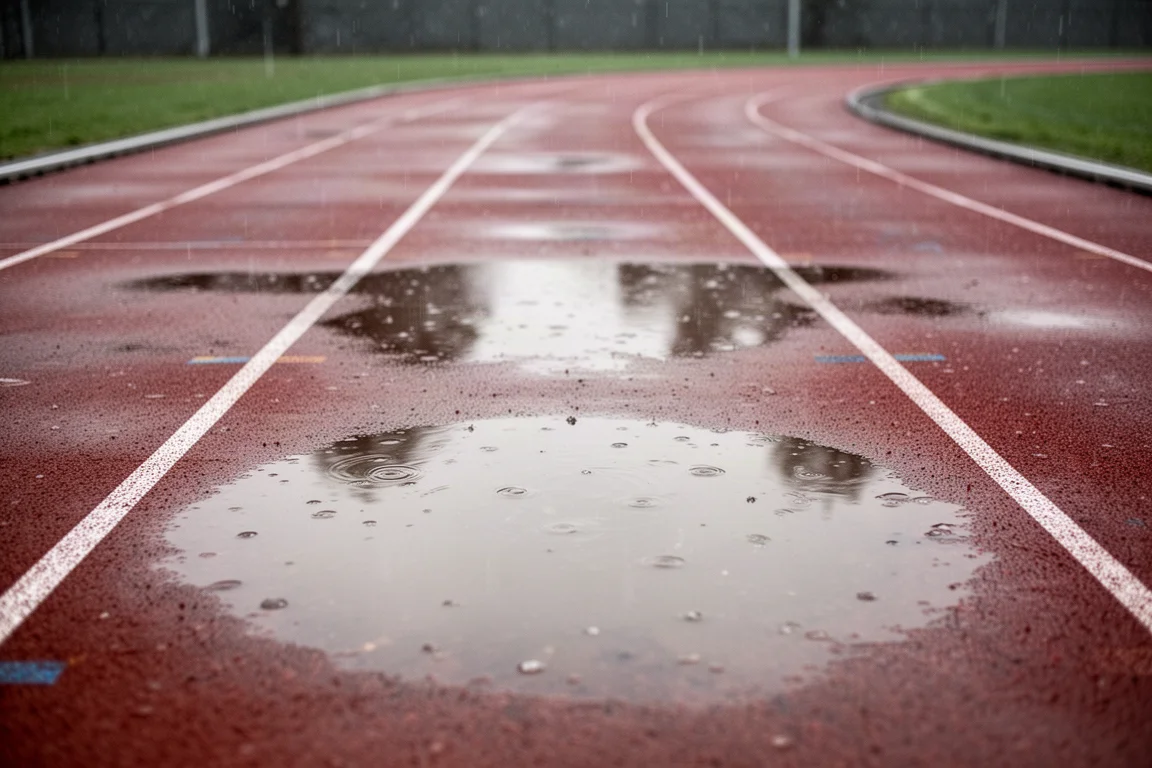
One caveat emerged with the Endorphin Pro 3 after a first wet-weather track session following a long dry summer. The shoe appeared to absorb a notable amount of water, feeling spongy and squelchy during reps in torrential rain, though the grip itself remained very good. Once the shoe dried out, it felt normal again. If you are planning to race a marathon in wet conditions, it is worth getting a few wet runs in first to see how it behaves for you.
Which One Should You Buy?
If you only want one carbon shoe and are not collecting a rotation, either will serve you well across every distance. But the split is fairly clear. For shorter races and all-out speed, 5Ks, 10Ks and half marathons, the Vaporfly 2 remains the pick: lighter, more aggressive, and proven for years with countless runners. If you do not know anything about a runner’s preferences, it is still the safe recommendation.
For longer distances, tempo training and marathon racing, the Endorphin Pro 3 makes more sense. Its extra cushioning, smoother rocker and more relaxed fit make it the more comfortable and versatile option, and it has already delivered personal best performances in testing.
Conclusion
This is a horses-for-courses verdict rather than a winner-takes-all one. The Vaporfly 2 is the sharper short-distance racing weapon; the Endorphin Pro 3 is the more cushioned, more versatile super shoe that can genuinely do it all. At £210 or $225, both represent strong value in the carbon racing shoe market, and either choice is a good one if it matches the running you actually do.
Product link
View more details for Nike Vaporfly 2
This product is mentioned in the review. Check the specifications, options, and compatibility before buying.
View more details for Nike Vaporfly 2Further reading
Related Reviews

Running Shoes
Best Road-to-Trail Running Shoes: Three Versatile Options for Mixed Terrain
A practical guide to three road-to-trail running shoes that handle both pavement and mild trails, with clear strengths and trade-offs for different runner types.

Running Shoes
Best Running Shoes for Achilles Tendonitis: Three Options Explained
Three running shoes with different heel drops and support features designed to help reduce Achilles tendon pain during walking and running.

Running Shoes
Best Running Shoes for Women: Five Top Choices Ranked
A ranked guide to five women's running shoes, from versatile daily trainers to high-performance racing options, with real strengths and trade-offs for each.