Trail Running Shoes
Nike Ultrafly Review: 46 Miles of Ultra Marathon Testing
We put Nike's carbon-plated super trail shoe through a 46-mile ultra marathon in storm conditions. Here is how the Ultrafly held up, and where it fell short.
Introduction
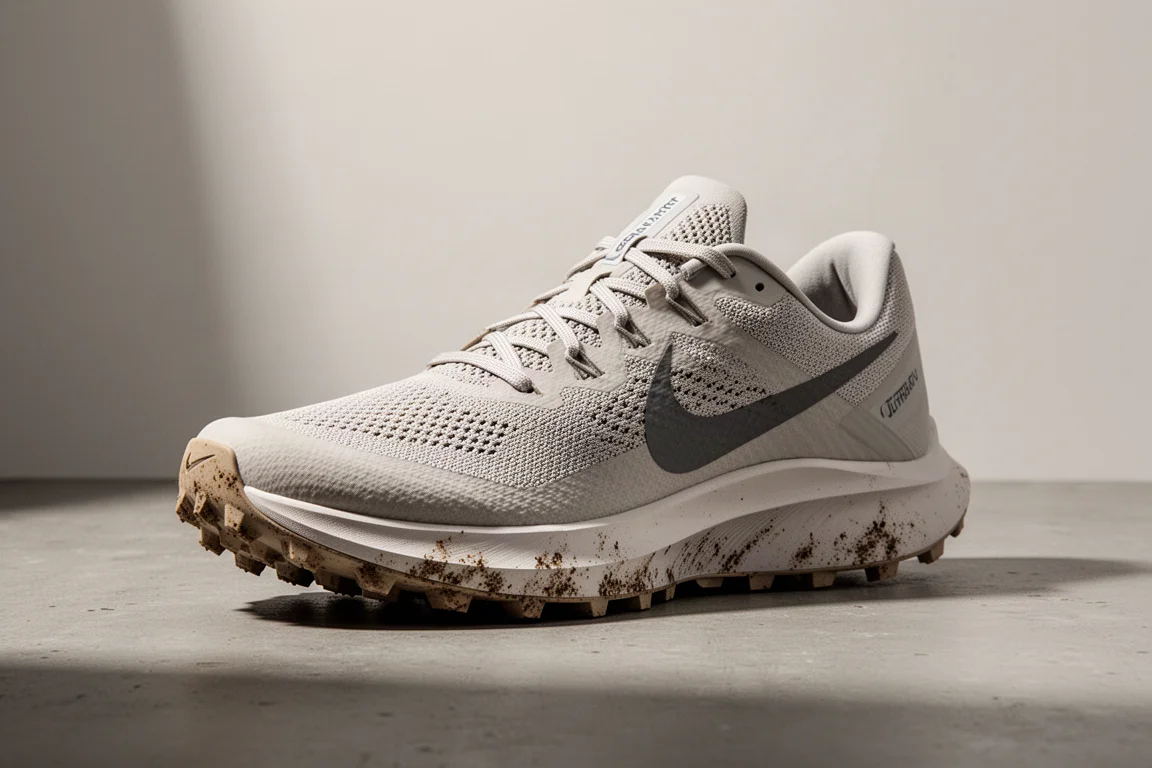
The Nike Ultrafly arrived with plenty of expectations. A carbon-plated super trail shoe from a brand that dominates road racing should, in theory, translate that success to the trails. After running a 46-mile ultra marathon in a single pair, including some genuinely brutal weather, we have a clear picture of what works and what does not.
The Test: 46 Miles Around an Island
The shoes were tested during the Round The Rock ultramarathon on the island of Jersey, run in storm conditions with wind gusts reported at up to 60 miles per hour. The route covered roughly 46 miles with about 6,800 feet of elevation, mixing tarmac, woodland trails, and a very exposed coast path. Total time on course was around ten and a half hours, with the first ten miles almost entirely on road.

The race started on tarmac, where the Ultrafly felt comfortable and settled quickly. Once the route hit the trails, the real test began.
Upper Comfort and Fit
Credit where it is due: the upper is very comfortable. Padding around the ankle collar, heel, and tongue hits a good balance, and the wide toe box leaves plenty of room for feet to expand over long distances. Across 46 wet, muddy miles there were no hot spots, no irritation, no blisters, and no blackened toenails.
The lacing system is a different story. Keeping the shoe locked down was difficult, and the laces worked loose several times during the race, forcing repeated stops to re-tie them for a secure midfoot hold. Nike’s road racing shoes use a lacing setup that stays locked in far better, and it is hard not to feel a similar system would have transformed this part of the experience.
Grip and Outsole: The Vibram Highlight
The standout feature is, somewhat ironically, the part Nike did not make. The Vibram Megagrip Litebase outsole delivers genuine confidence on wet rock and greasy sections of tarmac, and it is the first time this rubber has appeared on a Nike trail shoe. On technical, rocky coastal terrain it performed better than expected.
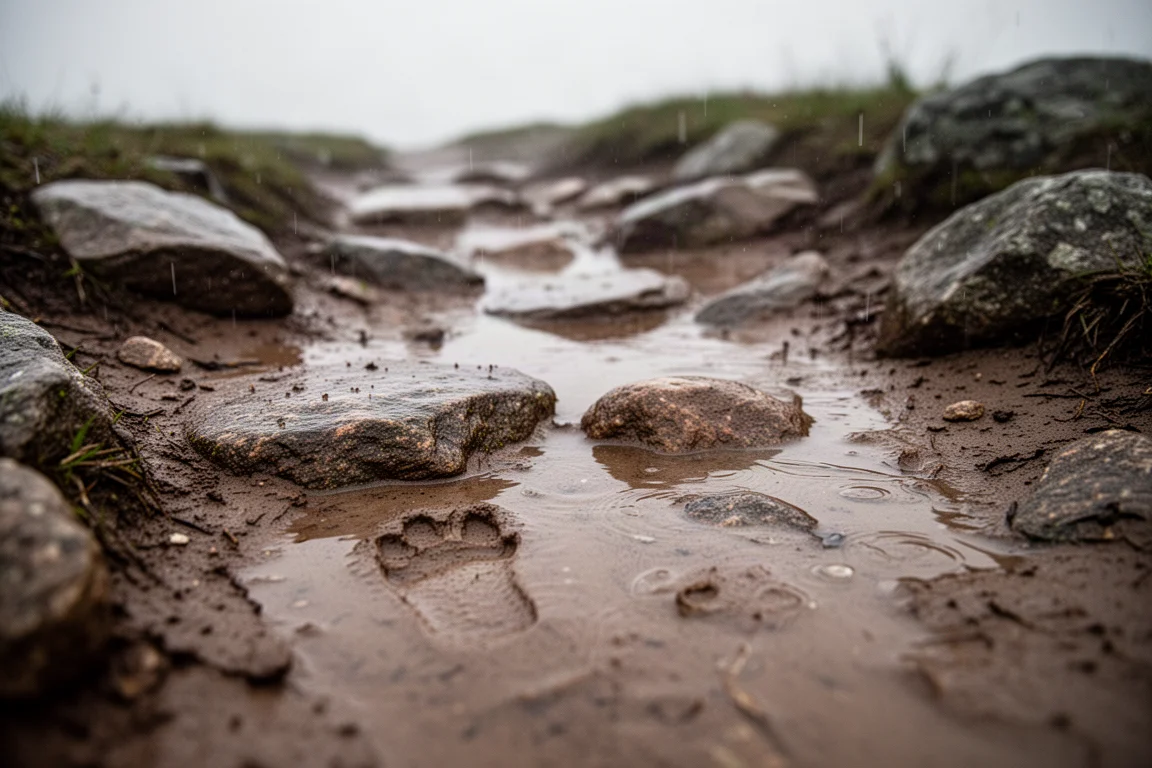
The catch is lug depth. At just 3mm, the lugs struggled badly in mud, and there was a lot of slipping and sliding on soft, wet sections. A 4mm to 4.5mm lug would make the shoe far more versatile. As it stands, this is not a shoe for a wet, muddy British winter.
Midsole Performance: The Big Disappointment
If you love the ZoomX feel of Nike’s road racers, temper your expectations. The midsole feels notably firm, and the protective covering changes the character of the ZoomX foam substantially. Bounce and energy return are modest at best.
Several comparable shoes feel livelier and more comfortable underfoot, including the Saucony Endorphin Edge, Hoka Mafate Speed 4 and Speedgoat 5, La Sportiva Exodus Ultra 1 and 2, and even Nike’s own Wildhorse 8 and Pegasus Trail 4. For a shoe marketed as a carbon-plated super trail racer, the ride simply does not justify the label. It often feels like an ordinary trail shoe with a plate.
Durability: A Real Concern
With roughly 66 miles of total use, including around 15 to 16 miles of tarmac during the race, the lugs on the outer heel edge are already visibly worn down. At this price point, that is difficult to accept in a shoe Nike positions specifically for ultra distances.
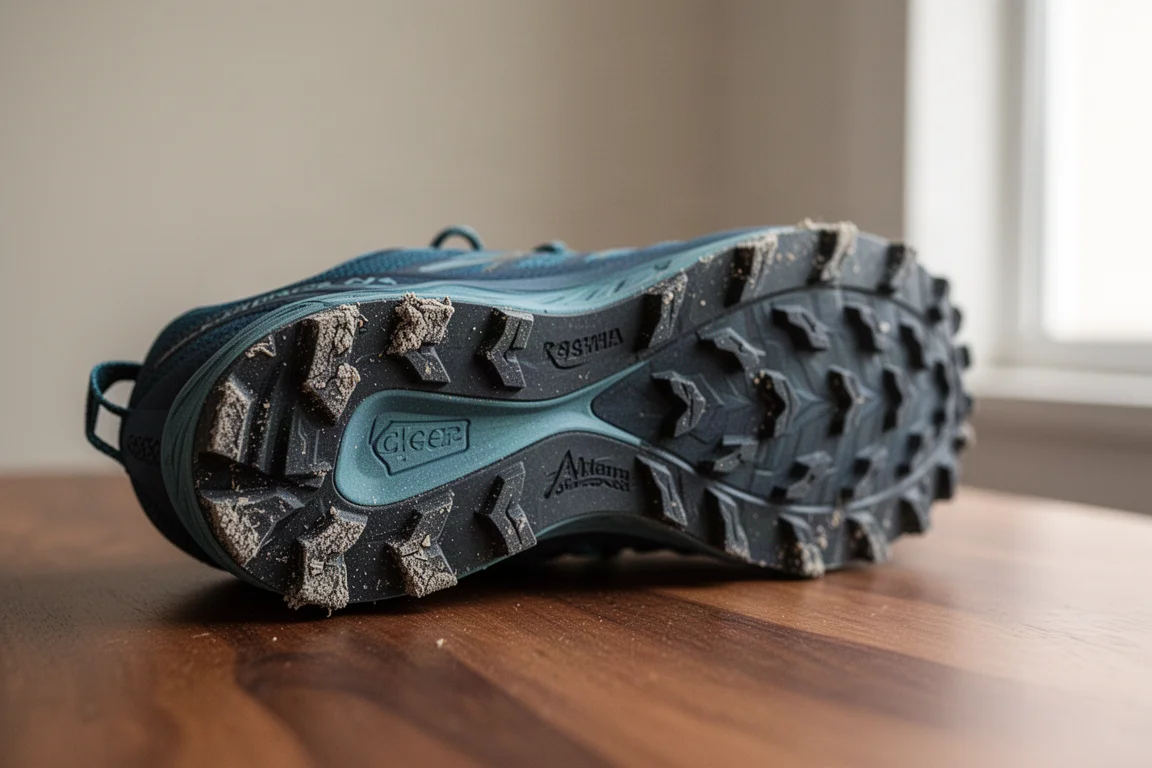
On a compacted-trail-heavy course with long road sections, that soft, sticky rubber would likely wear away even faster. Durability is the most worrying aspect of the package.
Comfort Over Long Distance
Despite the firm midsole, feet came through the race in good shape. No trips, slips, or falls across 46 and a half miles in the worst weather conditions we have ever run in. Legs were achy, but the shoes themselves never caused a problem.
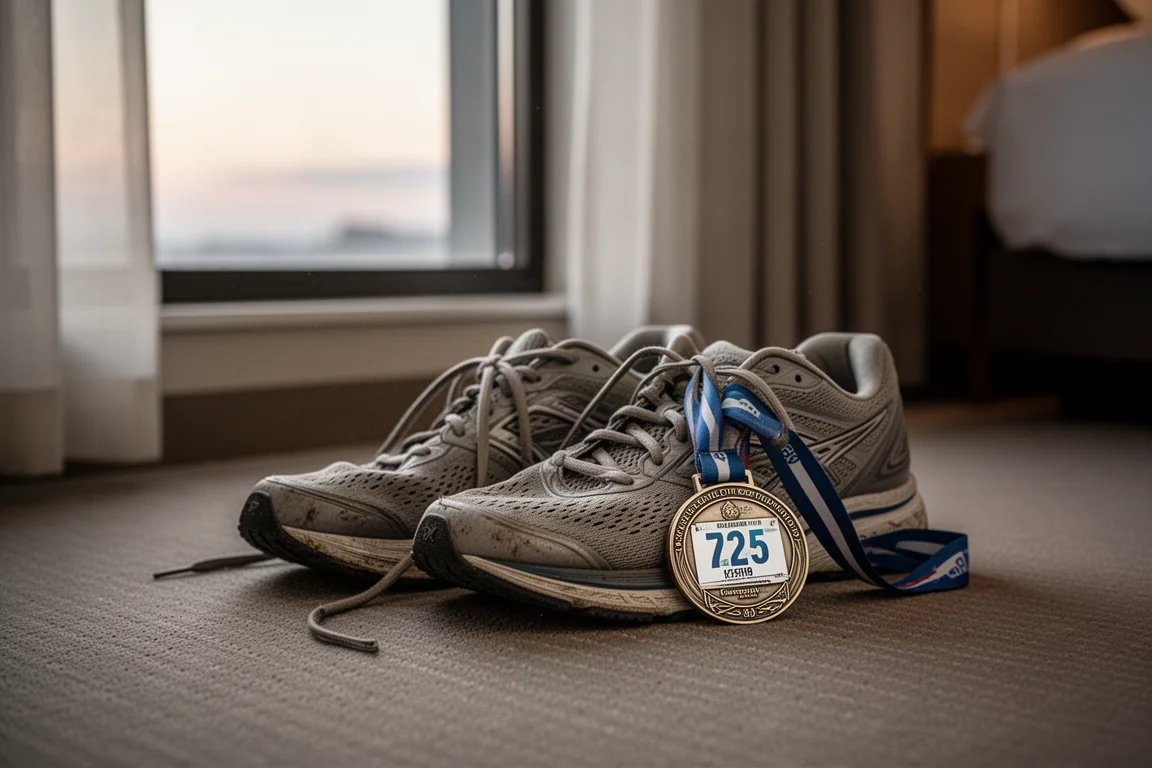
The shoe is also, in our view, roughly 30 to 40 grams too heavy for a performance race day trail shoe, which undercuts its intended purpose at both ends of the distance spectrum: not snappy enough for shorter, quicker races, and not comfortable or efficient enough over the longest days out.
Buying Advice
Think carefully before buying. At £230, the Ultrafly is a shoe of contradictions. Its best feature, the Vibram outsole rubber, is made by another company. The midsole lacks the bounce its road siblings are famous for, the plate feels too stiff in this construction, and outsole wear after limited use is concerning. Runners with podium results at races like Western States are a testament to their training, not their footwear.
Conclusion
The Nike Ultrafly is not the best super trail shoe we have run in. It excels at upper comfort and wet-rock grip, but a firm and unremarkable midsole, shallow lugs, a disappointing lacing system, and early outsole wear make it hard to recommend at this price. Most runners will get better value and better performance elsewhere.
Product link
View more details for Nike Ultrafly
This product is mentioned in the review. Check the specifications, options, and compatibility before buying.
View more details for Nike UltraflyFurther reading
Related Reviews
Trail Running Shoes
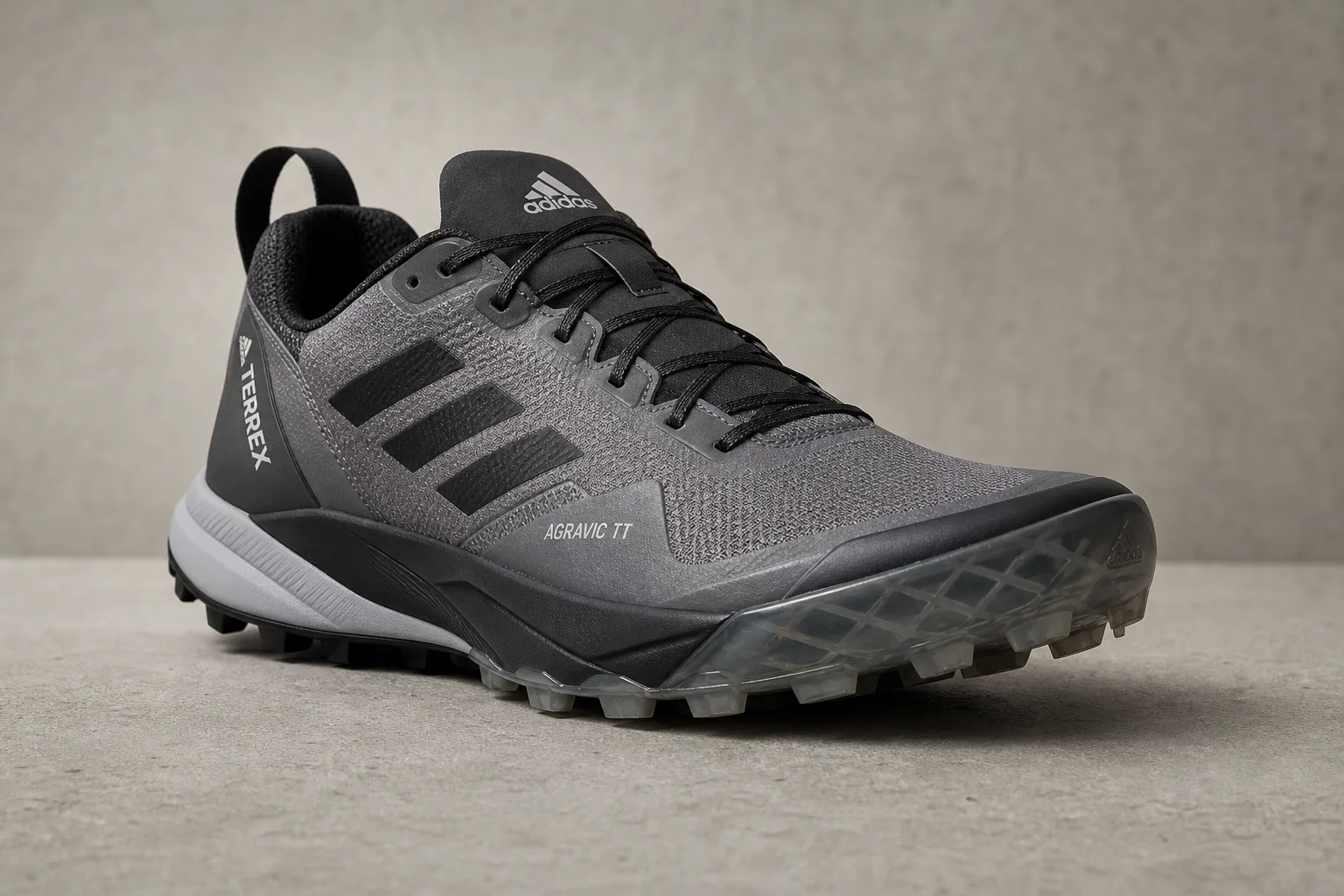
Adidas Terrex Agravic TT Review: A Technical Trail Shoe Built for Rocky Terrain
The Adidas Terrex Agravic TT combines a full-coverage rock plate with a firmer midsole to deliver protection and stability on technical, rocky trails. A capable choice for runners who prioritize underfoot defense over lightweight cushioning.
Trail Running Shoes
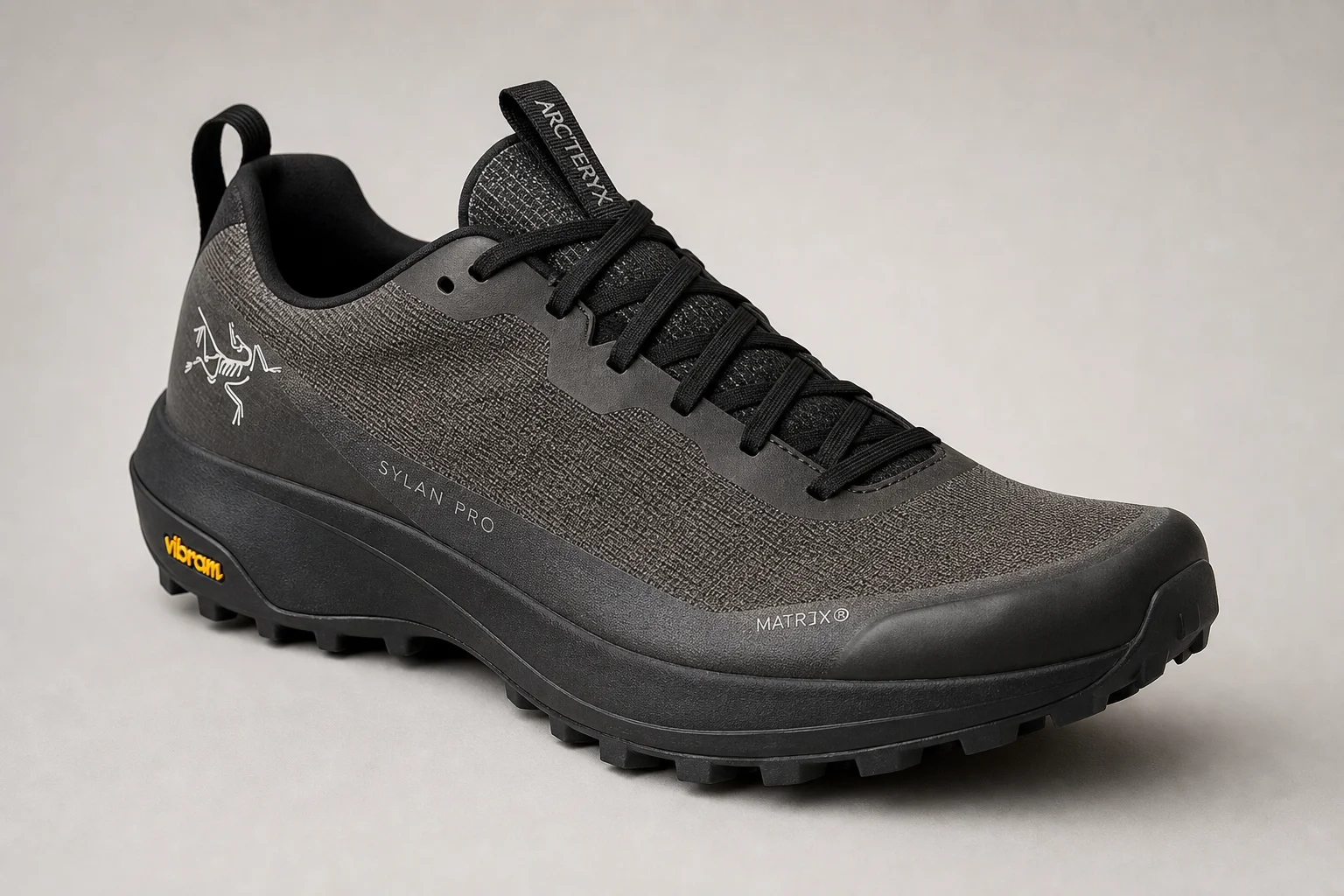
Arc'teryx Sylan Pro Review: A Rocker-Focused Mountain Running Shoe Tested on 20 Miles
The Arc'teryx Sylan Pro brings a pronounced rocker geometry and secure fit to mountain terrain. We tested it on a 20-mile Sawtooth loop to evaluate its climbing efficiency, protection, and handling of technical descents.
Trail Running Shoes
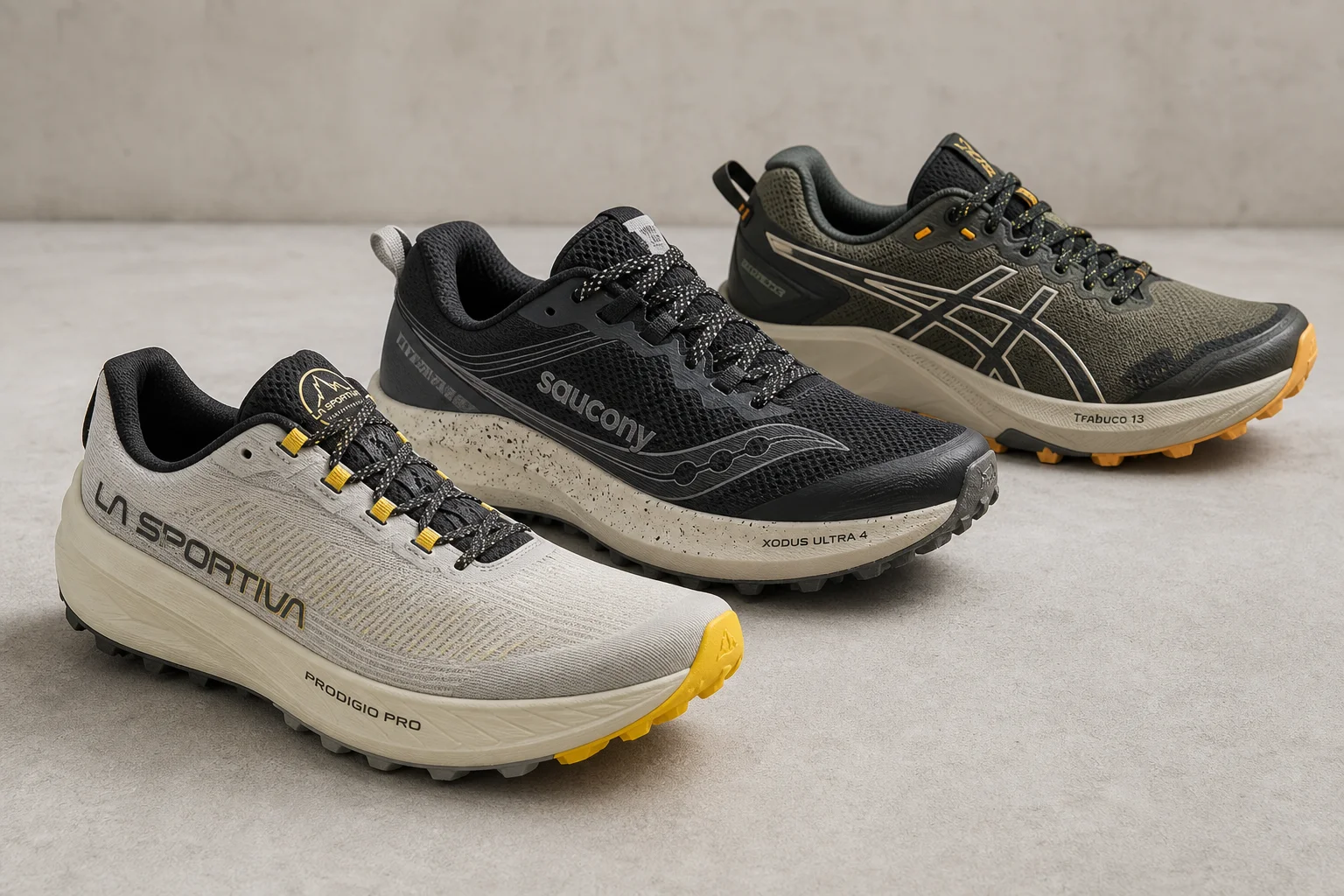
Best All-Mountain Trail Running Shoes: Three Versatile Options for Any Trail
A focused roundup of three all-mountain trail running shoes that handle technical terrain, long distances, and variable conditions with real strengths and practical trade-offs.