Trail Running Shoes
Nike Trail Shoes 2023: Five Models Compared and Ranked
We ran in all five Nike Trail shoes currently available: the Zegama, Kiger 9, Pegasus Trail 4, Juniper 2 and Wildhorse 8, covering strengths, weaknesses and intended use.
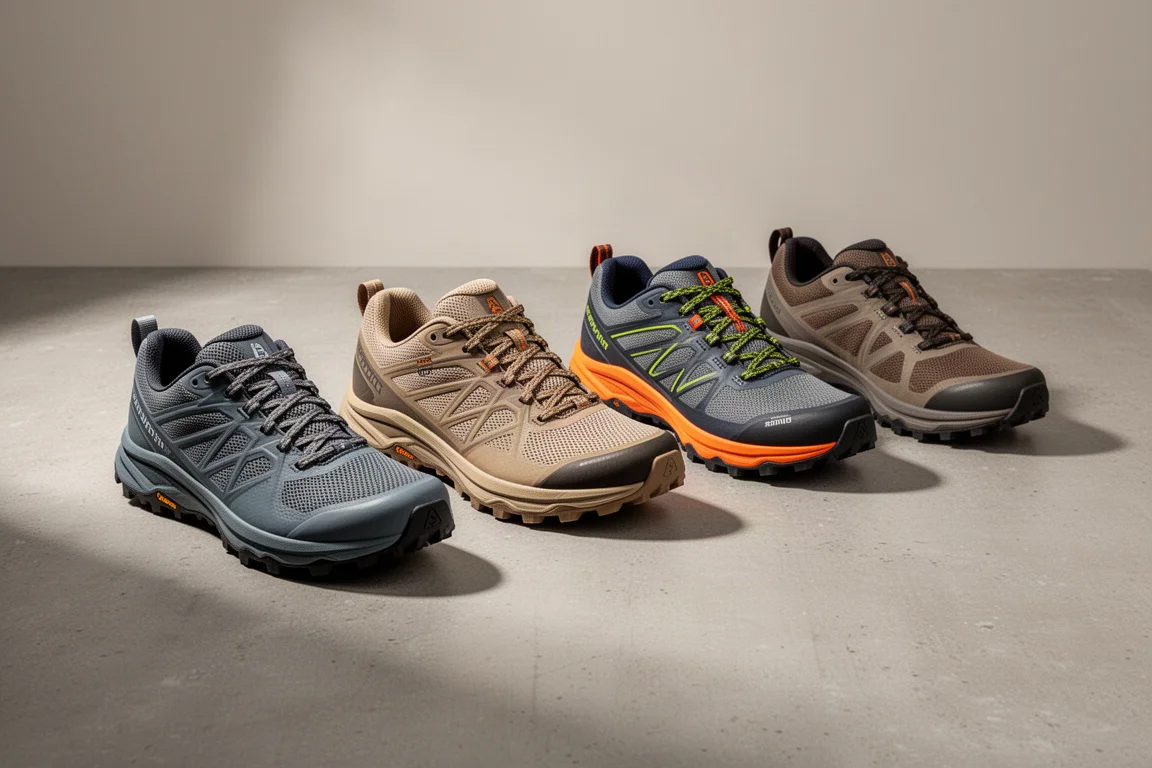
Introduction
Nike’s trail running lineup has come a long way in a short time. A couple of years ago the range was widely seen as weak, with poor grip and questionable durability. The 2023 lineup is a different story, and after putting all five current models through their paces, there are genuinely good options here for almost every type of trail runner.
All five shoes were purchased at full retail with personal funds, so the impressions below are entirely independent. All weights are quoted in a UK size 12.
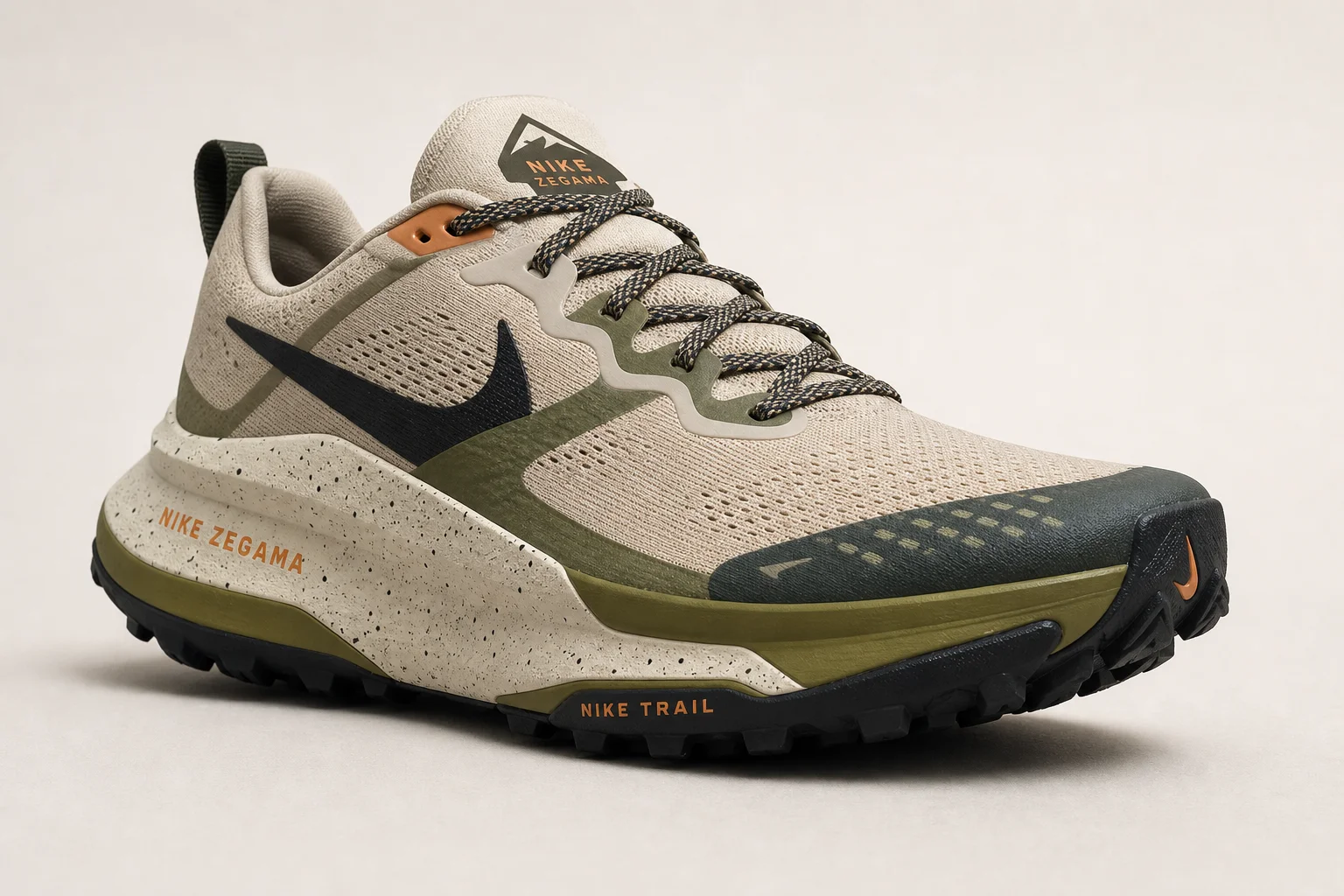
Nike Zegama
Released in mid-2022 and carried into the 2023 lineup, the Zegama is the soft, high-stack long-distance option of the range. It weighs 369 grams and uses ZoomX midsole foam, the same highly responsive foam Nike puts in its top road racing shoes. The drop is around 4mm with a 37mm stack height at the heel, and it retailed at 145 pounds in the UK.
Nike markets it for rocky technical trails, but in practice it struggles there, especially in wet conditions where it becomes difficult to trust. Where it does shine is distance: this is an ultra shoe, well suited to 50K efforts right up to 100 miles. The cushioned ankle collar is exceptionally comfortable, the lockdown is secure with no slipping on big descents or climbs, and a rock plate keeps sharp stones out. After around 250K of testing on very technical terrain, the heel outsole was noticeably worn down, and grip in the wet is the clear weakness. It is also expensive for a trail shoe, largely because of that ZoomX foam. If you like a soft, squishy, high-stack shoe for very long days out, it is a solid all-around choice.

Nike Kiger 9
The Kiger 9 (now apparently just “Kiger 9”, with Nike dropping the “Air”) weighs 351 grams and sits in the middle of the range on price at 135 pounds. It moves to React midsole foam, which feels softer and more responsive on trail than it does on road, paired with a flexible rock plate. The drop is 6mm with a 31mm stack height.
This is a speed shoe. The shallow lugs and lightweight, agile ride make it ideal for shorter trail races, from 5K and 10K up to half marathons and even marathon distance, particularly on fire roads and less technical terrain where you want fast leg turnover. The toe box is a touch wider than the outgoing model, ground feel is excellent, and airflow is good. There was slight heel slip early on that disappeared after adjusting the lacing. The trade-off is that the lugs are not deep enough for muddy or highly technical ground, so if your local trails are consistently wet and gnarly, look elsewhere.
Nike Pegasus Trail 4
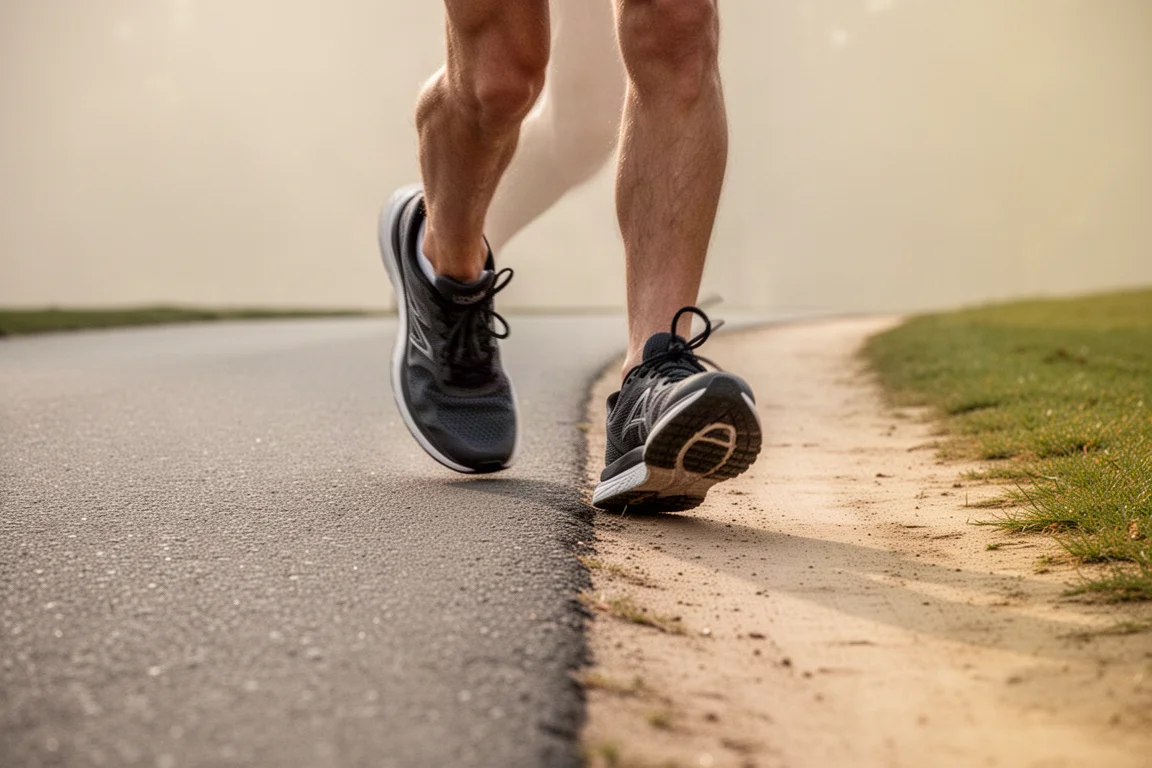
At 353 grams with React cushioning, a 10mm drop and a 36mm stack height, the Pegasus Trail 4 is Nike’s road-to-trail hybrid, priced at 125 pounds in the UK. The idea is simple: you can leave your front door, run on tarmac to the trailhead, and then carry on comfortably onto light trails.
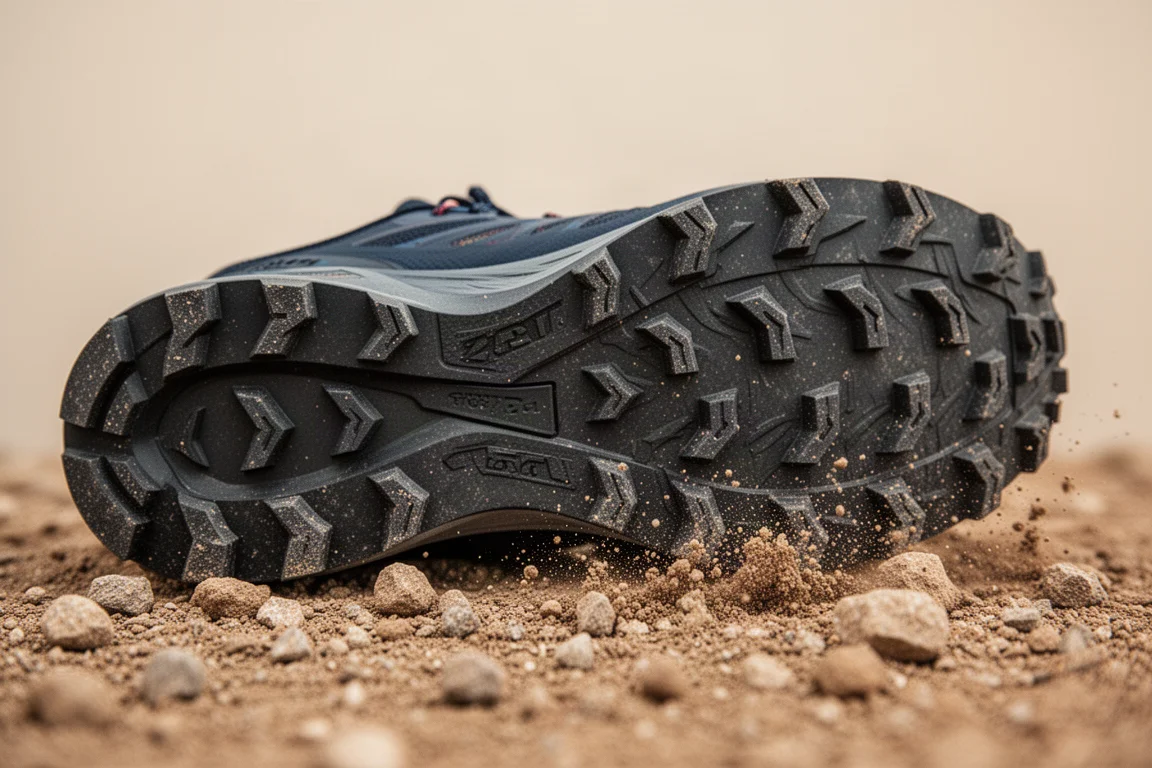
It is versatile and durable, holding up well after around 150K of testing, and it is a sensible entry point into trail running because it does a bit of everything reasonably well. A Gore-Tex version exists for anyone wanting a damp-weather hiking option, though in heavy rain your feet get wet anyway. The weaknesses are the same as elsewhere in the lineup: limited traction on wet and technical terrain (many runners wish Nike would partner with Vibram for better outsoles), and no real protection, with no rock plate and no toe protection. It is a jack of all trades, and it is the shoe in this lineup most people would happily buy again.
Nike Juniper 2
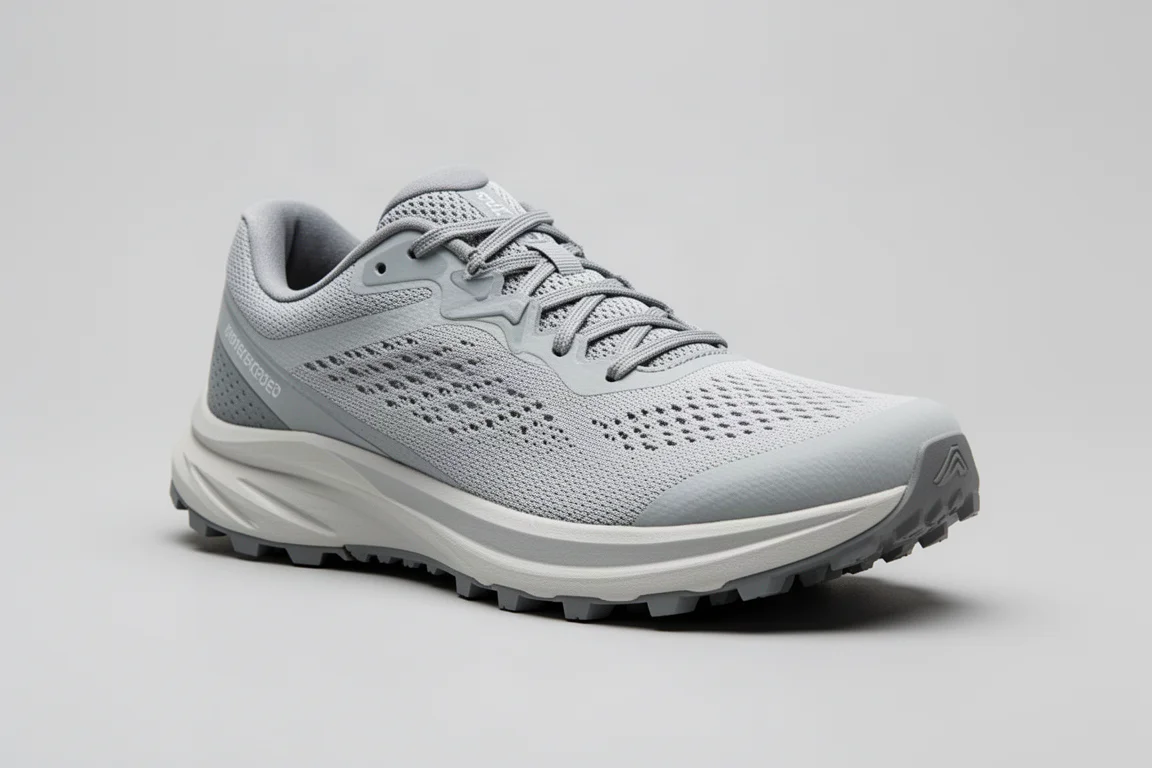
The Juniper 2 is Nike’s beginner-level entry into trail running, priced at 80 pounds and weighing 392 grams. Nike publishes very little specification data for it, and the midsole is simply described as foam with no material breakdown.
In practice it is hard to recommend for running. The foam is firm and unforgiving, feeling fine on soft trails but like running on solid rock on tarmac. Grip is limited, and it did not cope well with the technical terrain it was tested on. It looks good, and the colorways are attractive, which makes it passable as a casual shoe, but as a running shoe it falls short. If you are a beginner after an affordable first trail shoe, the Pegasus Trail 4, now out for around a year and available at roughly 80 to 90 pounds, is a far better option at a similar price.
Nike Wildhorse 8
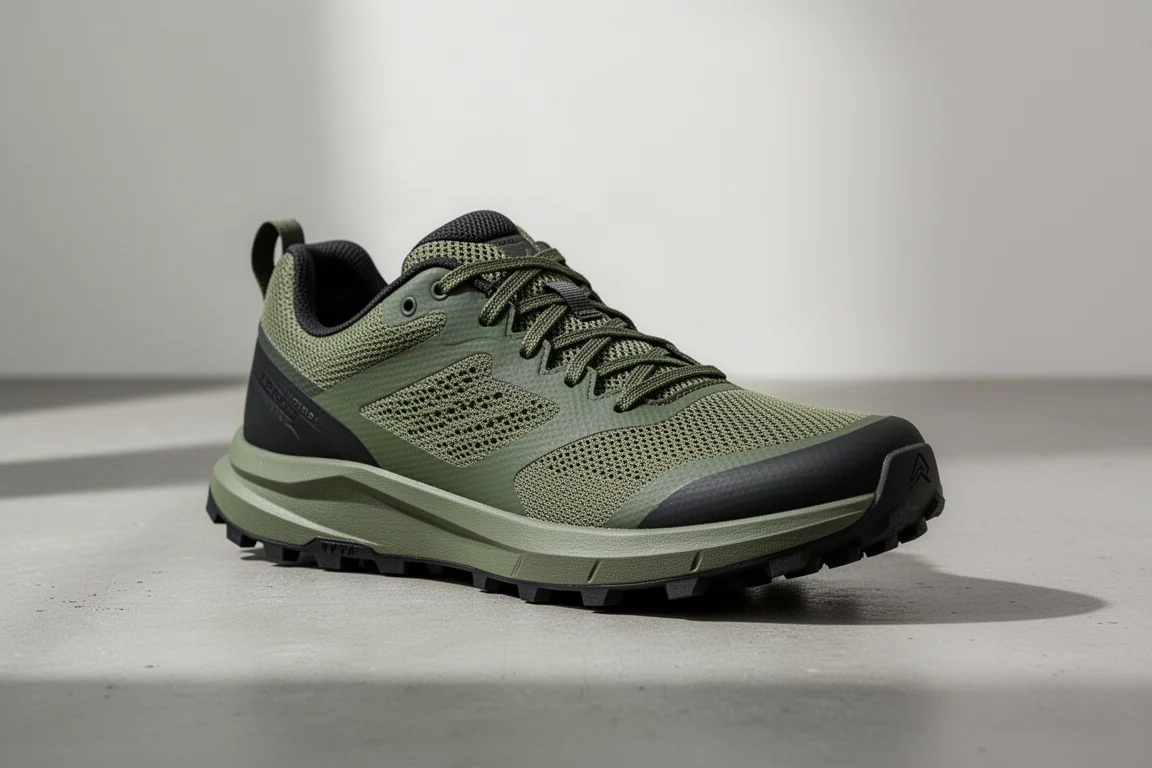
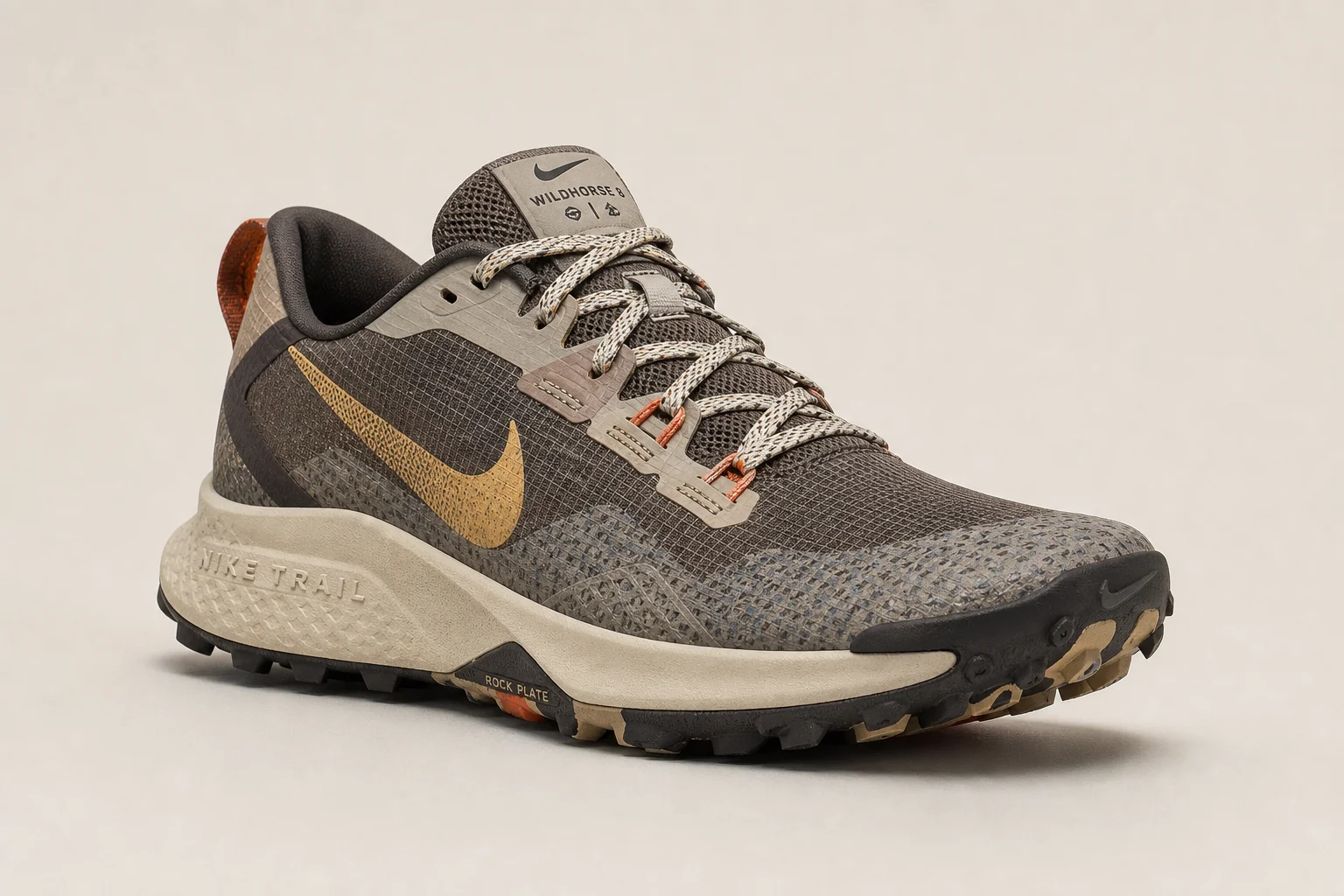
The Wildhorse 8 was the biggest surprise of the lineup. Previous versions suffered from weak grip and poor lockdown, but this model received a significant redesign, especially around the heel, with a new outsole and deeper lugs. It weighs 405 grams, making it the heaviest and slightly clunkiest here, but the trade-off is the best traction in the range. It uses React foam with a flexible rock plate, an 8mm drop and a 36mm stack height, at 115 pounds in the UK.
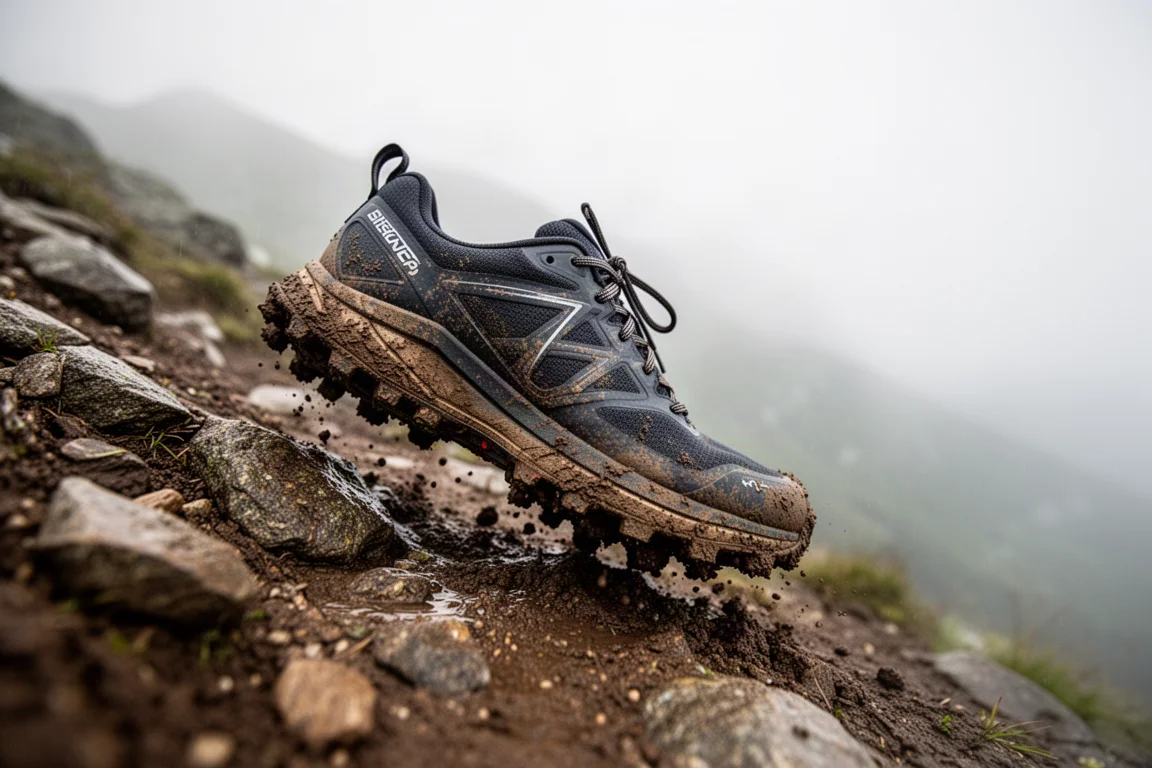
This is a technical trail shoe for middle to long distances in the mountains, and it handled everything thrown at it during testing in the Surrey Hills and on the North Downs Way: wet rock, mud and steep hill reps all went well. Comfort is strong, with a wide toe box, and minor heel slip early on vanished once the lacing was adjusted. Airflow could be better, but unless you are running in 25 to 30 degree heat you are unlikely to notice. Despite the weight, it is the best overall shoe in the lineup.
Which One Should You Buy
- Lightest and fastest: Nike Kiger 9
- Best grip: Nike Wildhorse 8
- Best road-to-trail hybrid: Nike Pegasus Trail 4
- Best for ultras and long, comfortable days: Nike Zegama, or the Wildhorse 8 if the terrain is more technical
- Best for beginners: Nike Pegasus Trail 4, which is also now the cheapest of the better options
- Best for racing 5K to half marathon: Nike Kiger 9
- Most comfortable: Nike Zegama
- Best overall: Nike Wildhorse 8, heavy but outstanding in every condition tested
- One to avoid: Nike Juniper 2
Conclusion
Nike’s 2023 trail lineup is a genuine step forward. The Wildhorse 8 stands out as the best all-rounder, the Kiger 9 covers speed and racing, the Zegama is the comfort pick for ultras, and the Pegasus Trail 4 is a versatile and affordable entry point. The Juniper 2 is the only real miss. Match the shoe to the terrain you actually run, and there is a strong option here for you.
Further reading
Related Reviews
Trail Running Shoes
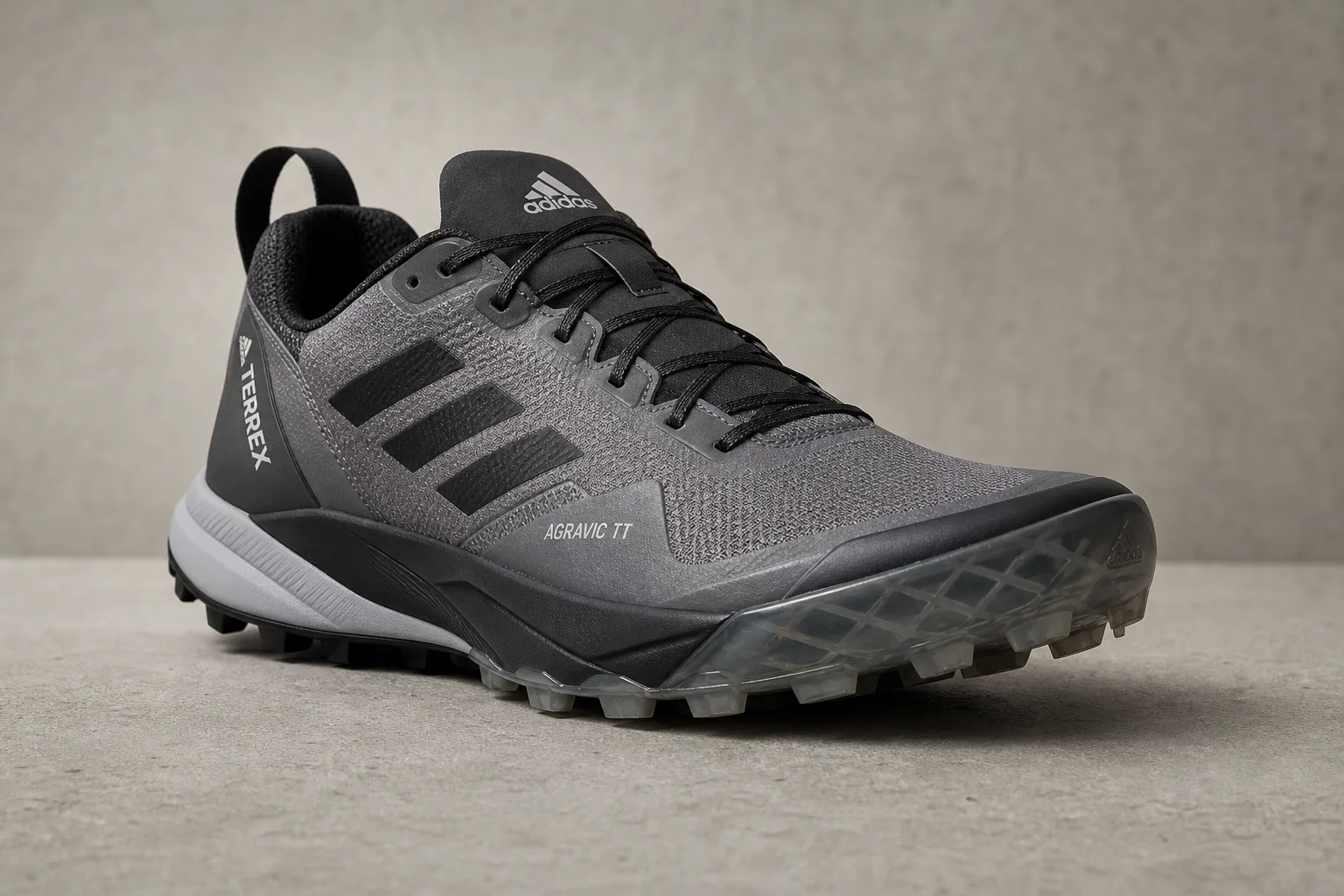
Adidas Terrex Agravic TT Review: A Technical Trail Shoe Built for Rocky Terrain
The Adidas Terrex Agravic TT combines a full-coverage rock plate with a firmer midsole to deliver protection and stability on technical, rocky trails. A capable choice for runners who prioritize underfoot defense over lightweight cushioning.
Trail Running Shoes
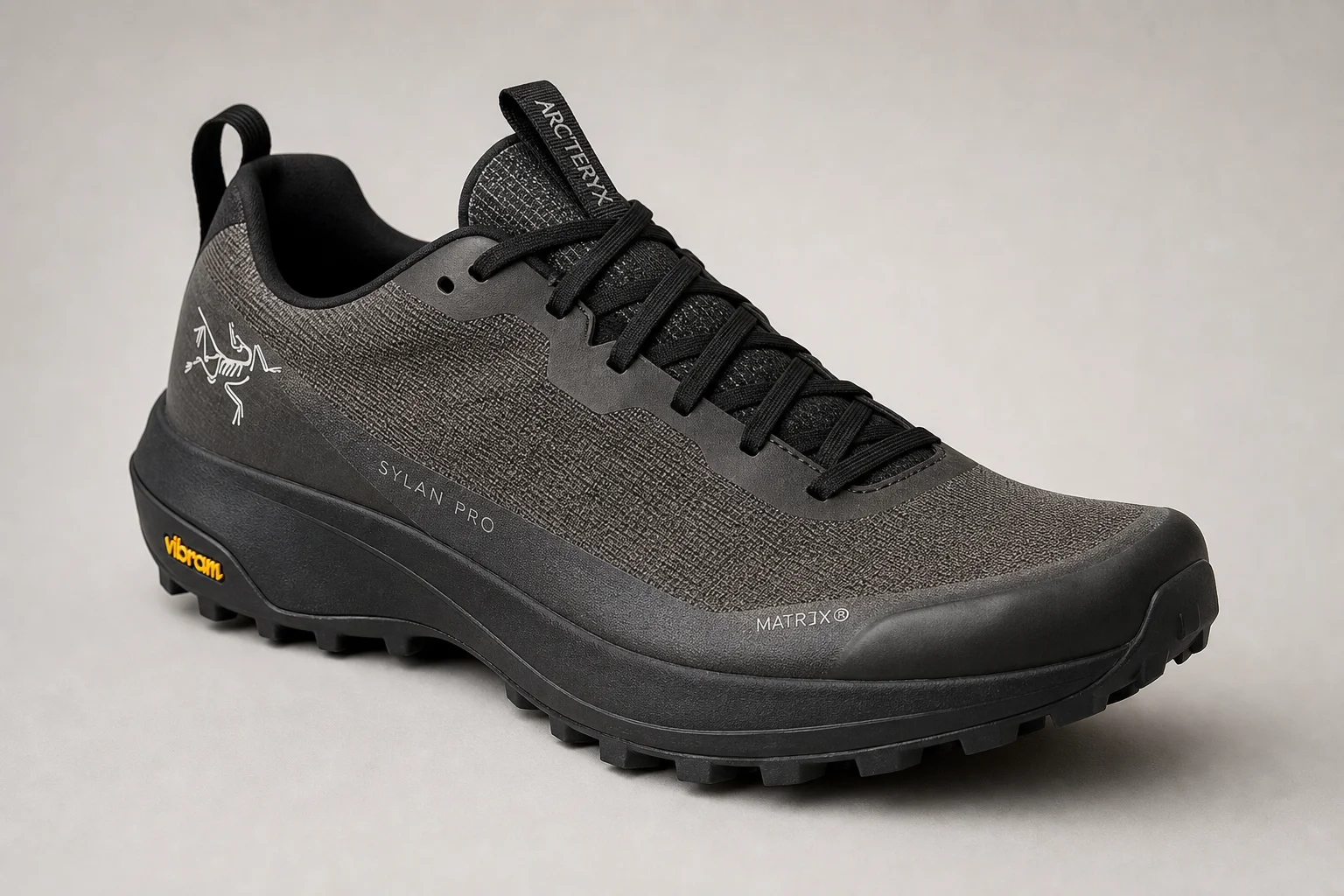
Arc'teryx Sylan Pro Review: A Rocker-Focused Mountain Running Shoe Tested on 20 Miles
The Arc'teryx Sylan Pro brings a pronounced rocker geometry and secure fit to mountain terrain. We tested it on a 20-mile Sawtooth loop to evaluate its climbing efficiency, protection, and handling of technical descents.
Trail Running Shoes
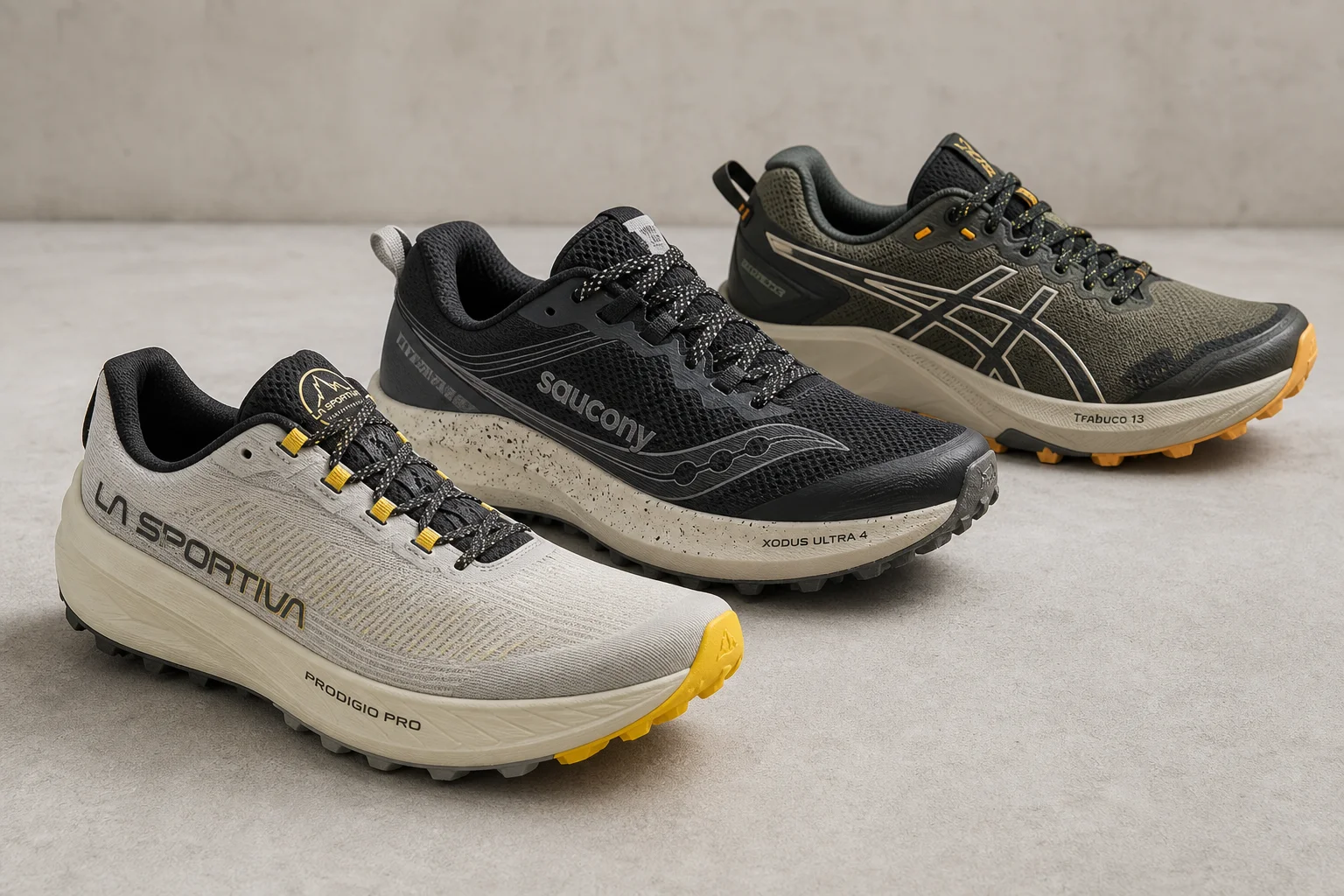
Best All-Mountain Trail Running Shoes: Three Versatile Options for Any Trail
A focused roundup of three all-mountain trail running shoes that handle technical terrain, long distances, and variable conditions with real strengths and practical trade-offs.