Trail Running
Nike Trail 4 Review: A Comfortable Road-Trail Shoe With a New Sole
After roughly 70km and 3,000m of alpine climbing, the Nike Trail 4 proves lighter, grippier and far more comfortable than its predecessor, though muddy winter conditions remain its weak spot.
Introduction
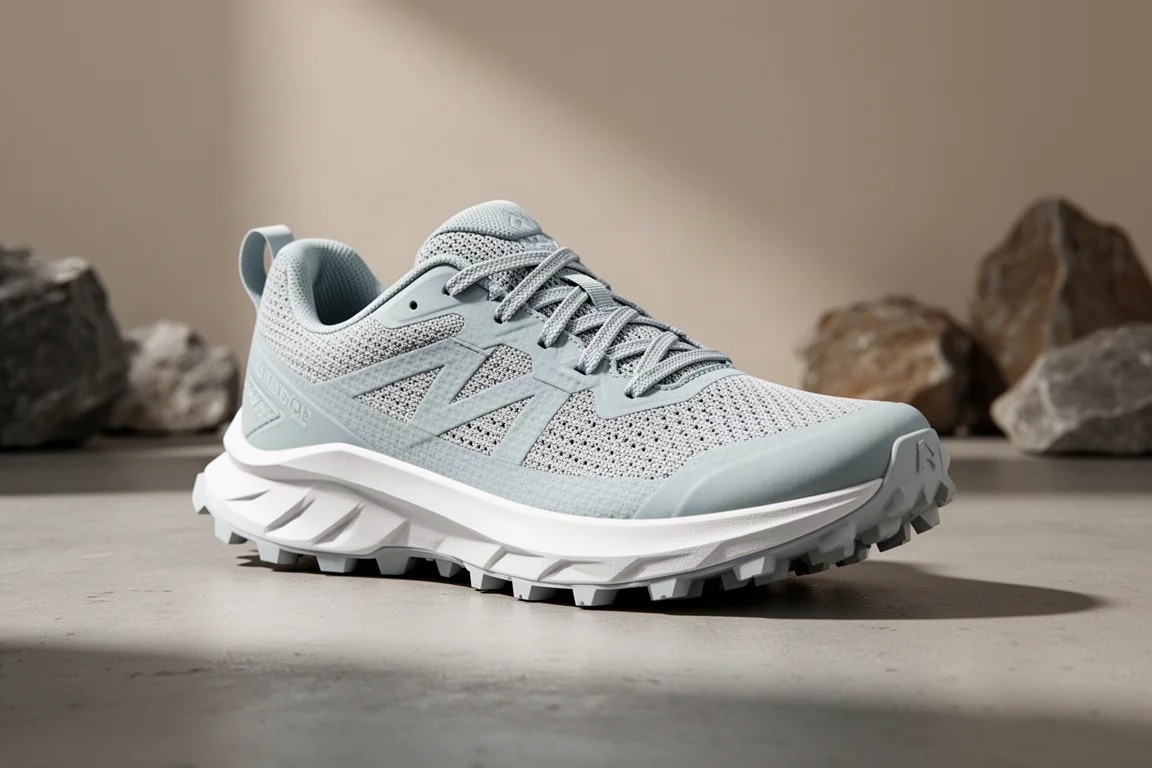
Some shoes arrive with a clear identity, and the Nike Trail 4 is one of them. Tested over roughly 70km of running, including about 3,000 metres of climbing on the rugged mountain trails around Chamonix, it presents itself as a light, comfortable, road-trail hybrid that wants to move quickly. Bought outright with personal funds from the Nike website, this review reflects genuine, unpaid use rather than a press-sample impression.
The headline story is the weight. Nike has trimmed a significant amount from the outgoing model, dropping from around 320 grams to about 290 grams, and that change colours almost every part of how this shoe runs. Add a completely reworked outsole and one of the more comfortable uppers in the category, and you have a shoe with a compelling summer-season pitch. Whether it can hold that appeal through a wet winter is a different question, and one worth answering before you spend your money.
Who This Product Is For
The Nike Trail 4 is aimed at runners who split their time between tarmac and trails, or whose routes mix hard-packed gravel with sections of road. It is very much what the brand calls a road-trail shoe: you can run the road to the trailhead, then take the trails and still get a satisfying trail run out of it.
It also suits runners who prioritise comfort and a light, agile feel over aggressive all-weather grip. If your racing and training lean toward dry summer and autumn trails, alpine gravel, or mixed road-and-trail events, this shoe slots neatly into that use case. Runners planning muddy winter cross-country sessions will need to read the caveats further down carefully.
Facts and Figures
The core specification is straightforward. There is no carbon plate, though the shoe is reasonably stiff as trail shoes go. The main bulk of the midsole is React foam, Nike’s hard-wearing foam that has featured in its trail shoes for a while, and it works well here where shock absorption and durability under repeated pounding matter most.
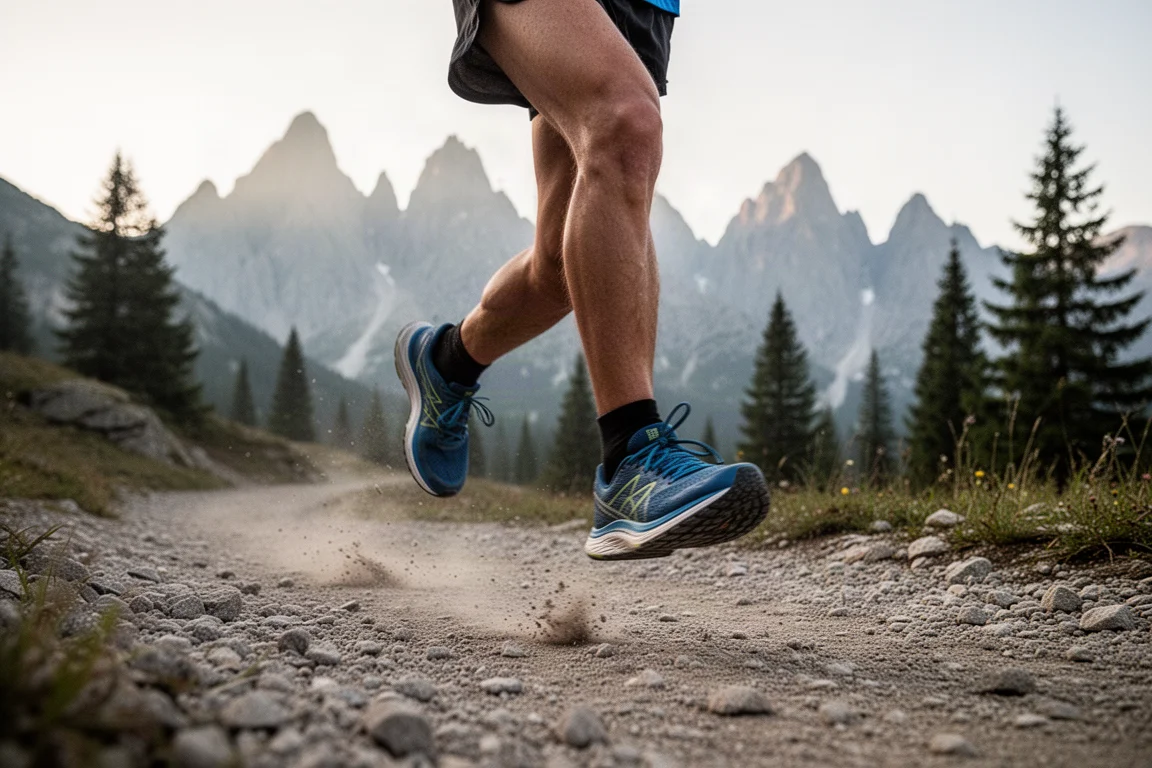
The drop sits at 9 millimetres between the heel and the forefoot. Sizing is refreshingly simple: the shoe was bought in a regular UK size 12 and the fit was completely true to size, with no need to size up or down. Like the vast majority of trail shoes, this is a neutral shoe with no stability elements.
Pricing comes in at around £115 in the UK, or roughly $140 in the US. The shoe reviewed here was purchased directly from the Nike website with the reviewer’s own money, which matters for how the impressions below should be read.
Main Strengths
Comfort
This is one of the most comfortable trail shoes in recent memory. Compared with earlier models in the line, the lockdown here is excellent: the Flywire cables work well, and using the extra eyelet at the top of the lacing produces a secure, no-slip fit with no hot spots over long runs. It has simply been a joy to run in, with very little to fault.
Road Performance
Most trail shoes feel heavy and bulky on tarmac because of all the traction on the outsole, but this one turns over surprisingly well. Paces around 3:45 per kilometre felt genuinely brisk and pleasant. It obviously will not match a dedicated road shoe, purely because of the extra grip underfoot, but for a race or training block that mixes road and trail, this shoe earns its keep on both surfaces.
Grip on Mountain Trails
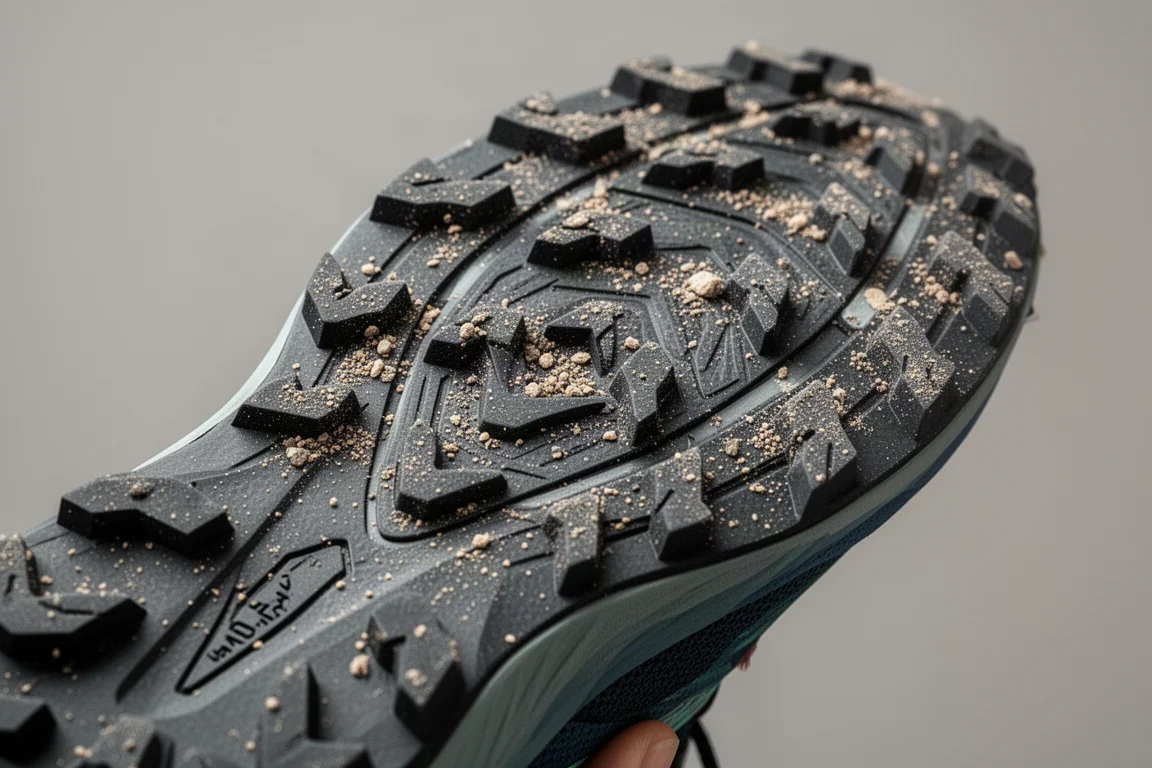
The outsole has been completely updated, with three new lug tread patterns working in combination. On the hard-packed gravel and rocky mountain trails where testing took place, the grip has been fantastic, in both wet and dry conditions. This is a marked step up from the Trail 3, where grip was poor in most conditions, and it makes this shoe far more confidence-inspiring on typical summer alpine terrain.

Weight Loss
The reduction from roughly 320 grams to about 290 grams changes the character of the shoe entirely. The previous model felt heavy and fatiguing over a run; this one feels light, agile and responsive through corners, almost like an extension of the foot rather than a weight at the end of it. Combined with the comfortable upper, it is a shoe that encourages you to run faster and enjoy the trail.
Things to Consider Before Buying
Muddy Winter Performance
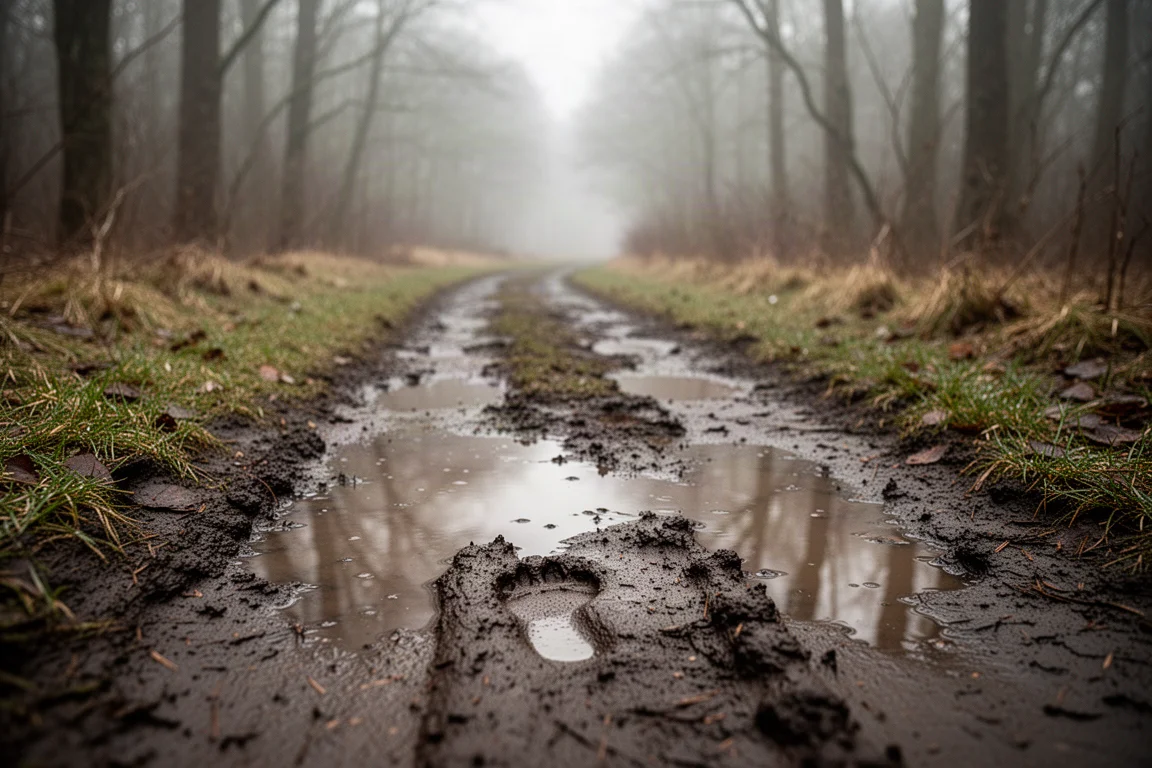
Do not treat this as an all-seasons shoe. In sticky UK and European winter mud, the grip is still not good enough. The Trail 3’s grip was appalling in those conditions, and while the new outsole is a clear improvement, it cannot cope with the cross-country style, gluey winter mud many runners face in the colder months. For summer, spring and autumn alpine trails, it is excellent; for a wet winter, look elsewhere.
Break-In and Achilles Note
After the very first run, there was minor achilles pain, with the shoe feeling a little stiff at the back. A short rest followed, and the second, third and fourth runs were completely trouble-free. It seems to need a small amount of wearing in, but it is worth flagging for anyone with sensitive achilles areas.
Limited Colourway Options
At launch, only one colourway was available, and it is a pale shade that will show trail mud quickly. A darker option would be more practical for a shoe destined for muddy paths, and it is worth checking whether Nike has released additional colourways since.
Buying Advice
If your running lives in the dry-to-damp, hard-packed-gravel zone, from spring through autumn, the Nike Trail 4 is an easy recommendation: comfortable, light, quick on the road and genuinely grippy on mountain trails. Think of it as the earlier Trail flagship feel with added grip and less weight.
If your winters involve deep mud or you want one shoe for the whole year, hold off. The grip simply is not there for the worst conditions, and a trail shoe with deeper traction would serve you better. At around £115 or $140, it is priced in line with mainstream trail competitors, so the decision comes down to where and when you actually run.
Conclusion
The honest summary: this is the previous Trail flagship with more grip and less weight. It brings outstanding comfort, a lively ride and a big outsole improvement, making it a superb choice for summery trails and mixed road-and-trail running. It is not going to shine in winter months, though a future waterproof or darker-coloured version could soften that objection. As for the bigger stage: with more testing still to come, this shoe currently leads the pack as the pick for this year’s UTMB, and it would not be a problem choice to lace up for race day around Mont Blanc.
Product link
View more details for Nike Trail 4
This product is mentioned in the review. Check the specifications, options, and compatibility before buying.
View more details for Nike Trail 4Further reading
Related Reviews
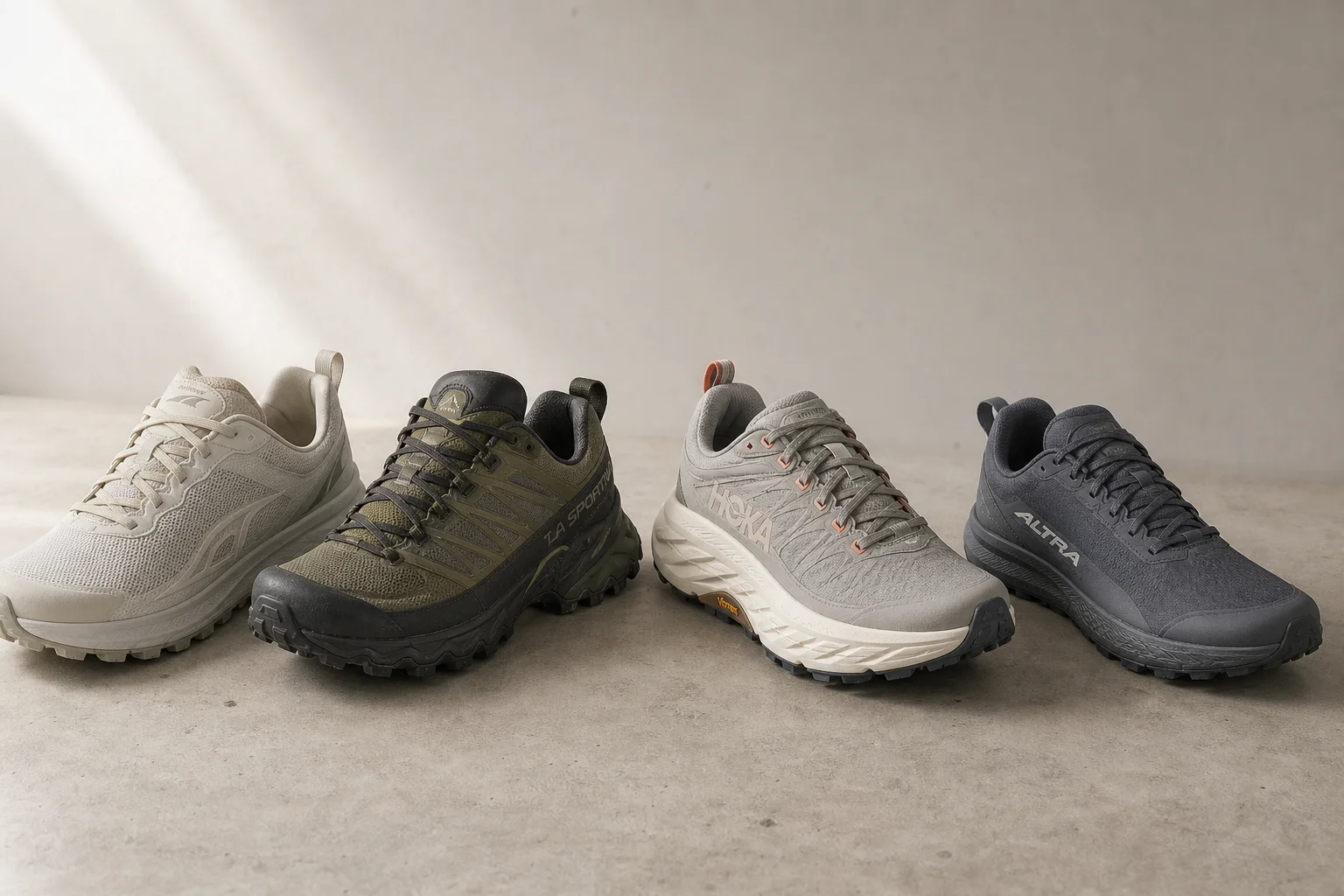
Trail Running
How to Choose Trail Running Shoes: A Guide to Shoe Type, Cushioning, and Drop
Learn the three most important factors when selecting trail running shoes: shoe type, cushioning level, and heel-to-toe drop.
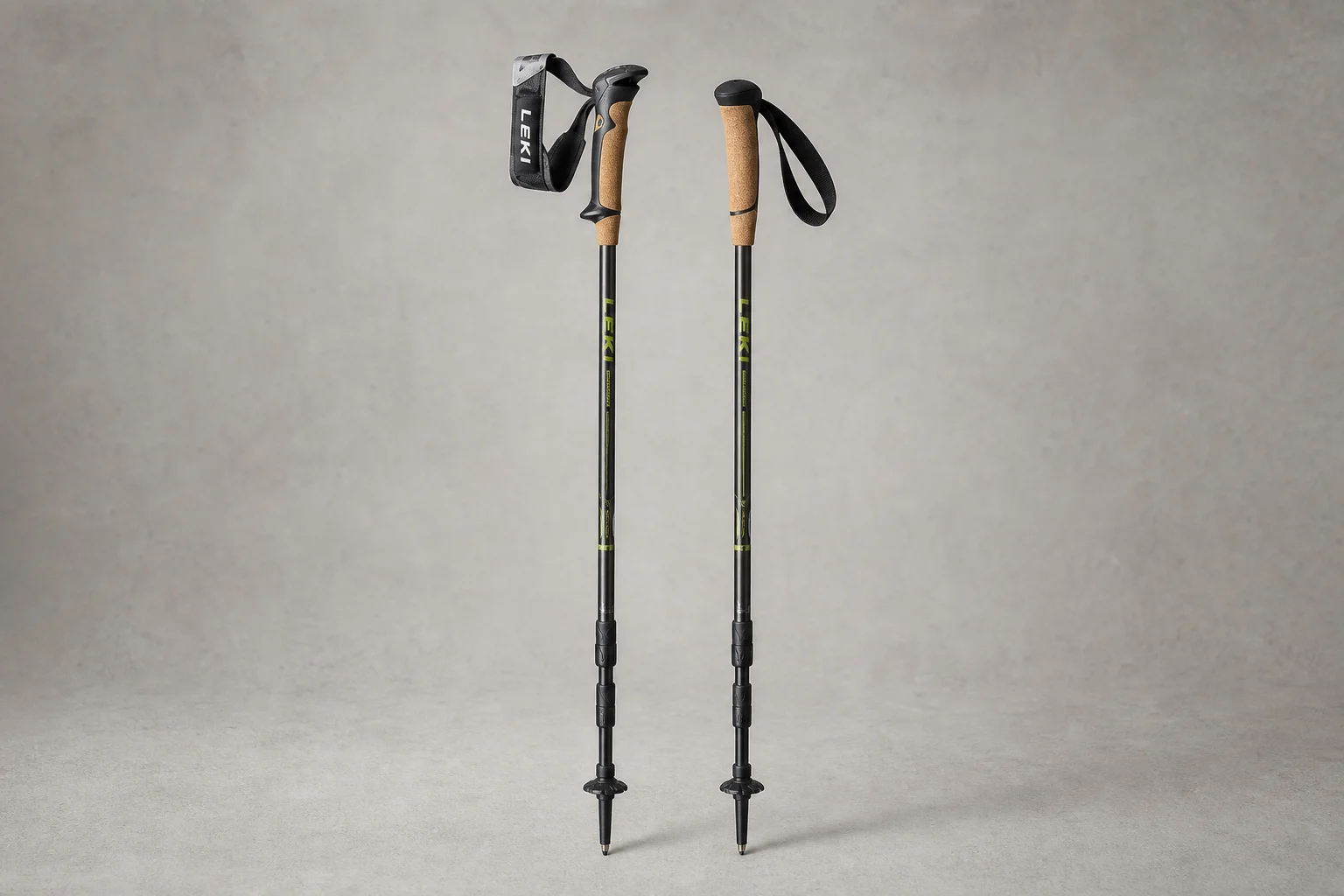
Trail Running
Trail Running Poles: A Complete Guide to Technique, Fit, and Use
Learn why trail running poles redistribute workload, how to choose the right length and strap system, and master three essential climbing techniques for longer races.
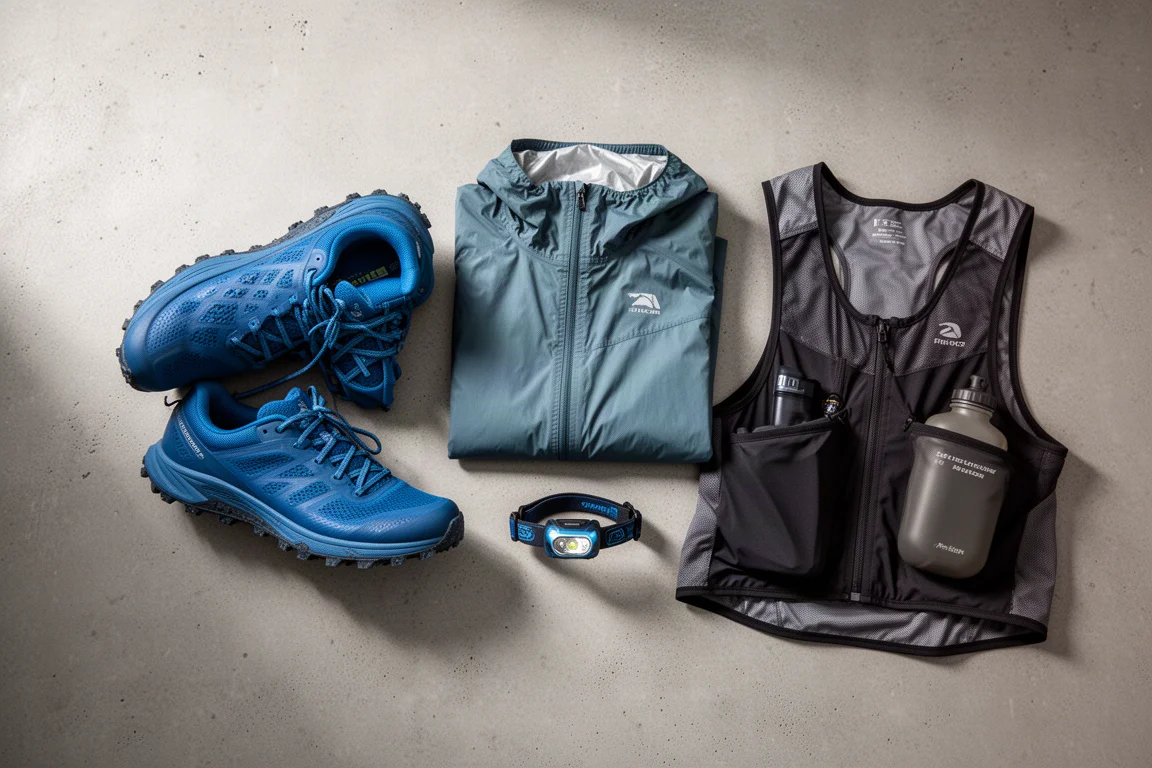
Trail Running
Arc of Attrition Kit List: The Gear Worth Packing for a Winter Ultra
A practical look at the shoes, waterproofs, lighting, race vest and poles lined up for a brutal 100-mile winter coastal ultra, and why each piece earned its place.