Trail Running Shoes
Nike Zegama 2 vs Pegasus Trail 5: Two Trail Shoes Built for Very Different Runners
Nike's next wave of trail shoes targets two clear audiences: the long-distance ultra runner and the road-to-trail newcomer. Here's what changes with the Zegama 2 and Pegasus Trail 5.
Introduction
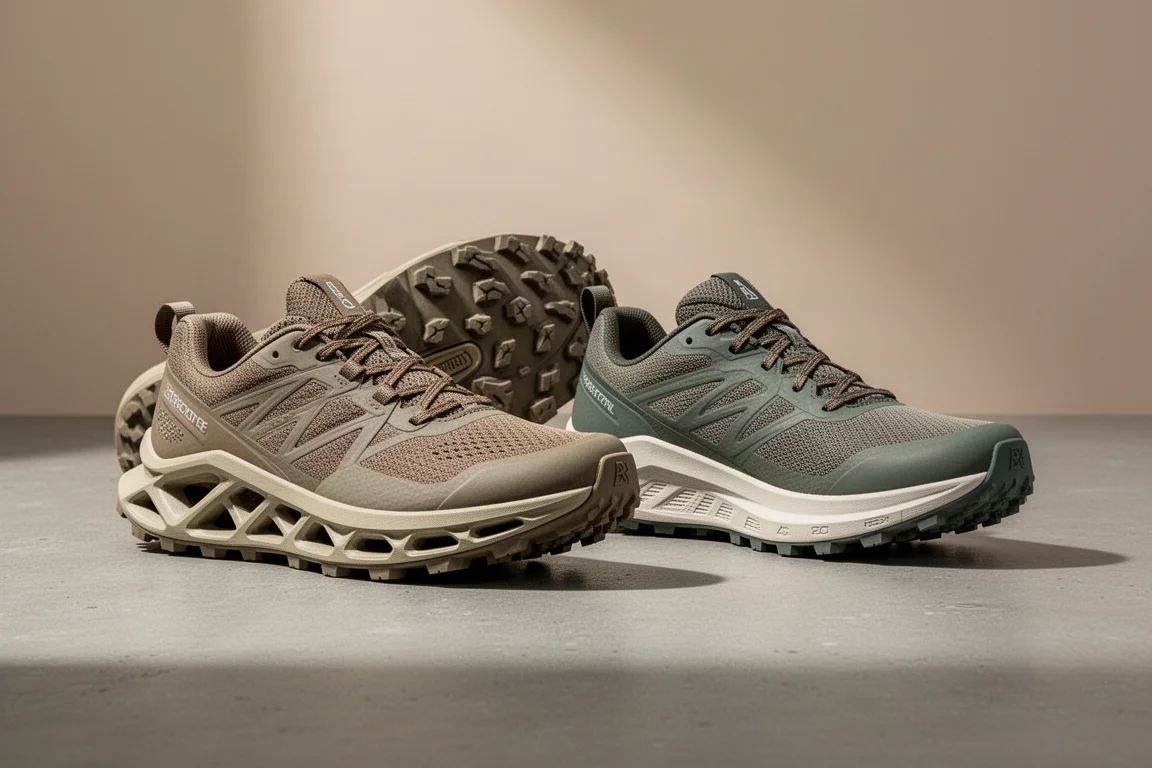
Nike’s trail lineup is splitting cleanly into two shoes aimed at two very different runners. The Zegama 2 doubles down on long-distance cushioning over rugged terrain, while the Pegasus Trail 5 is designed as a welcoming entry point for runners who mix road and trail. Both land in May, and both address the single complaint that comes up most often in trail shoe feedback: traction.
Nike Zegama 2: The Ultra-Long-Haul Cushioning Play
The original Zegama set out to answer a question borrowed from the marathon world: what do athletes running 50 or 100 miles over rough ground actually need? The answer was a shoe that is lightweight, protective, and highly responsive. Nike took the ZoomX foam its road racers rely on and packed it inside a firmer carrier foam “bathtub” construction, keeping ZoomX the largest component by volume while adding stability and protection from trail debris.

Feedback on the first version was clear: the concept worked, but traction and stability needed to improve. The Zegama 2 tackles both. Nike calls it the most highly tested trail shoe the company has ever produced, with more than 35,000 miles of testing, and the midsole geometry has been reworked for a more stable ride. The offset stays at 4mm, and the stack height is not lower than the first version.
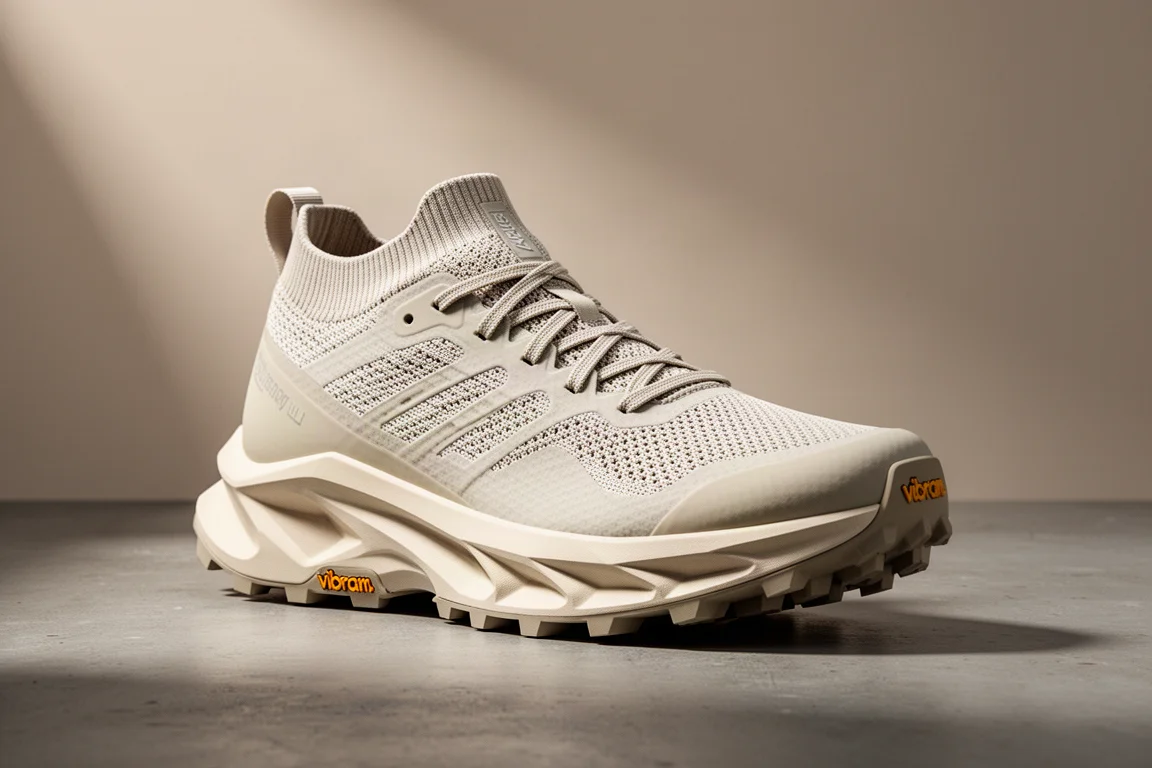
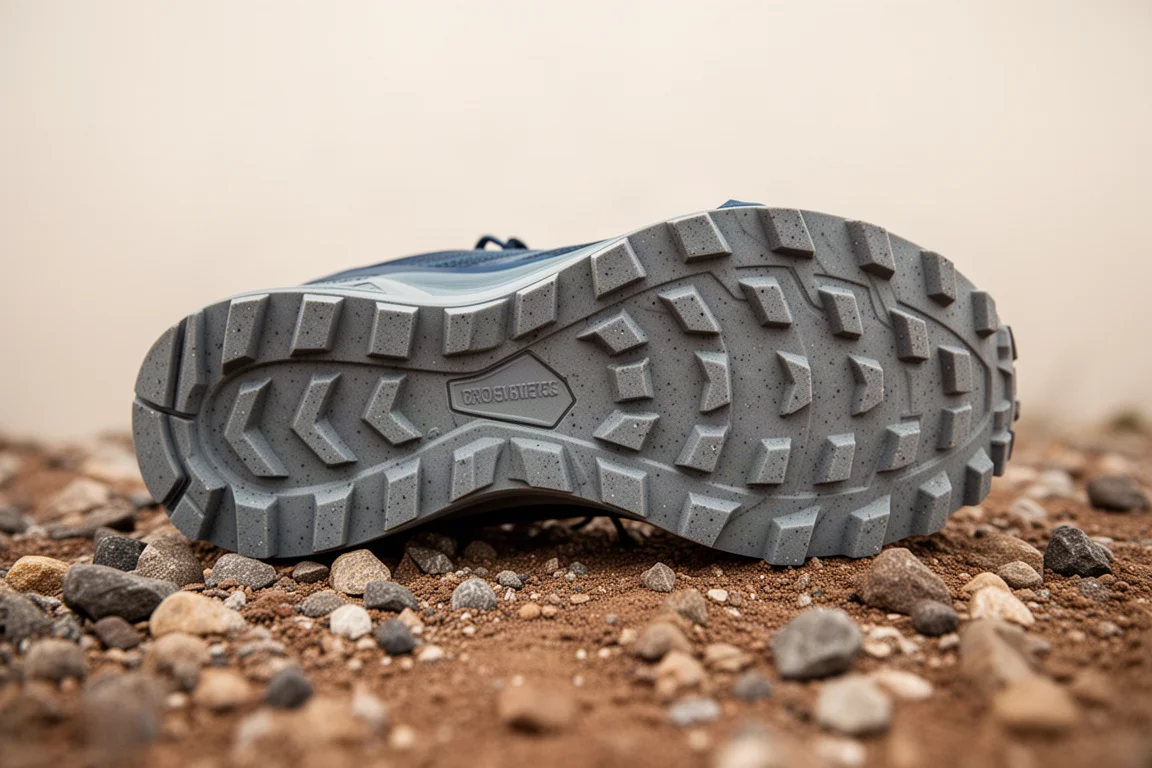
The headline upgrade is the outsole. Nike partnered with Vibram, whose designers and engineers made repeated visits to the Nike campus to co-develop a more built-up, rugged outsole than the one used on the Ultrafly racing shoe. The collaboration was framed around a simple idea: if this is the ultimate trail cushioning shoe, it should carry the ultimate trail traction. The result is an outsole designed to boost both grip and the smoothness of transitions.
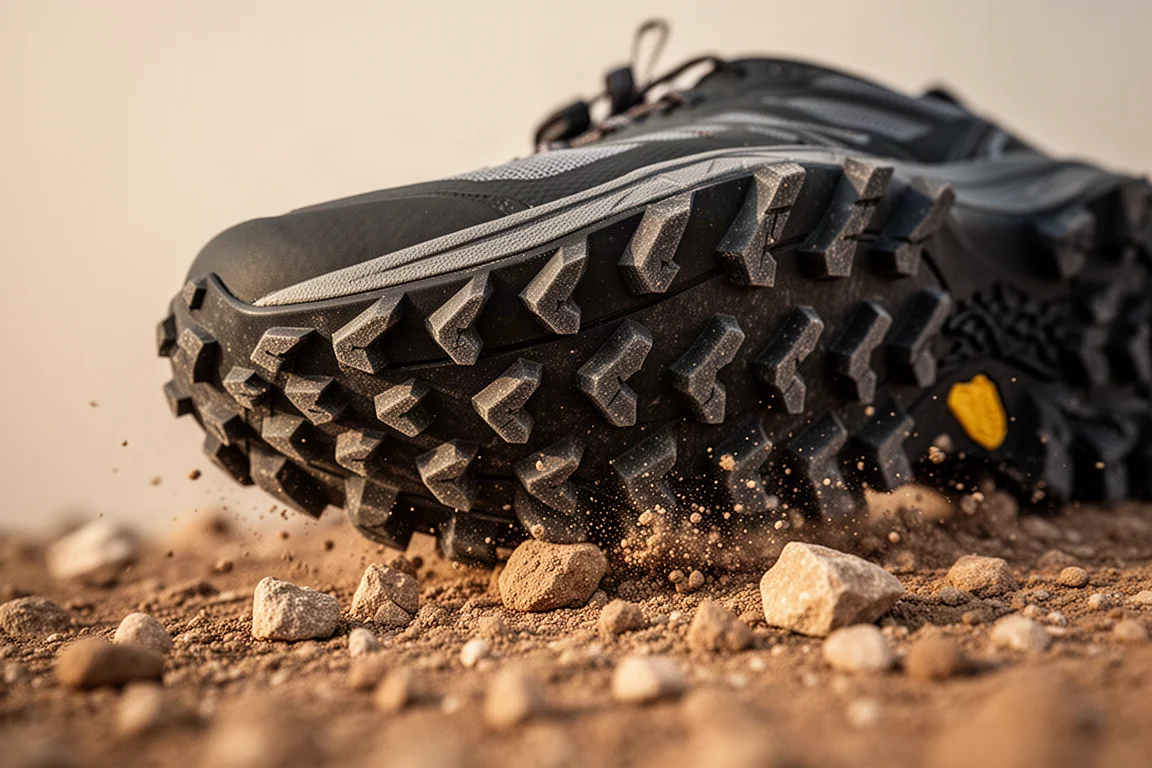
The upper is comfortable, breathable, and drainable, so water that gets in on wet routes can get out quickly. A neoprene gaiter adds both comfort and security, a detail runners responded well to on the first version. The launch colorway takes inspiration from a specific trail in the Grand Canyon as part of Nike’s seasonal trail celebration series, though that painted aesthetic will not appear on every colorway. Pricing is set at $170.
Pegasus Trail 5: An Invitation to the Trail
Trail running is booming, and many newcomers split their time between road and trail. Nike’s goal with the Pegasus Trail 5 is to make those runners feel they deserve a genuinely good trail shoe, and it makes sense to hang that invitation on the most widely recognized running franchise in the lineup.

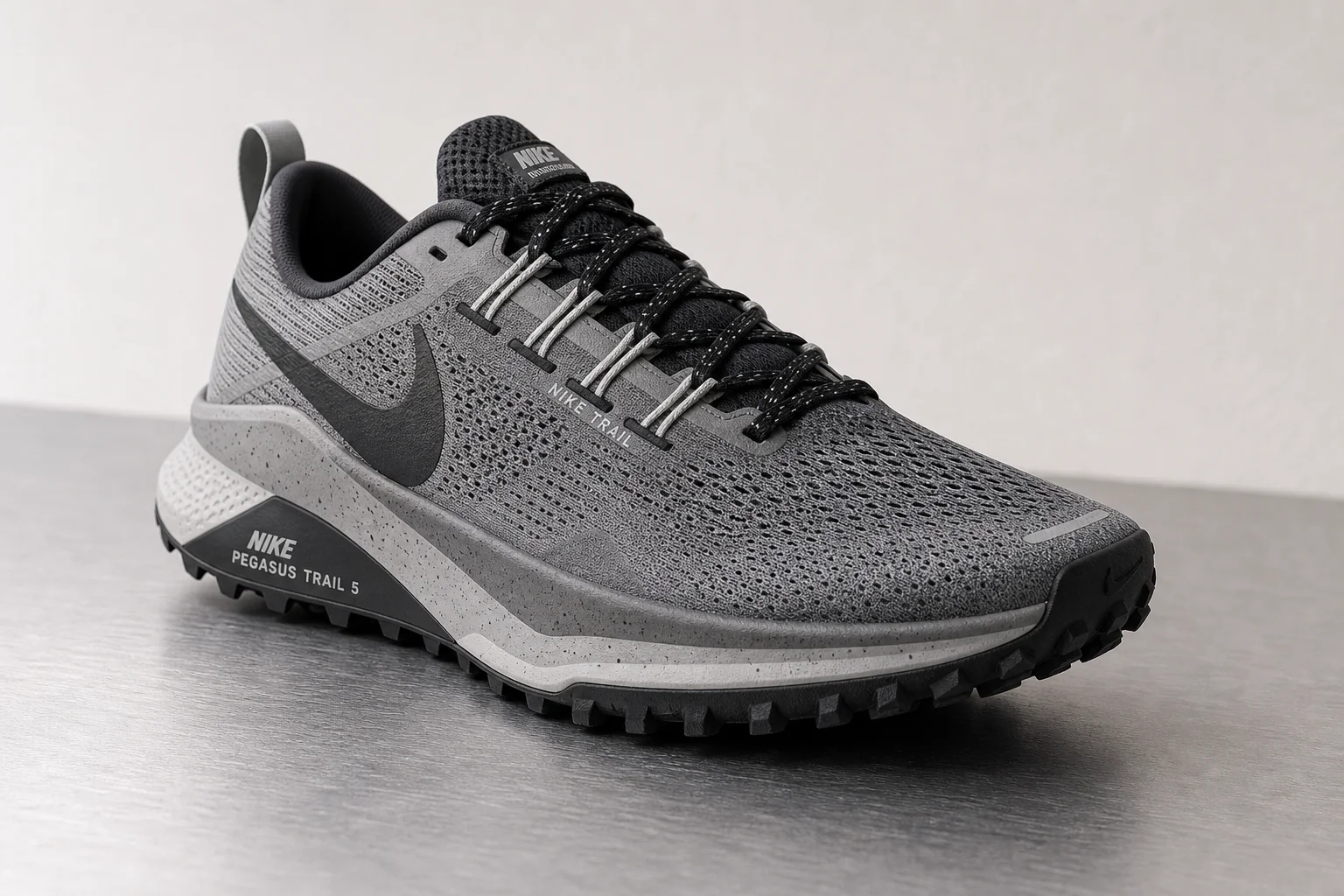
The big technical change is the move to ReactX foam, the same material used in the InfinityRN. Compared with a standard React midsole, ReactX delivers noticeably higher energy return while cutting the carbon footprint of the midsole by 43 percent, double-digit gains on both fronts rather than the single-digit improvements typical of a midsole update. The ride is soft yet responsive, with a smooth, buttery transition that handles varied terrain, and the overall design language nods to the InfinityRN as well.
This has long been one of the most consistently comfortable shoes in its class, and that reputation carries over: a supremely comfortable option for runners splitting their miles between pavement and dirt, or for beginners still finding their footing on trails.
Traction and the All-Terrain Compound
Traction is the other major update. For the road-to-trail experience, Nike developed its own rubber compound, internally called Nike ATC (All-Terrain Compound), paired with a new outsole lug pattern. The lugs feature more squared edges and are oriented deliberately to keep runners secure across different surfaces, so they are not slipping around and can trust their footing on varied trails. Pricing is set at $140, and a GORE-TEX version is expected to follow.
Which One Should You Buy
The choice comes down to the kind of running you actually do. If you are tackling long distances over rugged terrain, want the maximum cushioning protection available, and are willing to pay a premium for ZoomX energy return plus Vibram grip, the Zegama 2 is the clear target. If you mostly run on roads but want one comfortable, confidence-inspiring shoe that can handle trail days without intimidation, the Pegasus Trail 5 is the better fit and the friendlier price point.
Conclusion
Both shoes fix the issue runners most often flagged with their predecessors. The Zegama 2 turns a promising ultra cushioning concept into a complete package with Vibram traction and improved stability, while the Pegasus Trail 5 brings ReactX performance and sustainability gains to the most accessible shoe in Nike’s trail range. Whichever direction your running leans, there is now a purpose-built option worth considering.
Further reading
Related Reviews
Trail Running Shoes
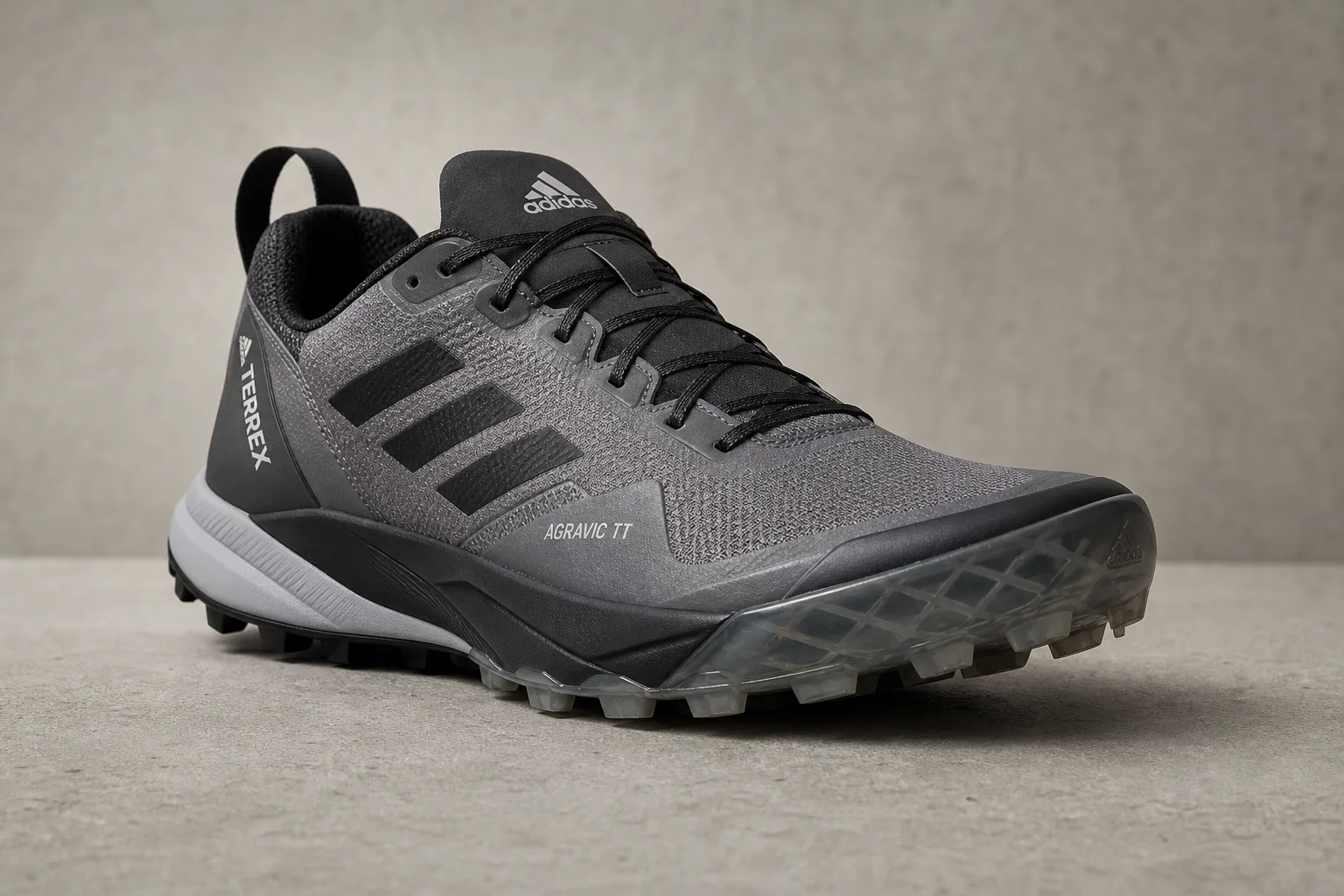
Adidas Terrex Agravic TT Review: A Technical Trail Shoe Built for Rocky Terrain
The Adidas Terrex Agravic TT combines a full-coverage rock plate with a firmer midsole to deliver protection and stability on technical, rocky trails. A capable choice for runners who prioritize underfoot defense over lightweight cushioning.
Trail Running Shoes
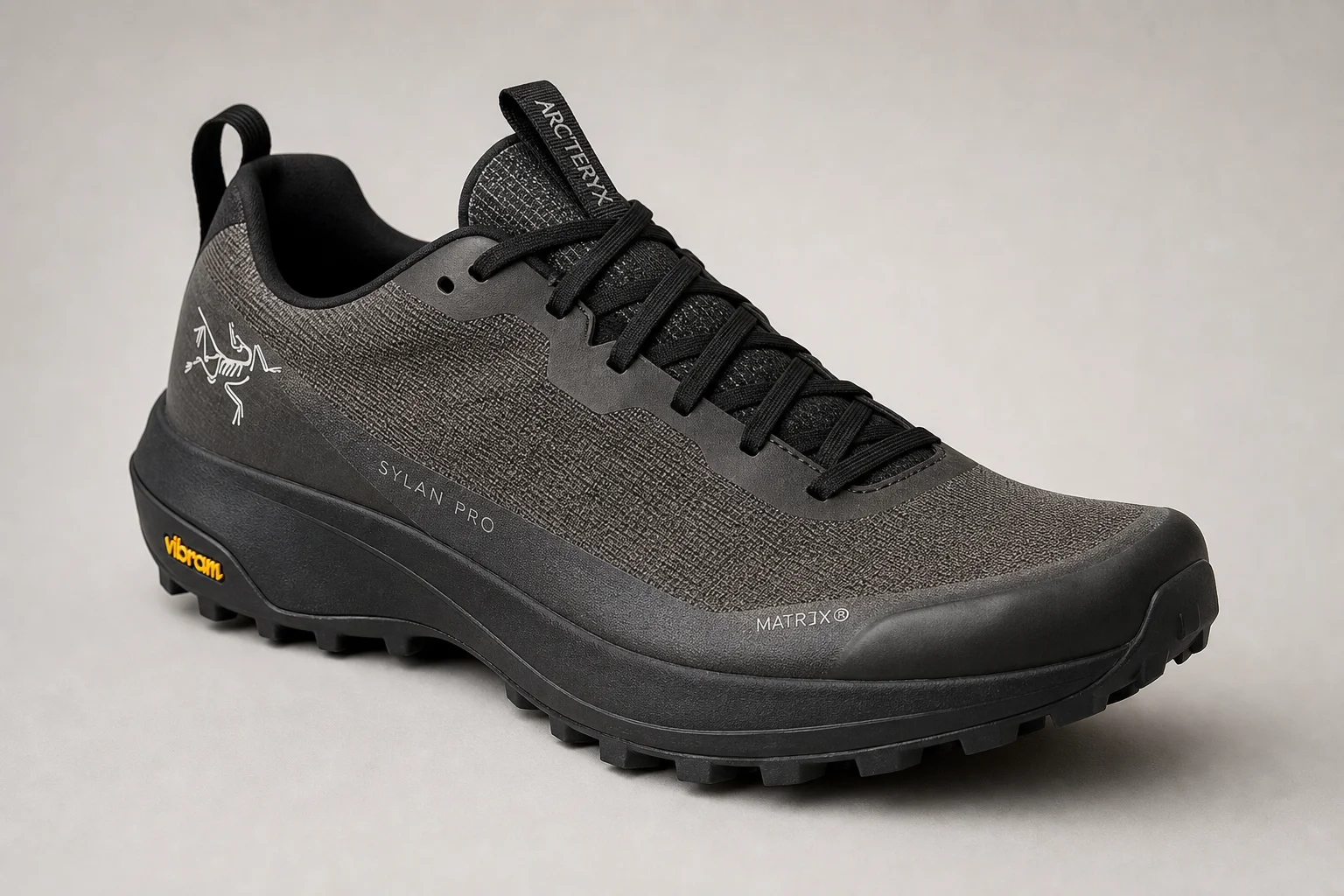
Arc'teryx Sylan Pro Review: A Rocker-Focused Mountain Running Shoe Tested on 20 Miles
The Arc'teryx Sylan Pro brings a pronounced rocker geometry and secure fit to mountain terrain. We tested it on a 20-mile Sawtooth loop to evaluate its climbing efficiency, protection, and handling of technical descents.
Trail Running Shoes
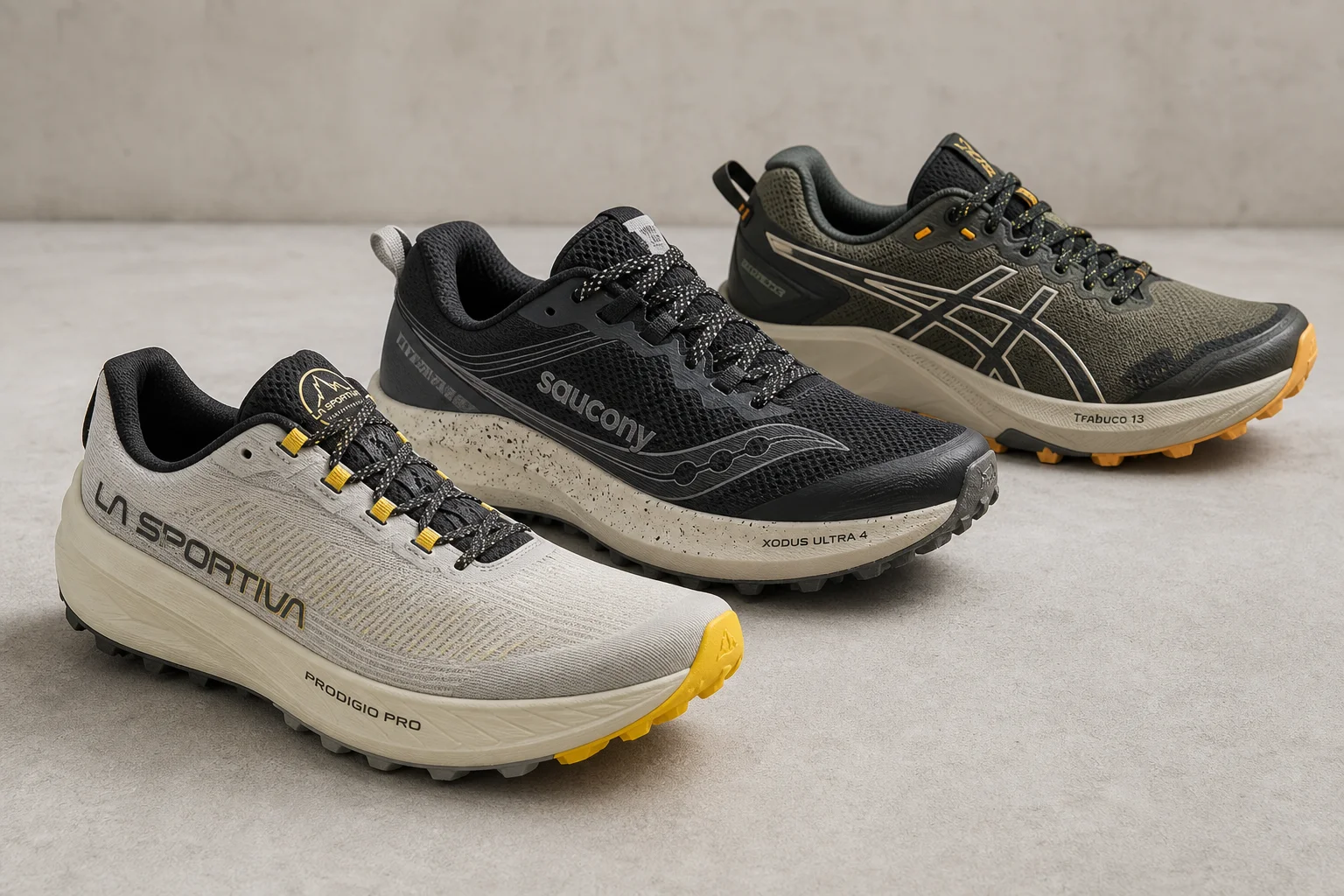
Best All-Mountain Trail Running Shoes: Three Versatile Options for Any Trail
A focused roundup of three all-mountain trail running shoes that handle technical terrain, long distances, and variable conditions with real strengths and practical trade-offs.