Trail Running Shoes
Nike Terra Kiger 10 Review: A Light, Nimble Trail Racer
The Terra Kiger 10 leans fully into its racing identity with a light build, Vibram Mega Grip outsole, and a fit that feeds performance. Here is what to know before buying.
Introduction
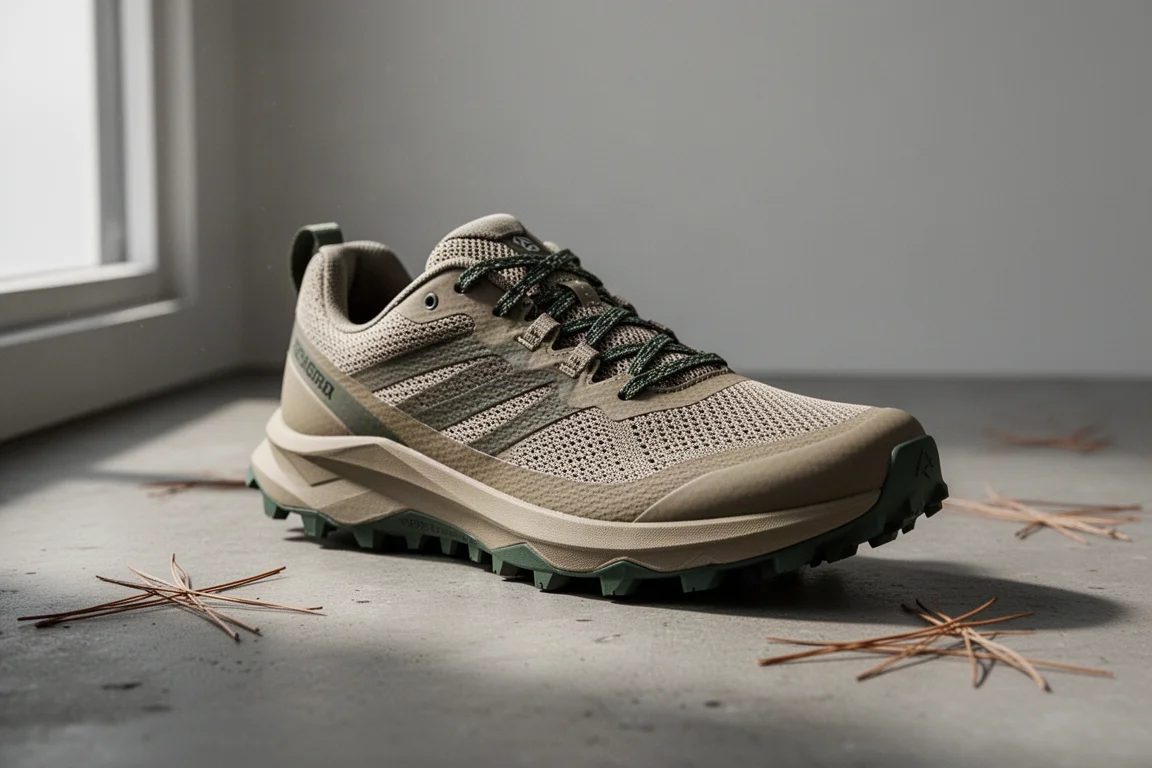
Now in its tenth model, the Nike Terra Kiger 10 has fully stepped into a racing identity. The Terra Kiger line has long been Nike’s lower-profile, lighter, faster trail option, and this version makes that positioning official with the brand’s trail racing designation, sitting alongside the Ultrafly. The Wildhorse, Nike’s other long-running trail franchise, now clearly separates in purpose, leaving the Terra Kiger as the speed-oriented pick.
The result is a really light trail shoe meant for moderate to technical terrain, and that is exactly where it felt best in testing. It is not a shoe that wows on individual features, but the package comes together for a specific kind of running.
Who This Shoe Is For
This is a shoe for runners who want something light and fast, low profile, and nimble, with good ground feel that still offers some protection and grip. It works equally well as a dedicated trail racer or, for the right runner, an everyday trainer if that light, nimble character matches your preferences.

One honest caveat: the underfoot comfort has limits. In testing, around 90 minutes was the point where the shoe started to feel like there was not a ton underfoot. For most runners, this is best thought of as a zero-to-a-few-hours shoe rather than an all-day ultra option. For some, that short-run focus is exactly the appeal.
Main Strengths
The upper is a really light engineered mesh with a single-layer construction. Many shoes use two layers, an inner mesh for comfort and filtering and an outer mesh for protection, but this one keeps just the single layer. It is super light, super breathable, and dried very quickly. Durability held up well, and the fit is highly padded around the heel for both comfort and lockdown.
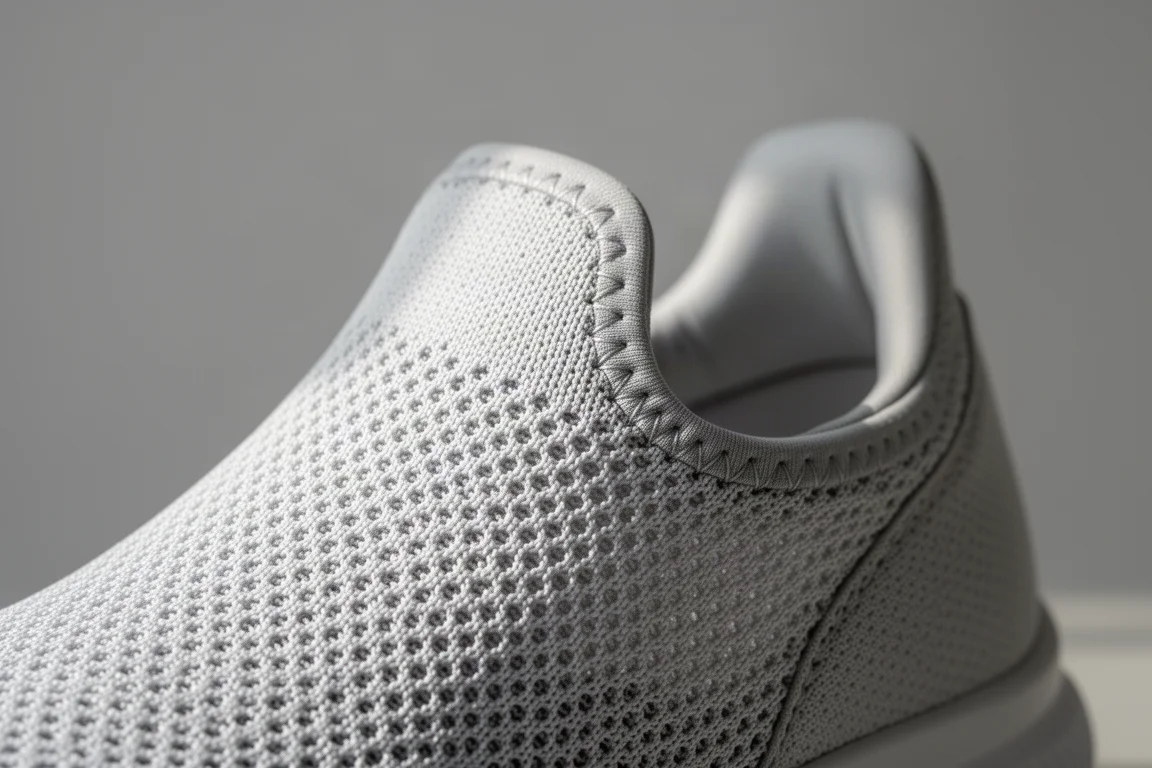
The heel construction is arguably what makes this shoe feel so nice across varied terrain. A structured, highly padded heel counter delivers a high level of fit and comfort. The light racing-style tongue lays nicely on the foot and, thanks to the structure around it, does not bunch up or fold and cause irritation. Soft microfiber material on the tongue edges makes it more comfortable than most trail racing tongues, and it is semi-gusseted to help hold the foot in place. Along with the durable, not-so-stretchy upper, that helps lock down the midfoot.
Fit-wise, the heel is fairly average, the midfoot gets borderline narrow and feels fitted and secure, and the forefoot is very average in width. Since the Terra Kiger 8, Nike broadened the forefoot fit, similar in spirit to the Ultrafly though not quite as roomy. It is a lower-volume fit, which helps suck everything down, and it is not as narrow as many expect a Nike trail shoe to be. Overall, the fit sets the stage for fast trail running. The fit feeds performance.
One weak point on the upper: the toe bumper really lacked protection. Kicking a rock on a technical uphill segment made that immediately clear. It is a trade-off that keeps the shoe light, but runners who want that protective element should take note.
Midsole and Ride
The midsole uses Cushlon 3.0, an EVA-based material that is fairly standard. It does not have a lot of rebound or plush cushion, but it helps you feel really in control, especially on technical segments and faster running. It sits in a medium-firm durometer range with a little bit of give. Runners who want something really cushiony underfoot will not find it here, and that is a deliberate trade-off.
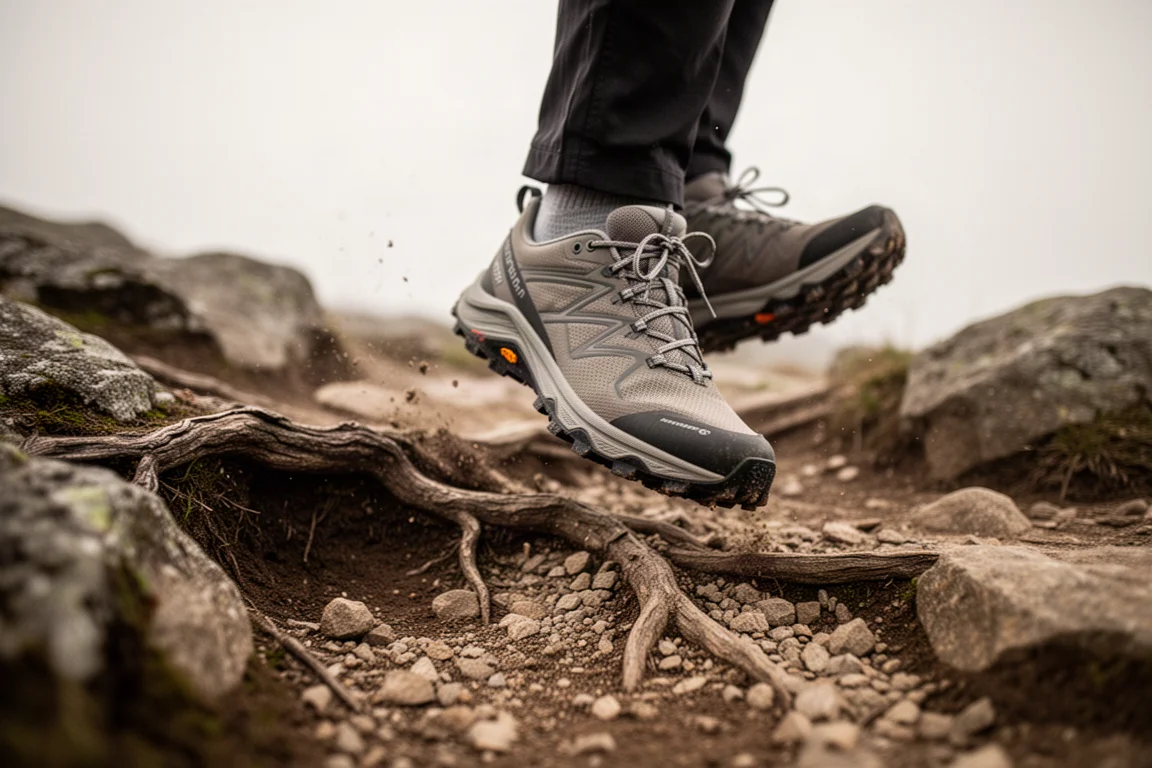
The stack is 29 mm in the heel and 24 mm in the forefoot, for a 5 mm drop. That is not a lot of protection underfoot, but it puts the shoe in the same range as other favorite nimble, quicker trail shoes where you feel low to the ground and in control. In the modern era where even 40 mm trail stacks are not surprising, 29 mm seems low, though the forefoot at 24 mm is edging toward low-stack territory.
There is a rock plate, and it genuinely saved the run on rocky Rocky Mountain trails with rocks and roots popping up under the soil. You can still feel the trail underfoot, but the plate prevented anything sharp from punching through into the forefoot. Given that Cushlon 3.0 has little character of its own, the rock plate is a significant inclusion, and it is good to see Nike keeping it while some trail shoes are dropping them in favor of foam sensation.
Outsole and Grip
The outsole is Vibram Mega Grip rubber with a proprietary Nike-specific lug pattern. The forefoot uses 3.5 mm lugs, which may not be enough depending on terrain and conditions. Anything that requires digging into soft mud or really soft, earthy terrain will outpace the lug depth.
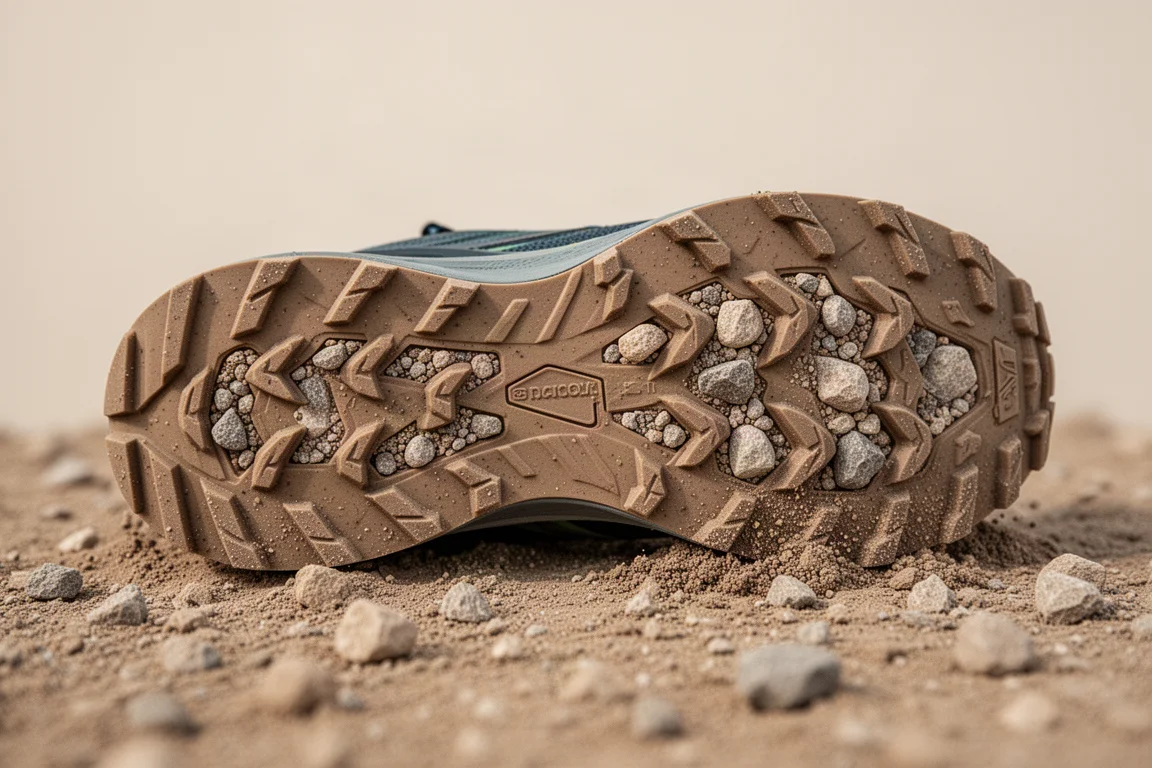
Where it shines is lower-profile conditions: gravel roads and fairly dry singletrack, and even damp trails as long as you do not need to dig in too deep. Mega Grip has a strong reputation in both wet and dry conditions, and testing through an unusually wet June in the Rockies confirmed it performed really well across most of that terrain.
Things to Consider Before Buying
- Underfoot comfort is modest and best suited to runs of roughly zero to a few hours.
- The toe bumper offers minimal protection against rocks on technical climbs.
- The 3.5 mm lugs struggle in deep mud or very soft ground.
- A slightly loose feel was noted in testing; laces needed extra tightening, and a fully gusseted tongue would have helped lock everything down a little more.
Buying Advice
The Terra Kiger 10 is priced at $159.95, right around the $160 mark for a racing shoe. It does not use super modern foams, but for a racing shoe that performs really well, that is not a bad price. If you want a light, nimble, fast, low-profile trail shoe that could double as an everyday trainer, this is a hard shoe to argue with, provided the short-run comfort ceiling and modest toe protection fit your use case.
Conclusion
The Nike Terra Kiger 10 is not a wowing shoe on paper, but the performance aspect is where it earns its keep. It is light, fairly durable, well-fitting across varied terrain, and the addition of Vibram Mega Grip is paramount to the recipe. For runners who live for fast, nimble trail running on moderate to technical ground, it is an easy recommendation.
Product link
View more details for Nike Terra Kiger 10
This product is mentioned in the review. Check the specifications, options, and compatibility before buying.
View more details for Nike Terra Kiger 10Further reading
Related Reviews
Trail Running Shoes
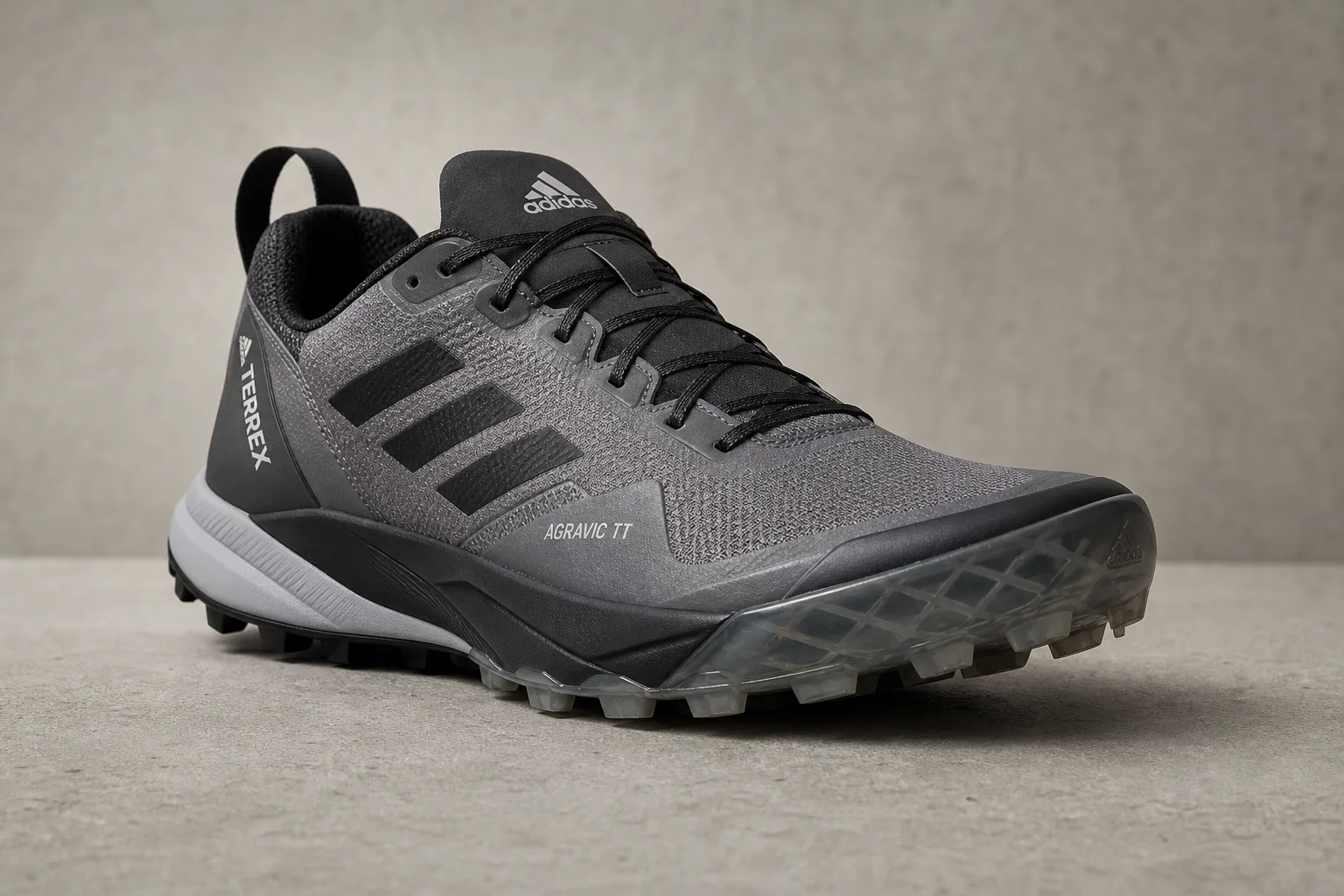
Adidas Terrex Agravic TT Review: A Technical Trail Shoe Built for Rocky Terrain
The Adidas Terrex Agravic TT combines a full-coverage rock plate with a firmer midsole to deliver protection and stability on technical, rocky trails. A capable choice for runners who prioritize underfoot defense over lightweight cushioning.
Trail Running Shoes
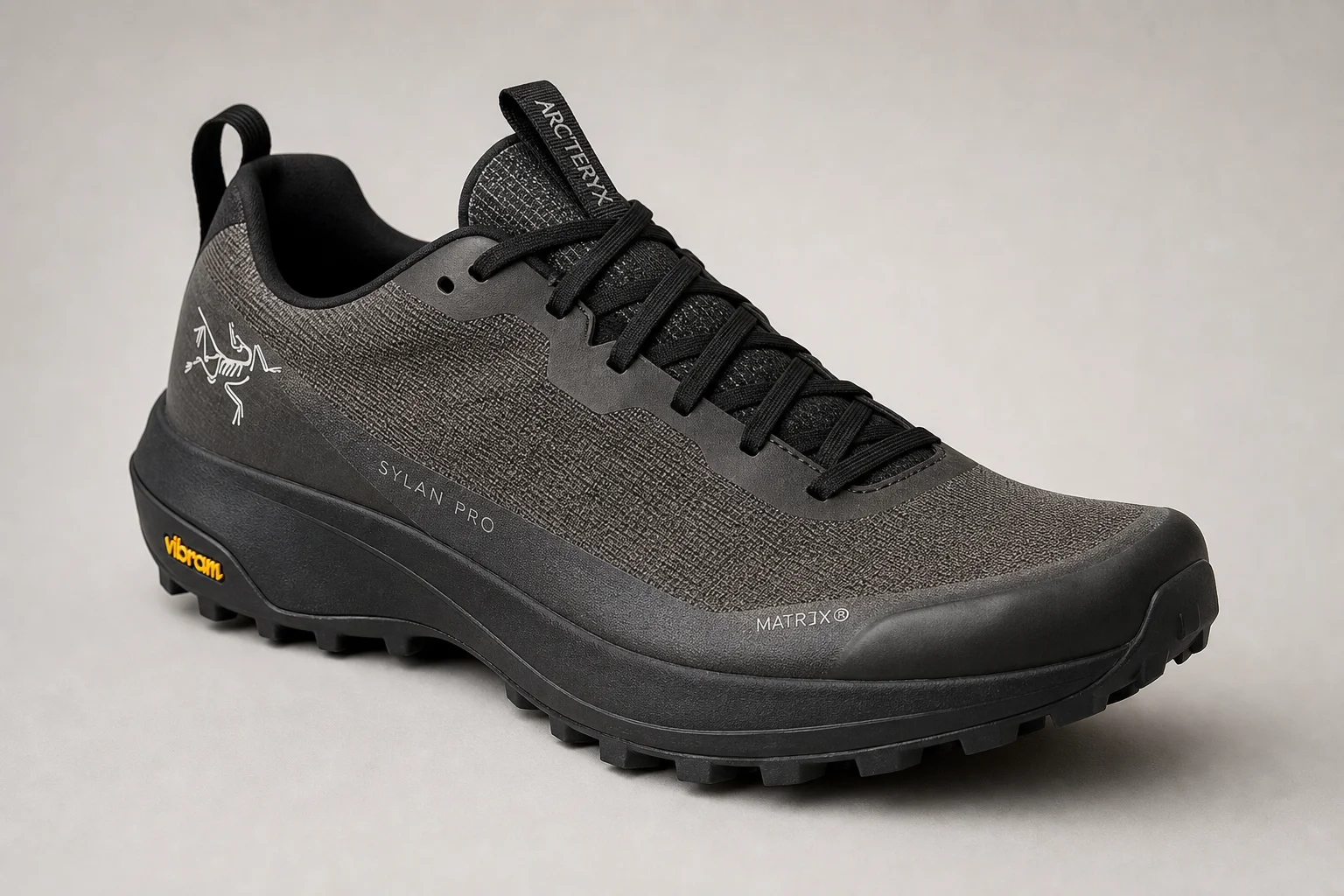
Arc'teryx Sylan Pro Review: A Rocker-Focused Mountain Running Shoe Tested on 20 Miles
The Arc'teryx Sylan Pro brings a pronounced rocker geometry and secure fit to mountain terrain. We tested it on a 20-mile Sawtooth loop to evaluate its climbing efficiency, protection, and handling of technical descents.
Trail Running Shoes
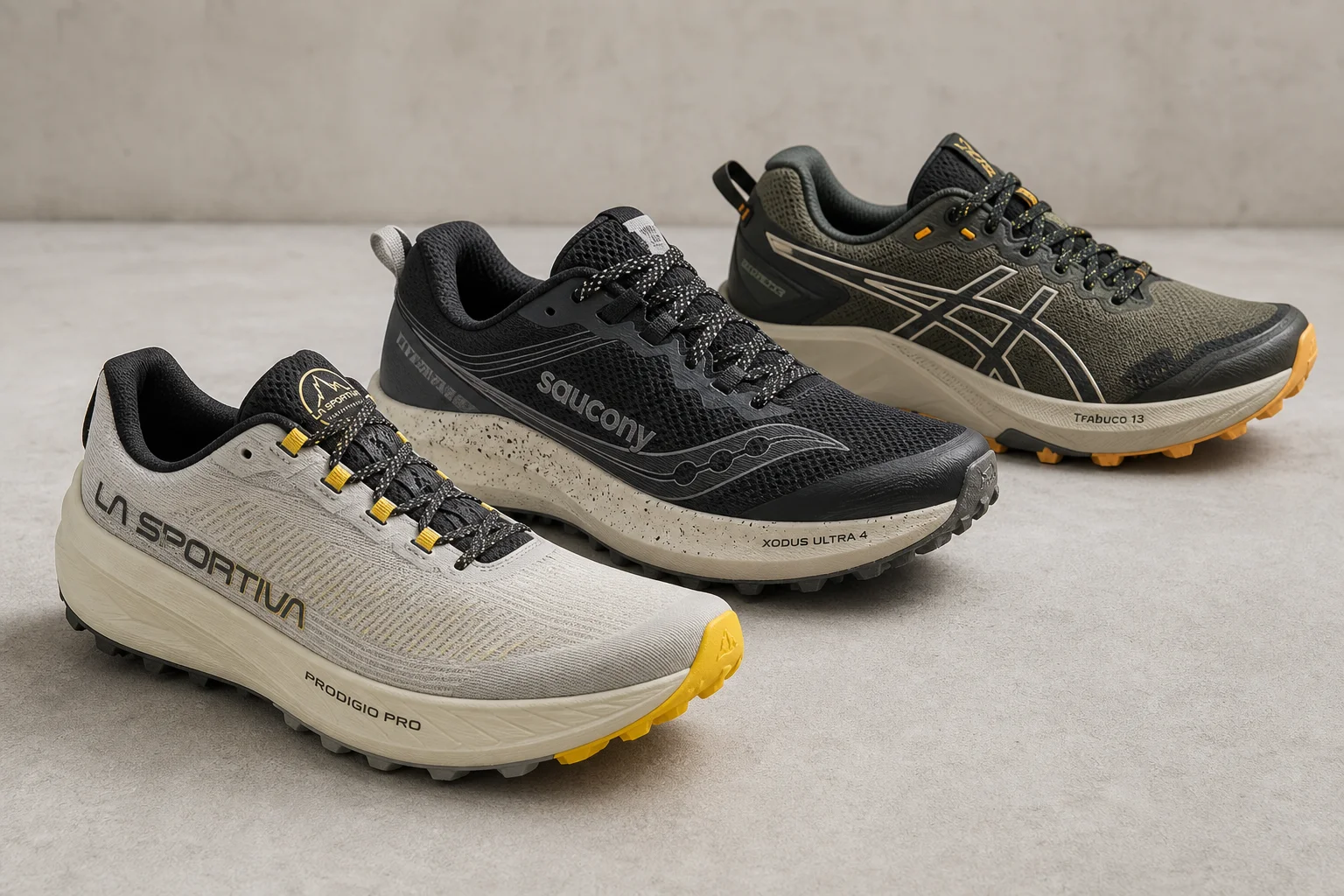
Best All-Mountain Trail Running Shoes: Three Versatile Options for Any Trail
A focused roundup of three all-mountain trail running shoes that handle technical terrain, long distances, and variable conditions with real strengths and practical trade-offs.