Running Shoes
Nike Tempo Next% vs Zoom Fly 4: Which Plated Trainer Deserves a Spot in Your Rotation?
Two plated Nike trainers with very different personalities: one surprisingly fast and explosive, the other a durable all-rounder. Here is how they compare.
Introduction
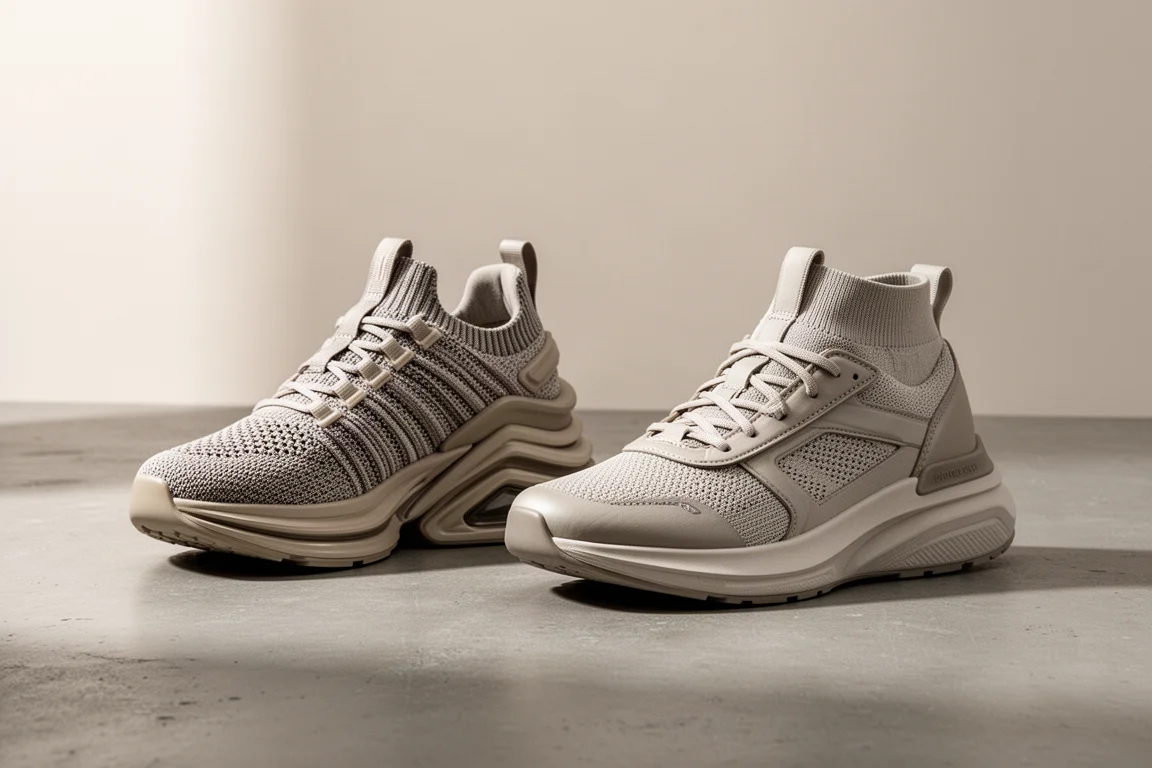
Both of these shoes sit within Nike’s range as plated training shoes, positioned as partners to the top-flight racing shoes like the Vaporfly and the Alphafly. They are meant to be fast in their own right, using some of the tech from those super shoes, while being durable and versatile enough for daily training. In practice, though, they are very different shoes, and one of them delivers on the fast-trainer promise far better than the other.
Key Specs at a Glance
The Tempo Next% is the pricier of the two at £170 in the UK or $200 in the US, while the Zoom Fly 4 costs £145 in the UK or $160 in the US. Neither is a lightweight, but the Tempo is the lighter shoe at 277g in a UK size 9 (9.8oz) versus 289g (10.2oz) for the Zoom Fly. The Zoom Fly has an 8mm drop and the Tempo a 10mm drop. Both fit true to size, though the Tempo feels a touch tighter up top.
Design and Build: Tempo Next%
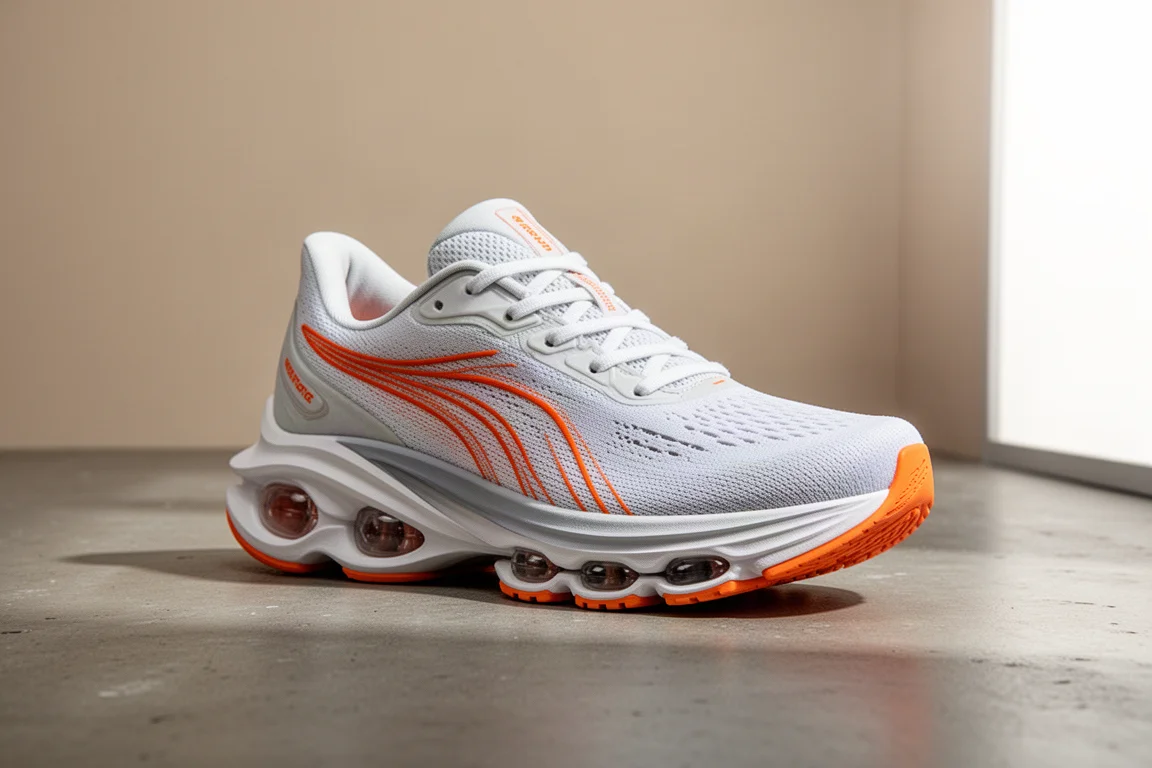
There is a lot going on with the Tempo Next%. The upper is a Flyknit bootie design, fairly rigid mesh that is not overly stretchy but gives a comfortable hold on the run. The midsole uses two foams: React at the heel and ZoomX, the top-class foam found in the Vaporfly and Alphafly, up front. Air Zoom pods sit under the forefoot for a firmer feel and more propulsion at toe-off, and a carbon composite plate runs from the midfoot through the forefoot. It is not a full-length plate, but it covers the key propulsion zone. The outsole rubber is bulked out compared to the Alphafly’s design and uses a slightly different compound for better durability.
Design and Build: Zoom Fly 4
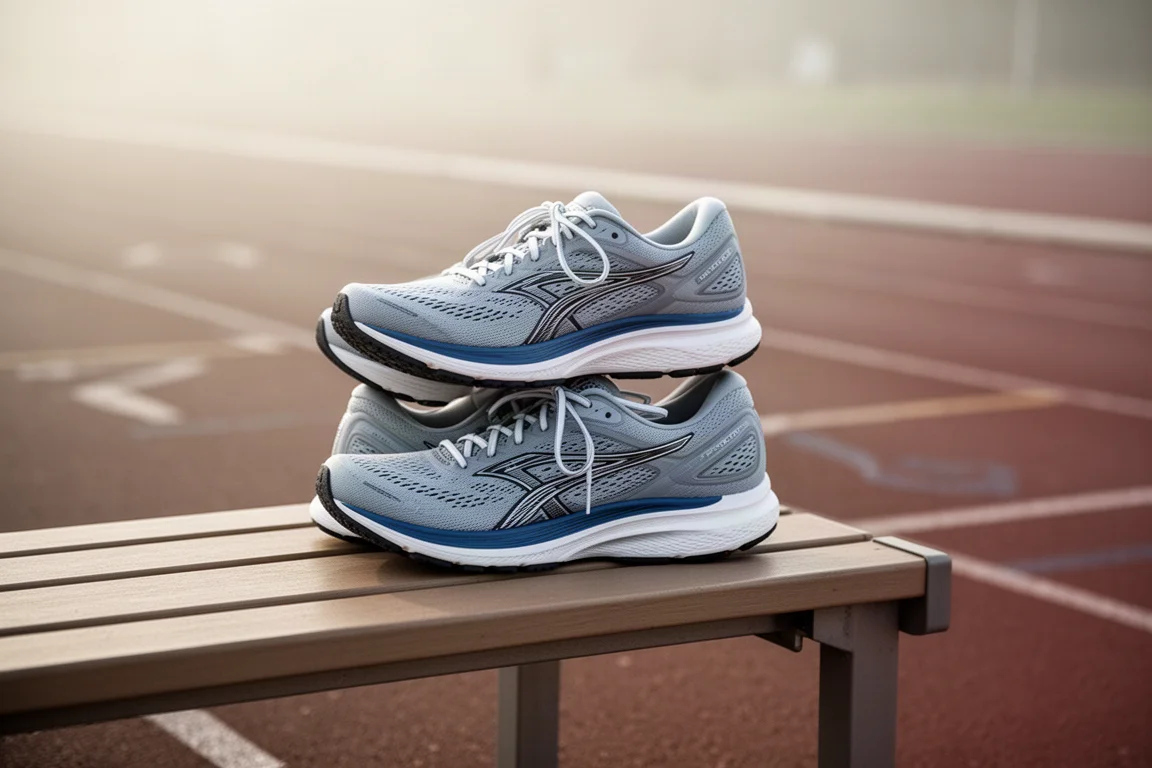
The Zoom Fly 4 keeps things simpler. There is a small bootie around the collar plus an inner upper beneath a breathable mesh layer, with elevated lacing over the bootie that creates a sock-style fit. It locks down the midfoot nicely and is very comfortable, though there is quite a lot going on. Cushioning around the heel collar is more built up than on the Tempo, which just has a strip to protect the Achilles.
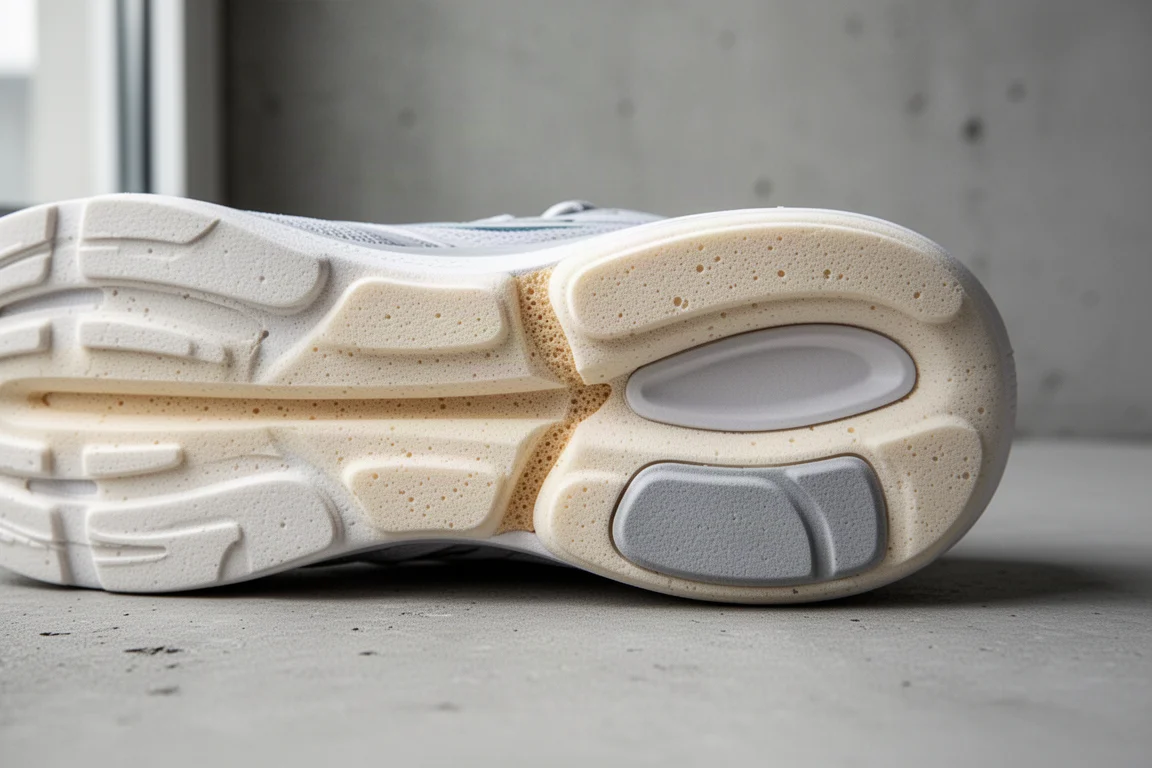
The whole Zoom Fly midsole is React foam, with no ZoomX at all. React is durable and hardy and works very well in easy-day shoes like the Pegasus and Infinity Run, but it is denser and not as poppy as ZoomX. The Zoom Fly does get a full-length carbon plate, which is a clear upgrade over the Tempo’s half-length composite plate. The outsole follows a Vaporfly-style layout with good forefoot coverage, two strips at the back, and some exposed but durable React foam.
Ride and Performance: Tempo Next%
The Tempo Next% blew me away on first use, taken straight out of the box to a track session with 2k reps at 3:20 pace and 400m reps, finishing with a 60-second rep that felt genuinely good. It is a big, awkward-looking shoe with a very high stack, but it can really move. You feel a propulsive, bouncy sensation thanks to the ZoomX foam, with the Air Zoom pods providing firm toe-off. It runs a lot lighter than its weight suggests.

Where it struggles is easy running. The ride is intrusive, with all the different foams and tech affecting your gait, and after a couple of runs I noticed tighter hamstrings than usual. It was quickly retired from easy long run duty. At pace, though, it is excellent, with more of a super shoe feel than its size would suggest.
Ride and Performance: Zoom Fly 4
The Zoom Fly 4 is the opposite: it runs heavier than its weight, with a more normal, stable and natural ride. There is no change of foam density underfoot like on the Tempo, so the transition feels slightly more natural, but it is not fast or poppy. Taken straight out of the box to a session of 3k reps around half marathon pace with hill reps in between, it felt big and lethargic, bottom-heavy, with poor pickup and hard to find a rhythm at pace.
On easy and long runs it fares better. Easy runs are still not great, with a firm-feeling React midsole and a plate underfoot, but on a long, relaxed run it finally clicked and I got into a nice rhythm. It could work as a solid long-distance racer for those who do not want to spend big on a Vaporfly or Alphafly, and as a general daily trainer it will last a long time.
Which One Should You Buy?
Neither shoe fully nails the fast trainer category, and competition from the Saucony Endorphin Speed and New Balance FuelCell TC is strong. But between these two, the Tempo Next% is certainly the faster shoe, bringing more of a super shoe feel to training with its more impressive ZoomX foam and explosive, bouncy ride. If you are building a Nike rotation with a Vaporfly or Alphafly, the Tempo is the better partner.
The Zoom Fly makes sense if you want more versatility and just one shoe in your rotation. It will not be the best at fast training, but it is not terrible either, and you can log a lot of different training in it, especially long runs. If you have more than one pair, though, the Tempo paired with a Vaporfly or Alphafly plus a natural-feeling cushioned shoe for easy and base miles is the smarter setup.

Conclusion
The Tempo Next% is a fun, fast, interesting shoe with a slightly unnatural ride that will not work for everyone, but it delivers more on the promise of bringing super shoe tech to daily training. The Zoom Fly 4 feels more like a pretty standard shoe where the plate does not make a huge difference. For a Nike fast trainer, the Tempo Next% is the clear recommendation.
Further reading
Related Reviews

Running Shoes
Best Road-to-Trail Running Shoes: Three Versatile Options for Mixed Terrain
A practical guide to three road-to-trail running shoes that handle both pavement and mild trails, with clear strengths and trade-offs for different runner types.

Running Shoes
Best Running Shoes for Achilles Tendonitis: Three Options Explained
Three running shoes with different heel drops and support features designed to help reduce Achilles tendon pain during walking and running.

Running Shoes
Best Running Shoes for Women: Five Top Choices Ranked
A ranked guide to five women's running shoes, from versatile daily trainers to high-performance racing options, with real strengths and trade-offs for each.