Running Shoes
Nike Vaporfly 4 vs Vaporfly 3: Two Very Different Racing Shoes, Plus the Alphafly 3 and Streakfly 2
The Vaporfly 4 is not just an update to the Vaporfly 3. We compare fit, ride, weight, and distance sweet spots, and map out where the Alphafly 3 and Streakfly 2 fit in Nike's racing lineup.
Introduction
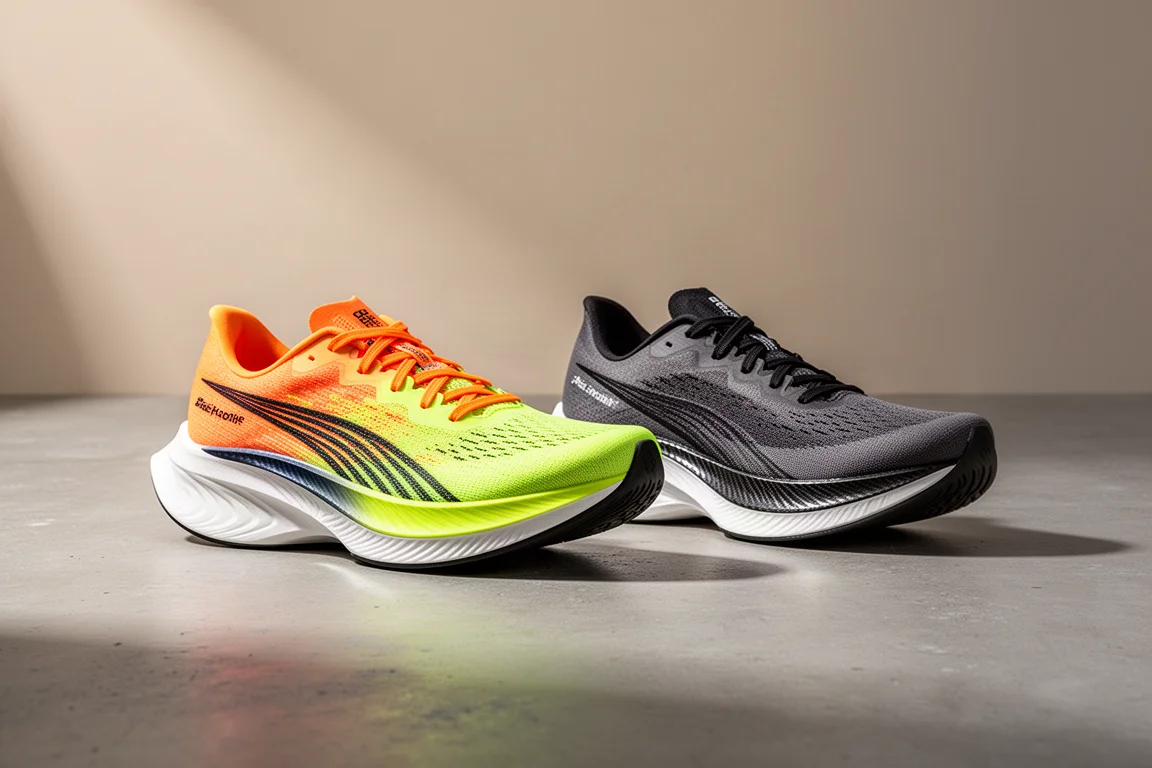
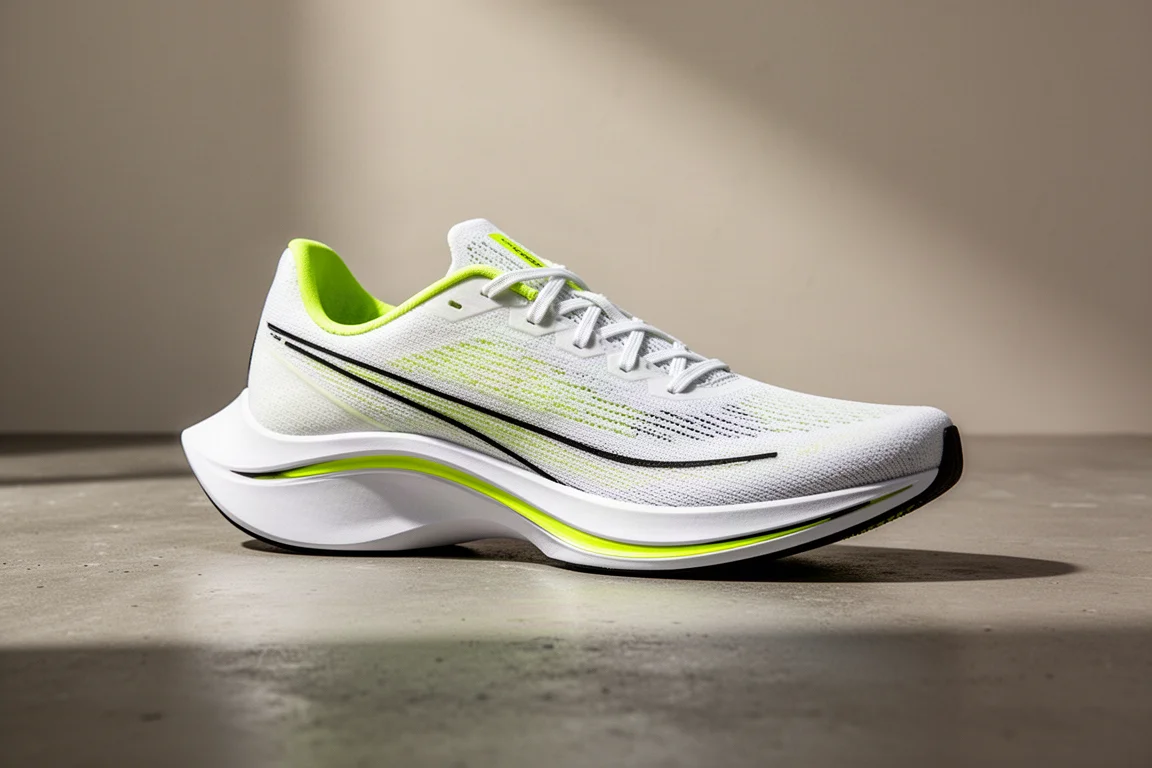
The Vaporfly is the world’s most famous super racing shoe, and the one runners most often spot at races. But the newest version creates a genuine dilemma: the Vaporfly 4 and Vaporfly 3 share a name and some basic materials, and almost nothing else. They are completely different shoes.
If you loved version 3, version 4 may not be for you. If version 3 never quite worked, version 4 might. And with the Alphafly 3 and Streakfly 2 rounding out the lineup, Nike now covers nearly every race distance with a distinct tool for each. Here is how they all compare.
Specs: Same Name, Different Shoes
Measured in a men’s size 10, the weight gap is the headline. The Vaporfly 3 comes in at 202 g (7.1 oz), which is already respectable. The Vaporfly 4 drops to 180 g (6.4 oz), making it one of the lightest mainstream super racing shoes on the market.
Stack heights are close but not identical: the Vaporfly 3 sits at 38 mm in the heel and 30 mm in the forefoot, while the Vaporfly 4 is 36 mm in the heel over 30 mm in the forefoot for a 6 mm drop. On paper that sounds similar. Underfoot, they are not.
Ride Feel: Soft and Bouncy vs Firm and Snappy
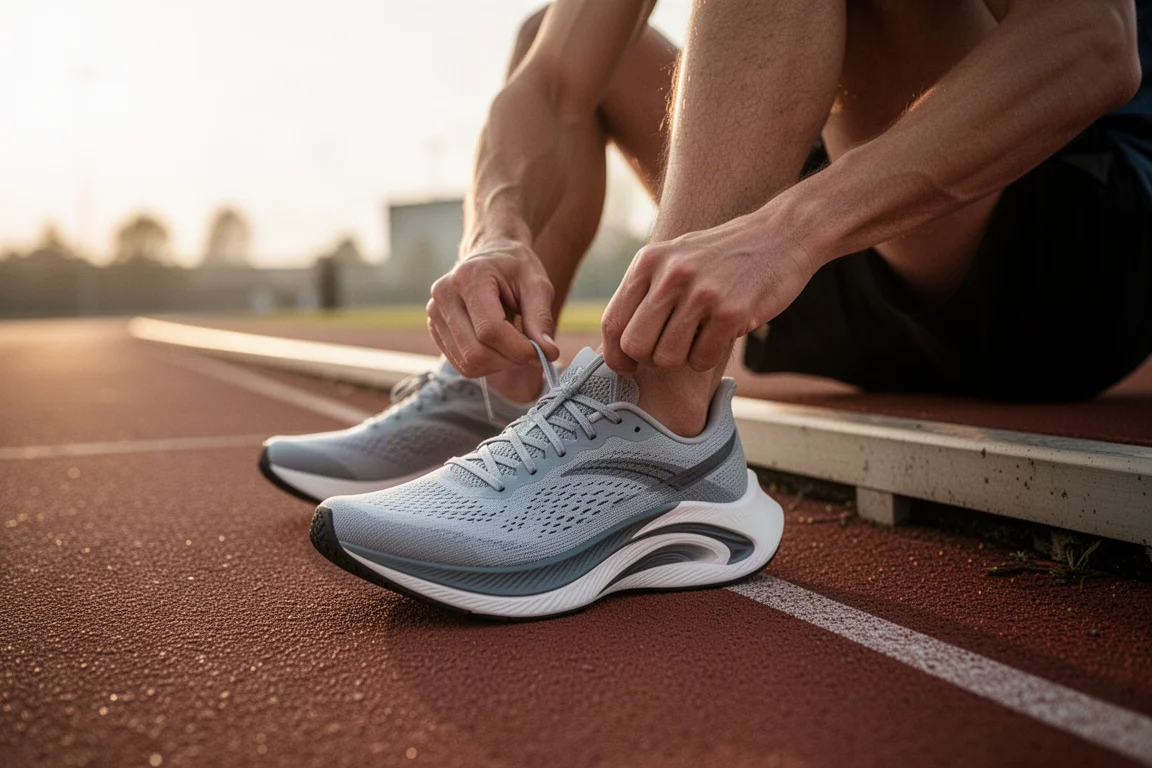
The Vaporfly 3 is soft, soft, unstable-feeling from heel to forefoot. Its ZoomX foam is exactly what you’d expect: soft, bouncy, light, and generous underfoot. For runners with neutral mechanics, it is a great shoe and very light for how much cushion it carries. The transition is easier and slightly more flexible, even with the carbon plate limiting true flex.
The Vaporfly 4 is much firmer. It is not a barebones minimalist shoe, but the ZoomX feels snappier and the ride is closer to a traditional racing shoe in a maximal stack height, just extremely light. The firmer foam also brings increased stiffness, and the platform feels more aggressive. It turns over superbly, though it was harder to turn over at truly maximal speeds than expected.
The practical translation: if you like soft and bouncy, the Vaporfly 3 wins. If you want firmer, snappier, more aggressive, and lighter, the Vaporfly 4 is the better shoe. The difference really is that large.
Fit: High Volume vs Low Volume
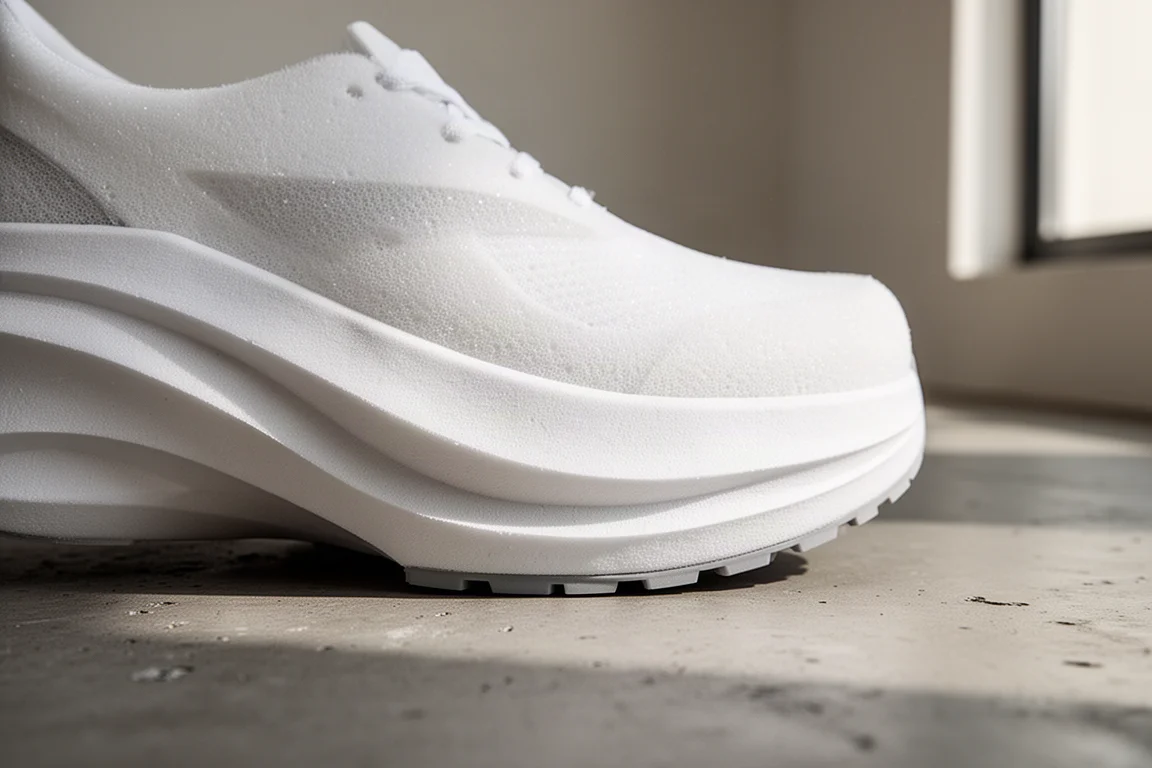
The Vaporfly 3 fits surprisingly wide, with a lot of volume. That is great for runners sensitive to narrow fits, but runners with narrower feet may feel like they are slouching around inside the shoe and need to really lock the laces down. The heel is well padded and protects sensitive heels from the stiff counter, and heel lockdown was solid.
The Vaporfly 4 fixes the width but goes the other way: the volume is much lower while still keeping a rounded toe box with some toe room. It sits low in the forefoot, and the toe guard, while flexible, can push on sensitive toes. Runners between sizes should seriously consider going a half size up; one tester had to reorder a half size larger for that reason. There was also some heel slippage, solvable with a lace lock. The tongue has more padding than the Vaporfly 3’s thinner tongue, so you can tighten down without irritating the top of the foot.
In short: the Vaporfly 3 suits higher-volume, wider feet. The Vaporfly 4’s snug, low-volume fit likely works better for normal to narrower feet.
Which Distances Each Shoe Fits
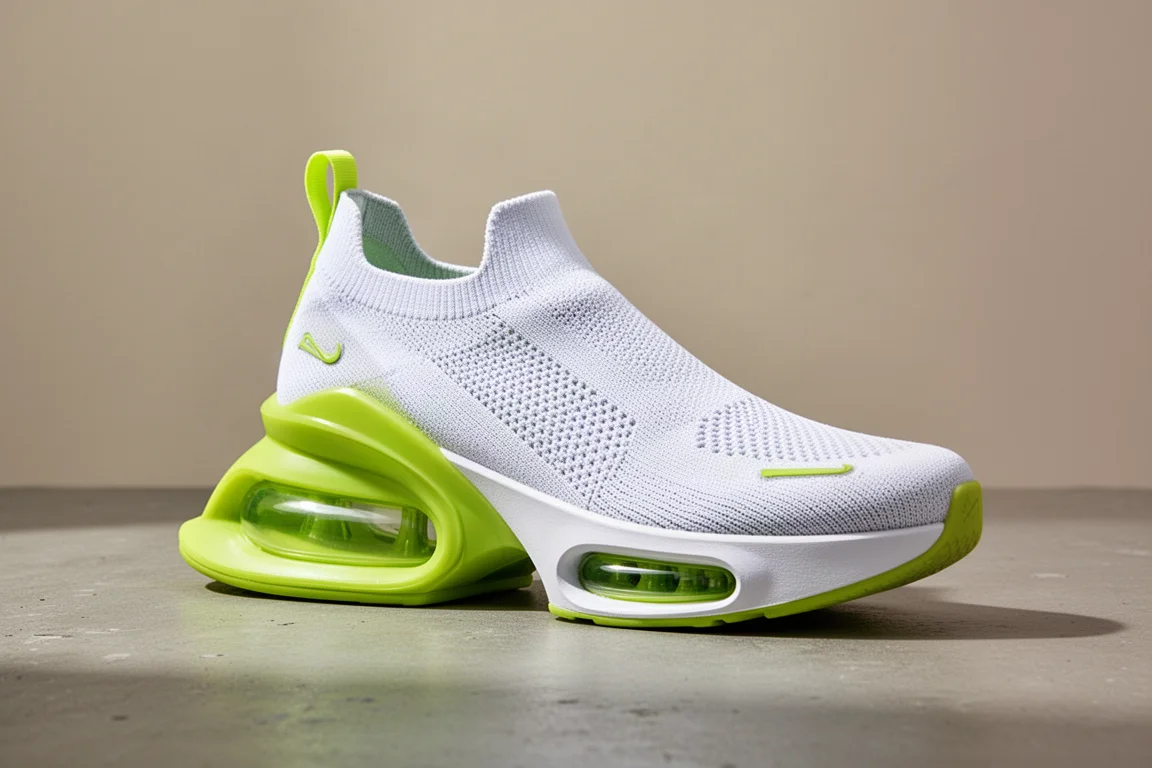
The lineup now splits the distance spectrum cleanly. The Streakfly 2 is the mile to 5K shoe, maybe stretching to 10K. The Vaporfly 4, with its firmer, snappier, lighter ride, is much more of a 5K to half marathon shoe. The Alphafly 3 takes over from the half marathon to the marathon.

The Vaporfly 3, despite the softness that pushed one tester to cap runs at around seven or eight miles even after 70 miles of use, has clearly carried plenty of neutral-gait runners through the marathon. But if the firmer Vaporfly 4 leaves you fatigued over long distances, the Alphafly 3 is now the more natural long-race pick.
Stability and Fit Boundaries
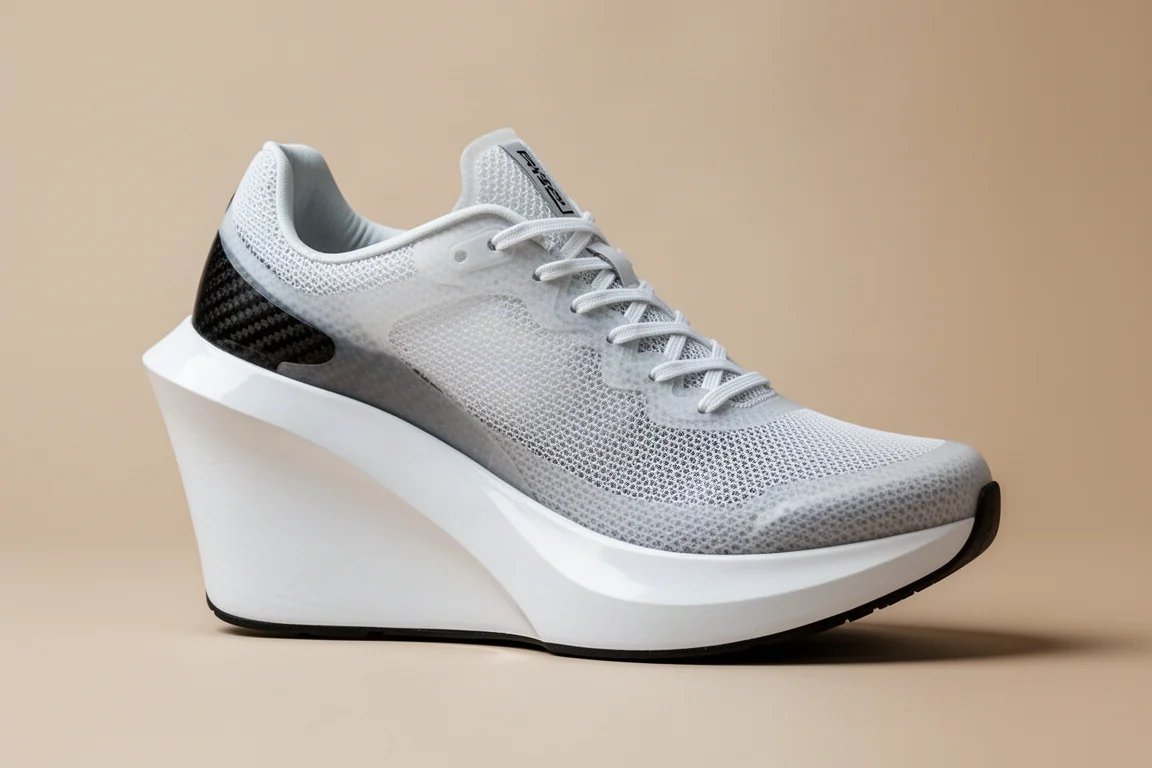
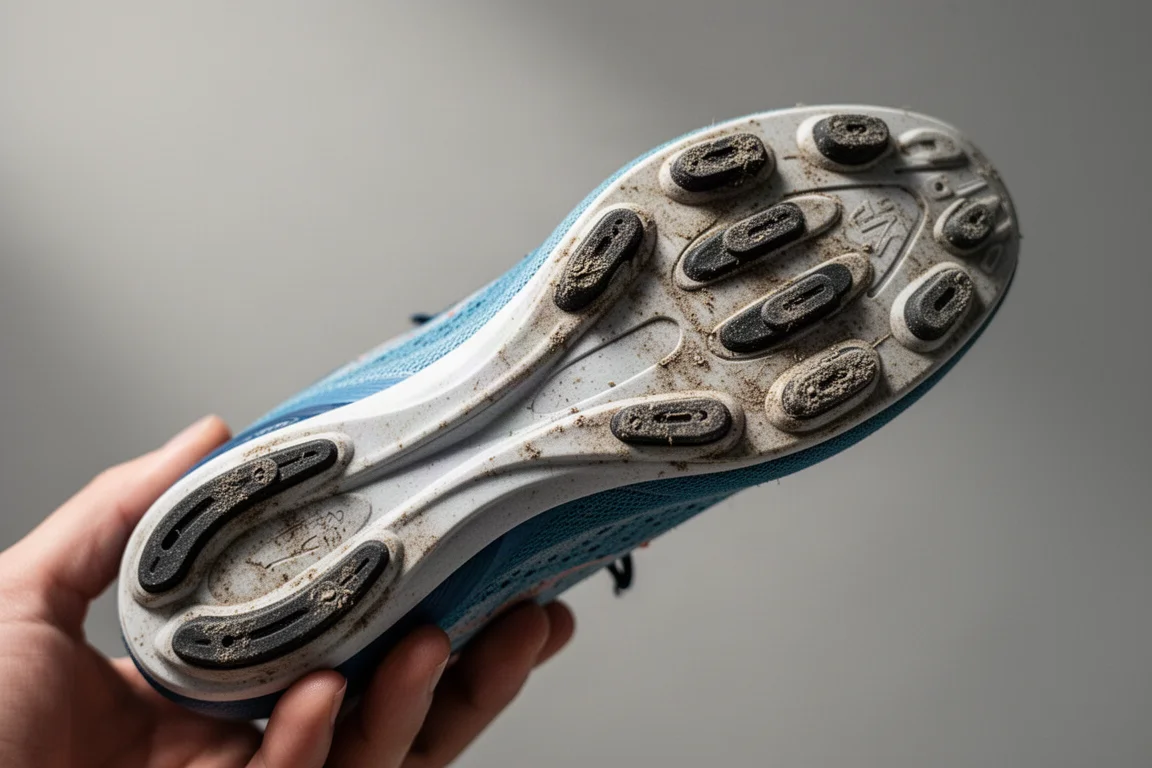
Neither shoe is a stability shoe. A glance at the outsole tells you that immediately, and both have no sidewalls and no stability mechanisms, with an incredibly narrow midfoot.
Still, the Vaporfly 4 works better for runners who were wobbly in the Vaporfly 3. The older shoe combines a very soft midsole with a taller heel, making it inherently less stable, and its slightly curved last can push some runners medially. The Vaporfly 4 centers the platform better, giving a more balanced groove with less bias in one direction. It is still not stable, and runners with excessive motion will roll off either shoe. But the Vaporfly 4 is centered enough that a long run of 12 miles was manageable where the Vaporfly 3 was not, at least for one tester with sensitive mechanics.
Outsole Grip and Durability
The Vaporfly 3 showed surprising versatility. Its outsole lugs held onto loose surfaces well enough for some cross country use, though it is certainly not an advanced trail shoe. The rubber pieces held up impressively: 70 miles with none peeling off.
The Vaporfly 4 is less aggressive on the outsole. It grips the road fine, but softer surfaces are not its territory; the large groove can catch rocks, and it is simply not a cross country option. Early wear also showed up sooner than on the Vaporfly 3, suggesting the newer shoe is best kept to smooth, firm, man-made surfaces.
Overall Buying Advice
If the Vaporfly 4 is your target, two fit notes matter most. First, the low-volume forefoot means runners between sizes should try a half size up, especially anyone with sensitive toes or marathon ambitions. Second, plan on a lace lock if your heel slips. And if you race on grass or cross country courses, the Vaporfly 3 is the more versatile pick despite its softness.
Think of the lineup as a distance map rather than a ranking: Streakfly 2 for mile to 5K, Vaporfly 4 for 5K to half marathon, Alphafly 3 for half marathon to marathon, and Vaporfly 3 as the softer, roomier all-rounder for neutral runners who like bounce.
Conclusion
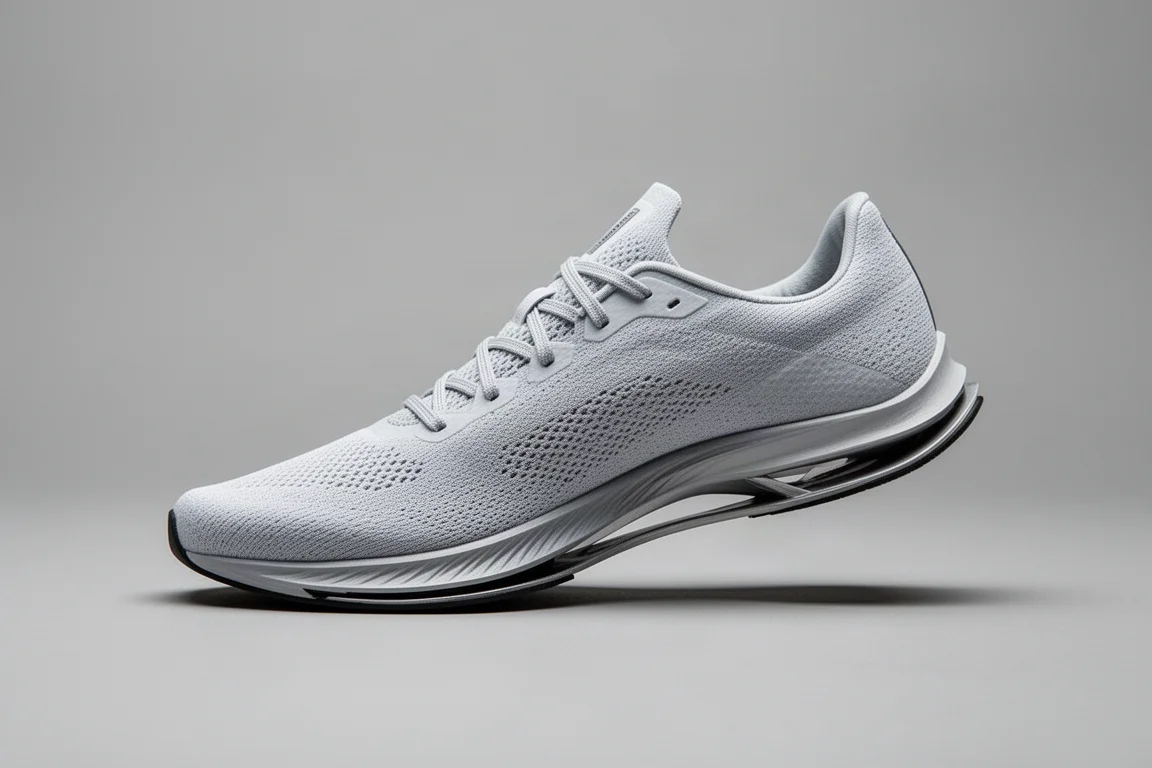
These are two completely different shoes that happen to share a name. The Vaporfly 3 is softer, bouncier, slightly taller, and fits wider, with the versatility to handle longer distances for neutral runners. The Vaporfly 4 is far lighter, faster turning, firmer, and snugger, echoing the super-light racing shoes of the past. Neither is universally better. The right choice depends entirely on your foot shape, preferred ride feel, and race distance, and knowing how different they are is the key to spending your money well.
Further reading
Related Reviews

Running Shoes
Best Road-to-Trail Running Shoes: Three Versatile Options for Mixed Terrain
A practical guide to three road-to-trail running shoes that handle both pavement and mild trails, with clear strengths and trade-offs for different runner types.

Running Shoes
Best Running Shoes for Achilles Tendonitis: Three Options Explained
Three running shoes with different heel drops and support features designed to help reduce Achilles tendon pain during walking and running.

Running Shoes
Best Running Shoes for Women: Five Top Choices Ranked
A ranked guide to five women's running shoes, from versatile daily trainers to high-performance racing options, with real strengths and trade-offs for each.