Running Shoes
Nike Structure Plus vs Structure 26: Which Stability Shoe Makes More Sense?
Nike's classic stability trainer returns in two flavors. We compare the ZoomX-equipped Structure Plus against the more affordable Structure 26.
Introduction
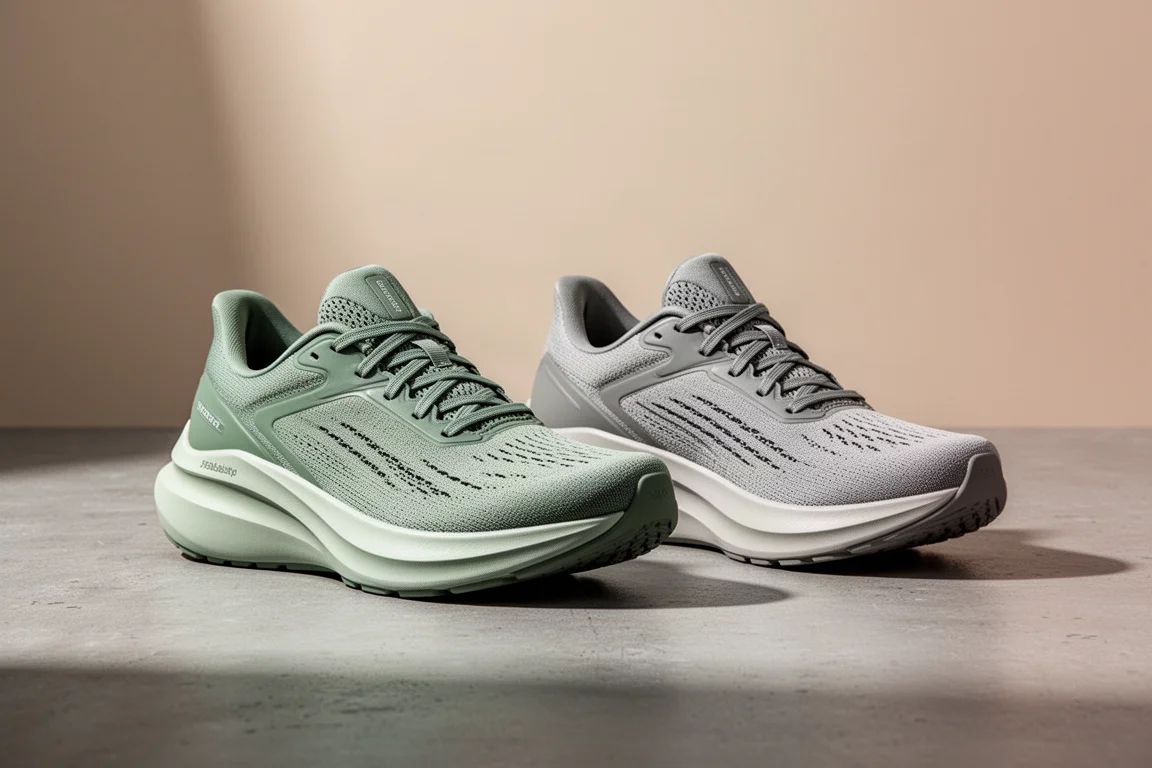
The Structure is Nike’s long-running stability shoe, and after a few years off the lineup it is back in a big way with two versions: the standard Structure 26 and the new Structure Plus. Both borrow design cues from the Air Max 90, and both lean into the modern interpretation of stability, which is less about a hard medial post and more about wider platforms, raised sidewalls, and guidance rather than correction.
The big question between them is simple: the Structure Plus adds ZoomX foam to the mix and costs $170, while the Structure 26 sticks with ReactX and comes in at $145. Is the plus worth the difference? For many runners, the answer is not obvious.
Upper and Fit
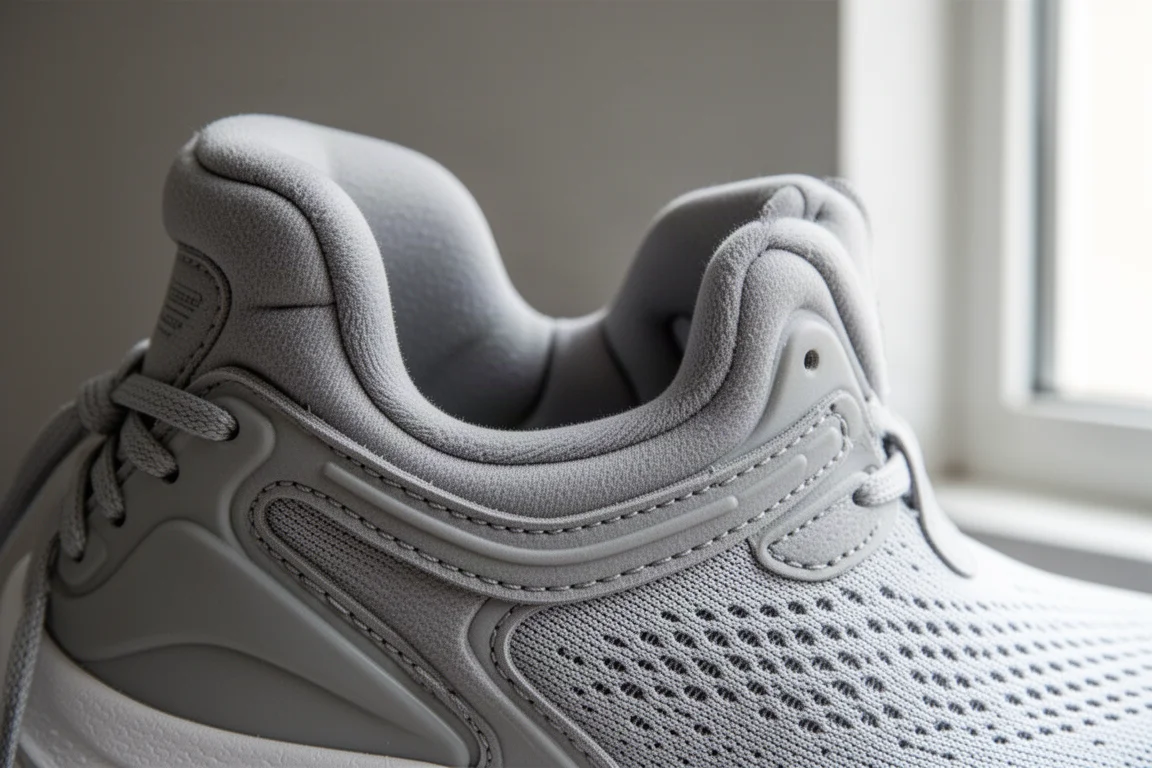
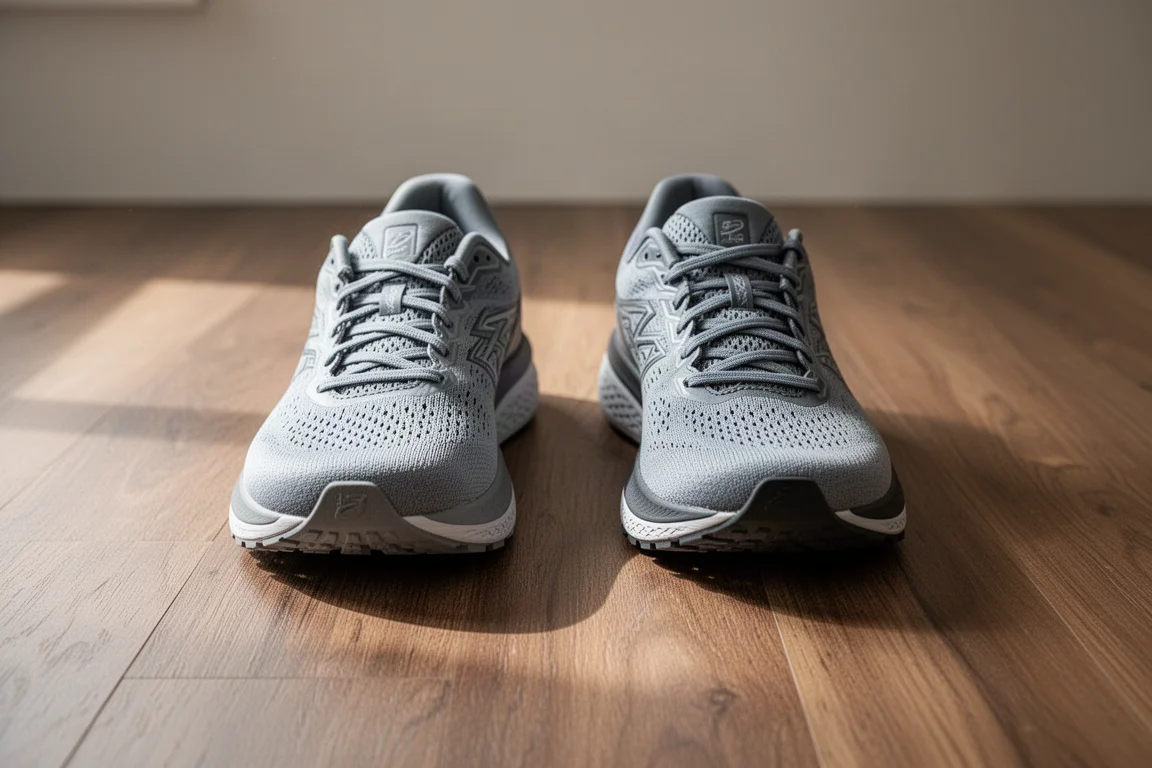
Both shoes follow the classic stability formula of a comfort-first upper: padded tongues, generous heel collars, and substantial heel counters. Nothing is stripped away for weight, and that shows. The Structure Plus weighs 11.3 oz (320 g) in a men’s US 10.5, with the Structure 26 only about 0.1 oz lighter. These are not lightweight tempo shoes, and they are not trying to be.
The lacing system is well executed, the tongue is thick though not gusseted, and testers reported no hot spots and a comfortable step-in feel. One pleasant surprise is breathability: despite the plush padding, air moves through the upper noticeably, which should make these more comfortable in warmer months than most max-cushion stability shoes.
Midsole and Ride
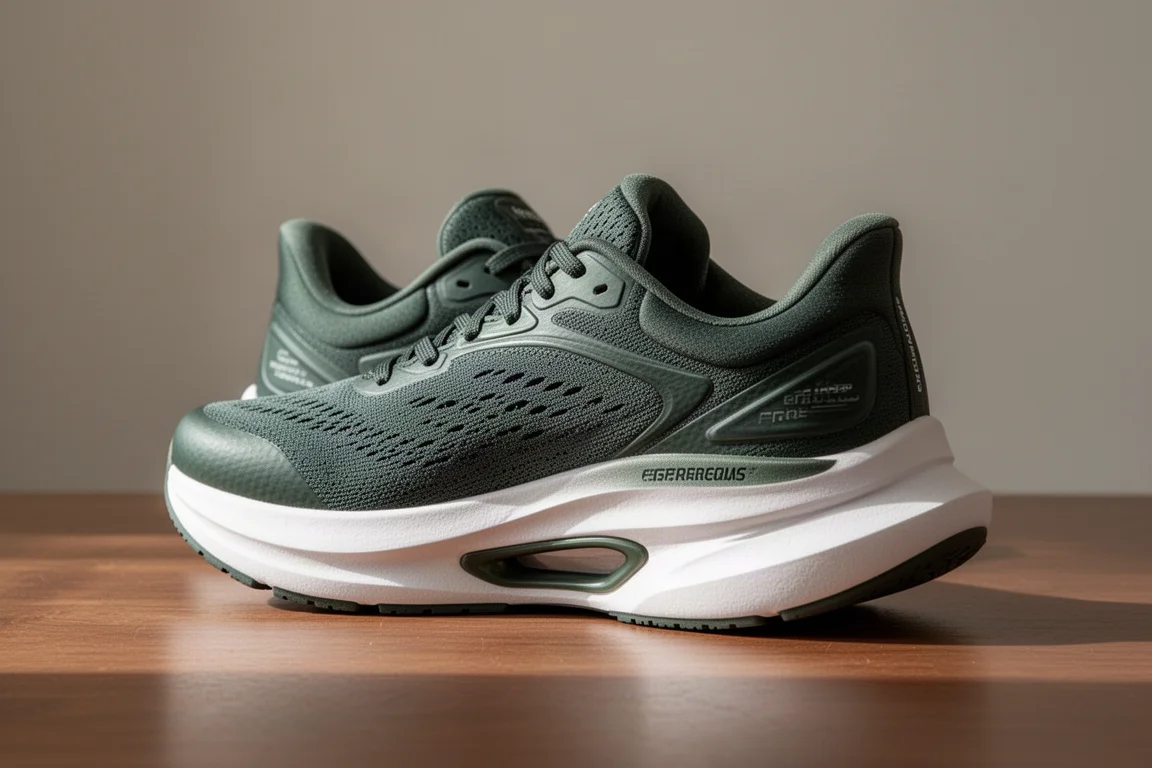
Here is where the two shoes diverge. The Structure Plus pairs a ZoomX foam insert with a ReactX carrier frame, a first for the Structure line. The ZoomX is not the race-day version found in the Vaporfly or Alphafly, but it is a softer, bouncier feel than the standard stability shoe usually offers. Stack height is high at 42 mm in the heel and 32 mm in the forefoot.
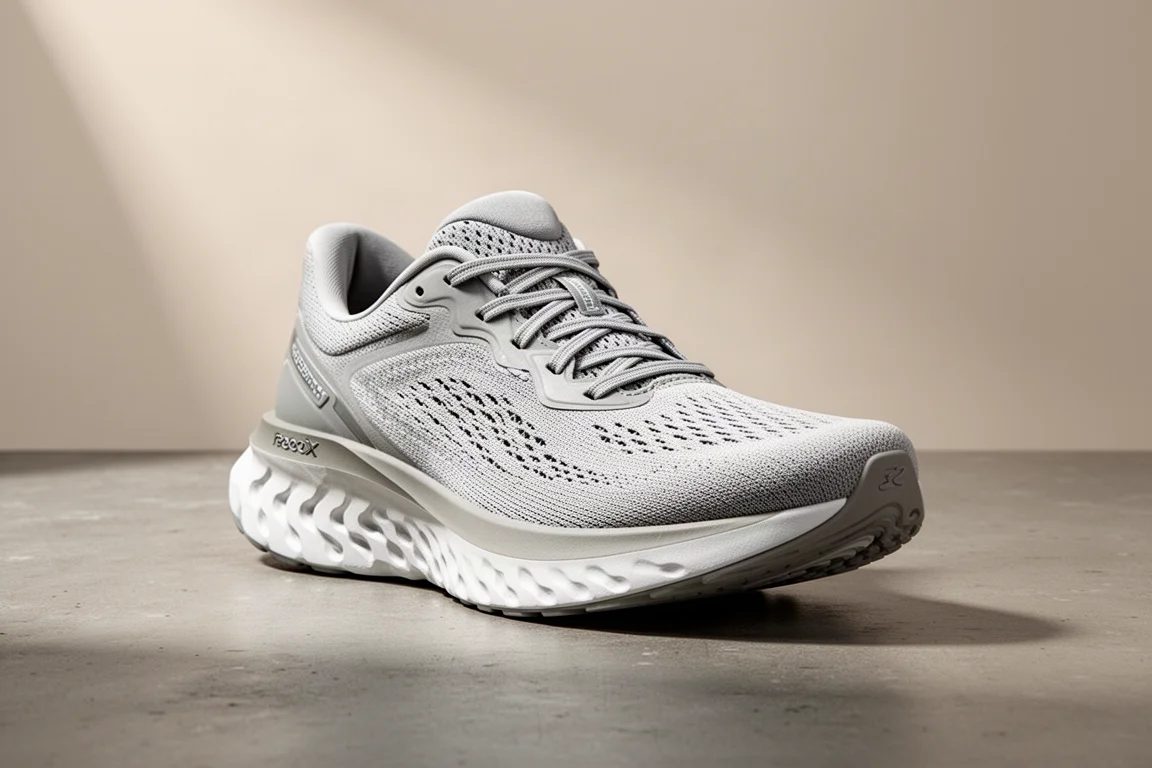
The Structure 26 runs on ReactX alone, and on the run it delivers a firmer, more flexible ride with better ground feel at toe-off. Testers consistently preferred its forefoot experience, describing the Plus as somewhat blocky, especially as miles accumulated. The Plus uses a firm J-Frame-style piece under the arch for side-to-side control, which adds to that stable but less dynamic feel.
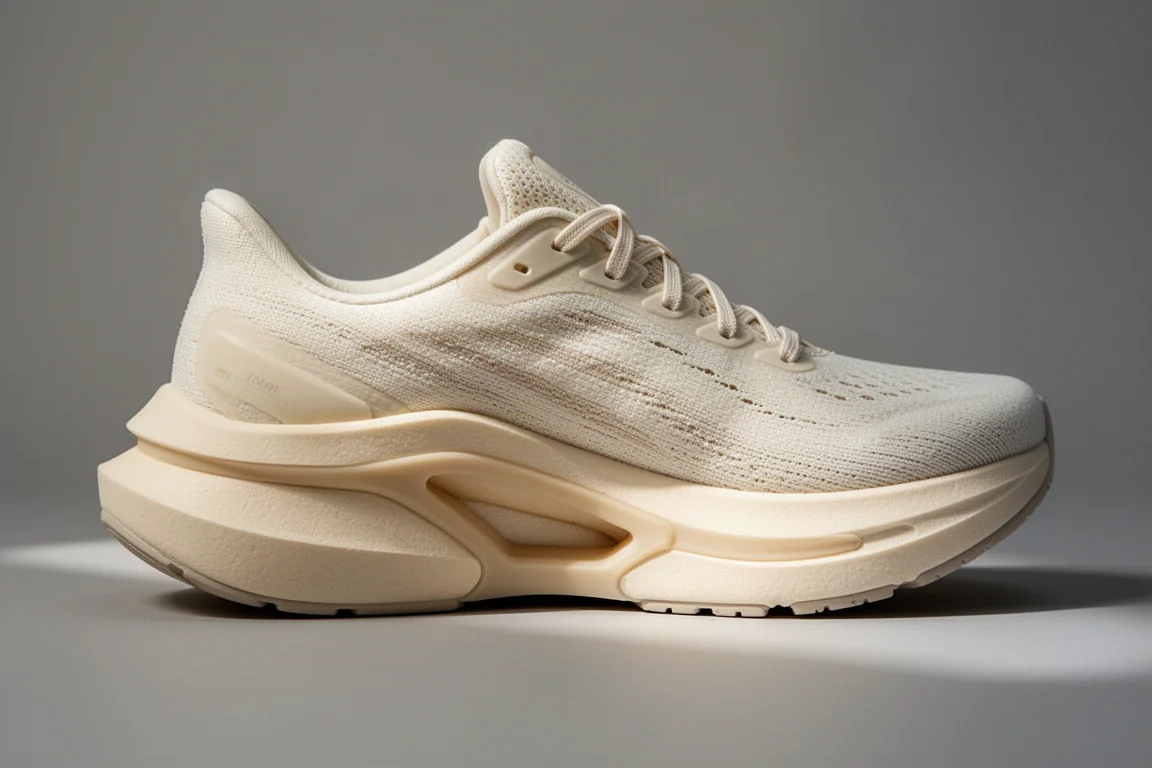
On the stability question, both succeed. For such a high stack, and with ZoomX in the Plus, neither shoe feels wobbly. If you want a softer ride with a touch of stability, the Plus delivers that; if you prefer a firmer, more runner-like feel, the Structure 26 is the better pick.
Everyday Comfort and Lifestyle Appeal
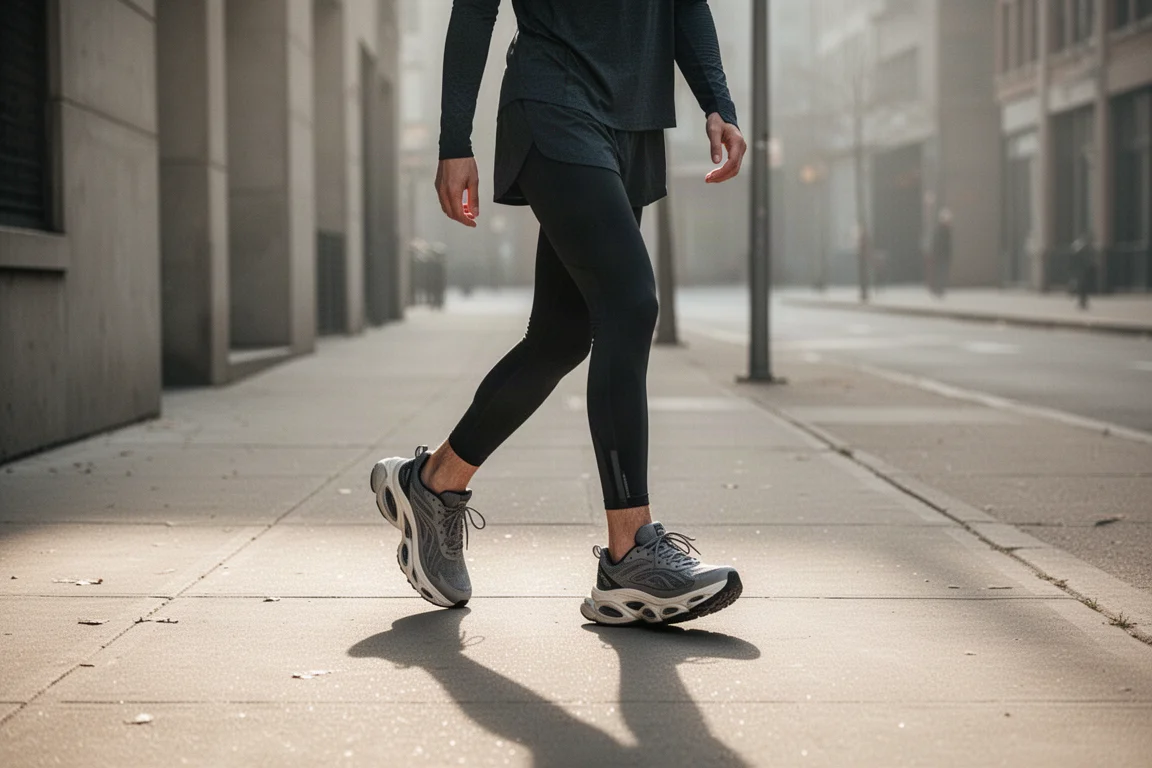
Where the Structure Plus genuinely shines is off the run. With its max cushion feel, plush upper, and streetwear-inspired Air Max 90 design language, it works well as an all-day walking and comfort shoe. Testers noted they would happily wear it casually even if they would not reach for it on a run.
The colorway situation is worth mentioning: the launch color is a bold green that divides opinion, but several more restrained options are available online. Colorways should not factor heavily into the decision either way.
Buying Advice
At $145, the Structure 26 does much of what the Plus does for $25 less, which makes it the value pick for most runners. The Plus makes sense if you specifically want a softer, max-cushion stability shoe and do not mind the weight, or if you mainly want a supremely comfortable everyday shoe with a stability undertone.
The trade-offs to keep in mind: both shoes are heavy and slightly blocky over longer distances, so they suit shorter runs, recovery days, walking, and daily wear more than long efforts. If your stability needs are mild and you want a firmer ride, the standard Structure 26 is the safer spend.
Conclusion
Nike’s return to the stability category is a competent one. The Structure 26 is the better running shoe for the money, while the Structure Plus trades a livelier ride for extra softness and all-day comfort. Neither is a bad shoe, but at these prices the more affordable version is hard to argue against unless softness is your priority.
Further reading
Related Reviews

Running Shoes
Best Road-to-Trail Running Shoes: Three Versatile Options for Mixed Terrain
A practical guide to three road-to-trail running shoes that handle both pavement and mild trails, with clear strengths and trade-offs for different runner types.

Running Shoes
Best Running Shoes for Achilles Tendonitis: Three Options Explained
Three running shoes with different heel drops and support features designed to help reduce Achilles tendon pain during walking and running.

Running Shoes
Best Running Shoes for Women: Five Top Choices Ranked
A ranked guide to five women's running shoes, from versatile daily trainers to high-performance racing options, with real strengths and trade-offs for each.