Running Shoes
Nike Structure Plus Review: Nike's Most Cushioned Stability Shoe Yet
A close look at the Nike Structure Plus, a high-stack stability daily trainer with ZoomX and ReactX foams, plus how it compares with the Vomero Plus, Hoka Arahi 8, Puma ForeverRun Nitro 2, Saucony Tempus, Asics Gel-Kayano 31 and Saucony Hurricane 25.
Introduction
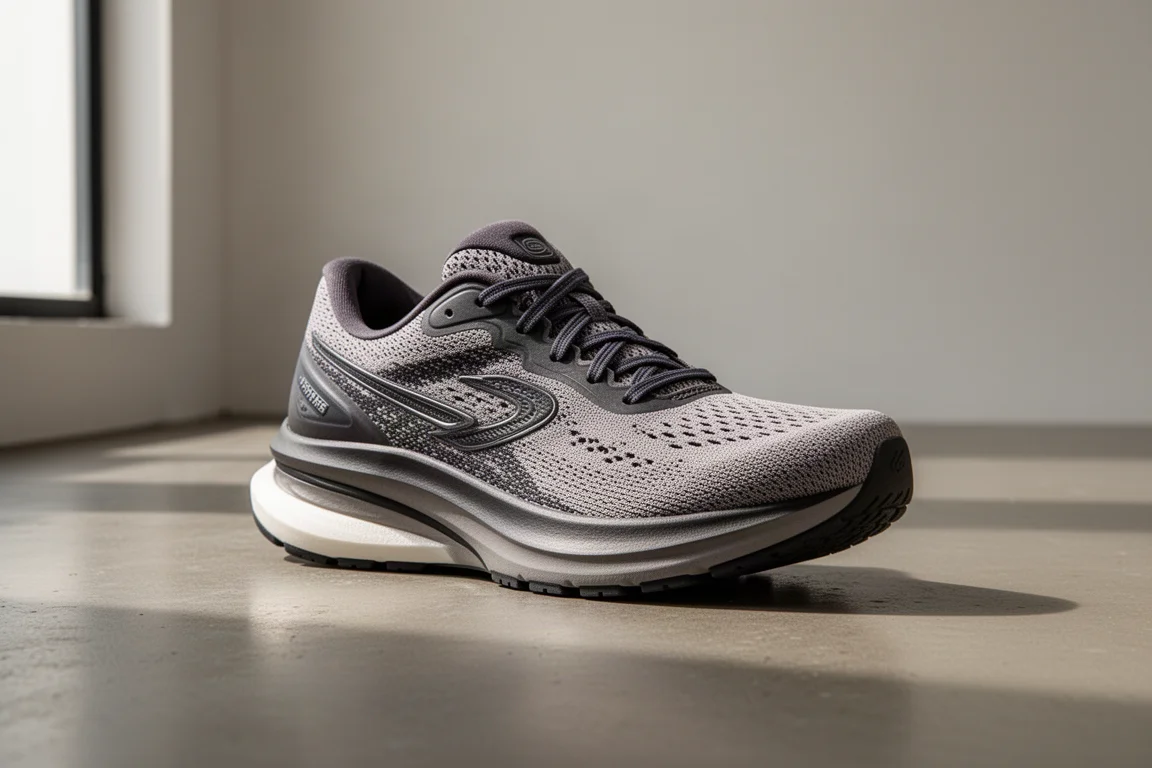
Nike has spent the past year or so condensing its running lineup into three clear families: the Pegasus line of responsive daily trainers, the Vomero line of very cushioned shoes, and now the Structure line for stability. Each line comes in a standard version, a Plus version and a premium version. The Structure Plus sits in the middle of the stability family, with slightly better foams and materials than the Structure 25, built to be more cushioned and bouncy while still delivering the support a stability shoe needs.
We put 60 km of daily training, long runs and easy-to-steady progression runs into the shoe. Here is how it shapes up, and where it fits against the other stability and cushioned trainers you are likely to be comparing it with.
What the Nike Structure Plus Is
The Structure Plus is the highest-stack stability shoe Nike has ever made. It weighs 311 g in a UK size 9 (US size 10), has a 10 mm heel-to-toe drop and a stack height of 42 mm at the heel and 32 mm at the forefoot. Pricing is £155 in the UK and $170 in the US.
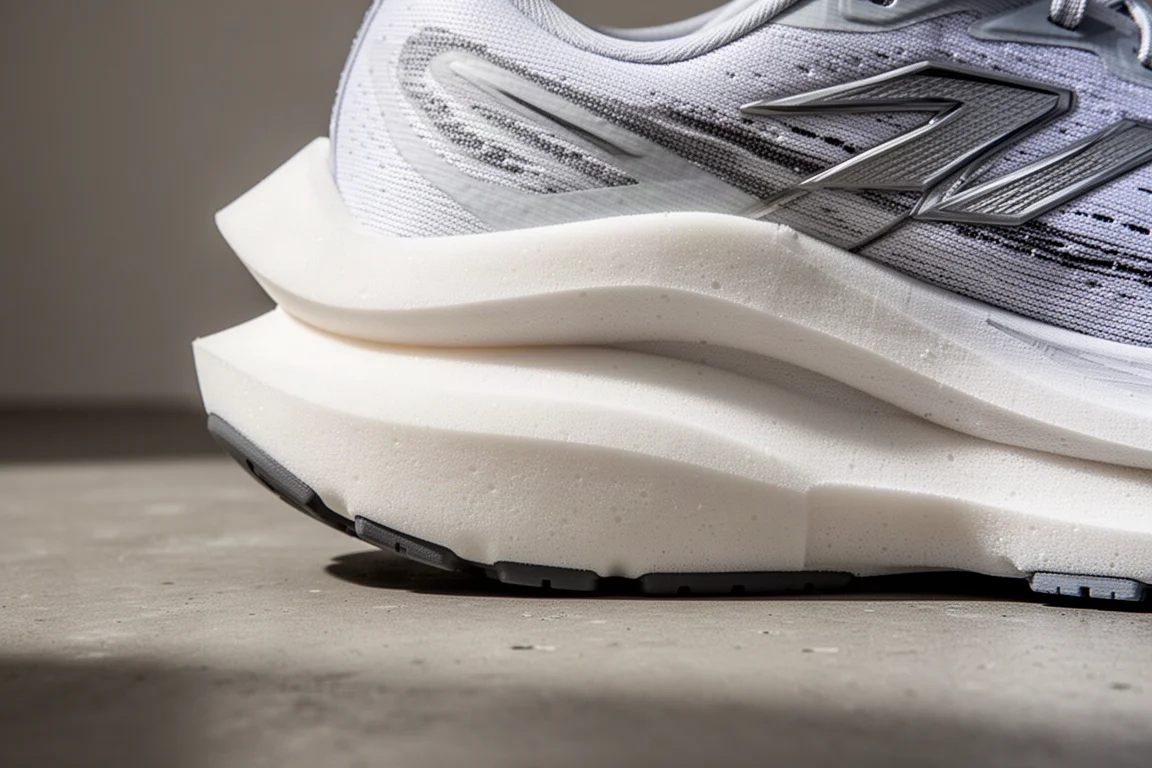
The midsole uses two foams. ZoomX, the bouncy springy foam Nike uses across its best shoes, sits inside a ReactX carrier foam that adds stability. There is also a midfoot support system, most prominent as a large sidewall of foam on the medial side, that holds the foot in place and limits overpronation. It contacts the shoe at the medial arch and the lateral heel, supporting two key points of the running cycle without the overbearing feel of traditional medial posting.
Fit and Upper
The upper is an engineered mesh with overlays for extra support up top, plus generous padding around the tongue and at the back of the heel. It is a luxurious upper by any standard.
In a normal Nike running size, the fit worked well: plenty of toe room, good hold through the heel and midfoot. One note for sensitive runners: there is a lot of padding at the back centre of the shoe. That kind of padding can irritate the Achilles on some shoes, though it caused no problems here, and previous Structure models did in that area. If you have had Achilles irritation from padded heel counters before, it is worth being aware of. The upper also holds water when very wet and dries slowly, which is only relevant if you run in consistently wet winter conditions.
Ride and Run Test
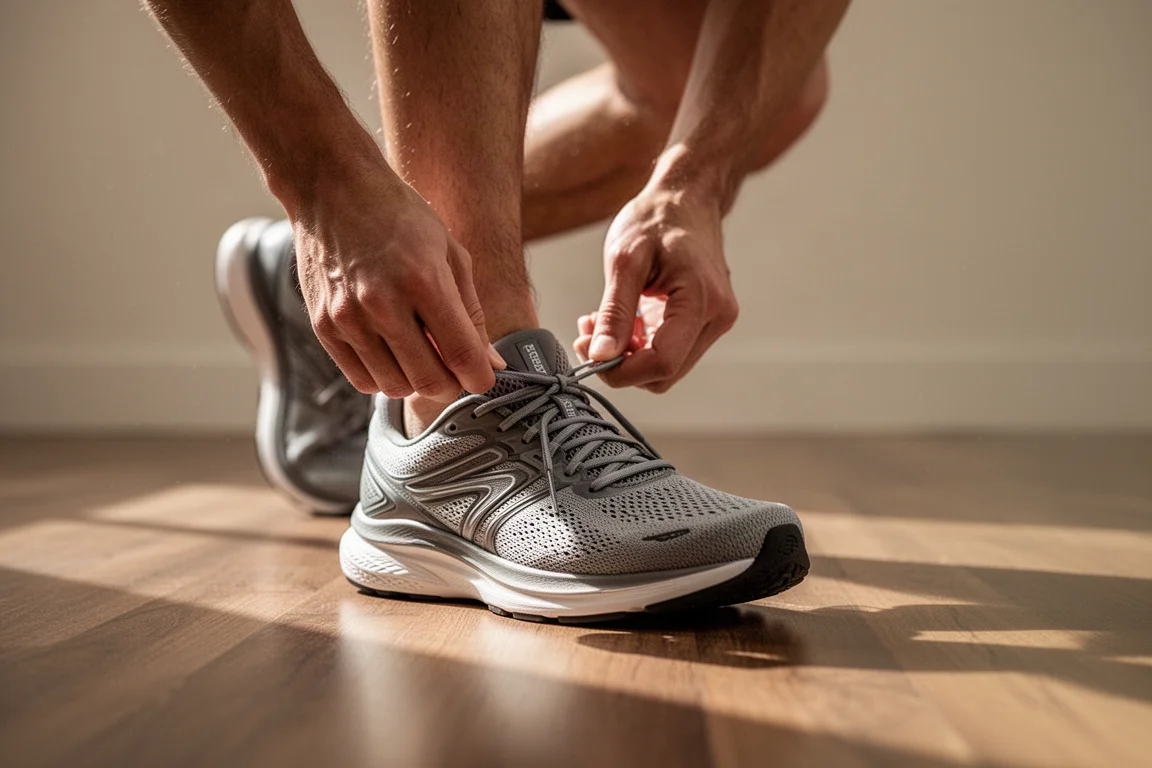
The Structure Plus provides support in a subtle, non-intrusive way. On the run there was no noticeable pressure from the midfoot support system; it simply adds a little extra structure while you get on with your running. The high stack, particularly under the heel, gives a comfortable, cushioned landing, and the transition feels smoother than many shoes with the same 10 mm drop.
It is a heavy shoe and not built for speed, but it moves through the gears reasonably well. On a progression run and on long runs there was enough response to pick up the pace when needed, and it never felt like a big tanker on the foot. The ride clearly favours easy running, though.

The trade-off is bounce. With ZoomX surrounded by the ReactX carrier, the ZoomX gets dulled considerably, so you get a little spring but nothing like the energy return of a full ZoomX shoe. The overall feeling is cushioning and dampening rather than pop, which limits its usefulness at faster paces. Compared with other stability shoes, most of which use a similar dual-foam setup, it still has one of the better rides in the category. Grip has also been excellent, including in slushy and slightly icy conditions without any fear of slipping.
How It Compares
Nike Vomero Plus
If you are a neutral runner, the Vomero Plus is the better pick. Its full ZoomX midsole makes it a genuinely springy, versatile cushioned shoe, and it is one of the best cushioned trainers available right now. The Structure Plus cannot match its bounce.
View more details for Nike Vomero Plus
Hoka Arahi 8
The Arahi 8 is a more stripped-back, much lighter stability shoe. Its foams are not remarkable, but the geometry delivers a very smooth rocker and a comfortable enough ride for long runs of 30 km. The Structure Plus offers more underfoot comfort, while the Arahi is the nimbler daily trainer.
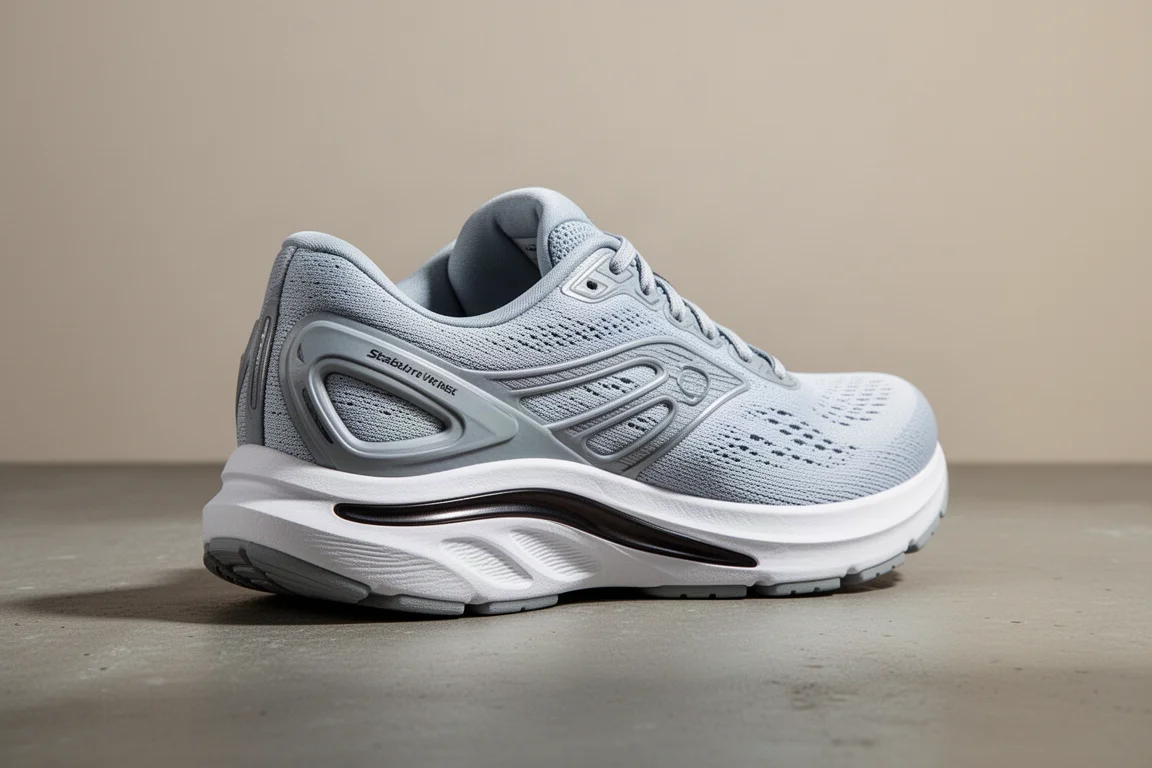
Puma ForeverRun Nitro 2
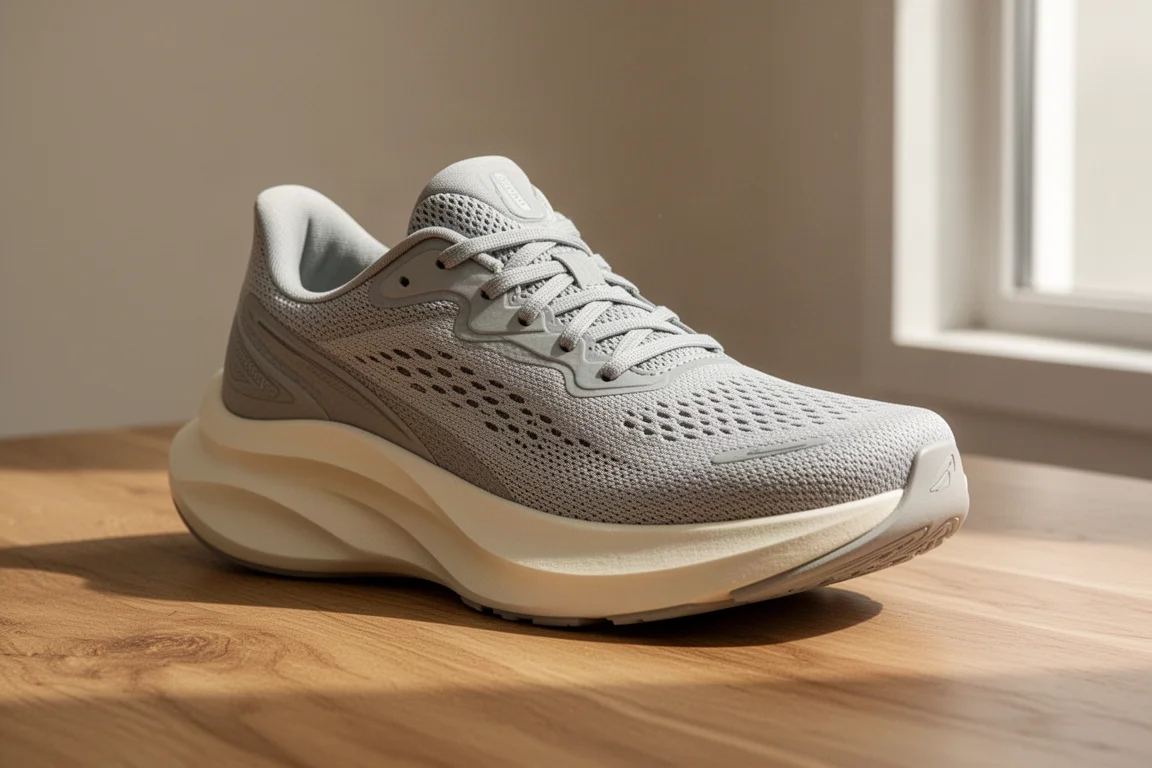
The ForeverRun Nitro 2 is quite similar to the Structure Plus in character and is cheaper, often appearing in sales. The Nike arguably gives a slightly more supportive and stable ride, with the foam sidewalls working well, but the Puma shares many of the same qualities and is the value alternative.
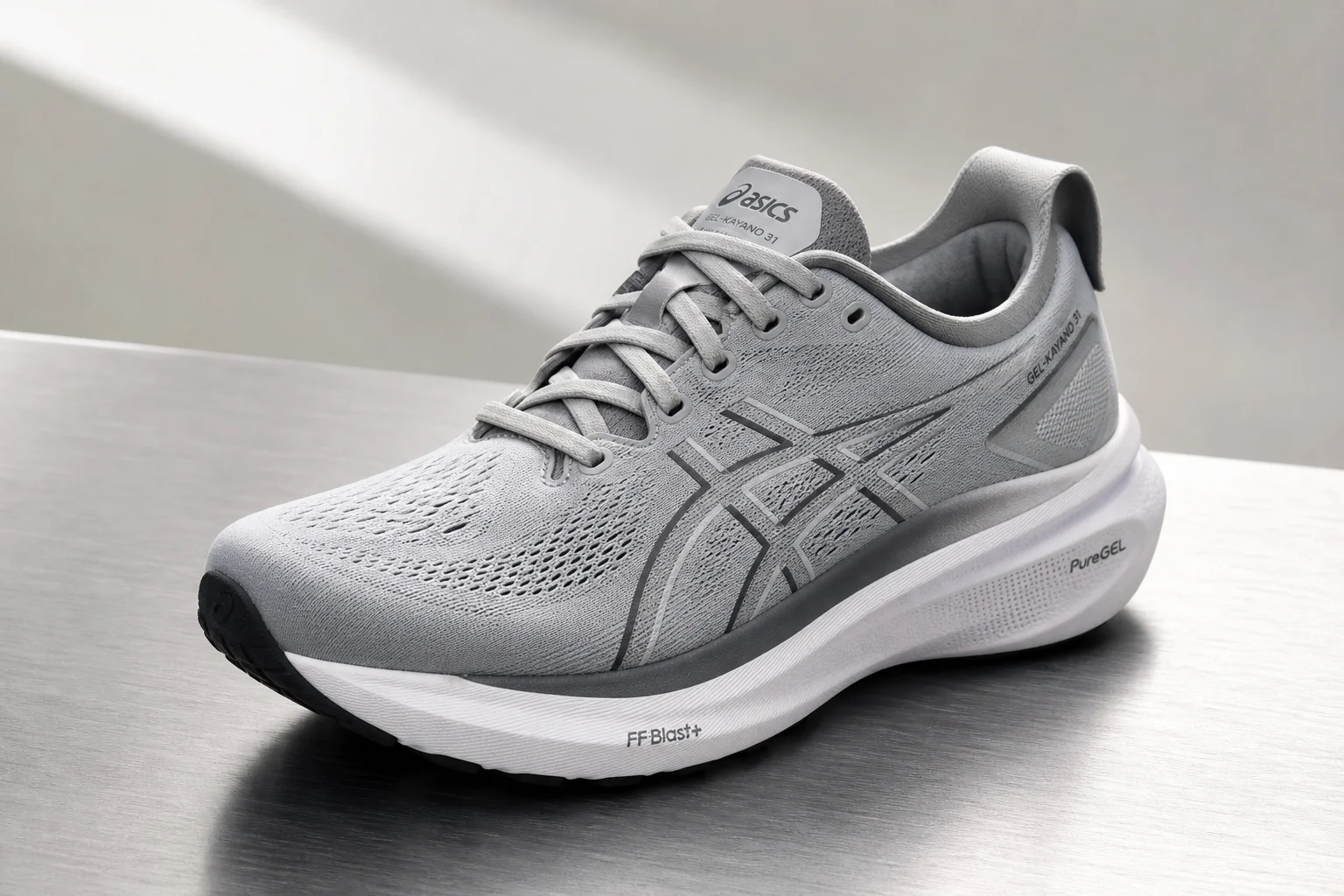
Asics Gel-Kayano 31
The Gel-Kayano 31 is a very cushy, protective shoe, but the Structure Plus feels more lively and enjoyable to run in while still providing a generous level of cushioning.
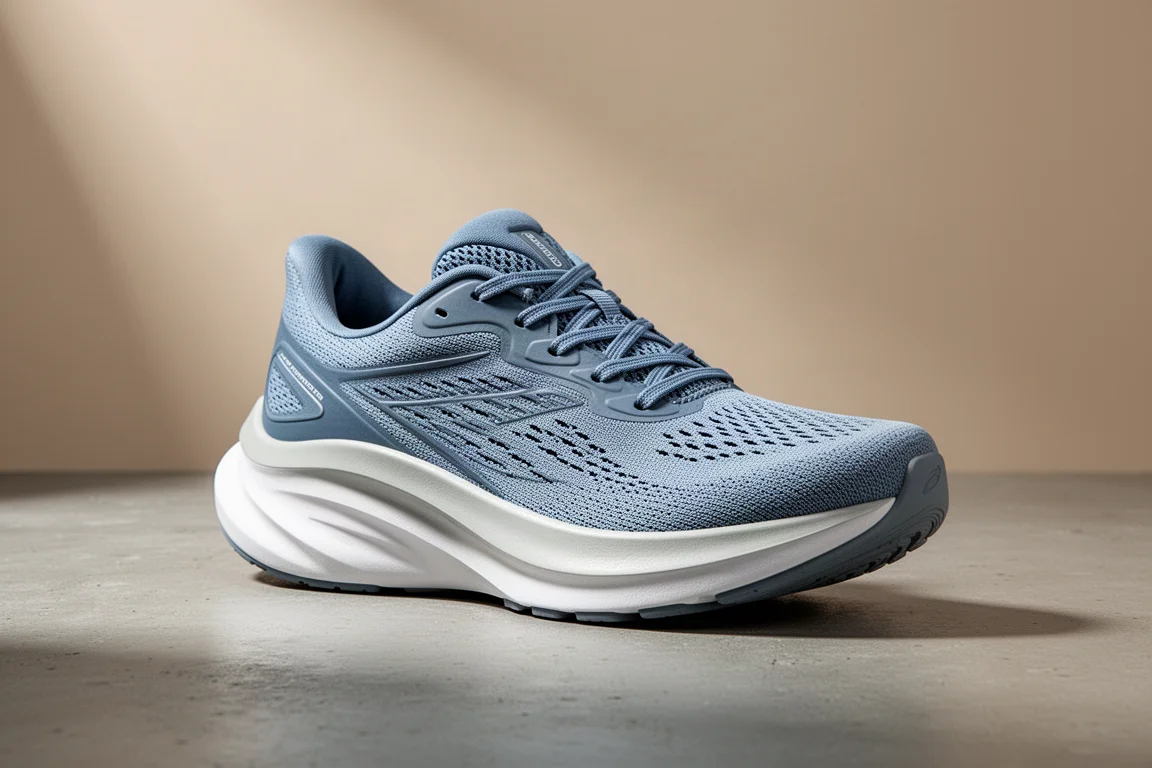
Saucony Hurricane 25
The Hurricane 25 is another really cushy, protective stability shoe. Again, the Structure Plus strikes a better balance between big cushioning and a more nimble feel on the foot for a daily trainer.
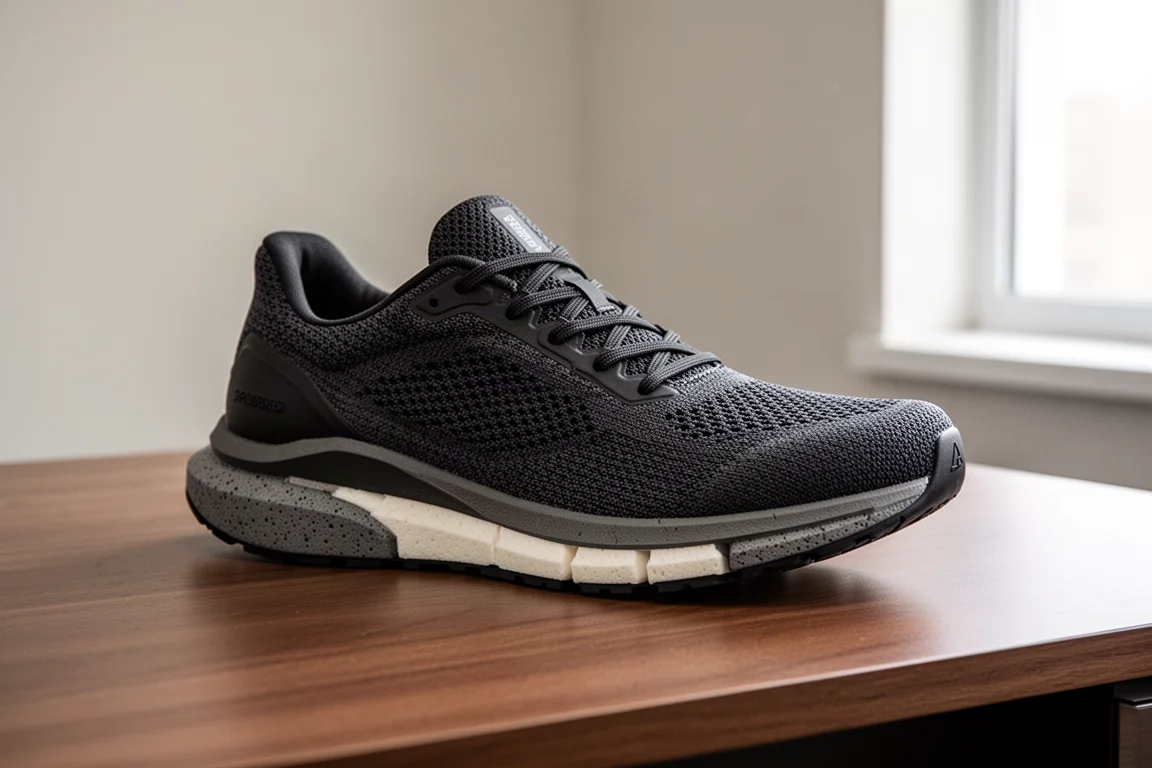
Saucony Tempus
The Tempus line, particularly the first version with its Power PB foam surrounded by a firmer frame, is a more speed-focused stability shoe that was still comfortable for cruising. The Structure Plus leans more towards the cushioned end of the scale, competing more with shoes like the Hurricane than the Tempus.
Buying Advice
If you are a stability runner looking purely for a stability shoe, the Structure Plus is a strong option and a very solid cushioned daily trainer. If you are a neutral runner who wants something more supportive, there are appealing stable-neutral options like the Arahi 8, but for pure cushioning the Vomero Plus is the standout choice. If price matters most, the Puma ForeverRun Nitro 2 offers a very similar experience for less.
Conclusion
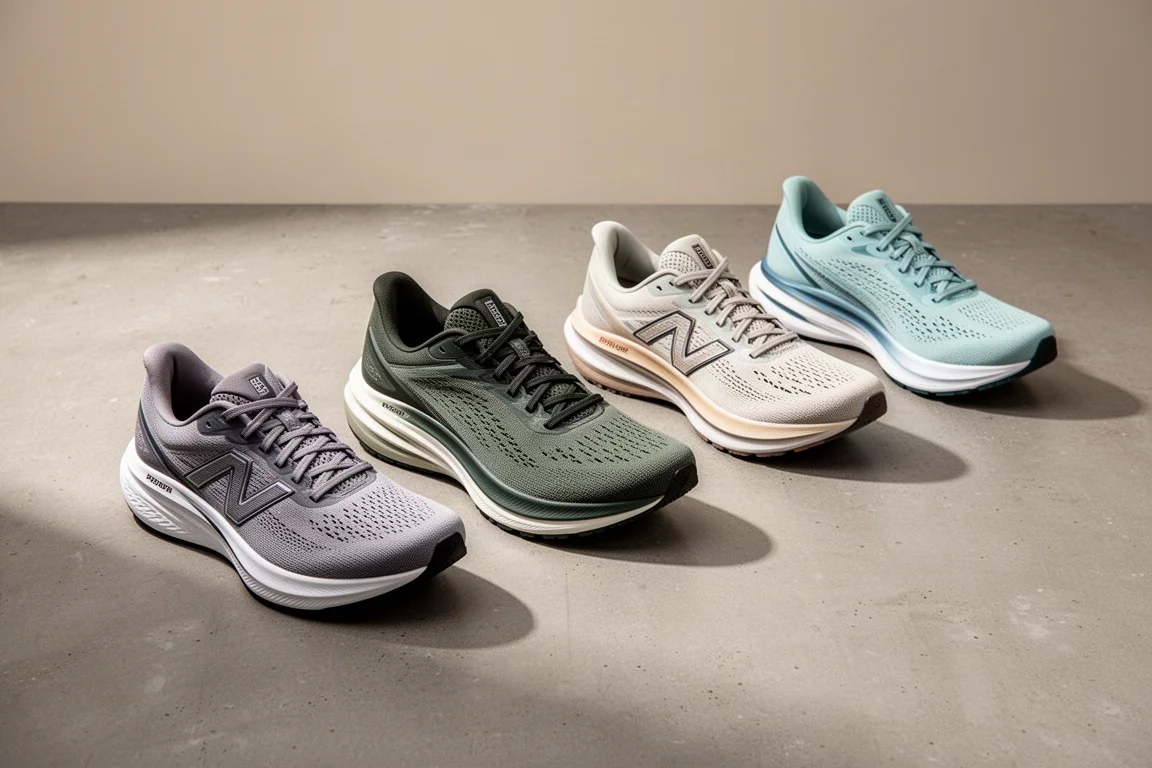
The Nike Structure Plus is a comfortable, high-stack stability shoe that supports without intruding, grips well in poor conditions and rewards easy and long running. Its main limitation is limited energy return at faster paces, a trade-off inherent to its dual-foam stability design. For overpronating runners who want maximum cushioning in a stability shoe, it is one of the strongest choices available.
Further reading
Related Reviews

Running Shoes
Best Road-to-Trail Running Shoes: Three Versatile Options for Mixed Terrain
A practical guide to three road-to-trail running shoes that handle both pavement and mild trails, with clear strengths and trade-offs for different runner types.

Running Shoes
Best Running Shoes for Achilles Tendonitis: Three Options Explained
Three running shoes with different heel drops and support features designed to help reduce Achilles tendon pain during walking and running.

Running Shoes
Best Running Shoes for Women: Five Top Choices Ranked
A ranked guide to five women's running shoes, from versatile daily trainers to high-performance racing options, with real strengths and trade-offs for each.