Running Shoes
Nike Structure Plus First Run Review: A Stability Shoe With Race-Day Foam
The Structure Plus adds a ZoomX top layer to a supportive ReactX base, creating one of the most unusual stability shoes on the market. Here's what the first run revealed.
Introduction
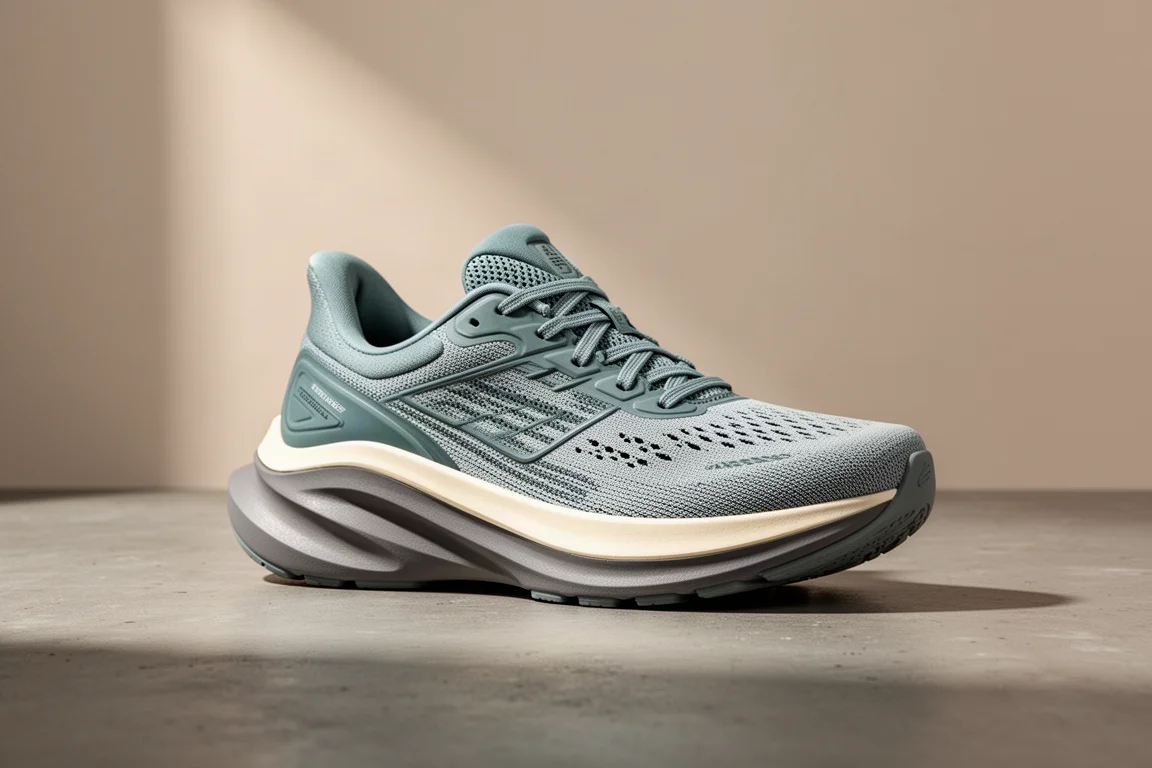
The Nike Structure Plus is the second installment in the Structure series, and it takes an unusual approach: they took the Vomero Plus concept, wrapped it in ReactX, made it more stable and more supportive, and added a top layer of ZoomX for bounce. The result is a stability shoe that does not behave like one. It is heavy, protective, and locked down at slower paces, yet it delivers one of the bounciest rides in the support category once you push the pace.
At around $170, it is expensive for a stability shoe, and it faces stiff competition. So the big question is simple: does anyone actually need this shoe?
What the Structure Plus Actually Is
Nike has moved to a good, better, best framework across its lineup, illustrated clearly by the Vomero franchise: the standard Vomero 18 at $155, the Vomero Plus at $180 with 100% ZoomX, and the Vomero Premium at $230 with ZoomX plus air units. The Structure Plus follows the same logic, taking the standard Structure at $145 and blending it with elements of the Vomero Plus: a top layer of ZoomX foam, a higher stack, and a more premium, comfort-oriented feel.
The framework positions the Structure line around support, and this shoe is billed as “supportive cushioning” versus the Vomero’s “maximum cushioning.” In practice, it is built around a ReactX base layer that is dense, gummy, and protective, topped with a genuinely soft and bouncy ZoomX layer. The drop is 10 mm, and the geometry is flat and stable in the heel rather than aggressively rockered. It sits at roughly 320 g, nearly the same weight as the Vomero 18 and just a few grams lighter than the standard Structure.
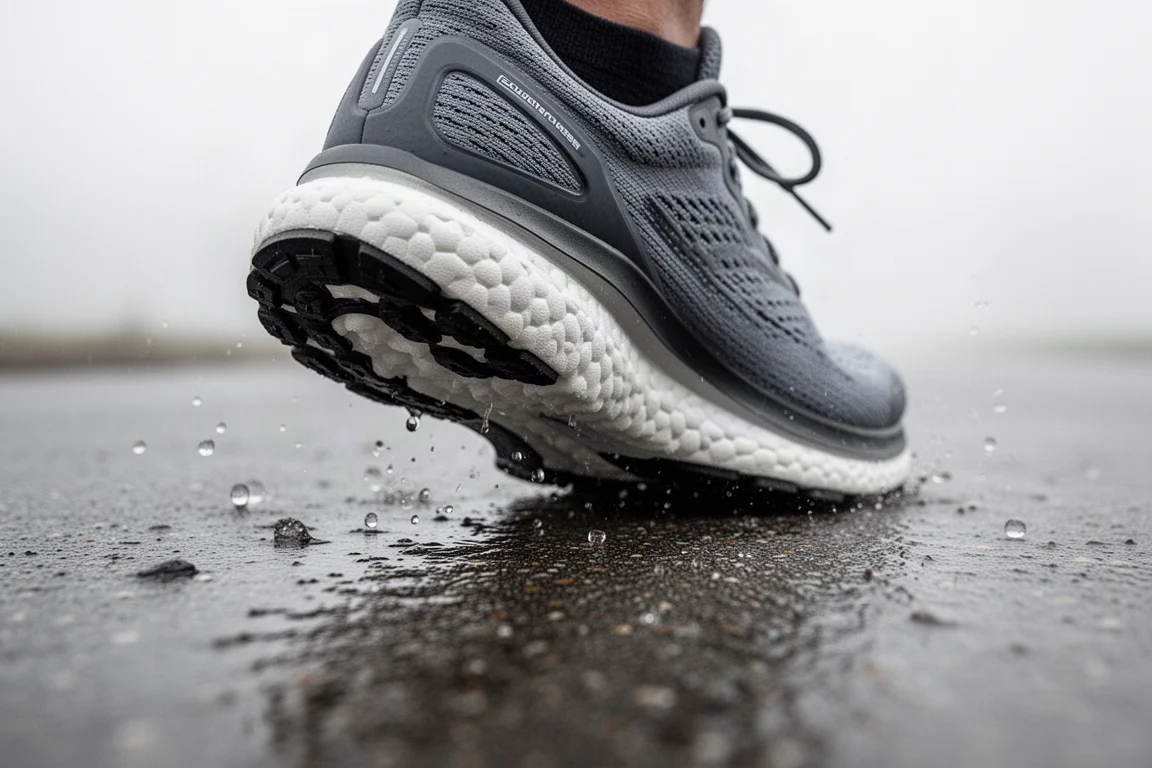
Notably, elite Nike athletes use the Structure line as their daily trainer precisely because it protects the body between harder track sessions. The Structure Plus leans into that role while adding some bounce to invigorate the franchise.
Design, Upper, and Build
The look is unmistakably classic Nike, almost a blend of Air Max, Pegasus, and Vomero 16 design cues, and Nike confirmed at a running event that the rear is Air Max-inspired. The upper is slightly scratchy and performance-oriented, very similar to the Vomero Plus in the toe box area, with plenty of padding at the tongue and heel collar.
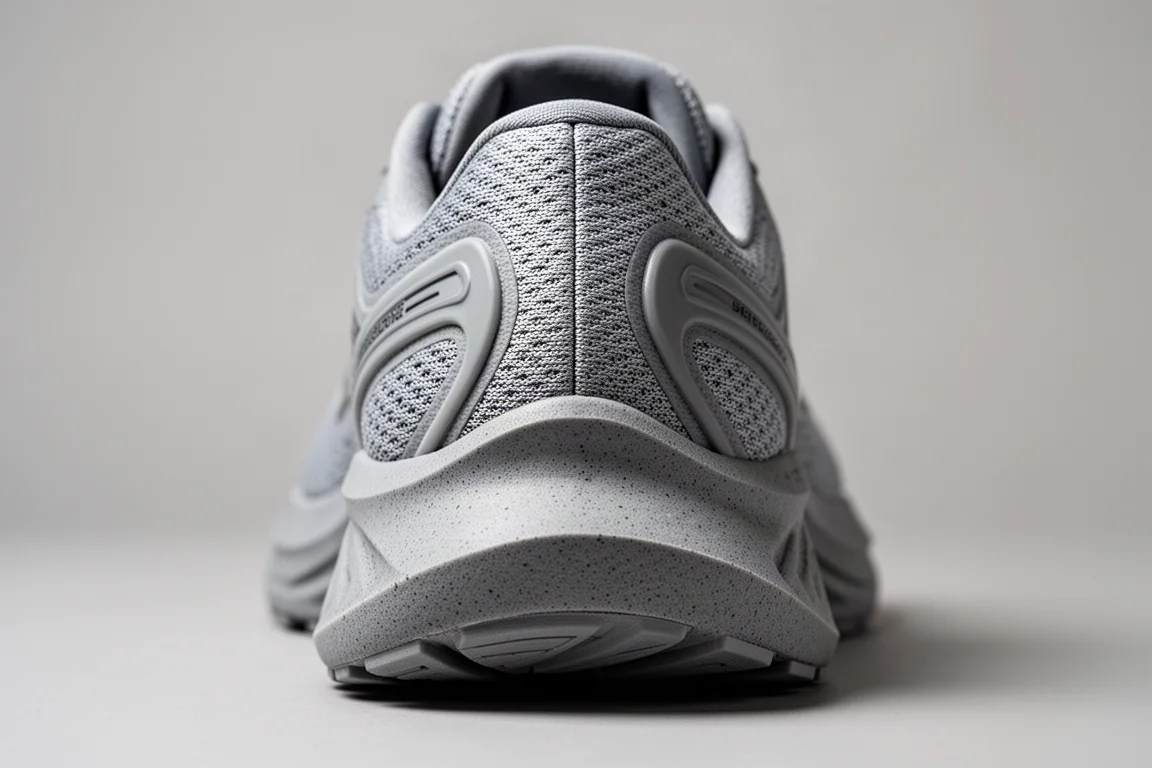
A few practical details stand out. The laces run through the upper itself rather than through eyelets, which addresses the eyelet-snapping issue some runners experienced on the Vomero Plus. The shoe also gets quite thin in the forefoot compared with something like the Puma MagMax, giving more ground feel and flexibility up front, with a very thick chunk of foam reserved for the heel.
First Run: Firm Step-In, Annoying Heel
On foot, the first impression is that this is unambiguously a stability shoe. The midfoot support system is immediately present, the foot feels centered and guided, and overpronation is effectively locked out. The foam step-in is firm, with more ReactX density than ZoomX squish at a standstill.
At walking pace, the shoe is awkward. The bulky 10 mm heel clips and protrudes, feels blocky, and gets in the way of a normal stride. It reads as overbuilt in the rear, and the standard Structure, which simply gets out of the way, feels easier to live with.
Running Impressions: A ZoomX Shoe That Locks You In
Once moving, the shoe transforms. Standing still, the ZoomX is invisible; put power down, and it comes alive. At recovery paces around 8:30 or slower, the heel geometry fights the stride. But get into the 7:30s and below, land midfoot, and the ride becomes genuinely fun: soft ZoomX squish, real bounce, and impressive stability all at once.

That is the strange paradox of this shoe. It is a 320 g stability platform that performs best at tempo-ish paces, almost a zone-three shoe. It wants you to pop off the midfoot and enjoy the ZoomX, not hang back and heel strike. Compared with the more relaxed MagMax or the softer Kayano, this is the bounciest stability shoe in the category, and it delivers more of that race-day ZoomX feel than any Nike trainer in recent memory.
Who Should Buy the Nike Structure Plus
If you do not need a stability shoe, skip this one and buy the Vomero Plus instead. But if you genuinely need overpronation support or a 10 mm drop platform, and you still want some fun, this is a strong pick. It suits heavier runners seeking injury prevention, runners returning from injury, beginners, or run-walk athletes who land on the heel and want a single do-everything shoe. It may also appeal to anyone who misses the Saucony Tempest or likes the stability of the Superblast but wants something softer and more forgiving.
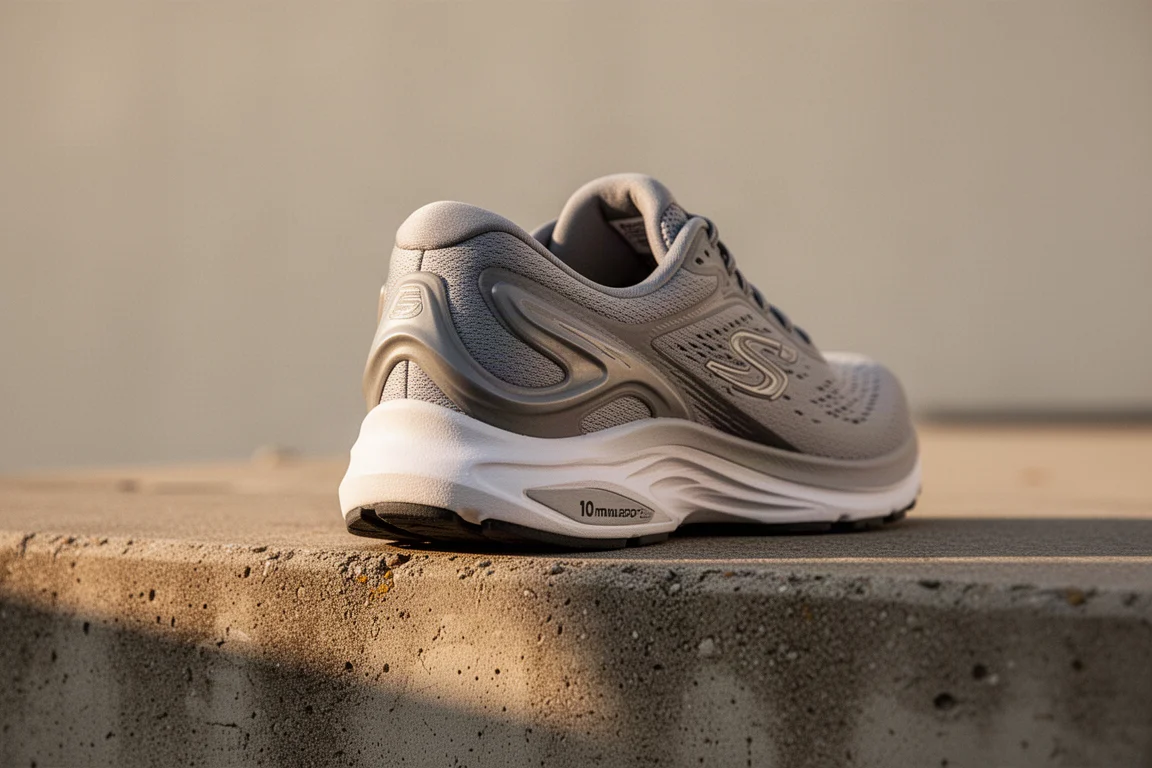
As tested, the ride earns a B to B-plus: solid and capable, but a narrower use case than most would expect from the price. Cleaning up the heel geometry and dropping to an 8 mm drop could have elevated it significantly.
Conclusion
The Nike Structure Plus is a strange bird: exactly what you expect from Nike and nothing like you expect at the same time. The ZoomX implementation is excellent and the stability is real, but the chunky heel and the fast-pacing requirement limit who it works for. Need support and want a bouncy ride? This is worth a look. Otherwise, the Vomero Plus or the MagMax remain the safer buys.
Product link
View more details for Nike Structure Plus
This product is mentioned in the review. Check the specifications, options, and compatibility before buying.
View more details for Nike Structure PlusFurther reading
Related Reviews

Running Shoes
Best Road-to-Trail Running Shoes: Three Versatile Options for Mixed Terrain
A practical guide to three road-to-trail running shoes that handle both pavement and mild trails, with clear strengths and trade-offs for different runner types.

Running Shoes
Best Running Shoes for Achilles Tendonitis: Three Options Explained
Three running shoes with different heel drops and support features designed to help reduce Achilles tendon pain during walking and running.

Running Shoes
Best Running Shoes for Women: Five Top Choices Ranked
A ranked guide to five women's running shoes, from versatile daily trainers to high-performance racing options, with real strengths and trade-offs for each.