Running Shoes
Nike Structure 26 First Run Review: A Modern, Subtle Stability Trainer
The Nike Structure 26 pairs a full-length React X midsole with a gentle mid-foot support system, making it a solid, comfortable workhorse for easy miles.
Introduction
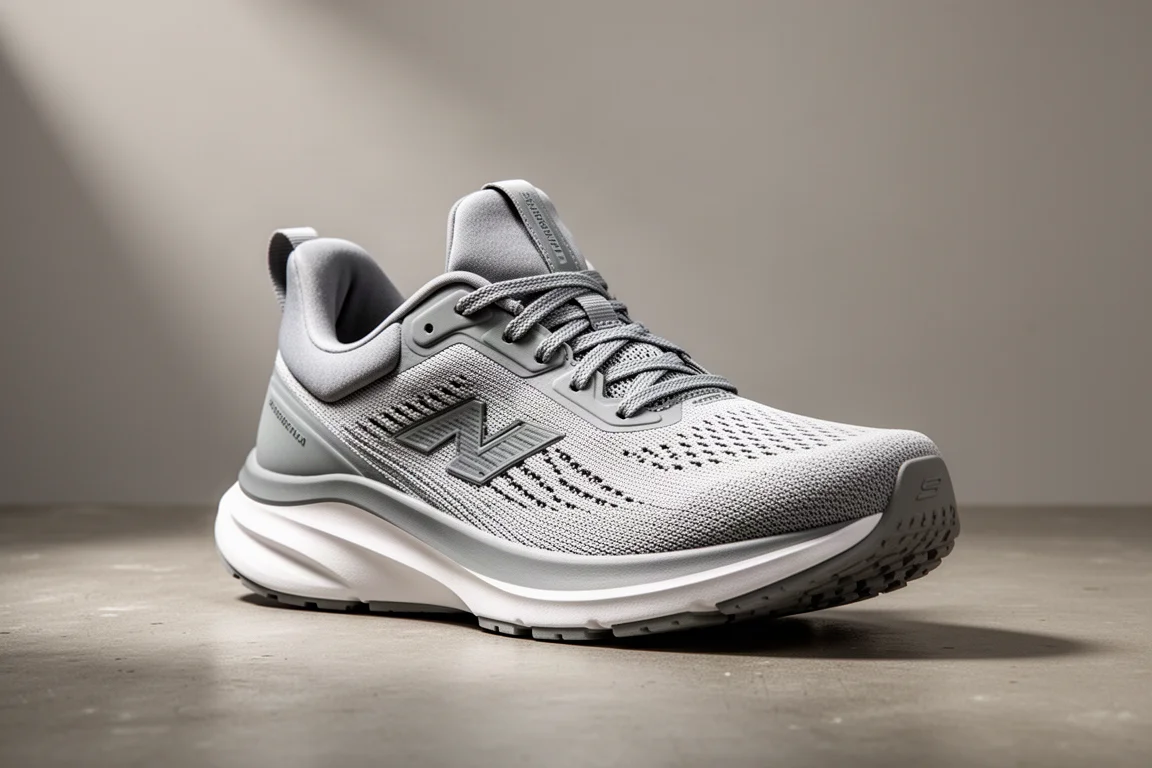
The Nike Structure 26 arrives at £129.99 or $145, weighing 298 g (10.5 oz) for men in a size 8 with a 10 mm drop. It is a moderate stability shoe that combines a full-length React X midsole with a mid-foot support system wrapping around the arch and heel for a firm, supportive platform. The React X midsole is built to balance cushioning with structured geometry, aiming for a smooth heel-to-toe transition and a claimed 13% increase in responsiveness compared to the previous React foam.
This review is based on a first run: a 10k at 5-minute-km easy pace in a UK size 8.
Fit and Sizing
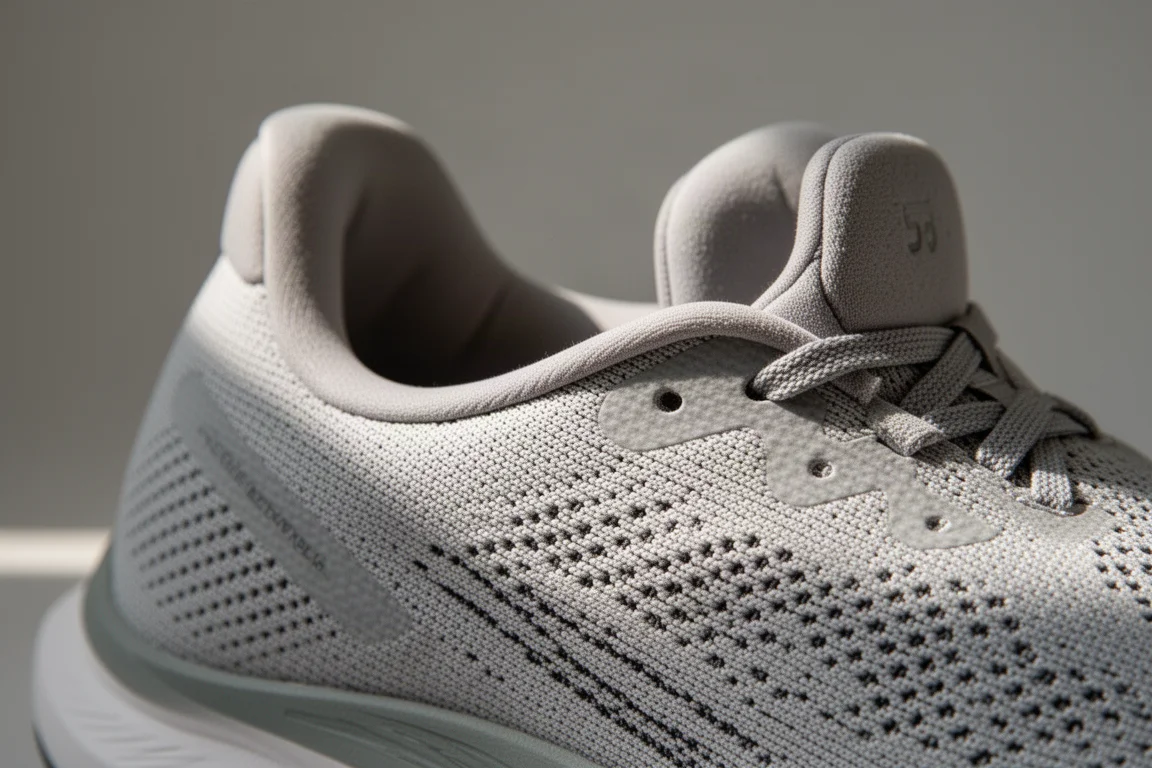
The Structure 26 is a very comfortable, plush shoe. The engineered mesh upper pairs with generous padding around the collar and tongue, creating a cushioned, secure feel from the first step. There is plenty of space ahead of the big toe and a fairly roomy forefoot, though it is not the roomiest shoe available. The midfoot holds an average-width foot well, with a nice locked-down fit.
For this tester, staying true to the usual UK size 8 was the right call, and that is a sensible starting point for most buyers.
Ride and Performance
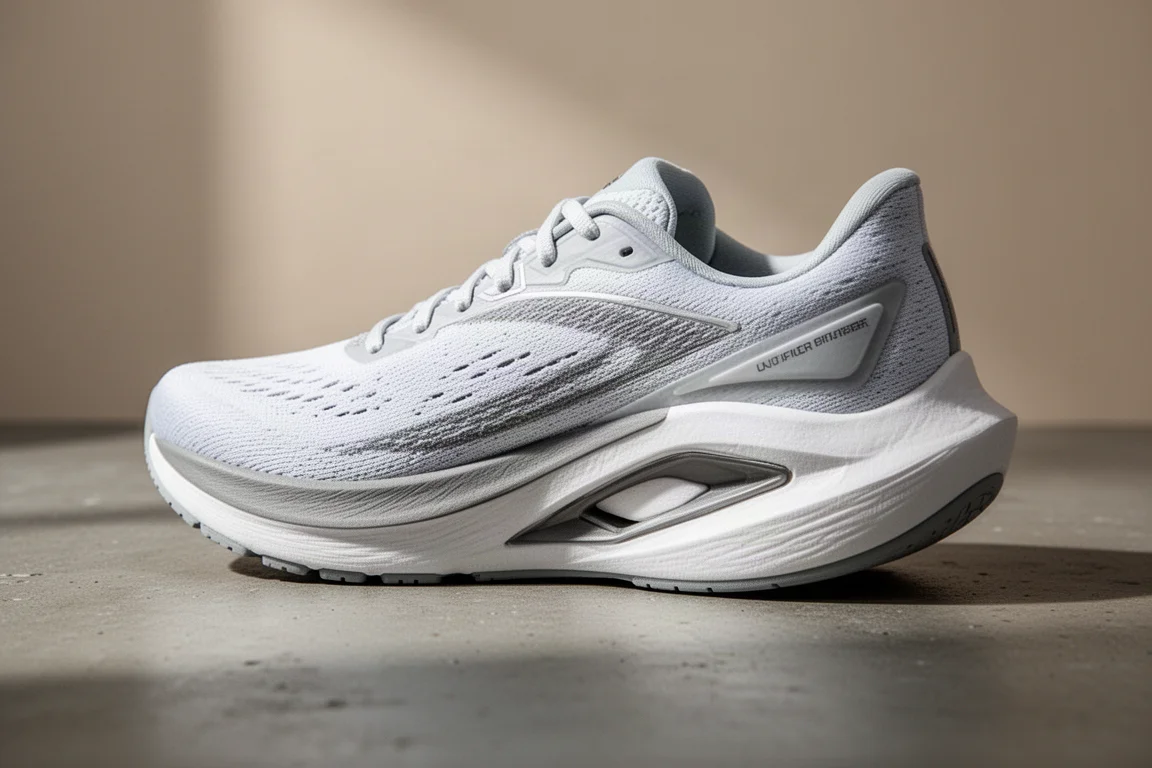
Over the 10k easy run, the Structure 26 impressed. It feels much more like a daily cushioned workhorse than an old-school stability shoe, closer in character to a conventional daily trainer than a clunky traditional support shoe. The React X midsole is slightly softer than the historically firm React foam while retaining the firmness a stability shoe needs, and it rides nicely balanced, cushioned without feeling hard or uncomfortable.
The midsole is also quite flexible, giving the shoe a natural feel on the run. Stack height is slightly higher than the previous version, and the shoe did not feel heavy or sluggish at any point during the run.

Stability That Stays in the Background
The most striking thing about the Structure 26 is how subtly it delivers support. Unless you need stability, it does not feel like a stability shoe at all. When deliberately testing how the shoe reacts to landing in different positions, the mid-foot support system kicks in and gently guides the foot, exactly what a moderate stability shoe should do.
This reflects a broader shift in the category: modern stability shoes have moved away from thick, noticeable medial posts toward accessible designs that nearly any runner can use. The Structure 26 is firmly in that new breed, offering supportive geometry that simply helps your form and landing without dominating the ride.
Where It Falls Short
This is not a versatile shoe. Picking up the pace during the test run was not enjoyable, and the shoe lacks toe-off snap and midsole energy for faster running. It is clearly designed for ticking off easy miles and comfortable general sessions, and it does that well without ever feeling like a shoe that wows.
Runners who do not need stability and prefer a very soft, bouncy midsole may also find it lacks the plushness they want. It is relatively responsive at easy pace, but not the softest option available.
Outsole, Grip, and Durability
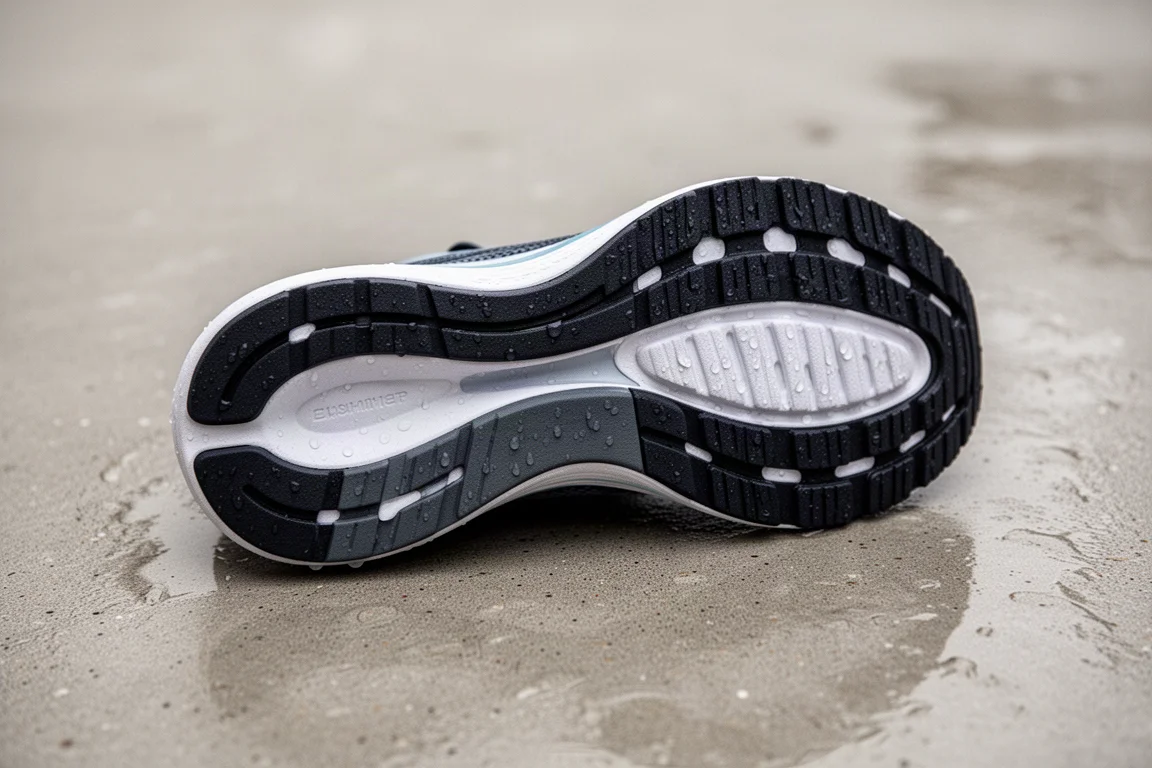
The outsole combines a thick, flexible rubber forefoot with a high-abrasion rubber heel to improve both grip and durability. During the test run, which included some rain, there were no issues with grip, and the shoe feels built for a solid, durable, long-term ride rather than lightweight speed.
How It Compares
The Saucony Hurricane 25 is a touch softer, a bit wider, and has a nicer heel-to-toe transition, making it the more enjoyable choice for long runs, but it costs noticeably more. The ASICS Gel-Kayano 32 is significantly more expensive than the Structure 26 while also being a little softer and more enjoyable to run in. The Structure 26 sits closer in character to the Saucony Guide 18: a solid workhorse that provides stability elements without fuss, at a more cost-effective price than many of its rivals.
Buying Advice
The Structure 26 makes sense for beginners, general runners, and anyone after a supportive daily trainer that will tick off the miles in comfort. It does exactly what it promises. The main reason to look elsewhere is versatility: if you want a shoe that can also handle faster sessions, this will not do that. Likewise, if you do not need stability and prefer maximum softness, other options will suit you better.
Conclusion
The Nike Structure 26 is a solid all-round stability shoe that does everything it says on the tin. It fits comfortably, runs smoothly at easy paces, and offers subtle support that most runners can benefit from. It will not overwhelm anyone with excitement, but as a durable, cost-effective member of the modern stability shoe generation, it ticks a lot of boxes.
Product link
View more details for Nike Structure 26
This product is mentioned in the review. Check the specifications, options, and compatibility before buying.
View more details for Nike Structure 26Further reading
Related Reviews

Running Shoes
Best Road-to-Trail Running Shoes: Three Versatile Options for Mixed Terrain
A practical guide to three road-to-trail running shoes that handle both pavement and mild trails, with clear strengths and trade-offs for different runner types.

Running Shoes
Best Running Shoes for Achilles Tendonitis: Three Options Explained
Three running shoes with different heel drops and support features designed to help reduce Achilles tendon pain during walking and running.

Running Shoes
Best Running Shoes for Women: Five Top Choices Ranked
A ranked guide to five women's running shoes, from versatile daily trainers to high-performance racing options, with real strengths and trade-offs for each.