Running Shoes
Nike Structure 25 vs Nike InfinityRN 4: Two Very Different Kinds of Stability
Nike calls both of these stability shoes, but they ride, fit, and support in almost opposite ways. Here is how to tell which one actually fits your running.
Introduction
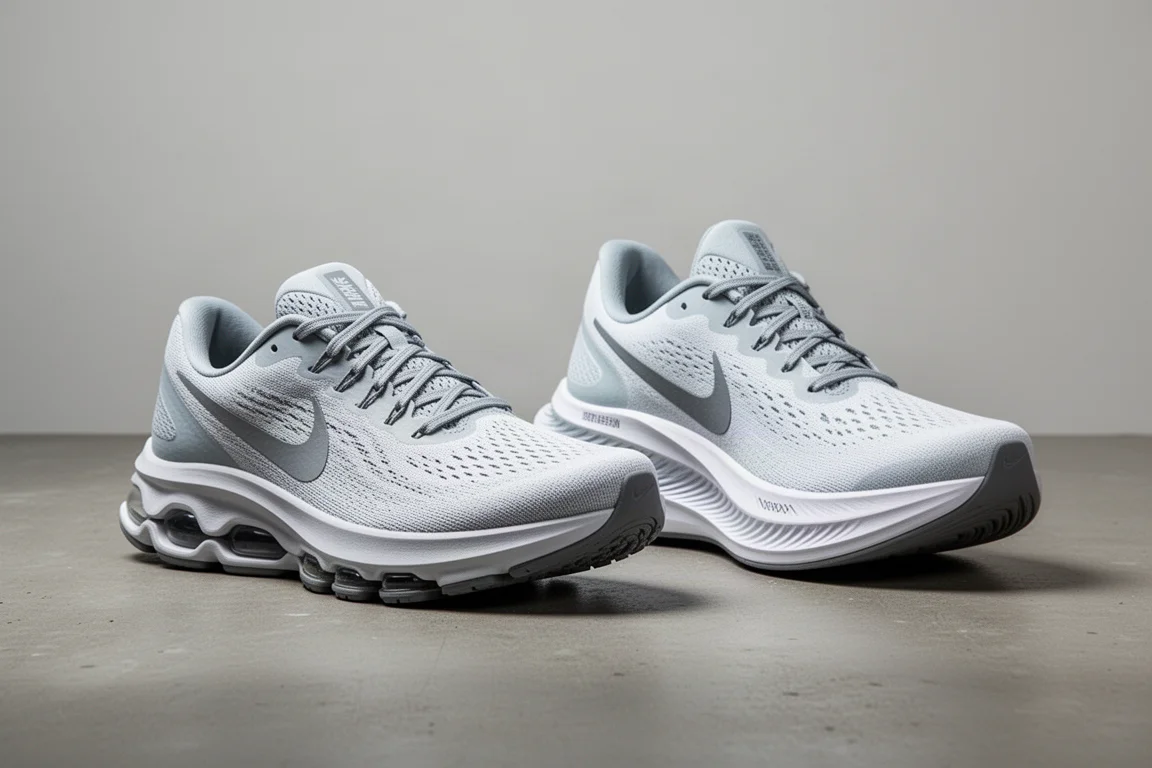
Nike markets both the Structure 25 and the InfinityRN 4 as stability shoes, but that label only tells half the story. The Structure is a genuine stability shoe, albeit a modern take on the category. The InfinityRN is, at most, a mild guidance shoe with a very cushioned, easygoing ride. They are close in stack height and weight on paper, yet in practice they feel like opposites. This comparison breaks down the differences so you can figure out which one matches your feet and your running.
Specs at a Glance
The Structure 25 weighs 10.8 oz in a men’s size 9 and 9 oz in a women’s size 8. Stack heights sit at 37 mm in the heel and 27 mm in the forefoot, for a 10 mm drop. The InfinityRN 4 comes in slightly heavier at 11.1 oz for men’s size 9 and 9.6 oz for women’s size 8, with a 39 mm heel, 30 mm forefoot, and a 9 mm drop.
The numbers are similar. The rides are not.
Underfoot Feel: Firm and Snappy vs Plush and Rolling
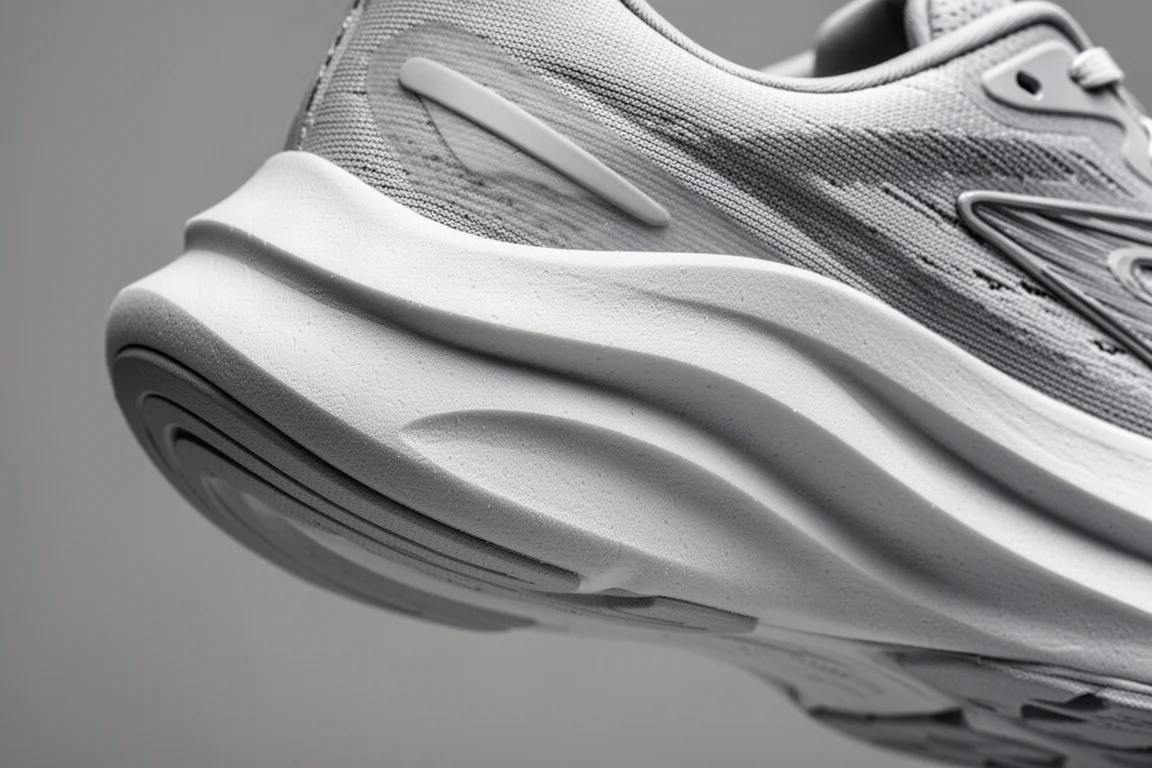
Both shoes have some rocker geometry, but the InfinityRN’s rocker is more pronounced. The Structure uses a firmer foam platform with two Zoom units, one in the forefoot and one in the heel, giving it a snappier, more resilient feel. That responsiveness makes it feel lighter than its listed weight, and the heel has a nicely beveled shape that helps you roll forward smoothly.

The InfinityRN is built around a huge amount of React foam that feels very cushioned with essentially no bounce. It is not a dead shoe so much as a deliberately soft one. The heel has a bevel plus a slight posterior flare, which can feel a bit clunky at first, but once you settle in, it rolls along nicely.
Where Each Shoe Shines
The Structure 25 is the more versatile of the two. It handles daily runs well, works for recovery days if you enjoy a firmer ride, and can even stretch into slightly uptempo efforts thanks to that snappy feel. If you like your daily trainer with some structure underfoot, this is the one that covers more ground.
The InfinityRN 4 is a recovery run shoe through and through, and a genuinely good walking shoe. It is for the days when you just want to roll along in maximum cushion without any expectation of bounce or speed.
Fit and Sizing: Opposite Approaches
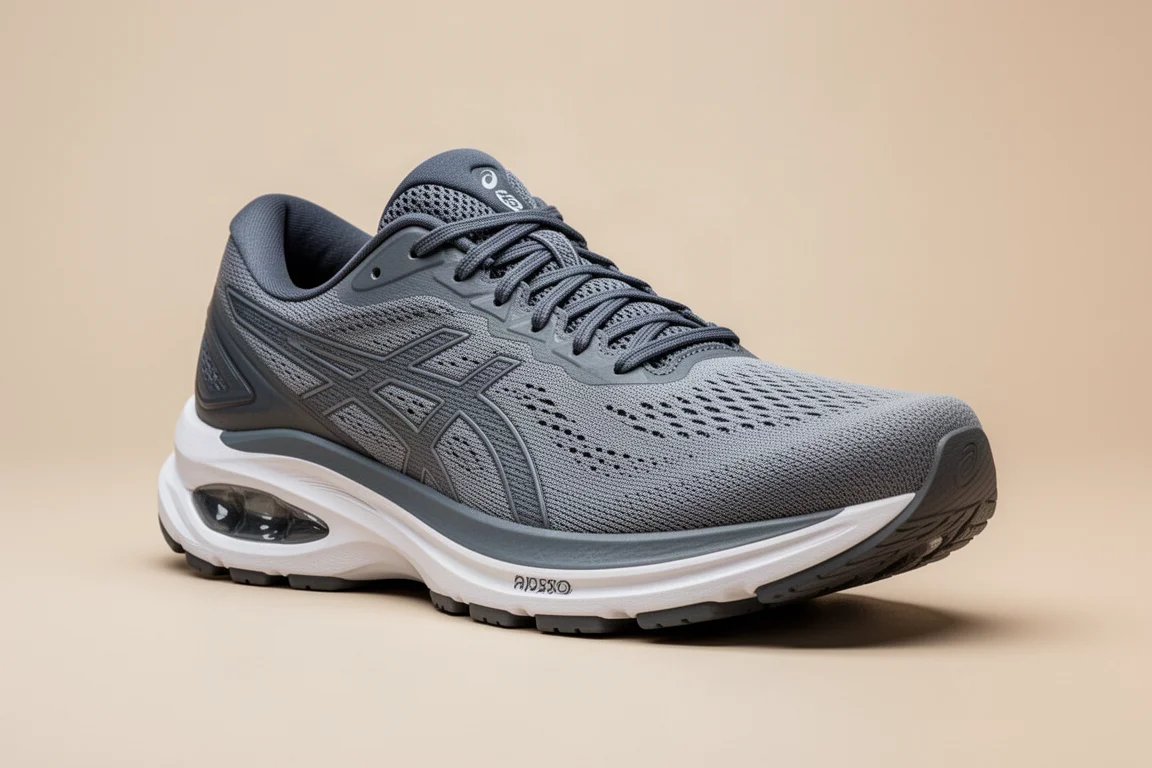
The fits are as different as the rides. The InfinityRN runs fairly wide but with a very low volume. The recommendation here is to go a half size up; a half size larger than a usual size fit just right, and going up more or sizing down would be a mistake. The toe box sits low against the top of the toes, so pressure is real in the true-to-size length, though the rearfoot gets a bit thicker.

The Structure fits the opposite way. It runs true to size with a slightly snug, slightly higher-volume fit throughout. A thick tongue locks the foot down once the laces are tied, and a stiff heel counter keeps everything in place. If your feet need width, the InfinityRN has more of it; if you want a secure, locked-in feel, the Structure delivers.
Stability: True Support vs Mild Guidance
This is where the category label matters most. The Structure 25 has a midfoot sidewall that applies noticeable, but not uncomfortable, pressure for a modern, supportive feel. A full-length heel clip adds stiffness and rigidity to the rearfoot, and a firm heel counter locks the foot in and keeps you rolling forward. It is true stability design, with a slight lateral heel clip to match.
The InfinityRN has sidewalls too, but they are less significant. Its heel offers decent guidance, but in a specific direction: the lateral side collapses and guides the foot medially. If you need medial guidance in the heel, you may do very well here. If you do not, that collapse will feel off. In practice, it is best described as a stable neutral or mild guidance shoe rather than a true stability shoe.
Durability and Daily Use
Both shoes show promising durability early on. Around 50 miles in each, the outsoles show essentially no wear, so if longevity matters to you, both look like solid picks.
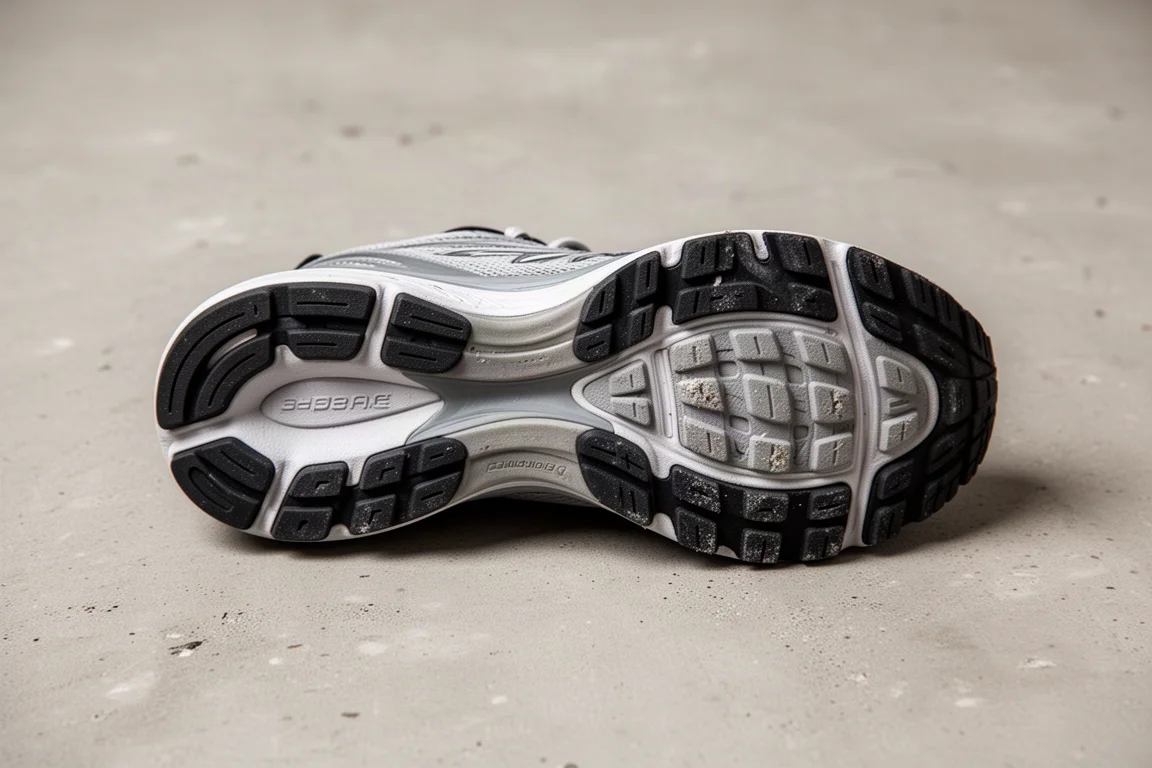
The practical difference comes back to use case. The Structure is the more versatile shoe, while the InfinityRN leans fully into cushioned easy days and walking.
Which One Should You Buy
Choose the Structure 25 if you want a true stability shoe that can still handle daily mileage, recovery runs, and even some uptempo work. Its firmer, snappier ride and secure fit make it the more flexible option of the pair.
Choose the InfinityRN 4 if your priority is maximum cushion for recovery days and walking, you prefer a wide, low-volume fit, and you only need mild guidance rather than full stability. And if mild guidance plus a softer ride is your goal, it is worth noting that the previous InfinityRN version was also very well regarded.
Conclusion
The Structure 25 and InfinityRN 4 share a stability label and similar specs, but almost nothing else. One is a firm, snappy, genuinely stable daily trainer; the other is a plush, wide-fitting recovery and walking shoe with a touch of heel guidance. Match the shoe to the runs you actually do, and either one can be a great addition to your rotation.
Further reading
Related Reviews

Running Shoes
Best Road-to-Trail Running Shoes: Three Versatile Options for Mixed Terrain
A practical guide to three road-to-trail running shoes that handle both pavement and mild trails, with clear strengths and trade-offs for different runner types.

Running Shoes
Best Running Shoes for Achilles Tendonitis: Three Options Explained
Three running shoes with different heel drops and support features designed to help reduce Achilles tendon pain during walking and running.

Running Shoes
Best Running Shoes for Women: Five Top Choices Ranked
A ranked guide to five women's running shoes, from versatile daily trainers to high-performance racing options, with real strengths and trade-offs for each.