Running Shoes
Nike Structure 25 vs Brooks Adrenaline GTS 23: Which Stability Shoe Fits Your Run?
Two higher-level guidance stability shoes compared across stability, fit, and ride to help you pick the right one.
Introduction
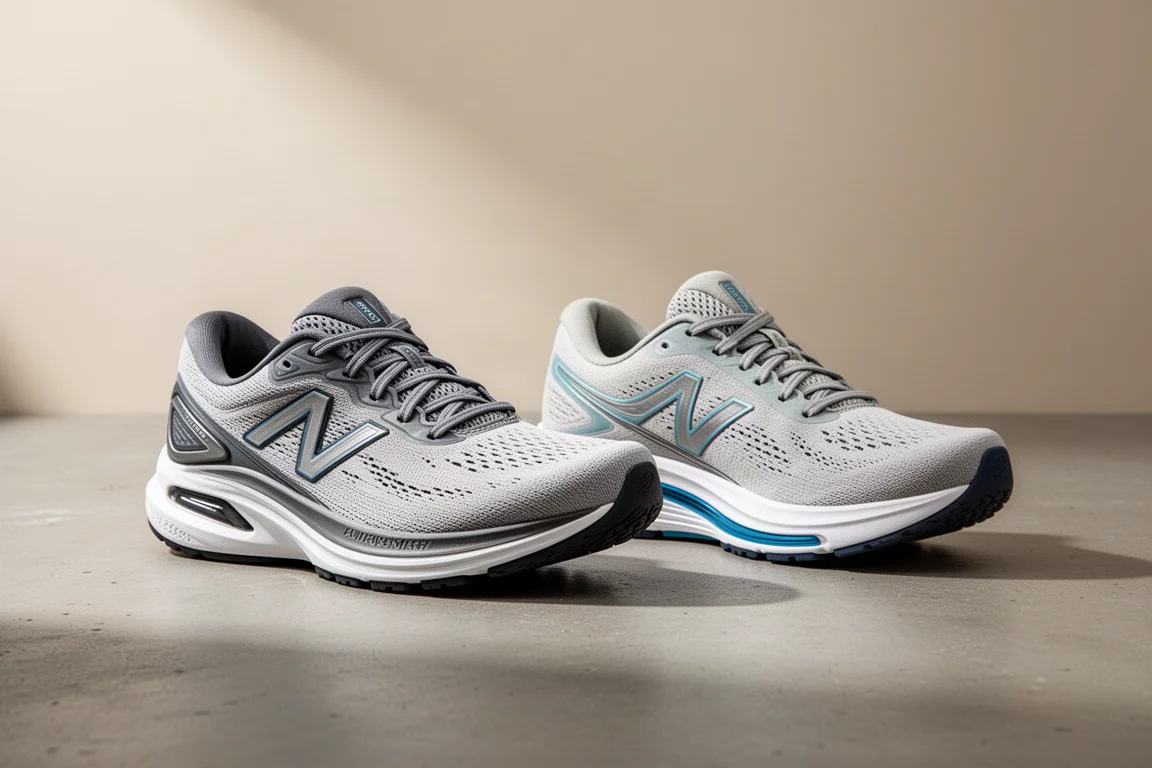
Some stability shoes do things so similarly that comparing them directly is the fastest way to figure out which one belongs on your feet. That is exactly the case with the Nike Structure 25 and the Brooks Adrenaline GTS 23. Both sit in the guidance-stability category, and both lean heavily on rear-foot support to keep your ride centered. They are not the same shoe, but the overlap is real, and the differences show up in the details: heel stiffness, midfoot fit, forefoot stability, and how each one handles pace.
Specs at a Glance
The numbers are close. The Structure 25 comes in at 10.8 oz for men in size 9 and 9 oz for women in size 8, with a 37 mm heel, 27 mm forefoot, and a 10 mm drop. The Adrenaline GTS 23 lists 10.4 oz for men in size 9 and 9.2 oz for women in size 8, with a 36 mm heel, 24 mm forefoot, and a 12 mm drop.
On paper the Structure is technically the lower-drop shoe, but in practice both feel like high-drop shoes. The Structure has a nice heel bevel that softens the transition, while the Adrenaline lets you feel its higher offset a bit more directly.
Stability and Ride
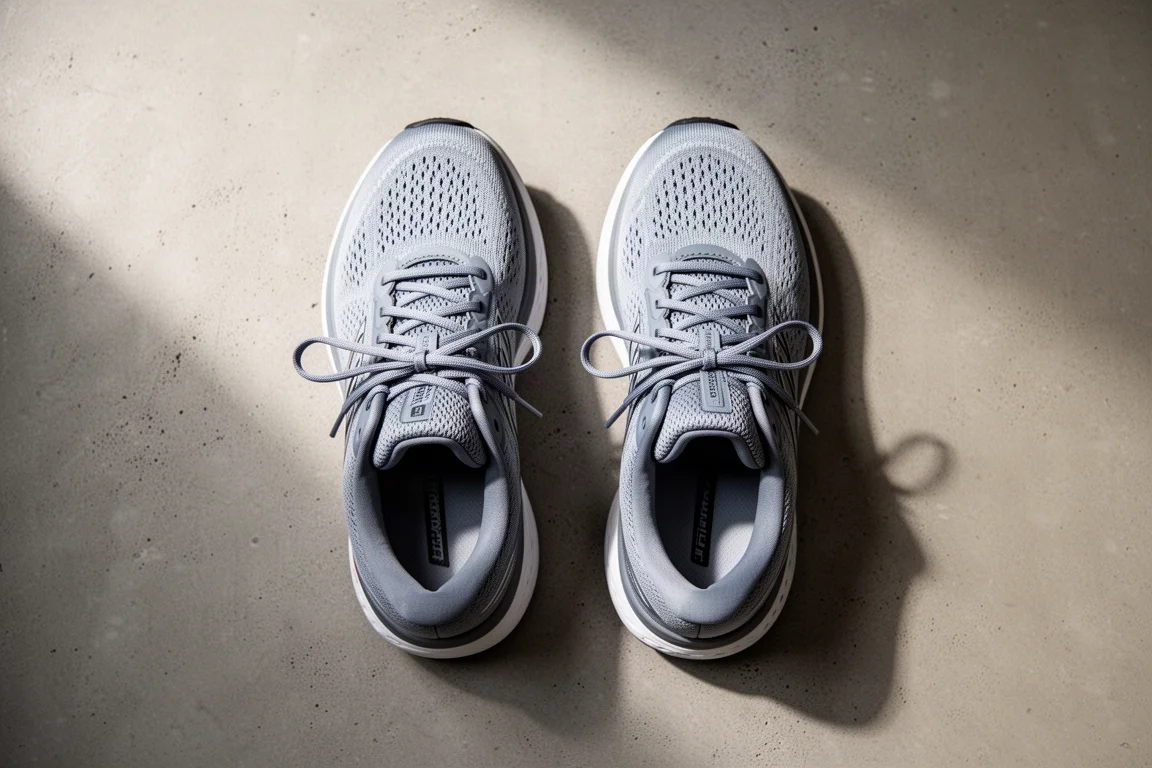
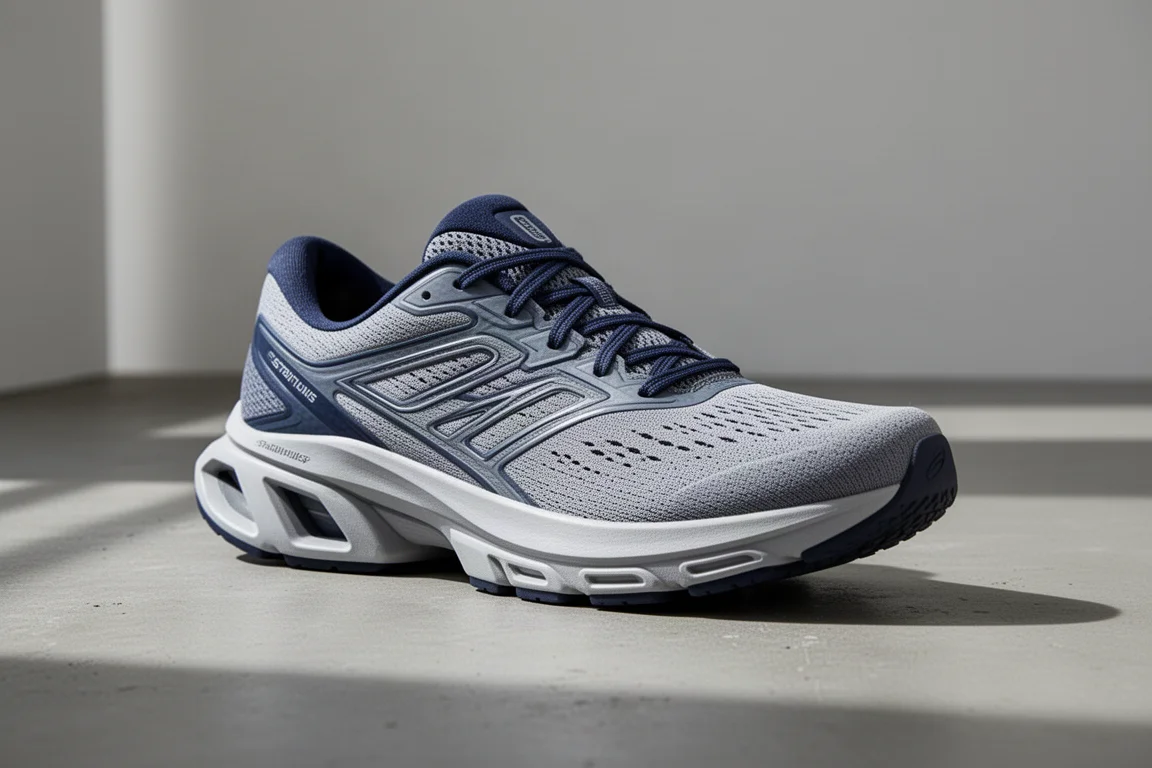
Both shoes put a lot of their stability work in the rear foot. The Structure uses an intense heel clip combined with firmer foam, making for a very stiff heel, plus a narrow, snug heel counter that locks the heel in exceptionally well. If you need a very stiff heel, both in the sole and the upper, the Structure delivers.
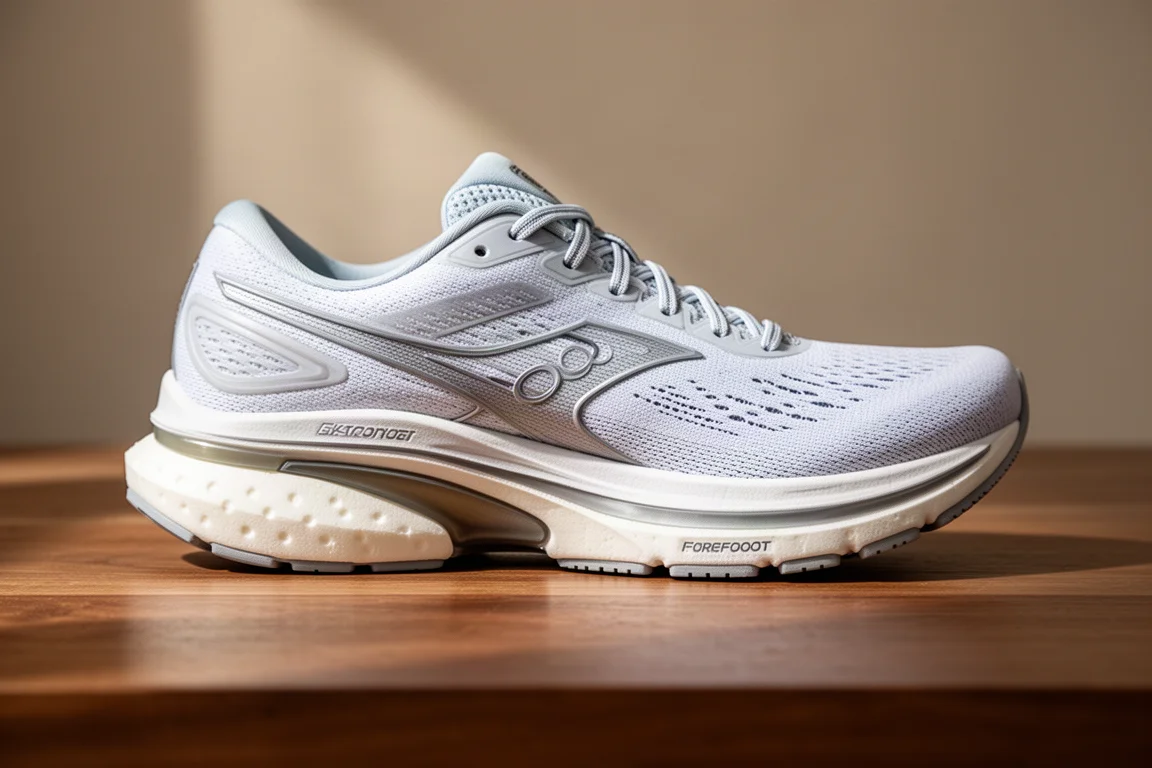
The Adrenaline does something similar with a slightly wider rear-foot fit and a less aggressive heel counter. Its guide rails on both sides keep things centered, and Brooks typically builds a slightly stiffer heel for a stable ride, which is great unless you prefer your stability to live more in the midfoot. There is still, to current knowledge, a post in the Adrenaline’s midfoot.
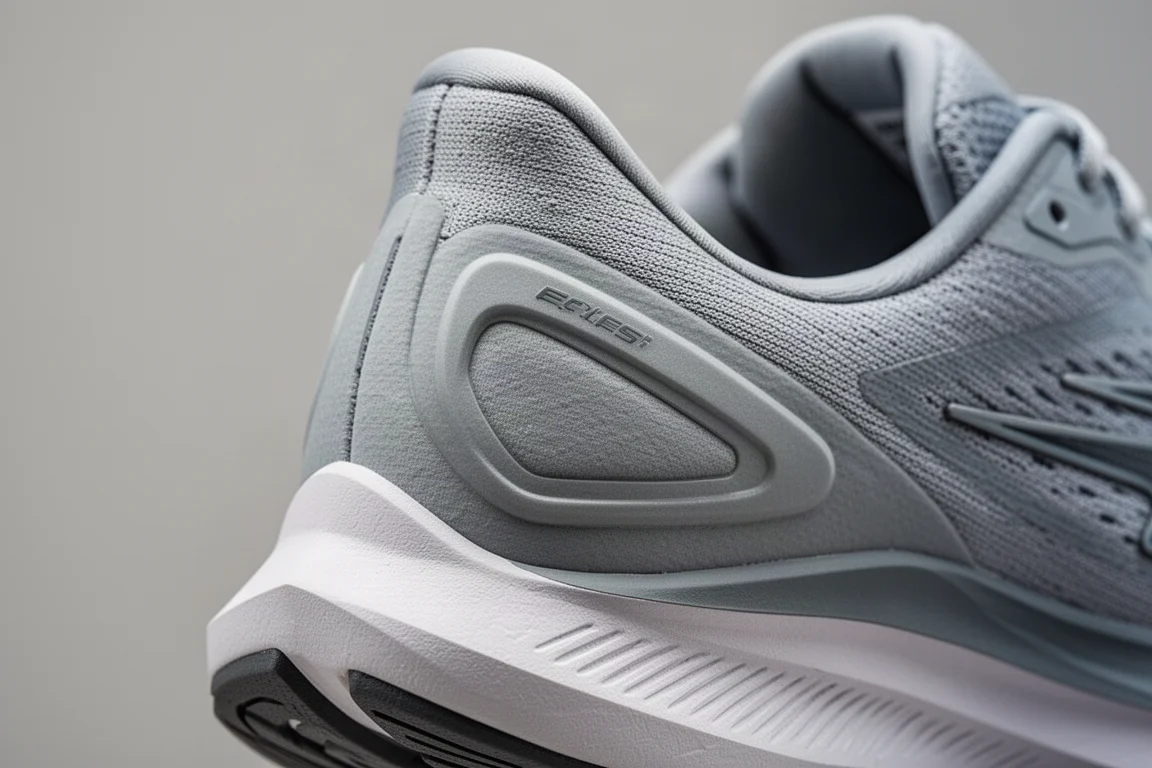
The heel transition is a little better in the Structure thanks to that bevel. The Adrenaline’s rear foot feels slightly clunkier because of the higher drop and the smaller bevel, though the foam does compress and soften things. In the midfoot, the Structure has its clip plus sidewall pressure, and its midfoot is wider. The Adrenaline has a lateral guide rail and medial support with a sidewall that feels less intense standing still but becomes noticeable while running.
In the forefoot, the Adrenaline has a slightly quicker transition and a fairly neutral feel. The Structure is firmer and snappier thanks to its foam and the Zoom forefoot unit, which almost feels like a metatarsal lift. The Structure’s wider sole and sole flare give it a more stable forefoot, making it the more balanced guidance shoe overall, while the Adrenaline concentrates its support more in the heel and midfoot.
Fit and Upper
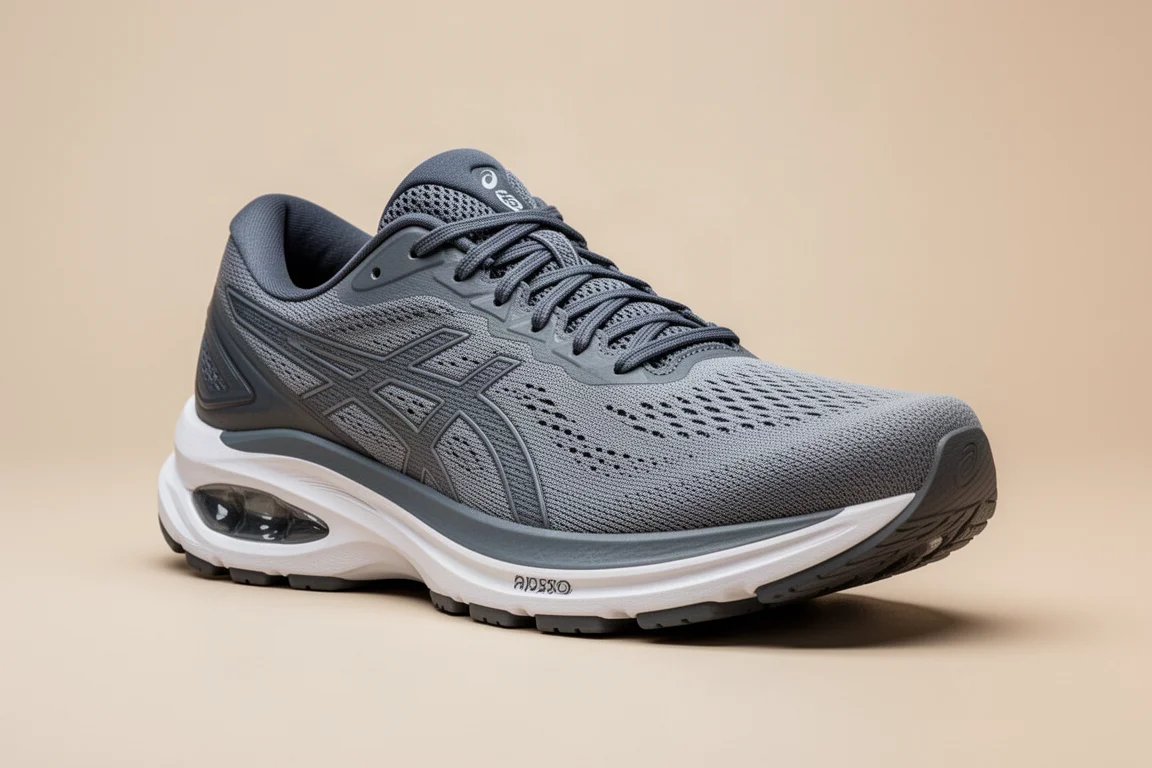
Forefoot widths feel fairly similar, partly because the Structure fits a touch long while the Adrenaline fits a touch short. In terms of actual room, the Adrenaline likely offers a bit more up front. Both have fairly normal forefoot widths with a slight toe-box taper, tapering a bit sooner on the Adrenaline because of the shorter fit.
The midfoot is where they diverge. The Adrenaline is more relaxed with a normal-width fit and a thinner tongue. The Structure has a huge tongue that creates a more compressive fit; no lacing adjustments were needed on either, but there is more pressure on the foot in the Structure. At the heel, the Structure is narrower and more structured, while the Adrenaline has a more normal-width heel with better cushioning in the upper. Choose the Structure for a stiffer, structured heel, and the Adrenaline if you want a heel counter with a softer feel.

Weight and Versatility
The Adrenaline is listed at 10.4 oz but feels noticeably lighter on the run, and it is light enough that a couple of workouts have been possible in it. It is not a workout shoe, but you can pick the pace up slightly when needed. The Structure definitely feels its weight. It handles easy miles very well, especially when you want something a bit firmer, but it is not good at picking up the pace. Despite versatility claims, that is hard to agree with here.
Which One Should You Buy?
If you want a more balanced stability shoe with excellent heel lock-in, a better heel bevel, and a wider midfoot, the Structure 25 is the stronger pick, accepting the extra weight and firmer ride. If you prefer a slightly softer, more forgiving feel, a more relaxed midfoot, a better-cushioned upper, and the ability to nudge the pace up occasionally, the Adrenaline GTS 23 makes more sense. Both are genuinely good shoes; the choice comes down to where you want your stability and how stiff you want your heel.
Conclusion
The Structure 25 and Adrenaline GTS 23 prove that guidance stability can be done two ways: one stiff, snug, and balanced throughout, the other softer, more centered in the rear foot, and a touch lighter. Match the shoe to your heel preferences and pacing needs, and either one can anchor your easy-day rotation.
Further reading
Related Reviews

Running Shoes
Best Road-to-Trail Running Shoes: Three Versatile Options for Mixed Terrain
A practical guide to three road-to-trail running shoes that handle both pavement and mild trails, with clear strengths and trade-offs for different runner types.

Running Shoes
Best Running Shoes for Achilles Tendonitis: Three Options Explained
Three running shoes with different heel drops and support features designed to help reduce Achilles tendon pain during walking and running.

Running Shoes
Best Running Shoes for Women: Five Top Choices Ranked
A ranked guide to five women's running shoes, from versatile daily trainers to high-performance racing options, with real strengths and trade-offs for each.