Running Shoes
Nike Structure 25 vs Structure 26: Which Stability Shoe Should You Buy?
Nike's stability trainer changed drastically between version 25 and 26. Here is how the ride, stability, and fit differ so you can pick the right one.
Introduction
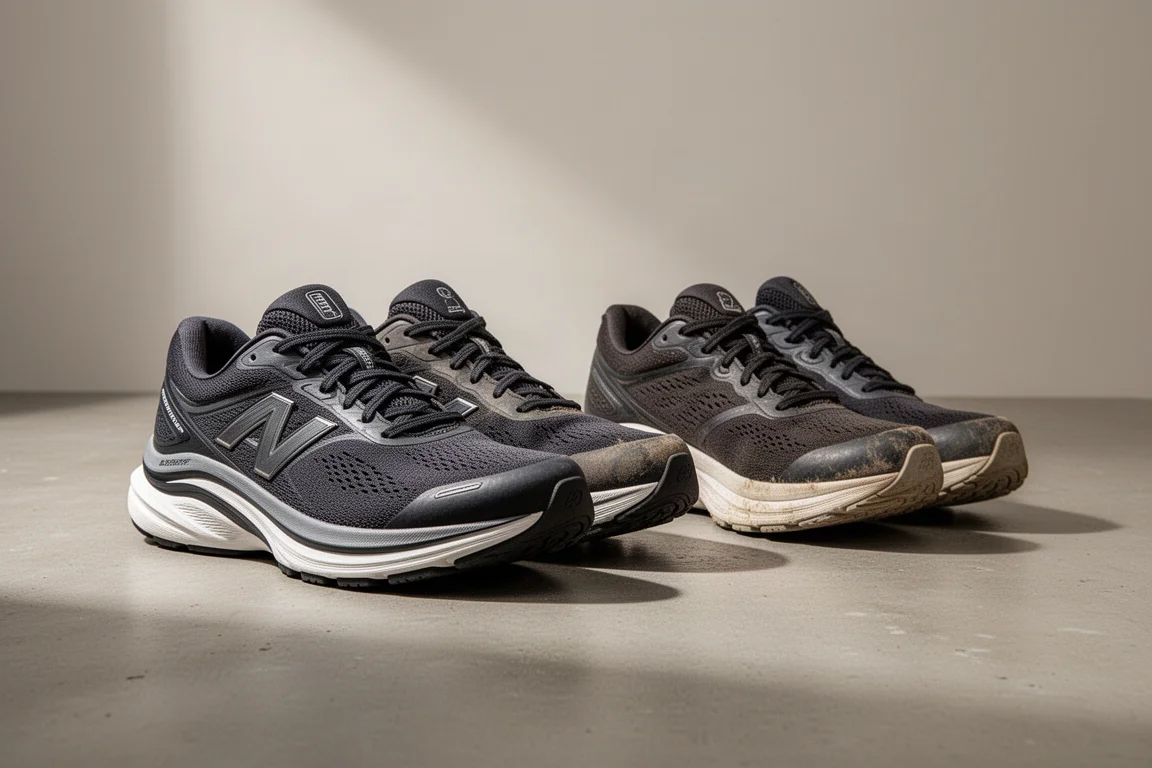
The Structure has been Nike’s primary stability shoe for many years, and the newest version is a genuine overhaul rather than a minor update. Version 25 brought back a large mid-foot sidewall as part of its mid-foot support system, while version 26 was rebuilt from the ground up. These are two different shoes, and the right choice depends on what you want: the firmer ride of the 25 or the softer ride of the 26.
Weight, Stack Height, and Specs
In a men’s size 10, both shoes measured the same at roughly 11 oz, or about 310 g, which is slightly less than Nike’s listed 11.3 oz. Weight is identical, but stack height differs slightly: version 25 comes in at 37 mm in the heel and 27 mm in the forefoot, while version 26 adds one millimeter at 38 mm and 28 mm. Both keep a 10 mm drop.

Neither shoe is light. If low weight is your top priority, this is not the lineup for you, but the specs are close enough that the decision really comes down to feel.
Midsole and Ride Feel: The Biggest Difference
Version 25 uses full-length cushion foam with a Zoom unit in the heel and forefoot. Out of the box it is firm, and it stays on the firmer end even after break-in. With about 100 miles on the shoe, the Zoom units and foam softened slightly and the forefoot turned snappy, but this remains a firm-riding trainer.
Version 26 swaps in a full-length ReactX midsole with no Zoom units. The result is a much smoother, softer ride. It is not the softest shoe on the market, but it is clearly softer than its predecessor.
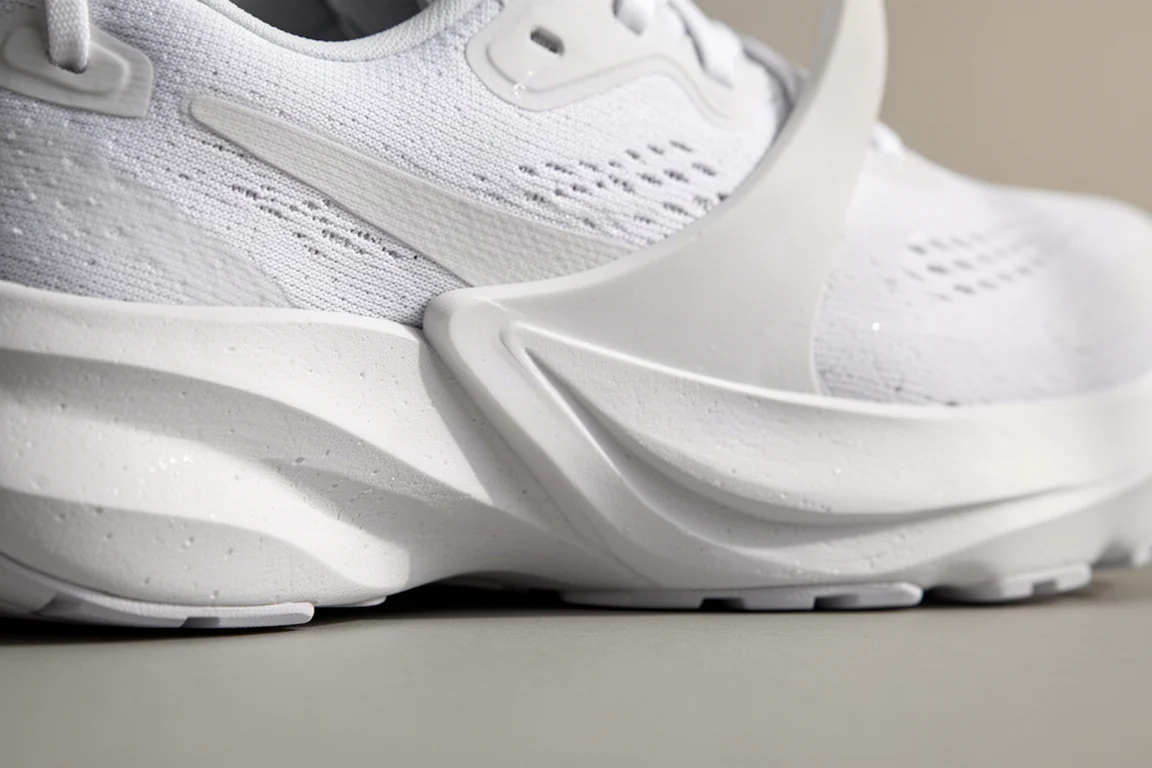
The trade-off is response. The ReactX does not respond as quickly, and version 26 feels like a larger, blockier shoe, especially in the heel and midfoot before it breaks in. Version 25 felt snug and, oddly, slightly nimble despite the weight. Version 26 needs about 25 to 30 miles before the transition smooths out, helped by a posterolateral bevel that version 25 lacked.
Stability: Two Very Different Approaches
Version 25 leaned toward stable-neutral. Most of its support came from the medial midfoot, with the interesting side effect that the forefoot Zoom unit seemed to lift the transverse arch, creating forefoot stability. Runners who need some forefoot support will like this, but others may find it feels like something stuck under the foot. The rest of the shoe was not overtly stable.
Version 26 is far more prevalent in its stability. It has a much larger lateral guide rail or sidewall in the heel and midfoot, giving lateral stability, plus a cushioned medial post-like feel along the arch that is present from day one, whether running, walking, or standing all day.

If you want a classic medially supported midfoot and heel, version 26 is the better option. Version 25 is a bit better purely for running.
Upper and Fit: More Room in Version 26
The version 25 upper was fairly thick and felt almost casual, and its aggressively stiff heel counter caused repeated heel irritation over 100 miles. Version 26 moves to a true engineered mesh upper with plenty of padding around the heel and a slightly more flexible counter, so runners with heel bump deformities should do fine.
One caution: the foam in version 26 sits over the edge of the heel, which can irritate runners with insertional Achilles tendinopathy. Otherwise, version 26 offers more volume and width for those who found version 25 too snug, though both fit normal to slightly snug.
Buying Advice
Choose the Nike Structure 25 if you want a firmer, snappier ride and benefit from forefoot support via the Zoom unit. Choose the Nike Structure 26 if you want a softer, smoother, more versatile shoe with stronger medial support for running, walking, and standing. Both could stand to lose some weight, and future premium versions of the Structure may address that, but for now the choice comes down to firm versus soft.
Conclusion
The Nike Structure 26 is the more comfortable, supportive, and versatile option, while the Structure 25 rewards runners who prefer a firmer, quicker-feeling ride. Matching the ride character to your needs is the key to picking between these two.
Product link
View more details for Nike Structure 25
This product is mentioned in the review. Check the specifications, options, and compatibility before buying.
View more details for Nike Structure 25Further reading
Related Reviews

Running Shoes
Best Road-to-Trail Running Shoes: Three Versatile Options for Mixed Terrain
A practical guide to three road-to-trail running shoes that handle both pavement and mild trails, with clear strengths and trade-offs for different runner types.

Running Shoes
Best Running Shoes for Achilles Tendonitis: Three Options Explained
Three running shoes with different heel drops and support features designed to help reduce Achilles tendon pain during walking and running.

Running Shoes
Best Running Shoes for Women: Five Top Choices Ranked
A ranked guide to five women's running shoes, from versatile daily trainers to high-performance racing options, with real strengths and trade-offs for each.