Running Shoes
Nike Streetfly vs Vaporfly vs Alphafly: Which Racing Shoe Fits Your Race Day?
Three Nike racers, three very different jobs. We compare the Streetfly, Vaporfly, and Alphafly on stack, weight, feel, and the distances where each one earns its place.
Introduction
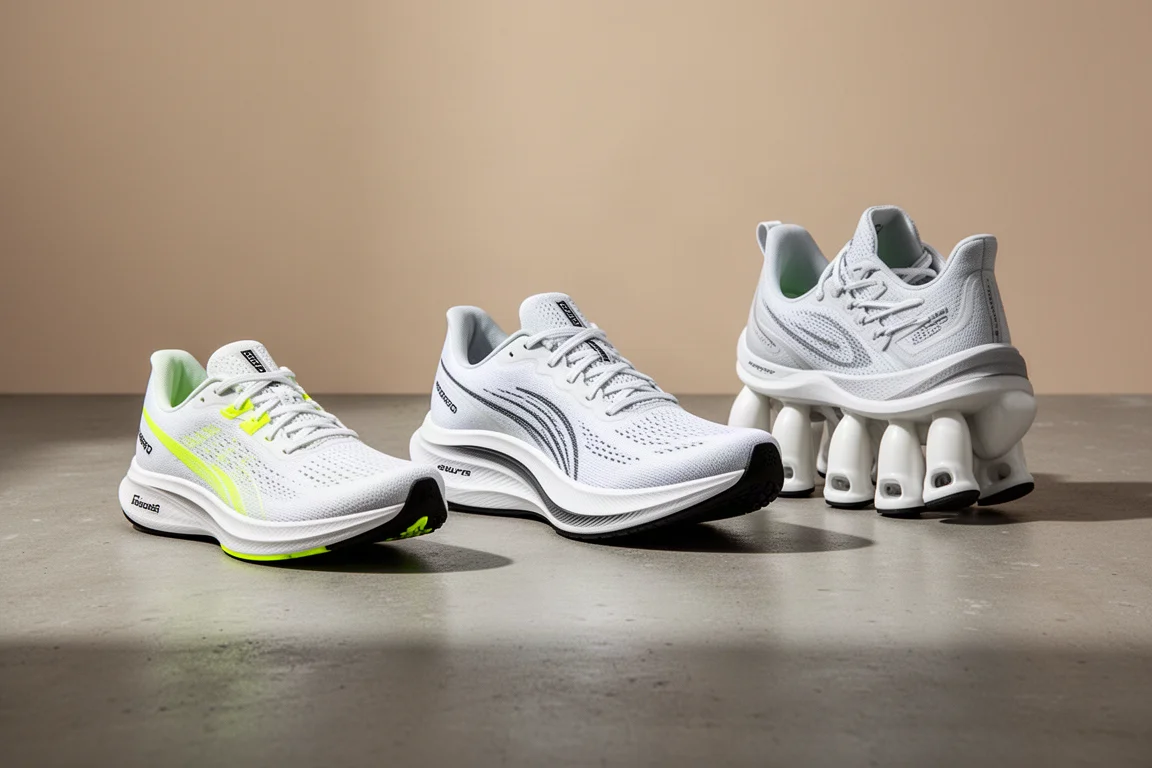
Nike’s racing line now spans three very different shoes, and picking between them matters more than most people expect. The Streetfly, Vaporfly, and Alphafly share the same ZoomX foam, but each one is built for a different job, a different distance, and a different type of runner.
We logged a 30K long-run session across all three, splitting the run into blocks to feel how each shoe behaves at easy pace and at marathon effort. Here is how they compare, and which one makes sense for you.
Three Shoes, Three Different Jobs
The similarities are fewer than you might think. All three use Nike ZoomX foam in the midsole, but that is roughly where the shared DNA ends. The Streetfly has no carbon plate at all, using a shank in the midfoot to help the transition. The Vaporfly and Alphafly both carry carbon plates, and there is a detail worth knowing: the Vaporfly plate is the same size in every shoe size, while the Alphafly plate scales up as the shoe size increases.
One more note that applies to all of them: expect roughly 200 to 300 miles of peak performance before the foam starts to break down. That does not mean the shoes are dead. They can carry you through training sessions for hundreds of miles beyond that, but for race-day sharpness, the freshest window is that first stretch.

Nike Streetfly: The 5K and 10K Specialist
The Streetfly sits at around £135 in the UK, which is genuinely reasonable value for a shoe in this category. It has a 32mm stack, a 6mm drop, and comes in at just 210 grams in a UK size 12. That lightness is the whole point: think of your leg as a pendulum, and a shoe this light costs your muscles far less to swing with every stride. ZoomX foam still provides propulsion, so the Streetfly hits a sweet spot between getting help from the shoe and not tiring yourself out carrying extra weight.
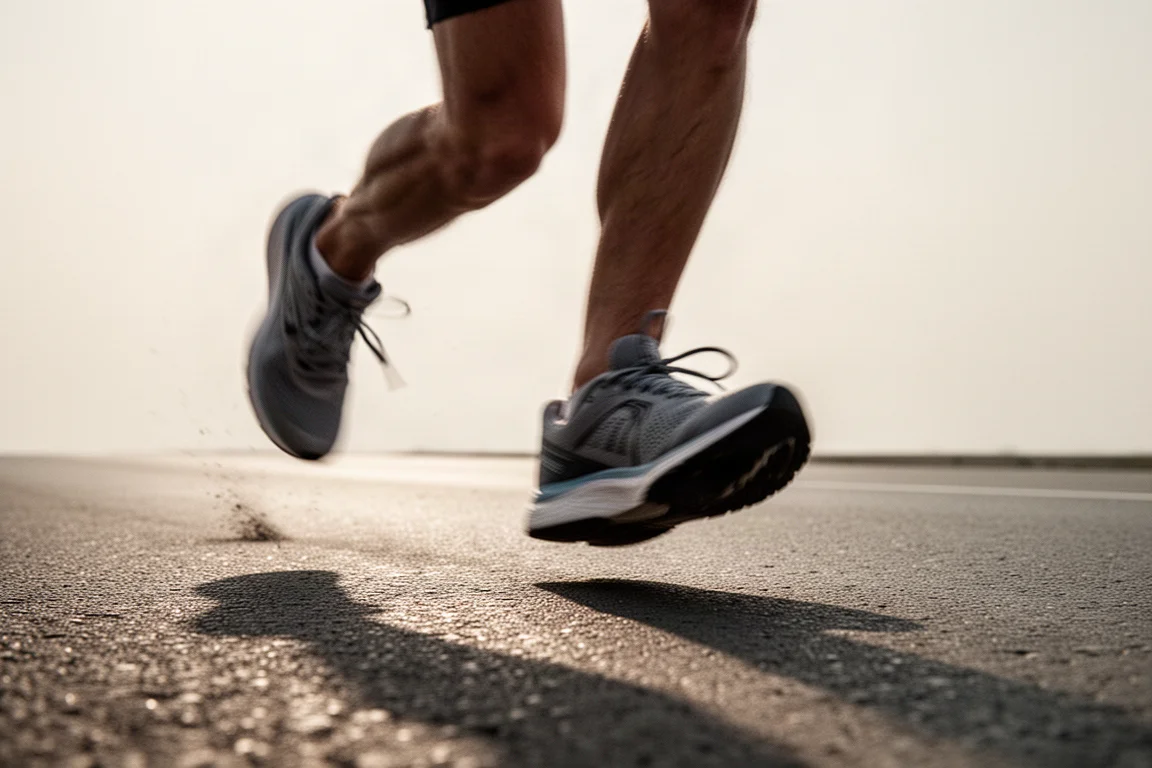
It is the most comfortable of the three by a clear margin, and running short, fast blocks in it felt effortless. That said, it is labelled as a 5 to 10K shoe for a reason. A marathon in the Streetfly is possible, but you would need to be very strong and running at elite speeds so you are not on your feet for long. For short races and speed sessions, though, this is the pick.
Nike Vaporfly: The Marathon All-Rounder
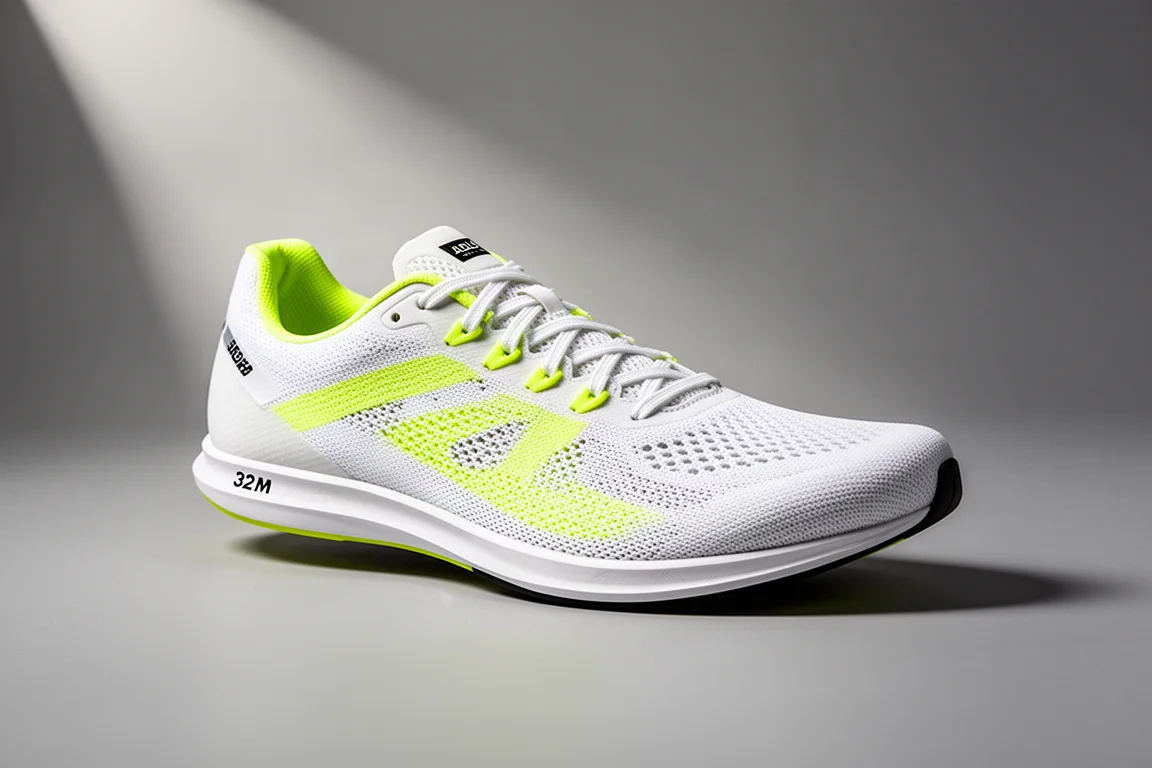
The Vaporfly is the shoe that suits almost everybody, whether you are running a marathon in two hours or in six hours plus. It carries maximum stack height at 40mm at the heel, an 8mm drop, and comes in at 250 grams, a comfortable middle ground between the featherweight Streetfly and the chunkier Alphafly.
What it delivers is that big, cushioned, plate-assisted ride that keeps your legs going through the second half of a half marathon or marathon. It gets you up on your toes, encourages a forward lean and quick turnover, and holds off fatigue when the race gets hard. It is a shoe worth loving if you race anything from 5K upward, but it truly comes into its own over the long distances.

The obvious negative is price: £225 to £250 is a serious amount for a shoe with a relatively short peak-performance lifespan. But if you want every box ticked on race day, the Vaporfly is the shoe most likely to give you that small, meaningful performance edge.
Nike Alphafly: The Marmite Marathon Weapon
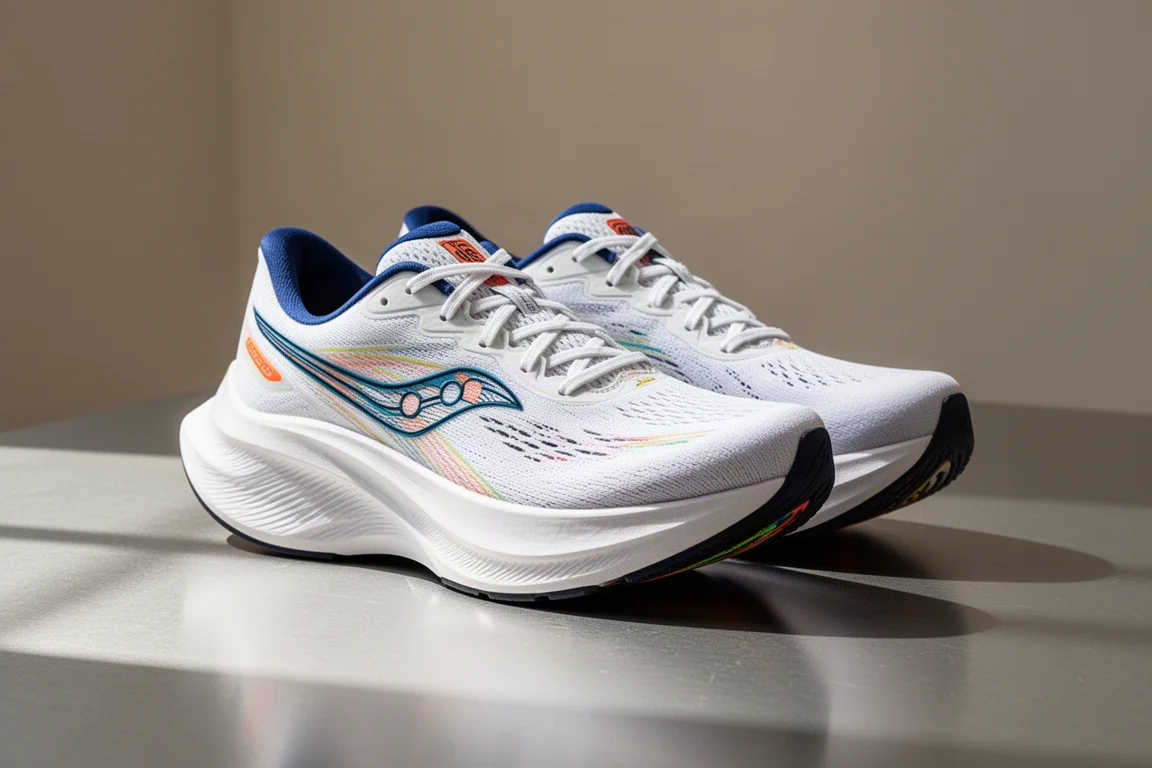
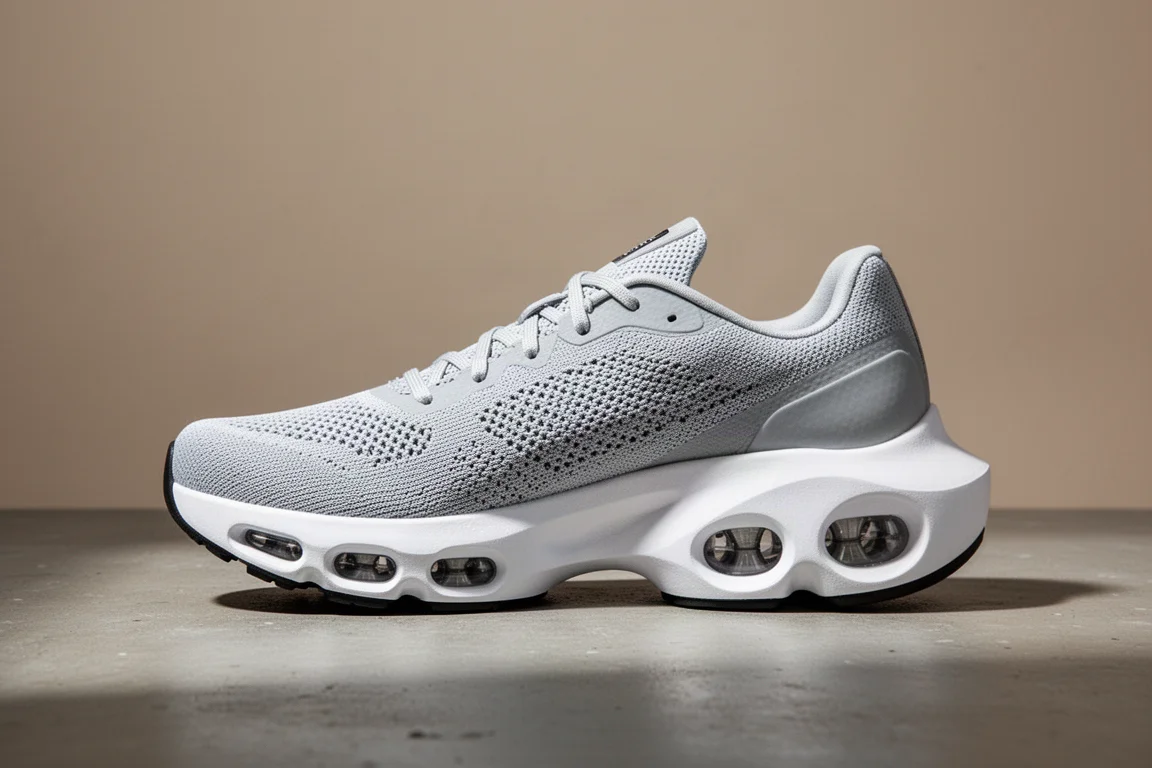
The Alphafly divides opinion like no other shoe. It has a 40mm stack with only a 4mm drop, a full-length carbon plate, and forefoot Air Pods that add propulsion while absorbing impact. It is also the heaviest of the three, though still relatively light as racing shoes go.
Let’s start with the drawbacks, because there are several. It is extremely loud, with a slapping sound on every stride that can make you self-conscious in races. It is huge and clumpy, hugging the foot especially narrowly through the midfoot, which will not suit wider feet. It is really a midfoot or forefoot striker’s shoe: if you heel strike, you simply will not get the benefit of the Air Pods and would be better served by the Vaporfly. There is also a real risk to consider: Air Pods have been known to pop, and a deflated pod mid-race would make for a very uncomfortable final miles.
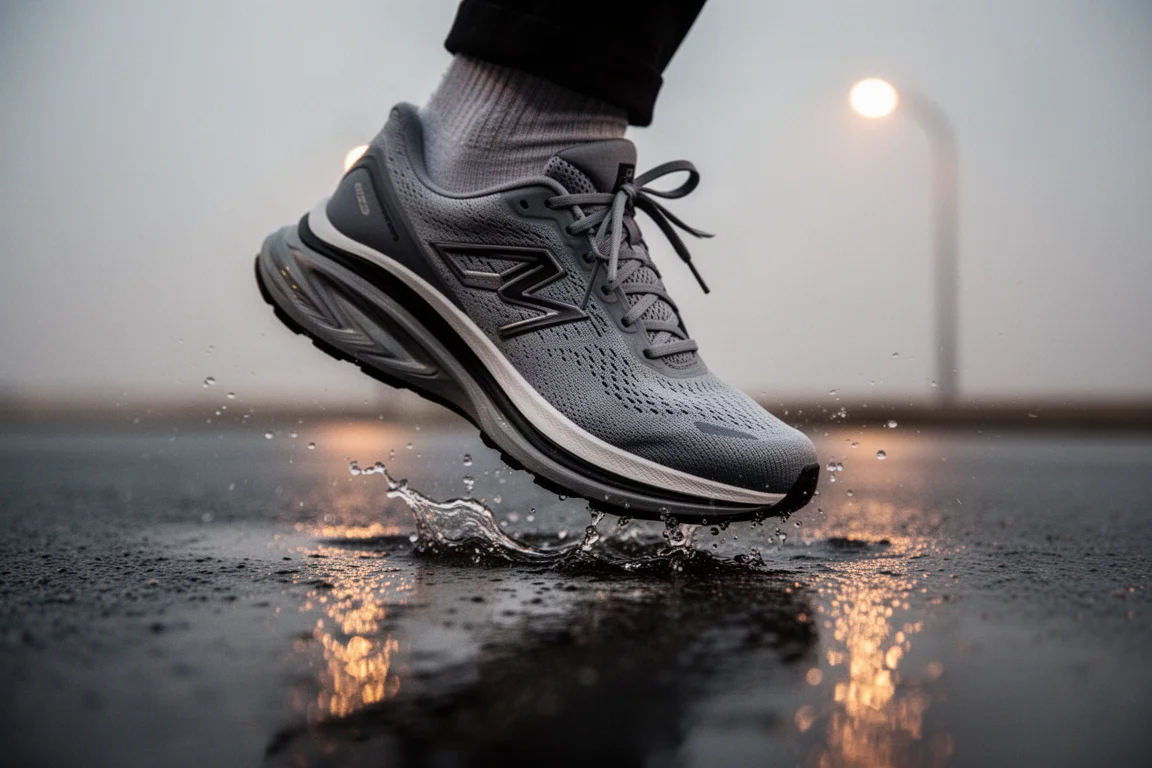
So why keep them? Because when the shoe works for your form, it works brilliantly. It was designed around the needs of a sub-two-hour marathon runner with high cadence and forefoot landing, and if that describes your stride, the Alphafly cruises. Over a long distance it holds pace and keeps fatigue at bay, and for many runners it becomes the marathon race-day shoe of choice.
Which One Should You Buy?
Match the shoe to the race, not to the hype. If your focus is 5K and 10K racing and speed sessions, the Streetfly is the lightest, most comfortable, and most affordable of the three. If you want one shoe for everything from half marathons to marathons regardless of ability level, the Vaporfly remains the safest and most versatile bet. And if you are a forefoot striker with good form chasing a marathon personal best and willing to accept the quirks, the Alphafly is the weapon built for that back end of the race when fatigue hits.
Conclusion
All three shoes are excellent, but they are not interchangeable. The Streetfly rewards short-distance speed, the Vaporfly rewards everyone, and the Alphafly rewards a specific stride. Pick the one that matches your race day and your running form, and any of the three will do its job well.
Further reading
Related Reviews

Running Shoes
Best Road-to-Trail Running Shoes: Three Versatile Options for Mixed Terrain
A practical guide to three road-to-trail running shoes that handle both pavement and mild trails, with clear strengths and trade-offs for different runner types.

Running Shoes
Best Running Shoes for Achilles Tendonitis: Three Options Explained
Three running shoes with different heel drops and support features designed to help reduce Achilles tendon pain during walking and running.

Running Shoes
Best Running Shoes for Women: Five Top Choices Ranked
A ranked guide to five women's running shoes, from versatile daily trainers to high-performance racing options, with real strengths and trade-offs for each.