Running Shoes
Nike Streakfly First Run: A Featherweight Racer Built for 5K and 10K Speed
Nike's lightest road racing shoe in recent memory arrives with ZoomX foam, no carbon plate, and a sub-200g build. Here's how it performed in a hard 8x1K session.
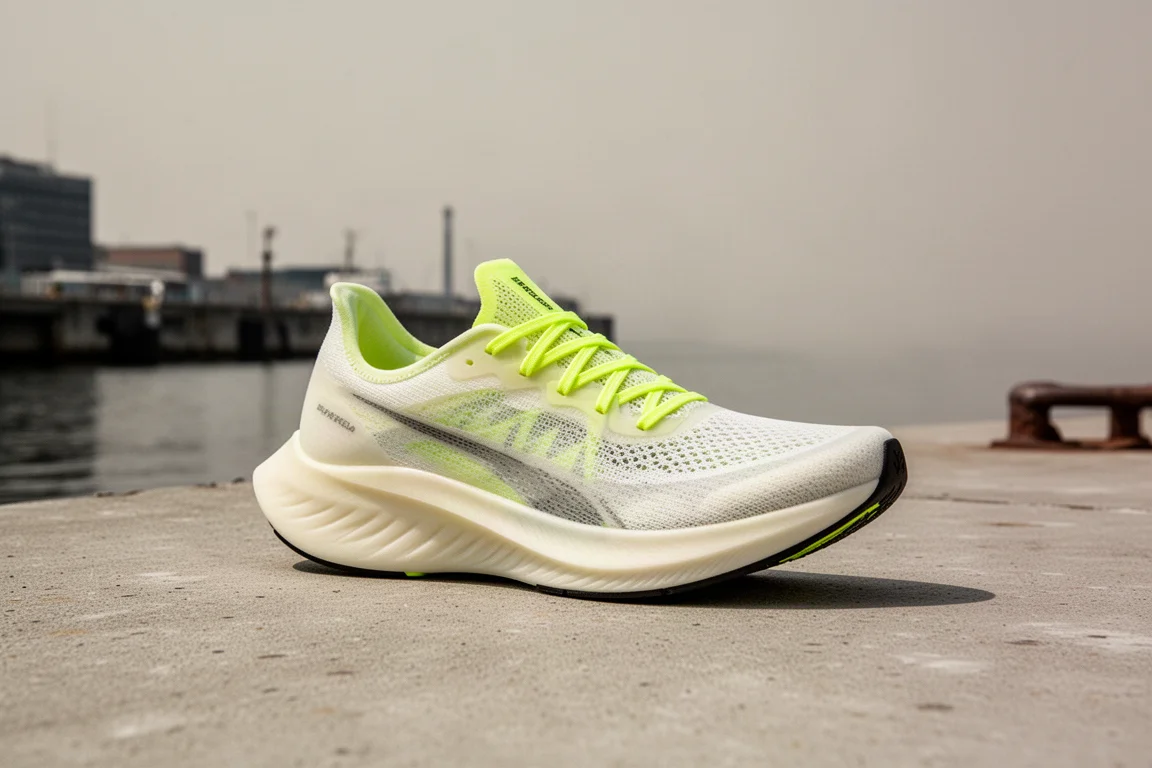
Introduction
Some shoes arrive with quiet hype, and some arrive with the kind of anticipation that sells out in minutes. The Nike Streakfly landed firmly in the second camp. Positioned as a dedicated weapon for 5K and 10K racing, it is billed as the perfect shoe for short-distance road speed, and the early response suggests runners have been waiting for exactly this.
We put it straight into a demanding workout: a 6K warm-up, 4x1K reps with walking recovery, a 4K easy jog, another 4x1K set, and a cool-down. Roughly 28K in a single day, on legs already sitting near 100K for the week. If a shoe is going to reveal its character, this is the kind of day that does it.
First Impressions Out of the Box
Straight out of the box, the Streakfly feels comfortable and snug on the foot, with no settling-in period needed before the first jog. The fit locks down well with no heel slip, and the ankle collar padding is familiar territory for anyone who has worn Nike’s flagship racers, with cushioning that sits nicely against the achilles.
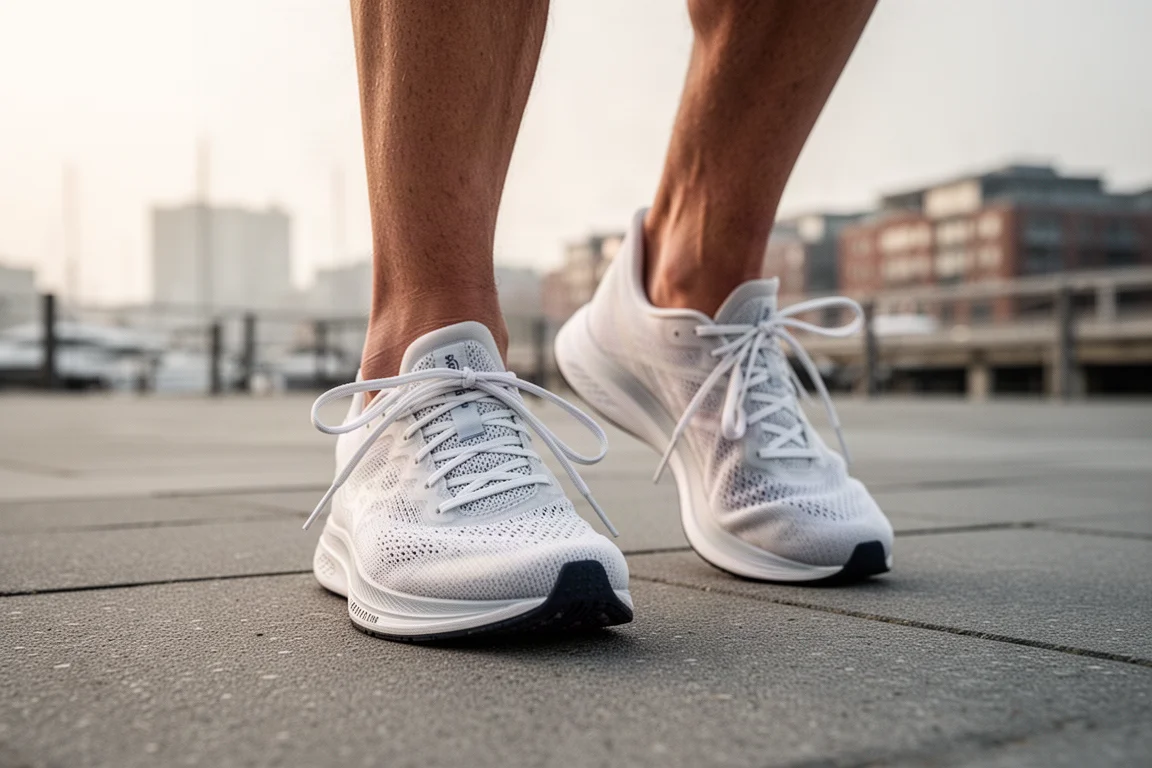
One sizing note worth flagging: the shoe runs a smidge long. In the usual size, there is a little extra room at the toe, though it never caused hot spots or instability. Anyone with the chance to try a half size down in person would be wise to do so.
Specs and Construction
The headline numbers tell a clear story. Stack height sits at 32mm at the heel, which technically rules the shoe out of track racing under current rules, a concern that realistically only affects professionals. For road racing, it is completely legal, and the full-length ZoomX foam delivers exactly what that midsole compound is famous for: a super springy ride that absorbs impact and gives it back.
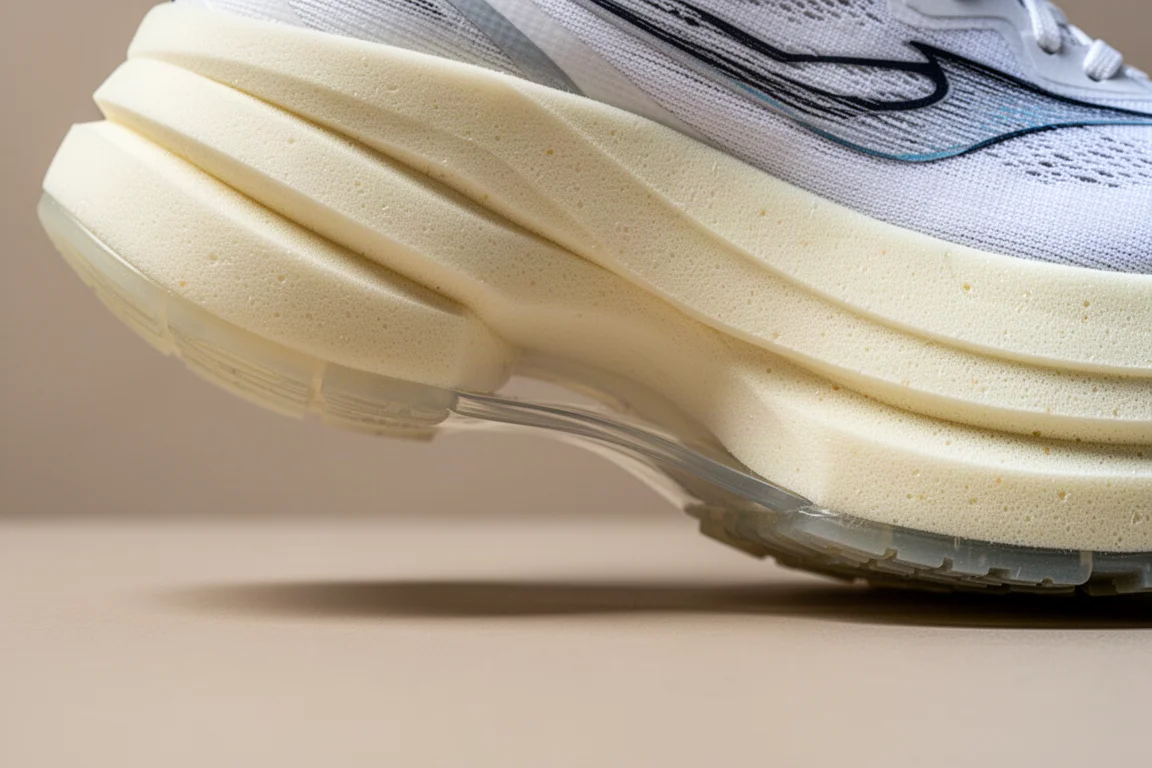
There is no carbon plate here. The shoe bends comfortably and instead relies on a shank through the midfoot made from a material called PEBA, which helps with transition and that spring-loaded feel through the stride. Removing the plate, combined with everything else, produces a genuinely remarkable weight: just over 200 grams in the tester’s usual size, versus around 240 to 250 grams for a Vaporfly, and roughly 100 grams less than an Alphafly. It is a neutral shoe offered in a single width, so there are no wide options to choose from.
How It Performed in a Hard Session
This is where the shoe earned its keep. Across eight 1K reps targeting around 3:15 to 3:20 pace, the splits landed remarkably consistently: 3:16, 3:14, 3:13, 3:14, 3:14, 3:14, 3:10, and a closing 3:05 when the legs were finally given permission to open up. The shoe did not just tolerate the quick pacing, it actively encouraged it, with the runner repeatedly noting the need to hold back.
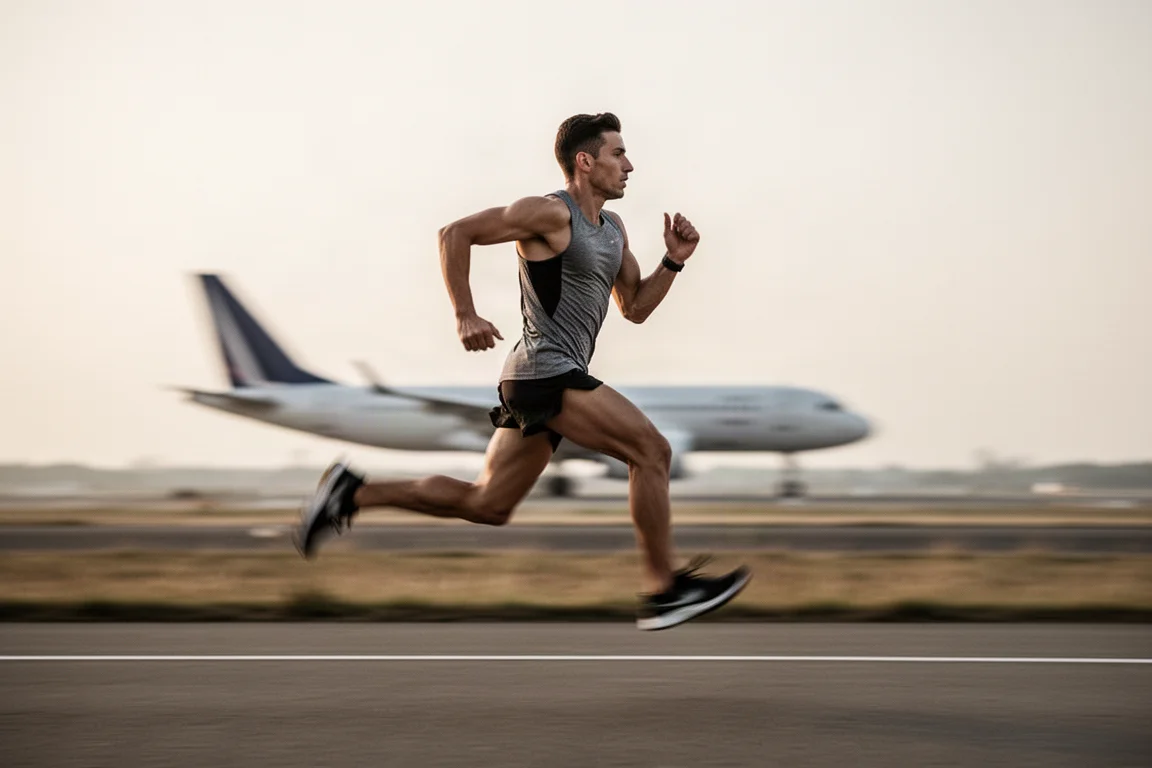
The cadence and ground contact characteristics matter here. For runners who have worked on a high turnover and minimal time on the ground, this shoe seems to pop through the stride, with the PEBA shank handling the energy transition cleanly. Ground contact feels minimal, and the turnover is genuinely beautiful to run in. Lightness aside, the verdict after one session is simple: this thing is fast, and it inspires confidence at speed.
Things to Consider Before Buying
Two practical points deserve attention before hitting the buy button. First, sizing: if the extra toe room would bother you, consider trying a half size down. Second, availability. The launch was a short limited-edition prototype colorway that sold out on the Nike website in about five minutes, with a wider general release expected around a couple of months later, and the release rolling out to other markets in stages rather than everywhere at once.
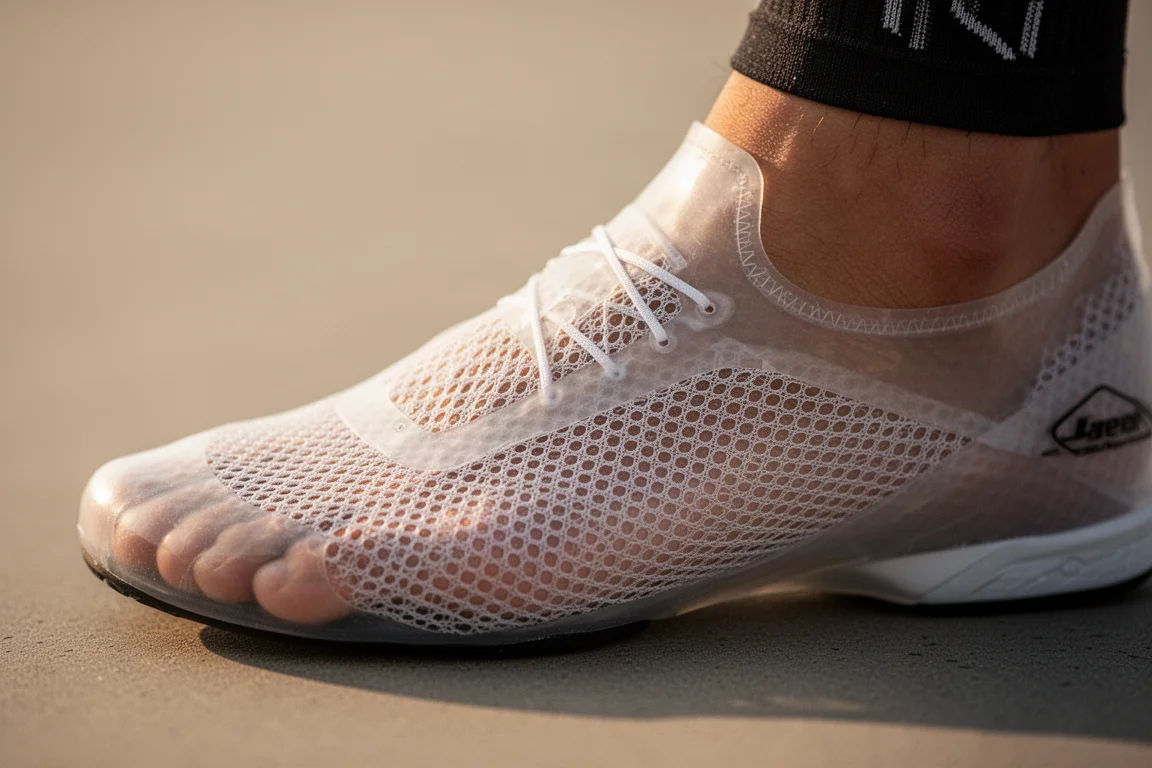
On the shoe itself, the upper is the standout secondary feature: it appears to be very similar to the Dragonfly track spike upper, so lightweight it is nearly see-through, with excellent airflow that kept the shoe from heating up even as the pace climbed. There is currently no plate for anyone who specifically wants that structure, but the trade is weight, and the weight is glorious.
Buying Advice
The Streakfly makes the most sense for runners whose racing lives happen between 5K and 10K, and for parkrun enthusiasts chasing a faster five. Anyone with a high cadence and short ground contact will get the most out of the energy transition, while heavier-handed strikers who rely on maximum midsole stack may prefer something with more cushioning depth.
It also suits runners who want one session shoe that doubles as a race-day weapon without the bulk or price-of-entry weight penalty of a plated super shoe. At around £135, it sits in familiar territory for serious racing footwear, and the fact that these sold out in minutes suggests demand is already proven.
Conclusion
After a single session, it is all smiles. The Streakfly is the lightest road shoe we have run in outside of track spikes, it survived a punishing 28K day with eight hard reps, and it closed the final rep at 3:05 pace with a smile on the wearer’s face. Early days, certainly, and a fuller verdict needs more mileage, but as a first impression of Nike’s answer to short-distance road speed, this is about as convincing as it gets.
Product link
View more details for Nike Streakfly
This product is mentioned in the review. Check the specifications, options, and compatibility before buying.
View more details for Nike StreakflyFurther reading
Related Reviews

Running Shoes
Best Road-to-Trail Running Shoes: Three Versatile Options for Mixed Terrain
A practical guide to three road-to-trail running shoes that handle both pavement and mild trails, with clear strengths and trade-offs for different runner types.

Running Shoes
Best Running Shoes for Achilles Tendonitis: Three Options Explained
Three running shoes with different heel drops and support features designed to help reduce Achilles tendon pain during walking and running.

Running Shoes
Best Running Shoes for Women: Five Top Choices Ranked
A ranked guide to five women's running shoes, from versatile daily trainers to high-performance racing options, with real strengths and trade-offs for each.