Running Shoes
Nike Streakfly 2 vs Vaporfly 4 vs Alphafly 3: Which Nike Race Shoe Fits Your Running?
Nike's three carbon-plated racers cover very different needs. Here is how the Streakfly 2, Vaporfly 4, and Alphafly 3 compare on cushioning, weight, and ride.
Introduction
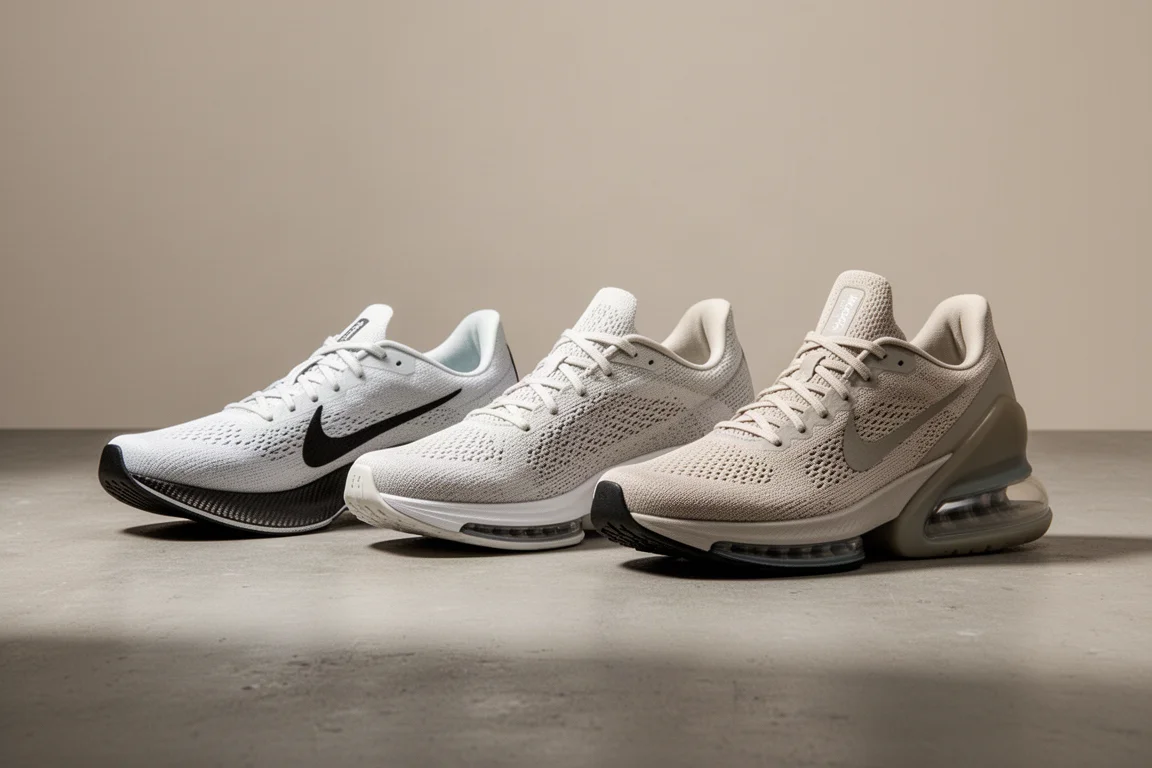
Nike currently has three carbon-plated race shoes on the market: the Streakfly 2, the Vaporfly 4, and the Alphafly 3. They share the same ZoomX foam, but they sit at very different points on the spectrum of cushioning, weight, and aggression. The Streakfly 2 is low to the ground and feather-light, the Vaporfly 4 sits in the middle on cushion and ride, and the Alphafly 3 is the tall, maximally cushioned top-tier option at $285 with an air pod in the forefoot.
The goal here is simple: help you figure out which of the three actually fits the way you race and train.
Evaluation Criteria
All three shoes use a carbon fiber plate and ZoomX foam, so the meaningful differences come down to three things: stack height, weight, and geometry. The Streakfly 2 runs roughly 30 mm of stack at the heel versus about 40 mm in the Alphafly 3 and 37 mm in the Vaporfly 4. That difference drives everything else: how aggressive the rocker feels, how much cushioning you get, and how much strength the shoe demands from your legs.
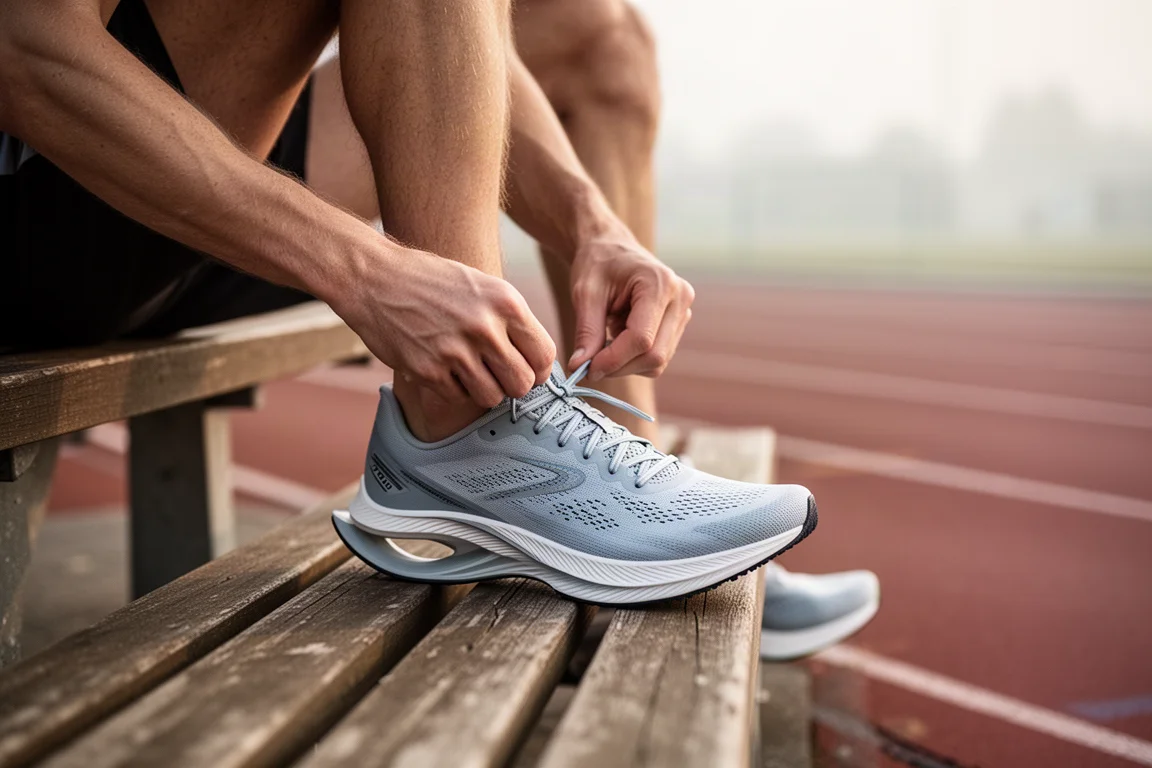
A useful way to frame the lineup: the Streakfly 2 is the most aggressive and least cushioned, the Vaporfly 4 is the middle option on cushion, and the Alphafly 3 is the most cushioned. Read on for how each one performs in practice.
Nike Streakfly 2: The Featherweight Aggressor
The Streakfly 2 might quietly be the favorite of the three. Its construction is unlike anything else at the market: very little foam under the heel, an extremely curved outsole, and an upper that fits like a sock. On the scale it comes in at around 137 grams, roughly half the weight of a typical speed training shoe like the Adizero Boston 13, which sits at about 274 grams.
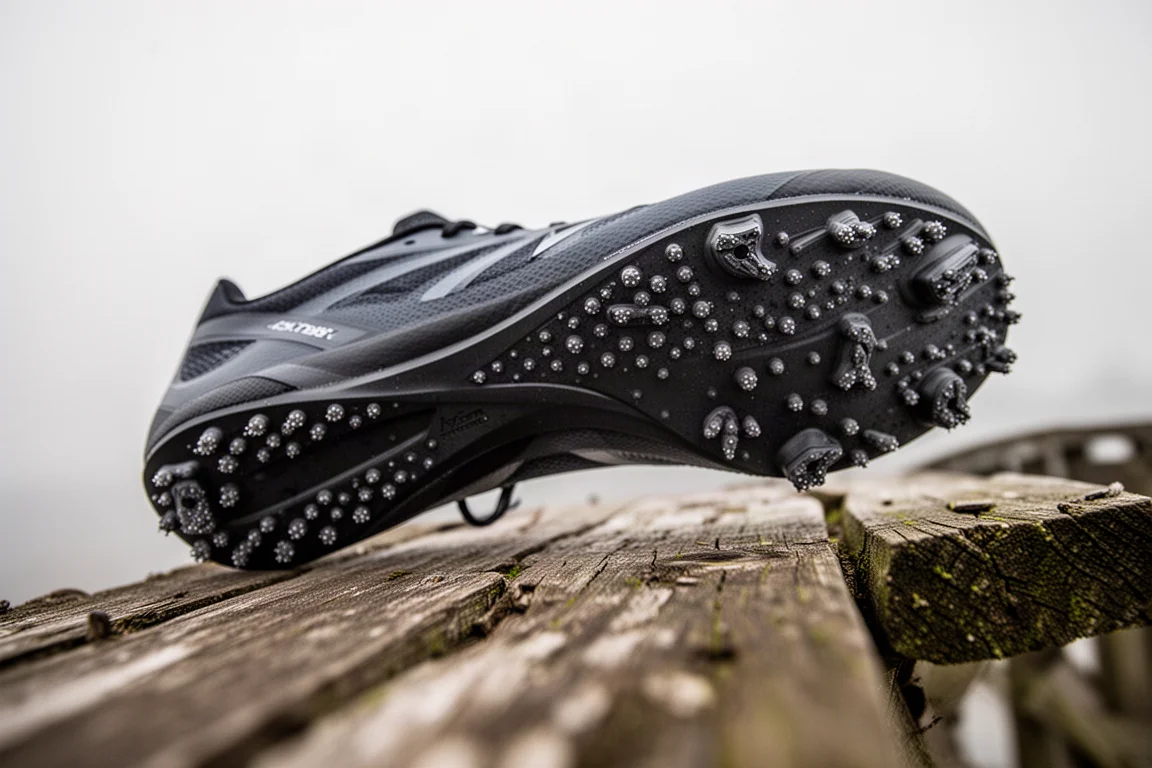
That low weight combined with one of the most aggressive rockers on any race shoe makes it feel like a feather on the foot and easy to turn over quickly. Sticky nubs on the outsole bite into the ground, and grip is excellent even on wet, slick surfaces like wooden bridges.
In practice it shined in a 3x one mile repeat workout at around 5K effort, with repeats at 5:08, 5:06, and 5:01 per mile. That said, this is really a three or four miles of work type of shoe. Cool-downs and warm-ups belong in something else, and a 6x mile session in them proved to be too much volume. Most people will max out around five or six miles.
This is the pick purely for 5K races and below, fast track training, or a summer 5K PR attempt, especially at $180. For marathon training it will not hold a big place in your rotation, and it is not the shoe for long tempo runs. The main rival in this space is the Puma Fast R3, which offers a similar aggressive toe-off with more propulsion but more weight.
Nike Vaporfly 4: The Comfortable Middle Child
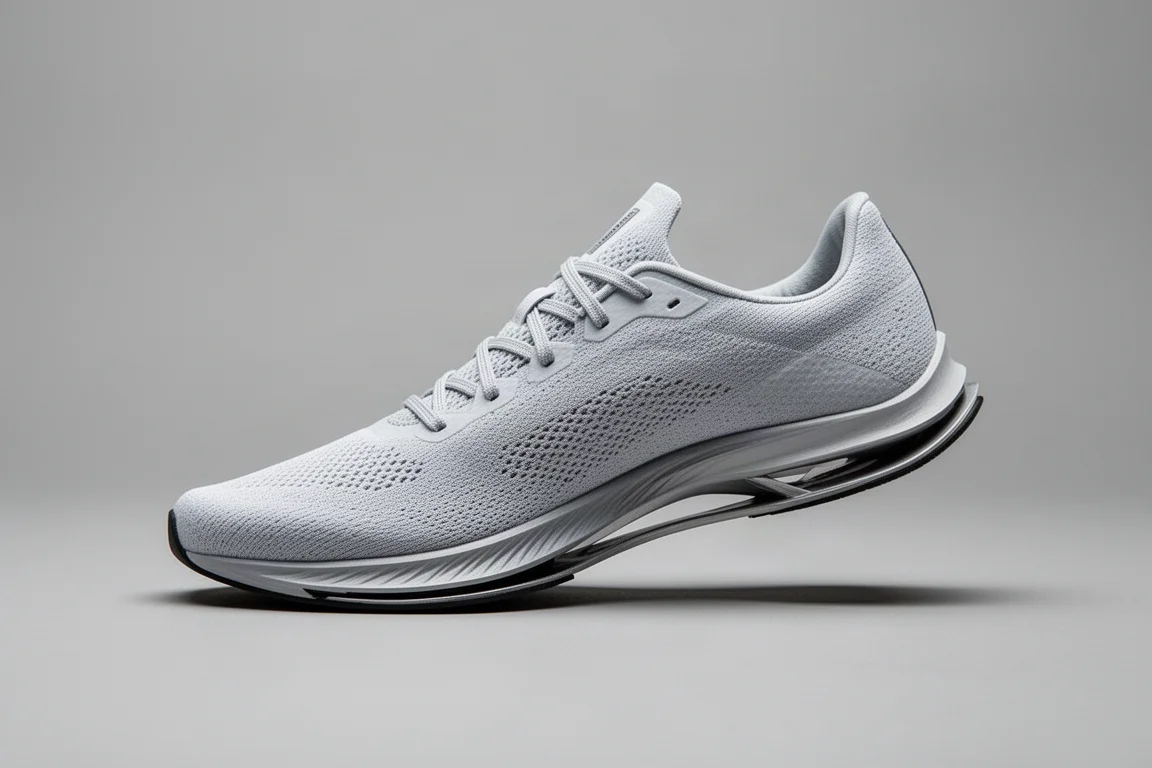
The Vaporfly 4 is the least favorite of the three, and the criticism is specific rather than harsh. It is genuinely easy to run in: smooth, comfortable, and compliant, much less aggressive than the Streakfly 2 and much less aggressive than the Alphafly 3. The problem is what is missing. When you lace up a carbon-plated race shoe, you want to feel fast, and this one feels flat. The plate is tepid and delivers a mediocre ride with no real bite or snap off the toe.
Think of it as a Boston 13 lightened up with more comfort in the foam: an expensive training shoe more than a racer. There is a decent amount of cushion in the heel and forefoot, though the Alphafly is clearly more cushioned, and it does give some pep when picking up the pace. For runners who do not want a wild, bouncy, explosive ride and just want a lightweight shoe that can do a bit of everything, it can work.
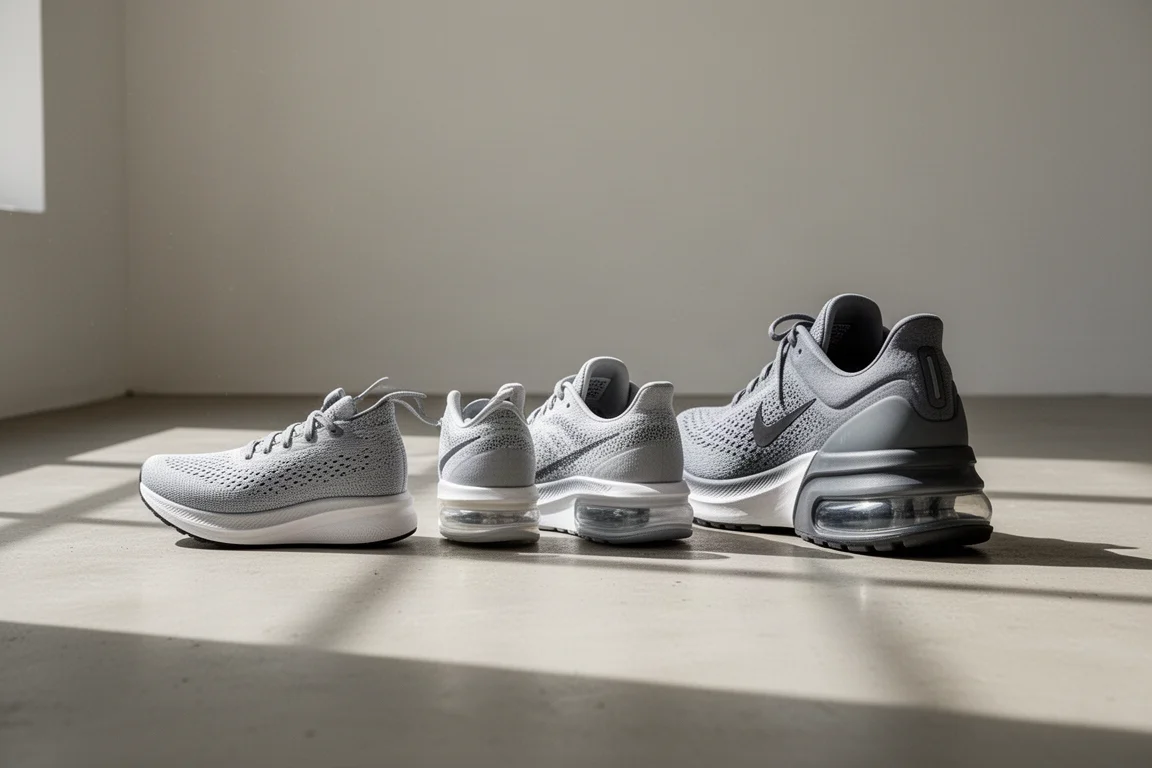
But within Nike’s own lineup it falls awkwardly in the middle: not as cushioned and bouncy as the Alphafly, not as fast and aggressive as the Streakfly. If you want a 5K shoe, the Streakfly is the better call; for a marathon, the Alphafly is. If you are set on this style of shoe, strong alternatives exist from other brands at lower prices with more bounce, speed, comfort, and grip.
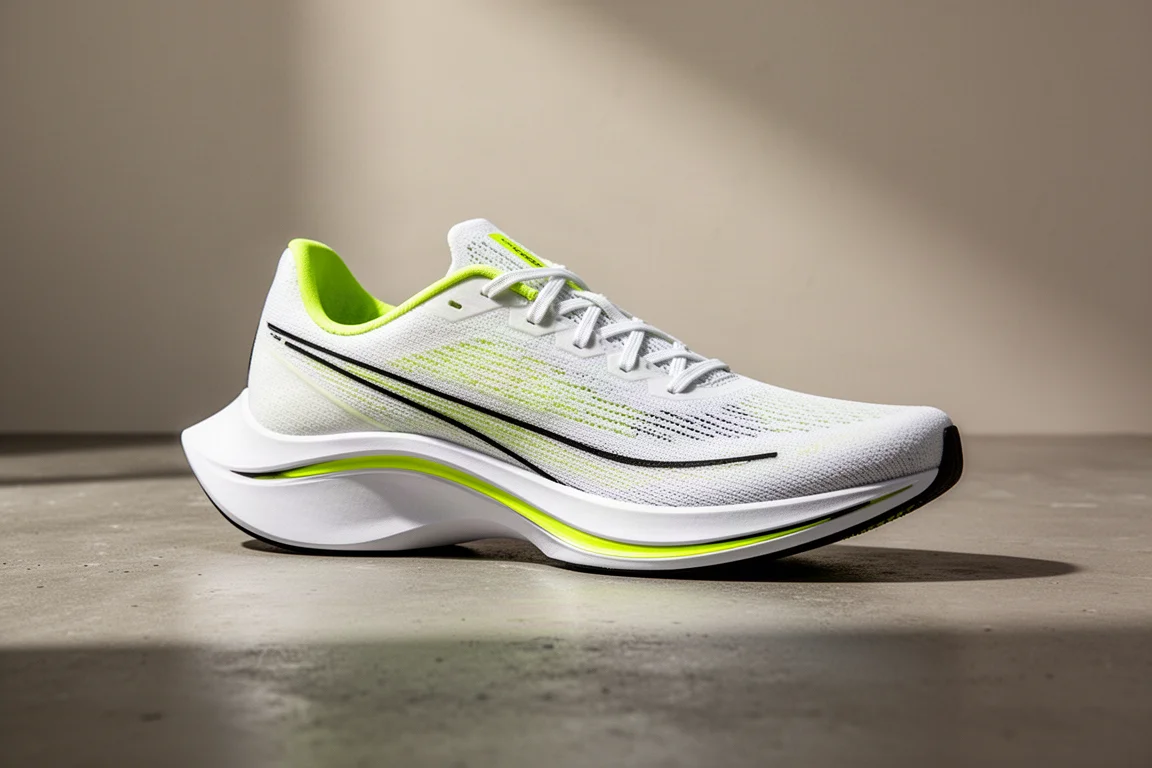
Nike Alphafly 3: The Marathon All-Rounder
If you want a marathon shoe from Nike, this is it. The Alphafly 3 has been on the market longer, costs $285, and it is the kind of shoe people buy in pairs: around 200 miles logged on one pair and over 50 on the next, including 22 mile long runs and 26 mile double days.
The special sauce is the air zoom unit in the forefoot, but what gets overlooked is just how much cushion sits in the heel, measuring around 50 mm on the outside of the shoe versus about 46 on the Vaporfly. In the forefoot you get closer to 35 mm versus just under 30 on the Vaporfly. The result is a shoe that is cushioned, fun, and bouncy, one that builds momentum and keeps you popping along.
The key difference from the Vaporfly is that you never feel like you are maxing out its capability. Where the Vaporfly stops delivering much speed assistance below around six-minute-per-mile pace, the Alphafly responds when you dig in: the more you put into that air pod, the more you get back. And unlike the Streakfly, which maxes out on comfort after 30 or 35 minutes, the Alphafly holds up for the longest days.

It is the most versatile of the three: great for 5Ks, 10Ks, half marathons, and the marathon, for racing and heavy training alike. For true 5K and below work, something lighter with less forefoot cushion is still preferable, but as an all-around comfort and long-distance banger, this is the pick of the lineup.
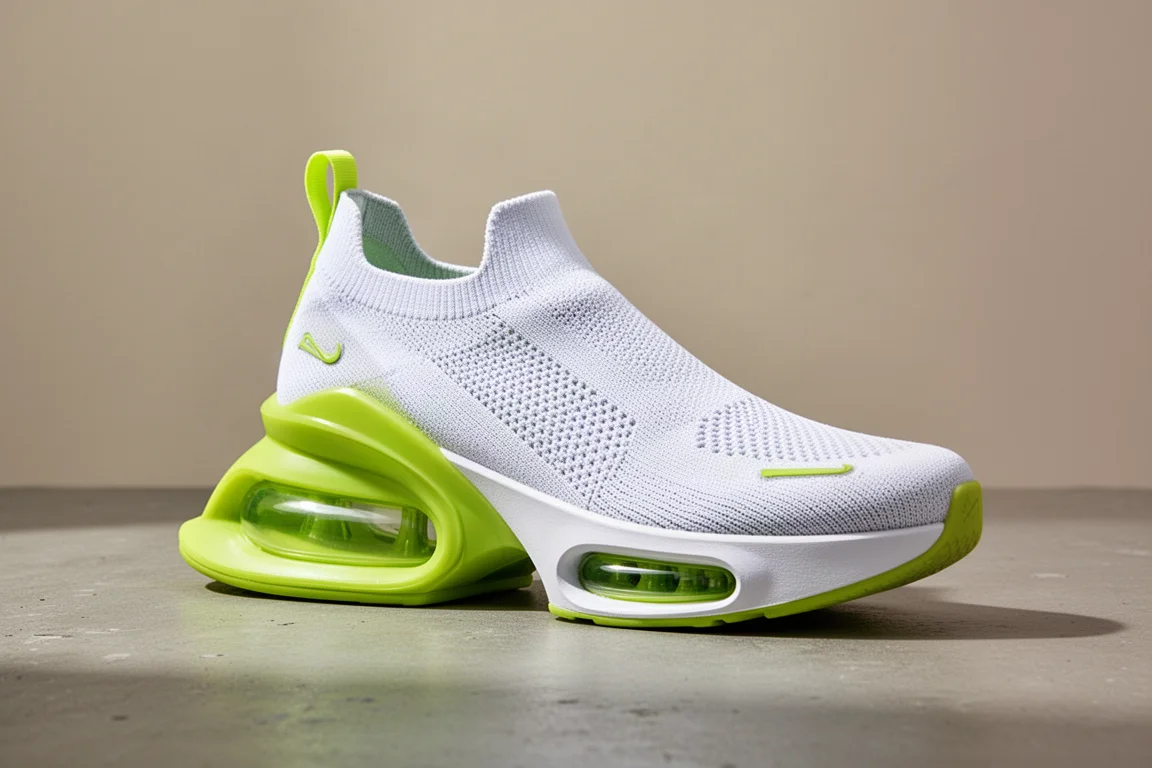
Buying Advice: Picking Your Nike Race Shoe
If your focus is 5K races and short fast stuff, the Streakfly 2 at $180 is the clear choice: the lightest, most streamlined, and most aggressive of the three, with the caveat that you should keep warm-ups, cool-downs, and long runs in another shoe. If you want a half marathon shoe that is not super aggressive, essentially an elevated version of a training shoe with decent comfort, the Vaporfly 4 fills that slot, though it is worth comparing against alternatives from other brands before committing. And if you want one shoe that can handle the marathon and everything around it, the Alphafly 3 at $285 is the one to trust for comfort, cushion, and speed assistance over the long haul.
Conclusion
Two of these three are strong, well-differentiated options: the Streakfly 2 for short-distance speed and lightweight thrills, and the Alphafly 3 as a do-everything marathon partner. The Vaporfly 4 sits in between without excelling at either end, which makes it the hardest to recommend unless you specifically want a gentle, non-aggressive race shoe. Match the shoe to the distance and the intensity you actually race, and the right choice becomes obvious.
Further reading
Related Reviews

Running Shoes
Best Road-to-Trail Running Shoes: Three Versatile Options for Mixed Terrain
A practical guide to three road-to-trail running shoes that handle both pavement and mild trails, with clear strengths and trade-offs for different runner types.

Running Shoes
Best Running Shoes for Achilles Tendonitis: Three Options Explained
Three running shoes with different heel drops and support features designed to help reduce Achilles tendon pain during walking and running.

Running Shoes
Best Running Shoes for Women: Five Top Choices Ranked
A ranked guide to five women's running shoes, from versatile daily trainers to high-performance racing options, with real strengths and trade-offs for each.