Running Shoes
Nike Running Shoes 2025: Every Model in the Range Compared
From the dependable Pegasus 41 to the marathon-racing Alphafly 3, here is what each shoe in Nike's 2025 running line is built for, plus the trade-offs to weigh before buying.
Introduction
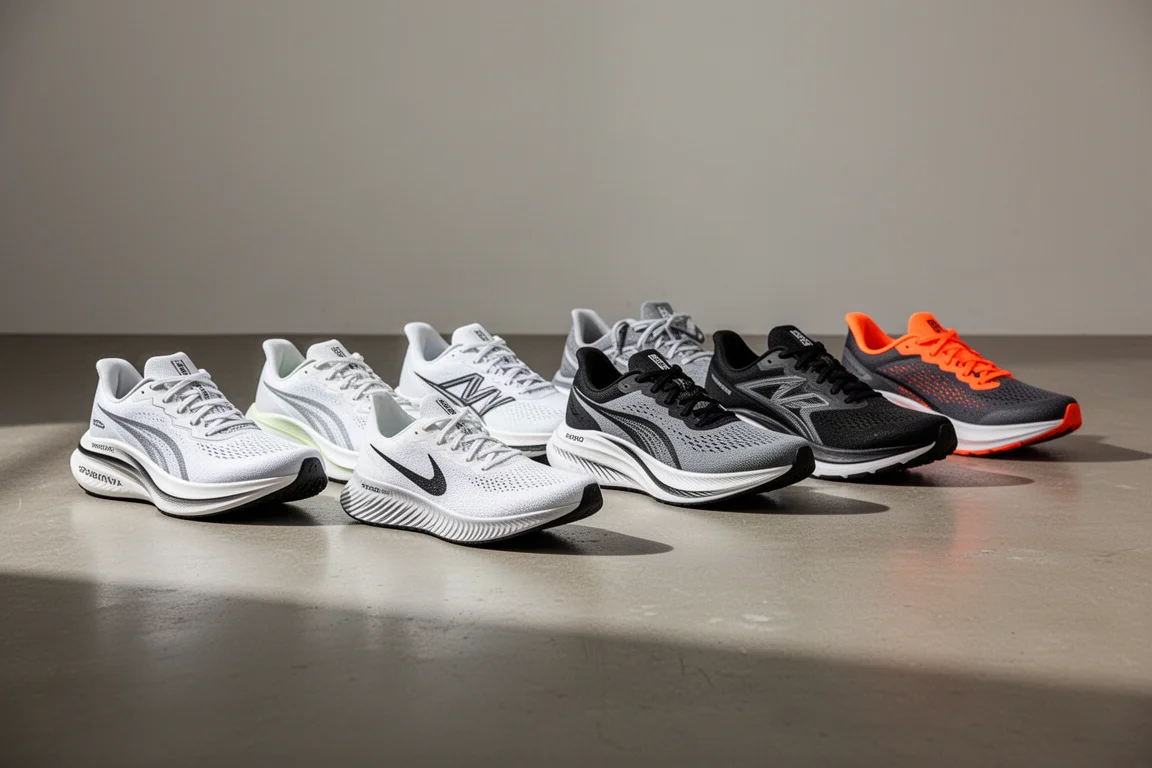
Nike’s 2025 running range is unusually complete: there is a dependable daily trainer, a max-cushion workhorse, several speed-oriented options and two outright marathon racers. The catch is that choosing the wrong one is easy, because several of these shoes look similar but behave very differently underfoot.
This guide walks through each model in the range, covering what it is designed for, the key specs, what works well, and where the trade-offs sit. Prices are the UK prices referenced during testing.
Nike Pegasus 41
The Pegasus 41 is the classic daily shoe in the range, built to handle pretty much every run reasonably well. It costs £130, sits at 37 mm in the heel with a 10 mm drop, and weighs 347 g. The midsole uses React X foam with two Air Zoom pods at the front, there is no plate, and it fits true to size.
Its biggest strength is dependability. After 41 versions, this is a shoe tried and tested by millions of runners, and Nike has deliberately avoided tinkering with the formula. It suits heel, midfoot and forefoot strikers alike, it is durable, and it is comfortable enough that many runners keep it as an everyday casual and travel shoe after the running miles are done.
The downside is that the design feels dated by 2025 standards. Competitors at this price point, such as the Asics Novablast, offer more modern foam. The Pegasus remains a solid pick if you run two or three times a week, want a shoe you can also wear to the gym or on travels, and value knowing exactly what you are getting.
Nike Pegasus Plus
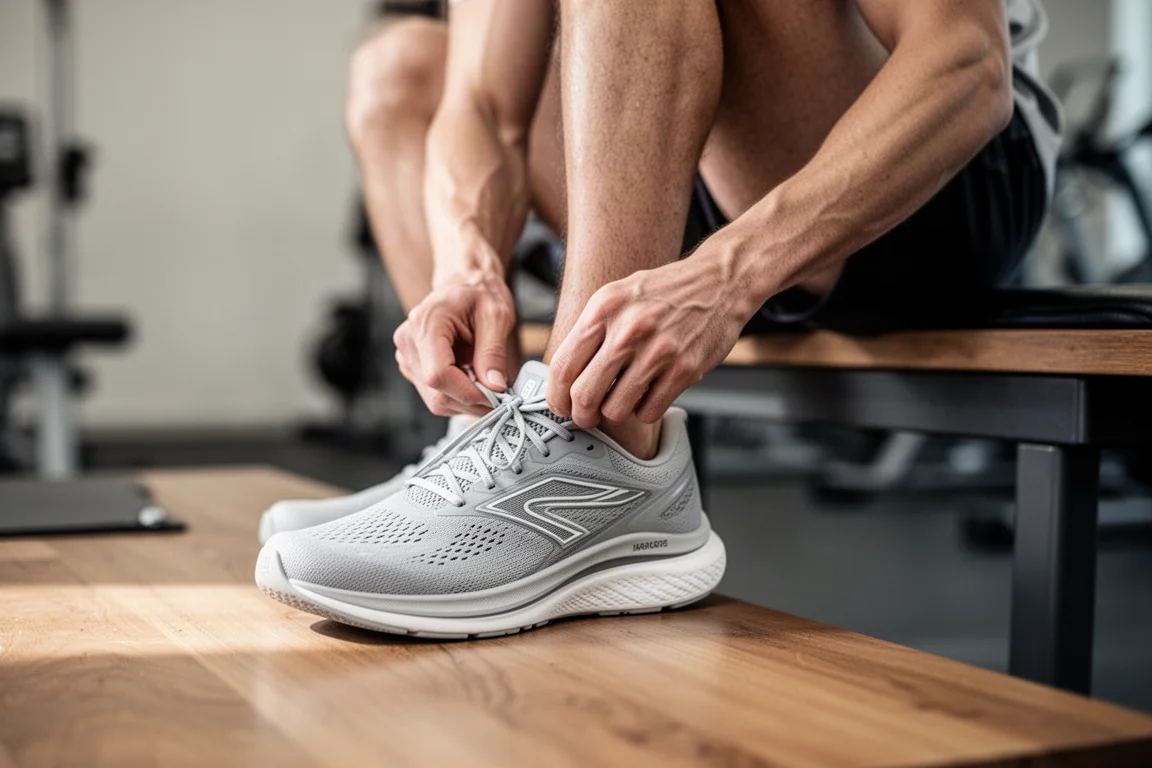
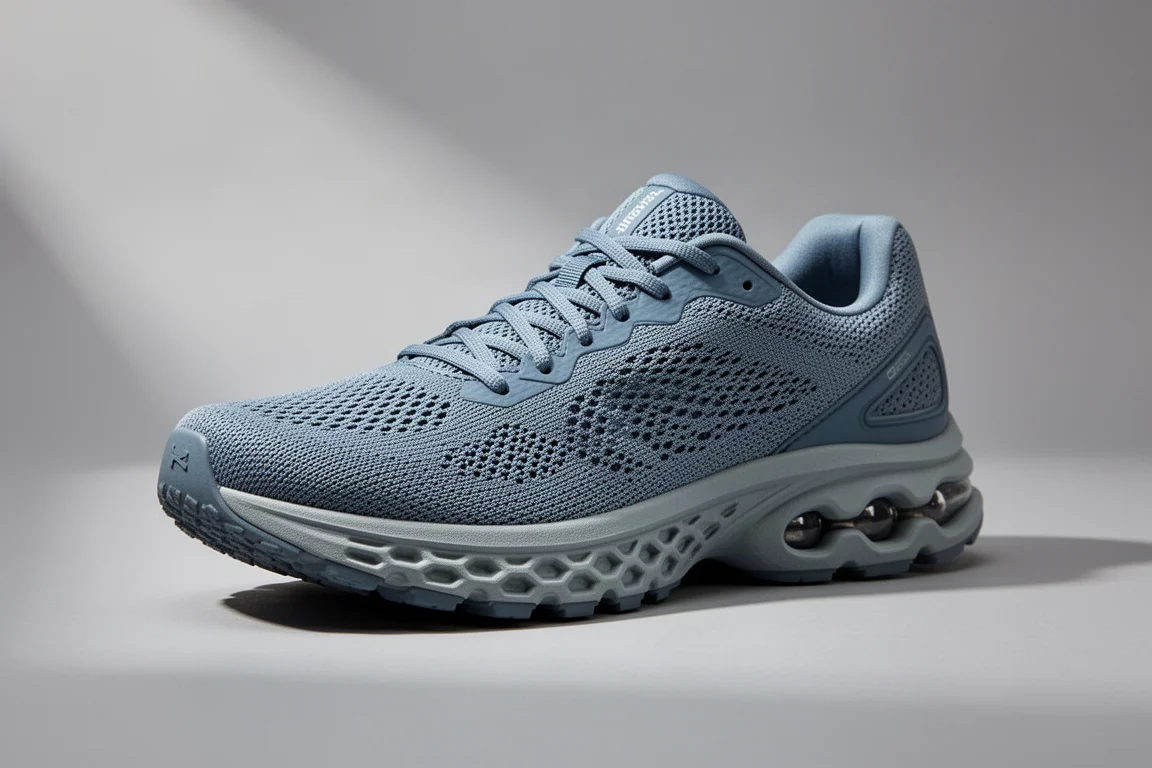
The Pegasus Plus is a daily training shoe with a more dedicated running focus. It costs £165, has 36 mm of heel stack with the standard 10 mm Pegasus drop, and weighs a good chunk less than the regular Pegasus at 313 g. The midsole is a full slab of ZoomX, Nike’s premium race-day foam, with no plate. Sizing runs generous, so going half a size down is recommended.
It is a genuinely versatile trainer: recovery runs, easy runs, tempo sessions and speed work all work well, and you could even race shorter distances in it. The lower stack gives more ground contact feel than most modern daily shoes, and it is refreshingly not overengineered.
The main complaints are firmness, which may surprise some runners, and pricing: £165 for a shoe without a plate feels a little expensive. Still, for more serious runners who want to stay in the Nike range and get super foam into daily training, it performs significantly better than the Pegasus 41.
Nike Pegasus Premium
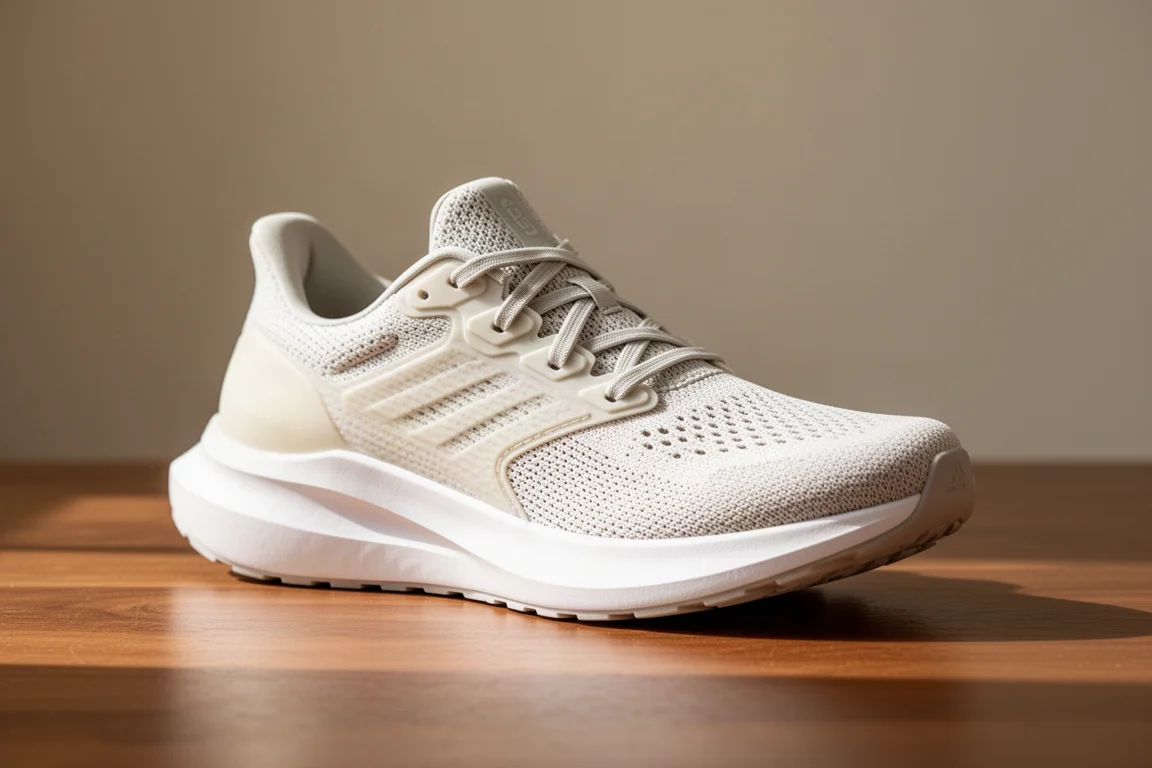
The Pegasus Premium is positioned as a premium daily trainer with a maximum 45 mm stack, 10 mm drop and 389 g, making it the heaviest shoe in this comparison. It costs £190 and packs three layers of ZoomX with a full-length Air Zoom pod, plus React foam beneath for durability and stability. It fits true to size.
On paper, the tech story is impressive, and the shoe does have a nice breathable upper, a high-quality build, and a distinctive look. As a lifestyle shoe, it works well.
As a running shoe, it did not work at all. It is clunky, extremely stiff, unstable at times, and the weight makes it unsuited to regular running. It was moved on quickly after testing. If you like the look, treat it as a casual option; for running, the Vomero 18 or Pegasus Plus are far better choices in this range.
Nike Vomero 18
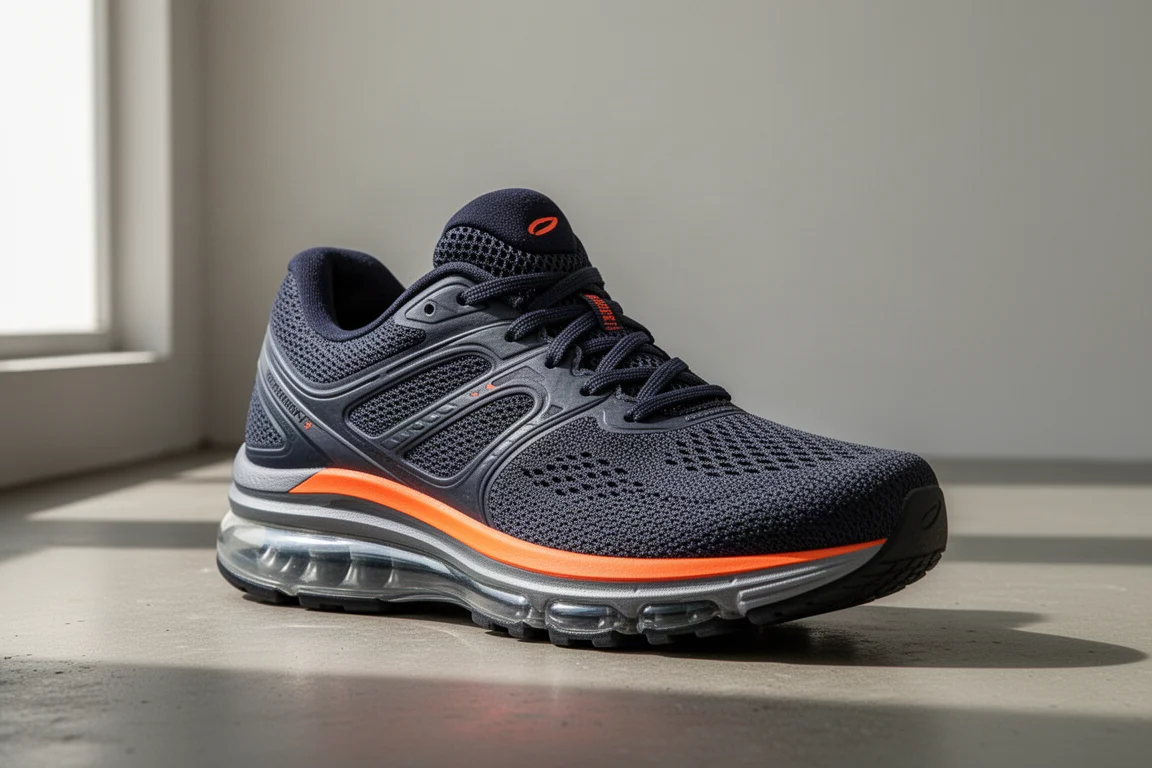
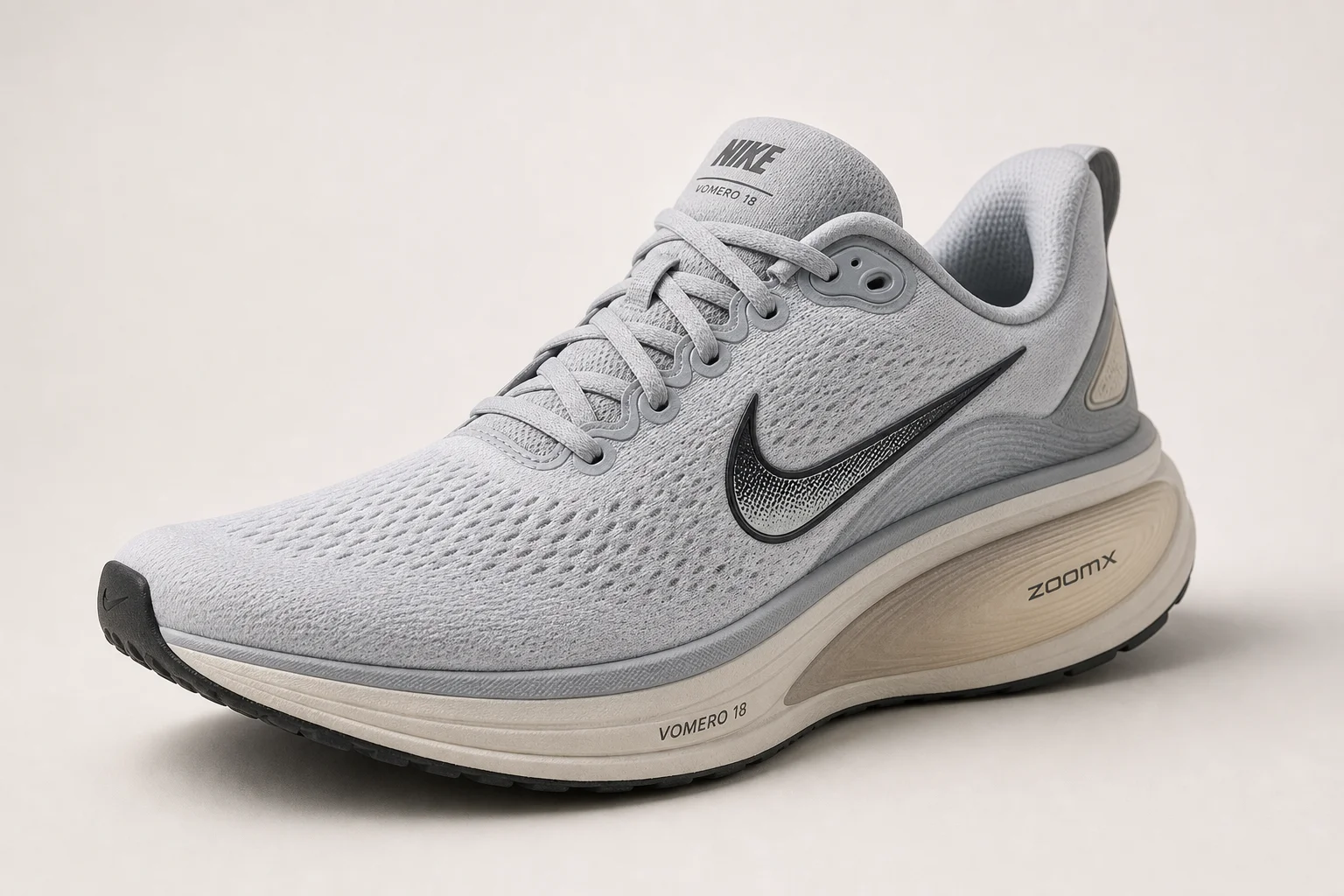
The Vomero 18 is the max-stack daily shoe in the range, with 46 mm of heel stack, a 10 mm drop and 362 g. The midsole stacks a full layer of ZoomX premium foam over a layer of ReactX, combining speed-oriented cushioning with stability and durability. It costs £135, only £5 more than the Pegasus. Sizing is true to size, or potentially half a size down.
This is a really strong all-rounder for anyone training for a half marathon or marathon. It looks after your legs on long runs, is comfortable for extended time on foot, and is just about fast enough for some race-pace workouts. For heavier runners, or anyone wanting to reduce the load of long runs, it is an obvious pick. The value here is excellent for what you get.
The trade-off is bulk. It is heavy and not snappy, so it is not the right shoe for 5K or 10K speed work. As a highly cushioned daily trainer, though, it is a very safe and solid bet.
Nike Zoomfly 6
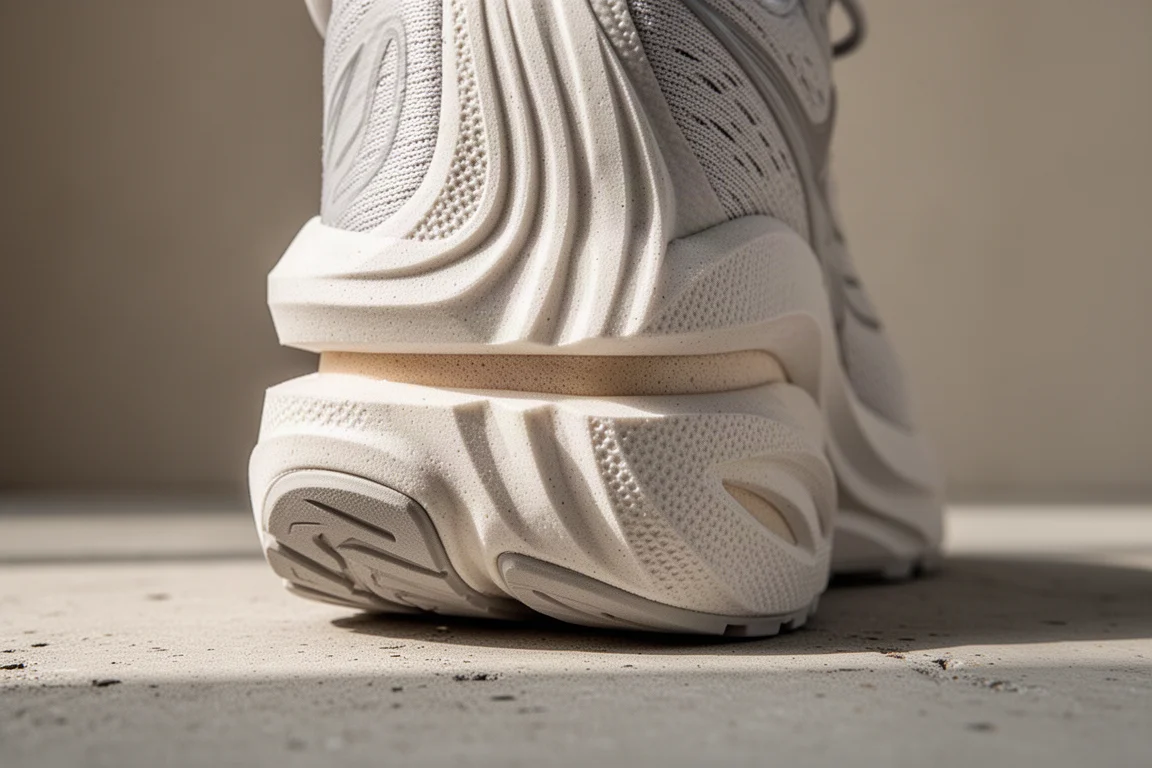
The Zoomfly 6 fills the gap between daily trainers and full race shoes. At £155 it is a great-value plated option, with 42 mm of heel stack, an 8 mm drop and 322 g. The midsole combines ZoomX foam over Eva foam with a carbon fiber Flyplate. It fits true to size.
It excels at tempo work and longer training runs where you pick up the pace, and it doubles as a budget-friendly race shoe for marathon and half marathon training. It is comfortable over very long distances, with testing taken up to 35 km in a single run, and the geometry and rocker at the front make foot strike feel smooth. Despite the bulk, it is surprisingly quick in race-pace blocks, and durability is strong: around 300 km in, it shows very little wear.
The drawbacks are minor but real. The waffle grip can be noisy, rear stability may put some heel strikers off, and it is genuinely awkward for walking. Run in it, do not live in it.

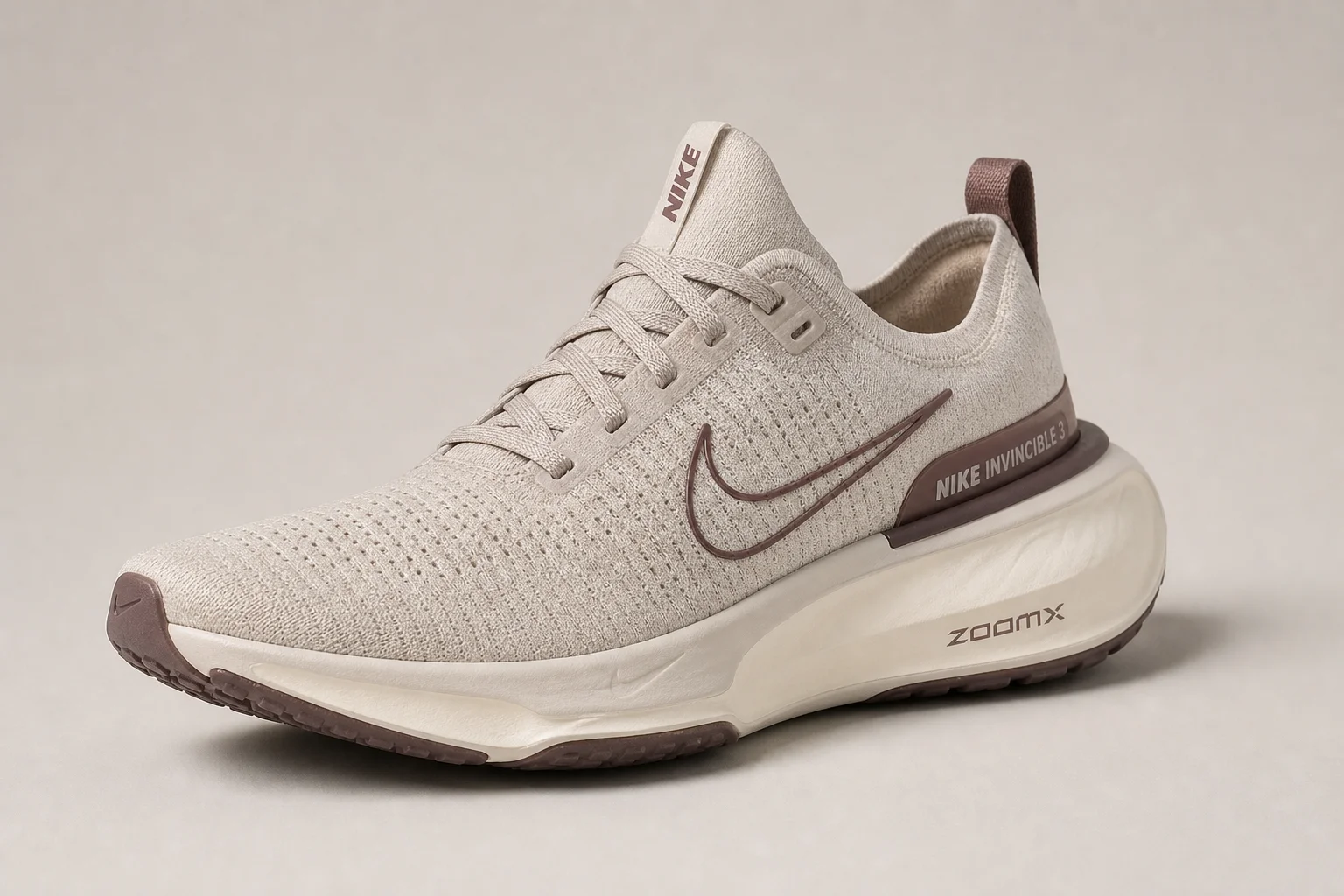
Nike Invincible 3
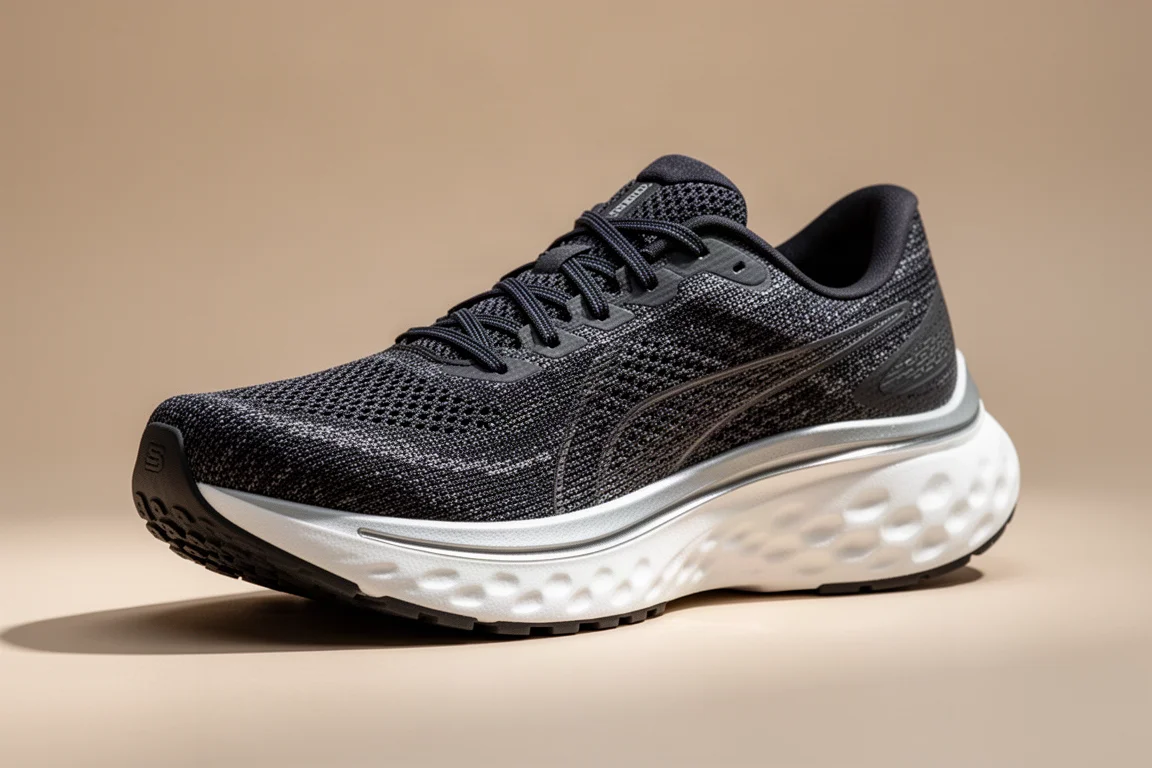
The Invincible 3 is Nike’s easy and recovery run shoe, a max-cushion option at around £175. It has 37 mm of heel stack with a 9 mm drop and weighs around 374 g, heavy but less relevant given the slow paces it is designed for. The midsole is a full slab of ZoomX with no plate. It fits true to size.
On the positive side, it is very stable and the soft, squishy foam soaks up miles and looks after your legs.
The negatives matter more: it is very heavy, and heel slip was a persistent issue, a problem many runners reported with this version. It is also worth knowing that the shoe is expected to be phased out, with a Vomero Plus likely taking its place. If you find it discounted and fit works for you, it can still serve as a recovery shoe, but most buyers should wait for the replacement.
Nike Streakfly 2
The Streakfly 2 is the short-distance road racing shoe, aimed squarely at mile and 5K racing. It costs £165, has 27 mm of stack with a 4 mm drop, and weighs just 163 g, the lightest shoe in this comparison by a wide margin. The midsole is full-length ZoomX with a full-length carbon fiber Flyplate, and it fits true to size.
At speed, it is extraordinary. In 200 m and 400 m reps it feels incredibly fast and smooth, with the feet almost disappearing beneath you, and it runs quietly too. If you race miles and 5Ks regularly, this is the shoe for those sessions.
It is also decidedly niche. The aggressive geometry feels almost like a negative drop, demanding strong legs and good form, and there is not enough protection for most runners over 10K. Lots of exposed foam means limited durability, so save it for key races and important workouts rather than everyday use.
Nike Vaporfly 4
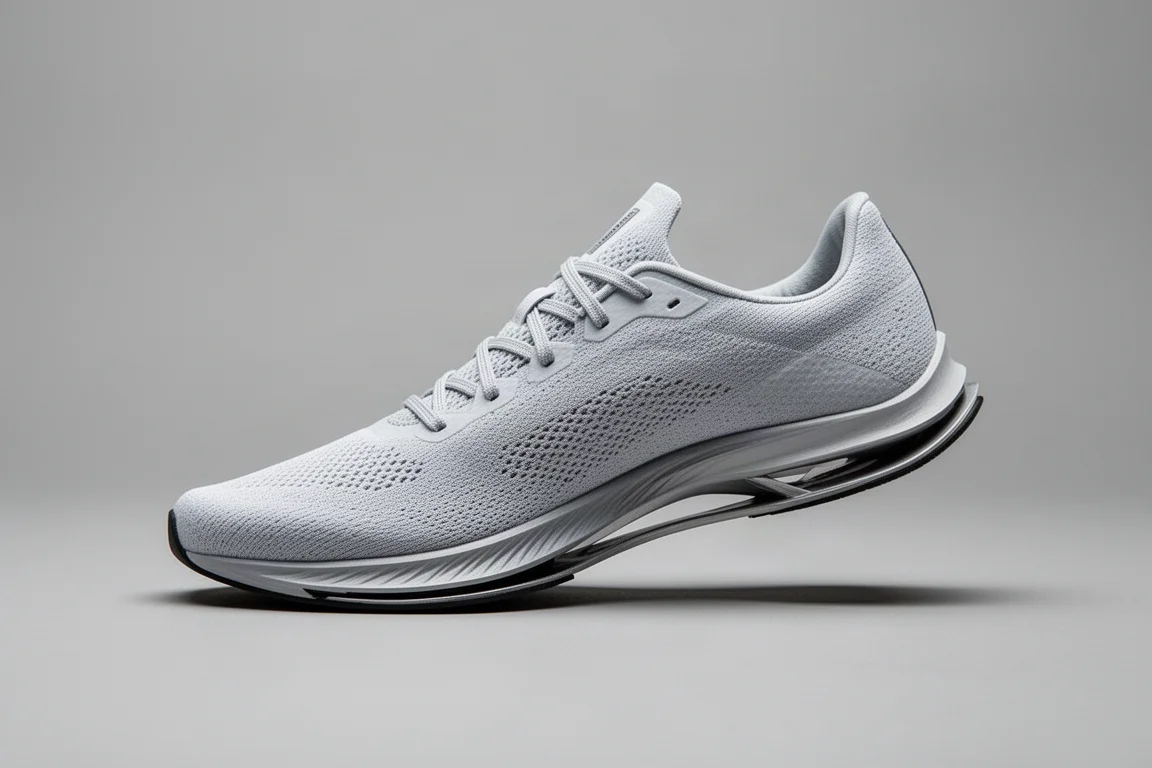
The Vaporfly 4 is Nike’s updated road racing shoe, released in early 2025. It costs £240, has 35 mm of heel stack with a 6 mm drop, and weighs a gloriously light 210 g. The midsole is full-length ZoomX with a carbon fiber Flyplate that is stiff but not harsh by plated-shoe standards. It fits true to size.
Nike has positioned this as a mile-to-marathon shoe, but in practice it is best suited to 5K, 10K and half marathon racing. Tested over marathon distance, it left the runner wanting a little more foam for the back end of the race. The strengths are substantial: unbelievably low weight for the category, a smooth ride, a much-improved breathable upper over version 3, and a more natural, slightly lower stack than the outgoing model.
Two fit caveats: the soft foam at the heel makes it tricky for heel strikers, and the midfoot is fairly narrow, which may trouble wider-footed runners.
Nike Alphafly 3
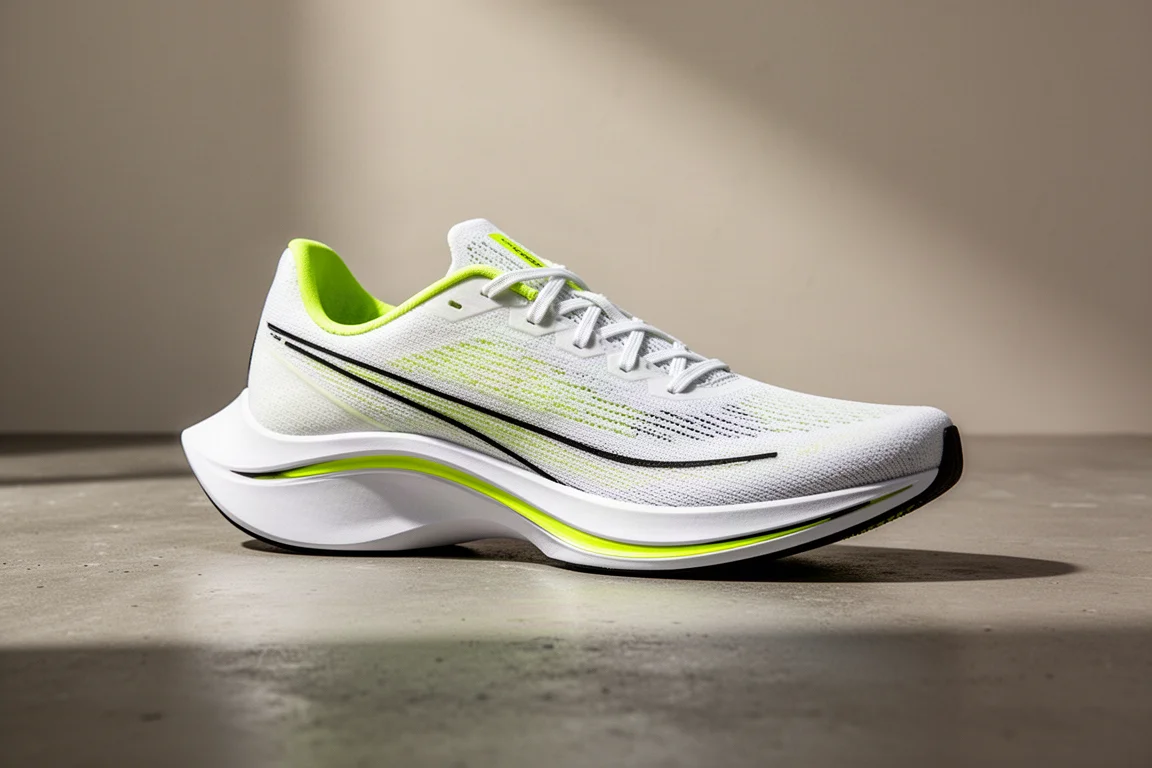
The Alphafly 3 is the all-out marathon racer. It costs £285, has 40 mm of heel stack with an 8 mm drop, and weighs 269 g. The midsole combines ZoomX foam, two visible Air Zoom pods at the front, and a carbon fiber Flyplate. It fits true to size.
While it can technically be used at shorter distances, it is designed for, and mostly used at, half marathon and marathon. It is fast with a super smooth ride, more comfortable than versions 1 and 2, and the previous arch issues have been resolved. Durability has been surprisingly good, with the shoe still feeling poppy after roughly 250 miles.
The cons are familiar for this category: it is a little noisy, still narrow through the midfoot, and expensive. It is also a niche tool best kept for race day and big sessions, so it should sit in a rotation with other shoes for everyday training. If you want a Nike shoe for the full marathon distance, this remains the pick.
Which One Should You Buy?
For daily training with marathon prep in mind, the Vomero 18 is the standout, offering far more cushioning and performance than the Pegasus 41 for only £5 more. Shorter-distance trainers should look at the Pegasus Plus, while the Zoomfly 6 covers tempo work and long runs with race pace blocks at excellent value.
On race day, the picture splits by distance: the Streakfly 2 for miles and 5Ks, the Vaporfly 4 for 5K through half marathon, and the Alphafly 3 for the full marathon. The Pegasus 41 doubles as a comfortable casual shoe, the Pegasus Premium works best as lifestyle wear rather than a runner, and the Invincible 3 is worth considering only if the fit works for you and you can find it at a good price.
Conclusion
Nike’s 2025 range has a clear shoe for almost every runner, but the winning picks are distinct: the Vomero 18 as the cushioned daily workhorse, the Zoomfly 6 as the value plated trainer, the Vaporfly 4 and Alphafly 3 as the racing stars, and the Streakfly 2 for pure short-distance speed. Match the shoe to the distances you actually run, and the range rewards you well.
Further reading
Related Reviews

Running Shoes
Best Road-to-Trail Running Shoes: Three Versatile Options for Mixed Terrain
A practical guide to three road-to-trail running shoes that handle both pavement and mild trails, with clear strengths and trade-offs for different runner types.

Running Shoes
Best Running Shoes for Achilles Tendonitis: Three Options Explained
Three running shoes with different heel drops and support features designed to help reduce Achilles tendon pain during walking and running.

Running Shoes
Best Running Shoes for Women: Five Top Choices Ranked
A ranked guide to five women's running shoes, from versatile daily trainers to high-performance racing options, with real strengths and trade-offs for each.