Running Shoes
Nike's 2022 Running Shoe Lineup: All 8 Models Compared
A practical breakdown of Nike's current running rotation, from the lightweight Zoom Fly to the max-cushioned Invincible 2, with intended uses, strengths, and trade-offs.
Introduction
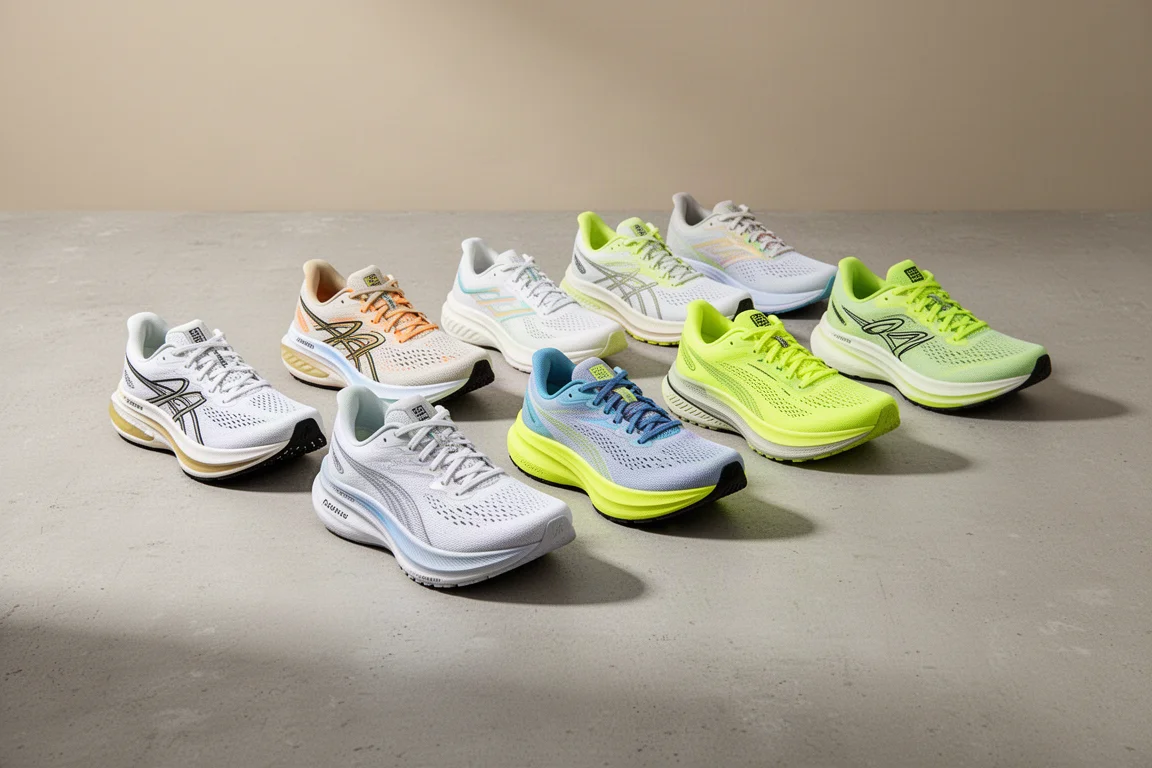
Nike’s current running lineup covers almost every kind of running you might do, from short interval sessions to long recovery miles and marathon race day. This guide walks through all eight models in the rotation, covering intended use, key strengths, the trade-offs, and the numbers that matter: weight, stack height, drop, and plate type.
One note up front: Nike’s cheaper shoes around the 40 to 50 pound mark were not considered here because they simply do not hold up well. If your budget sits below 100 pounds, alternatives from other brands tend to be a better bet.
Nike Zoom Fly: Lightweight Speed
The Zoom Fly is Nike’s lightest shoe here, coming in at roughly 210 grams in a UK size 12. There is no carbon plate, the drop is 6mm, and the stack height at the heel is 32mm. The intended use is speed work: interval sessions, shorter races like 5Ks and 10Ks, and strides at the end of an easy run.
The appeal is the lightweight, natural feel. Turnover is quick once you get up to speed, the lacing lockdown is secure, and the fit is nicely dialed in. The main drawback is that for the vast majority of runners, faster options exist. It is really world-class elites who are strong enough to extract a genuine performance benefit from this shoe. If you simply enjoy a light, natural-feeling shoe that encourages good form, it is still a solid choice.
Nike Zoom Fly 5: Comfortable Daily Miles
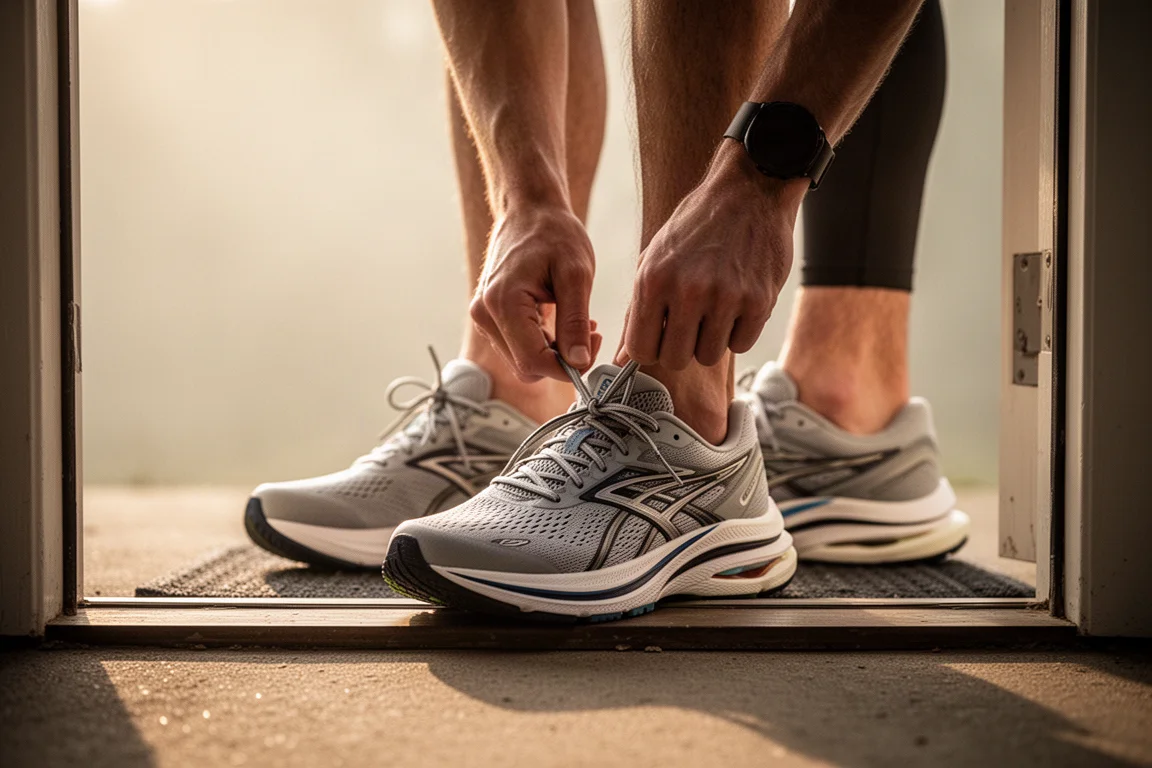
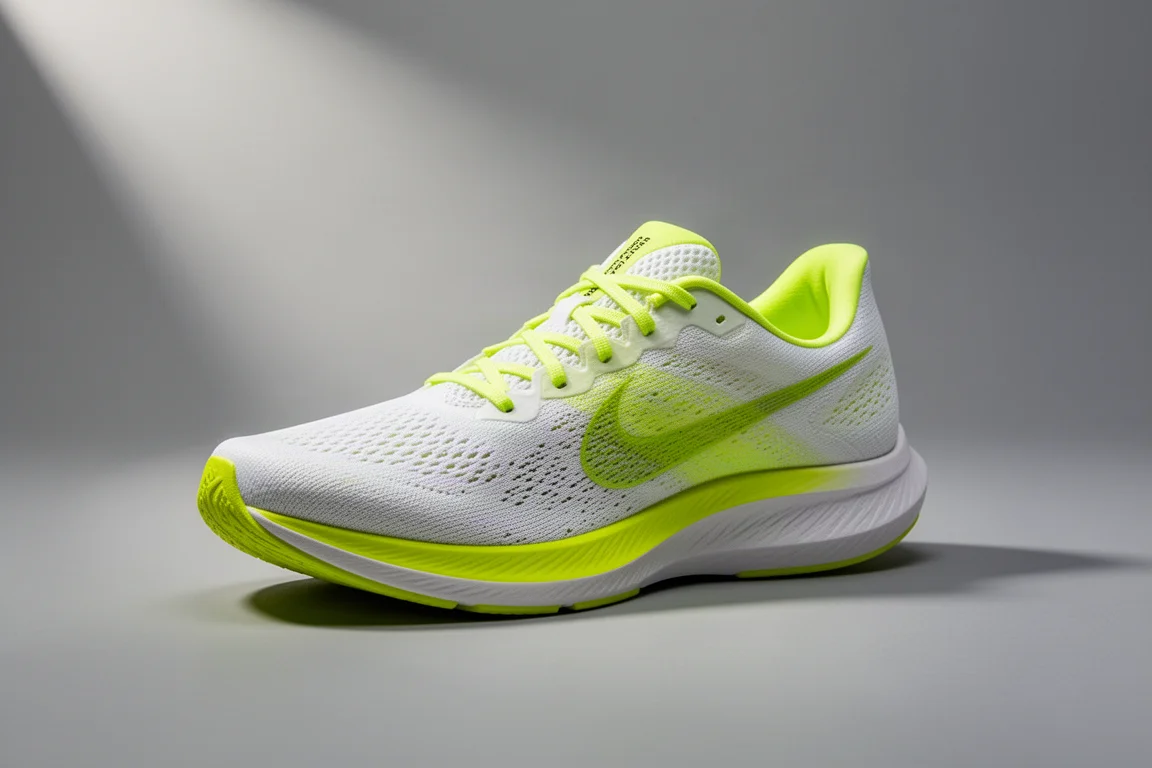
The Zoom Fly 5 is the newest shoe in the lineup, and it is a bit of an anomaly. Its best use is long training runs, tempo work, and steady runs, though it can handle longer intervals too. At 358 grams with an 8mm drop and a 36mm heel stack, it is simply too heavy for racing and shorter, faster work.
On the plus side, it is super comfortable, durable, and has a very grippy outsole that performs well in wet weather. The main negatives are the heavy, bulky, brick-like feel, and the Zoom X branding on the sidewall that oversells the foam: only a small amount of recycled Zoom X sits in the middle, surrounded by carrier foam, so it does not ride like a true Zoom X shoe.
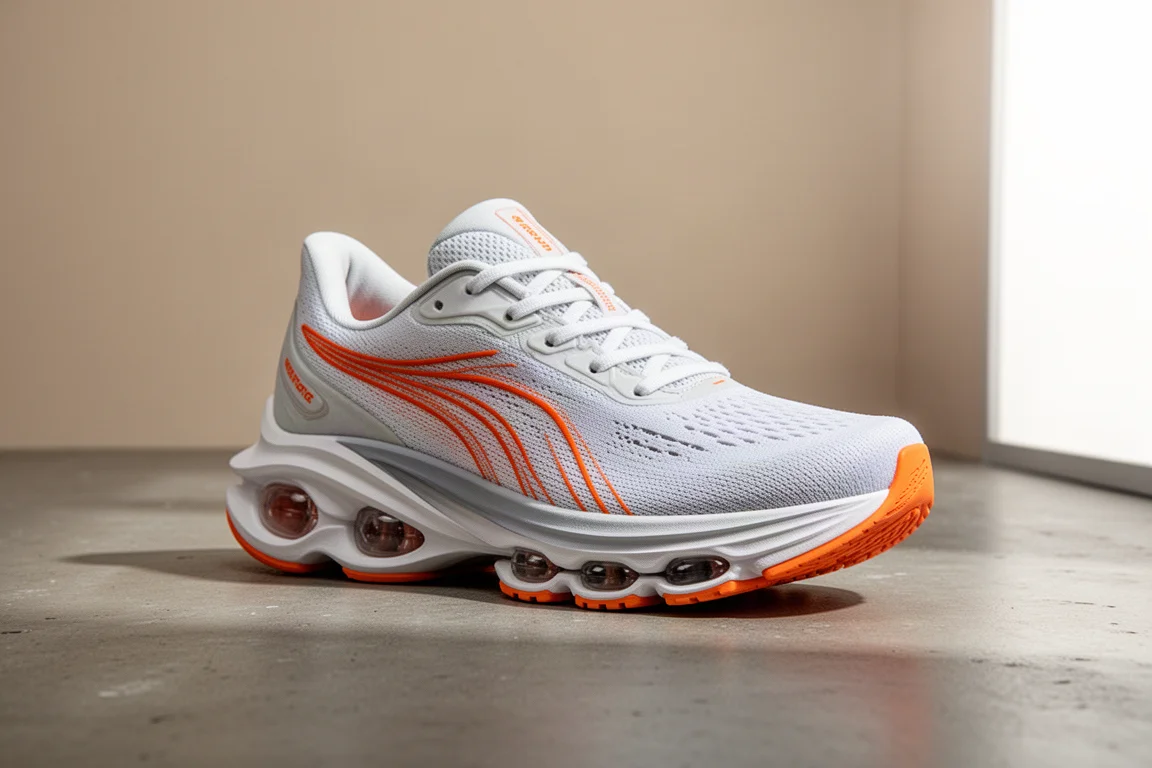
Nike Tempo Next%: The Training Companion
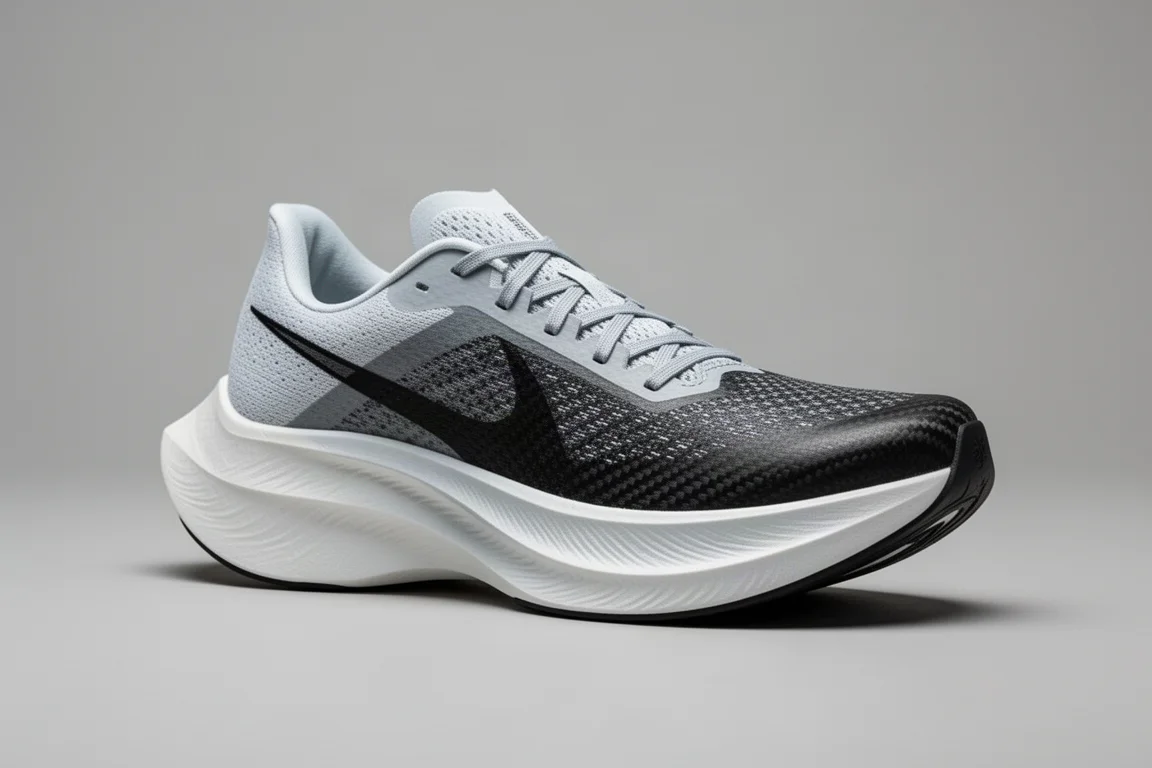
The Tempo Next% sits at around 42mm of heel stack with a 10mm drop, roughly 324 grams, and a plastic plate inside. As the name suggests, it is built for faster daily running: tempo runs and speed sessions, positioned as a more affordable, more durable training partner to the Alphafly.
When it works, it works really well. The ride is comfortable, the lacing hugs the foot with excellent lockdown, and forefoot runners get real energy return from the air pods under the front of the shoe. The big problem is durability: repeated air pod failures occurred across several pairs, a frustrating pattern others have reported too. It is also noisy and on the heavy side. When it holds together, it is genuinely fun to run fast in, but the reliability issues are worth taking seriously.
Nike Vaporfly 2: The Race Day Standard
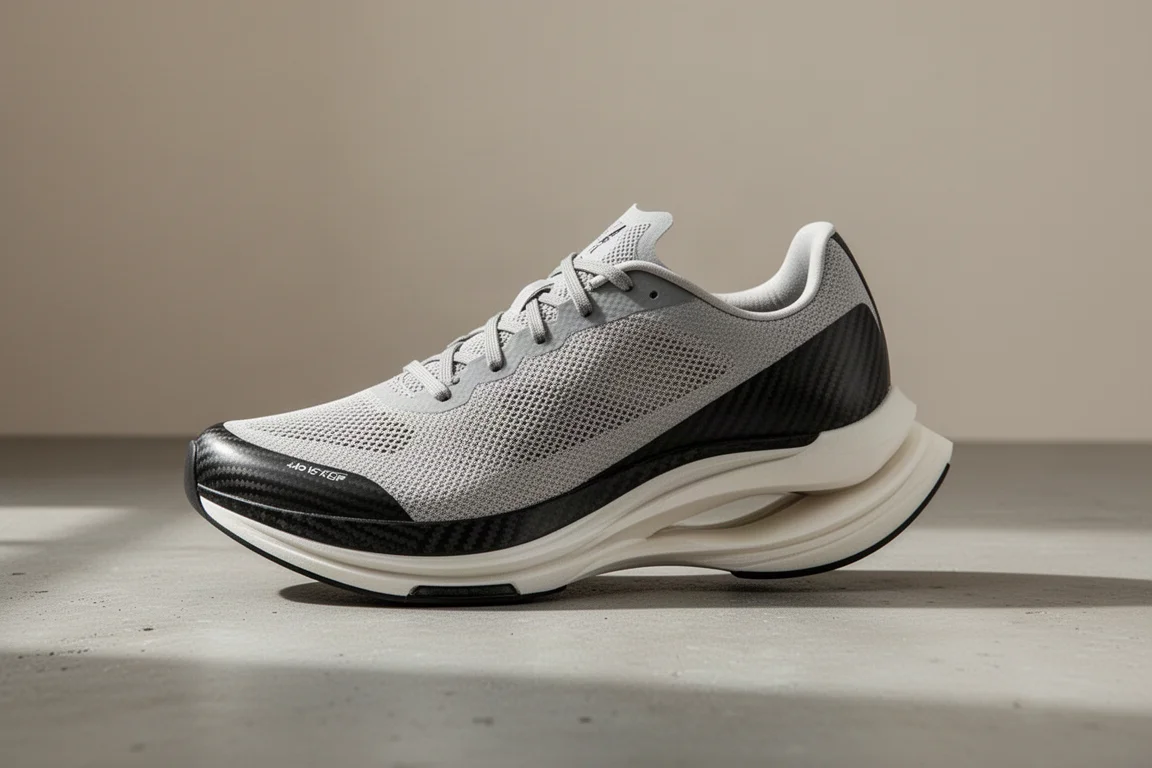
Possibly the most famous racing shoe of all time, with countless marathons won in it. The Vaporfly 2 suits all kinds of racing and speed sessions: 5Ks, 10Ks, half marathons, marathons, and even longer, with some runners using it for 100-mile ultras. It delivers across almost any distance where you want to run fast.
What stands out is the all-out speed. It is light at 255 grams, has a stiff carbon plate, an 8mm drop, and about 40mm of heel stack, with cushioning that protects your legs over long efforts. The downsides are the price, around 210 pounds and a little more expensive than rivals from Adidas or Saucony, and a peak-performance window of roughly 200km, just over 100 miles, before the foam loses that springy pop. A common strategy is to do a few key long runs in it and save it for race day.

Nike Alphafly 2: Marathon Cushion and Energy
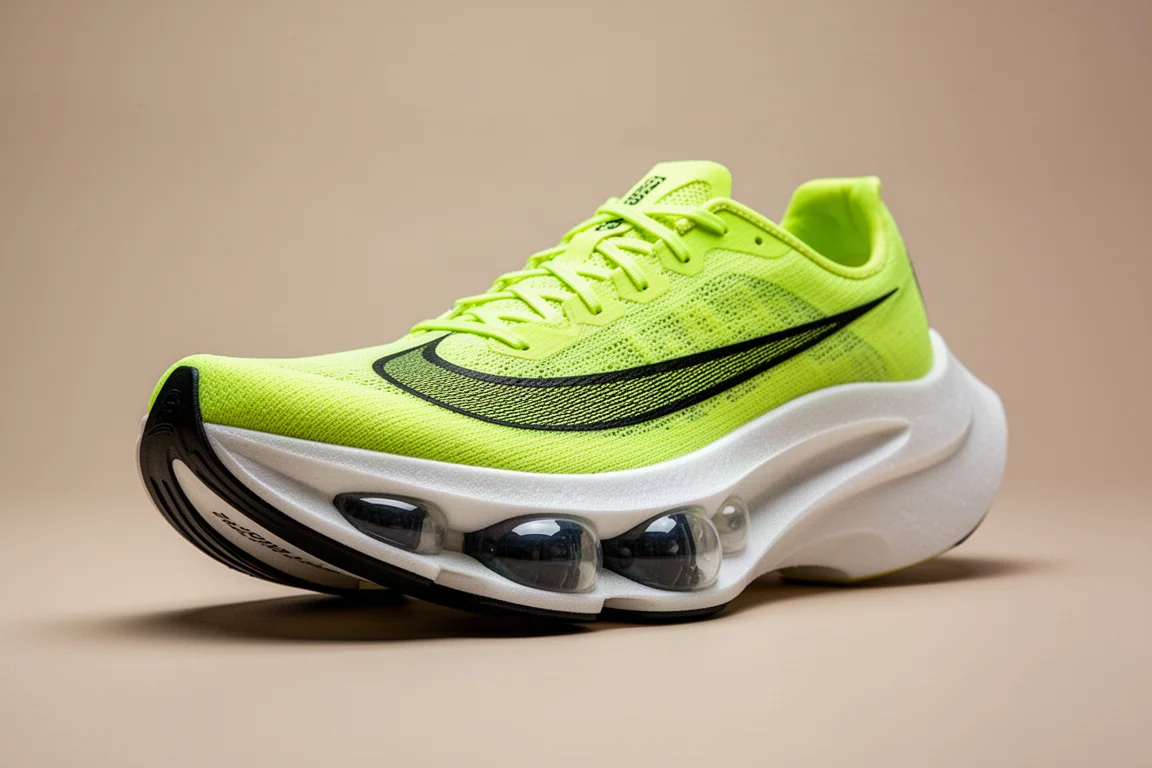
This is the humongous one, the shoe Eliud Kipchoge races in, built around half marathons and full marathons. It is a little heavy and bulky for all-out 5K and 10K speed, so the half and full marathon are where it truly shines.
The big strength is how well it looks after your legs. Deep into a marathon, at 20 miles or 32km, your legs still feel fresh and springy. The air pods at the front do enormous work, and the very stiff carbon plate delivers a long-striding, energy-efficient ride. Around 39mm of heel stack, an 8mm drop, and just over 300 grams round out the spec. The negatives: at 270 pounds it is extremely expensive, and the midfoot runs a little narrow, so wider-footed runners are probably better served by the Vaporfly.
Nike Pegasus 39: The All-Rounder
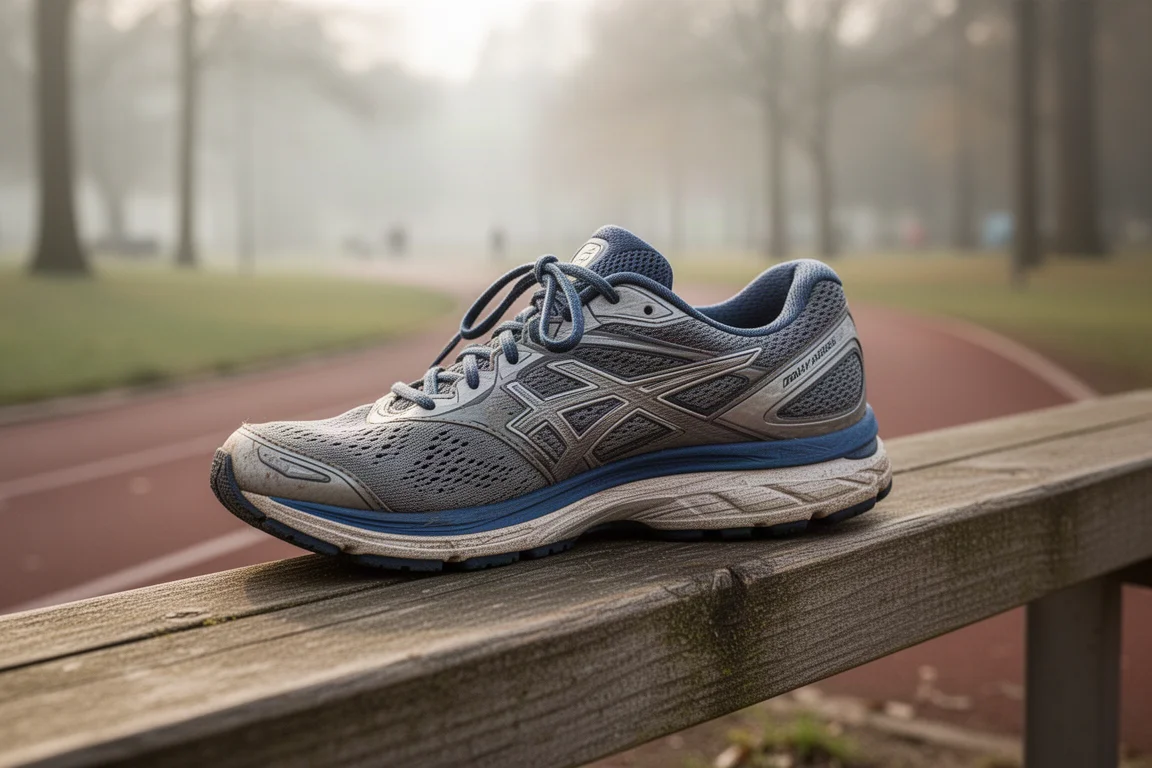
A genuinely pleasant surprise. The iterations before it were unimpressive, but Nike got the 39 right. This is an all-round daily shoe that handles anything: long runs, short runs, and every distance in between. It is not as fast as the racing models, but if you want one shoe that does everything pretty well, this is it.
It is super comfortable with a good fit, no hot spots or rubbing, and durability is holding up well, making the just-over-100-pound price good value. At 314 grams it is slightly heavier than some rivals, though not badly, there is no carbon plate, the heel stack is 28mm, and the drop is 10mm. A highly recommended all-around shoe.
Nike Pegasus Turbo Next% Nature: A Step Back
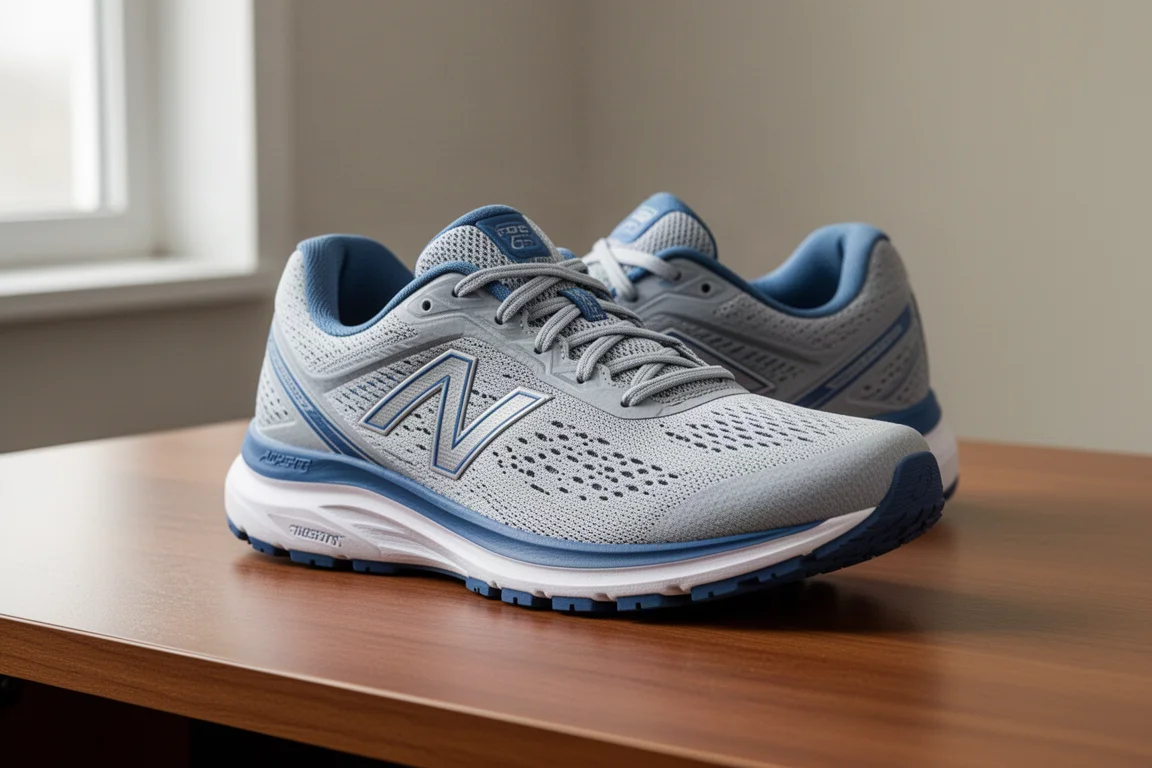
A reimagining of what was once a favorite racing shoe, this Nature version uses recycled materials but the concept does not fully work. It is not as responsive as the original and is on the heavy side, so it has shifted from racing shoe to more of a casual and everyday option.
The ride is comfortable with good lockdown, and the heel area in particular is well designed with no slipping. The core problem is weight: around 320 grams feels too bulky, especially given the previous version was very much a racer. Not a recommended shoe for most runners, but if you like the look and design, it will still look after you. No carbon plate, roughly 36mm of heel stack, and a 10mm drop.
Nike Invincible 2: Maximum Cushion
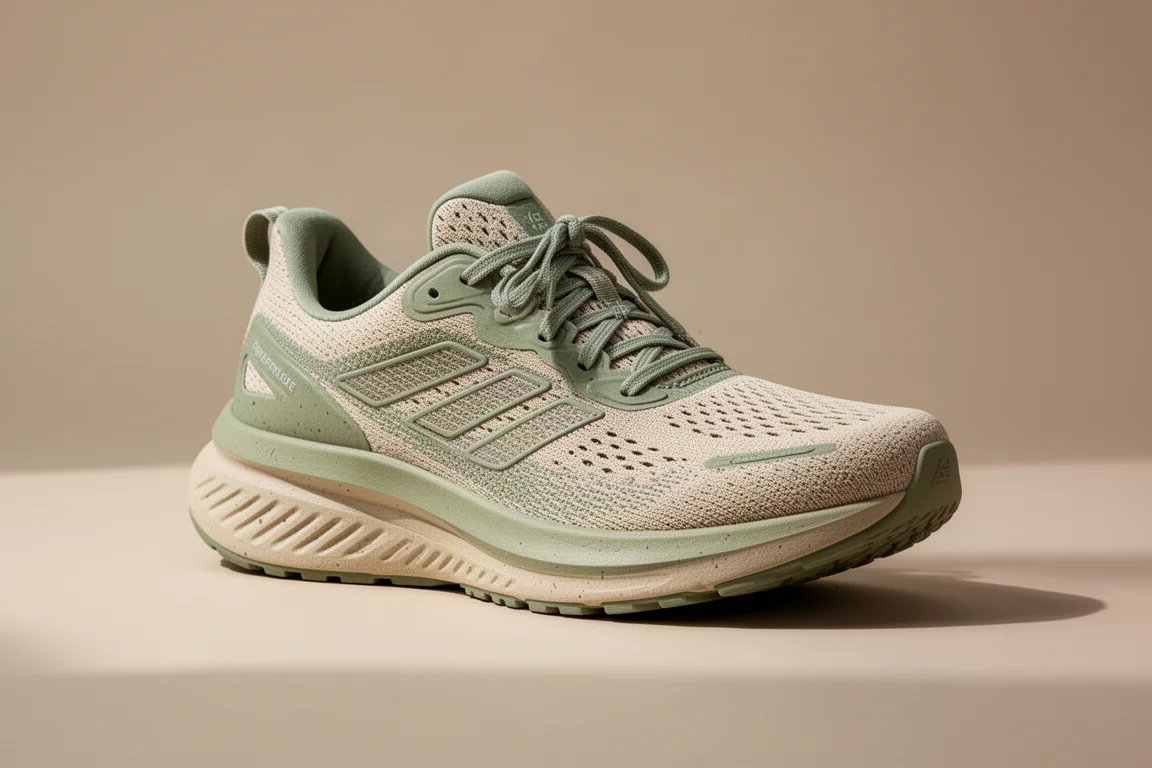
Possibly the most-worn shoe of the lot, and the definition of a daily double-run shoe. The Invincible 2 is built for easy runs and recovery runs, where the full-length Zoom X midsole soaks up the miles and protects your legs. It is without doubt one of the most comfortable shoes ever run in: soft, springy, and genuinely fun.
The trade-offs are typical of a max-cushion trainer. At around 160 pounds it is on the expensive side, and at 380 grams it is the heaviest shoe here, with a 37mm heel stack, an 8mm drop, and no carbon plate. One tip: the Invincible 1 is worth hunting down, as it is usually cheaper and version 2 brings only very minor updates that do not change much.
Building a Two or Three Shoe Rotation
If you want a simple two-shoe rotation, the Pegasus 39 paired with the Vaporfly 2 is a fantastic combo. Do most of your running in the Pegasus, then use the Vaporfly for speed work and races.
For a three-shoe setup, add the Zoom Fly 5 or the Tempo Next% to cover threshold and dedicated speed sessions, reducing the wear on your race shoe.
Conclusion
Nike’s 2022 rotation has a shoe for nearly every run, but the picks are clear: the Vaporfly 2 for racing, the Alphafly 2 for maximum marathon cushioning, the Pegasus 39 for everyday value, and the Invincible 2 for recovery days. The Zoom Fly rewards elite-level speed, the Zoom Fly 5 trades speed for comfort, the Tempo Next% is fun but fragile, and the Pegasus Turbo Next% Nature is best treated as a casual option. Match the shoe to the run and your rotation will do the rest.
Further reading
Related Reviews

Running Shoes
Best Road-to-Trail Running Shoes: Three Versatile Options for Mixed Terrain
A practical guide to three road-to-trail running shoes that handle both pavement and mild trails, with clear strengths and trade-offs for different runner types.

Running Shoes
Best Running Shoes for Achilles Tendonitis: Three Options Explained
Three running shoes with different heel drops and support features designed to help reduce Achilles tendon pain during walking and running.

Running Shoes
Best Running Shoes for Women: Five Top Choices Ranked
A ranked guide to five women's running shoes, from versatile daily trainers to high-performance racing options, with real strengths and trade-offs for each.