Running Shoes
Nike Running Shoe Lineup: Hits and Misses Worth Knowing Before You Buy
Twelve Nike running shoes assessed for real-world value, from the budget Journey Run to the race-day Alphafly 3, with clear winners and a few models to skip.
Introduction
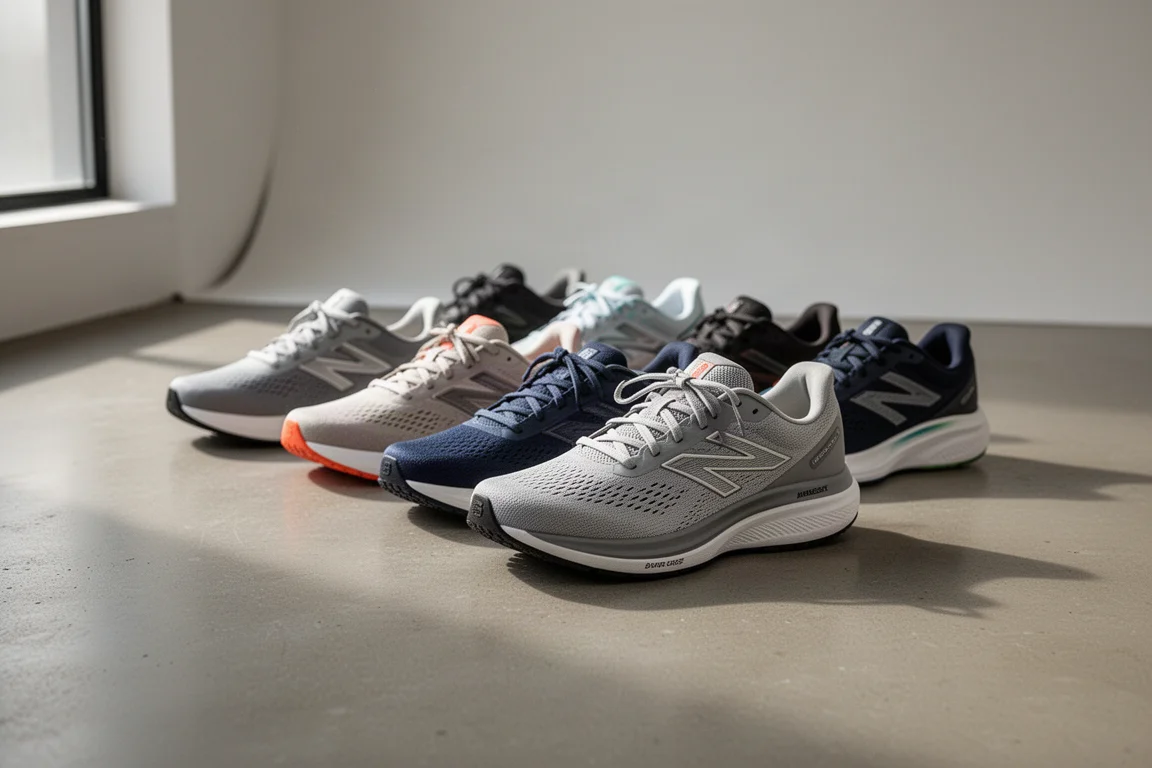
Nike has taken plenty of criticism over its recent running shoe range, and not all of it is deserved. Going through the full lineup, from models around £100 up to the £300 bracket, the honest answer is that not every shoe here is necessary. Some are genuine standouts, others feel like filler, and a couple are hard to recommend at all. Here is how the current range stacks up.
Nike Winflo 11: A Confusing Position
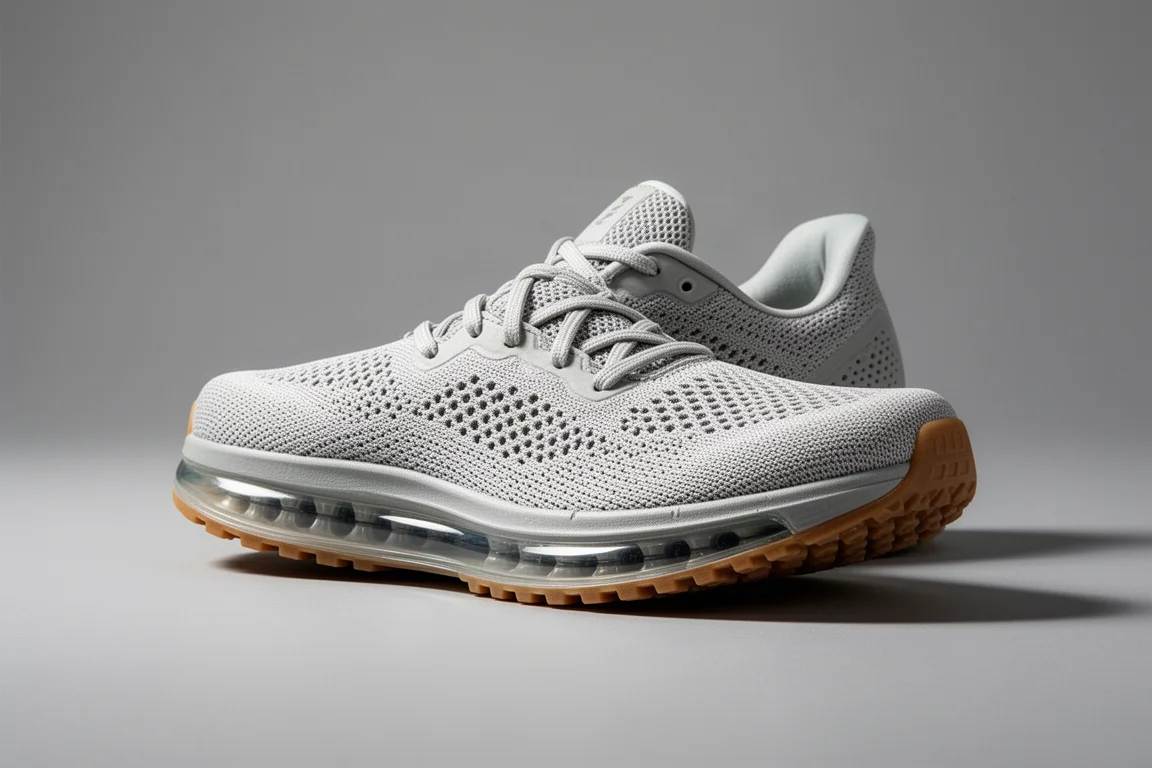
The Winflo 11 sits in an odd spot. You get a full-length air unit paired with the newer Cushlon 3.0 foam, which on paper is not far off the Pegasus 41, and the profile and tongue design even echo older Pegasus models from a few years back. The outsole uses a waffle-like pattern for grip.
The problem is positioning. Priced only a little below the standard Pegasus 41, it is unclear who this shoe is meant for. Most shoppers comparing the two in store will gravitate toward the better-known model, and there is nothing here to change their minds. The Winflo 11 is an easy one to pass on.

Nike Infinity Run 4 GORE-TEX: Overpriced Winterizing
At £175, the GORE-TEX version of the Infinity Run 4 is a tough sell. The full-length React X midsole is a touch more responsive than before, but there are no air units and the foam has not aged well in earlier versions, hardening considerably over time. Other brands’ budget foams have simply moved past this construction.
The weight is the bigger issue. Around 354g for a men’s sample size means roughly 400g in larger sizes, and competitors are nowhere near that heavy. The winterized concept makes sense, but the execution feels more focused on aesthetics than performance. It is also a model that is perpetually discounted, which says a lot about how it is selling.
Nike Vomero 17: The Reliable Bargain
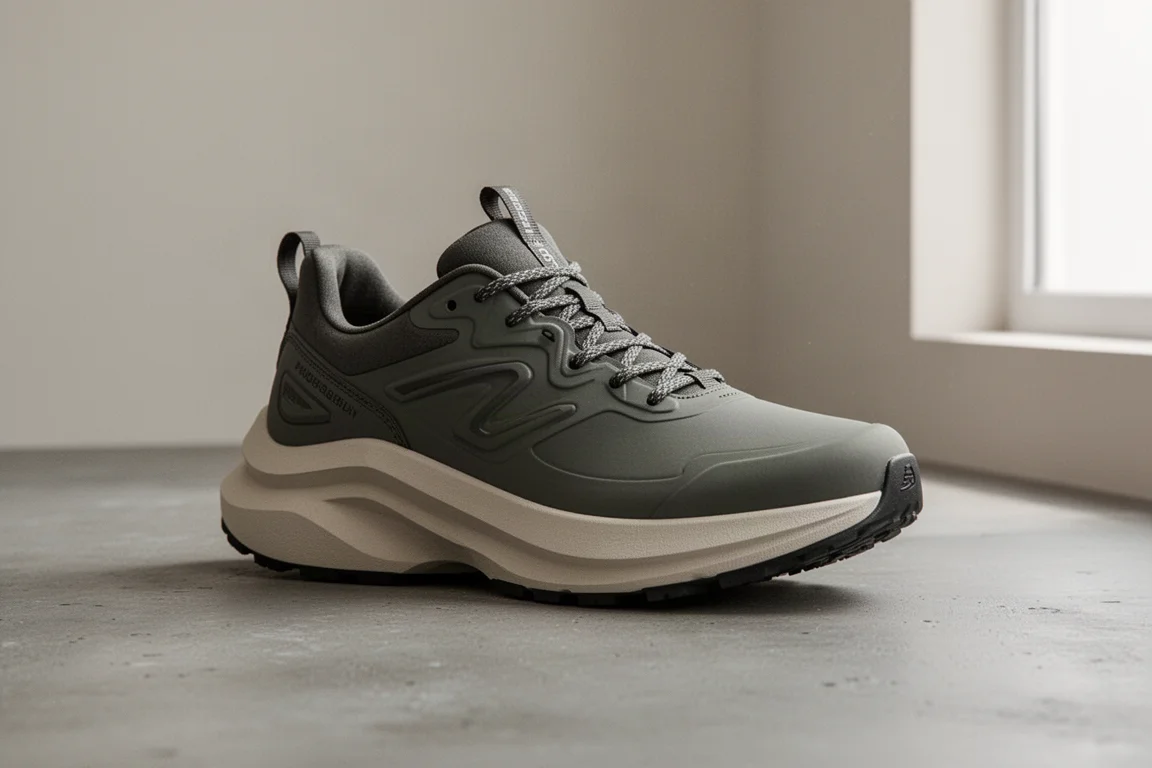
The Vomero 17 is one of the easiest recommendations in the range. Its protective SR2 foam surrounds a ZoomX core, delivering a much better underfoot feel than Nike’s cheaper options, and at £145 it often drops closer to £100 with discounts. That makes it a far better buy than the Infinity Run 4.
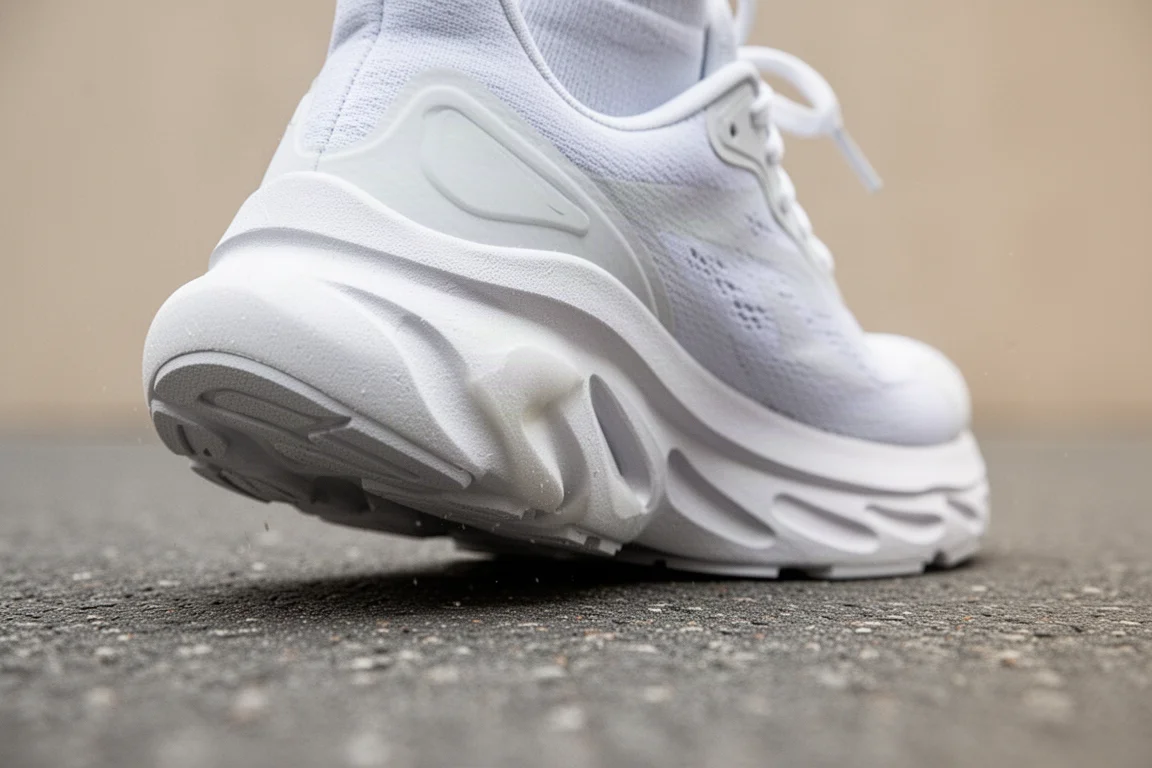
Be aware that Nike is replacing this model soon with a new version that is lighter at 298g in sample size and reportedly more fun to run in. The current shoe has been out for a couple of years but remains a genuinely good option while stock lasts.
Nike Structure 25: Quiet Value
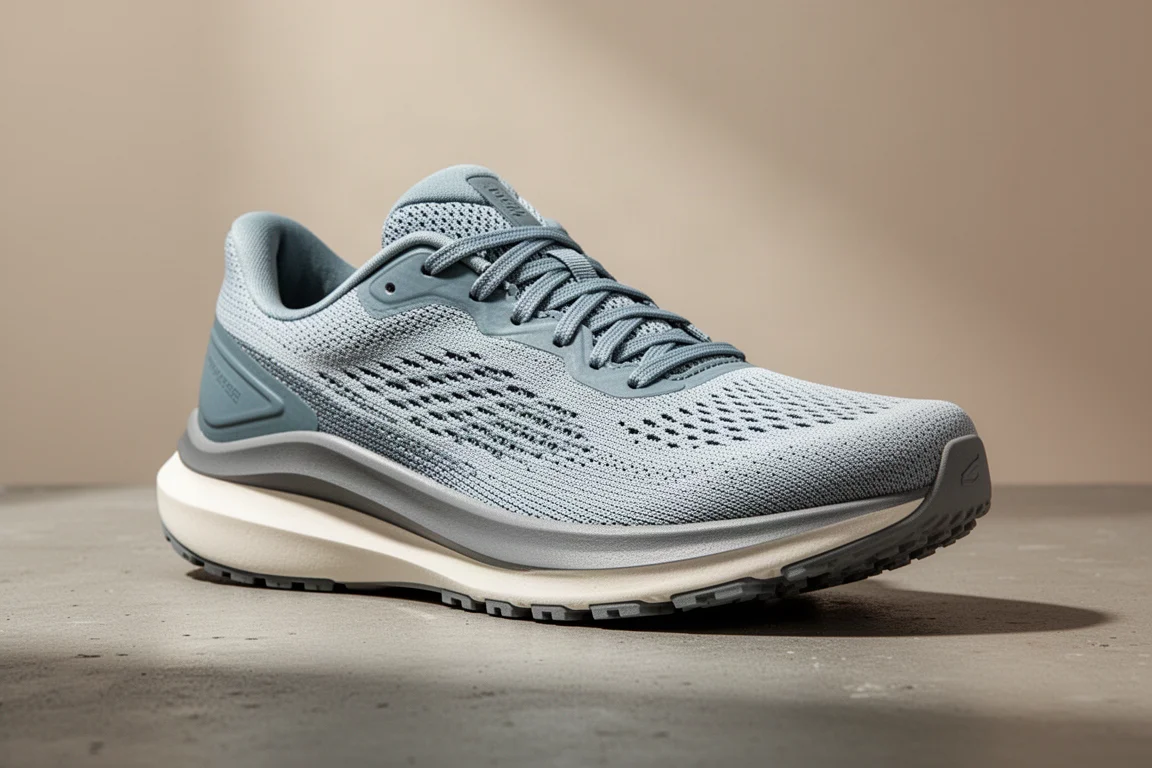
At £120, the Structure 25 adds a hint of stability, using the outsole mainly to control the foot strike. Otherwise it shares a lot with the Winflo 11: Cushlon 3.0 in the midsole, a single air unit up front, plus a slightly different outsole rubber setup and a lighter, reduced upper.
That lighter, less bulky profile is enough to make it the better choice over the Winflo for only £10 more. It feels like a shoe with a real place in the lineup going forward, and it earns a straightforward hit.
Nike Pegasus Plus: A Pricey Luxury
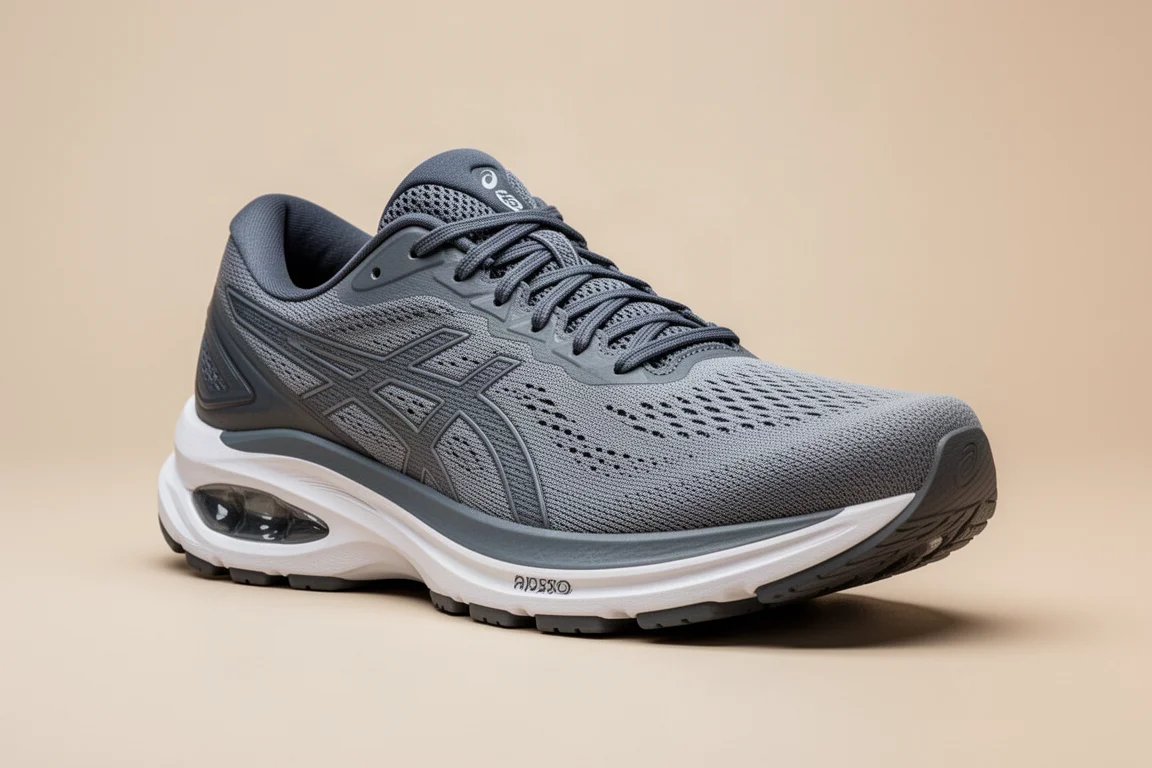
The Pegasus Plus, effectively a successor to the Pegasus Turbo line, uses a ZoomX midsole that is comfortably cushioned and a step up from the cookie-cutter Pegasus models. But without any shank or rigidity, it remains a daily-use shoe rather than something for fast-paced miles.
At £165 it proved an expensive luxury, and the midsole bottoms out on longer efforts in a way that echoes the old Turbo. The stretched waffle outsole grips well, but the shoe feels around £20 overpriced for what it delivers, and it is not meaningfully lighter than the Pegasus 41. A miss for the money.
Nike Invincible Run 3: Max Cushion Done Right
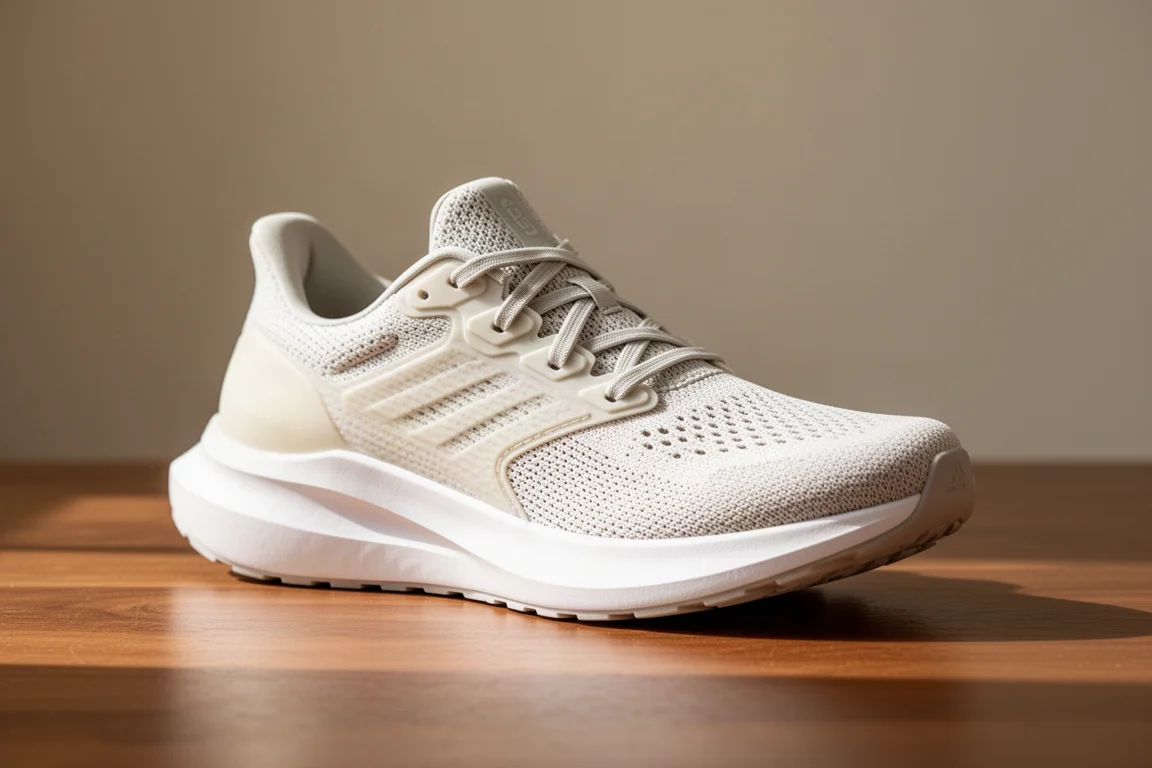
The Invincible Run 3 is the max-cushion shoe Nike can be proud of. The ZoomX midsole is super forgiving and genuinely engaging to run in, making it a great long-run option or something squashy for recovery days. The weight is not light for the category, but the ride more than compensates.
The upper is the weak point on this version, though a tweak for the next iteration seems likely. Why anyone would choose the Infinity Run 4 over this is hard to fathom. The only real complaint is the £175 price tag, which is steep, but as a shoe it is a clear hit.
Nike Pegasus 41: More of the Same
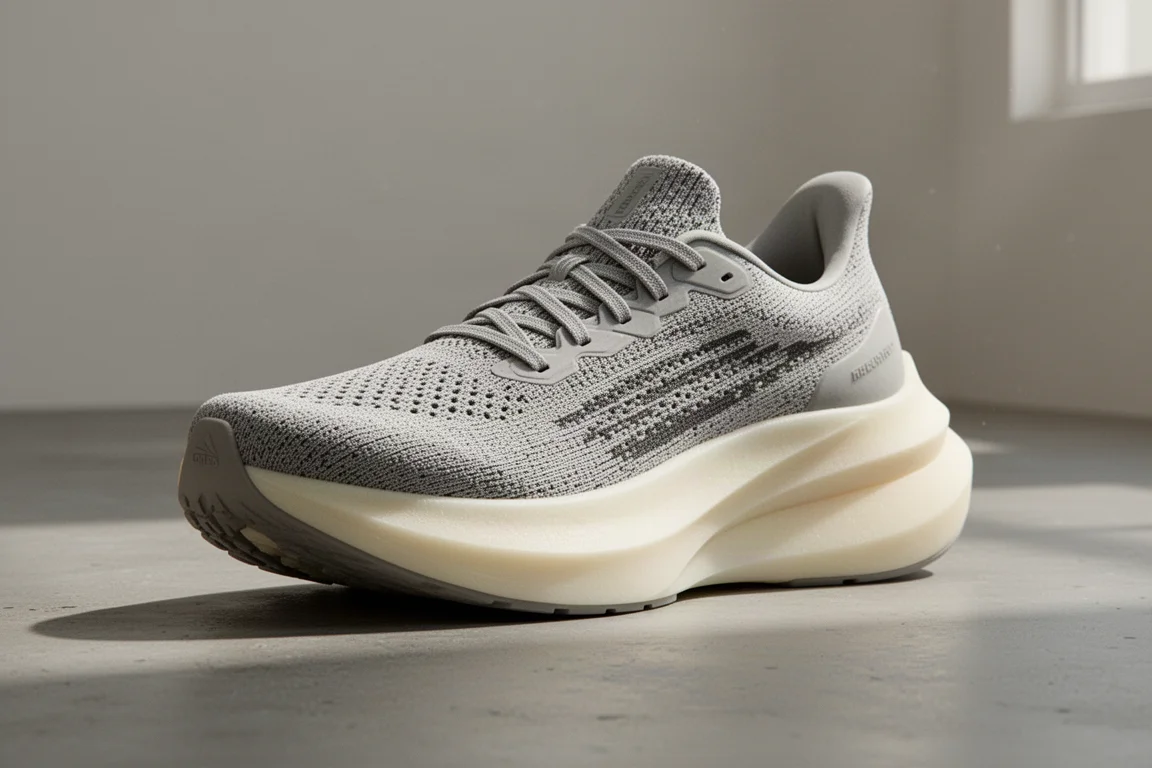
The Pegasus 41 is nearly identical to its recent predecessors, with a small price bump to £130 year on year. The React X and dual air unit setup is tried and tested, but there are more fun and enjoyable rides available elsewhere from rival daily trainers.
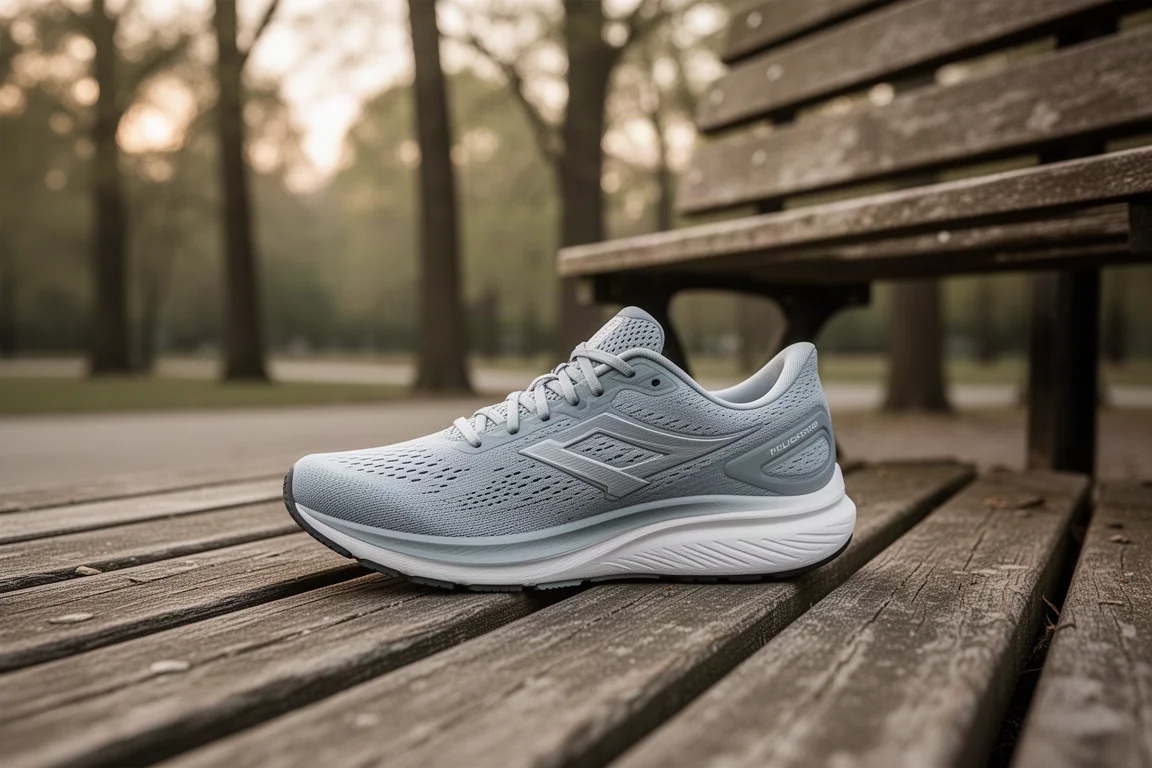
It works as a comfortable daily and lifestyle shoe, the kind you can stand around in for hours, but it is not an exciting running proposition. You really have to be committed to the brand to pick it over the alternatives, so it lands as a miss for now. A ZoomX midsole in the next version would be very welcome.
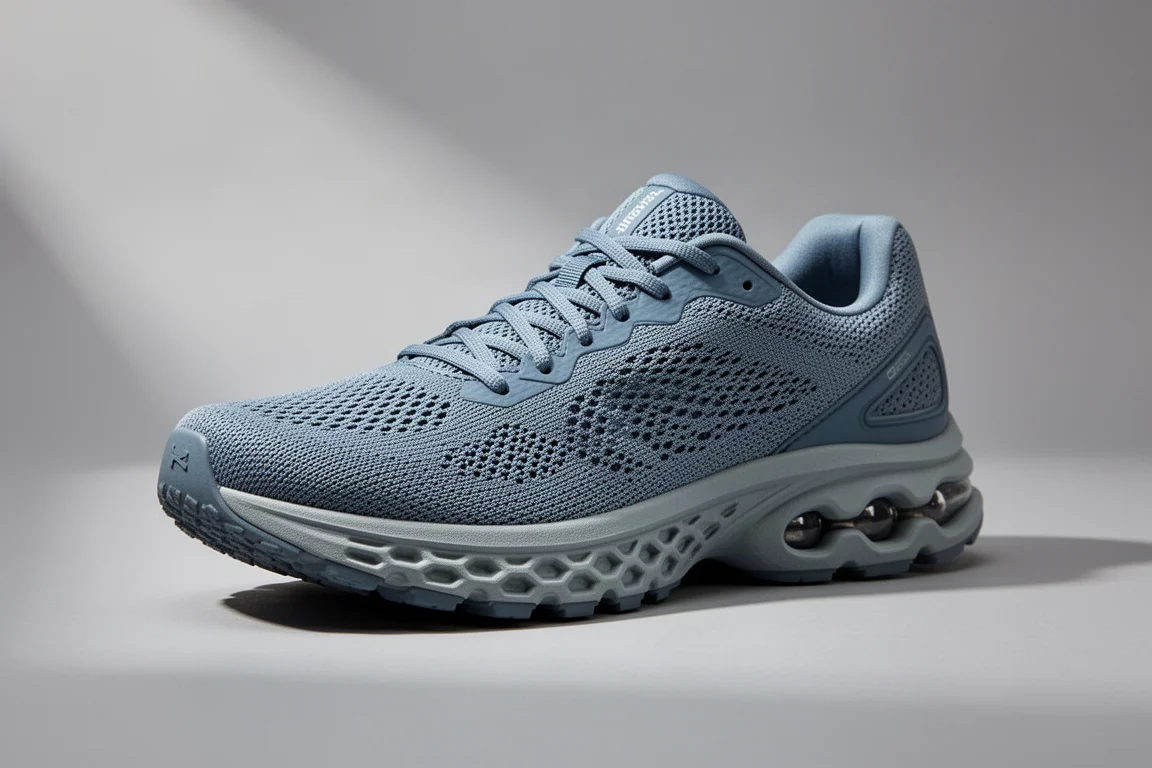
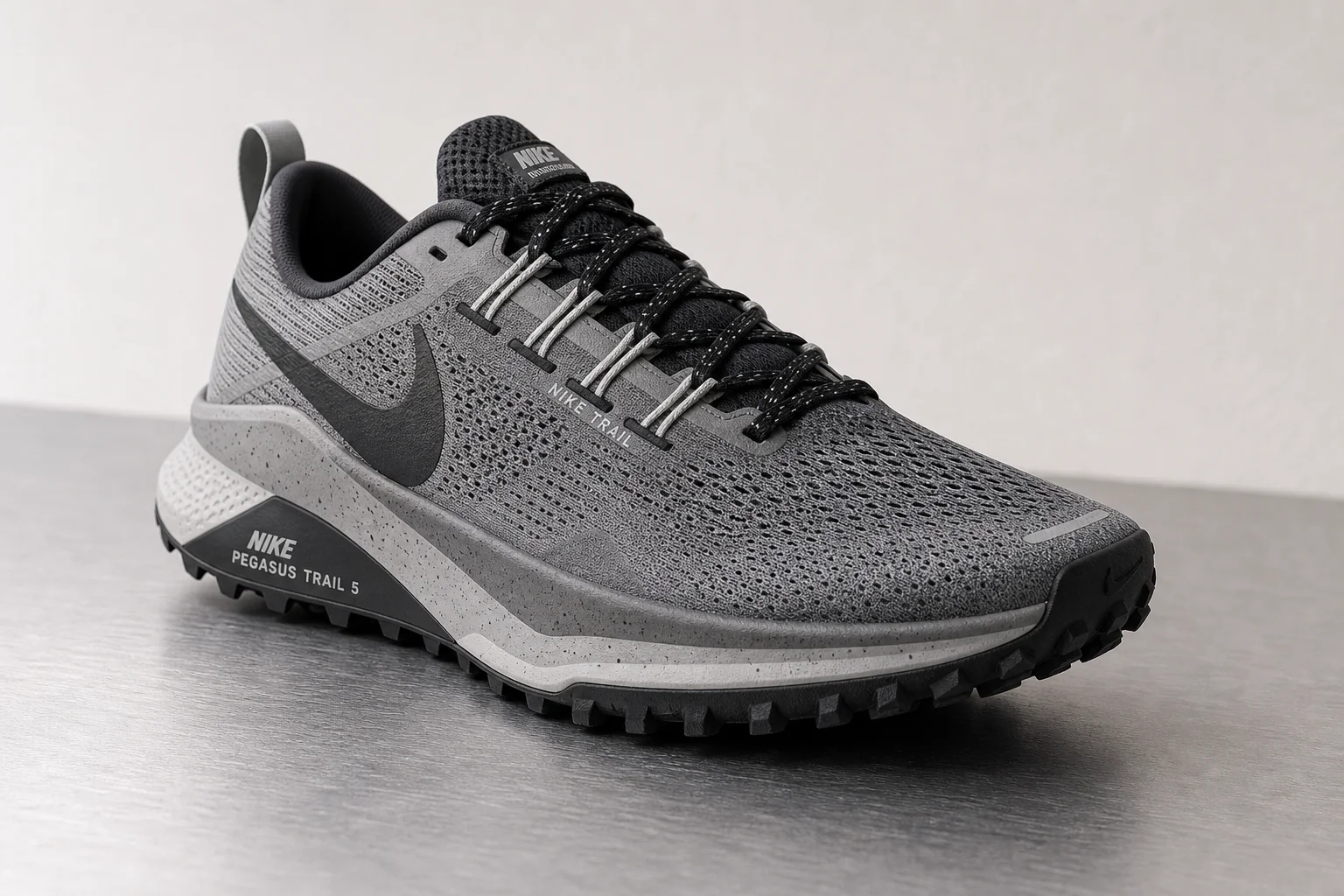
Nike Pegasus Trail 5: The Best Pegasus Is a Trail Shoe
The Pegasus Trail 5 might be the best training shoe Nike currently makes. The React X foam feels softer and more cushioned underfoot than in the Pegasus 41, and the outsole is excellent for road-to-trail use. In a strange twist, this is arguably a better Pegasus than the Pegasus itself.
At £130 for the standard version, with a £15 uplift for the GORE-TEX option, the pricing works, and the weight is reasonable at around 300g in sample size. An easy hit, and hopefully a model Nike keeps developing.
Nike Journey Run: Leave It on the Shelf
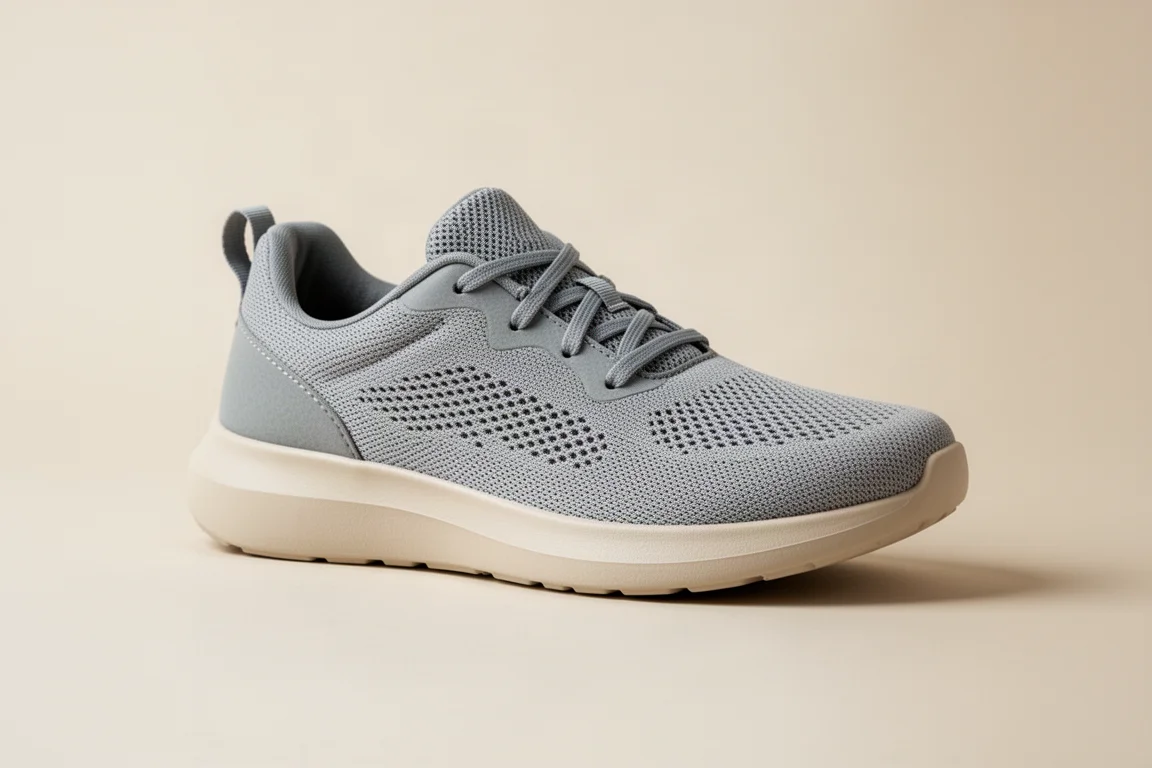
The Journey Run, around £100, uses an inferior foam and simply does not do enough to justify itself. Even the Winflo 11 looks like a better bet at a similar level, and if you can stretch the budget or find a discount, the Vomero 17 is in another league entirely.
There is no compelling reason to pick this one up. It is a miss, and one that fills space in the range rather than earning it.
Nike Zoom Fly 6: Nike’s Best in Years
The Zoom Fly 6 is a standout. It is engaging and propulsive, the plate provides real rigidity, and at £165 it feels fairly priced for this level of shoe. Build quality out of the box is genuinely good, seemingly a cut above some other current Nike models. For many runners, this is the best Nike shoe in a long time, and it is a big hit.
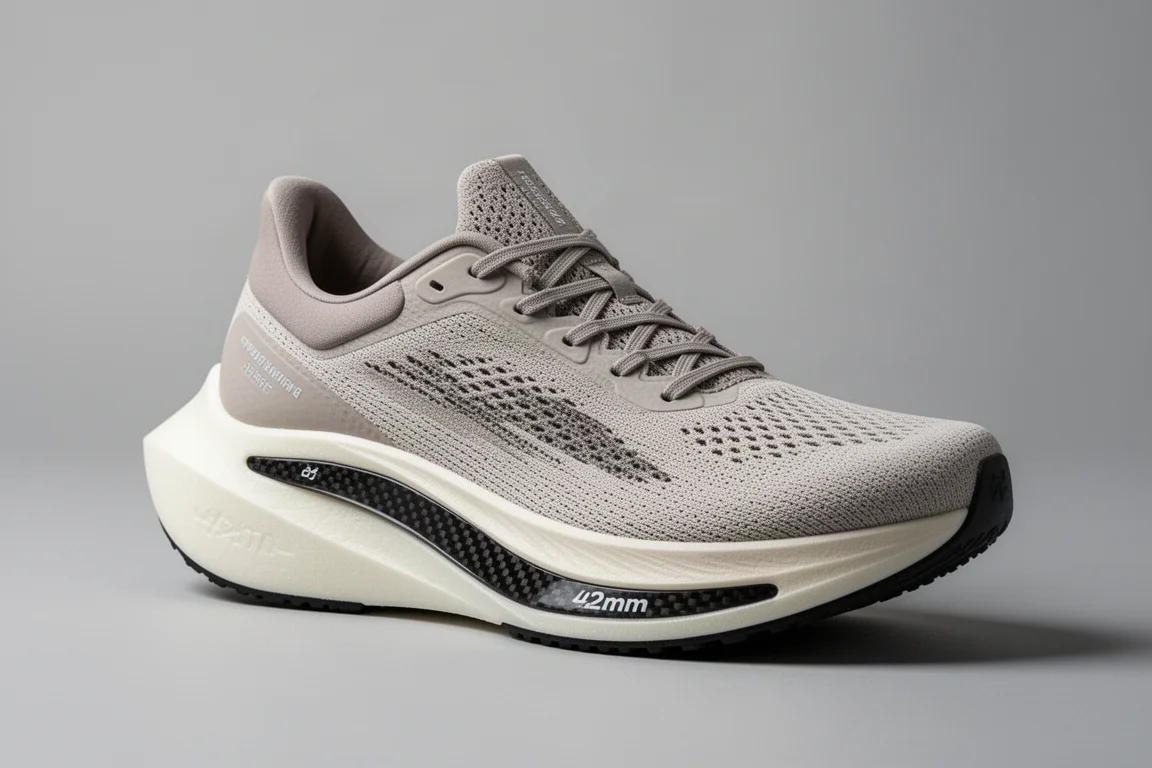
Nike Vaporfly 3: Past Its Best
Every runner knows the Vaporfly 3, and it remains light and nimble, one of the better versions of the line but not the best. Some other brands have caught up now, and at £240 it is hard to argue the price is justified, especially when elites are still racing in the earlier version.
That mismatch explains why plenty of pairs are sitting discounted online. Nike cannot shift them at full price, and until a new version arrives with real improvements, this is a miss at its current sticker.
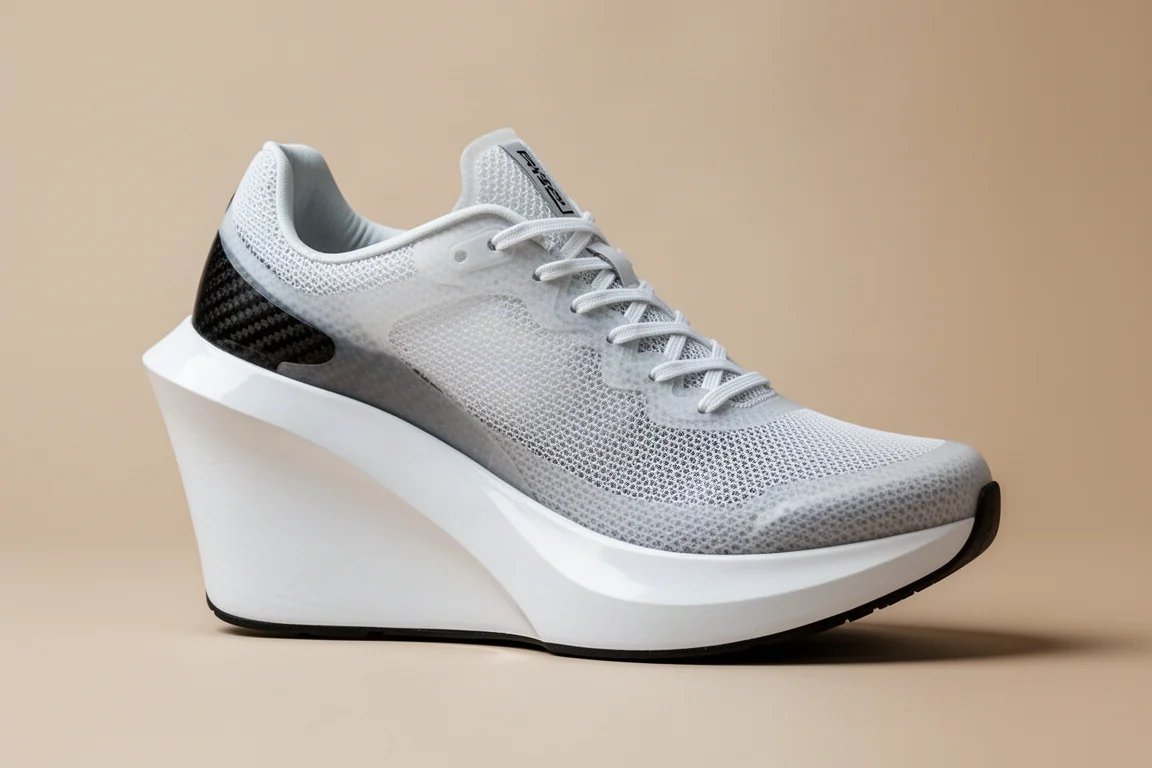
Nike Alphafly 3: The Lineup’s Best
The Alphafly 3 is where Nike got everything right. It kept what made the original good, removed bulk and weight, and created something that works as a serious training shoe and a brilliant racer for the half and full marathon. The outsole has shown decent durability on road and pavement, and the air units seem better protected, with fewer blowouts reported.

Popularity speaks for itself: you see plenty of pairs at local road races, and runners have clearly taken to it. It is a hit, and arguably the highlight of the whole range.
Buying Advice: Where the Value Really Is
Looking across the lineup, the standouts are the Zoom Fly 6, the Alphafly 3, the Vomero 17, the Invincible Run 3, the Pegasus Trail 5 and the Structure 25. The Vomero 17 in particular is worth grabbing while it remains available before the new version replaces it.
The shoes to avoid are the ones that overlap awkwardly with better options: the Journey Run, the Winflo 11, the Infinity Run 4 GORE-TEX, and the Pegasus Plus, which asks too much money for a shoe without real propulsion. The Pegasus 41 and Vaporfly 3 are not bad shoes, just poor value at current prices when rivals offer more for less.
Conclusion
Nike’s range has more hits than misses, and the criticism it attracts is partly unfair. The real issue is that the lineup feels split between one mindset focused on aesthetic, trend-driven design and another focused on race and pace performance. Trimming the redundancy and getting back to performance-first thinking would make the range far stronger. For buyers right now, the race and pace side of the catalog is where the genuine winners live.
Further reading
Related Reviews

Running Shoes
Best Road-to-Trail Running Shoes: Three Versatile Options for Mixed Terrain
A practical guide to three road-to-trail running shoes that handle both pavement and mild trails, with clear strengths and trade-offs for different runner types.

Running Shoes
Best Running Shoes for Achilles Tendonitis: Three Options Explained
Three running shoes with different heel drops and support features designed to help reduce Achilles tendon pain during walking and running.

Running Shoes
Best Running Shoes for Women: Five Top Choices Ranked
A ranked guide to five women's running shoes, from versatile daily trainers to high-performance racing options, with real strengths and trade-offs for each.