Running Shoes
Nike Running Shoe Lineup Guide: 11 Shoes From Daily Trainer to Race Day
A practical tour of Nike's running range, from the Pegasus 41 and Vomero 18 to the Vaporfly 4, Alphafly 3, and the new premium tier.
Introduction
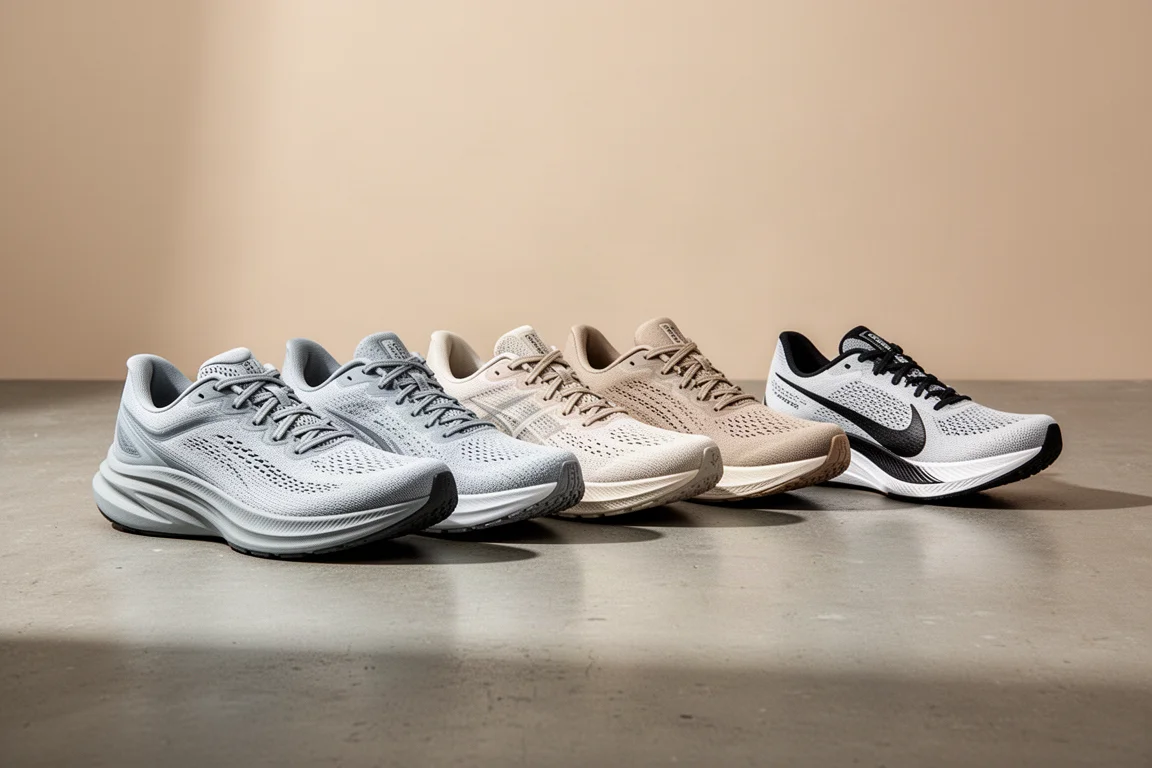
Nike runs one of the deepest catalogs in running, and it is easy to get lost between daily trainers, max cushion shoes, tempo workhorses, and two very different super shoes. This guide walks through the lineup the way most runners actually shop: what to wear on ordinary days, what to reach for on race day, and where the stability and premium options fit in. The lineup is also in transition, with Nike reorganizing several popular names into a simpler three-pillar structure, so knowing what each shoe does today makes the changes easier to follow.
How the Nike Lineup Fits Together
Think of the range in five pillars: a daily trainer, a max cushion companion, a race day shoe, a tempo or workout shoe, and a long-run specialist. Around those sit stability options and a handful of specialty race shoes. With that map in mind, the individual models fall into place quickly.
Daily Trainers
Nike Pegasus 41
The Pegasus is Nike’s flagship daily trainer, and version 41 pairs ReactX foam with two Air Zoom units, one in the forefoot and one in the heel. The upper is one of the better fitting Pegasus uppers in recent memory, slightly puffy in a comfortable way, and the outsole carries a generous amount of rubber for durability. The ride itself feels a little firm, and the ReactX somewhat mutes the Air Zoom sensation, so it reads as dependable rather than exciting. At $140 it is a fair price for the category, though not exceptional value. It suits runners who want one durable shoe for a few runs per week, or younger runners who need a single shoe covering cross country through track season.
Nike Vomero 18
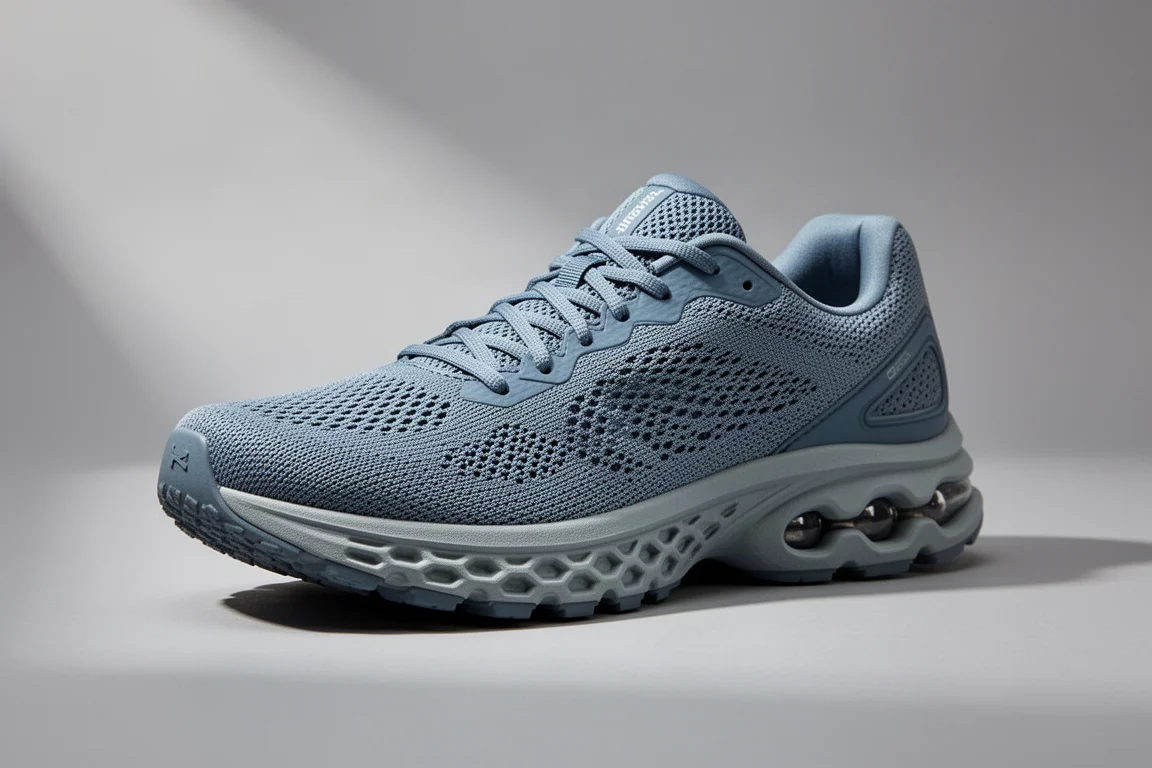
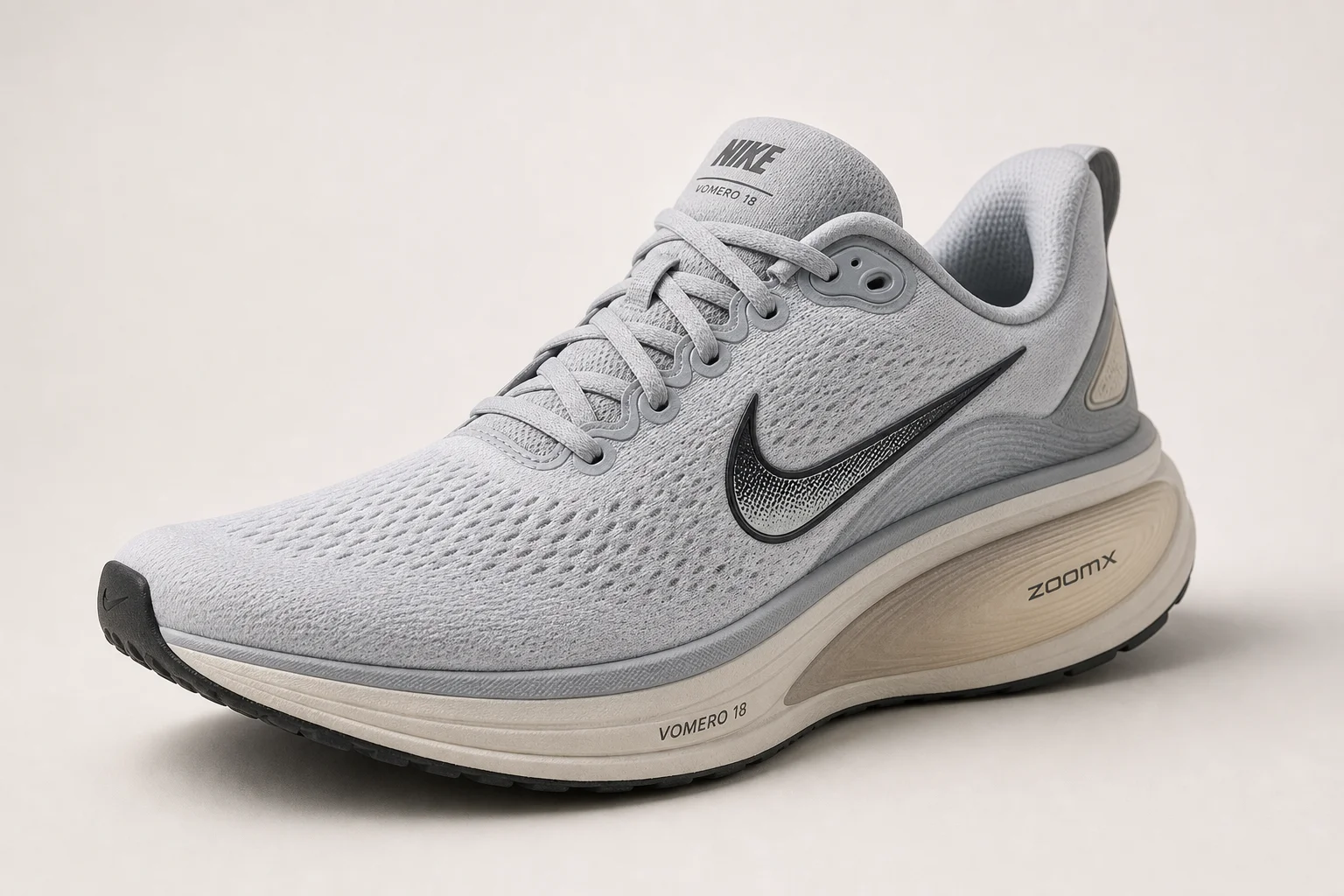
The Vomero 18 finally commits to the max cushion label. It combines ZoomX and ReactX foam with no Air Zoom unit, and Nike has labeled which layer is which, a small but welcome touch of honesty. The heel feels like landing on a wide donut of foam, firming up slightly and staying comfortably cushioned through the forefoot. The upper is plush, with a stretchy puffy mesh forefoot and a very padded tongue. At $150 it is well positioned in the max cushion class, and the direction this version takes is a clear step forward for the line.
Race Day and Tempo
Nike Vaporfly 4
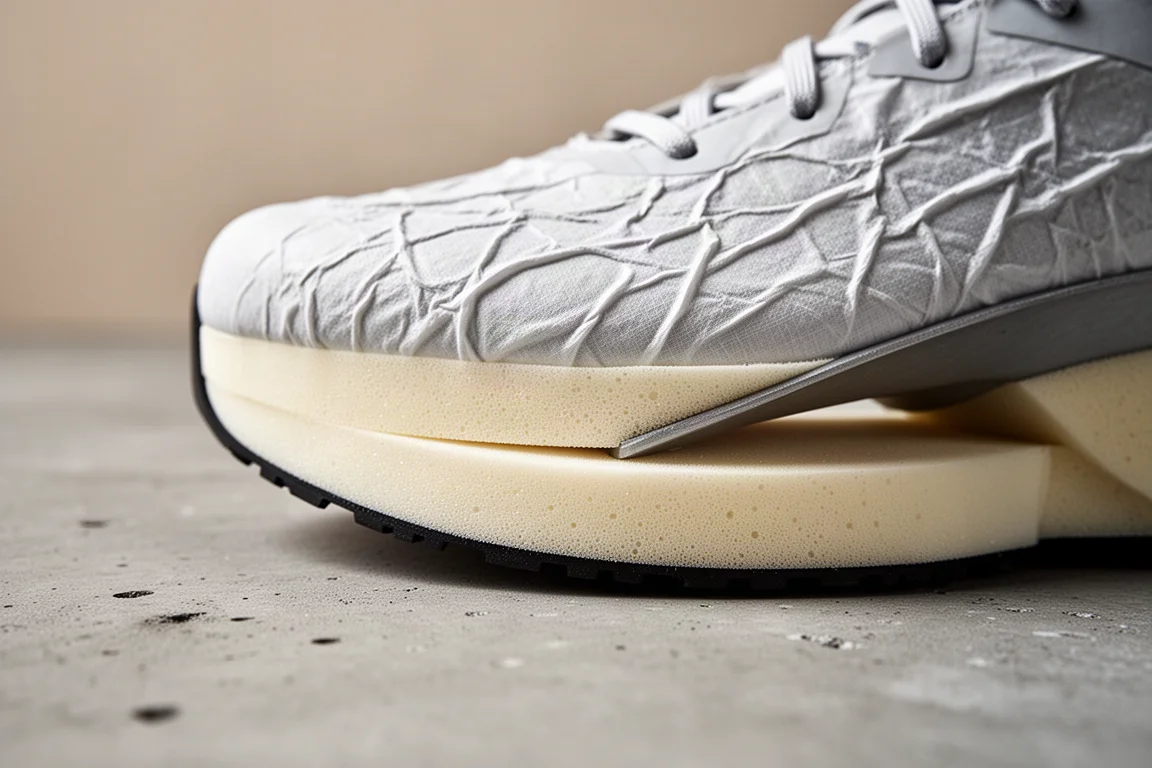
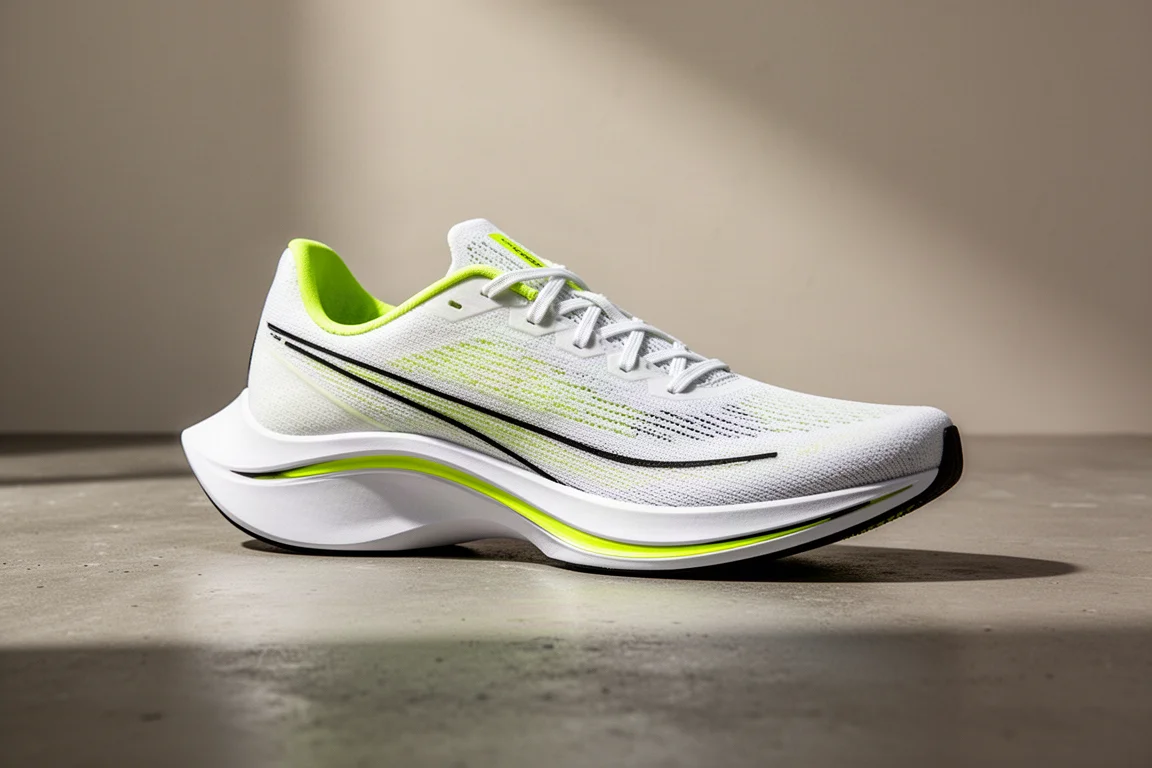
The Vaporfly 4 is another significant redesign. ZoomX foam remains, the plate sits aggressively high in the heel and slams down close to the ground in the forefoot, and the drop shifts from 8mm to 6mm. The overall character recalls the Vaporfly Next% more than last year’s version. The ZoomX is genuinely lovely, and the shoe is a joy for race pace work. At $260 it sits firmly in super shoe territory, which is worth weighing against alternatives if the price gives you pause.
Nike Alphafly 3
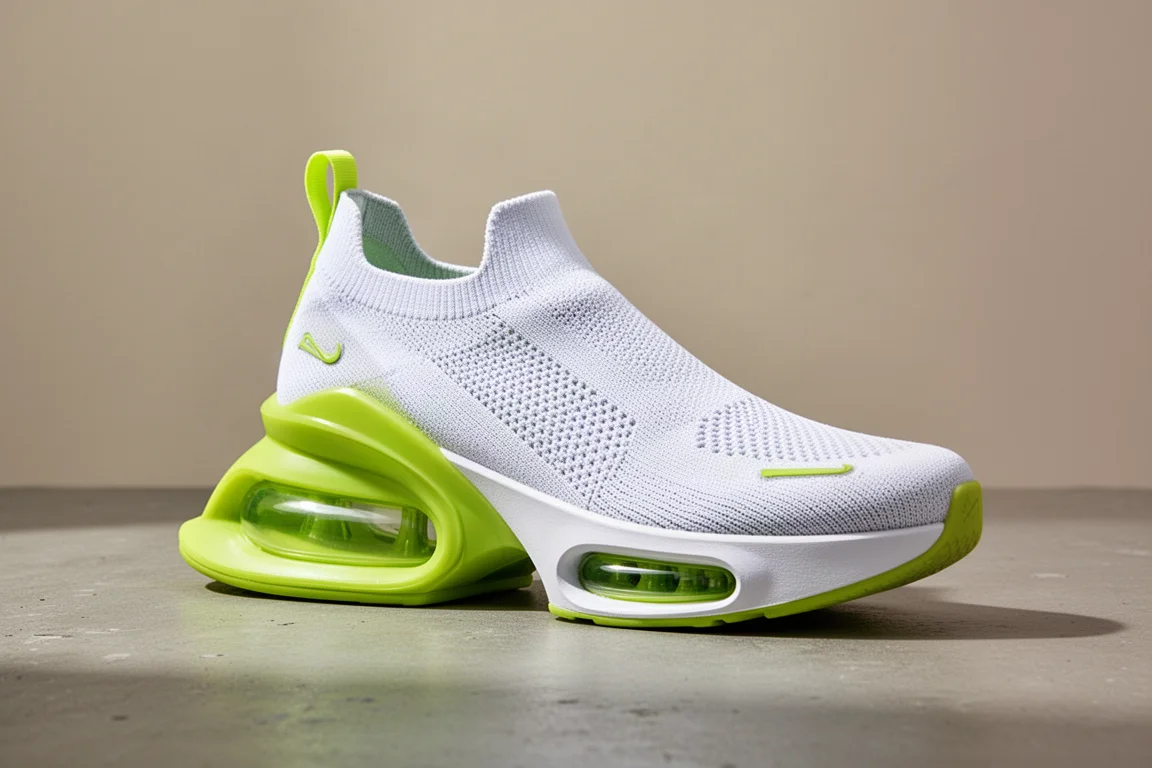
The Alphafly 3 holds marathon world records for both men and women and is widely regarded as the fastest marathon shoe available. It pairs excellent ZoomX foam with a knit race upper and much larger Air Zoom units than the Pegasus uses, which is a big part of what makes it so distinctive and fun to run in. At $285 it approaches the psychological $300 line for many runners, so it is a purchase for runners who are fully committed to racing.
Nike Streakfly 2
The Streakfly 2 is an aggressively focused shoe built with ZoomX and a carbon plate, and it is genuinely not for most runners. It is designed for road miles up to the 10K and effectively behaves like a mile road racing shoe or a 10,000m track option, meant to be ridden exclusively on the forefoot like a spike. The ride feels like running on nothing, extremely close to the ground. The minimal upper is the least comfortable Nike upper in recent memory, with a toe box that offers very little room for toes. Track runners who can handle the forefoot-only position will find it exciting; everyone else should look elsewhere for road racing.
Nike Zoom Fly 6
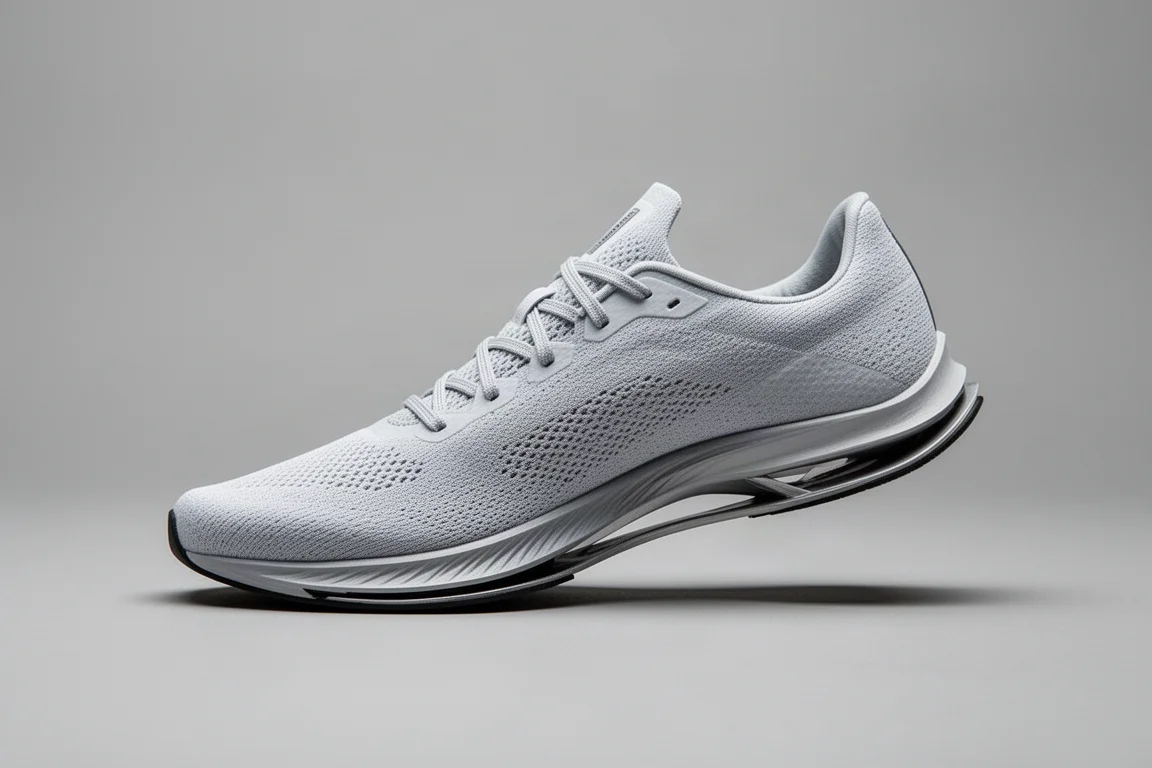
The Zoom Fly 6 is one of the best versions of this shoe in a long time. It layers a top sheet of ZoomX over ReactX with a carbon plate between them, positioned in that same aggressive heel-high, forefoot-low geometry as the race shoes. There is more padding around the heel and Achilles flare, more room than the race day options, and notably more rubber, which makes sense for a shoe meant to spend more time in training. It handles fast workouts with ease but also has genuinely good road manners at easy paces, which makes it a strong tempo trainer and a viable daily trainer for faster-leaning runners. At $170 it is well priced for the category.
The Long-Run Specialist: Nike Invincible Run 3
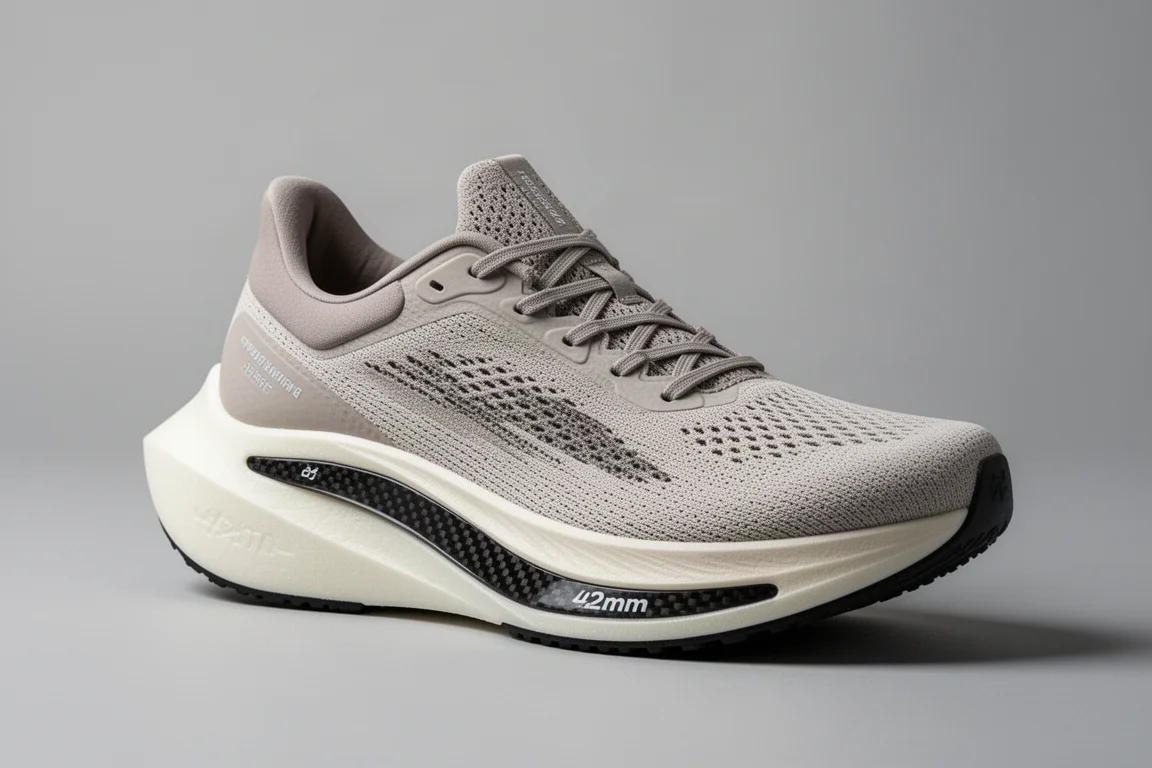
The Invincible Run 3 carries a full stack of ZoomX, tuned here for a long-run role rather than pure max cushion laziness. It has a large stack height with a comfortable, durable upper, but this is a shoe that prefers not to shuffle. It comes alive on runs with varied paces, like a weekend progression long run that starts conversational and builds toward marathon effort. It is comfortable enough to wear for hours yet light and energetic enough to be pushed, which makes it a distinctive fifth pillar in the lineup.

Stability Options
Nike Structure
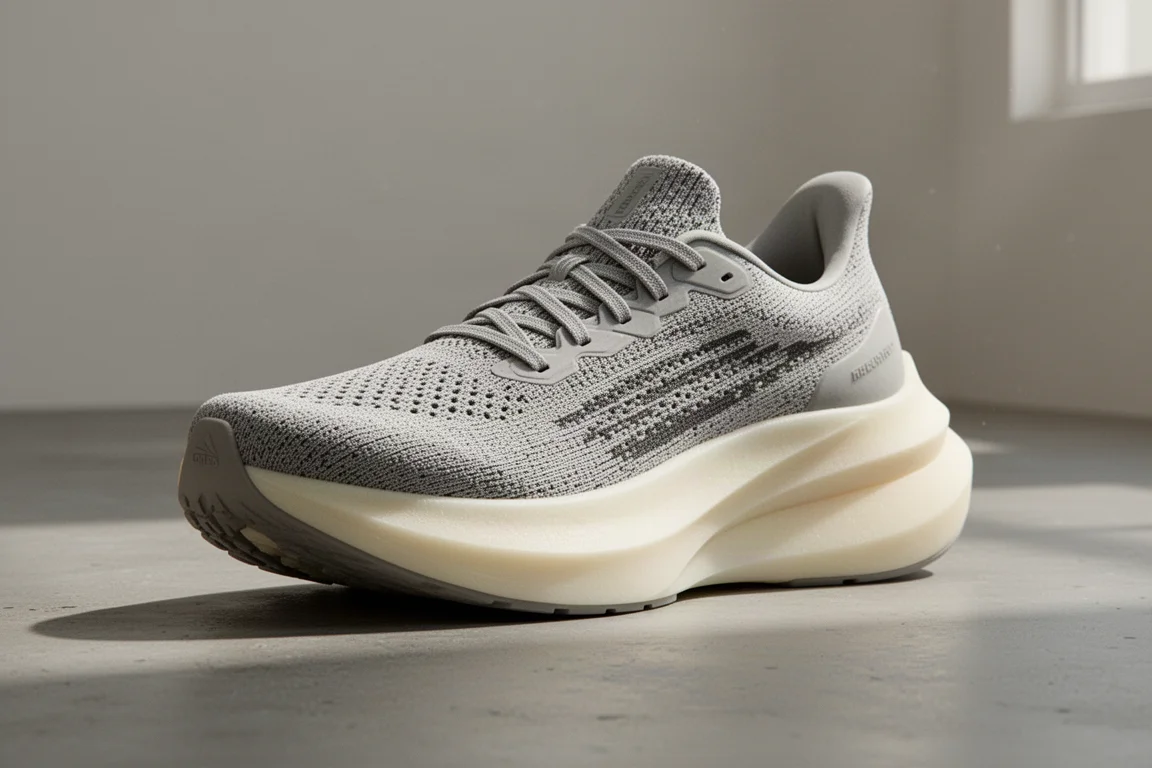
The Structure is Nike’s everyday stability shoe, positioned as the stability counterpart to the Pegasus. The stability approach is relatively light: the forefoot is flexible and pleasant, arguably nicer than the Pegasus forefoot, while the rear of the shoe is firmly locked down with a medial guide rail under the arch to keep the shoe from caving in on landing. The rearfoot can feel intrusive, poking up into the arch, but for a stability shoe it twists reasonably well. Runners who need mild guidance without a rigid platform will find it one of the less aggressive options in the class.
Nike InfinityRN 4
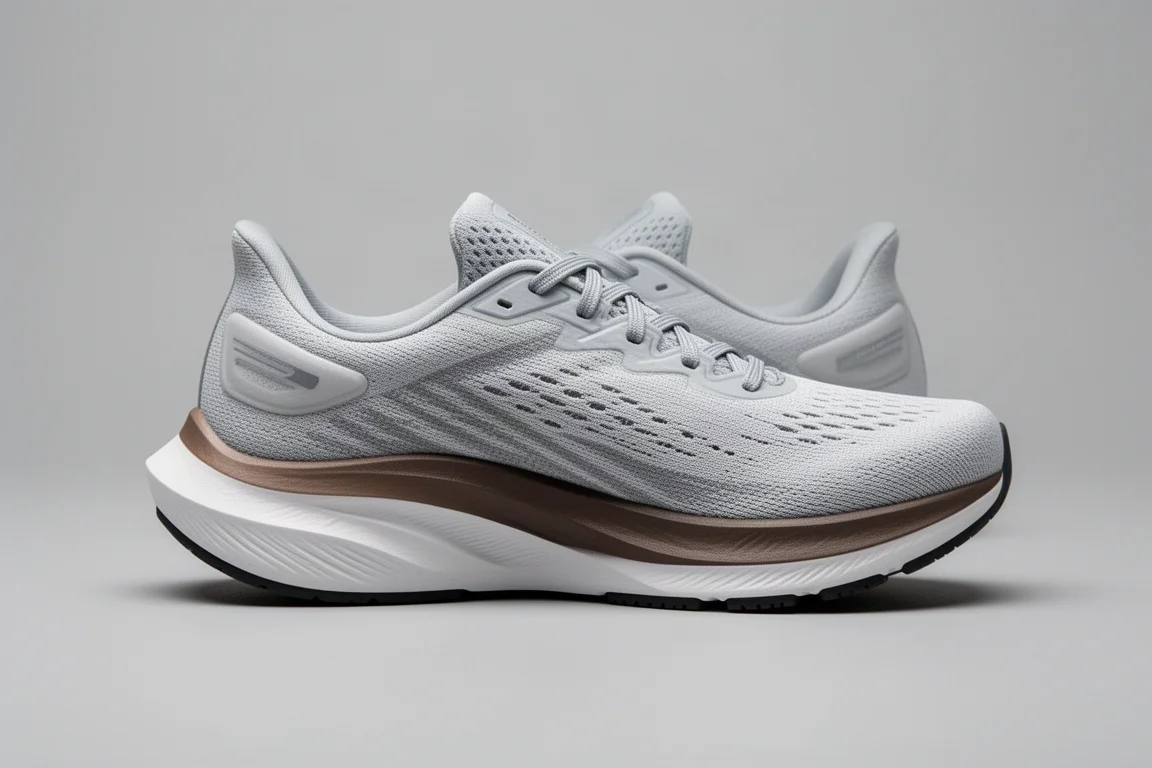
The InfinityRN 4 is the heavier stability option, built on ReactX with a chunky, cable-knit style upper that looks and feels wonderfully soft. On the foot, however, it is extremely controlling. The ride feels immobilized, almost like running in a boot, with very limited natural foot flex and a dense bulb of foam in the stability zone. For runners who genuinely want maximum control, a firm ride, and a foot that stays locked in place, it delivers exactly that. Runners who dislike stability features should stay well clear.
The Premium Tier and the Reorg
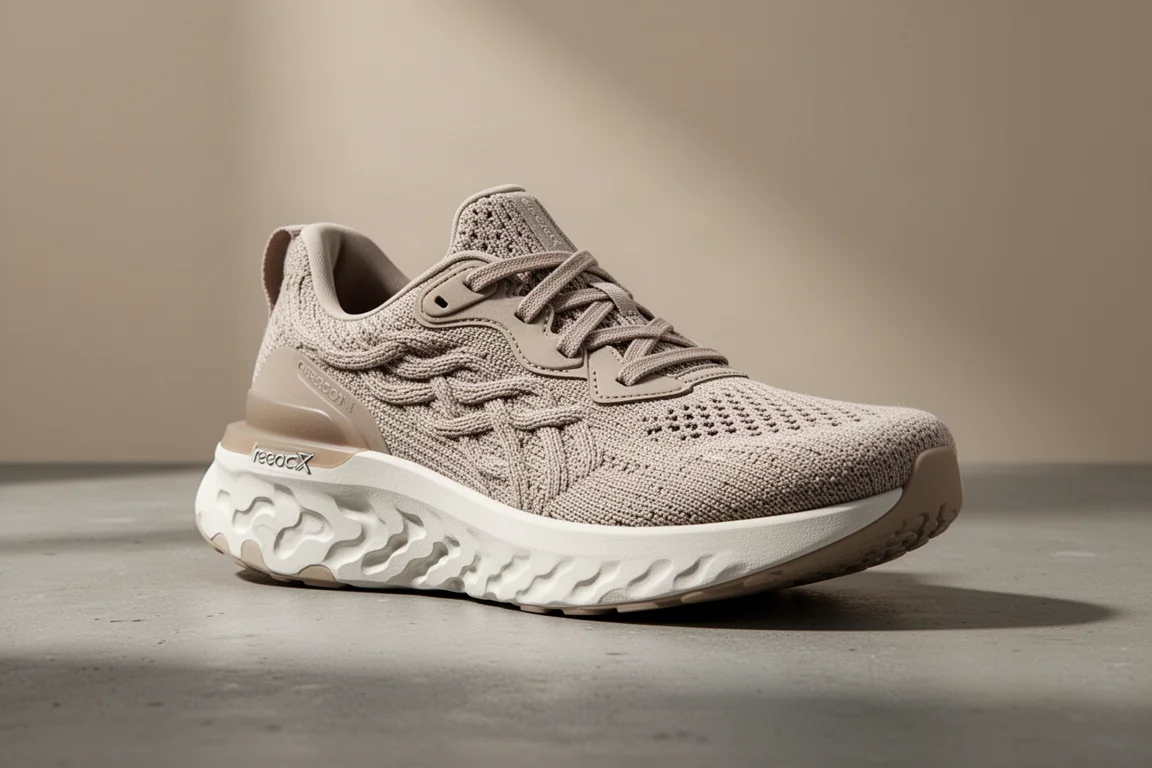
Nike is reorganizing its range around three pillars: Pegasus, Vomero, and Structure, each with Plus and Premium layers, for nine total shoes. The changes absorb some familiar names: the Invincible line becomes the Vomero Plus, the Infinity line becomes the Structure Plus, and the race products remain outside the matrix. The Pegasus Plus sits in the middle as a versatile daily trainer built on ZoomX with an elevated upper, comfortably handling easy runs, tempo work, and even some Vomero-style duties. At $180 it is expensive at full price, but it has been out long enough that significant discounts are commonly available.
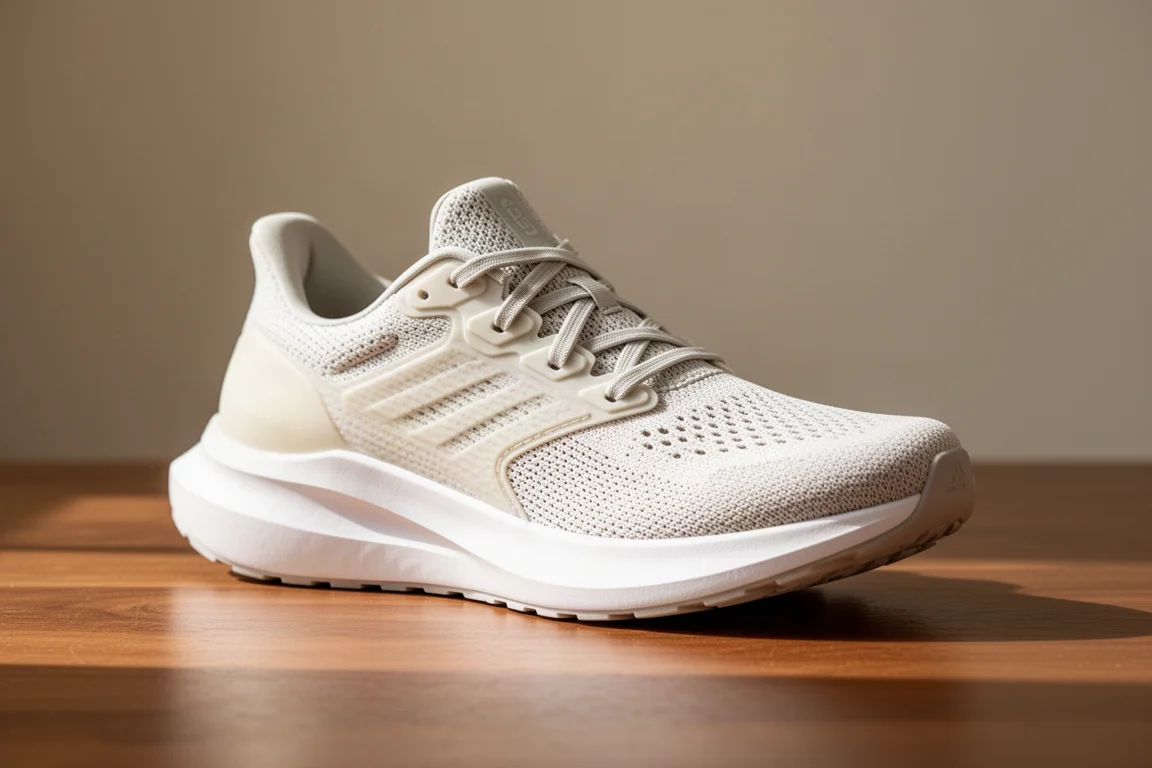
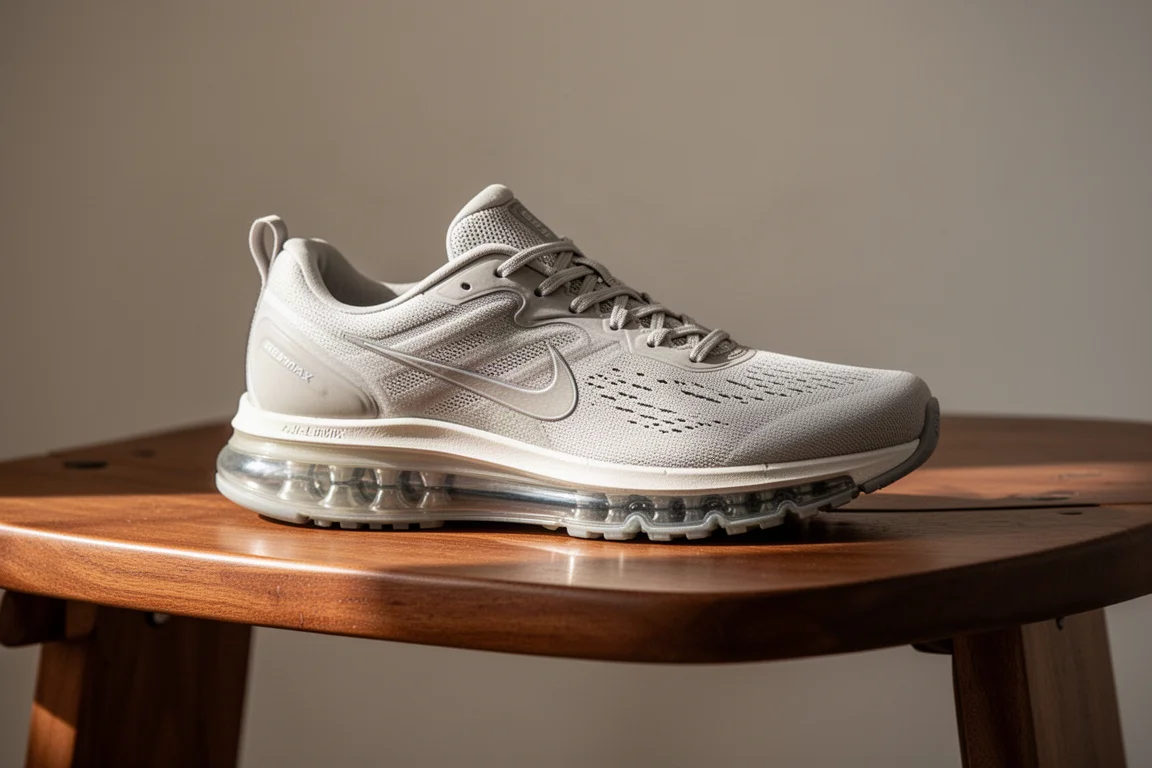
The Pegasus Premium is the top layer, combining a full-length Air Zoom unit with ReactX beneath and ZoomX above, wrapped in a fancy daily training upper. Expectations were low going in, but it is not a disaster: the forefoot is nicely cushioned, the Air Zoom is clearly noticeable in a good way, and it feels like a max cushion shoe tuned for forefoot strikers. It is very heavy, and the compression starts to feel mechanical rather than fluid over long runs. It is also extremely hard to find, selling out almost everywhere at every restock. The Premium layer is best understood as an experiment rather than an upgrade path, and expectations should be tempered accordingly.
Conclusion
Nike’s lineup rewards knowing what role you need to fill. The Pegasus 41 and Vomero 18 cover dependable and cushioned daily duty, the Zoom Fly 6 bridges workouts and everyday running, and the Invincible Run 3 owns the long-run slot. For racing, the Vaporfly 4 and Alphafly 3 remain two of the most compelling super shoes available, while the Streakfly 2 is a specialist tool for track-minded runners. Stability runners have the Structure and InfinityRN 4, and the new Plus and Premium layers add versatility and ambition at higher prices. Match the shoe to the run, and the range makes a lot more sense.
Further reading
Related Reviews

Running Shoes
Best Road-to-Trail Running Shoes: Three Versatile Options for Mixed Terrain
A practical guide to three road-to-trail running shoes that handle both pavement and mild trails, with clear strengths and trade-offs for different runner types.

Running Shoes
Best Running Shoes for Achilles Tendonitis: Three Options Explained
Three running shoes with different heel drops and support features designed to help reduce Achilles tendon pain during walking and running.

Running Shoes
Best Running Shoes for Women: Five Top Choices Ranked
A ranked guide to five women's running shoes, from versatile daily trainers to high-performance racing options, with real strengths and trade-offs for each.