Running Shoes
Nike Running Shoe Lineup Guide: Which of the 8 Models Fits Your Training
From the dependable Pegasus 40 to the Alphafly 3, a complete breakdown of Nike's running shoe lineup with stats, strengths, and trade-offs for each model.
Introduction
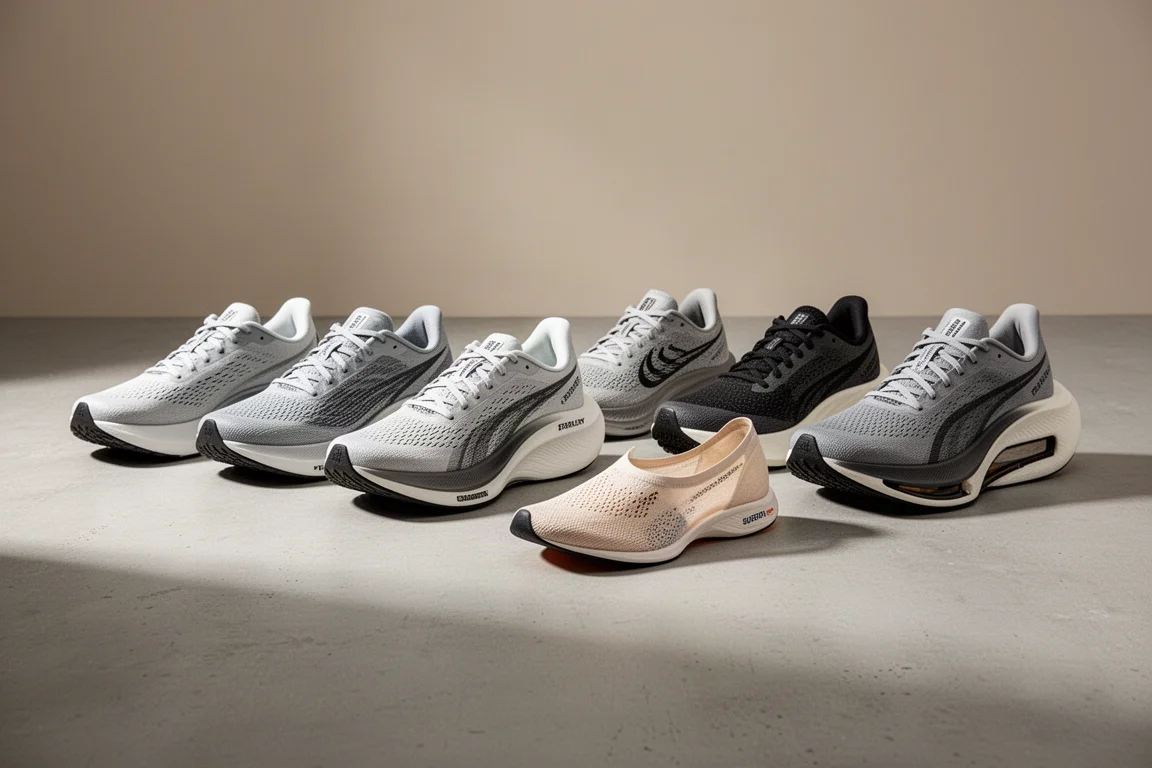
Nike’s running lineup spans everything from dependable daily trainers to the most technologically advanced marathon racing shoes on the market. Choosing wrong can mean wasting a serious amount of money, so this guide breaks down all eight models: who each shoe suits, the key stats, the strengths, and the honest trade-offs. Whether you need a gym-and-everything trainer or an all-out marathon weapon, this lineup has a clear answer.
Nike Pegasus 40
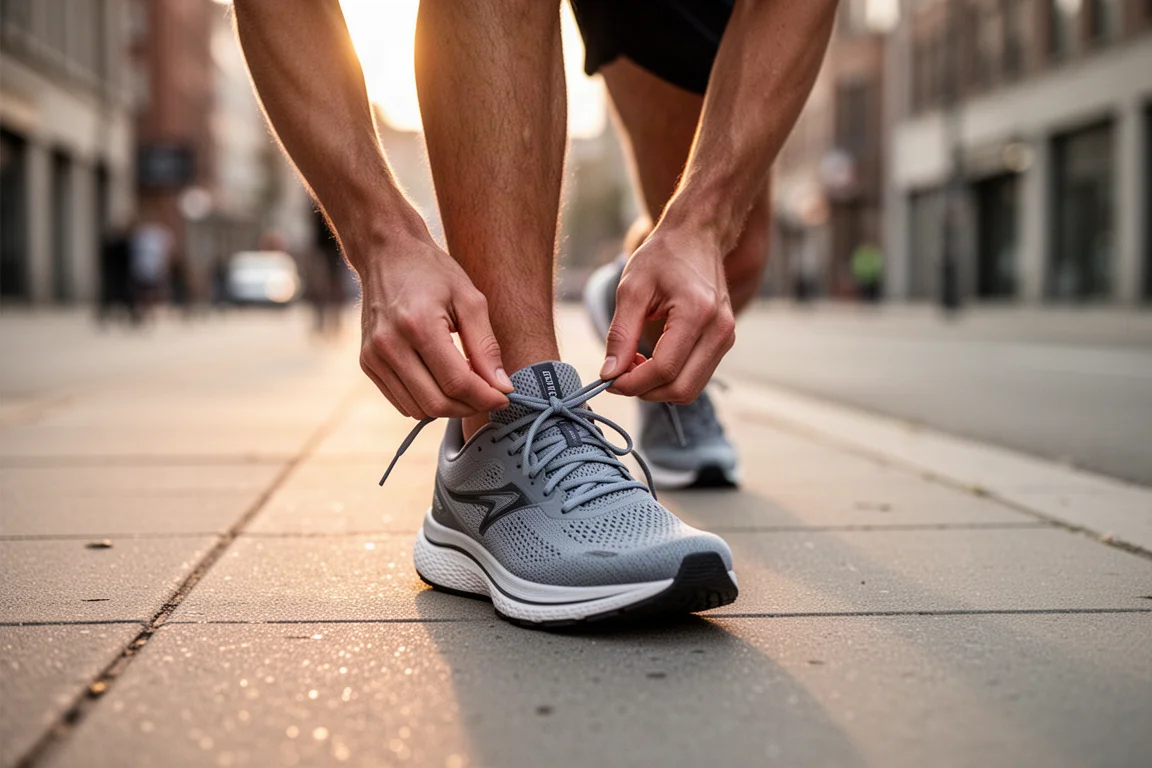
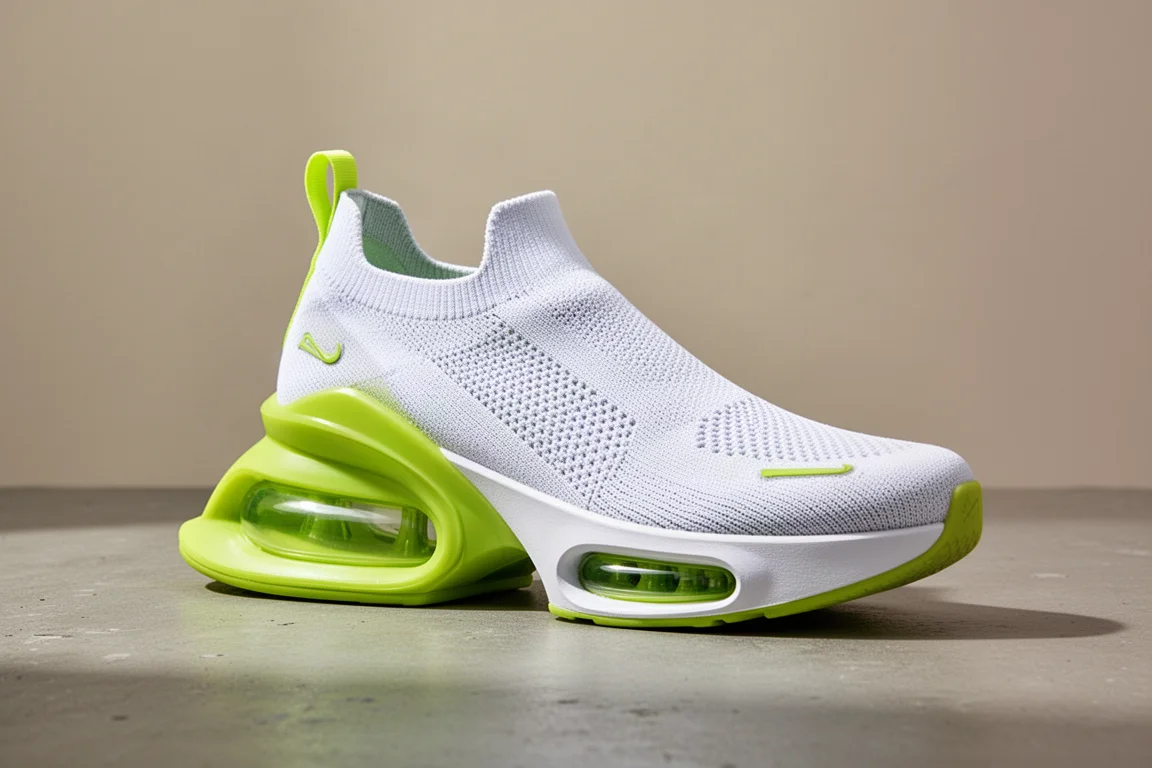
The Pegasus 40 is the classic daily trainer for runners who want one shoe that handles nearly every kind of run fairly well. It sits around £120, with a 33 mm heel stack, a 10 mm drop, and a weight of 288 g in a UK size 9. The midsole uses Nike’s familiar React foam, now slightly outdated, paired with two Zoom Air pods for cushioning on longer runs. There is no plate, and a wide option is available. Its biggest strength is reliability: it works for the gym, easy runs, and casual wear, it suits everyone, and it is durable enough to be a great value pick if you find it on sale. The downside is that it is a little dull, and the foam genuinely needs a refresh.
Nike Streakfly
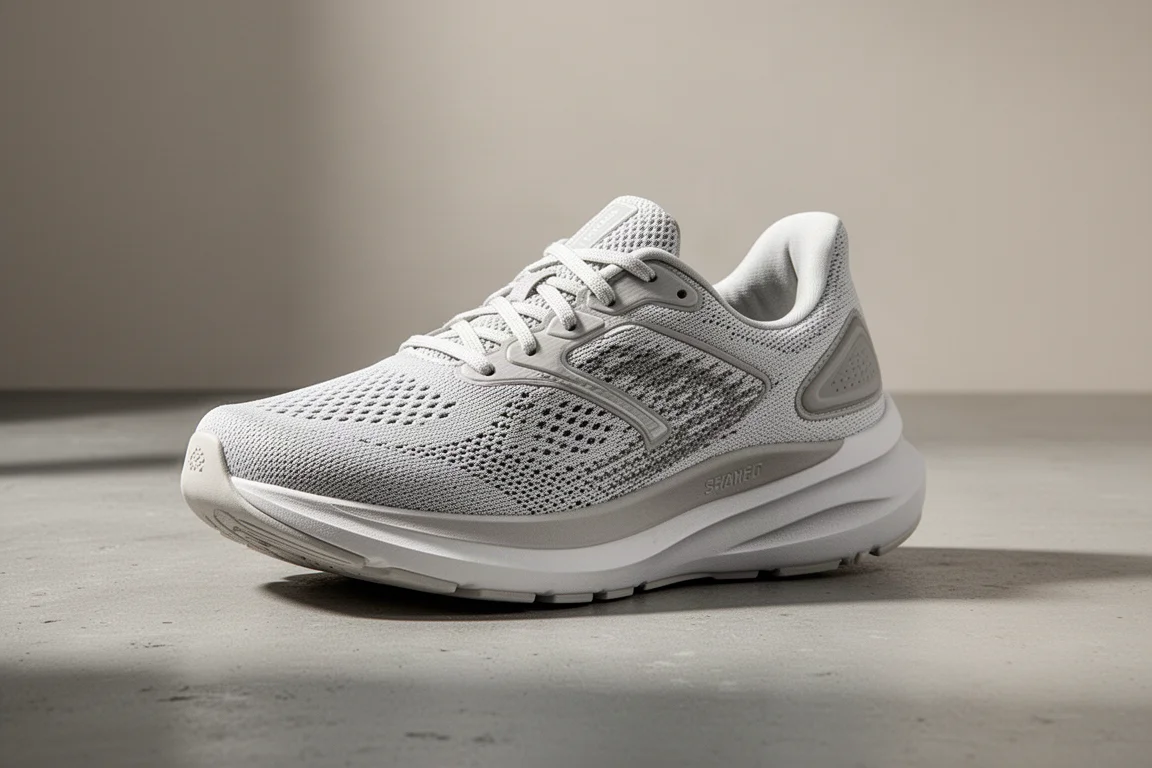
The Streakfly targets runners who race miles, 5Ks, and 10Ks. At around £145, it is a lightweight racing flat without a plate: a 32 mm heel stack, a 6 mm drop, and a very light 185 g, with Nike’s premium ZoomX foam in the midsole. There is no wide option. The appeal is its classic racing flat feel, light, snappy, and fast with a brilliant turn of speed, and it is a strong choice for track work if spikes do not feel confident. The trade-off is its niche use: with limited cushioning, it is one to skip if you mainly train for 10K, half marathon, or marathon, though faster sessions are where it shines.
Nike Vomero 17
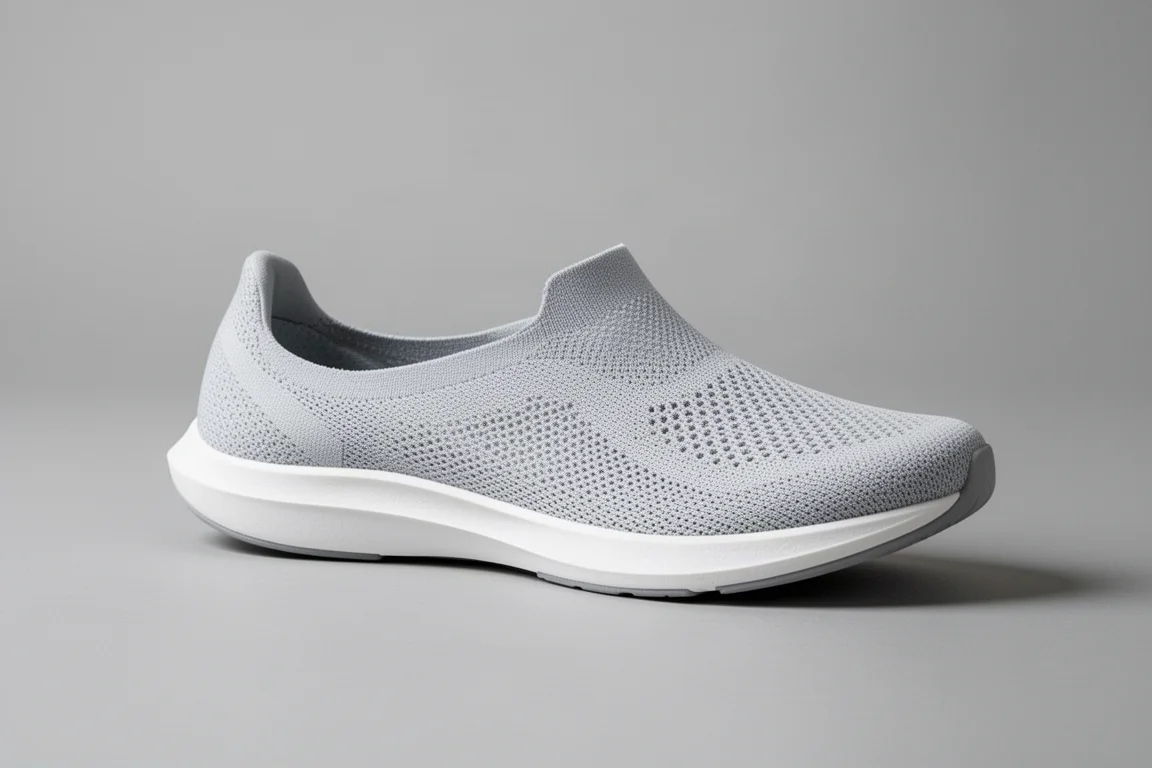
The Vomero 17 is the premium everyday running shoe for those who want a soft, springy, engaging ride with solid durability. It costs around £145, with a 39 mm heel stack, a 10 mm drop, and 300 g in a UK size 9. The midsole combines a generous chunk of ZoomX foam with Nike Cushlon foam underneath to boost durability, and wider fits are available. The fit is comfortable with a great lockdown and a well-executed upper, making it a genuinely fun, poppy daily option. Compared directly with the Pegasus, it is the better shoe if the budget allows: more engaging, more fun, and faster. Sizing runs a little off, so going half a size down is worth trying.
Nike Infinity Run 4
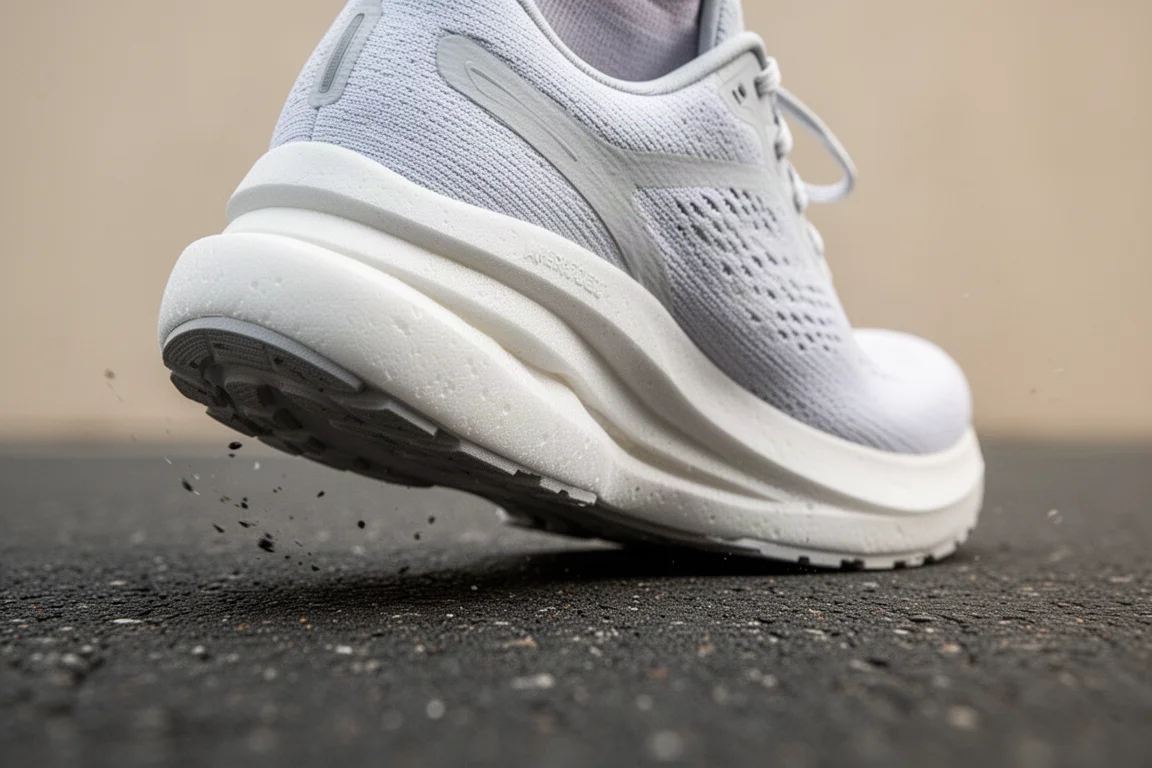
The Infinity Run 4 is aimed at runners who want extra stability and support with a soft cushioned ride. At around £155, it offers a 39 mm heel stack (a big increase over the outgoing model), a 9 mm drop, and about 314 g in a UK size 9. It features Nike’s new ReactX foam throughout, no plate, and a wide option. As Nike’s only current stability option, it is the natural pick for brand loyalists needing support. ReactX is very soft and protective on longer runs, and the outsole rubber shows virtually no wear so far. The upper is breathable but snug, so going half a size up is advisable. On the downside, it is heavy, and ReactX, while improved, still is not the most engaging ride.
Nike Zoom Fly 5
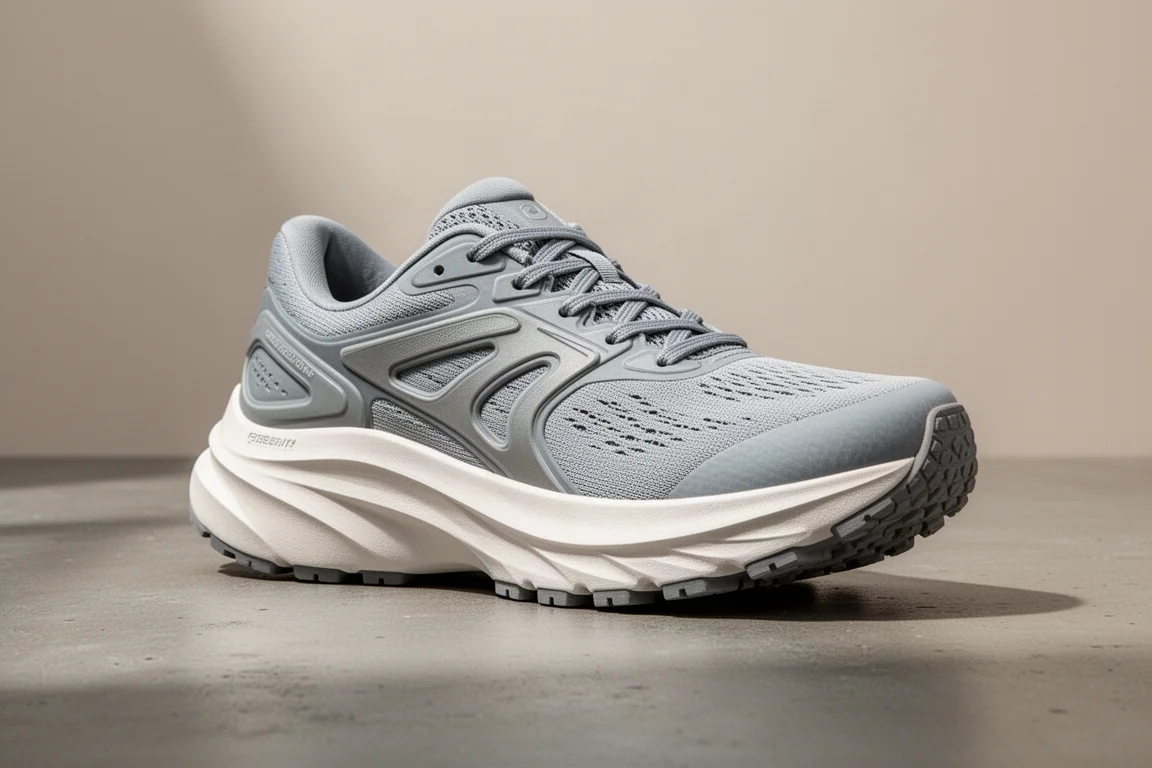
The Zoom Fly 5 suits runners who love long runs and faster long runs, doubling as a high-mileage daily trainer with the option to race in it. It launched a couple of years ago but remains in the range, priced around £150, with a 40 mm heel stack, a 10 mm drop, and 314 g. The midsole uses a pocket of recycled ZoomX foam wrapped in a carrier foam for durability, with a carbon plate adding pop and speed. No wide option is available. Durability is excellent, the lockdown is solid, and it works well for higher-mileage runners. It is a little heavy and a bit bulky like others of this generation, and it took some breaking in before it came to life.
Nike Invincible 3
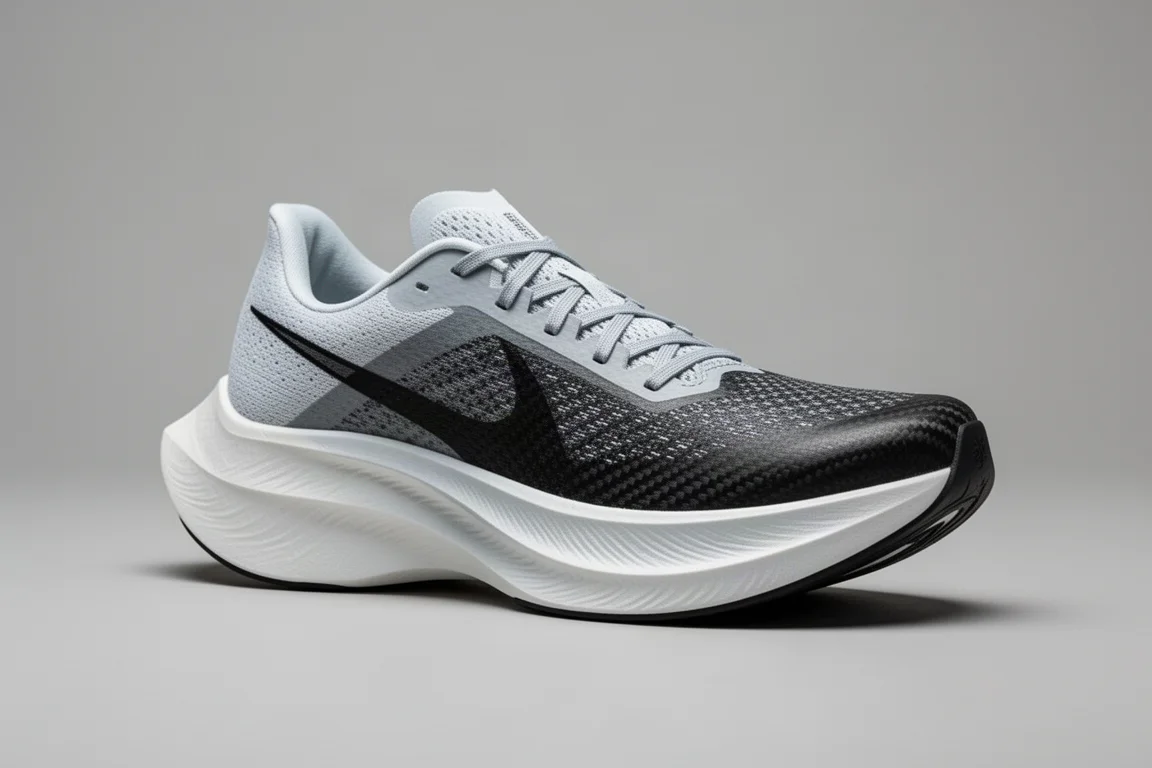
The Invincible 3 is Nike’s easy-day and recovery run shoe, built for people who go long and want maximum soft, marshmallowy cushioning underfoot, or a very soft second-run-of-the-day option. It costs around £175, with a 37 mm heel stack, a 9 mm drop, and 310 g in a UK size 9, using a big chunk of super-soft ZoomX foam with no plate. A wide option is available. Version 3 is noticeably more stable than the overly soft version 2, and the squishy foam soaks up miles comfortably. The main issue is lockdown: after thousands of enjoyable miles in versions 1 and 2, version 3 kept slipping, and even a heel lock lacing trick did not fully solve it.

Nike Vaporfly 3
The Vaporfly 3 is the all-out race shoe for 5K through marathon, and it is the lightest, fastest, most engaging racing option in this comparison. At £235, it features a 40 mm heel stack at the legal limit, roughly an 8 mm drop, and just 200 g in a UK size 9. The midsole is ZoomX foam with a carbon plate that is stiff but not uncomfortably so, and while there is no wide option, the shoe runs a touch wide anyway. It is fast, very comfortable at speed, and has genuinely good grip for wet-weather racing. The catch is that it only makes sense as part of a rotation: it is really only comfortable at all-out paces, so you will need a proper trainer alongside it.
Nike Alphafly 3
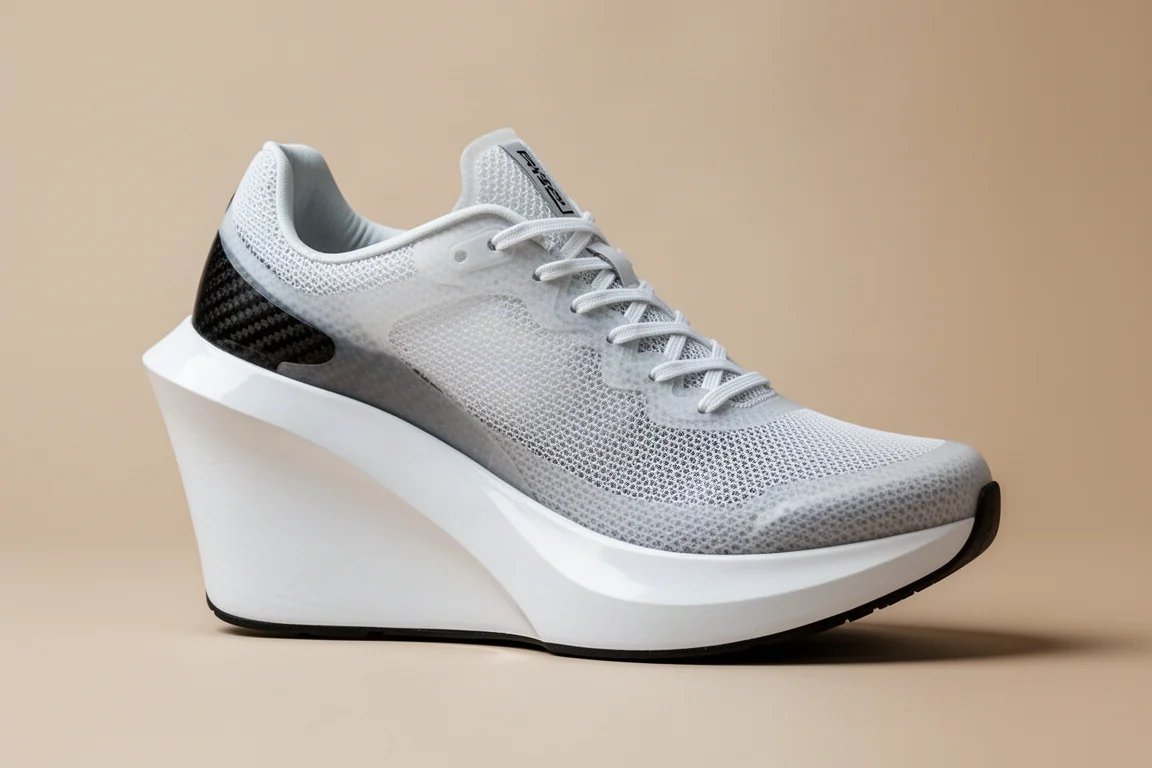
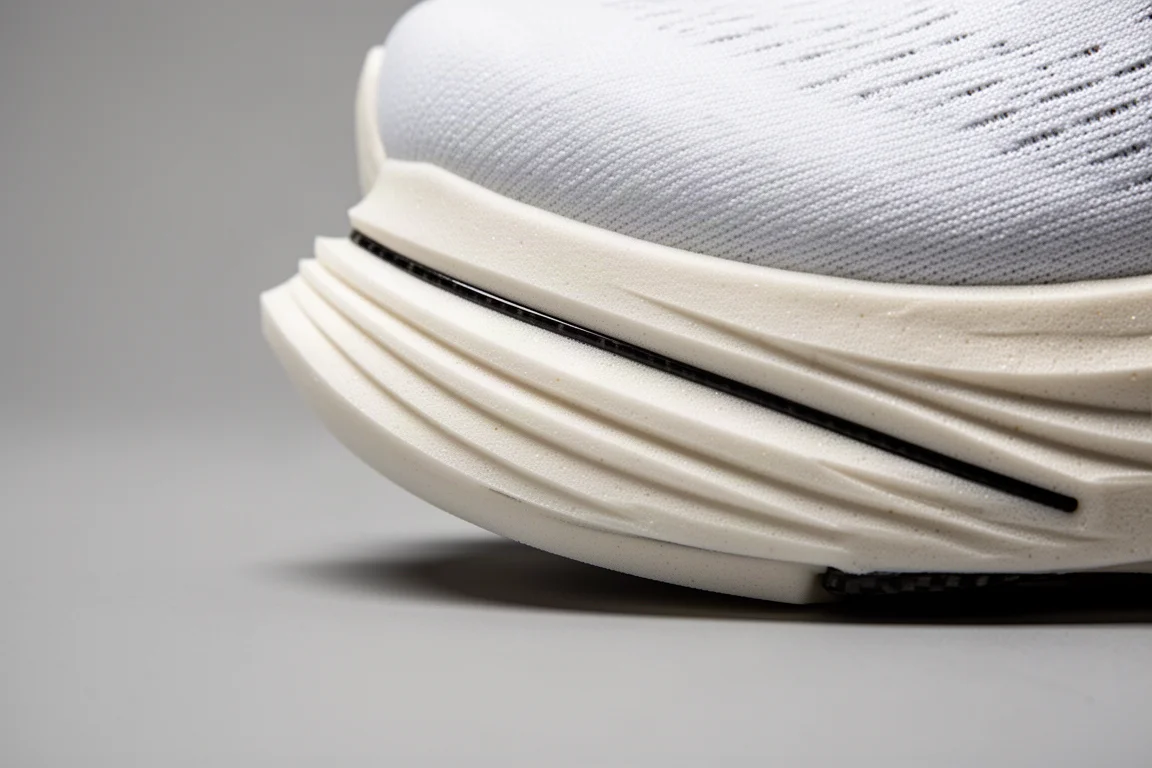
The Alphafly 3 is the marathon cruiser carrying all of Nike’s R&D, built for half marathon and marathon runners who want every technical advantage to run their fastest times. At £285, it has a 40 mm heel stack, an 8 mm drop, and around 218 g in a UK size 9, roughly 50 g lighter than the previous version. The midsole pairs ZoomX foam with two Air Zoom pods at the forefoot for extra springiness. No wide option exists, though the fit is reasonably accommodating. It is the fastest shoe ever run in for this comparison and the most comfortable Alphafly yet: the arch chafing and blistering problems of version 2 are resolved, and the one-piece midsole makes it far more natural to run in, covering ground smoothly with each foot strike. The negatives: it is still a bit loud and slappy up front, it is extremely expensive, and there are potential durability concerns at the forefoot past around 50k, so it is a race-day shoe to pair with a solid daily trainer, not an everyday option.
Buying Advice: Which Shoe Should You Pick?
For most runners, the Pegasus 40 (or 39) remains the most commonly recommended shoe: dependable, versatile, and great value on sale. The highlight of this lineup is the Vomero 17, marking a return to form for Nike’s daily trainers and an easy recommendation over the Pegasus if budget allows. For race day, the choice comes down to the Alphafly 3 versus the Vaporfly 3. The Alphafly packs in all the technology and is the outright fastest option, but the Vaporfly 3 is the easier shoe to love: put it on, forget about it, and enjoy a smooth, engaging ride. If you are racing a marathon and can trust the fit, the Alphafly 3 delivers the most advanced package; if you want the best all-round race experience, the Vaporfly 3 is hard to beat.
Conclusion
Nike’s 2024 lineup covers every runner’s need: the Pegasus 40 for dependable all-round training, the Vomero 17 as the premium daily upgrade, the Streakfly for short-distance speed, the Infinity Run 4 for stability, the Zoom Fly 5 and Invincible 3 for high-mileage cushioning, and the Vaporfly 3 and Alphafly 3 for race day. Match the shoe to the running you actually do, and there is a strong option here for every situation.
Further reading
Related Reviews

Running Shoes
Best Road-to-Trail Running Shoes: Three Versatile Options for Mixed Terrain
A practical guide to three road-to-trail running shoes that handle both pavement and mild trails, with clear strengths and trade-offs for different runner types.

Running Shoes
Best Running Shoes for Achilles Tendonitis: Three Options Explained
Three running shoes with different heel drops and support features designed to help reduce Achilles tendon pain during walking and running.

Running Shoes
Best Running Shoes for Women: Five Top Choices Ranked
A ranked guide to five women's running shoes, from versatile daily trainers to high-performance racing options, with real strengths and trade-offs for each.