Running Shoes
Nike Revolution 6 vs On Cloudflow vs On Cloud Boom Echo: Running Economy Tested
A controlled treadmill test compares an entry-level trainer, a mid-range shoe and a carbon-plated racer, measuring running economy at fast and everyday paces.
Introduction
Carbon-plated racing shoes changed road running after their arrival in 2017, and the numbers at the top of the sport moved with them. Since then, the top 50 male marathon times have improved by around two percent on average, which is a large shift for a single piece of equipment.
That raises a practical question for anyone buying shoes rather than chasing records. Carbon plates and new foams are clearly fast at elite paces, but do they help at the paces most runners actually train and race at? To find out, three shoes at three very different price points were put through a controlled treadmill test in a university sports science lab, with oxygen consumption measured rather than judged by feel.
How We Compared These Shoes
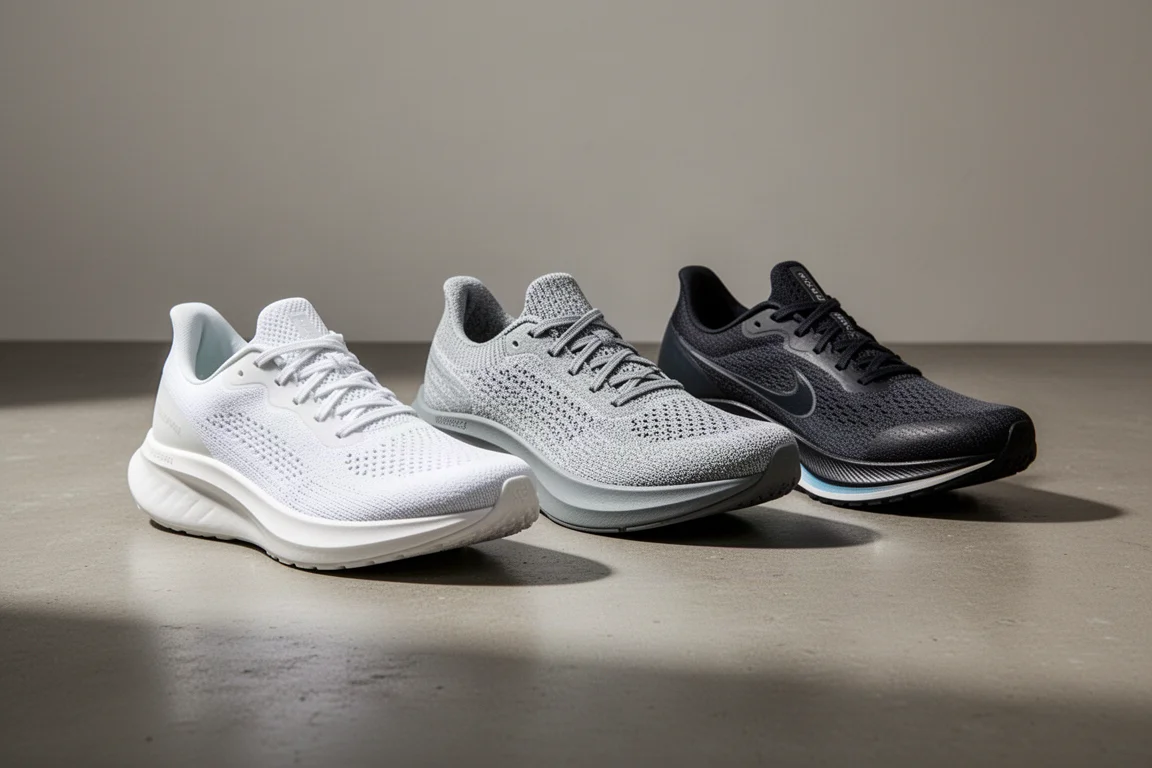
Three shoes were selected to represent the spread of the market. The Nike Revolution 6 is an entry-level trainer at around £45 and 283 g, with a noticeably firm underfoot feel. The On Cloudflow sits in the middle of the range at 235 g, built with a softer, more forgiving ride. The On Cloud Boom Echo is the top-of-range option at around £195 and 220 g, and it is the only carbon-plated shoe in the group.
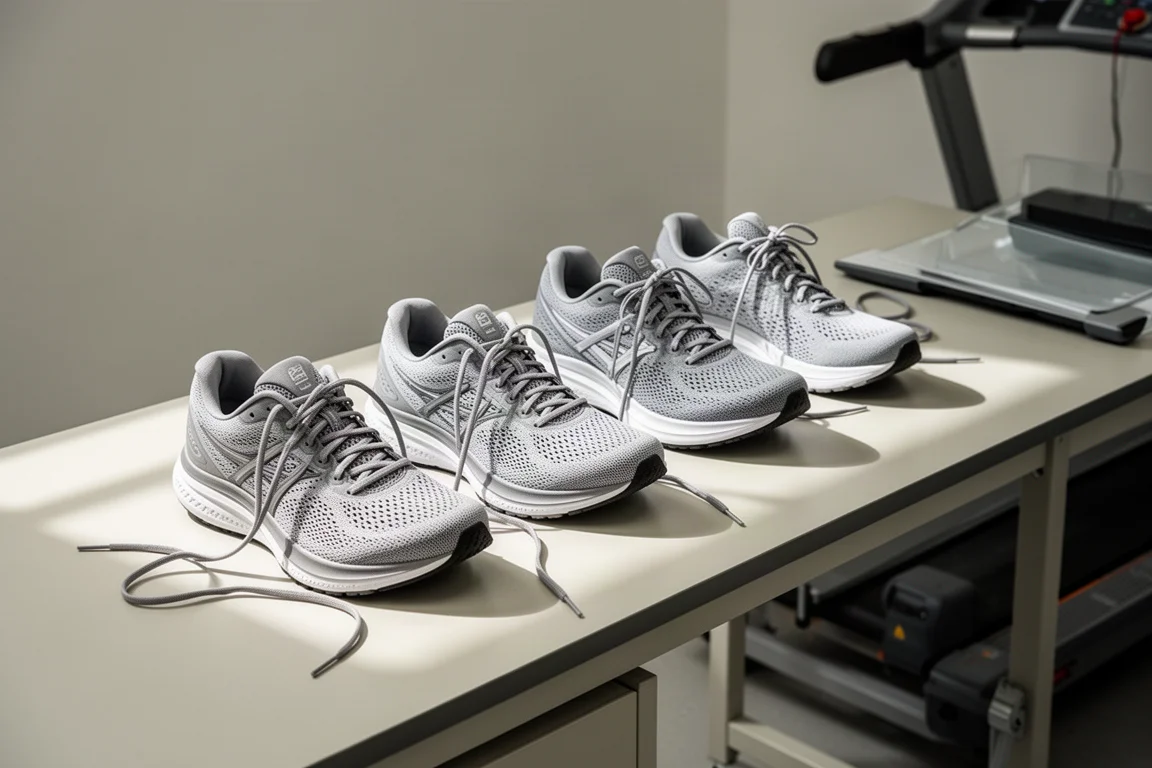
Each shoe was run in six-minute treadmill intervals at 17 km/h, which is roughly 3:30 per kilometre, a pace close to what racing shoes are designed for. One of the two test runners also repeated the full set at 11 km/h, or about 5:30 per kilometre, to see whether the results held at an everyday aerobic pace.
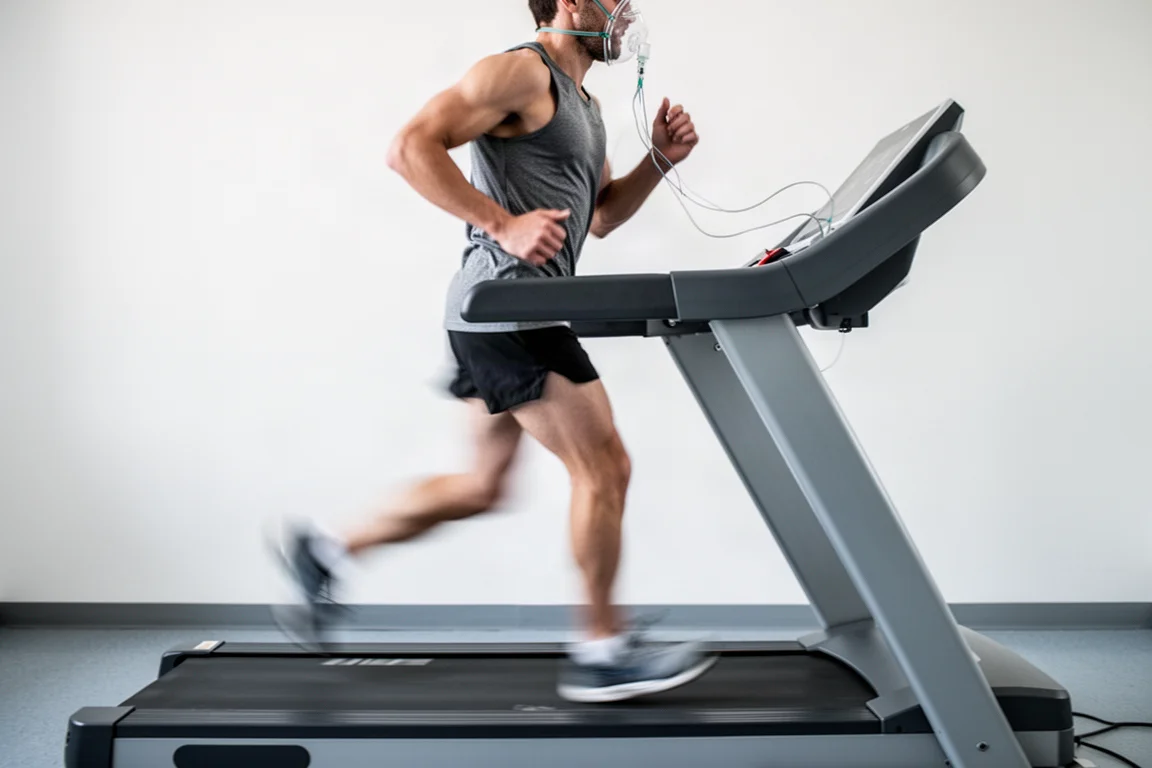
Oxygen consumption was recorded throughout and converted into a running economy figure in millilitres per kilogram per kilometre. Because treadmill speed was identical in every run, a lower number means the shoe demanded less oxygen for the same work. Power and gait data was also collected, though that part of the session did not produce conclusive results.
Nike Revolution 6: The Entry-Level Baseline
The Revolution 6 is the cheapest shoe in the test and the heaviest at 283 g. Its firmer ride is the most obvious difference on foot, and it sets a useful baseline for what a straightforward trainer delivers.
At 17 km/h, the faster of the two runners recorded a running economy of 216.7 ml/kg/km in the Revolution 6, the highest of his three runs. The second runner recorded 218.8, also his highest figure, and repeated almost exactly the same number at the slower pace with 218.7 at 11 km/h. Across the session, the entry-level shoe consistently asked for the most oxygen of the three.
For runners who simply want a durable everyday trainer and are not chasing marginal gains, that result is not a reason to avoid the shoe. It is a reason to be realistic about what a lower price buys: a firmer, heavier ride and a measurable efficiency gap against carbon-plated alternatives at the paces tested.
On Cloudflow: The Mid-Range Middle Ground
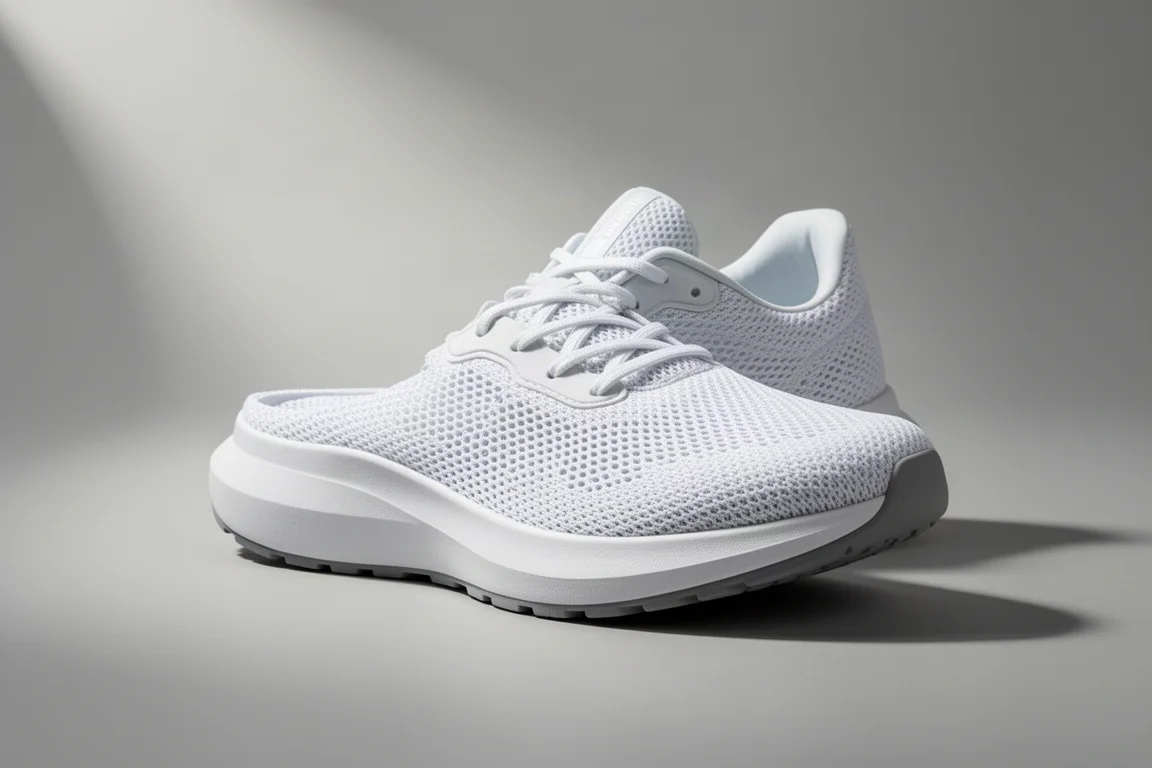
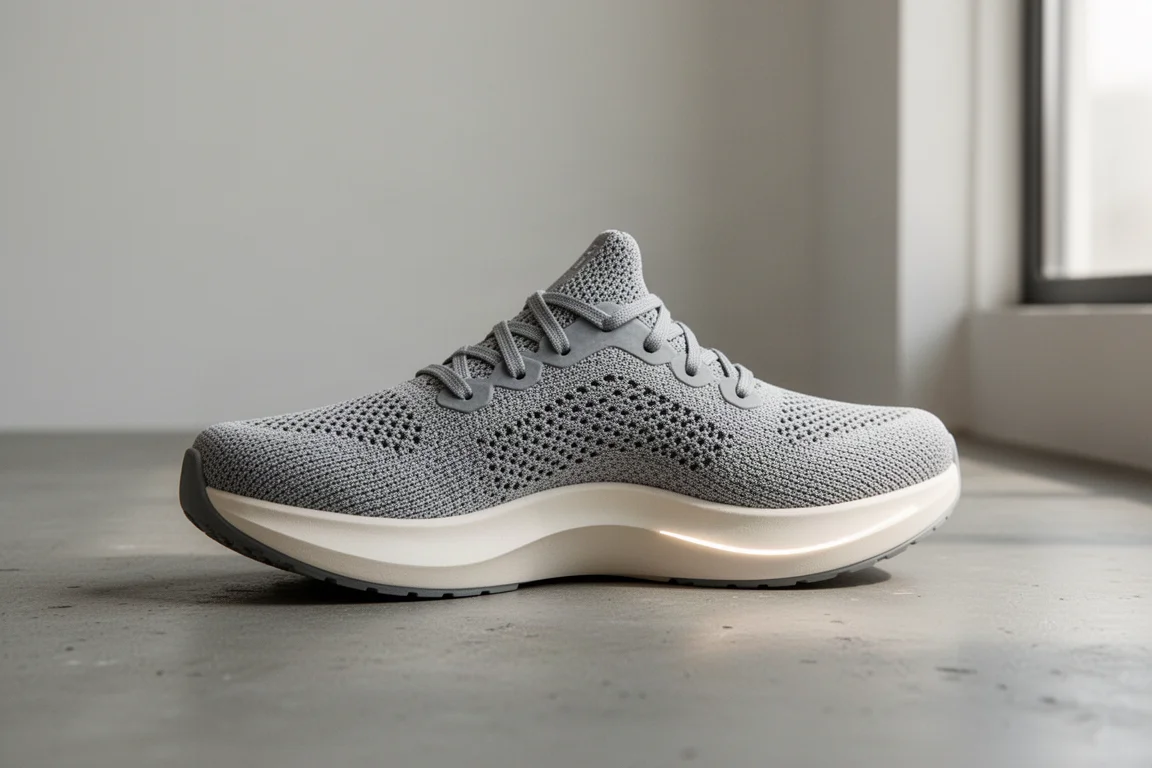
The Cloudflow is the lightest of the two non-carbon shoes at 235 g and was noticeably softer and more forgiving underfoot. On paper it should sit comfortably between the entry-level trainer and the carbon racer, and the measured results partly supported that.
At 17 km/h the faster runner recorded 216.0 ml/kg/km, a small but real improvement over the entry-level shoe. The second runner recorded 216.0 as well, which was identical to his entry-level result at the same speed, meaning the mid-range shoe changed nothing about his oxygen cost at that pace. At the slower 11 km/h pace, however, the same runner improved from 218.7 to 216.5, a more meaningful gain.
That split is worth noting. A softer, more forgiving shoe may matter more as a run gets longer or slower, while a firmer shoe can feel efficient over short, hard efforts. The test intervals were short, so it does not settle how either shoe behaves over a long training run.
On Cloud Boom Echo: The Carbon-Plated Option
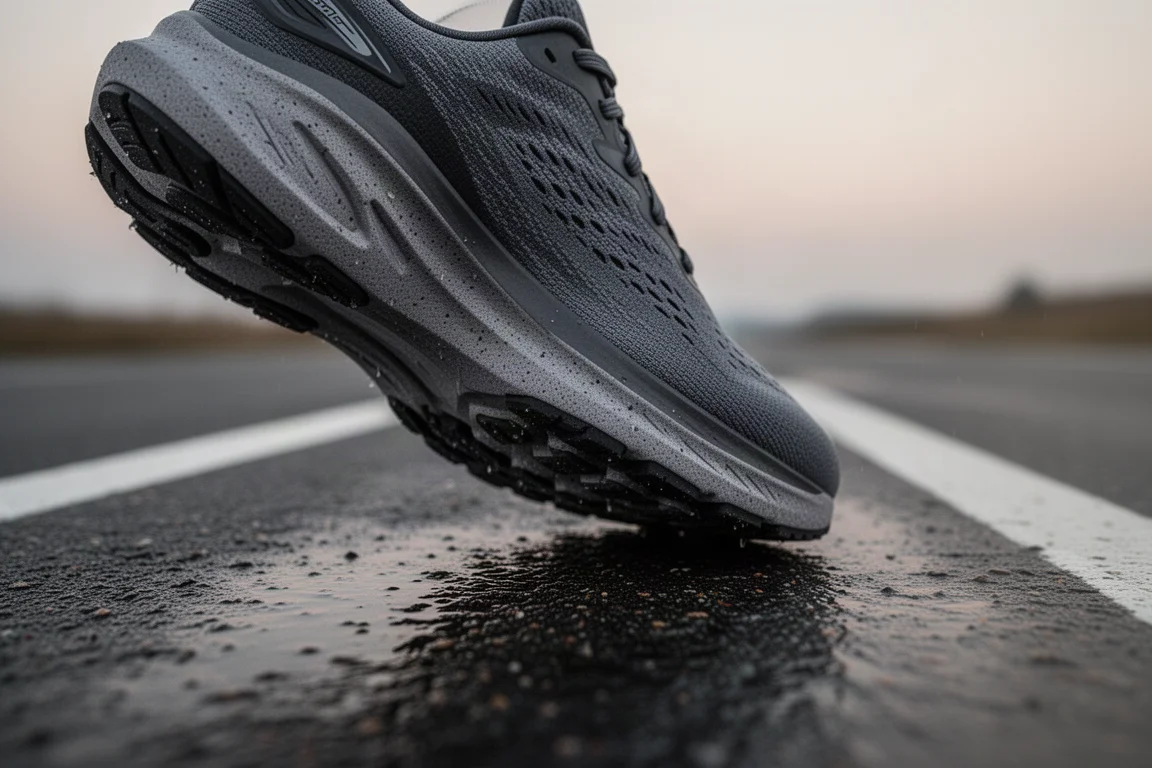
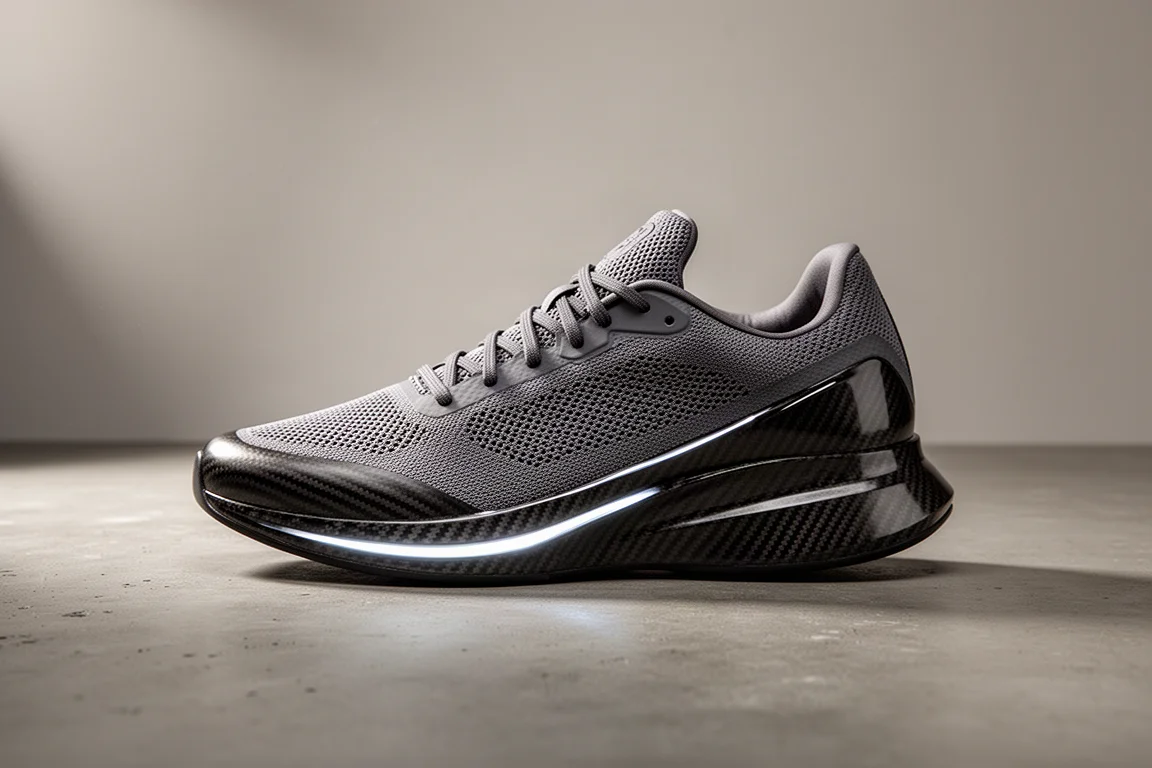
The Cloud Boom Echo is the lightest shoe here at 220 g, the most expensive at around £195, and the only one with a carbon plate. It produced the lowest oxygen cost in every comparison across the session.
At 17 km/h the faster runner recorded 212.1 ml/kg/km, roughly 4.6 ml/kg/km below his entry-level result and the lowest figure of the entire test. The second runner recorded 217.0 at the same pace and 216.0 at 11 km/h, again the lowest of his three runs at each speed. The pattern was consistent: at both the fast and the slower aerobic pace, the carbon-plated shoe was the most economical option tested.
The gains were not uniform between the two runners, and both changed their foot strike slightly in the carbon shoe, one shifting toward the forefoot and the other toward the rearfoot. With a sample of two runners over short intervals, the size of the benefit should be read as directional rather than a guarantee of a specific time saving.
Overall Buying Advice
The clearest takeaway is that the carbon-plated shoe was the most economical option at every pace tested, including the slower 11 km/h pace rather than only at near-racing speed. That is a useful finding for runners who assumed plates only pay off close to three minutes per kilometre.
The size of the advantage is the caveat. One runner gained a large and consistent improvement with the carbon shoe, while the other gained a smaller one, and the mid-range Cloudflow matched the entry-level shoe exactly for that same runner at the faster pace. With only two runners and six-minute intervals, individual results can reasonably be expected to vary.

The price gap is the other factor. The carbon shoe costs more than four times the entry-level model, so the decision comes down to how much the measured efficiency difference is worth to you and how often you run at the paces where it shows up. A sensible approach is to treat the mid-range shoe as the flexible everyday option, the entry-level shoe as the value choice, and the carbon-plated shoe as the option to consider when a personal best matters more than budget.
Conclusion
Three shoes, one controlled protocol, and a consistent result: the carbon-plated On Cloud Boom Echo produced the lowest oxygen cost at both fast and everyday paces, while the entry-level Nike Revolution 6 produced the highest. The On Cloudflow sat in between, with a softer ride and gains that depended on the runner and the pace. Because the test covered two runners and short intervals, the numbers are best used as a guide to how the three price tiers differ rather than as a prediction of your own race times.
Further reading
Related Reviews

Running Shoes
Best Road-to-Trail Running Shoes: Three Versatile Options for Mixed Terrain
A practical guide to three road-to-trail running shoes that handle both pavement and mild trails, with clear strengths and trade-offs for different runner types.

Running Shoes
Best Running Shoes for Achilles Tendonitis: Three Options Explained
Three running shoes with different heel drops and support features designed to help reduce Achilles tendon pain during walking and running.

Running Shoes
Best Running Shoes for Women: Five Top Choices Ranked
A ranked guide to five women's running shoes, from versatile daily trainers to high-performance racing options, with real strengths and trade-offs for each.