Running Shoes
Nike Racing Shoes Explained: Vaporfly 3, Alphafly 3 and the Missing Next%
Five Nike super shoes compared, from the original Vaporfly 4% to the Alphafly 3, with what the dropped Next% naming really means.
Introduction
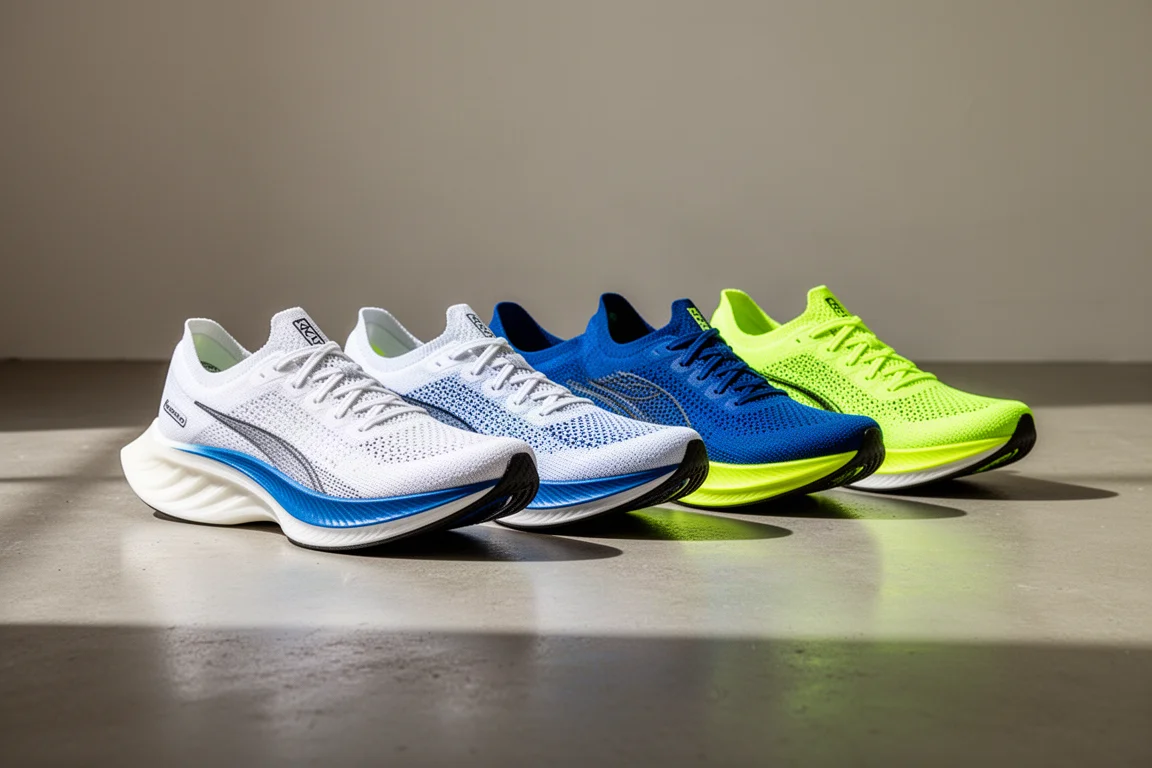
Around the launch of the Vaporfly Next%, everybody was asking the same question: was the Next% actually one percent better than the Vaporfly 4% that came before it? There were even reports of early pairs with 5% printed on the tongue, but those never surfaced, and the perceived efficiency gains were apparently not quite that dramatic. So the “Next%” name stuck instead.
The same naming carried over to the Alphafly Next% and the Alphafly Next% 2. But recently, Nike quietly moved away from that convention entirely. The new Vaporfly 3 and Alphafly 3 no longer feature the Next% moniker at all. That raises a fair question: are they that much better than the previous versions, or have we reached a ceiling where there are no more perceived improvements to name?
This guide walks through the lineup and what separates each shoe, so you can decide which one fits your racing.
How the Heel-to-Toe Drop Story Complicates Things
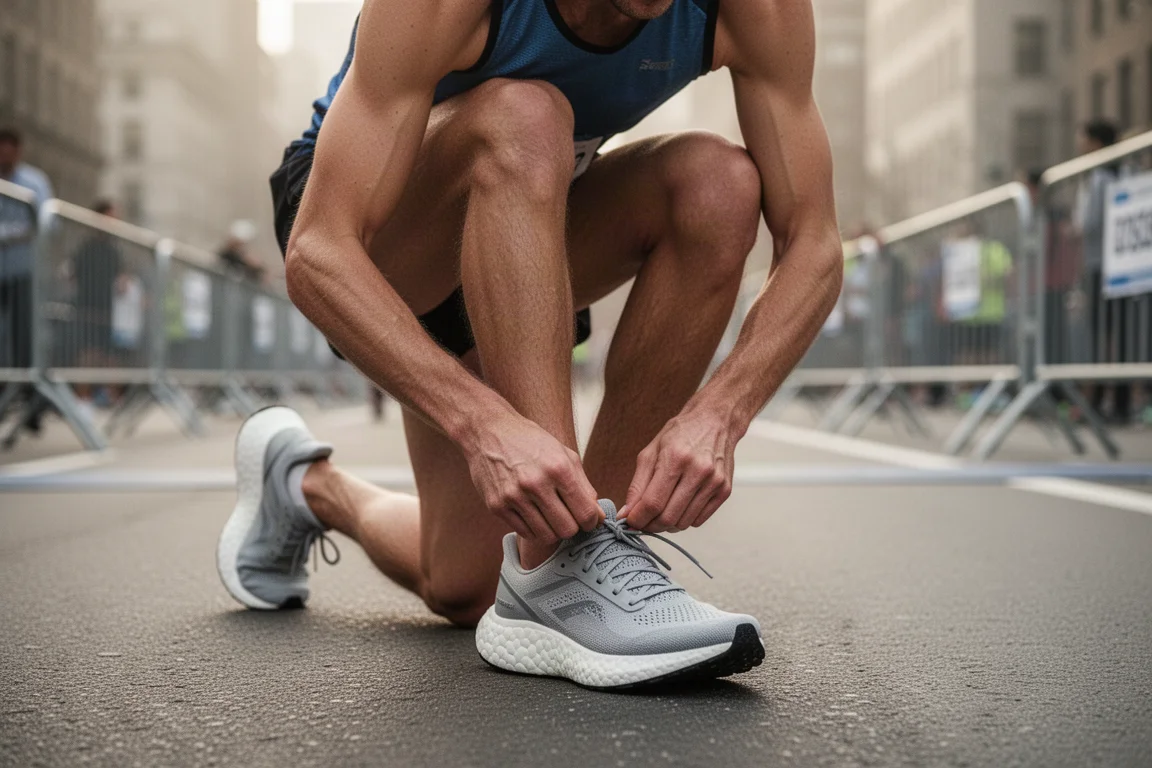
One thing that perplexes almost everyone who reviews the Alphafly is the heel-to-toe drop. Independent measurements keep coming in slightly different, and many reviewers simply fall back on Nike’s supplied figures, which do not always add up.
Independent testing cited by Run Repeat measured the Alphafly 2 at a 4.7 mm drop: 38.6 mm in the heel and 33.9 mm in the forefoot. That is quite different from Nike’s claimed 8 mm, and it lines up with the way the shoe actually feels underfoot. The vast, squashy foam in the heel compresses far more than the responsive forefoot air units, which can make the shoe feel slightly front-heavy.
Marathon Focus: Nike Alphafly Next% 2
The Alphafly 2 was, for many, a step back from the exhilarating original. The formula changed without adding any real performance benefit, arguably making the shoe a little less nimble and a bit clunkier in the process. It remains a marathon-orientated shoe, with increased heel width to aid stability.
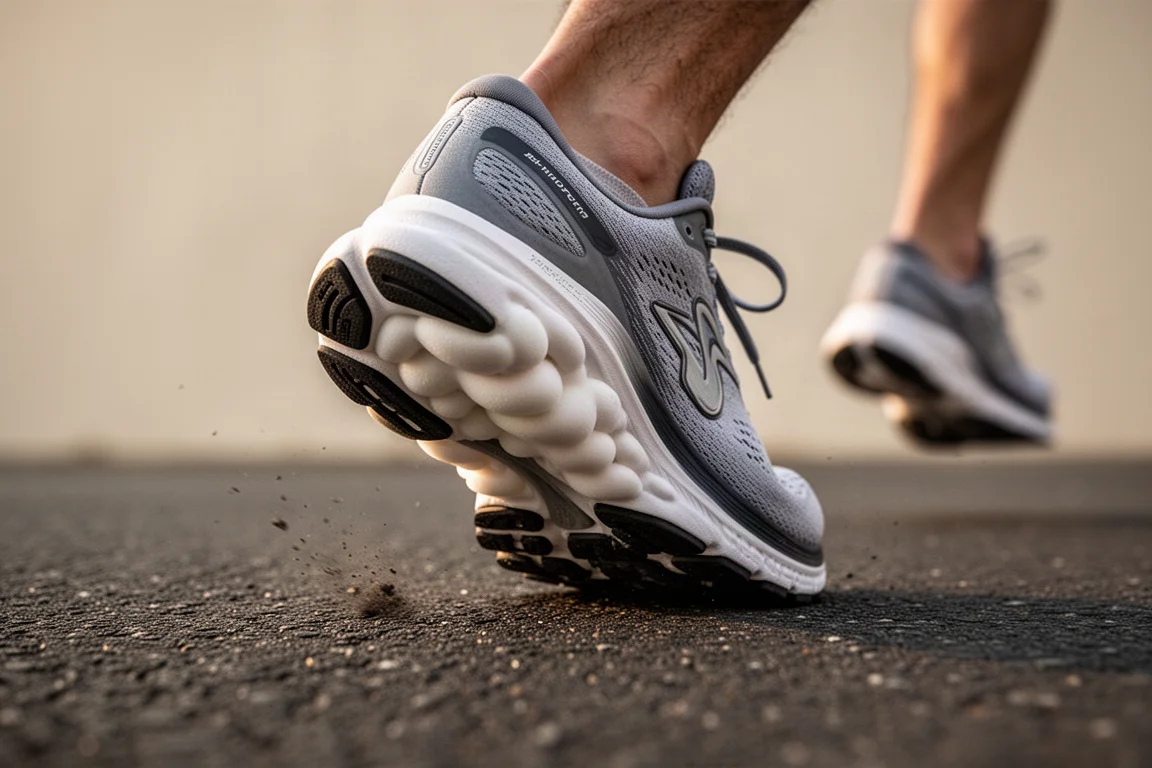
If you want maximum marathon cushioning and you can still find a pair, the Next% 2 stays true to the formula that made the original Alphafly so exciting out of the box.
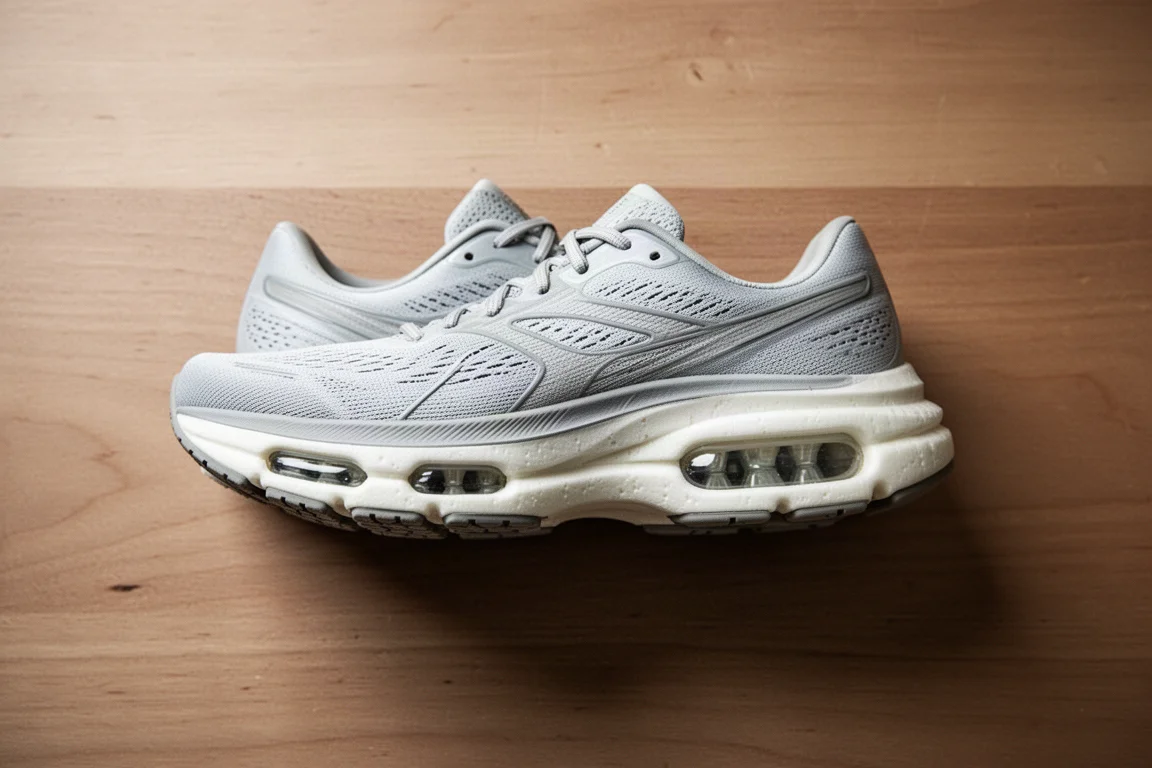
Marathon Focus: Nike Alphafly 3
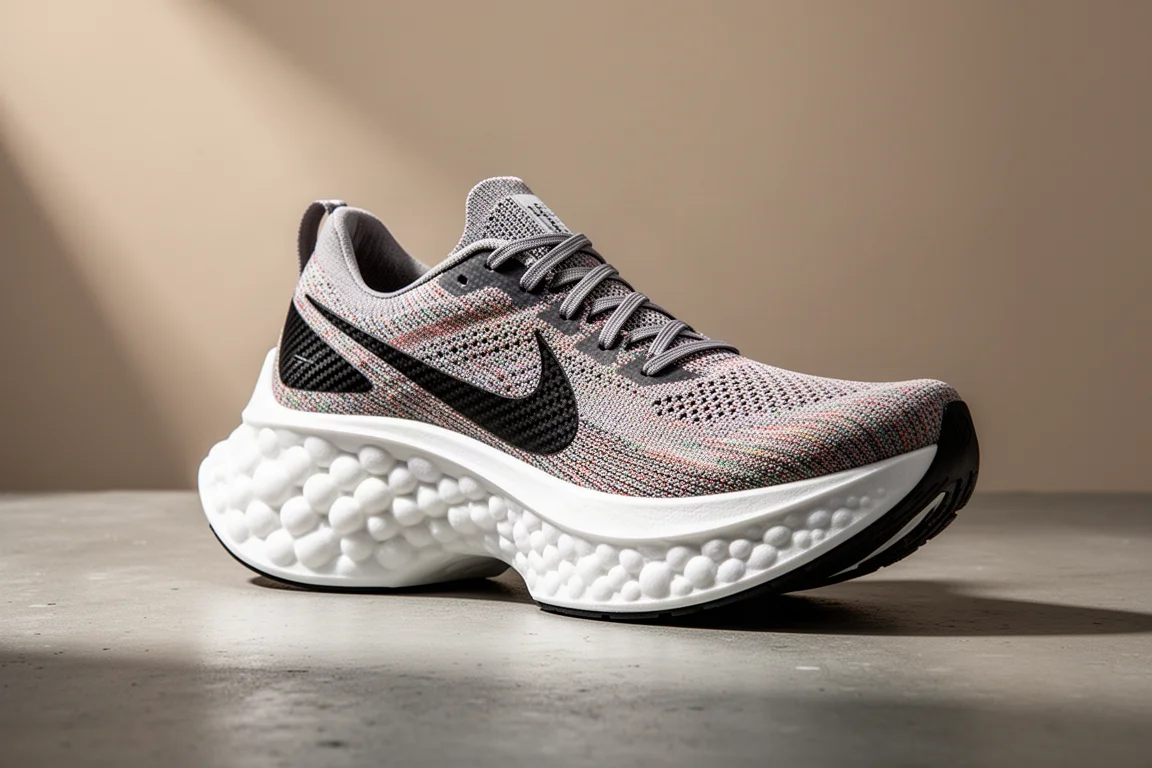
The Alphafly 3 drops the Next% name, and there is a genuinely interesting detail behind it. Everything points to a different manufacturing process for the ZoomX foam this time around, possibly closer to the original Vaporfly 4%‘s foam than the versions used in recent Next% releases. Nike has been obsessing over the quality and compression ratio of the preform, which is one way the shoe increases softness and comfort while reducing weight.
Early user feedback suggests the energy return is not quite as propulsive and squashy as the Alphafly 2. The lightness, however, goes some way to addressing the balance. It is not a bad shoe; it is simply a lighter one, and that changes the character of the ride.
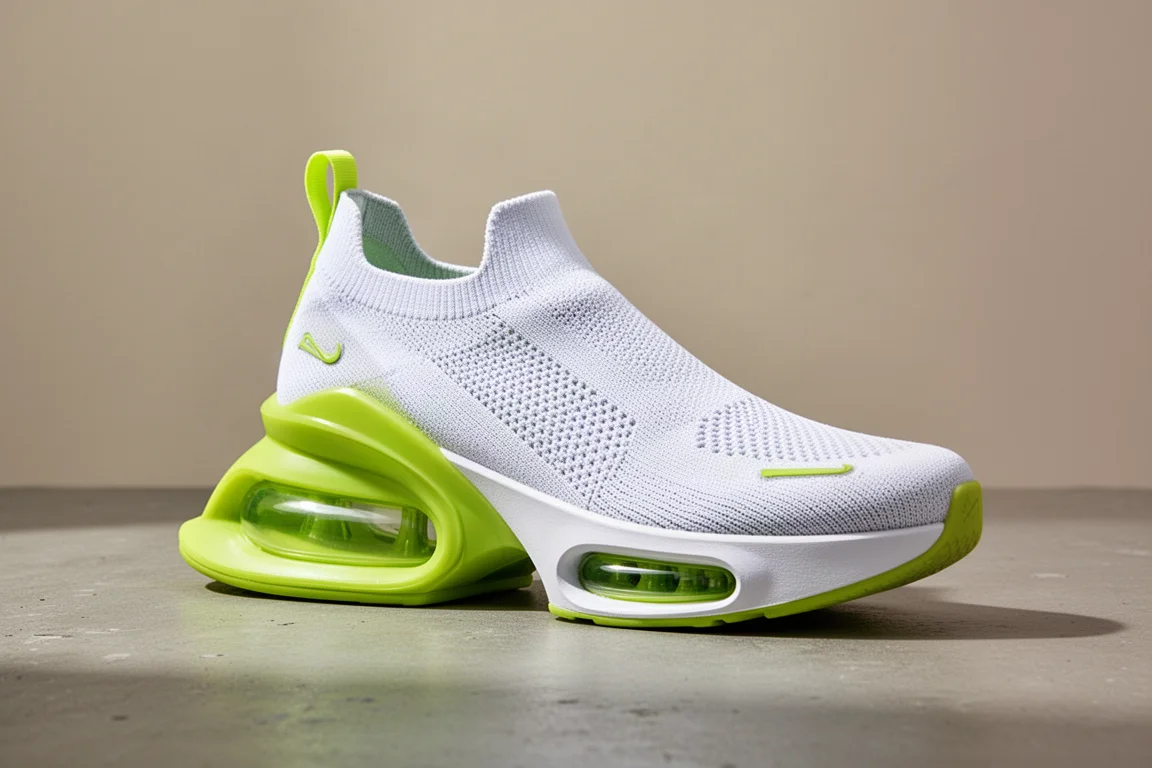
Versatile Racer: Nike Vaporfly 3
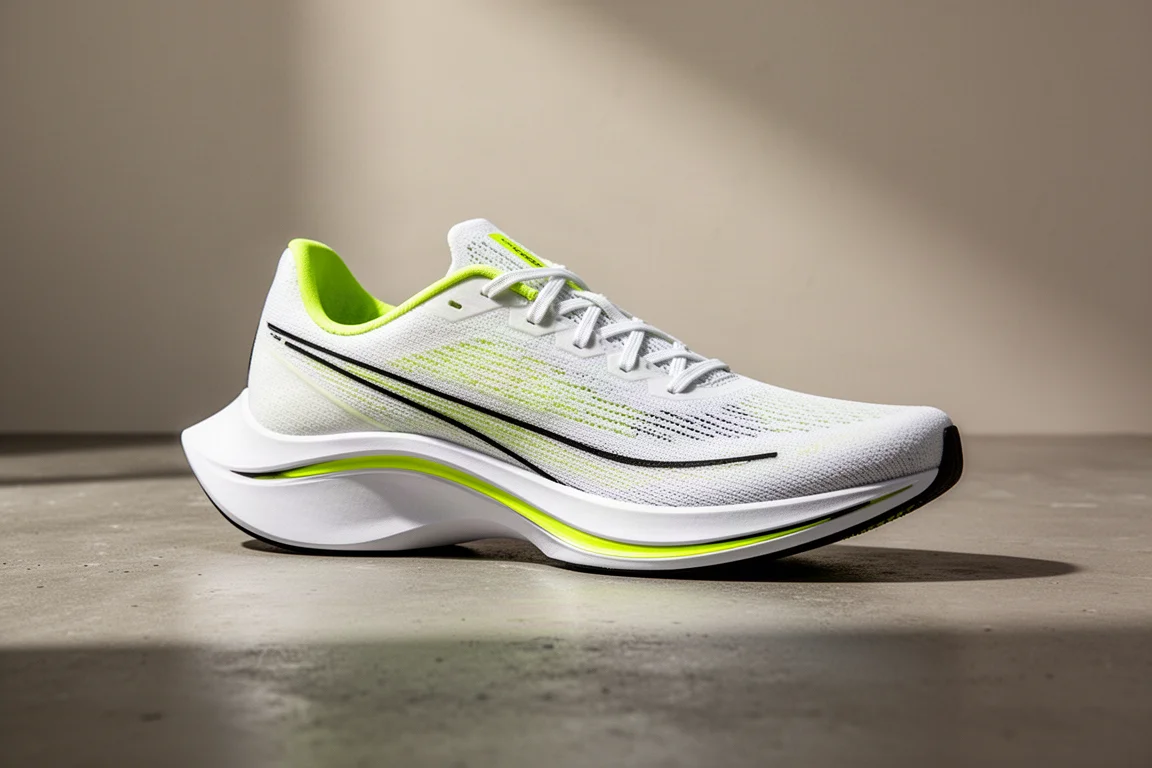
The Vaporfly 3 is narrower and more refined in the heel than previous versions, and it sits back slightly further into the heel, possibly not quite hitting the 40 mm limit. Nike appears to be removing mass from the heel to encourage a midfoot-to-forefoot landing.
The positioning is clear: where the Alphafly is very much the marathon shoe, Nike seems to be positioning the Vaporfly 3 as a shoe you can race in at any distance.
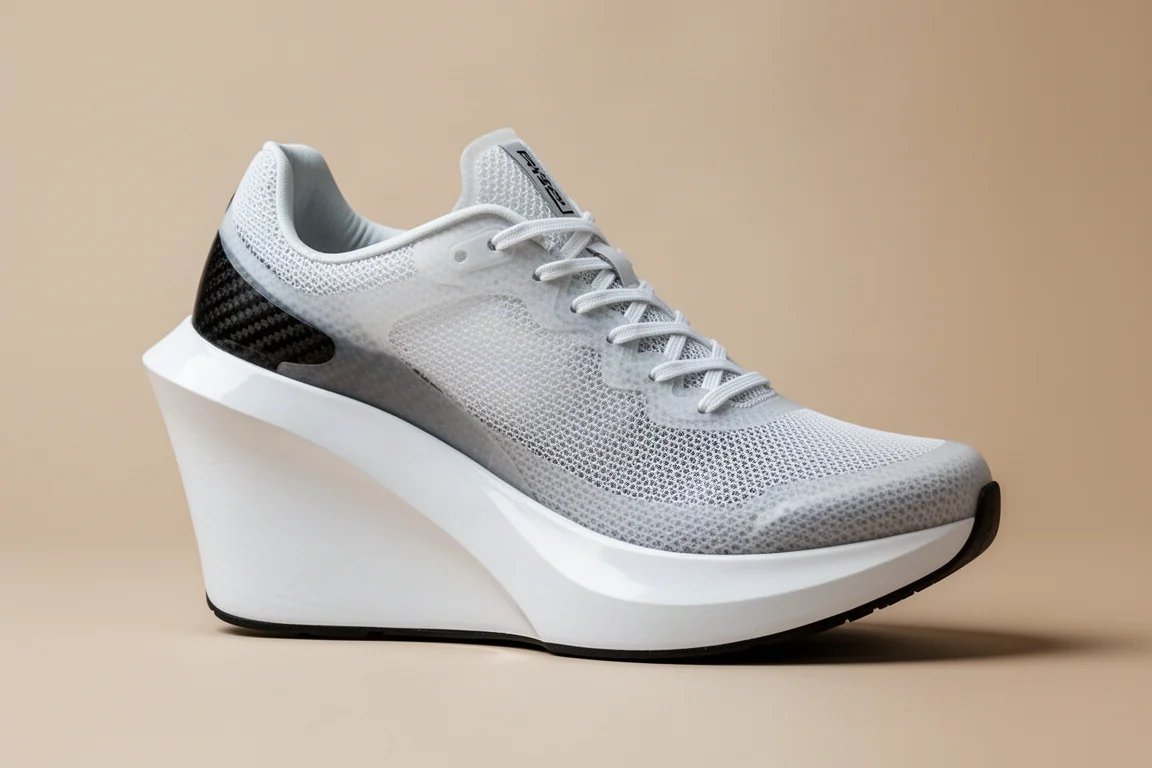
The Transition Pair: Nike Vaporfly Next%
The Vaporfly Next% occupies an awkward spot in the lineup: a genuinely exciting, exhilarating ride out of the box when it launched in 2020, yet a shoe whose name promises a measurable improvement that was never quite proven. It carried the Next% moniker precisely because the “5%” name would have been harder to justify.
It remains a well-loved racing shoe, but in the current landscape, with many equally strong competitors available, the naming has become more of a historical artifact than a selling point.
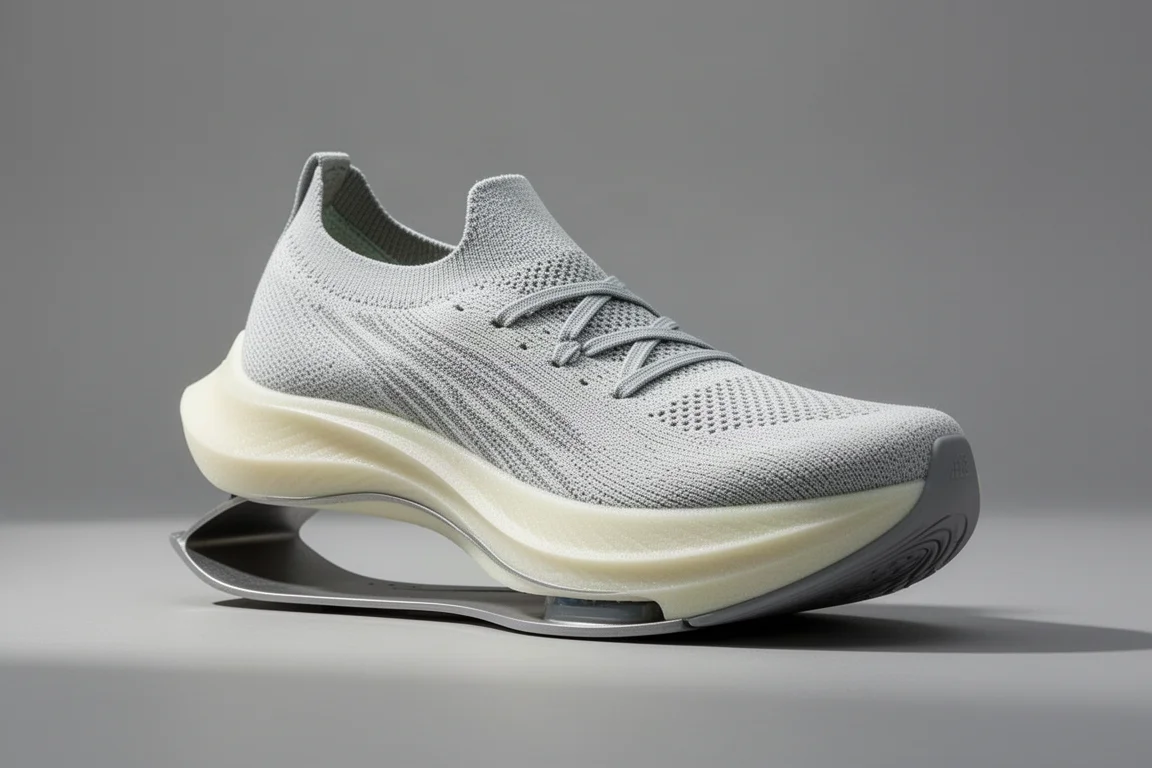
The Original Benchmark: Nike Vaporfly 4%
The story behind the 4% name is worth understanding. Nike had a hand in an academic study featuring 18 athletes, all capable of running a sub-31-minute 10K. The athletes used three shoes: the Adidas Adios Boost 2, the Nike Streak 6, and a prototype Vaporfly. Improvements ranged from 1.59% to 6.26% across runners, with energy return figures cited at 66% for the Adios Boost 2, 76% for the Streak 6, and 87% for the prototype Vaporfly. Since no shoe returns more energy than it receives, “energy loss” may be the more honest framing.
It was a small advantage measured on elite athletes over a 10K, but enough to name the shoe after the test result. Better marketing than “Vaporfly, roughly 4% improvement for sub-31-minute athletes over 10K”, certainly.

As a point of balance from industry voices: back in 2015, figures like Adidas’s running category director and Saucony’s VP of Human Performance and Innovation made clear that no shoe has a positive energy return, and that “more energy” claims are comparative, not literal. The Alphafly 3’s foam arguably nods back to that original 4% generation rather than the recent Next% era.
Buying Advice
If you race the marathon and want the most cushioning, the Alphafly line is the clear destination, with the 3 offering a lighter ride and the Next% 2 offering a more propulsive, squashy one. If you race across a range of distances, the Vaporfly 3 is the more versatile, refined choice. The older Next% and 4% models remain interesting for those chasing the original feel, though availability is getting patchy; some retailers even still list Next% naming on the newer shoes’ pages, and a few small women’s sizes of the Alphafly 3 remain in circulation.
It is also worth noting that by 2024, many other brands produce shoes with very similar designs, some brilliant out of the box but degrading quickly, others flexing and improving over time. Test the ride against what is currently on the market rather than relying on a number printed on the tongue.
Conclusion
Dropping the Next% name does not necessarily mean the new shoes are better; it may simply mean the marketing story had run its course. The original name was there to suggest the shoe was slightly better than the 4% and to entice you to buy. In today’s market, with plenty of equally capable rivals, that is no longer much of a selling point. Choose based on the ride you want: Alphafly for marathon cushioning, Vaporfly for versatility, and the older models for the fans of the original feel.
Further reading
Related Reviews

Running Shoes
Best Road-to-Trail Running Shoes: Three Versatile Options for Mixed Terrain
A practical guide to three road-to-trail running shoes that handle both pavement and mild trails, with clear strengths and trade-offs for different runner types.

Running Shoes
Best Running Shoes for Achilles Tendonitis: Three Options Explained
Three running shoes with different heel drops and support features designed to help reduce Achilles tendon pain during walking and running.

Running Shoes
Best Running Shoes for Women: Five Top Choices Ranked
A ranked guide to five women's running shoes, from versatile daily trainers to high-performance racing options, with real strengths and trade-offs for each.