Running Shoes
Nike Racing Shoes on the Secondary Market: What We Learned Running Five Pairs
From the Pegasus Turbo 2 to the Alphafly 2, five Nike racing shoes bought on the secondary market, run at marathon effort, and checked for authenticity.
Introduction
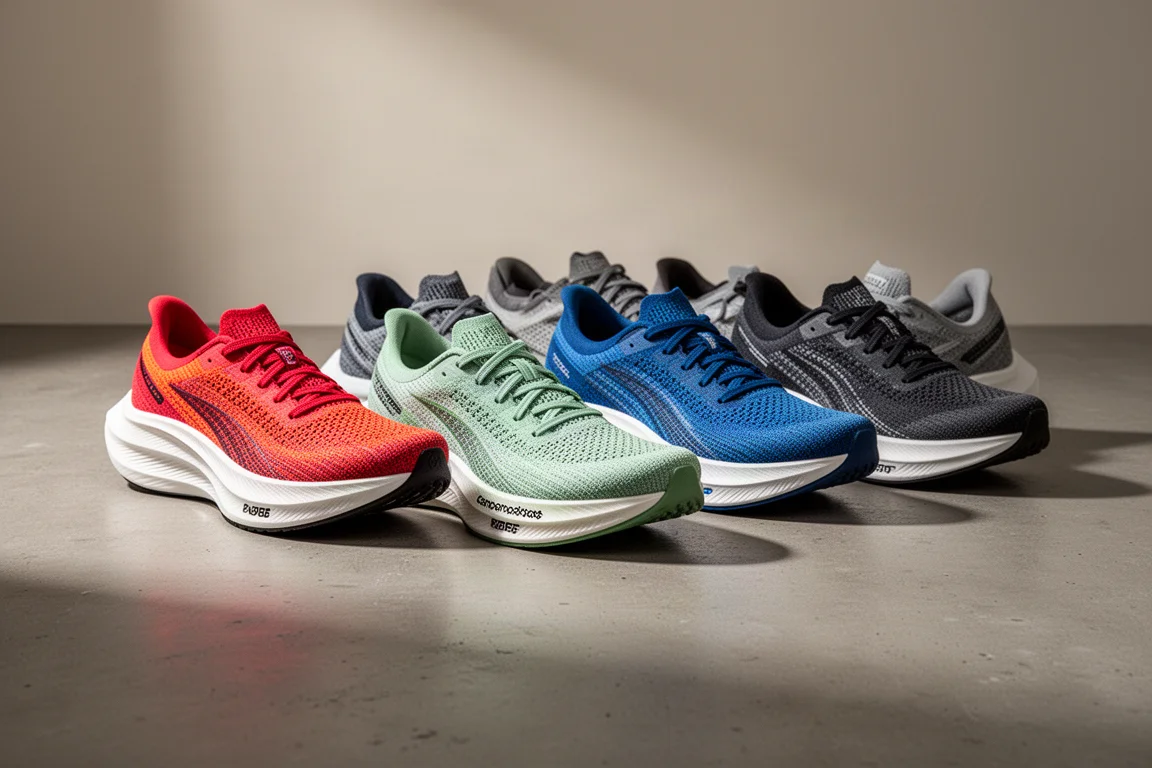
Premium Nike racing shoes sell out fast, and the secondary market has become the go-to place for runners chasing older or hard-to-find models. The catch is that fakes are everywhere, and the closer you get to the most desirable shoes, the worse the fakes get.
To put this to the test, five pairs of Nike racing shoes were bought on the secondary market, from a used Pegasus Turbo 2 to a suspiciously cheap Alphafly 2, and each pair was run at marathon effort to see which ones were legit and which ones were not. Here is what to look out for if you ever shop the secondary market yourself.
Pegasus Turbo 2: A Nostalgia Buy That Fell Short
The Pegasus Turbo 2 is the shoe that started this whole project. Nike never released a proper Turbo 3, so a used pair was the only realistic way to revisit a shoe with a lot of history behind it.
At $55 including shipping, this used pair looked acceptable in photos, but on the foot it told a different story. The upper felt stretched out compared to how the Turbo 2 originally fit, and the shoe simply did not feel like a Turbo 2 remembered. The likely explanation is heavy casual use rather than running, meaning a lot of standing-around miles wore the shoe out in ways the listing photos never showed.
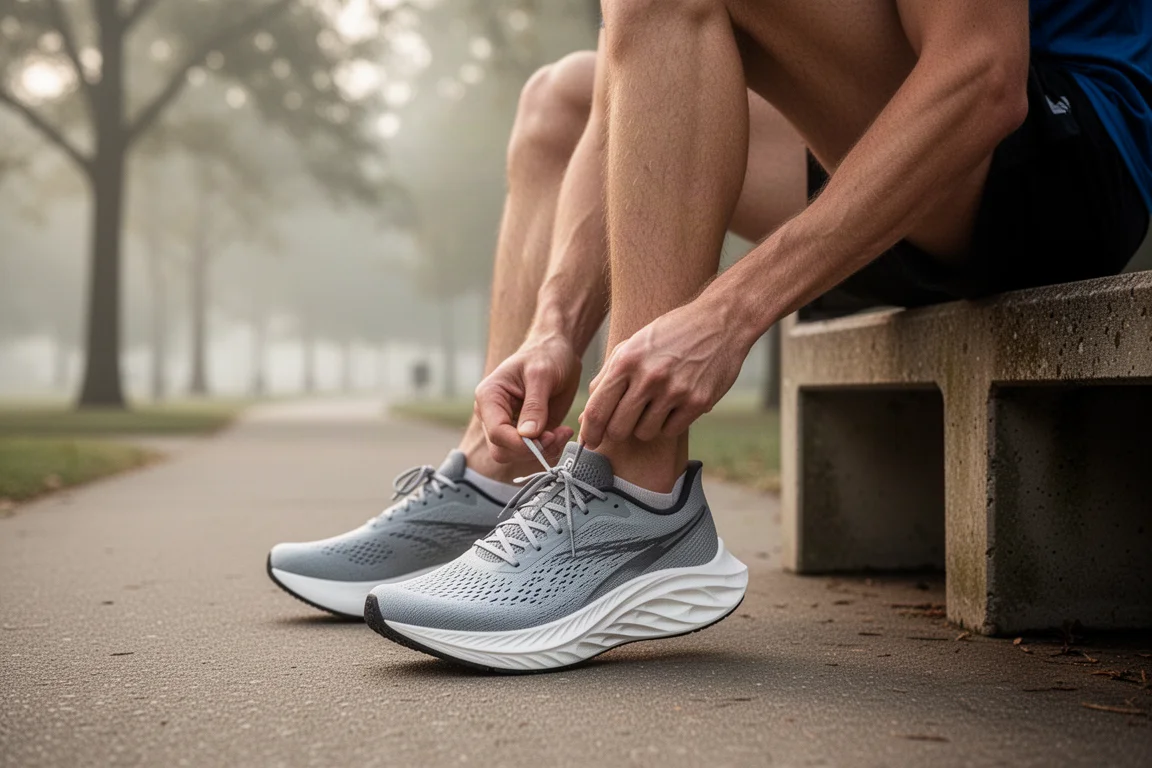
The takeaway: with discontinued shoes that are only available used, photos can hide a stretched upper and dead cushioning. If the nostalgia is not worth the risk, this kind of purchase can end up feeling like exactly what was paid for.
Streakfly: Legit, But Not Worth the Secondary Market Premium
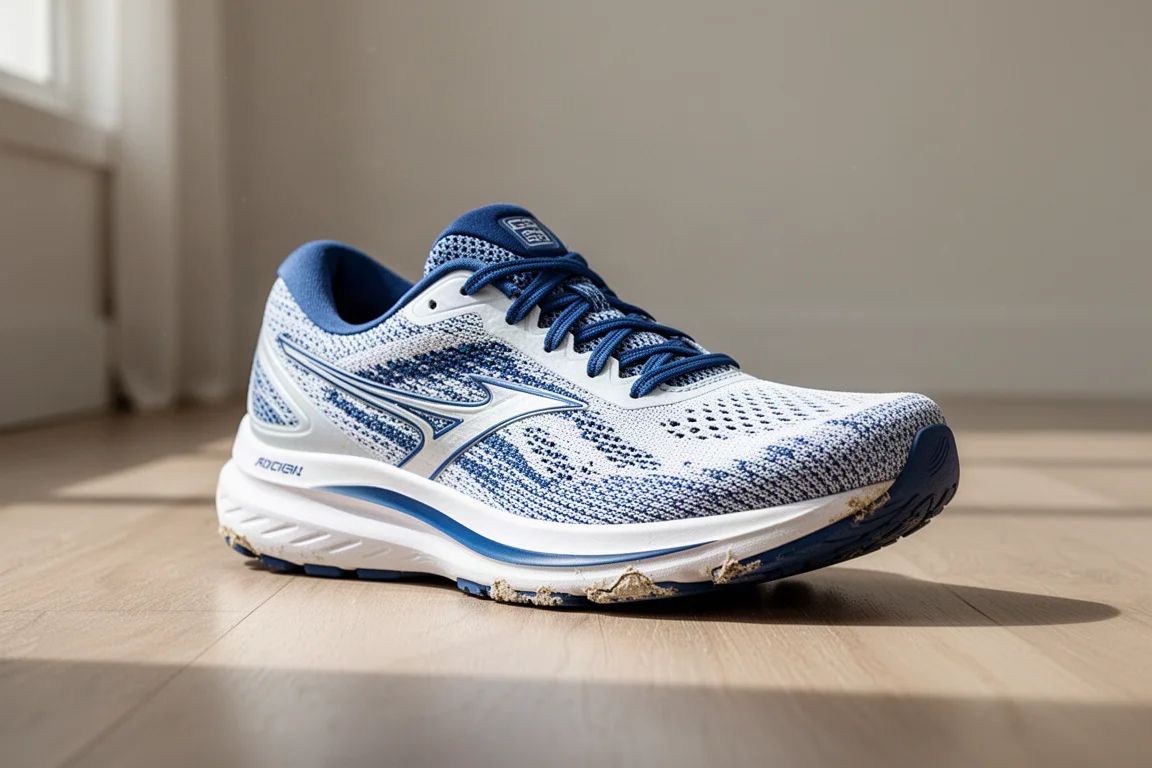
The Streakfly arrived feeling light, comfortable, and exactly like another pair tested previously, which made it a straightforward confirmation: this was a legit shoe. It came from a seller who clearly moved a lot of Nike product, even if not specifically running shoes.
The problem was the price. At $120 including shipping, this purchase cost more than the $95 or so the same shoe could go for on Nike’s own website, and well below the original $160 retail had shifted from premium to discounted over time.
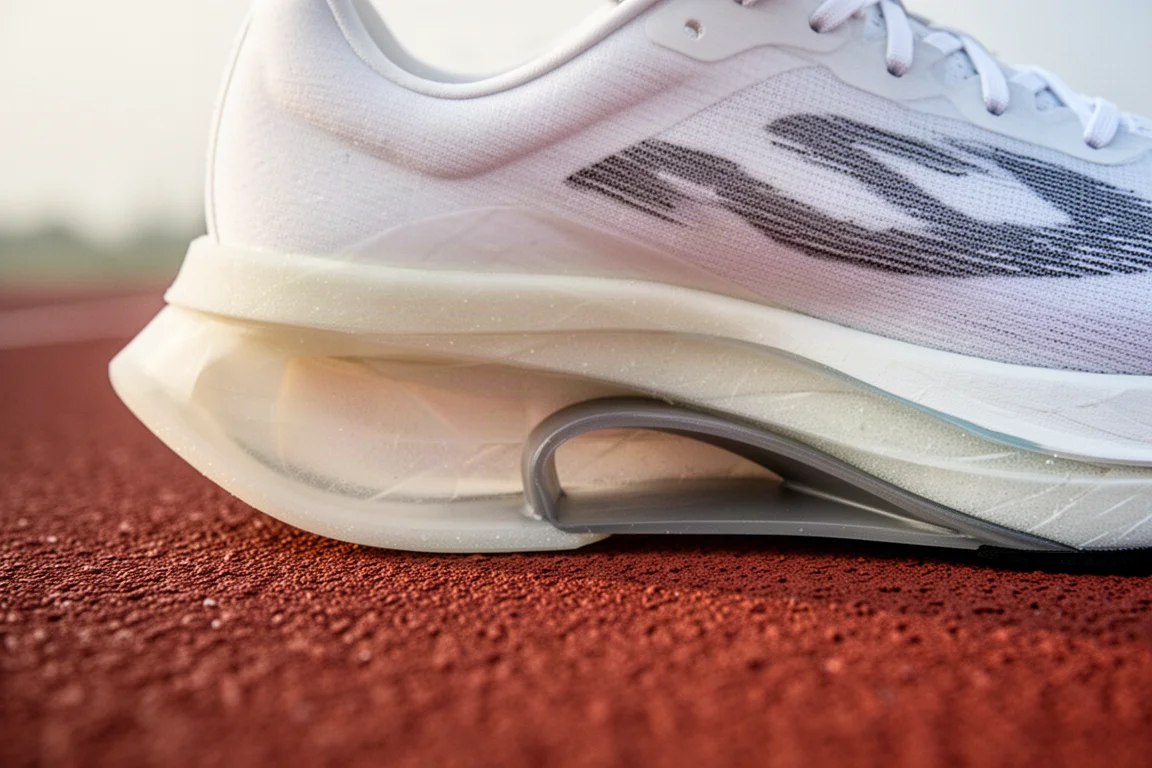
The Streakfly is a good illustration of when the secondary market does not make sense. When a hyped shoe is still easy to buy through normal retail channels, sometimes at a discount, buying secondhand just means paying more and taking on risk for nothing.
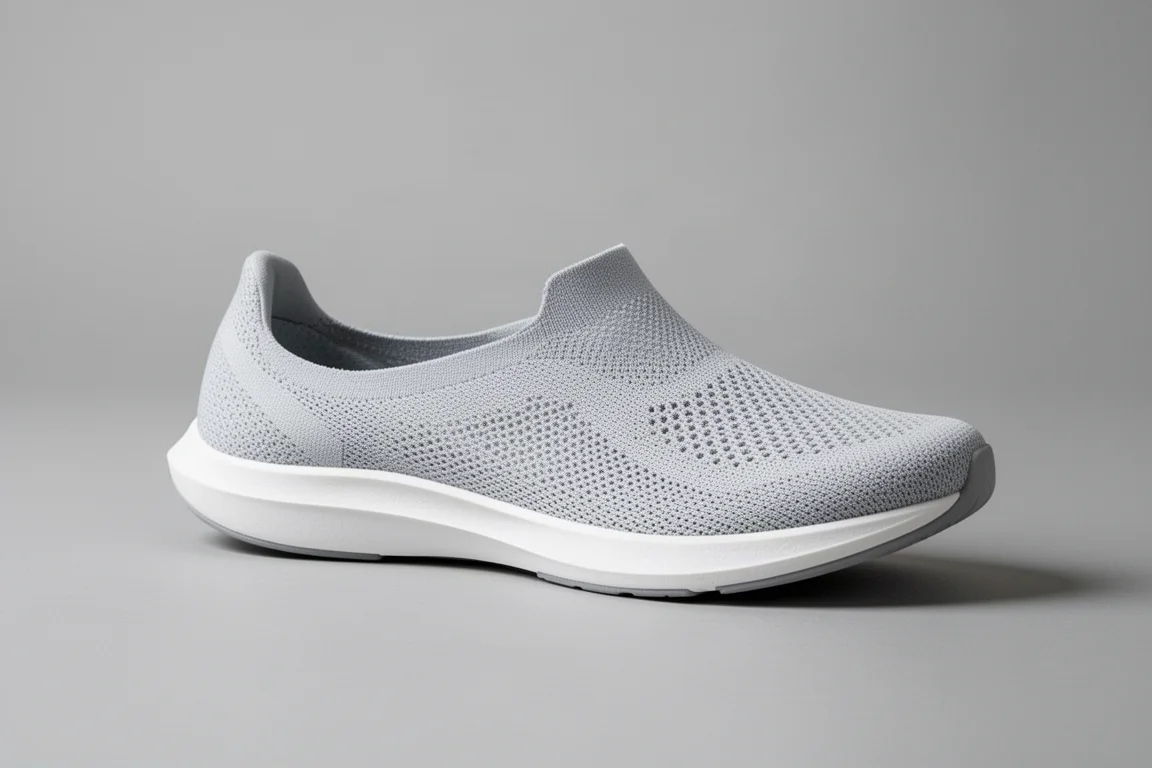
Vaporfly Next% 2: Still the Benchmark for Carbon Pop
This pair arrived without its original box, but it had been authenticated, which means the seller shipped it to professional authenticators first, and it was then forwarded along after a thumbs up. eBay even threw in a substitute track bag since the original Nike racing bag was missing.
Out of the box, it felt right. The Next% 2 sits firmer than the ZoomX foam of the Next% 1, and this pair matched that character. Once running, the carbon plate delivered that unmistakable pop that no other shoe on the market quite matches, a dramatic change from the worn Turbo 2 and the plateless Streakfly.
At $180, the price landed within the $175 to $200 range Nike itself asks when the shoe is actually in stock, a clear drop from the original $250 to $260. Again, a legit shoe was obtained through authentication, but with Nike selling it below retail when available, the secondary market is not the obvious play here.
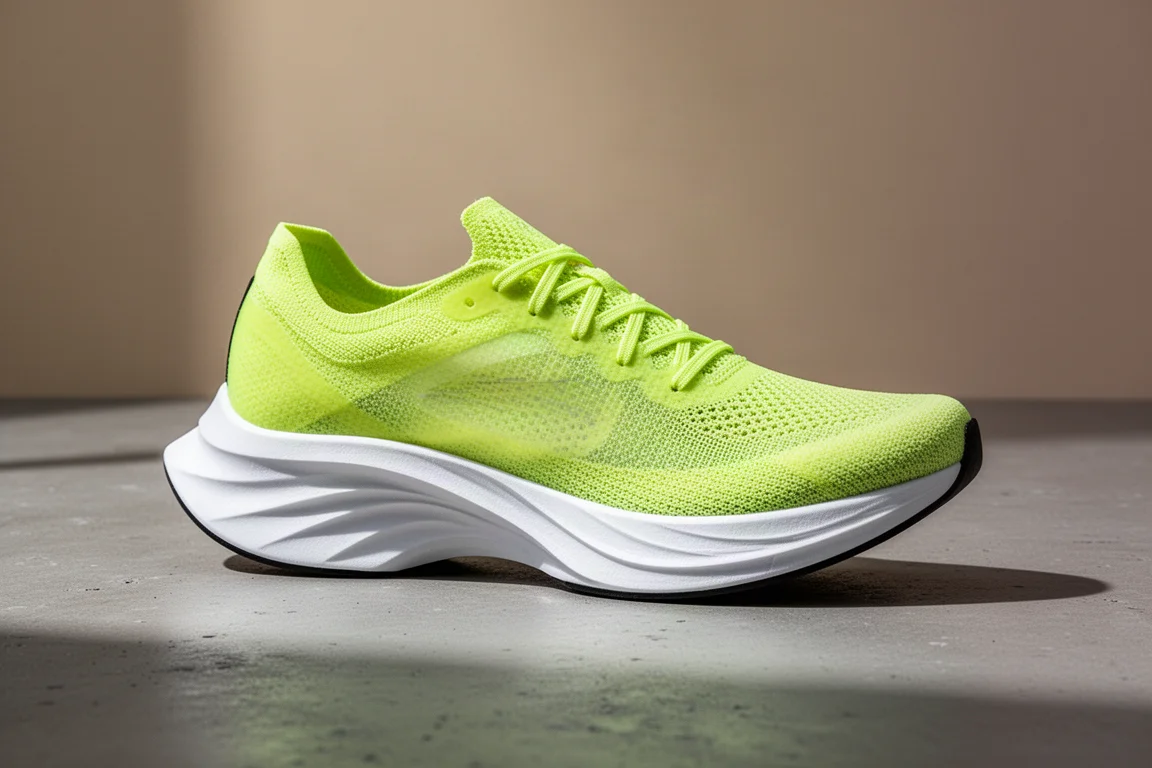
Alphafly 1: The Best Bargain of the Bunch
The Alphafly 1 is where the secondary market genuinely earns its place. This authenticated pair came with the original box but no lid, an oddly common quirk in the secondary market, though it did include the original track bag.
A few visual details initially raised doubts. The Atomknit upper had uneven mesh spacing and some sloppy-looking stitches, and the fibers in the Air Zoom pocket looked a little disheveled. In hindsight, those quirks are simply how these materials look up close: Atomknit is not a laser-cut engineered mesh, and the Zoom Air pocket naturally has some flyaway fibers.
Once running, all doubts disappeared. The Zoom Air paired with the carbon plate felt outstanding at marathon effort. The shoe runs heavier than it feels: splits looked right where they needed to be while the effort felt easier than the watch suggested. Zoom Air, carbon, and ZoomX all did their jobs.
At $175, down from the original $250 to $275 retail, this was the best deal of the group. Nike no longer sells the Alphafly 1 and retailers have moved on to the Alphafly 2, so the secondary market is effectively the only channel, and comparable prices elsewhere are similar or higher. This is the kind of shoe where buying authenticated secondhand is genuinely worth it.
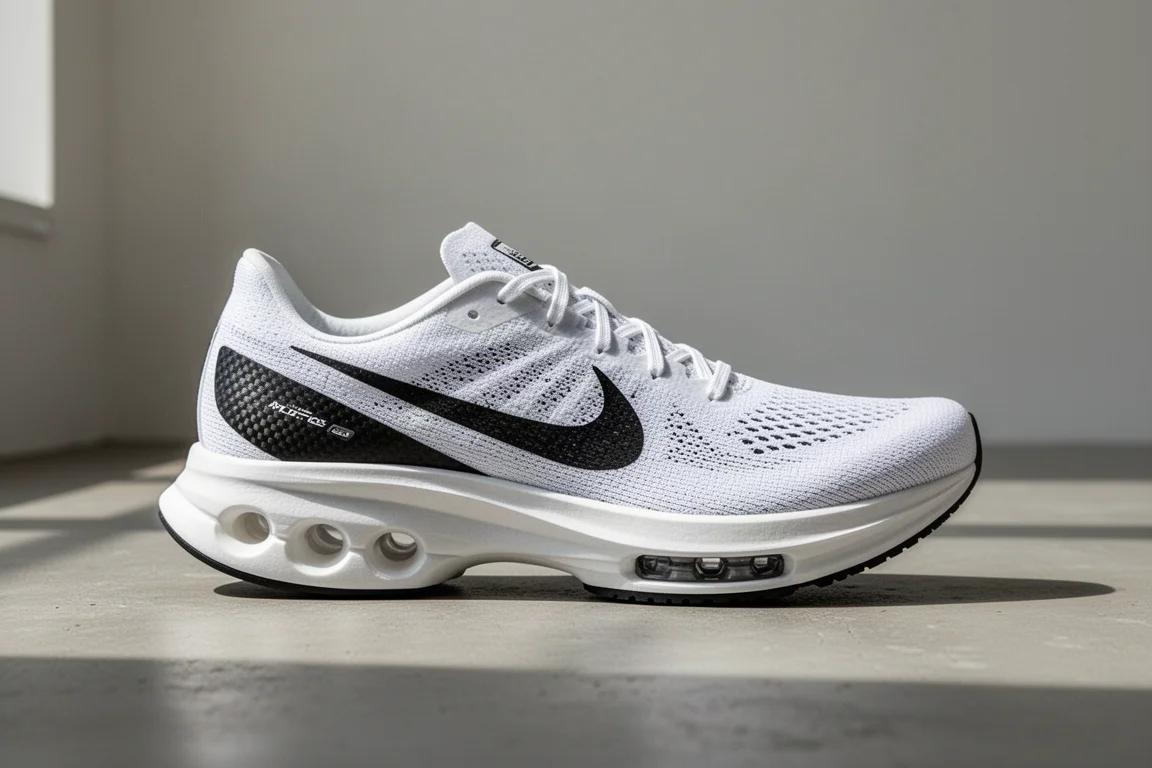
Alphafly 2: The Fake That Almost Passed
The Alphafly 2 is the cautionary tale. It was sold directly on the marketplace without authentication, and the listing was suspicious from the start. The shoe is nearly impossible to find even on legitimate resale platforms at anything close to original retail, yet this listing asked roughly original retail. The seller’s shop was sketchy, shipping was quoted at 15 days from overseas, and the photos were clearly Photoshopped rather than real product shots. Long international shipping also keeps your money tied up for weeks before you ever see the product.
When the shoe arrived, it looked convincing at first glance. In hand, the clues piled up fast:
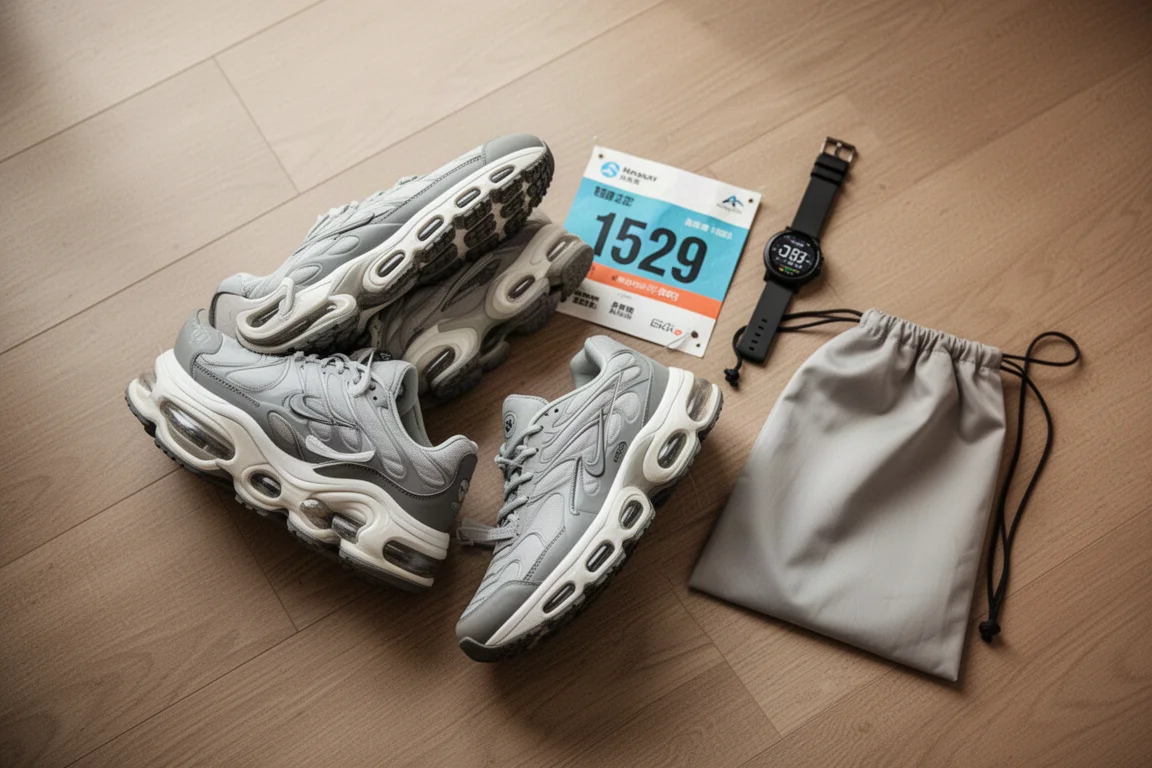
- The left shoe weighed 11.4 oz (324 g) and the right 11.9 oz (338 g), absurdly heavy for a racing shoe, heavy even for a max-cushioned daily trainer.
- The insole was removable, which real Nike racing shoes do not have, and it was paper thin and low quality.
- The heel cup inverted and dislodged when the heel went in, and had to be wedged back into place. Even laced extremely tight, the ankle felt like it would pop out of the back.
- The Air Zoom was non-existent. It felt like running on dense EVA-style foam.
- Subtle visual tells: the padding around the ankle collar did not look right.
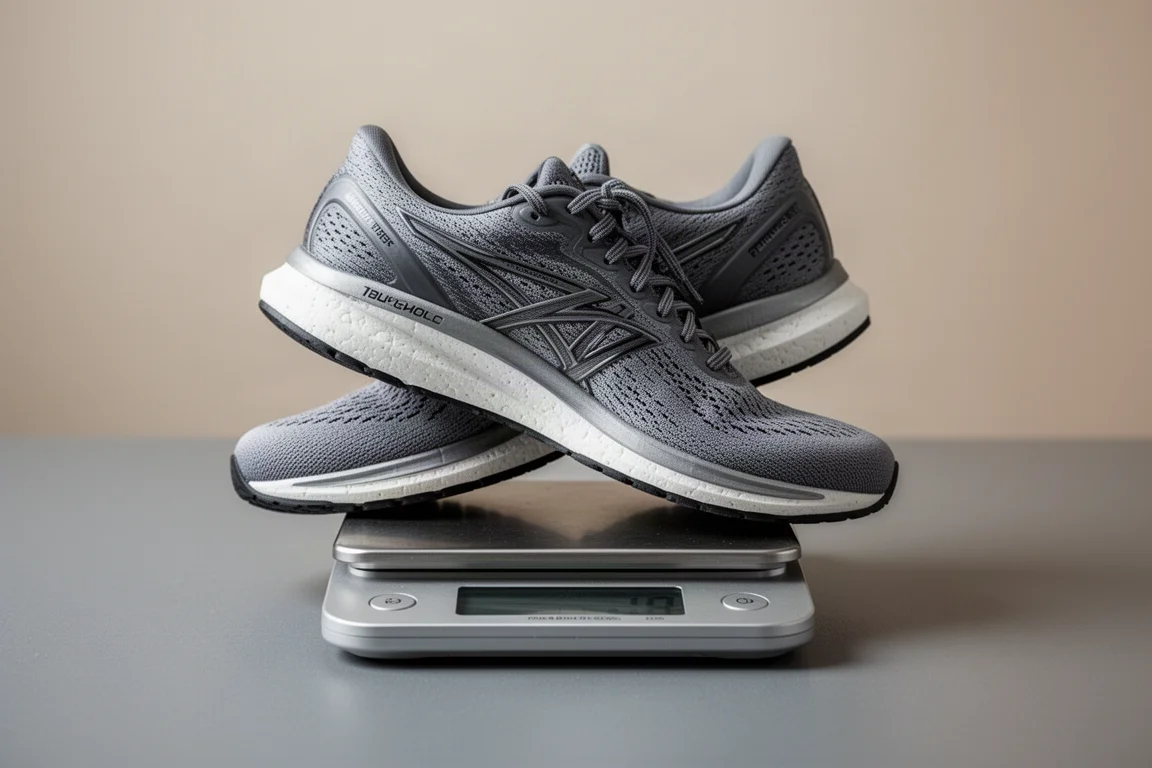
The lesson is simple: for shoes that are super sold out and super hard to get, buy only from places that authenticate the product. An unauthenticated listing is not automatically fake, as the Streakfly proved, but shoes in genuinely scarce supply are exactly the ones counterfeiters target hardest, and by the time the shoe is in hand, it is usually too late.
Overall Buying Advice
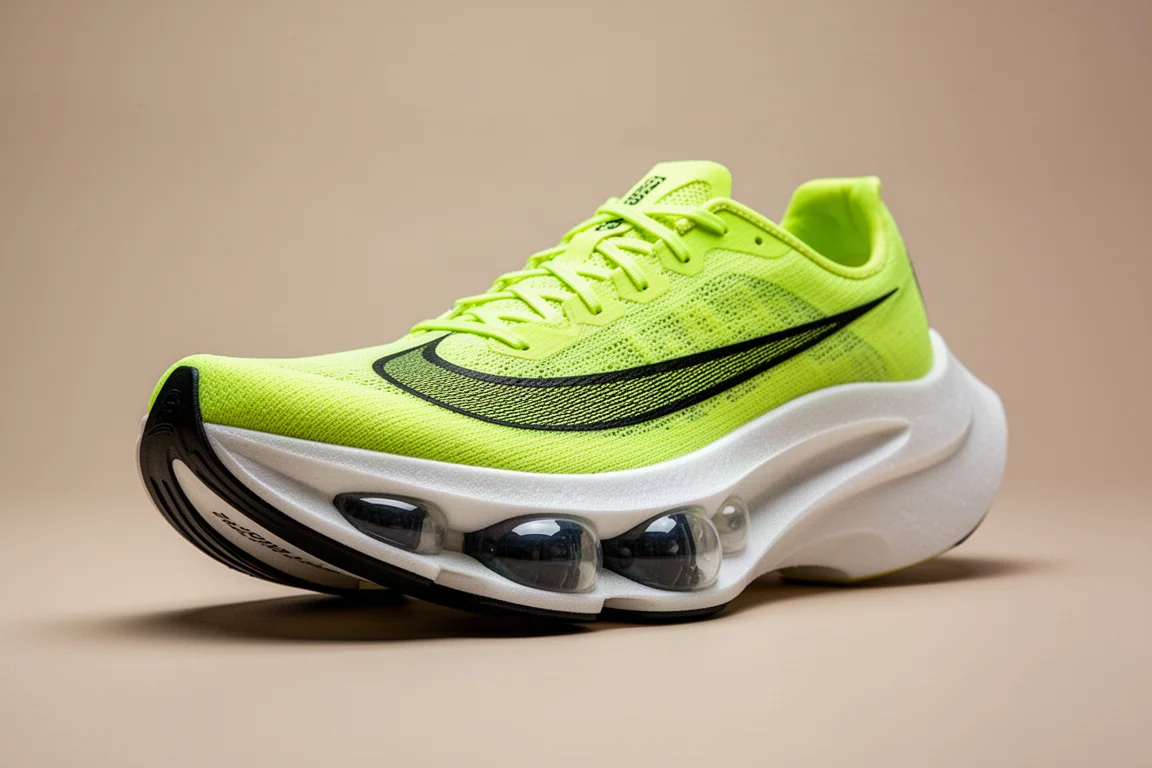
The pattern across all five shoes is consistent. If a shoe is still available through retail channels, buy it there, even when the secondary market offers it, because retail is usually cheaper and always safer. If a shoe is discontinued and truly unavailable, the secondary market can work, but only with authentication, and only when the price is meaningfully better than alternatives.
Watch for the red flags: prices at or below retail for shoes that normally sell far above it, Photoshop-only listing photos, long international shipping windows, sellers with questionable shops, and listings that warn you upfront about color variation. And remember that real shoes have quirks too. Uneven Atomknit mesh spacing or flyaway fibers in a Zoom Air pocket are normal, not proof of a fake. Weight, insole quality, and how the shoe actually runs are far stronger signals.
Conclusion
Four of five shoes turned out legit, and one, the Alphafly 2, was a convincing fake that only failed under scrutiny and miles. The best value came from the authenticated Alphafly 1 at $175, the clearest trap was the unauthenticated Alphafly 2, and the rest proved that when Nike itself sells a shoe at or below secondary market prices, there is no reason to take the risk. Shop authenticated, know the tells, and always ask whether the retail channel can still get you the shoe first.
Further reading
Related Reviews

Running Shoes
Best Road-to-Trail Running Shoes: Three Versatile Options for Mixed Terrain
A practical guide to three road-to-trail running shoes that handle both pavement and mild trails, with clear strengths and trade-offs for different runner types.

Running Shoes
Best Running Shoes for Achilles Tendonitis: Three Options Explained
Three running shoes with different heel drops and support features designed to help reduce Achilles tendon pain during walking and running.

Running Shoes
Best Running Shoes for Women: Five Top Choices Ranked
A ranked guide to five women's running shoes, from versatile daily trainers to high-performance racing options, with real strengths and trade-offs for each.