Running Shoes
Nike Pegasus Turbo Next Nature Review: Recycled Foam, Mixed Results
A sustainability-focused Pegasus Turbo that inherits some of the right ideas, but delivers a heavy, overbuilt shoe that struggles to justify its price.
Introduction
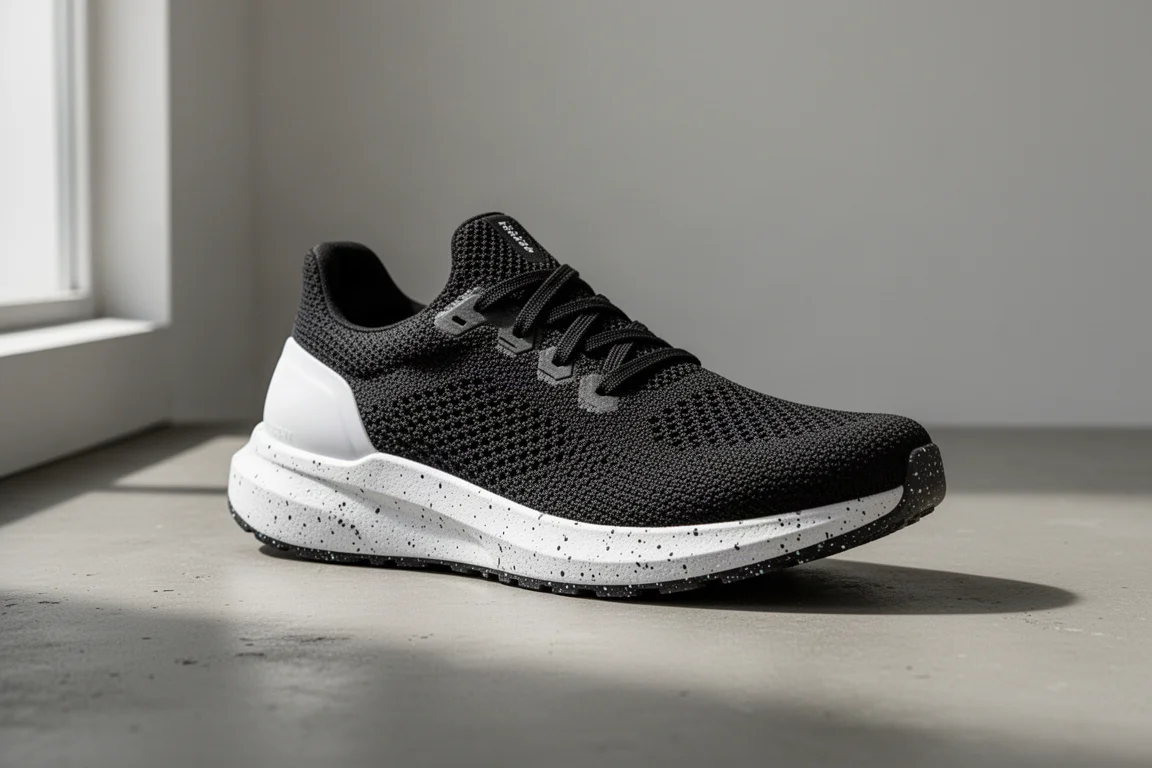
The Pegasus Turbo Next Nature is Nike’s sustainability take on the Turbo line, built with 55% recycled ZoomX in the midsole and speckled recycled rubber in the outsole. On paper, that is an appealing pitch: take a much-loved performance shoe and rebuild it from reclaimed foam and rubber. In practice, after an initial 10 mile run in the black and white colorway, this feels like a shoe with a genuine idea behind it and an execution that gets in its own way.
First Impressions and Weight
Right away, the numbers push in the wrong direction. In UK size 11 / US size 12, this shoe weighs 300g, roughly 10.6 oz, which is more than 44g (about 1.5 oz) heavier than the Pegasus Turbo 2 in the same size. The outsole surface area and width are pretty much the same as the Turbo 2, with a slightly wider heel and a marginally less narrow feel in the arch, but nothing that changes the overall picture.
The retail price sits at $145, which is a lot for a shoe that does not really perform like a dedicated performance model. One thing worth noting at the outset: the shoe is true to size in length, so standard Nike sizing is the safe call if you do buy it.
Upper: Rigid, Overbuilt and Hard to Live With
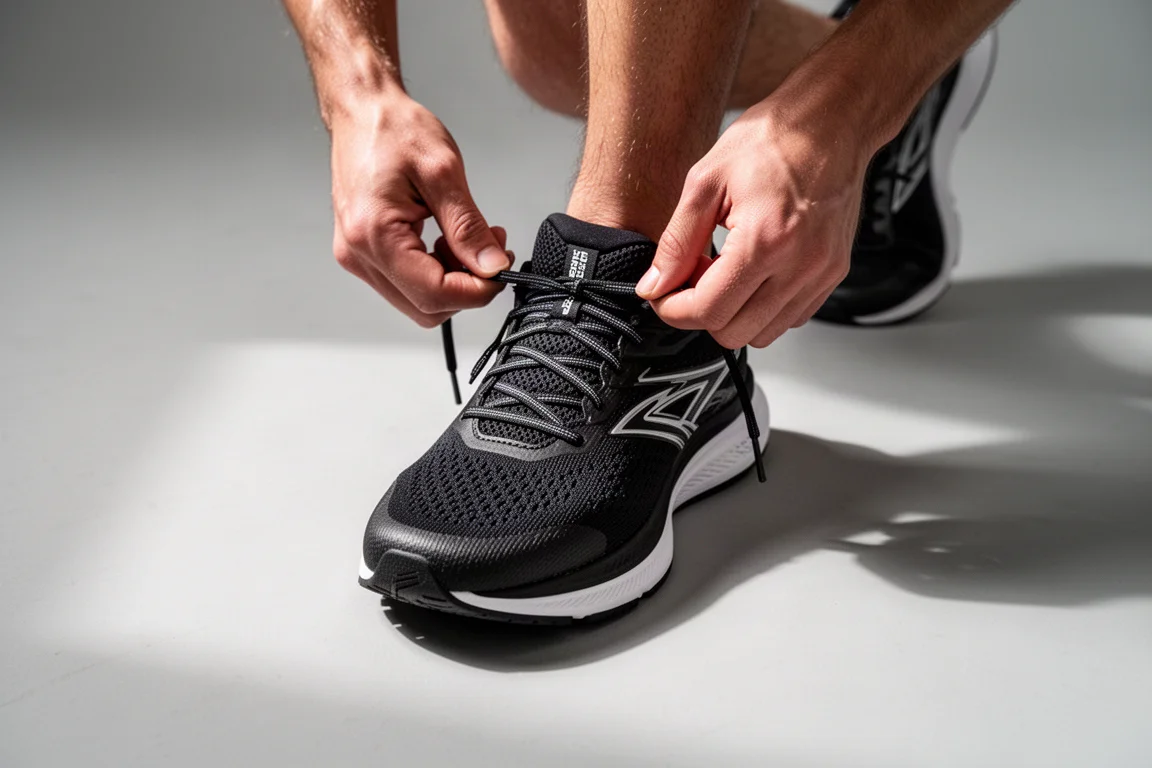
The upper is the biggest disappointment here. It is coarse, rigid and overly padded in the heel, a sharp contrast to the low-profile, sleek feel of the Pegasus Turbo 2. The opening has essentially no give, so getting the shoe on foot is genuinely difficult. Bring a shoe horn.
There is a shallow and inflexible toe box with no extra height, and no extra eyelets at the top, which rules out a runner’s knot unless you bring out a hole punch. If you like adjusting lace tension over the top of your foot, this is not your shoe. Oddly, Nike still fitted standard length laces, leaving a large amount of excess lace that needs trimming or replacing. There are also unexplained design quirks: four mysterious holes at the heel section, extra stitching on the tongue that does not appear to attach anything, and no pull tab, which is the one thing this shoe most needed.
Once on foot it felt okay, a little restrictive, but not the most comfortable. There was pressure around the front of the foot that has not appeared in any other shoe, and a very rigid heel counter with heavy padding that soaks up sweat and, presumably, rain. Compared directly, the Pegasus 39 is by far the more comfortable and usable upper. This one scored 1.7 out of 3 after the initial run.
Midsole: ZoomX Layers and a Squashy Carrier
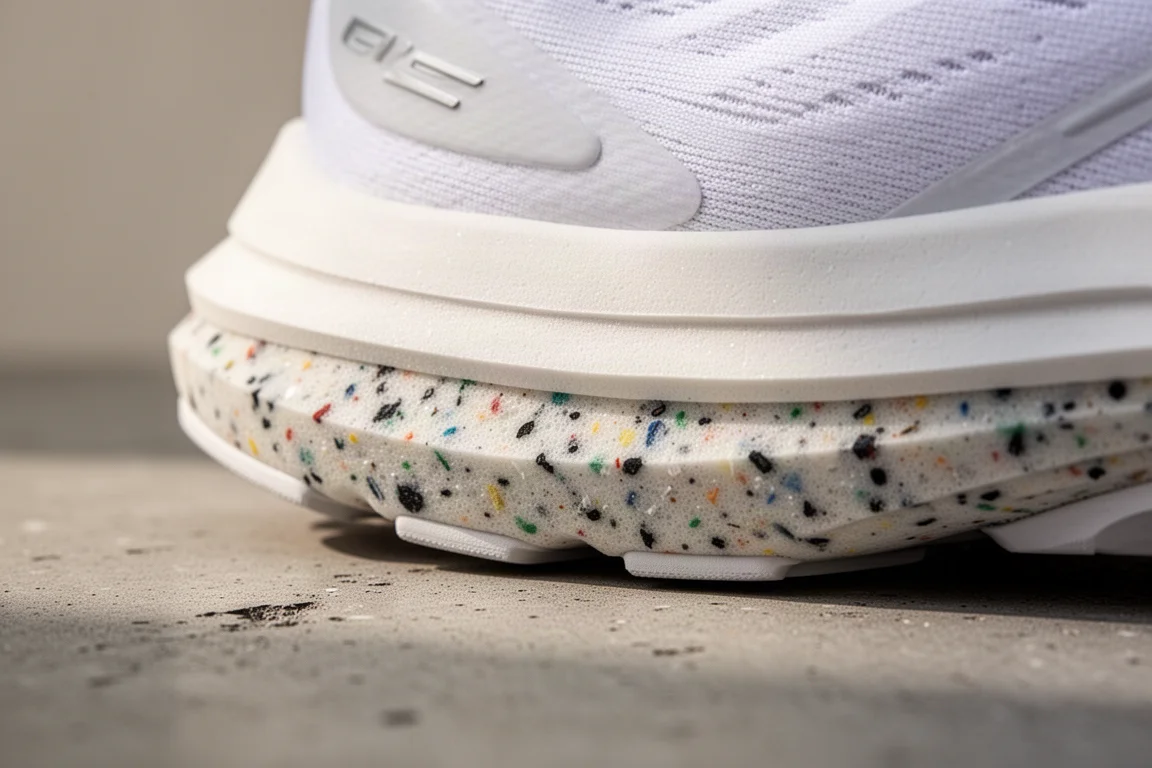
The midsole story is more interesting. It uses a similar setup to the Zoom Fly 5, with slightly less rigidity and a bit more ZoomX feel, though not a lot more. A fresh layer of ZoomX sits on top of the crushed ZoomX scraps, more visible on the medial side. In hand, the SR-02 carrier material is actually more squashy and compressive than the ZoomX itself.
The ride is similar to the Pegasus Turbo 2 in character, but nowhere near as forgiving or exciting. At half marathon pace reps it felt like extra effort was required to hit the pace, and the shoe was stable enough only at easier paces around 8 minutes per mile. More concerning was an inconsistency between the two shoes in the pair: the right shoe felt like it was on a slight slope from right to left. The foam distribution also feels off from heel through toe.
The sheer number of layers does not help: a crushed ZoomX insole, a fabric strobel board stitched to the other parts, a fresh ZoomX layer, crushed ZoomX, SR-02 and glue. With all of that in between, it is fair to wonder how much real benefit this gives over the standard Pegasus 39, which is cheaper, more versatile, and uses dual air bags and a softer React foam that simply work better. The midsole scored 1.5 out of 3.
Outsole: The Best Part of the Shoe
The outsole is perfectly serviceable and probably the strongest element of the shoe. It held up fine over the initial 10 miles in dry conditions. That said, the outsole is curved upwards towards the middle of the shoe, something seen on several recent Nike shoes, which gives a slightly odd feel underfoot.
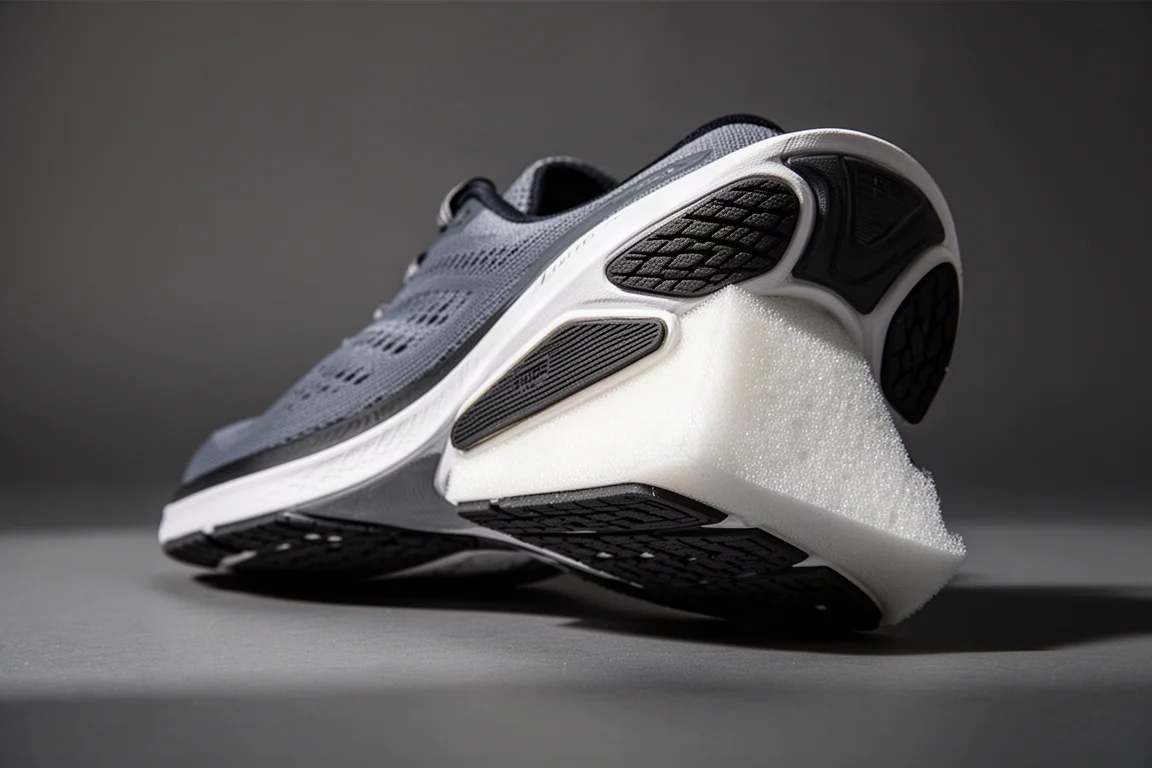
There is a large wedge of exposed SR-02 midsole material at the back of the shoe, which seems reasonably durable but will take a pounding and abrade sooner or later. The outsole rubber itself is very thin and stretched, and no match for more technical trails. It should be fine on gravel and is really aimed at road and pavement use. The rubber appears to contain recycled content with visible speckles, similar to the Pegasus 39, though this one will likely be less durable overall. It scored 2.5 out of 3.
Value: Hard to Justify at $145
At $145 this is big money for a shoe that falls flat. It lacks the pop and feel of the Pegasus Turbo 2 in every way, and the Pegasus 39 is a better daily trainer for less money, with the weight gap now small as well. The overall score after the initial run came to 7.4 out of 12.
This reads more like a lifestyle shoe than a running one: a knit-style upper with no chance of a runner’s knot, pellet-like crushed foam, and minimal outsole rubber. All the glue and extra material dilutes the ZoomX feel. It is a firmer, more overbuilt version of the Street Fly, around 100g heavier. Recycling the foam scraps is a genuinely good idea; the problem is that at this price, you want something that works well out of the box, and this does not.
Buying Advice: Who Should Skip It, and Who Might Not
If you want a dependable daily trainer, the Pegasus 39 remains the smarter, cheaper, more versatile pick. If you want the nimble performance of the old Turbo line, the Next Nature does not recreate it. The honest case for this shoe is narrow: runners who care primarily about recycled materials and are happy to trade performance and comfort for it.

For everyone else, the buying decision is simple. Unless recycling is your priority, your money is better spent elsewhere in the Pegasus line.
Conclusion
The Pegasus Turbo Next Nature has a sustainability story worth telling, and the outsole proves the basics can work. But a rigid, overbuilt upper, an inconsistent midsole and a heavy build make it hard to recommend at $145 when the Pegasus 39 does more for less. As a running shoe, it is a letdown; as a statement about recycled ZoomX, it is a first step that still needs refining.
Product link
View more details for Nike Pegasus Turbo Next Nature
This product is mentioned in the review. Check the specifications, options, and compatibility before buying.
View more details for Nike Pegasus Turbo Next NatureFurther reading
Related Reviews

Running Shoes
Best Road-to-Trail Running Shoes: Three Versatile Options for Mixed Terrain
A practical guide to three road-to-trail running shoes that handle both pavement and mild trails, with clear strengths and trade-offs for different runner types.

Running Shoes
Best Running Shoes for Achilles Tendonitis: Three Options Explained
Three running shoes with different heel drops and support features designed to help reduce Achilles tendon pain during walking and running.

Running Shoes
Best Running Shoes for Women: Five Top Choices Ranked
A ranked guide to five women's running shoes, from versatile daily trainers to high-performance racing options, with real strengths and trade-offs for each.