Running Shoes
Nike Pegasus Turbo Next Nature: Long Run Update
After extra running and walking miles, the Pegasus Turbo Next Nature improved in some ways but the fit and lockdown issues remain. Here is what changed and what did not.
Introduction
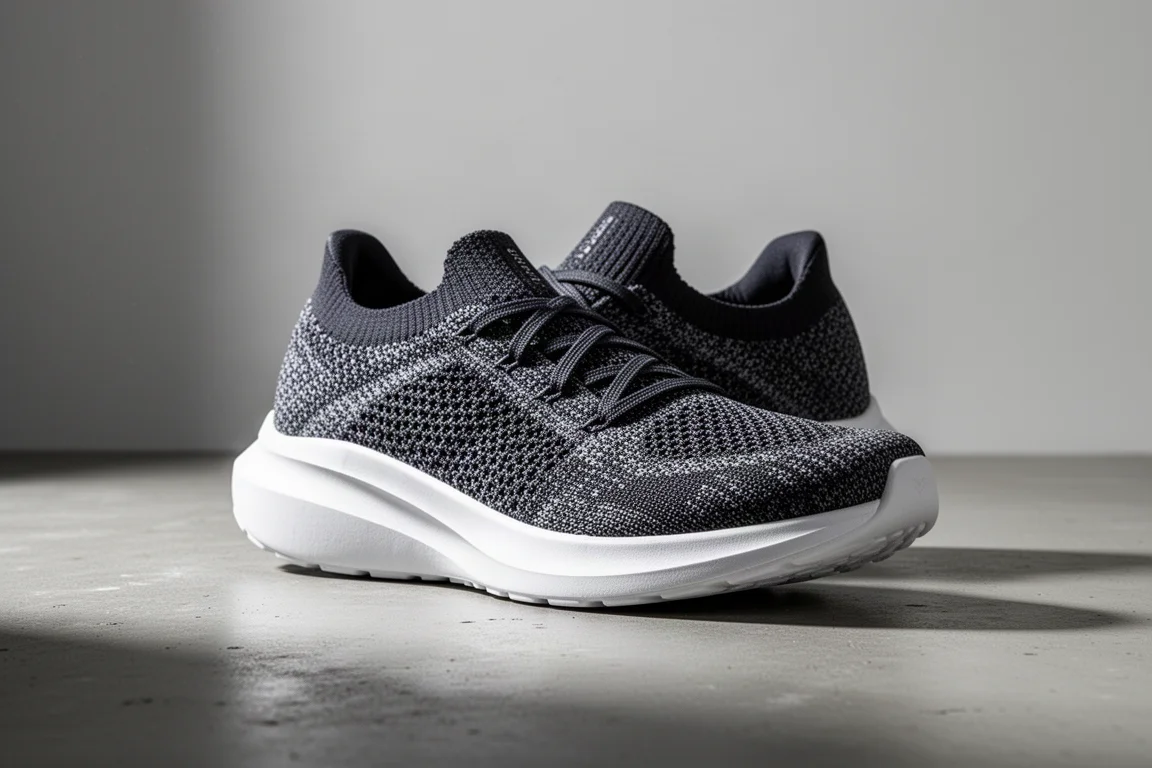
The Nike Pegasus Turbo Next Nature did not impress on first contact. It was expensive for what it is, felt like a daily trainer rather than a true Turbo, and the two shoes in the pair felt unbalanced underfoot. After putting more running and walking miles into it, this update looks at whether the shoe has improved, and where it still falls short.
How the Shoe Has Settled After More Miles
The test so far covers around 36 miles of combined running and walking, including a 10-mile effort (16.2 km) that mixed easy miles with short 10K-pace reps and a serious hill climb of 250 ft of ascent on a warm day. The key finding: flexing the midsole material has actually improved the shoe. The ZoomX scraps have compressed down and balanced out, giving a slightly less brittle feeling overall.

That means the shoe is more usable now than after the first miles. If you buy this shoe, expect to get a load of extra walking miles into it before it feels right for running. As a casual run-and-walk daily shoe it can work, though there are cheaper shoes that do exactly the same job.
Upper Fit and Lockdown Concerns
The upper remains the weakest part of the shoe. The fit is dictated entirely by the Flyknit material, which is still quite hard to get on, partly because the tongue is stitched into the sides of the shoe. That limits flexibility and configurability in lockdown. Some of the material has begun to flex, and feet drift forward, with laces that never quite tighten enough over the top of the foot.
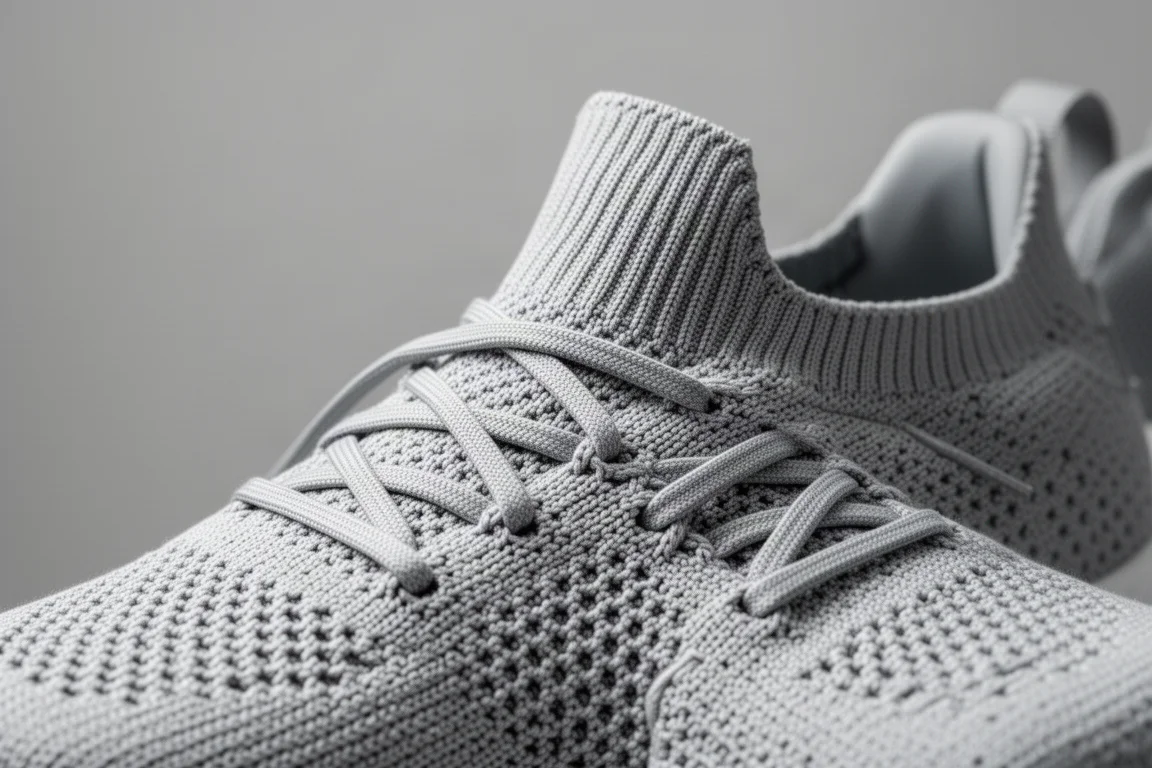
Around 8 miles into the longer run, the two smaller toes on the lateral side of the right foot were slamming into the front of the toe box, which was not a pleasant feeling. A thicker sock is now needed, and there is no real consistency to the lockdown. This limits the shoe’s distance capability more than anything else.
Midsole and Ride Over Distance
The midsole picture is mixed. Impactful walking has crushed the ZoomX down a little and things have balanced out, and the right foot feels a bit better. Even standing still, though, the foot slides down toward the ball of the shoe, and it still feels unbalanced.
Over a range of paces the shoe does feel better than it did initially. It is not especially sprightly, but it is serviceable for a longer run. The problem arrives later: after about 7 or 8 miles, there is a wish for more depth and compression under the forefoot, an issue carried over from the original Pegasus Turbo. The foam seems dialed in for roughly 10K to 7-mile distances, and beyond that it starts to falter and feel a little sloppy, likely due to the width of the platform.

That pigeonholes the shoe into a daily clog category rather than a versatile longer-distance option. Given the £145 price, that is a lot to ask when alternatives like the Endorphin Speed 2 or 3 exist at a similar price, and the Adios 6 or 7 costs less while performing better.
Outsole and Grip
The outsole is probably the best aspect of the shoe. Grip was good on a variety of surfaces, though the very flat rubber struggles on some smooth surfaces. In fairness, few shoes work well on very smooth ground, and conditions during testing were bone dry throughout.
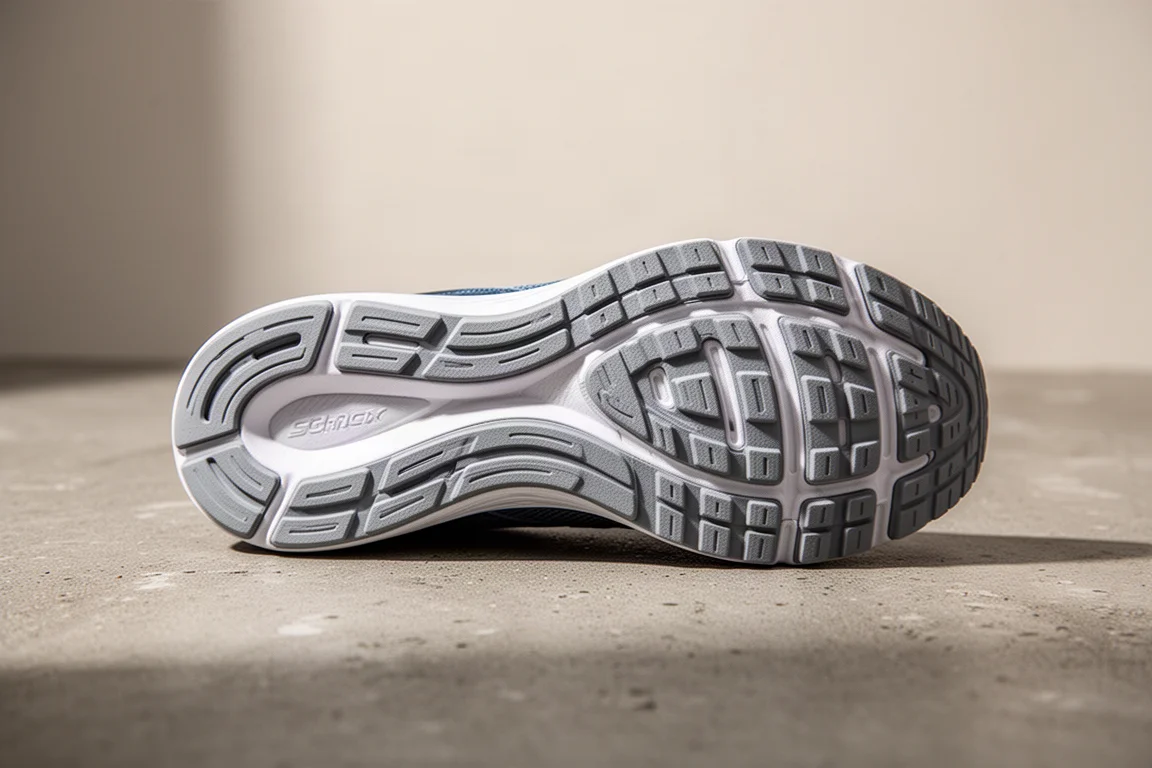
On pretty much everything else, traction is quite serviceable, which matters if you plan to use this as a mixed run-and-walk commuter shoe.
Buying Advice
Consider this shoe only if you want a premium-feeling casual trainer for commuting and easy miles, and you are willing to break it in with plenty of walking first. Runners seeking a versatile tempo shoe or a long-run option will be better served elsewhere, especially at this price.
Conclusion
The Nike Pegasus Turbo Next Nature improved with use, with the midsole settling nicely after extra miles, but the upper lockdown and limited forefoot depth keep it pinned to short, casual duty. It is hard to justify the Turbo name, let alone the £145 asking price.
Product link
View more details for Nike Pegasus Turbo Next Nature
This product is mentioned in the review. Check the specifications, options, and compatibility before buying.
View more details for Nike Pegasus Turbo Next NatureFurther reading
Related Reviews

Running Shoes
Best Road-to-Trail Running Shoes: Three Versatile Options for Mixed Terrain
A practical guide to three road-to-trail running shoes that handle both pavement and mild trails, with clear strengths and trade-offs for different runner types.

Running Shoes
Best Running Shoes for Achilles Tendonitis: Three Options Explained
Three running shoes with different heel drops and support features designed to help reduce Achilles tendon pain during walking and running.

Running Shoes
Best Running Shoes for Women: Five Top Choices Ranked
A ranked guide to five women's running shoes, from versatile daily trainers to high-performance racing options, with real strengths and trade-offs for each.