Running Shoes
Nike Pegasus Trail 5 Review: A Road-to-Trail Daily Trainer That Grows on You
Nike's React X midsole makes its trail debut in the Pegasus Trail 5. We assess the fit, cushioning, grip, and whether one shoe can really cover road and trail.
Introduction
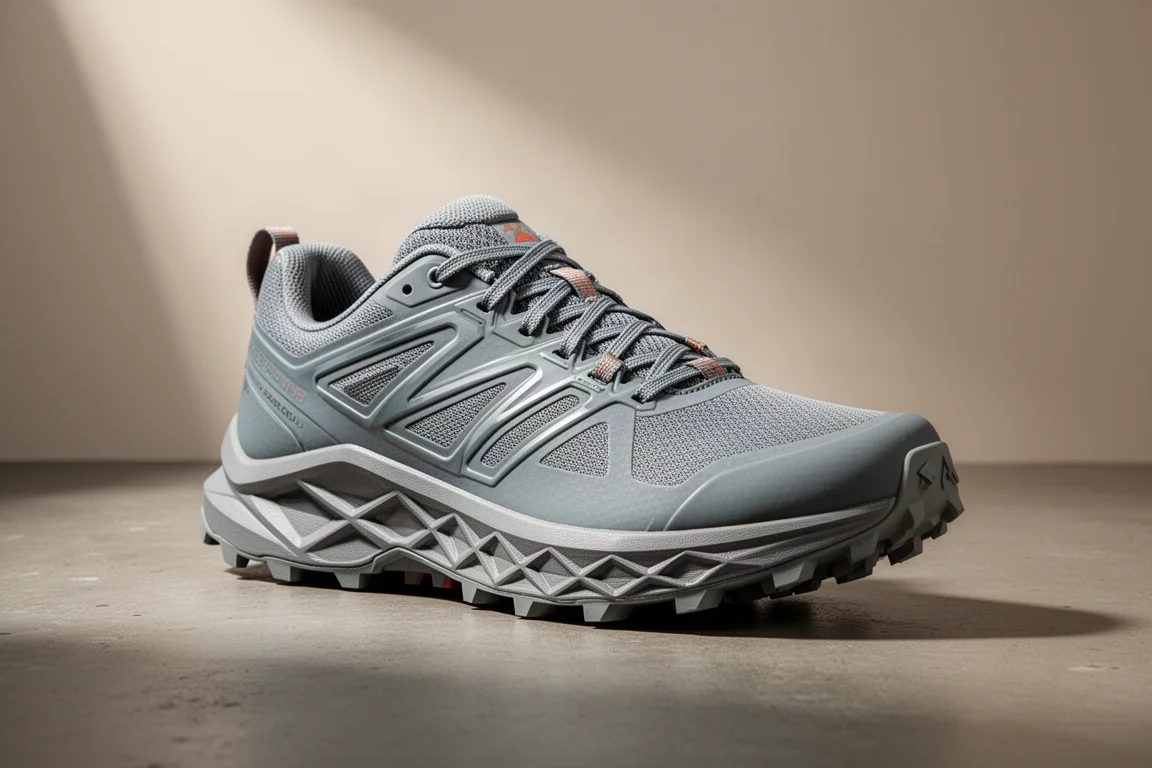
The Pegasus Trail 5 sits in a useful niche: a cushioned road-to-trail trainer for runners who want one shoe for mixed surfaces rather than two dedicated pairs. This version introduces Nike’s React X foam to the trail lineup, alongside a new upper and a revised outsole.
At a UK retail price of £129, this pair was purchased at a discount for around £116 in a UK size 11 / US size 12, weighing 345g (12.2oz). That is slightly heavier than both the standard Pegasus 40 and, apparently, the previous Pegasus Trail 4. The midsole measures roughly 37mm in the heel and 29mm in the forefoot for an 8mm drop, generous numbers that scale with shoe size.
Upper: Great Lockdown, Questionable in Wet Weather
The upper is where this shoe makes its best impression. Lockdown is genuinely excellent, helped by flywire elements and non-stretchy laces that make it easy to feel connected to the midsole. The tongue padding is soft without being excessive, and the toe box is a low-profile design, partly thanks to a rubber bumper around the front for protection on rocky terrain. Plasticky overlays on the medial and lateral sides add structure, and the heel counter is quite rigid with substantial padding around the Achilles.
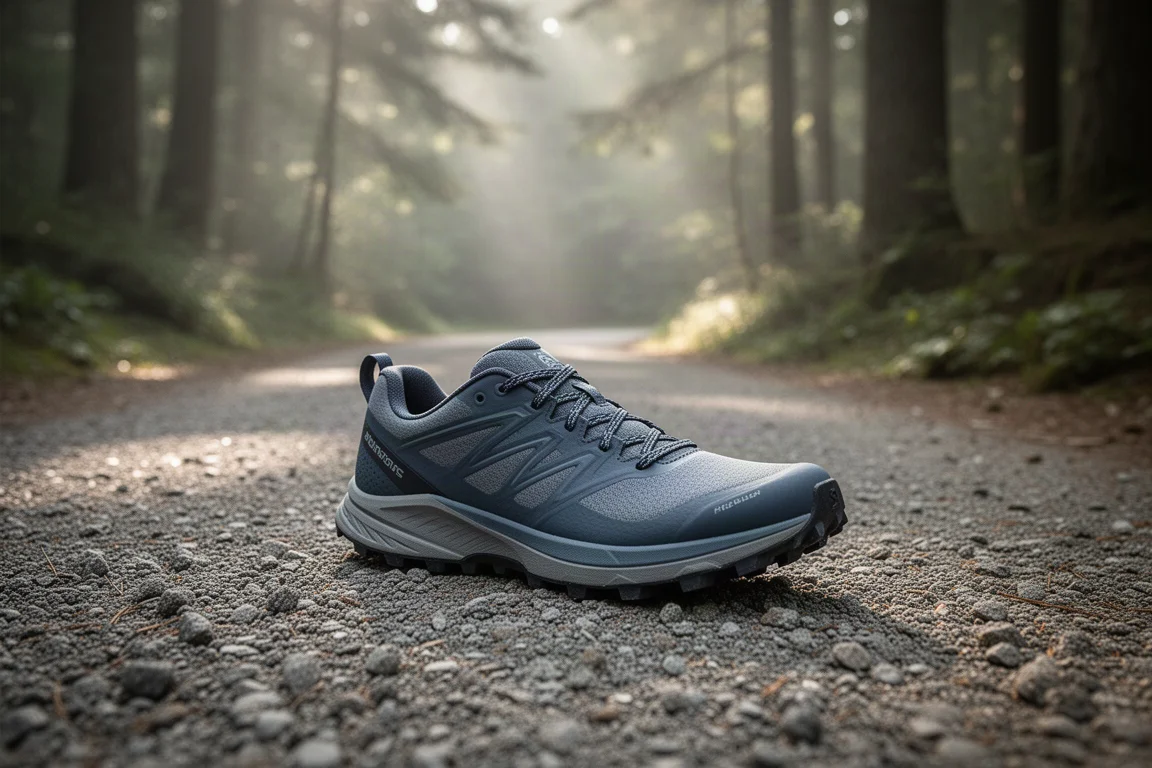
That padding becomes a problem in wet weather. On a first run in heavy rain, the heel area soaked up a lot of moisture, and with few places for water to escape, it stayed there. The rubbery insole, unlike standard compression foam, does not absorb water and helps the shoe feel consistent underfoot, so Nike is halfway there. Pull tabs at the heel and tongue feel mostly unnecessary, and overall the upper earns a 2.7 out of 3 in initial use.
Midsole: React X Needs Breaking In
This is the first shoe here featuring Nike’s React X foam. A durometer reading of about 30 puts it a touch above the average firmness score of 28, so it lands on the softer, cushioned side without feeling mushy. The foam appears shaped to compress in certain areas, with a ridge running from the midfoot through the heel that creates a trampoline-like, hourglass profile when viewed from the side. A sidewall in the heel also means some material sits off to the side for stability rather than directly underfoot.
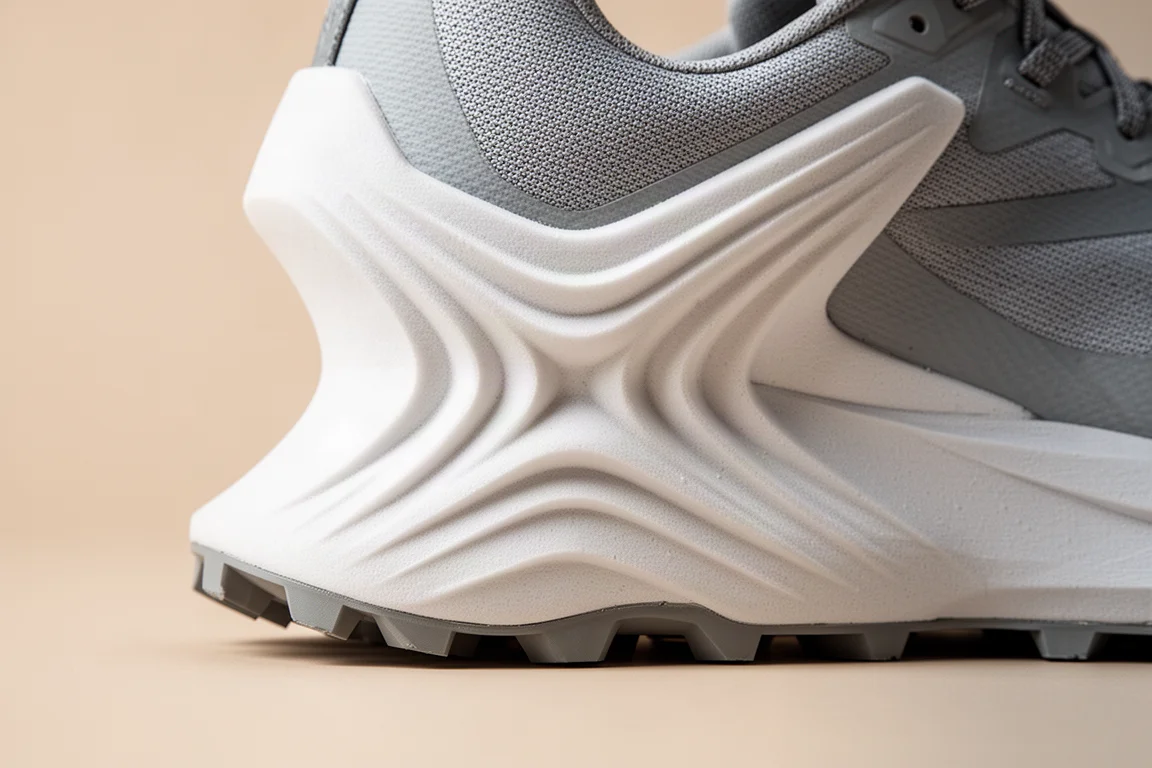
React X is not a standout compression story out of the box. It needs break-in miles: the more you squash it, the better it gets, improving over time rather than offering the snappy, steppy feel many runners want. It is a rubbery foam rather than an airy one, and it is not built for speed work. Cruising pace feels stable, and heavier runners navigating tree roots, mud, gravel, and grass should find it ticks a lot of boxes. The heel width is sensible rather than overly wide, keeping the shoe nimble enough to pick up some pace, and there is reasonable forefoot width, though no wide version is currently offered. One caveat: some gravel could be felt poking through the forefoot, as there is no rock plate. The midsole scores 2.7 out of 3 after initial runs.
Outsole: Better on Road Than You’d Expect
Grip is the pleasant surprise here. The all-terrain rubber compound uses angled diamond lugs across the medial and lateral sides, with only a small amount of exposed midsole foam in the heel. On pavement and road, traction was really good, arguably better than some road shoes, and it even responded well on smooth wet surfaces, the nemesis of most running shoes.
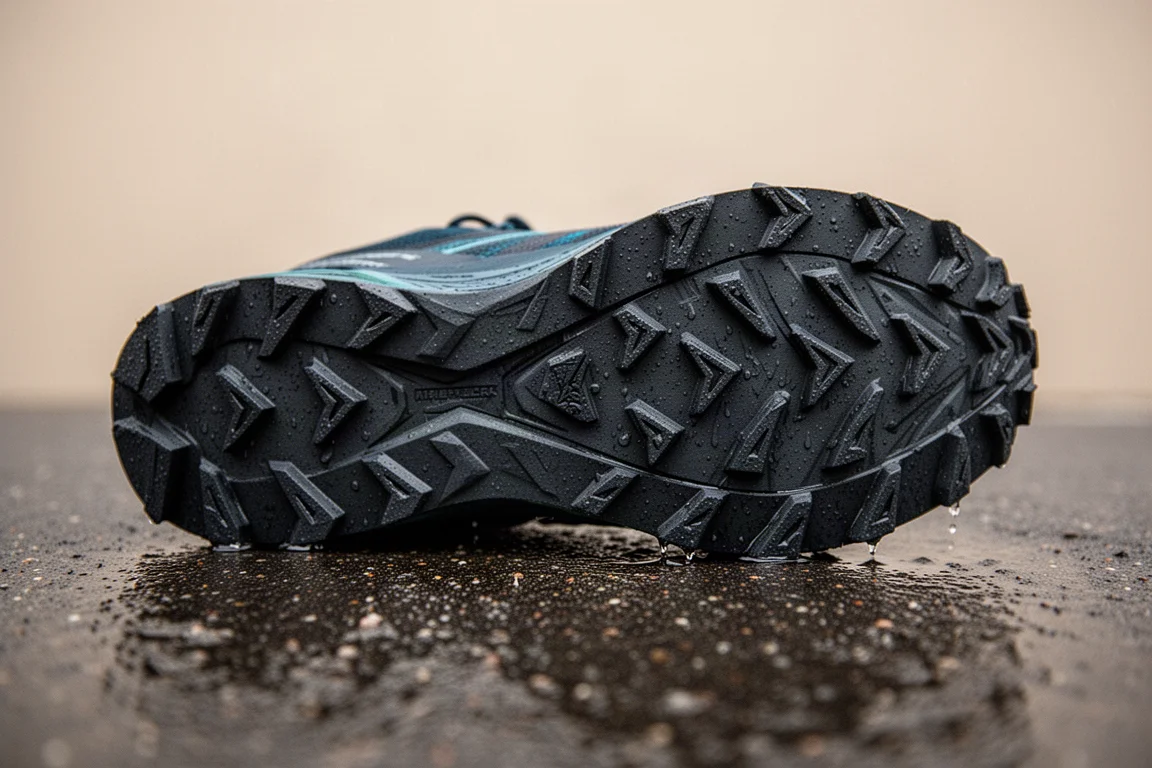
On gravel it was decent, though slightly uneven at times, and it did not offer much traction in genuinely muddy conditions. There is nowhere for debris to hide, which makes cleaning remarkably easy: a quick blast from a hose restored the upper and outsole to near-new condition after a very muddy first outing. The outsole scores 2.8 out of 3.
Value: A Well-Built One-Shoe Solution
As a single shoe covering road, grass, parkruns, and lighter trails, the Pegasus Trail 5 does the job well. Build quality stands out: this is among the best-put-together Nike shoes purchased in a long time, with clean stitching, no glue marks, and pieces that fit together properly. It is also one of the cheapest Nike shoes bought in recent years, which says something about the brand’s quality control.

The main reservations are weight, at 345g for this size, and the React X foam’s lack of that steppy feel some runners expect. Durability should not be an issue given the generous lug depth. Initial-run value score: 2.9 out of 3.
Things to Consider Before Buying
This is not an ultra-muddy trail shoe, and runners who want aggressive traction have better-suited options, including models with Vibram outsoles at a higher price. The Pegasus 40, and the incoming Pegasus 41, are alternatives on the road side, while the Puma Velocity Nitro 3 can handle much of the same ground with more traditional lugs. For UK trails, which can mean bogs, fords, and nasty gravel, the upper is comfortable but lacks serious trail-specific features; it is better matched to buffed-out trails.
Buying Advice
Choose the Pegasus Trail 5 if you want one cushioned shoe for road, grass, gravel, and light trails, especially if you are a heavier runner or someone who values lockdown and build quality. Think twice if you run in a very wet climate, need a rock plate and technical traction, or want a lightweight speed option.
Conclusion
Better than expected, particularly once the React X midsole has been broken in, the Pegasus Trail 5 is one of the better Nike offerings in a while for mixed-surface daily running. It will not replace a dedicated trail shoe for mud or a lightweight racer for tempo days, but as an accessible one-shoe solution, it covers a lot of ground.
Product link
View more details for Nike Pegasus Trail 5
This product is mentioned in the review. Check the specifications, options, and compatibility before buying.
View more details for Nike Pegasus Trail 5Further reading
Related Reviews

Running Shoes
Best Road-to-Trail Running Shoes: Three Versatile Options for Mixed Terrain
A practical guide to three road-to-trail running shoes that handle both pavement and mild trails, with clear strengths and trade-offs for different runner types.

Running Shoes
Best Running Shoes for Achilles Tendonitis: Three Options Explained
Three running shoes with different heel drops and support features designed to help reduce Achilles tendon pain during walking and running.

Running Shoes
Best Running Shoes for Women: Five Top Choices Ranked
A ranked guide to five women's running shoes, from versatile daily trainers to high-performance racing options, with real strengths and trade-offs for each.