Trail Running Shoes
Nike Pegasus Trail 4 vs Two Rivals: Which Road-to-Trail Shoe Fits Your Running?
The lighter, stripped-back Pegasus Trail 4 takes on the Inov-8 Parkclaw G 280 and On Cloudvista in the crowded road-to-trail category.
Introduction
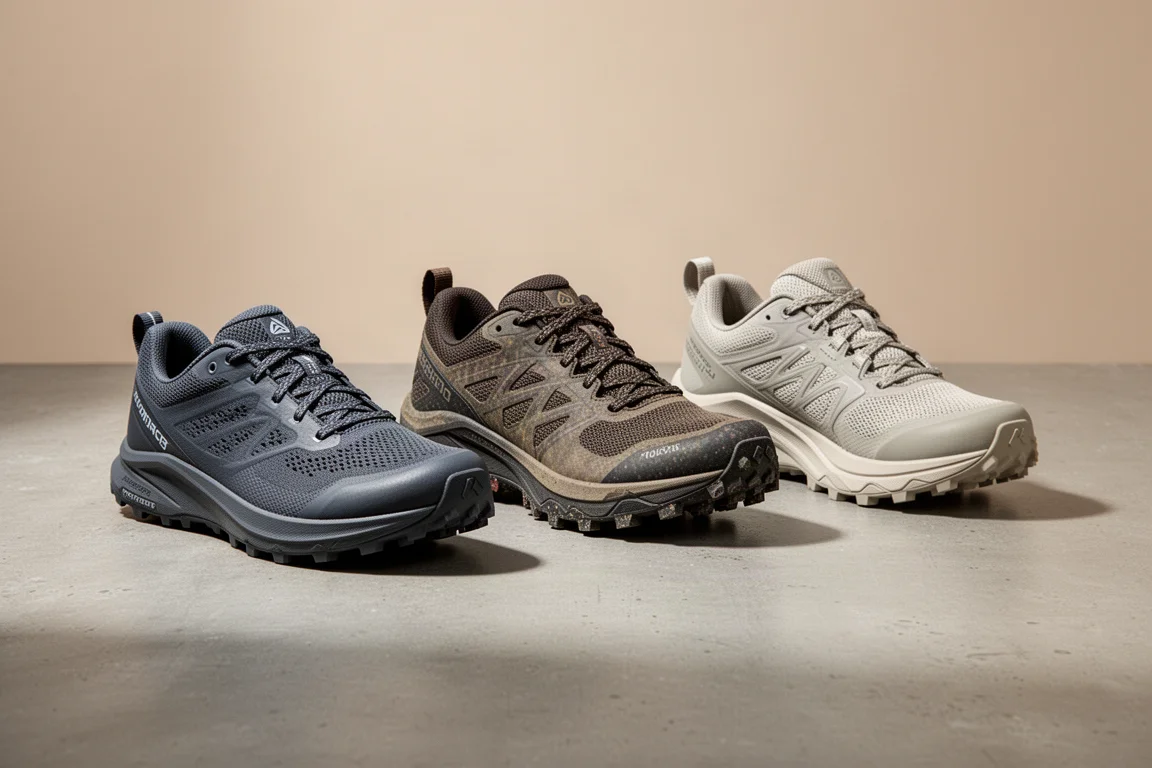
Road-to-trail shoes have become the default choice for runners who mix pavement, hard-packed paths and light forest trails in a single outing. The latest Nike Pegasus Trail 4 arrives as a meaningful refresh in this category, and it faces stiff competition from two newer rivals: the Inov-8 Parkclaw G 280 and the On Cloudvista. Here is how the three stack up and who each one suits best.
Nike Pegasus Trail 4: Lighter, Leaner, More Nimble
The headline change is weight. The Pegasus Trail 4 comes in at 294 grams (10.4 ounces) in a UK size 9, down from 326 grams in the Pegasus Trail 3. That is more than an ounce shed, and it costs the same: £114.95 in the UK and around $130 in the US. The drop sits somewhere in the 9 to 10 millimetre range, close to the Trail 3’s listed 9.5 millimetres.

The approach echoes what Nike did with the Pegasus 39 road shoe: strip the design back, lighten it, and simplify the upper. The result recalls the original Pegasus Trail from the Pegasus 36 era. You still get the same React midsole as the previous two editions, so the underfoot feel is recognisably cushioned and stable, but the shoe wears quite differently.
A Redesigned Outsole Aimed at Better Grip
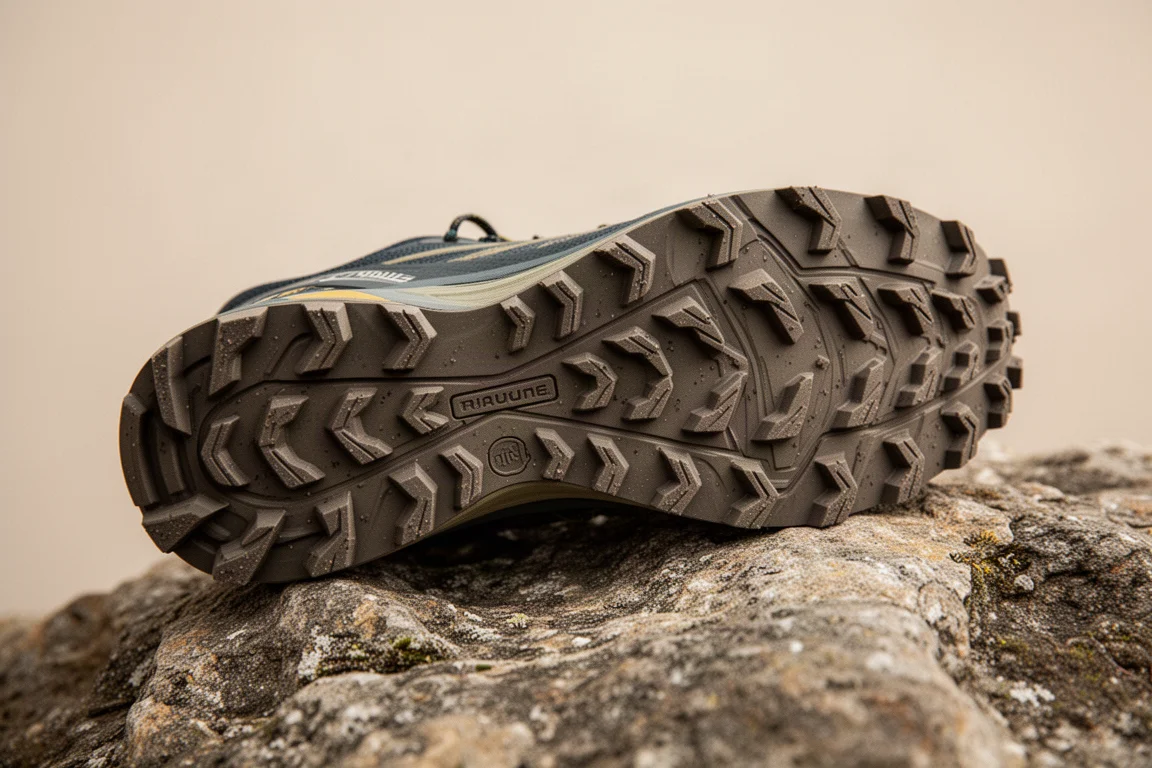
The Pegasus Trail 3 had a known weakness: grip, especially on wet hard-packed tracks. Nike has answered with a completely new outsole. The lug pattern looks closer to the Pegasus 39 road shoe, but the lugs are deeper and more aggressive, and there are more of them while remaining broad enough for road comfort.
First runs on hard-packed forest trails, mud patches and grass were encouraging. The shoe gripped well in muddy puddles, and the lighter build made climbs feel easier. Wet rock and slick hard ground, the true test for this outsole, still needs more miles, so cautious optimism is the fairest verdict there.
Fit has also improved. The Trail 3 was roomy enough in the toe box that some runners could size down; the Trail 4 keeps a roomy front but in a well-judged way, with secure midfoot and heel hold helped by Flywire cables around the midfoot. It runs true to size. The breathable mesh upper replaces the Trail 3’s overlays, and the toe bumper has been removed to save weight, so this is clearly a shoe for well-groomed trails rather than technical terrain.
Inov-8 Parkclaw G 280: The Standout Road-to-Trail Contender
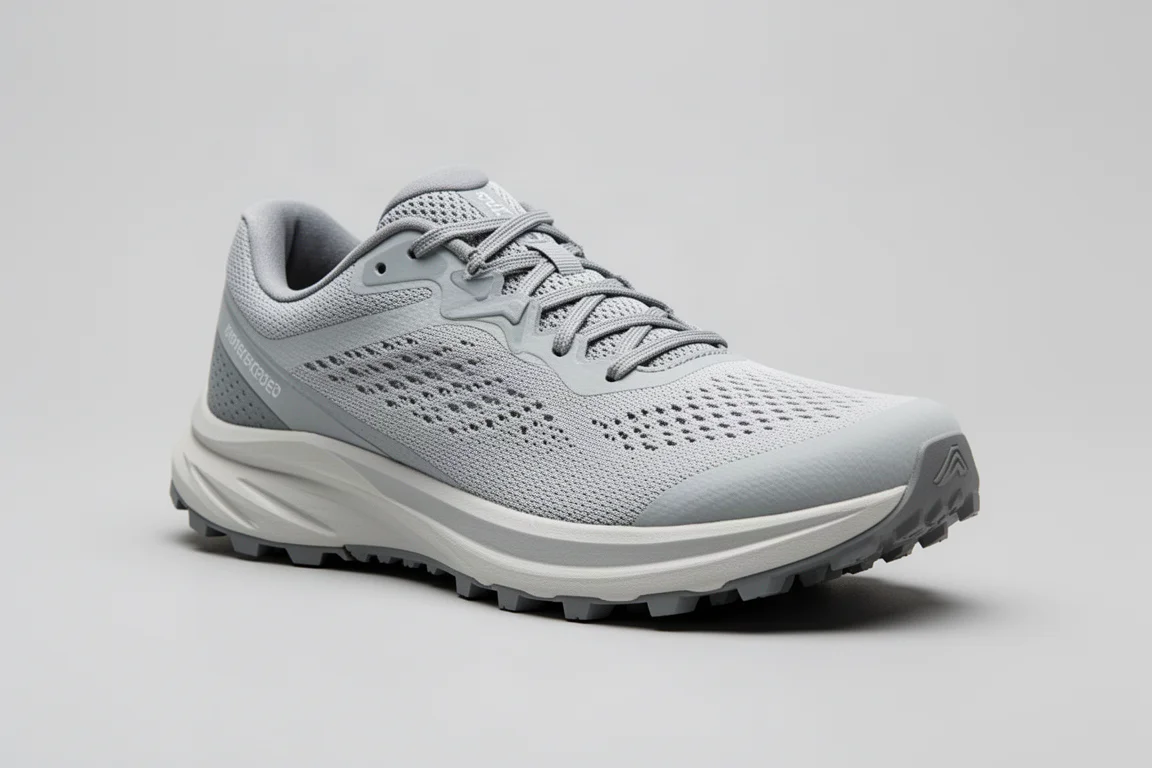
The Parkclaw G 280 has emerged as one of the strongest all-round road-to-trail shoes since the Pegasus Trail 3 launched. On the road it is remarkably comfortable, which is surprising given its rugged, stiff-looking trail build. Off-road it grips like a true trail shoe across a real range of conditions.
For runners who split their time more evenly between tarmac and proper trail surfaces, this combination of road comfort and genuine trail grip makes the Parkclaw G 280 a very compelling pick, and arguably the benchmark the Pegasus Trail 4 has to beat.
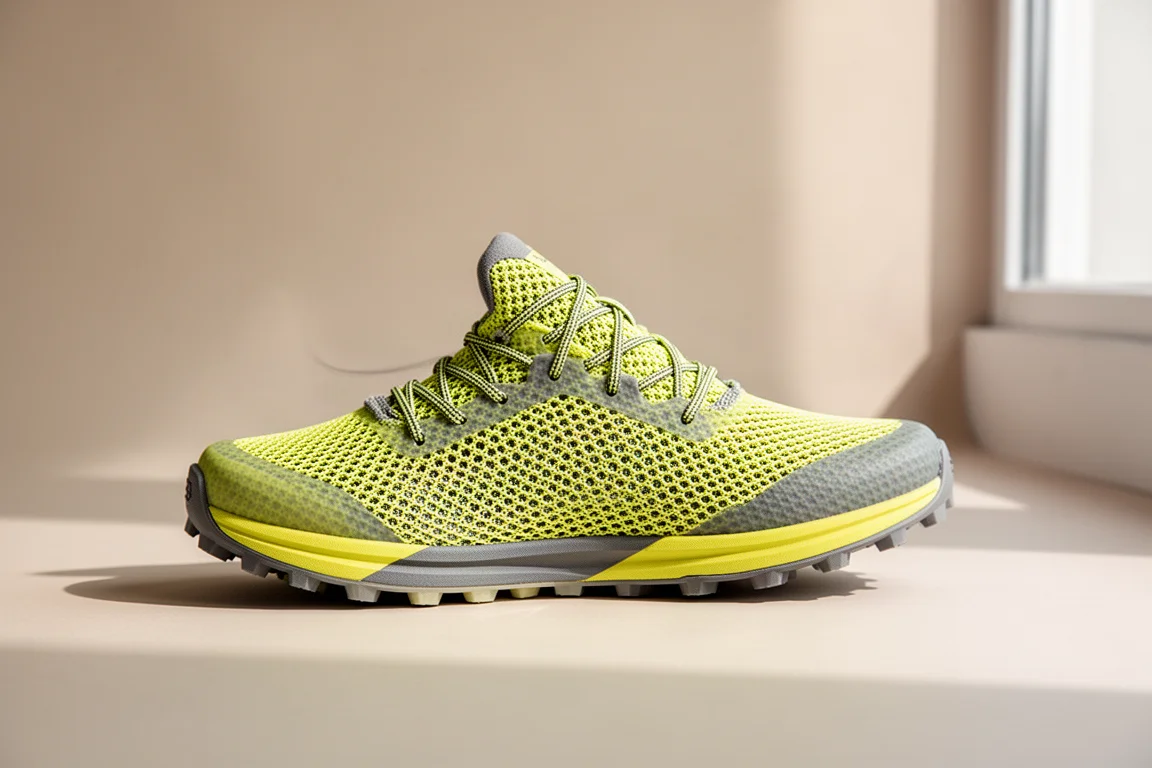
On Cloudvista: A Tamer Option for Easy Ground
The On Cloudvista sits at the milder end of the road-to-trail spectrum. It is very pleasant on the road and comfortable underfoot, making it a good cruiser for mixed easy routes. On more demanding trails, though, it can feel a little skittish, so it rewards runners who stick to smoother, less technical ground.

If your runs lean heavily toward road and gravel with only occasional light trail, the Cloudvista is another solid road-to-trail option worth having on the shortlist.
View more details for On Cloudvista
Which One Should You Buy?
Choose the Nike Pegasus Trail 4 if you loved the Trail 3’s comfort but wanted a lighter, more nimble shoe with a better shot at wet-ground grip, and your trails are mostly well-groomed. Pick the Inov-8 Parkclaw G 280 if you want the most confident grip across varied conditions without sacrificing road comfort. Go for the On Cloudvista if your routes are tame and comfort on smoother surfaces matters most.
Conclusion
The Pegasus Trail 4 is a smart update: lighter, stripped back, more nimble, and wearing a redesigned outsole that shows Nike listened to grip complaints, while keeping the React cushioning that made its predecessor so easy to cruise in. Whether it edges past the Parkclaw G 280 or the Cloudvista depends on how technical your trails really are.
Further reading
Related Reviews
Trail Running Shoes
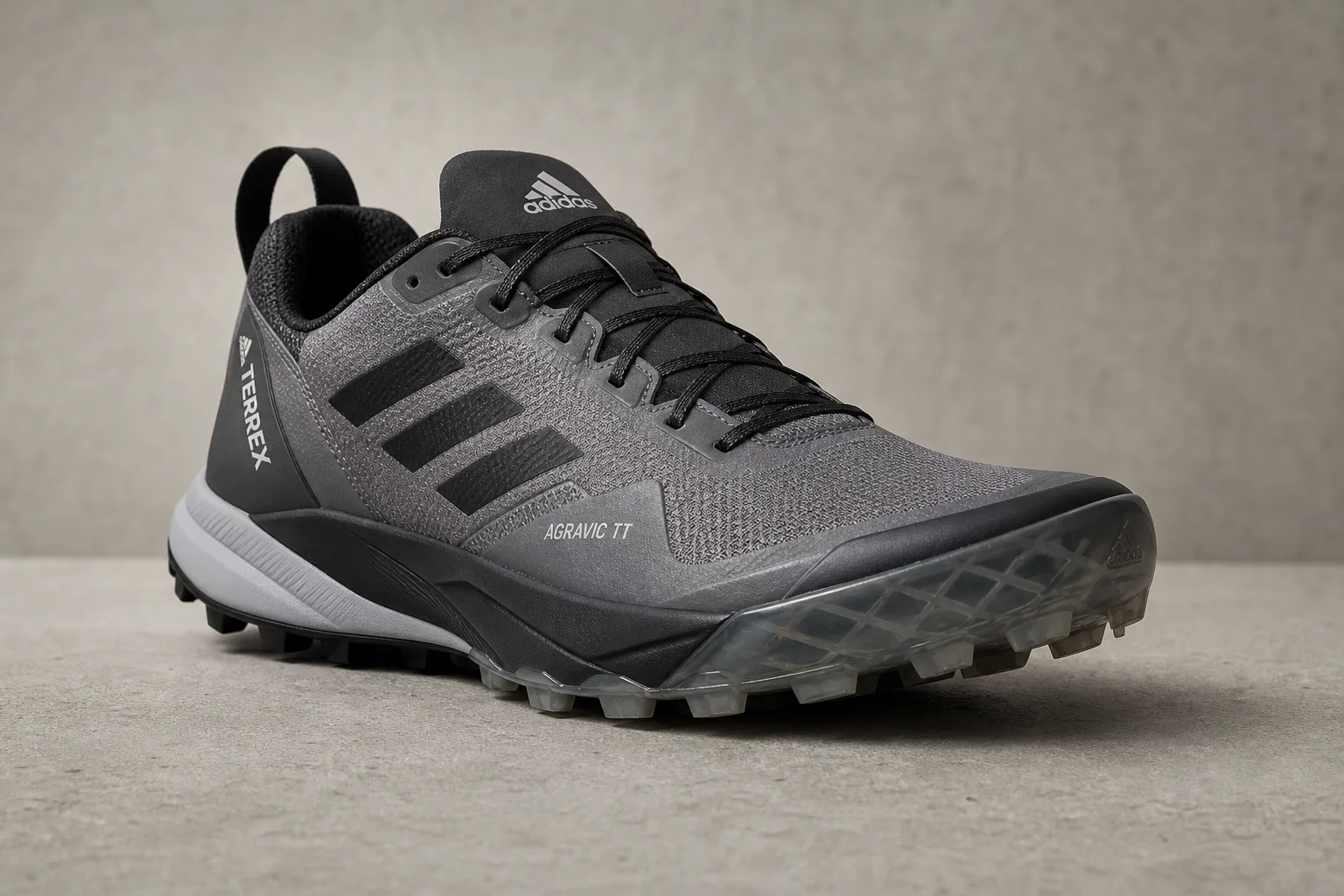
Adidas Terrex Agravic TT Review: A Technical Trail Shoe Built for Rocky Terrain
The Adidas Terrex Agravic TT combines a full-coverage rock plate with a firmer midsole to deliver protection and stability on technical, rocky trails. A capable choice for runners who prioritize underfoot defense over lightweight cushioning.
Trail Running Shoes
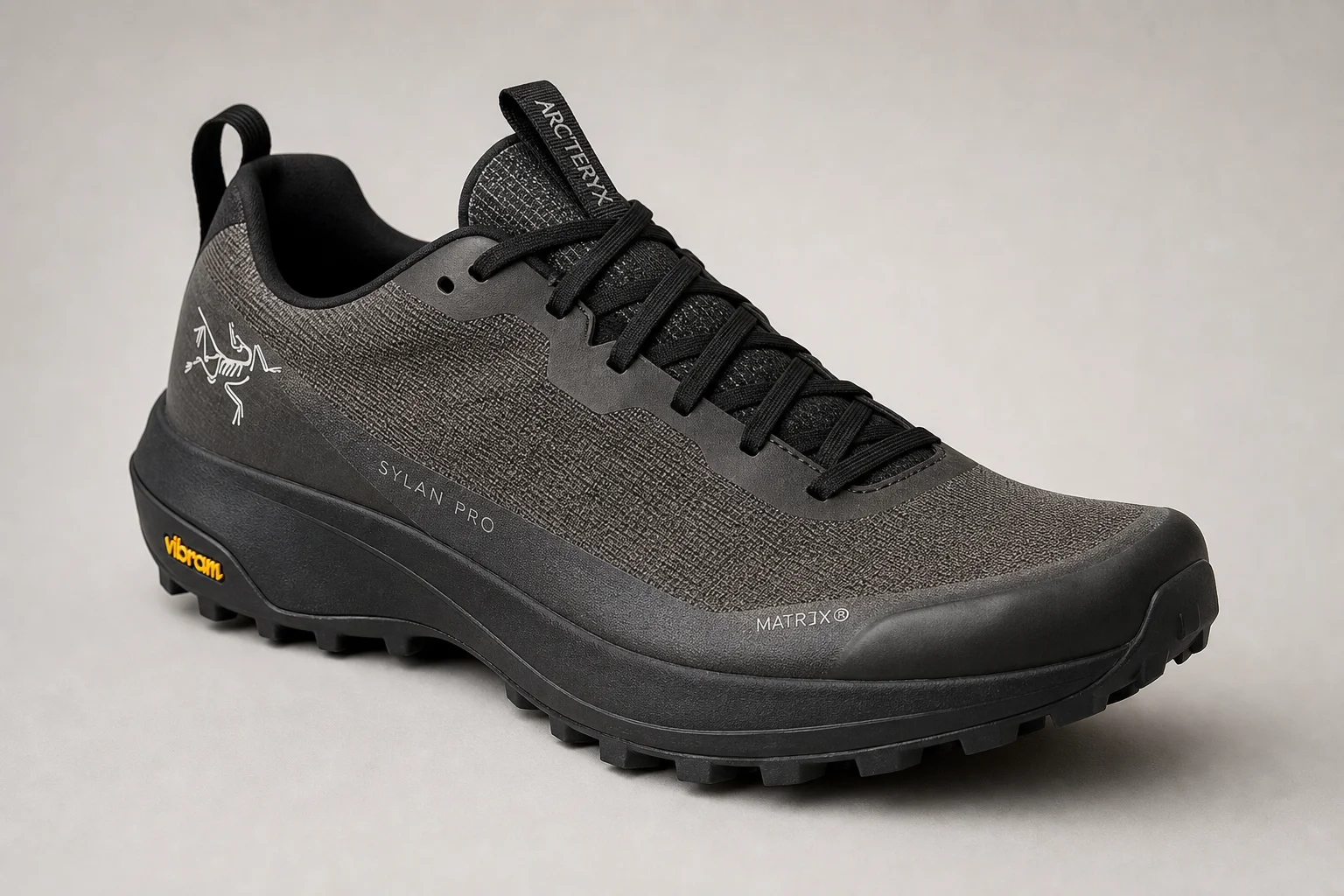
Arc'teryx Sylan Pro Review: A Rocker-Focused Mountain Running Shoe Tested on 20 Miles
The Arc'teryx Sylan Pro brings a pronounced rocker geometry and secure fit to mountain terrain. We tested it on a 20-mile Sawtooth loop to evaluate its climbing efficiency, protection, and handling of technical descents.
Trail Running Shoes
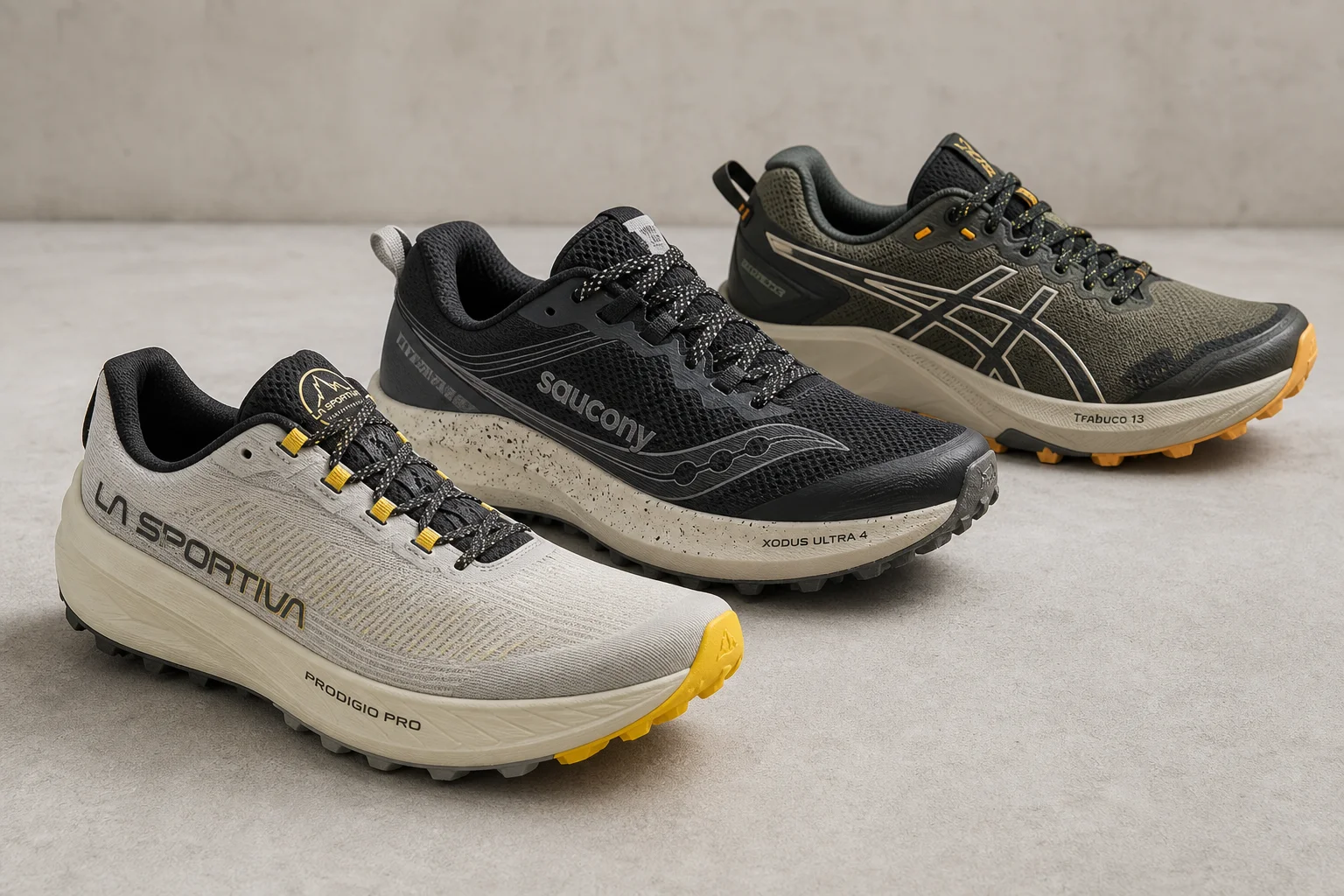
Best All-Mountain Trail Running Shoes: Three Versatile Options for Any Trail
A focused roundup of three all-mountain trail running shoes that handle technical terrain, long distances, and variable conditions with real strengths and practical trade-offs.