Trail Running Shoes
Nike Pegasus Trail 4 Review: A Step Forward for Nike Trail
After roughly 50 miles of testing on dry, wet, and muddy trails, here's how the redesigned Nike Pegasus Trail 4 stacks up on fit, grip, comfort, and durability.
Introduction
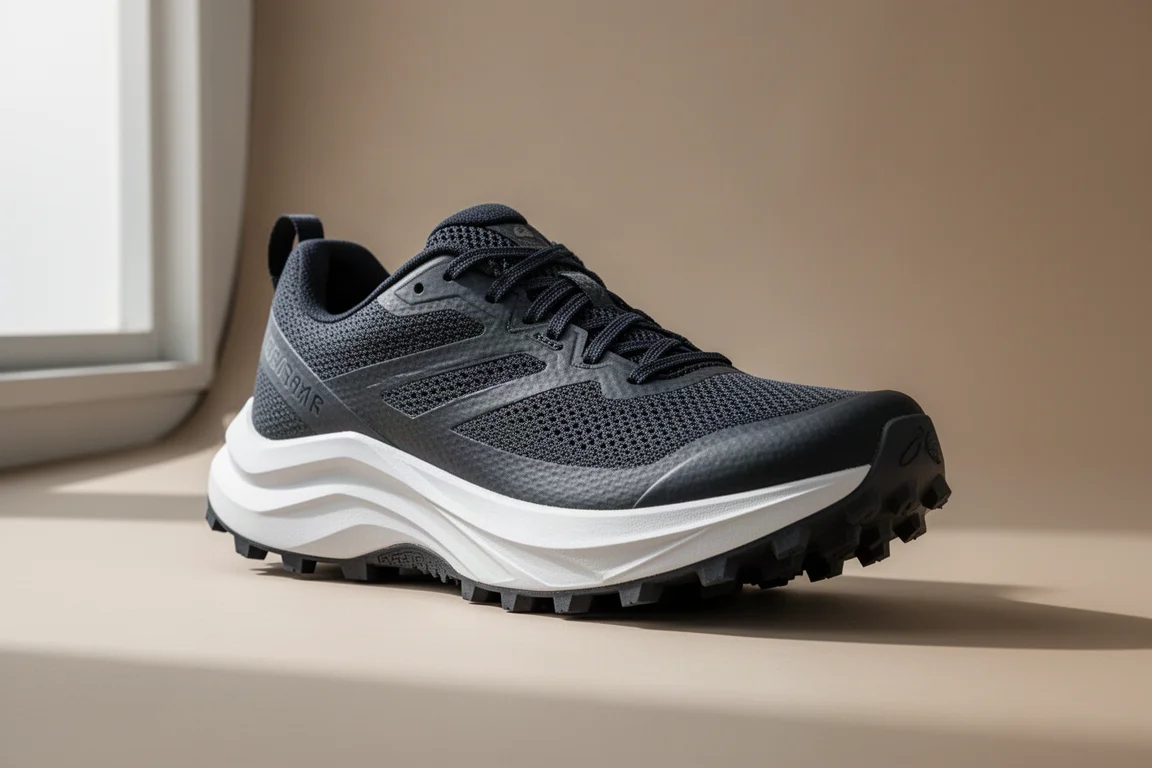
Nike’s trail running shoes have historically been a tricky recommendation, especially when conditions turn wet and muddy in British weather. So there was genuine skepticism going into the Nike Pegasus Trail 4, a shoe redesigned from the ground up with a new upper, midsole, and outsole. After roughly 50 miles of testing, including some genuinely wet and slippery conditions, it turned out to be more capable than expected, though one familiar weakness remains.
Specs and Construction
The Pegasus Trail 4 retails in the UK for £114.95, weighs 285g in a men’s UK 9.5, and runs on a 9mm heel offset with 3 to 4mm lugs. It’s available in two color options for men and three for women. The fit is true to size with average toe box width, though the volume is quite shallow.
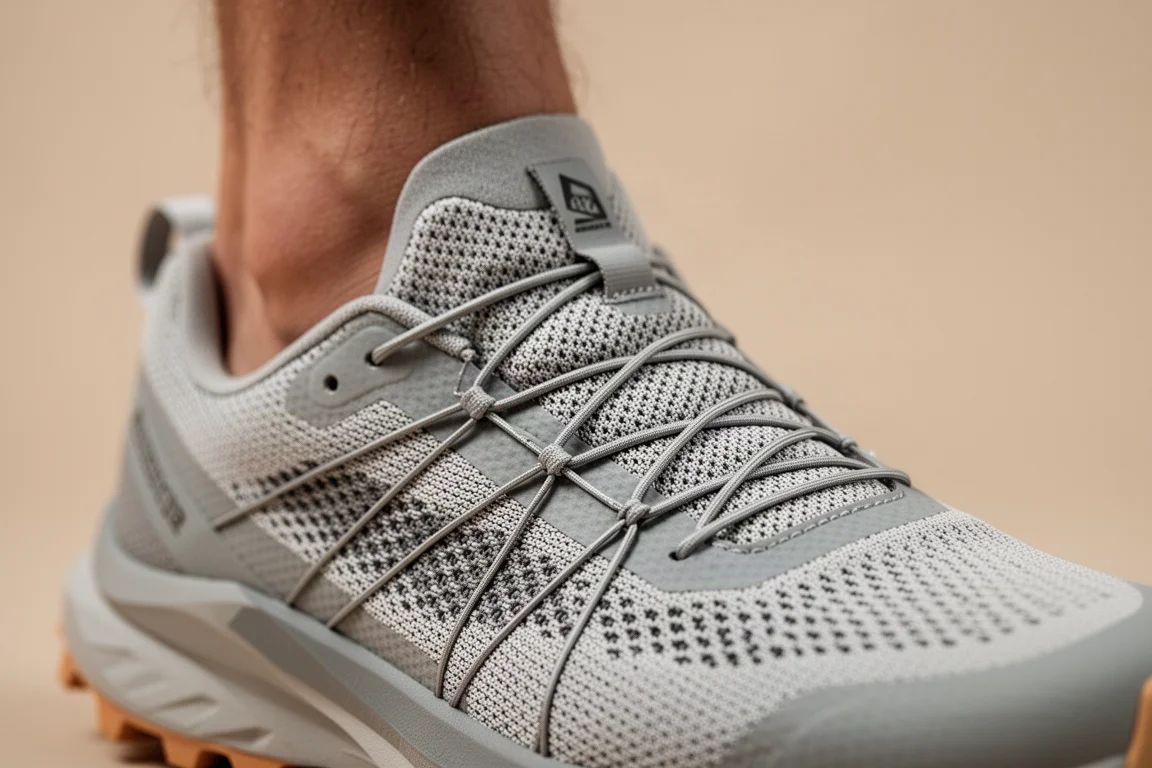
The upper uses lightweight engineered mesh with plenty of tiny perforations around the toe box, midfoot, and tongue for airflow. Nike has reintroduced its Flywire system, with wires running down internally to the midsole, paired with a gusseted tongue to lock the midfoot down. Structural overlays around the lace eyelets add durability, and there’s decent padding around the ankle collar plus a handy heel pull tab.

The midsole is full-length Nike React, a compound that has always performed well on hard-packed trails and tarmac but has previously felt unstable on uneven ground. This time, Nike has sunk the foot down into the foam, creating a slight guide rail that wraps around the foot. Finally, the outsole is essentially full rubber with 3 to 4mm lugs in a multi-directional pattern, designed to grip trails while still rolling smoothly on road sections.
Fit and Upper
Previous Pegasus Trail models fit sloppier, with noticeable slippage around the midfoot that caused stability problems on uneven ground. That’s fixed here. The combination of the Flywire system and gusseted tongue delivers a far more secure lockdown, with no lateral or medial slippage and a much stronger sense of connection to the shoe.
Padding around the ankle collar, heel, and tongue hits a nice balance between comfort and structure. Ventilation is also genuinely good: no hot spots, blisters, or overheating, even in warm conditions.
Two caveats worth knowing before buying. First, the toe box is noticeably lower in volume and narrower than the roomier Pegasus Trail 2 and 3, so fans of that older fit may be disappointed. Second, the toe box fabric is very soft with essentially no protection and no toe bumper, so kicking a rock or root on the trail will likely hurt both your toes and the shoe.
Midsole and Stability
The redesigned midsole is arguably the biggest story of this shoe. Where earlier versions sat high on a deep, soft React platform that felt wobbly underfoot, the Pegasus Trail 4 sinks you into the compound, and the surrounding sidewalls act like a subtle guide rail. The result feels planted and stable on uneven trails in a way previous versions simply didn’t.
On hard-packed ground and road sections, it’s everything you’d want from React: smooth, comfortable, and forgiving. For mixed runs that start with a stretch of tarmac before hitting the trails, this shoe makes that crossover genuinely pleasant. It’s one of the best-feeling Nike trail midsoles tested to date.
Grip and Traction: The Outsole Test
This is the section where Nike trail shoes usually fall apart, so testing focused hard on it. The first runs were in hot, dry weather on dusty woodland trails, and the shoe handled roots and loose terrain well.
Then came the wet testing. On wet rock, the news was surprisingly positive: grip felt noticeably improved over previous versions, confidence grew with every mile, and there was no slippage at all. It’s still not at the level of the best rubber compounds in the category, but the improvement is real.
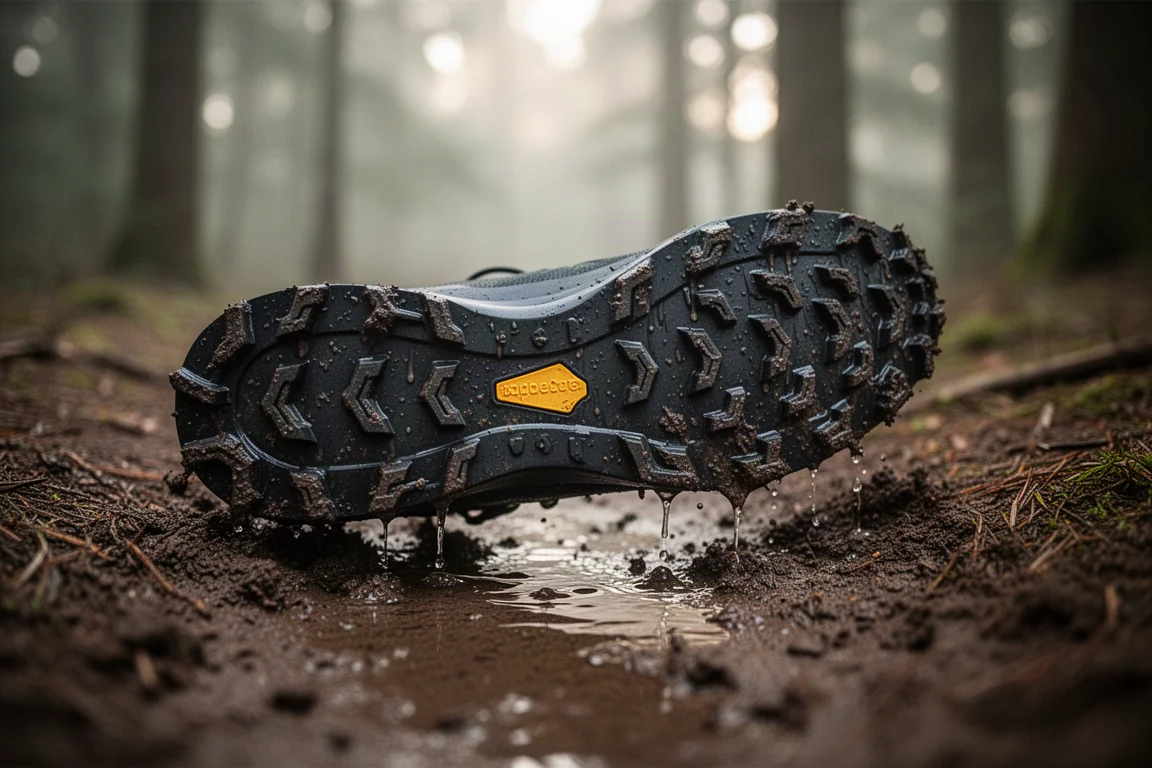
Mud is a different story. With the shallow lug depth and reverse-facing heel lugs, steep wet, greasy descents eroded confidence quickly, forcing careful, slow running. It’s exactly the limitation the lug pattern suggested. Then there’s drainage: after running shin-deep through seawater during a beach 10K, one shoe was still squelching at the finish line. These are among the worst-draining trail shoes around.
Durability and Scoring
Durability is where Nike usually excels, and this shoe is no exception. After 50 miles including plenty of road, the upper shows no early fatigue or stress at the flex point, and the outsole looks essentially untouched.

On scoring, the £115 price feels fair against current trail shoe pricing, earning 8/10. Comfort and performance splits into an 8/10 in dry conditions and a 4/10 in wet ones, averaging 6/10 overall. Durability earns a solid 8/10. That totals 22/30, likely the highest score a Nike trail shoe has received in this kind of testing.
Styling-wise, the launch colorway is light-toned, meaning it will show dirt quickly, and it’s not the most exciting design, but brighter colorways are sure to follow. As for comparisons, the closest match is Nike’s discontinued Pegasus 36 Trail, with the Hoka Torrent 2 (slightly lighter) and Brooks Cascade offering similar running experiences.
Buying Advice
If most of your trail running happens on less technical terrain like fire roads and tow paths, with road sections mixed in, the Pegasus Trail 4 performs really well and does it comfortably. The improved fit, stable midsole, and better wet-rock grip are genuine steps forward.
If you run year-round on technical, wet, muddy trails and need a shoe that inspires confidence on slippery descents, look elsewhere. There are trail shoes on the market that handle those conditions considerably better.
Conclusion
The Nike Pegasus Trail 4 is a clear step in the right direction for Nike trail running. The Flywire-equipped upper finally delivers a secure lockdown, the sunken React midsole is the most stable the line has offered, and the outsole rubber has genuinely improved on wet rock. Its shallow lugs and poor drainage keep it out of serious mud and wet-weather rotation, but for dry-season trail runners who cross over to tarmac, it’s a strong, well-built option at a fair price.
Product link
View more details for Nike Pegasus Trail 4
This product is mentioned in the review. Check the specifications, options, and compatibility before buying.
View more details for Nike Pegasus Trail 4Further reading
Related Reviews
Trail Running Shoes
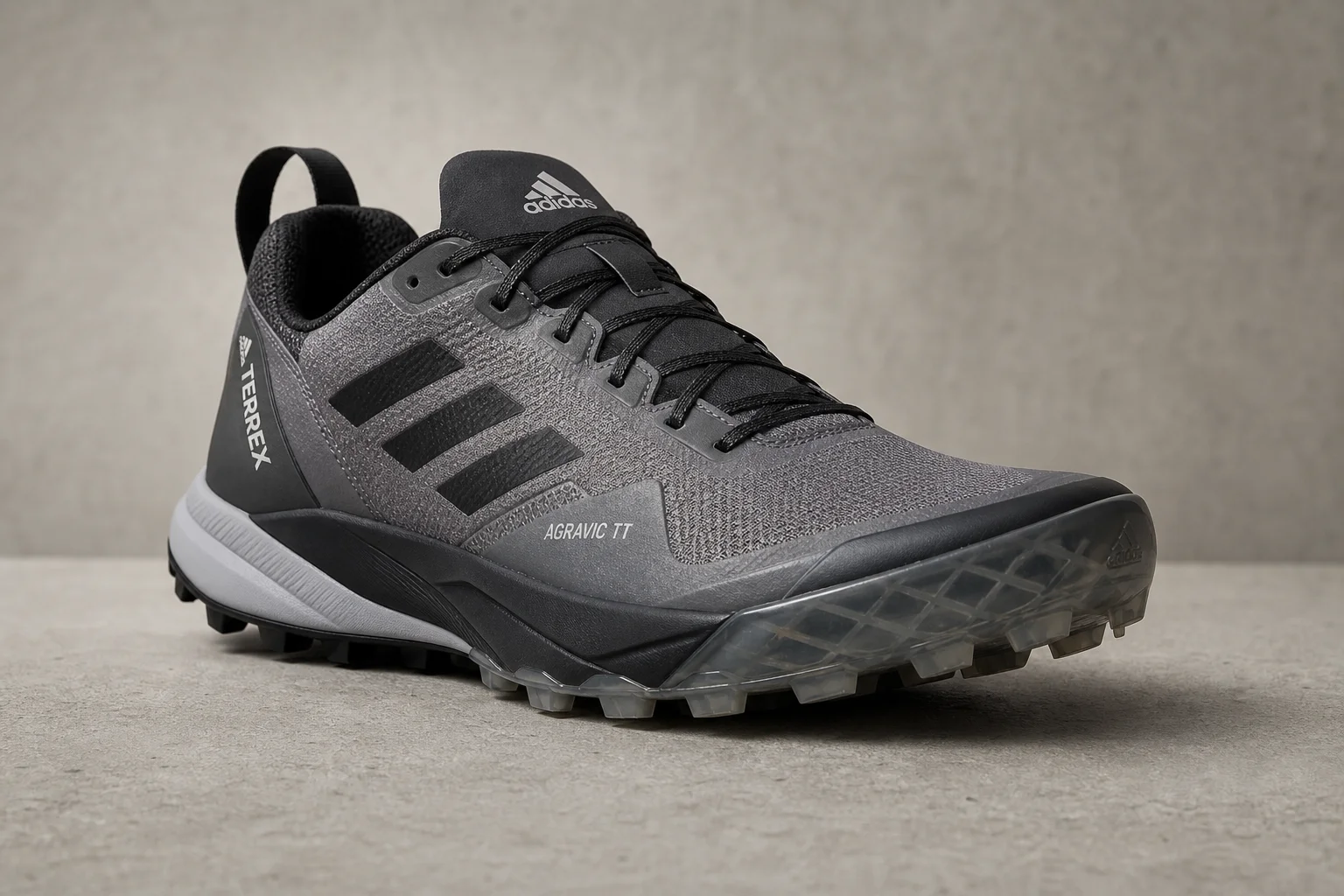
Adidas Terrex Agravic TT Review: A Technical Trail Shoe Built for Rocky Terrain
The Adidas Terrex Agravic TT combines a full-coverage rock plate with a firmer midsole to deliver protection and stability on technical, rocky trails. A capable choice for runners who prioritize underfoot defense over lightweight cushioning.
Trail Running Shoes
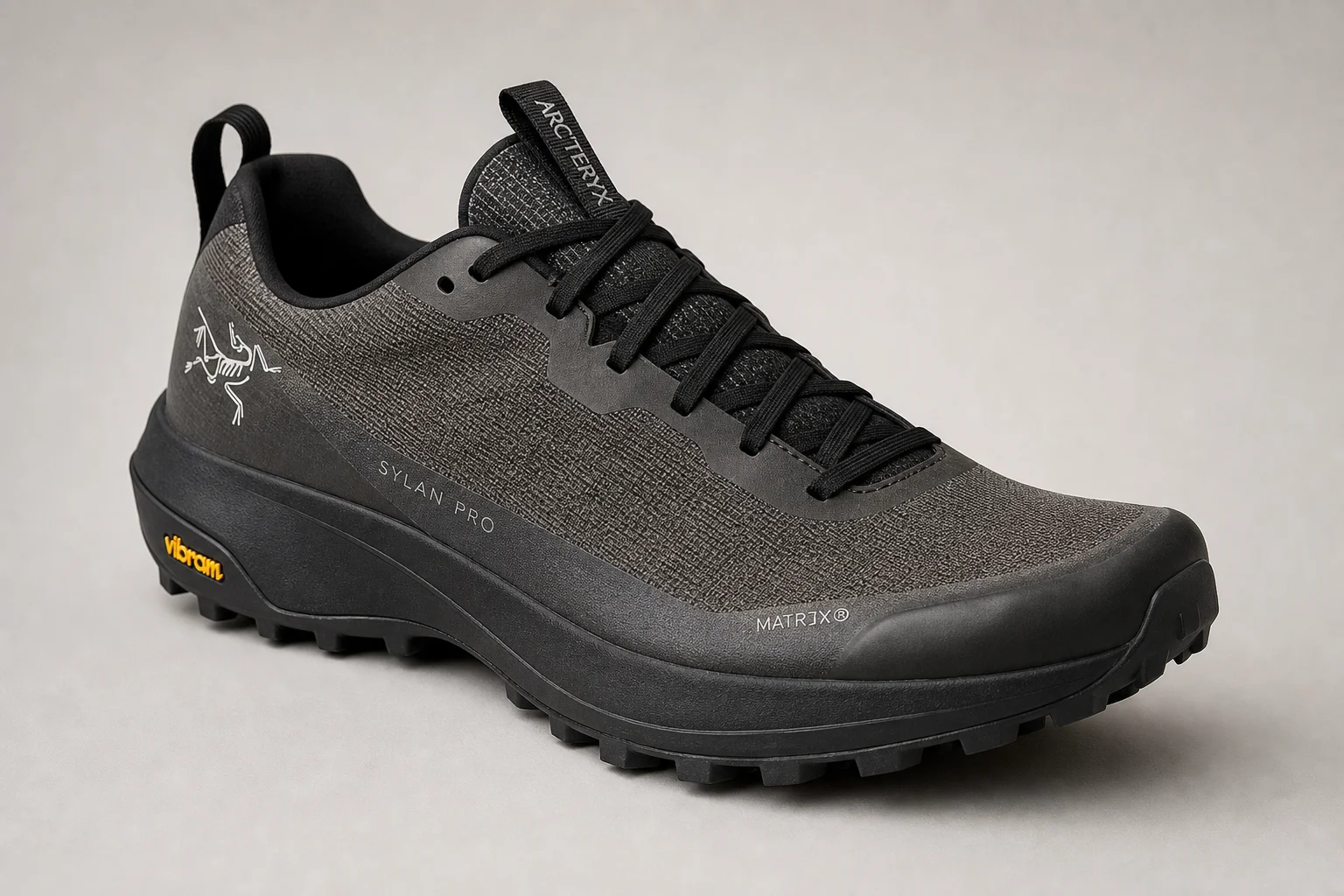
Arc'teryx Sylan Pro Review: A Rocker-Focused Mountain Running Shoe Tested on 20 Miles
The Arc'teryx Sylan Pro brings a pronounced rocker geometry and secure fit to mountain terrain. We tested it on a 20-mile Sawtooth loop to evaluate its climbing efficiency, protection, and handling of technical descents.
Trail Running Shoes
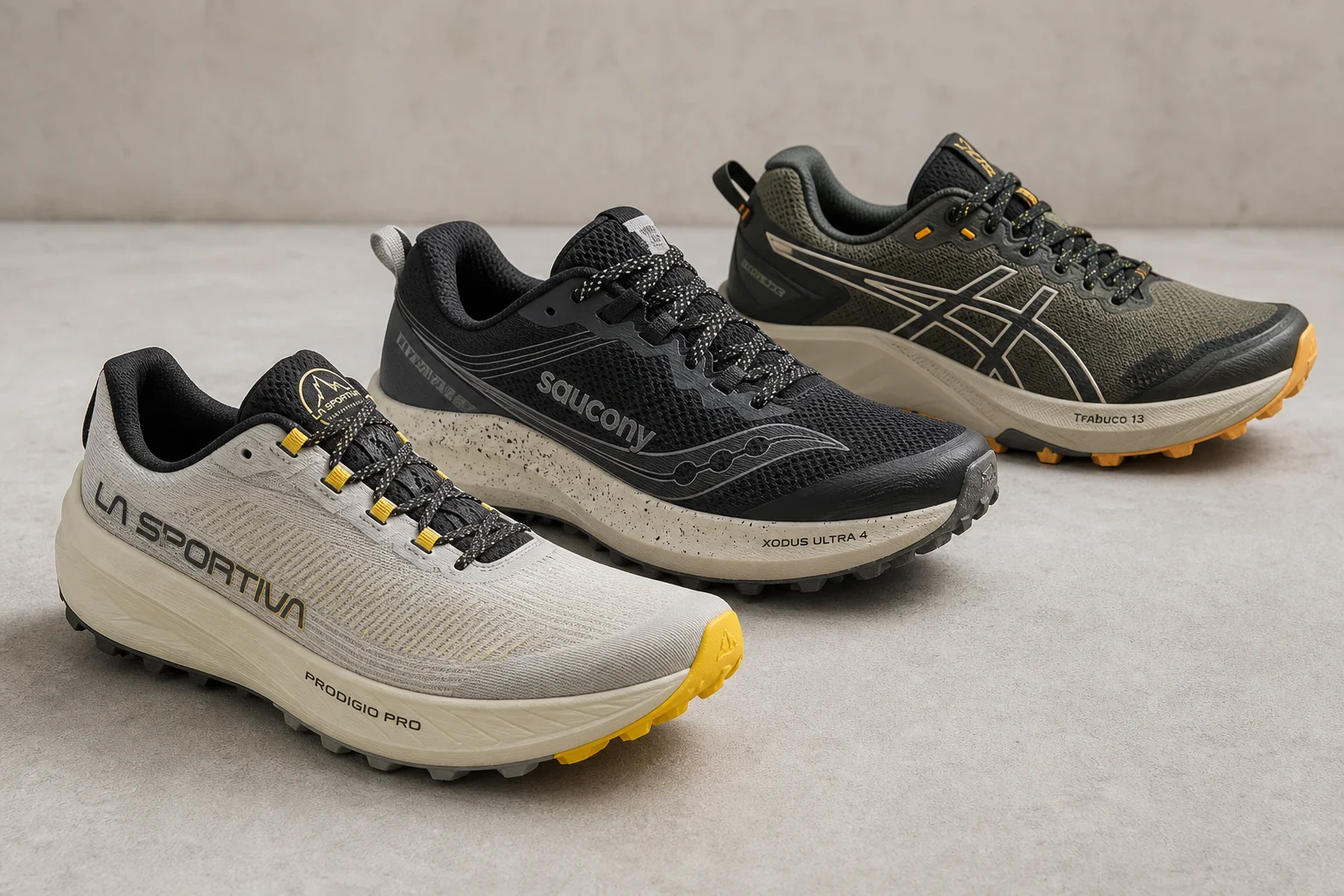
Best All-Mountain Trail Running Shoes: Three Versatile Options for Any Trail
A focused roundup of three all-mountain trail running shoes that handle technical terrain, long distances, and variable conditions with real strengths and practical trade-offs.