Trail Running Shoes
Nike Pegasus Trail 4 First Run: A Trail Shoe That Finally Feels Right
Nike's updated trail runner gets a lighter upper, a lower and more stable midsole setup, and a full rubber outsole. Here is how it performed on a seven-mile test across mixed terrain.
Introduction
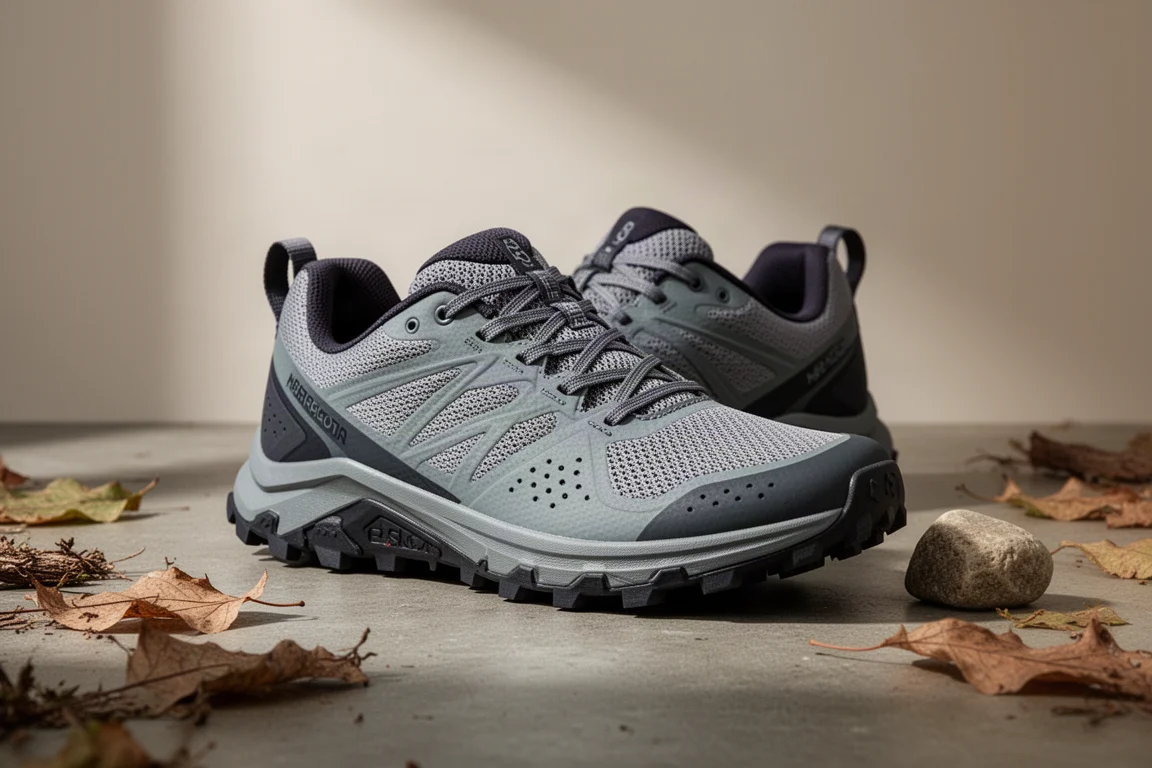
The Nike Pegasus Trail 4 has landed, and it reads like a much bigger update than a simple version bump. Nike has long been strong on the road, but its trail running line has often lagged behind. This new Pegasus Trail is pitched squarely at the door-to-trail market, built to handle a big mix of terrain, and after a first seven-mile run across dry trail, rooted sections, loose gravel and tarmac, it feels like the most convincing Nike trail shoe in a while.
Key Specs and Design Changes
Weighing in at 285 grams in a men’s UK 9.5, the Pegasus Trail 4 now runs a 9mm heel offset with a 36mm stack height. It retails in the UK for £114.95, which feels reasonable next to its competitors.
This is essentially a brand new shoe from the ground up. The most notable changes are a lighter construction, a lowered and more stable midsole, and a full rubber outsole, three areas where previous versions fell short.
Upper, Fit and Comfort
The upper uses a lightweight twin mesh design with added perforations around the midfoot, toe box and even the gusseted tongue, which should keep feet cooler in hot summer conditions. Nike’s Flywire technology makes the crossover from the Pegasus 39 road shoe, helping midfoot lockdown, while a sturdy heel cup, padded ankle collar and heel pull tab round out a comfortable, secure fit. Structural overlays run from the heel around the laces for extra durability.
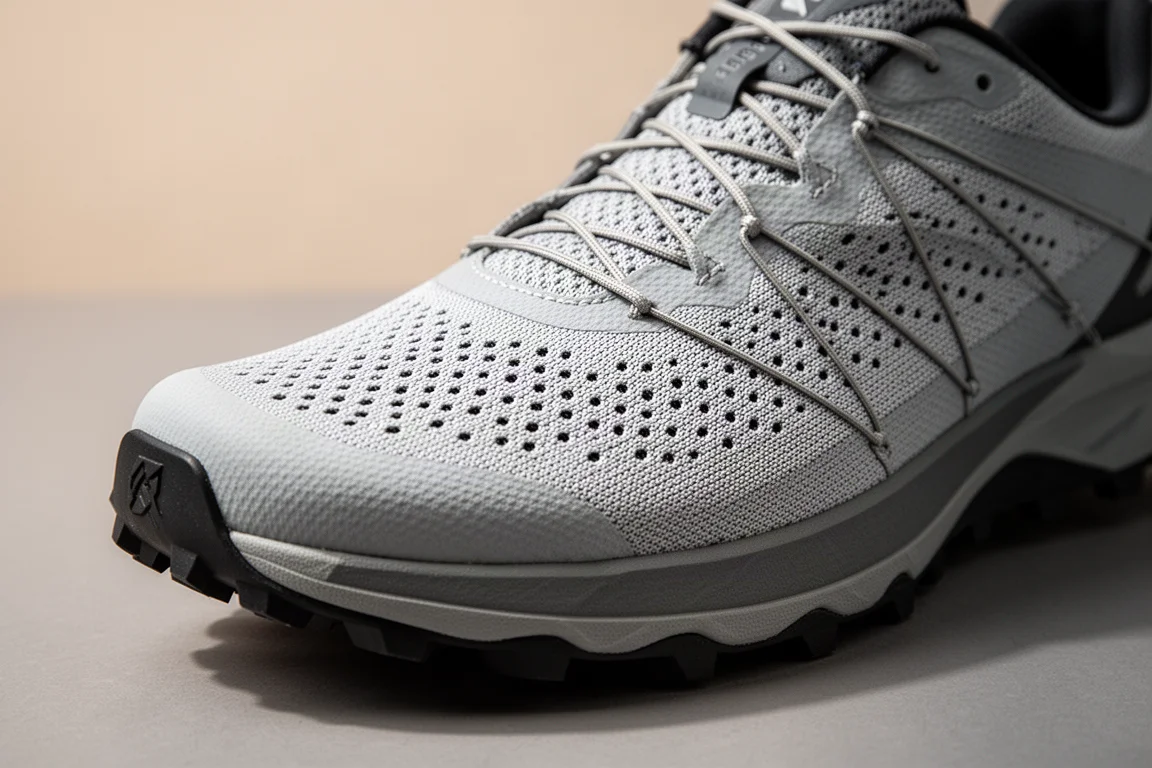
Straight out of the box, the fit is comfortable and true to size with no hot spots or rubbing. There are two caveats: the toe box is quite shallow in depth and not especially wide, which could be an issue for runners with higher-volume or wider feet. There is also no toe bumper, so a stubbed toe would take the full force of an impact.
Midsole and Stability
The full Nike React midsole carries over, but the setup has changed in a meaningful way. Previous versions stacked deep, soft React cushioning that felt unstable on uneven ground. This time Nike has reduced the cushioning under the foot and sunk the foot down into the midsole, adding a full guide rail wrapping around it.
The result is a platform that feels closer to the ground, more connected and noticeably more stable on technical terrain. On the run, the midsole felt bouncy, responsive and more responsive than the previous version, and the shoe felt planted even through rooty sections.
Out on the Trail
Roughly a mile into the first run, the shoe felt good underfoot on a nice, rooty woodland section. Dry and firm ground suited it, and it was brilliant on tarmac in true Nike trail style.
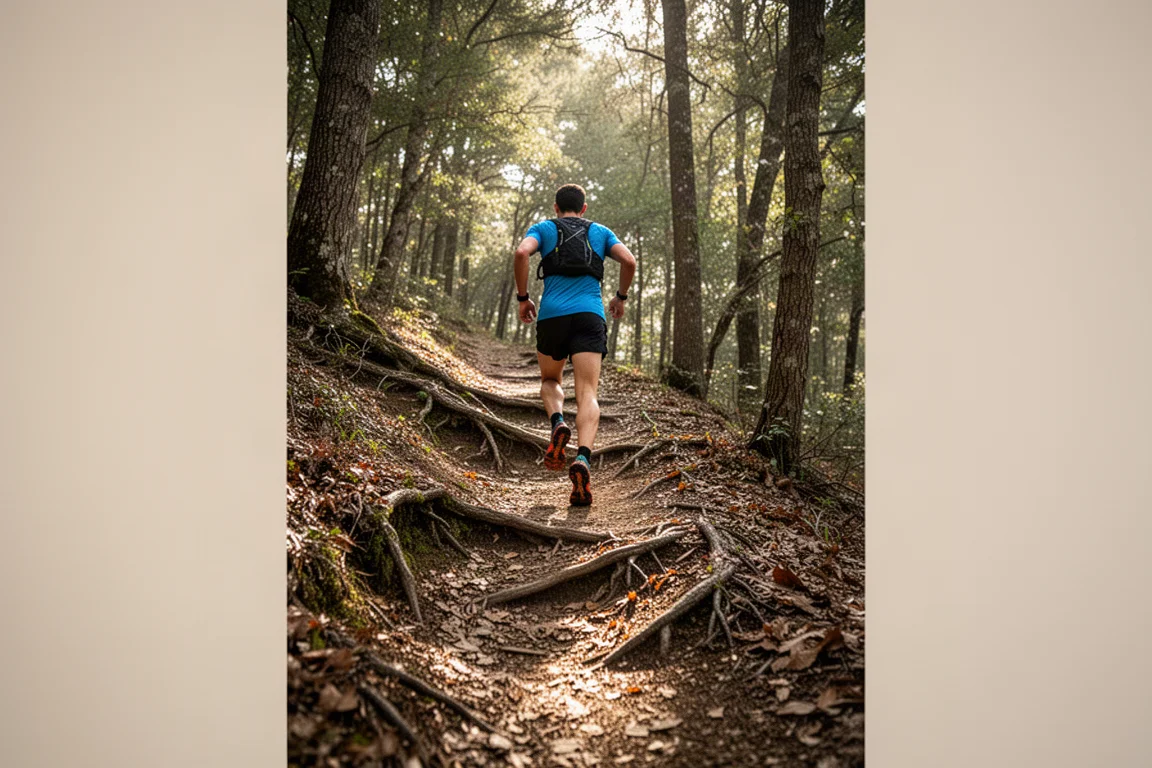
The real test came on a technical ridgeline. Compared with dedicated trail shoes, it did not feel quite as connected, but it still felt far better than any previous Nike trail shoe, with the reduced cushioning, lower ride and guide rail all playing their part.
Outsole and Traction
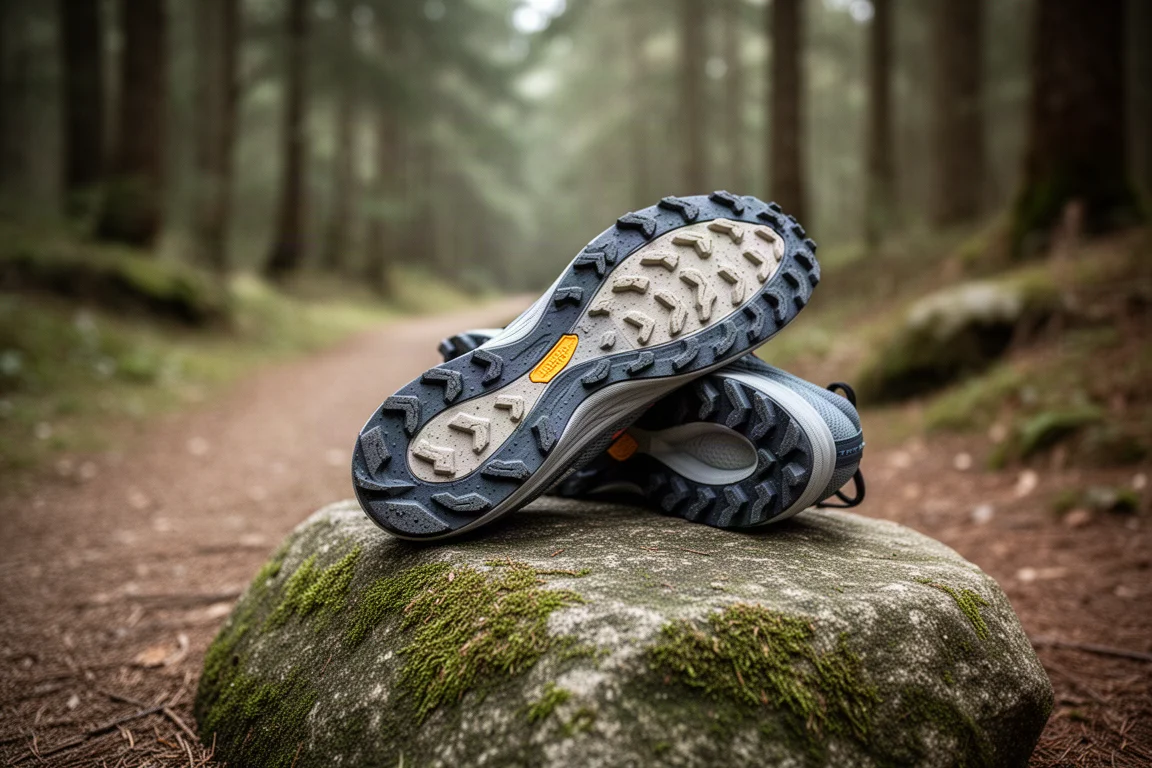
The outsole is now almost fully rubber, apart from a few flex grooves, with a varied lug pattern. Lug depth appears to be around 3 to 4mm, which still sets this up as a summer, dry-conditions shoe rather than something for muddy winter trails.
On dry, steep, dusty and loose descents, the traction surprised us in a good way, inspiring confidence even in tricky spots. The open question is wet rock and mud. Recent Nike trail shoes have struggled, sometimes dangerously, in those conditions, and there is not yet enough evidence to say the new rubber compound has fixed that. That verdict will have to wait for a full in-depth review with wet and muddy miles logged.
Buying Advice
For runners after a door-to-trail crossover shoe, the Pegasus Trail 4 makes a strong case: a comfortable upper, a well-connected and cushioned midsole, and an enjoyable, stable ride on mixed dry terrain. Skip it if you need a wide or deep toe box, or if your routes regularly involve mud and wet rock, where the verdict is still out.
Conclusion
The Pegasus Trail 4 is the best first-run experience of any recent Nike trail shoe, and possibly the best Nike trail shoe in a long time. It fixes the stability problems of previous versions, delivers a responsive yet cushioned ride, and only leaves grip in genuinely wet conditions as the remaining question mark.
Product link
View more details for Nike Pegasus Trail 4
This product is mentioned in the review. Check the specifications, options, and compatibility before buying.
View more details for Nike Pegasus Trail 4Further reading
Related Reviews
Trail Running Shoes
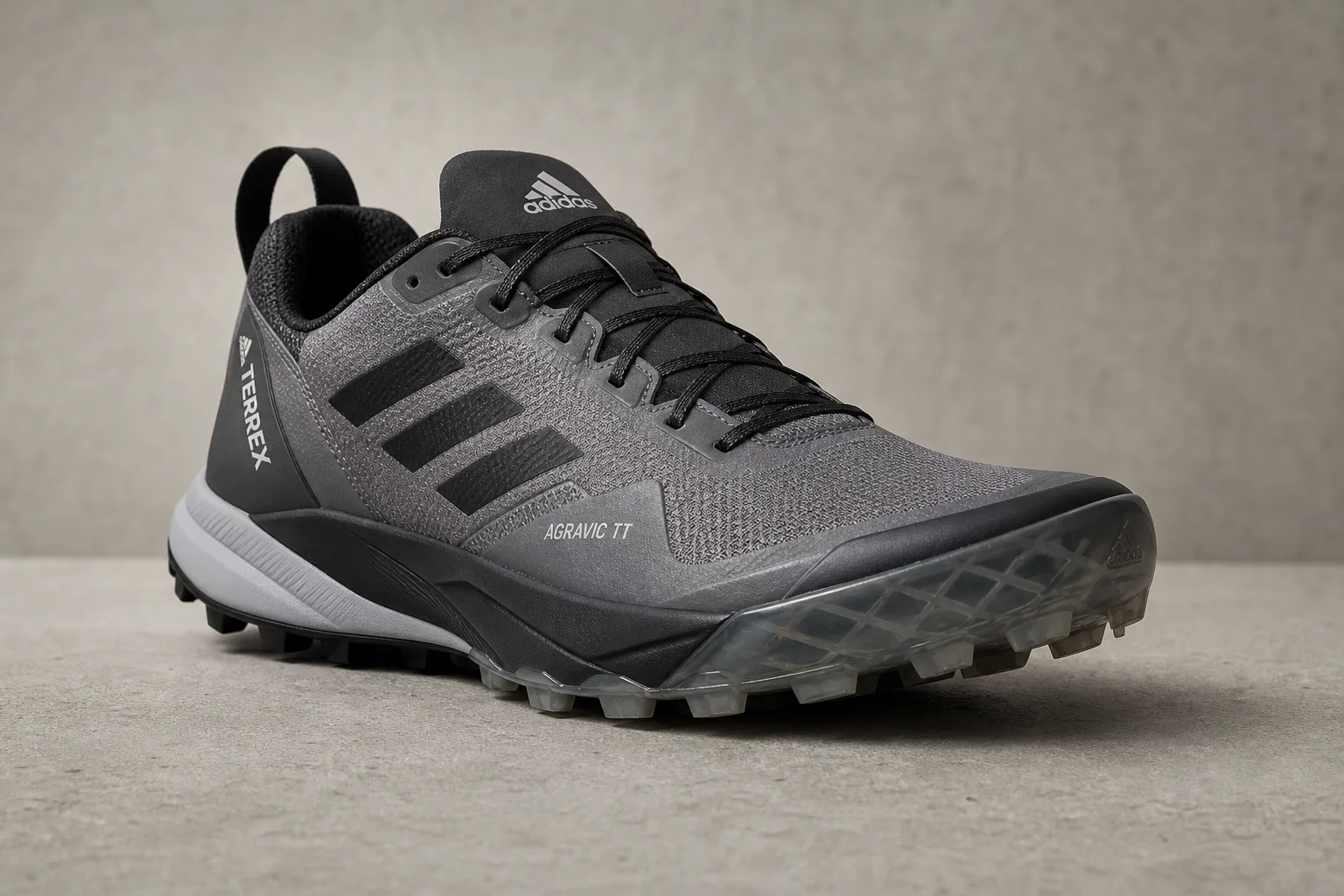
Adidas Terrex Agravic TT Review: A Technical Trail Shoe Built for Rocky Terrain
The Adidas Terrex Agravic TT combines a full-coverage rock plate with a firmer midsole to deliver protection and stability on technical, rocky trails. A capable choice for runners who prioritize underfoot defense over lightweight cushioning.
Trail Running Shoes
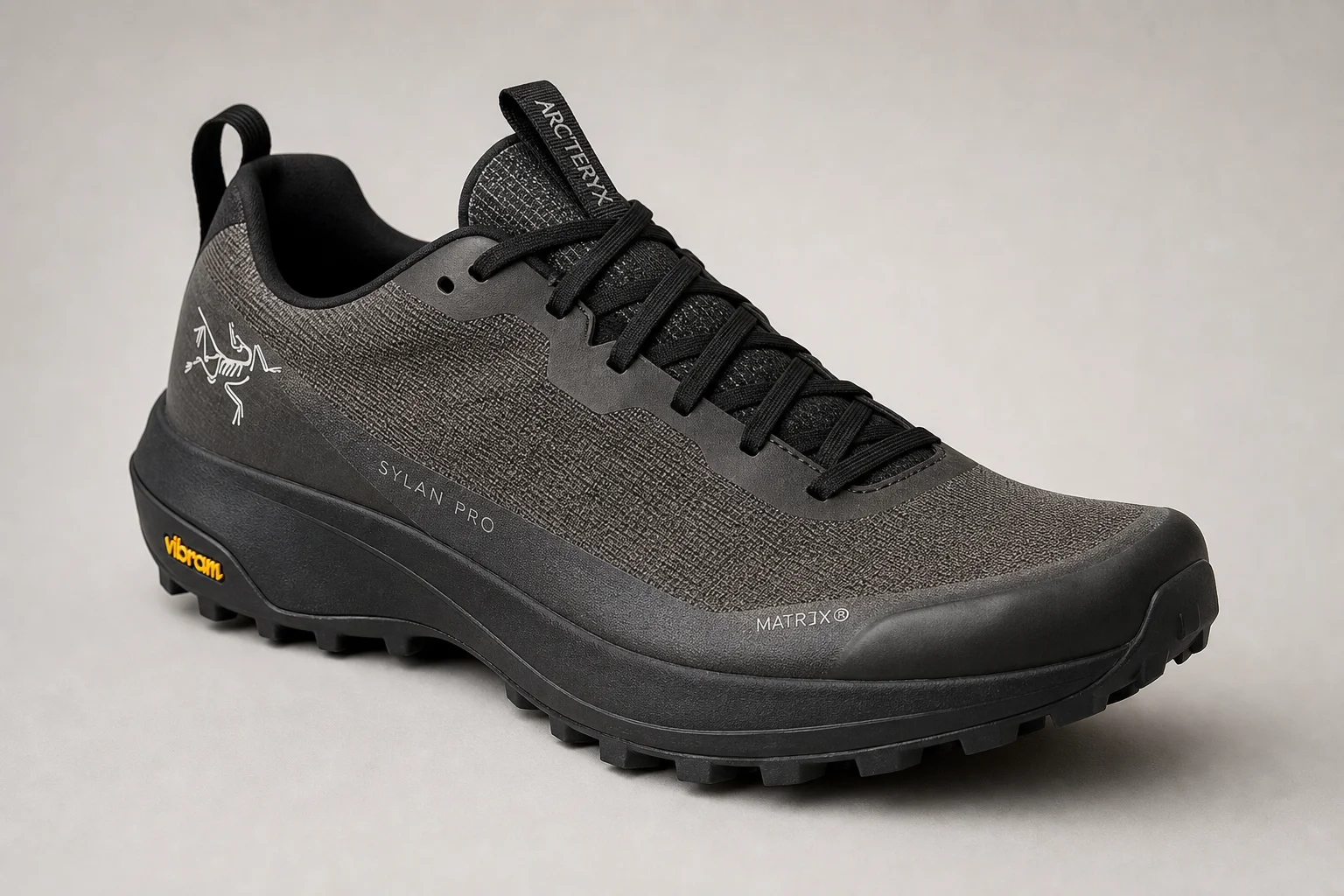
Arc'teryx Sylan Pro Review: A Rocker-Focused Mountain Running Shoe Tested on 20 Miles
The Arc'teryx Sylan Pro brings a pronounced rocker geometry and secure fit to mountain terrain. We tested it on a 20-mile Sawtooth loop to evaluate its climbing efficiency, protection, and handling of technical descents.
Trail Running Shoes
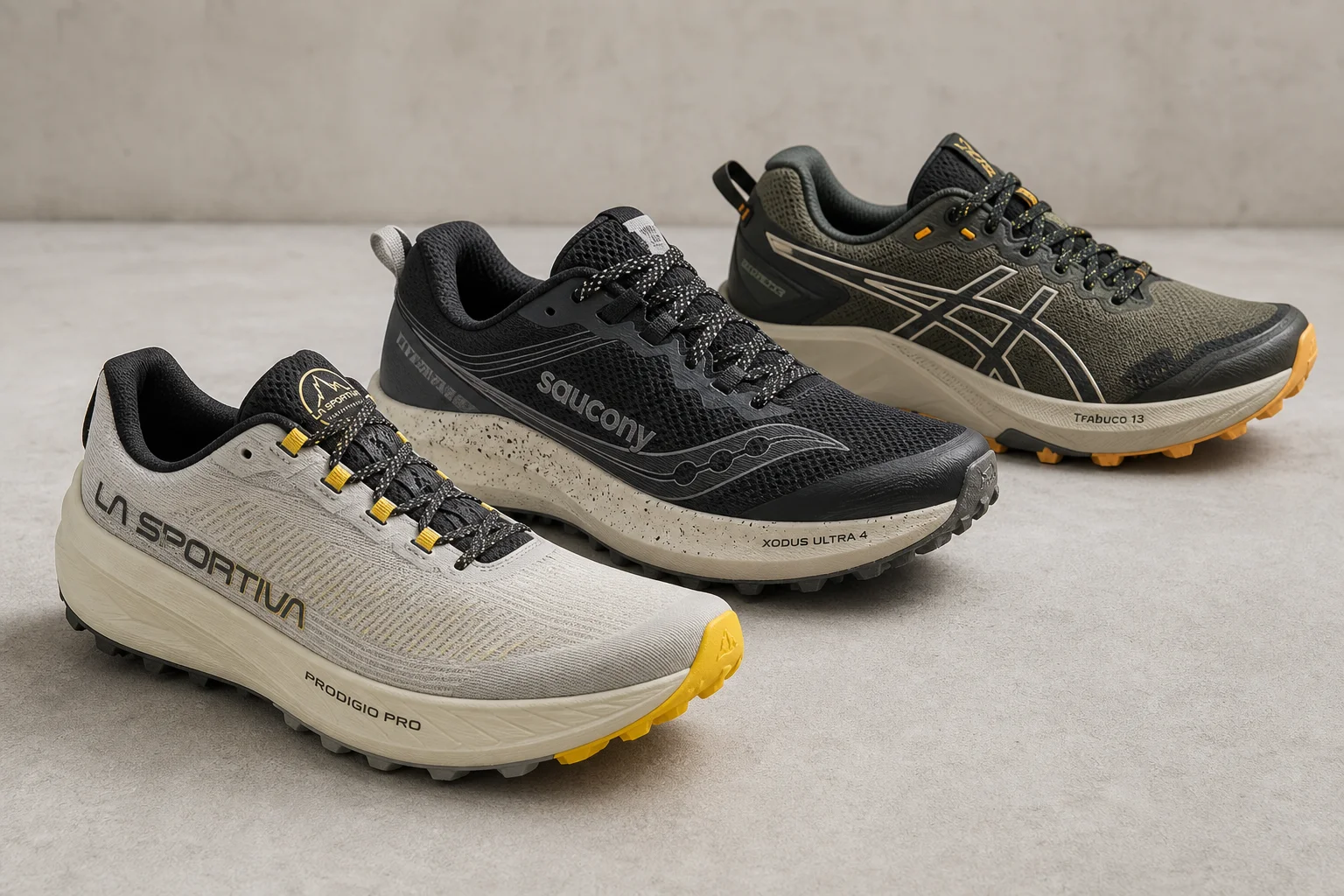
Best All-Mountain Trail Running Shoes: Three Versatile Options for Any Trail
A focused roundup of three all-mountain trail running shoes that handle technical terrain, long distances, and variable conditions with real strengths and practical trade-offs.