Running Shoes
Nike Pegasus Premium vs Pegasus 41 vs Pegasus Plus: Which One Belongs in Your Rotation?
Three Pegasus models, three very different characters. We compare weight, midsole feel, fit and durability to help you pick the right one.
Introduction
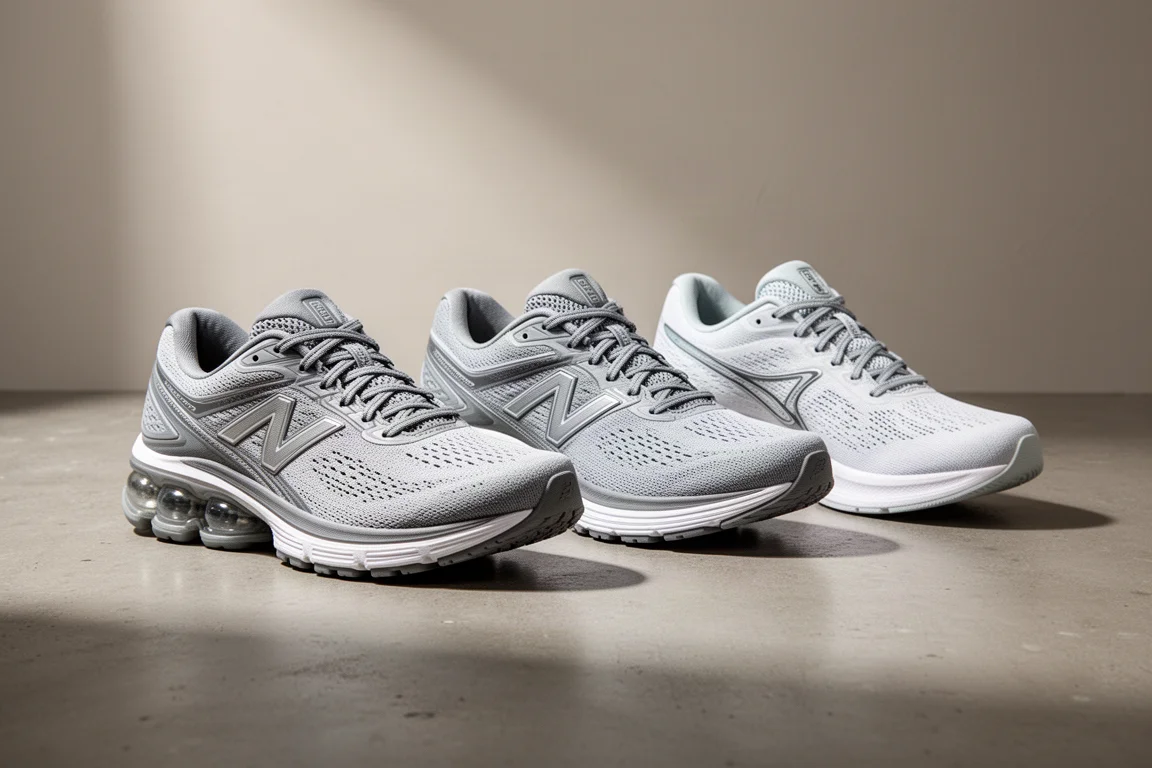
The Pegasus lineup is one of the most enduring names in running, and 2025 finds it stretched across three very different shoes: the flagship Pegasus Premium, the dependable Pegasus 41, and the lighter Pegasus Plus. All three share the same roughly 10 mm drop and a family resemblance in looks, but they diverge quickly on weight, midsole character and price.
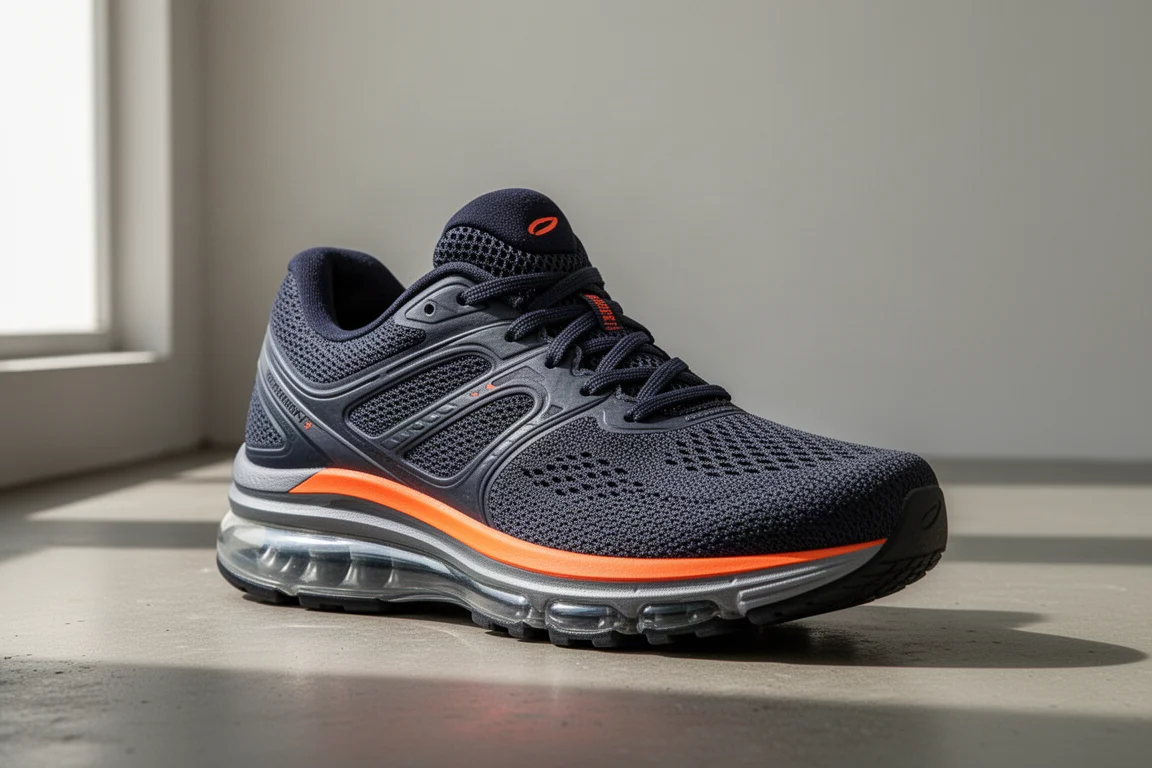
The headline stats: the Premium is easily the heaviest of the bunch at 367 g in a UK 11, and it carries the most heel stack at around 46 mm, with roughly 36 mm up front. The Pegasus Plus is the lightest of the three, while the Pegasus 41 sits between them with a firmer, more traditional feel. Fit is also tighter than you might expect across the range: the Premium felt narrow on foot, and the 41 measures the same at the widest points of the forefoot and heel.
Nike Pegasus 41: The Dependable Daily Trainer
The Pegasus 41 is the most trainer-like shoe of the trio. It has a more built-up internal structure with a bootie-style inner, and the most consistent tongue padding of the three models, plus a reasonable amount of padding in the heel. It is also the toughest wearing of the bunch, with a more resilient rubber outsole, though all three shoes score similarly in short-wear terms.
The midsole uses a denser React X foam paired with air cushioning, and it needs some breaking-in miles to free up. This is not a shoe that throws you forward. It is about impact protection, absorbing the foot strike rather than bouncing you back. Where the air units really earn their keep is longevity: they keep performing over high mileage where some foams bottom out over time.
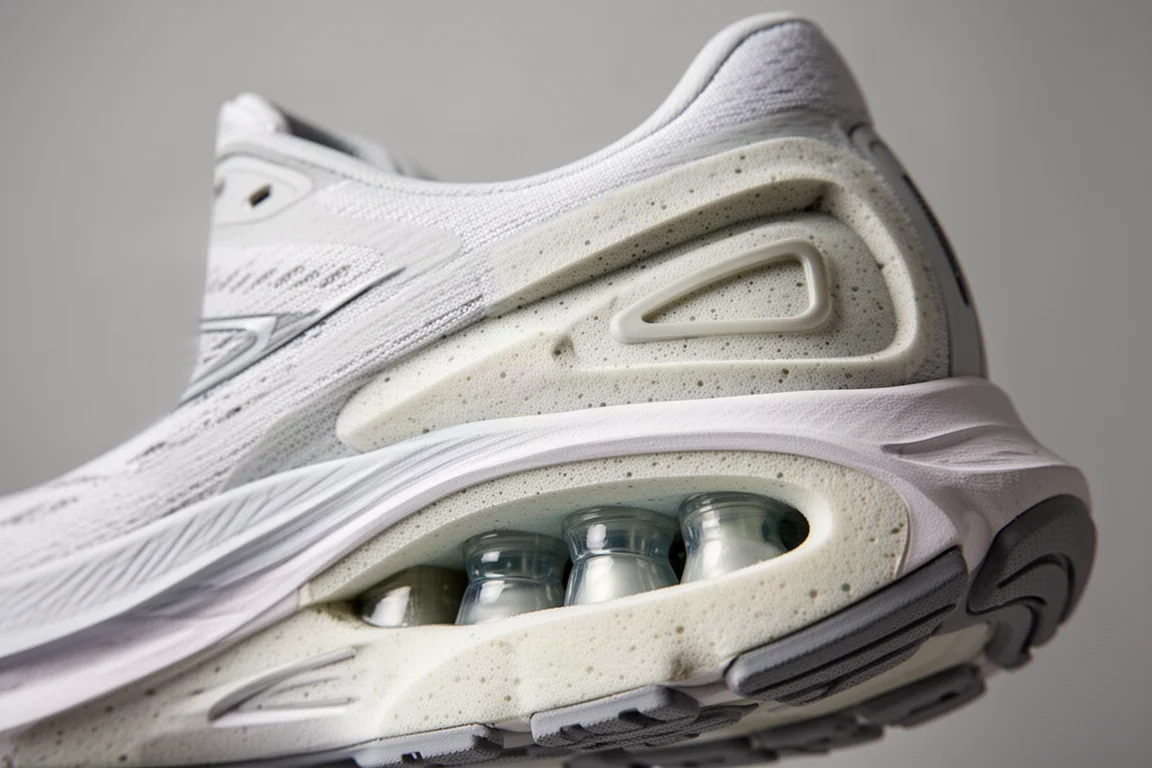
If you want a durable daily trainer with reliable grip and you would rather not pay flagship prices, the 41 is the sensible pick, and it can often be found well below its retail price.
Nike Pegasus Plus: The Light and Nimble Middle Ground
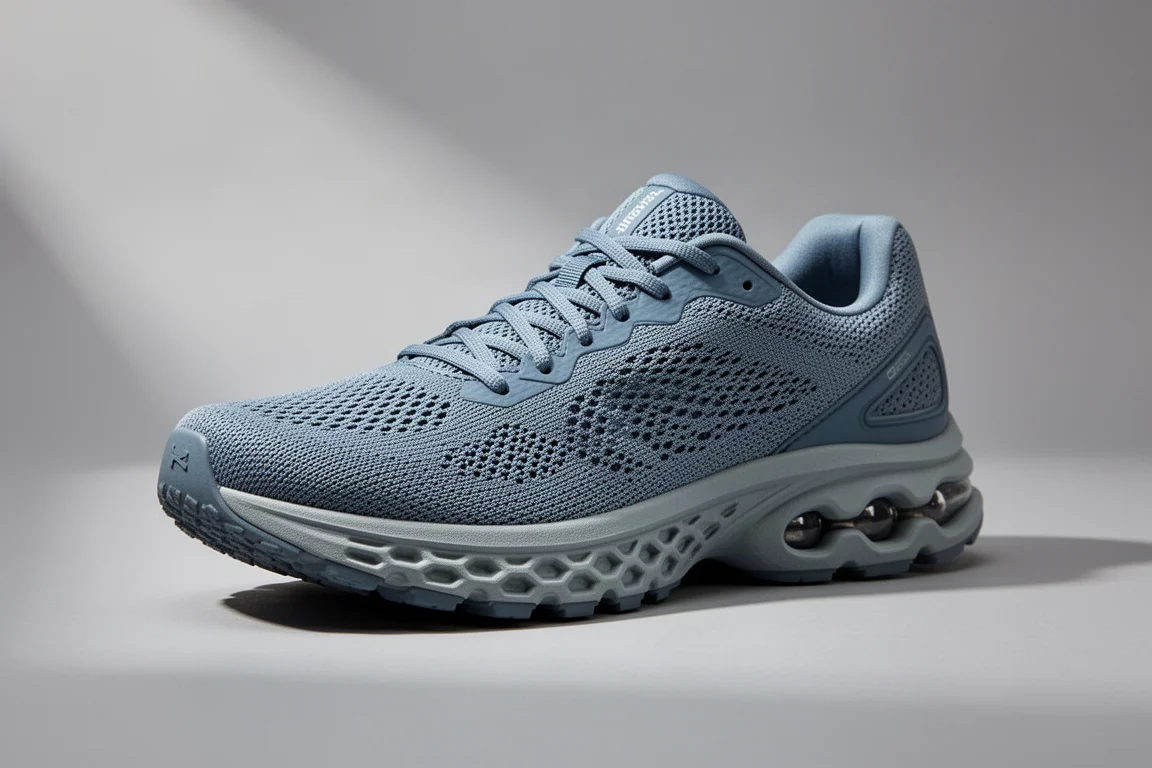
The Pegasus Plus is the lightest of the three Pegasus shoes, with a paper-thin tongue and a less present feel on foot than either the 41 or the Premium. That lightness makes it the best of the trio for pace work, and a genuinely versatile daily option if you want to introduce some speed into your routine.
Its midsole uses Nike’s flagship ZoomX foam, though not the same formula from the fast days of old: it is less airy and slightly more rubberized. One missed opportunity is the lack of a shank or plate to add pop and propulsion. There is also a durability concern, with exposed midsole poking through the bottom of the shoe where debris could wedge in and damage the foam.

The thinner laces mean you have to cinch them tighter for lockdown, which adds a bit of pressure across the top of the foot. Compared with some featherweight rivals from other brands that come in dramatically lighter, the Plus does not quite hit the same notes for short-distance and track work, but as a nimble everyday option it works well.
Nike Pegasus Premium: Plush, Bouncy and Full of Character
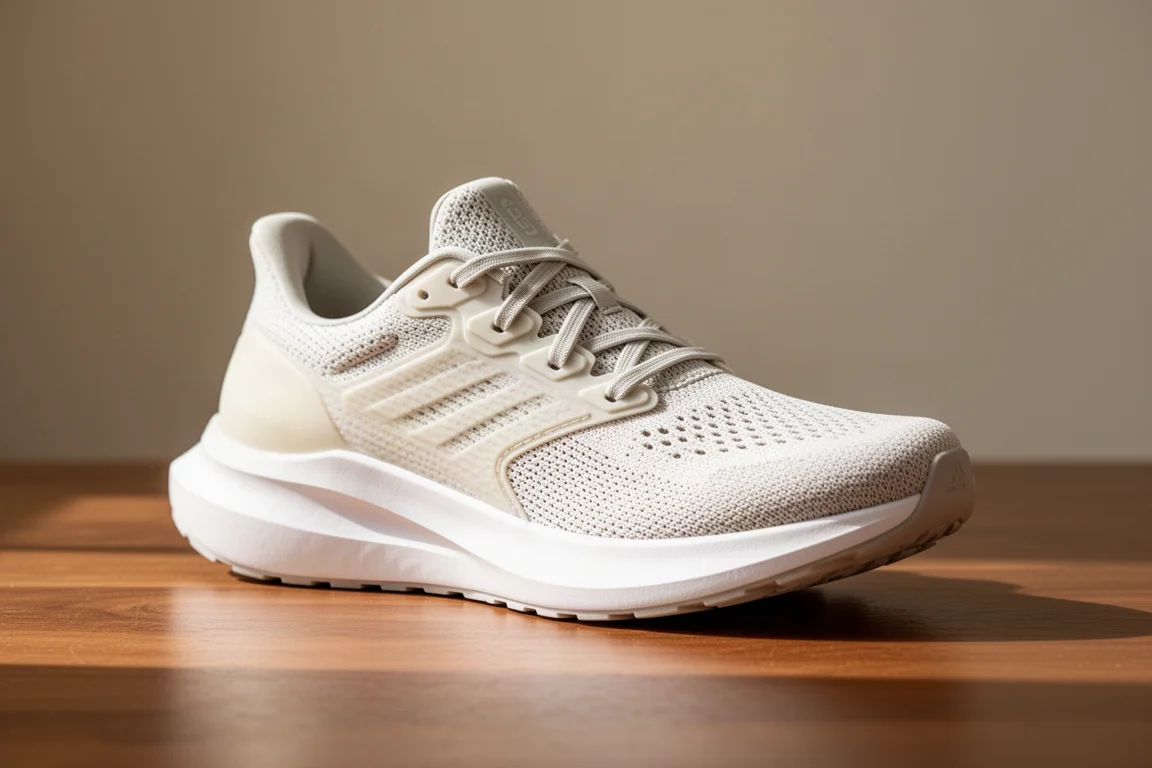
The Premium is easily the plushest of the three, with extra padding around the Achilles and heel that has long been a staple of the Pegasus lineup. It is also, oddly, the most breathable of the three, sometimes a little too breathable up front, with cold toes reported even on milder days. Lockdown is the easiest of the bunch, fitting well without having to cinch the laces much.
Despite the heft, it handles speed surprisingly well. The weight almost works in your favour, adding a bit of momentum, and the bounce genuinely seems to lift your turnover and cadence. It offers more character out of the box than either of the other two models, and it keeps improving as it breaks in.

The downsides are real, though: it is expensive, reasonably narrow, and the exposed air unit underfoot is a point of failure if something sharp gets through it. Of the three, the midsole here is arguably the most enjoyable, but it is a shoe for the curious and the committed rather than the budget-minded.
Which Pegasus Should You Buy?
If pure traction, durability and value are your priorities, the Pegasus 41 is the best bet, especially given how often it sells below retail. If you want a light, nimble shoe that can still cover daily miles and the odd faster session, the Plus is a good middle ground. If you are fascinated by cushioning tech and want the plushest, bounciest ride of the lineup, and you can accept the weight and price, the Premium delivers an experience the other two cannot.
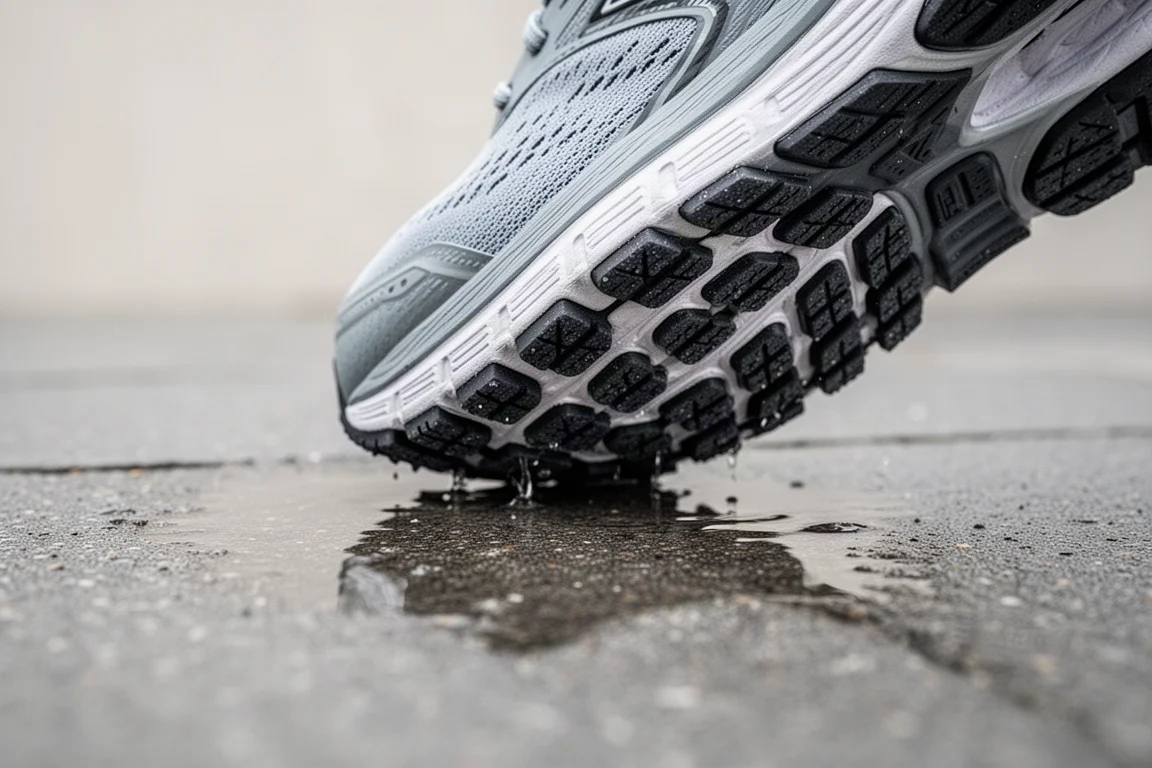
Two caveats apply across the range. The Plus and Premium both have more points of failure than the 41, with exposed midsole and air unit materials vulnerable to debris. And the softer foams in the lighter models carry an inherent stability trade-off that will not suit everyone.
Conclusion
Nike’s Pegasus range in 2025 still has room for improvement, particularly on weight and price, but each model has a clear identity. The 41 remains the value-first daily workhorse, the Plus covers light-and-versatile duty, and the Premium rewards runners who want maximum cushioning character and are willing to pay for it. Pick based on which of those roles your rotation is missing.
Further reading
Related Reviews

Running Shoes
Best Road-to-Trail Running Shoes: Three Versatile Options for Mixed Terrain
A practical guide to three road-to-trail running shoes that handle both pavement and mild trails, with clear strengths and trade-offs for different runner types.

Running Shoes
Best Running Shoes for Achilles Tendonitis: Three Options Explained
Three running shoes with different heel drops and support features designed to help reduce Achilles tendon pain during walking and running.

Running Shoes
Best Running Shoes for Women: Five Top Choices Ranked
A ranked guide to five women's running shoes, from versatile daily trainers to high-performance racing options, with real strengths and trade-offs for each.